Admiral

Admiral holds a Michelin star in Weisenheim am Berg, a wine-growing village in the Palatinate that most international visitors pass without stopping. For anyone routing through the Pfalz wine country, Admiral is the dining argument for the detour.
Pearl is the En Primeur Club membership app — saves, bookings, and concierge access live there. Same editors, same standards.
- Address
- Leistadter Str. 6, 67273 Weisenheim am Berg, Germany
- Phone
- +49 6353 4175
- Website
- admiral-weisenheim.de
- Directions
- Get directions
 Saves & bookings on Pearl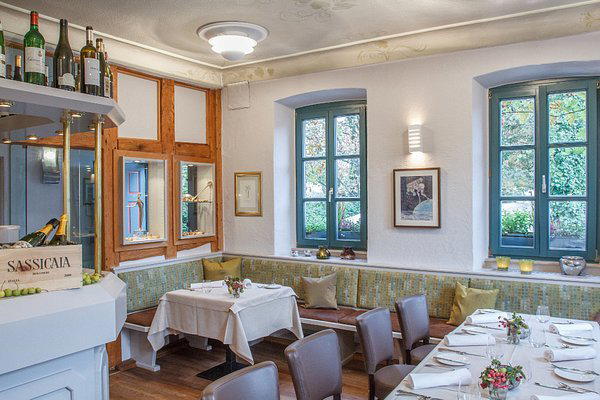
Where the Pfalz Puts Its Leading Plate Forward
Weisenheim am Berg sits at the northern edge of the Deutsche Weinstrasse, a stretch of the Palatinate where the Haardt mountains shelter the vineyards from Atlantic weather and the villages are small enough that a single serious restaurant can define a place entirely. That is the position Admiral occupies. Arriving along Leistadter Strasse, the surrounding context is agricultural and quietly prosperous, vines, stone walls, the unhurried rhythm of a working wine village rather than a tourist corridor. The contrast with what happens inside the kitchen is precisely the point. Germany's Michelin-starred dining has long thrived in this format: the destination restaurant embedded in a place that offers no other reason to be there.
Contemporary Cooking in a Region Built on Terroir
The Palatinate's culinary identity has always been shaped by what grows here. The region produces more wine than any other in Germany by volume, and its agricultural base, almonds, figs, tobacco, sweet chestnuts alongside the standard central European larder, gives local kitchens a sourcing range that more northerly regions cannot match. Contemporary cooking in this context is not a departure from tradition so much as a reframing of it: the same ingredients pulled from the same landscape, but arranged with a precision and conceptual clarity that earlier generations of Pfalz kitchens did not attempt.
Admiral's one-star status, held across both 2024 and 2025 Michelin editions, places it in Germany's second tier of recognized fine dining. For comparison, Aqua in Wolfsburg and Schwarzwaldstube in Baiersbronn operate at three stars, while Vendôme in Bergisch Gladbach and CODA Dessert Dining in Berlin sit at two. Admiral's sustained single-star recognition across consecutive years signals a kitchen that has found its level and is not wobbling around it.
The Sourcing Logic Behind a Pfalz Fine-Dining Kitchen
In wine regions, the leading restaurants tend to develop a sourcing philosophy that mirrors the winemakers around them: short supply chains, seasonal discipline, a preference for produce that travels ten kilometres rather than a thousand. The Palatinate makes this easier than most German regions. The wine-growing villages along the Weinstrasse are embedded in a broader agricultural economy that includes market gardens, orchards, and small livestock operations, all of which supply the region's serious kitchens with ingredients that arrive with a traceability and freshness that urban fine-dining restaurants have to engineer at considerable cost.
Contemporary cuisine at Admiral's €€€€ price tier typically reflects that sourcing investment directly. The cost of a meal at this level is partly the cost of the kitchen's relationships with its suppliers. These relationships are not distinctive to Admiral, but they are more readily available in this region than in a mid-size German city, and they show up in what Michelin inspectors are tasting when they award and re-award.
Across the border into Rhineland-Palatinate's wine country more broadly, restaurants like Schanz in Piesport and Waldhotel Sonnora in Dreis demonstrate how wine-region fine dining can develop deep specificity of ingredient and place. Admiral operates in a similar ecosystem, drawing on a Palatinate terroir that expresses itself as much through the kitchen as through the cellar.
Where Admiral Sits in Germany's Contemporary Dining Picture
Germany's contemporary fine dining has expanded geographically over the past fifteen years. The concentration in Munich, Hamburg, and Berlin has not diminished, but the number of serious one-star kitchens operating in smaller towns and wine-growing villages has grown, creating a distributed map of destination dining that rewards the traveller willing to rent a car and plan routes around meal reservations rather than city itineraries. JAN in Munich and Restaurant Haerlin in Hamburg serve urban dining markets with density and competition; Admiral serves a different kind of guest, one arriving specifically and without the alternative of walking to the next restaurant on the block.
That model places particular pressure on the food. A restaurant in Weisenheim am Berg cannot rely on footfall or neighbourhood atmosphere to carry an evening. For context, 224 reviews is a meaningful sample for a village-based fine-dining restaurant where covers are necessarily limited and word-of-mouth drives discovery more than algorithmic visibility.
For those building a wider German fine-dining itinerary, Admiral fits naturally alongside a Palatinate wine trip that already has stops at regional producers. Victor's Fine Dining by Christian Bau in Perl and Bagatelle in Trier are within the broader Rhineland-Palatinate region and can anchor a multi-day route through wine country that treats restaurants as primary destinations rather than incidental stops. Internationally, the contemporary format Admiral operates within has parallels at César in New York City and Jungsik in Seoul, both of which apply similar levels of technical precision to local sourcing frameworks. ES:SENZ in Grassau offers another point of comparison within Germany's regional fine-dining tier.
Planning a Visit
Admiral is at Leistadter Str. 6, 67273 Weisenheim am Berg. The village is accessible by car from Neustadt an der Weinstrasse and Grünstadt, both within easy driving distance along the Weinstrasse. Given the price tier and Michelin recognition, advance reservations are necessary; one-star restaurants in small German villages fill their covers through a mix of local regulars and destination visitors, and the limited seat count typical of this format means last-minute availability is not a planning strategy. For visitors staying in the region, the Weisenheim am Berg hotels guide covers accommodation options nearby. The surrounding area supports a full day's activity through the local wineries and experiences before dinner.
Comparison Snapshot
Comparable venues nearby, for context on price, style, and recognition.
| Venue | Cuisine | Price | Awards | Notes |
|---|---|---|---|---|
| AdmiralThis venue — the venue you are viewing | Modern Fusion Fine Dining | $$$$ | Michelin 1 Star | Not listed |
| 5 | Modern Fusion Fine Dining | $$$$ | Michelin 1 Star | Gablenberg |
| 1876 Daniel Dal-Ben | Modern Creative Fine Dining | $$$$ | Michelin 1 Star | Düsseltal |
| Bachofer | Modern Fusion Fine Dining | $$$$ | Michelin 1 Star | Marktplatz |
| Sahila - The Restaurant | Global Fusion Fine Dining | $$$$ | Michelin 1 Star | Altstadt/Süd |
| Masa Japanese Cuisine | Modern Japanese Omakase | $$$$ | Michelin 1 Star | Ostend |
Recognition history
Dated appearances from independent guides and award organizations, with the underlying list record or original source where available.
Michelin 1 Star
Michelin
Michelin 1 Star
Michelin
Michelin 1 Star
Michelin
Continue exploring
More in Weisenheim am Berg
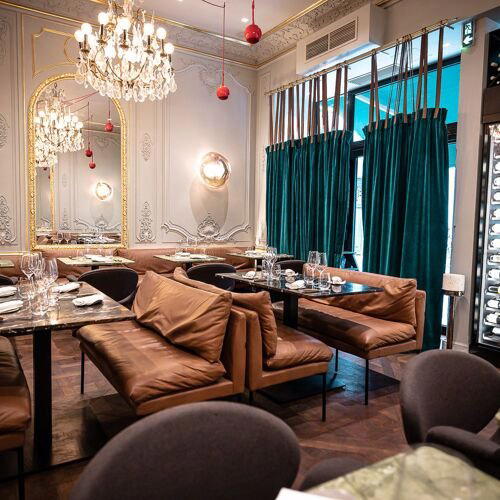
Restaurants in Weisenheim am Berg
Browse all →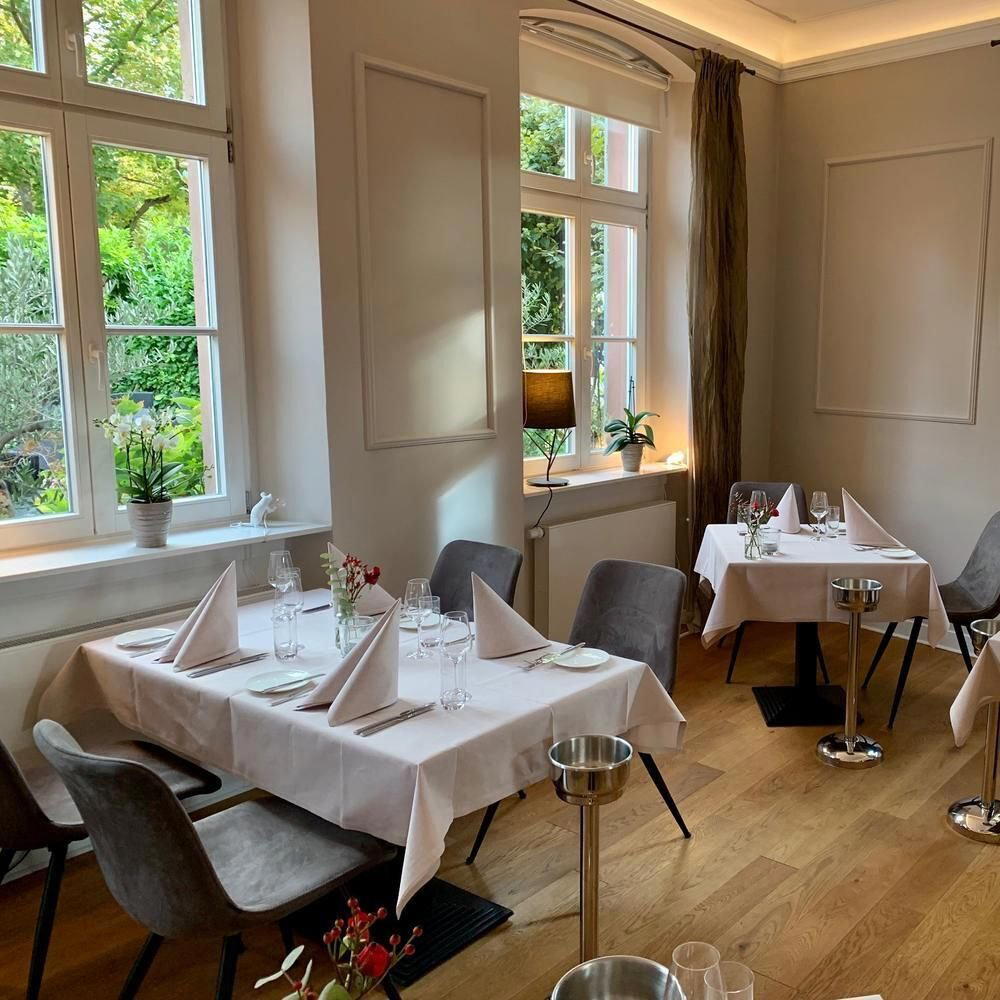
Bars in Weisenheim am Berg
Browse all →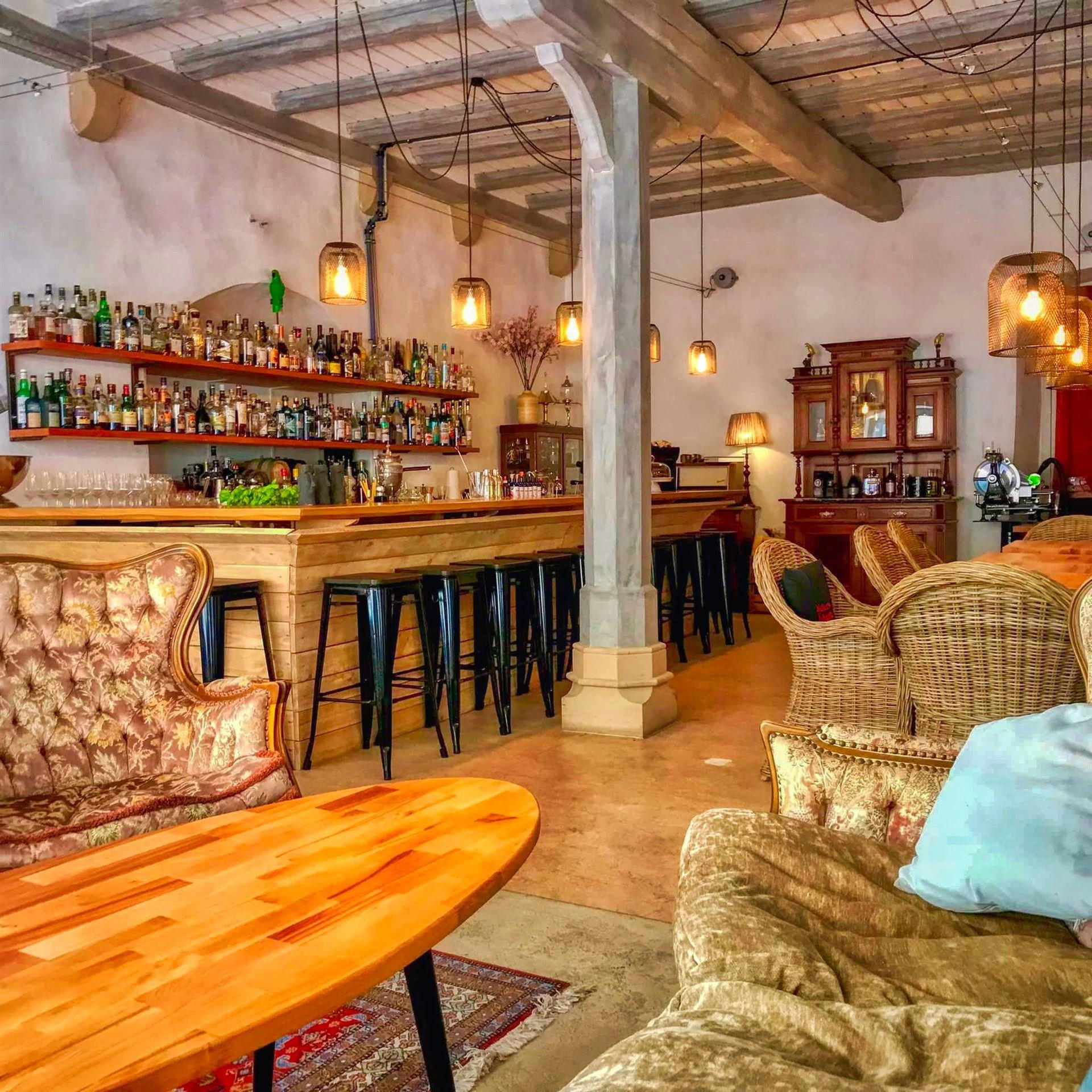
Hotels in Weisenheim am Berg
Browse all →
At a Glance
- Charming
- Cozy
- Elegant
- Romantic
- Intimate
- Date Night
- Special Occasion
- Terrace
- Garden
- Extensive Wine List
- Sommelier Led
- Local Sourcing
- Garden
Current opening hours
- Monday
- Closed
- Tuesday
- Closed
- Wednesday
- 6–10 PM
- Thursday
- 6–10 PM
- Friday
- 6–10 PM
- Saturday
- 6–10 PM
- Sunday
- 12–3 PM, 6–10 PM
Hours can change for holidays and private events. Last verified .
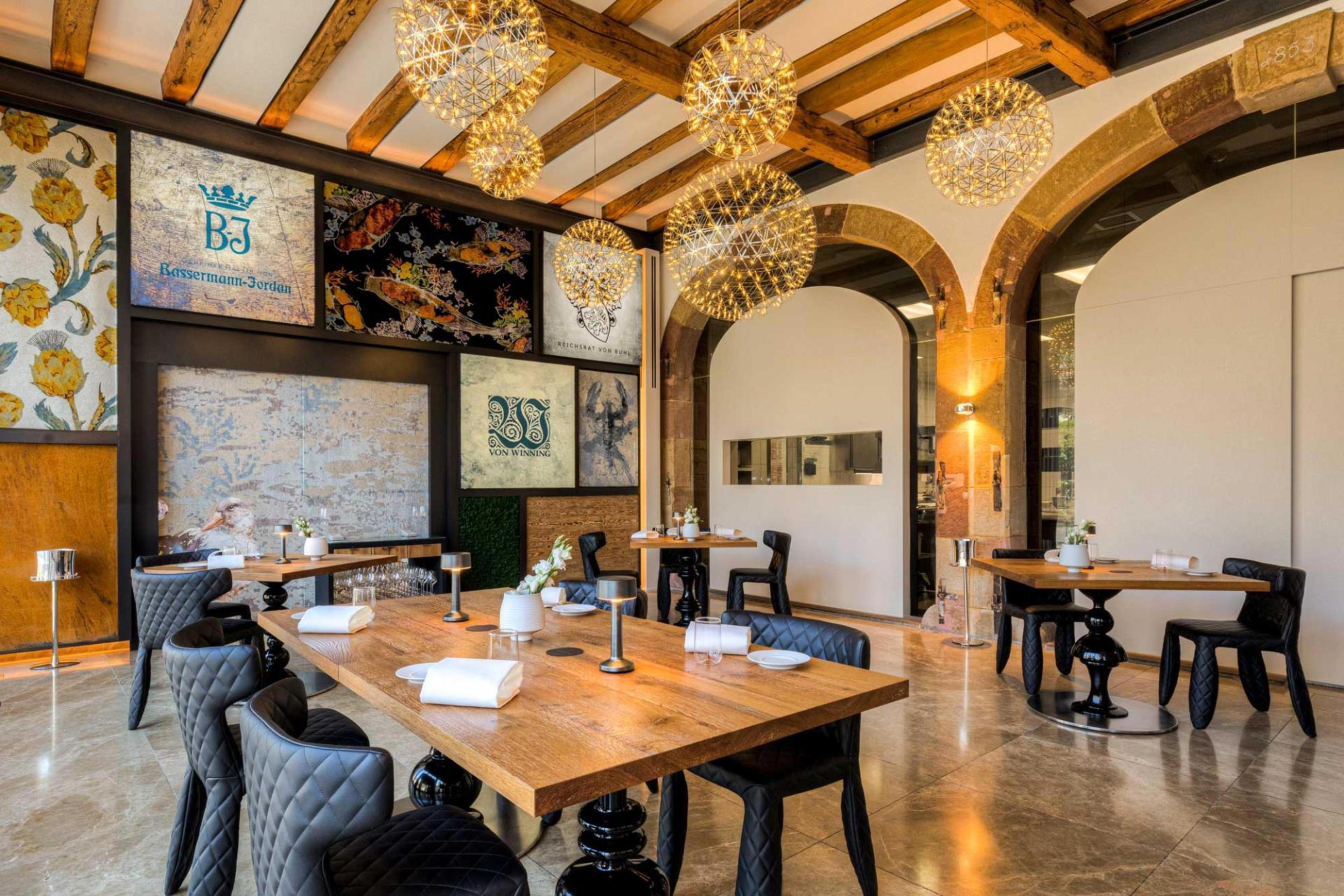
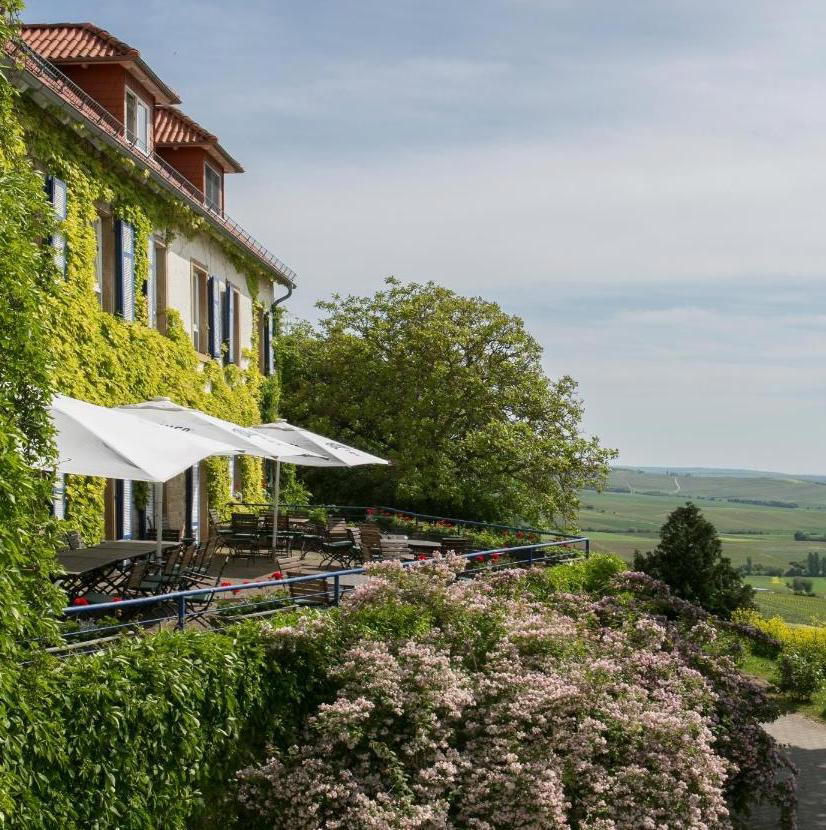
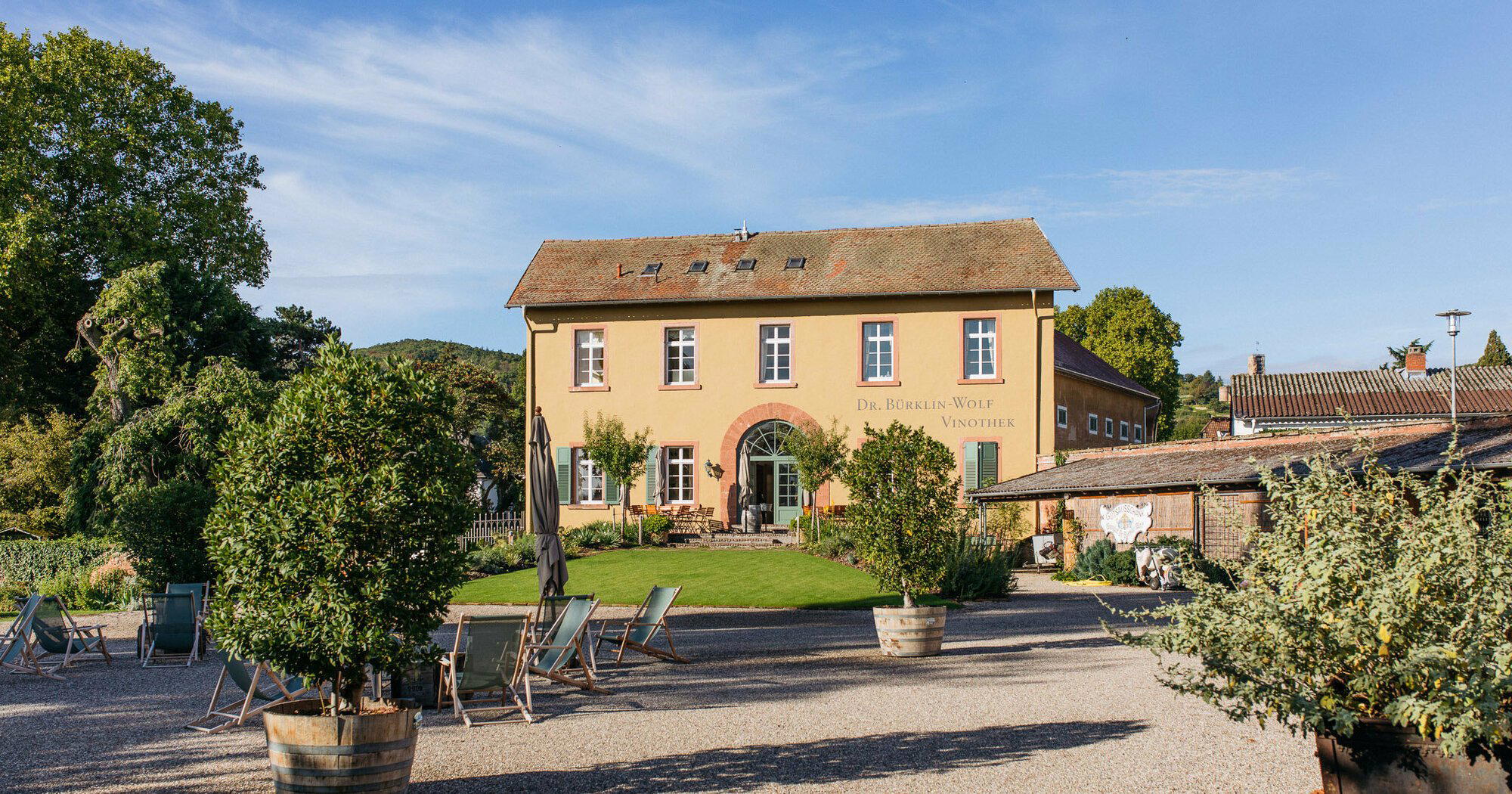
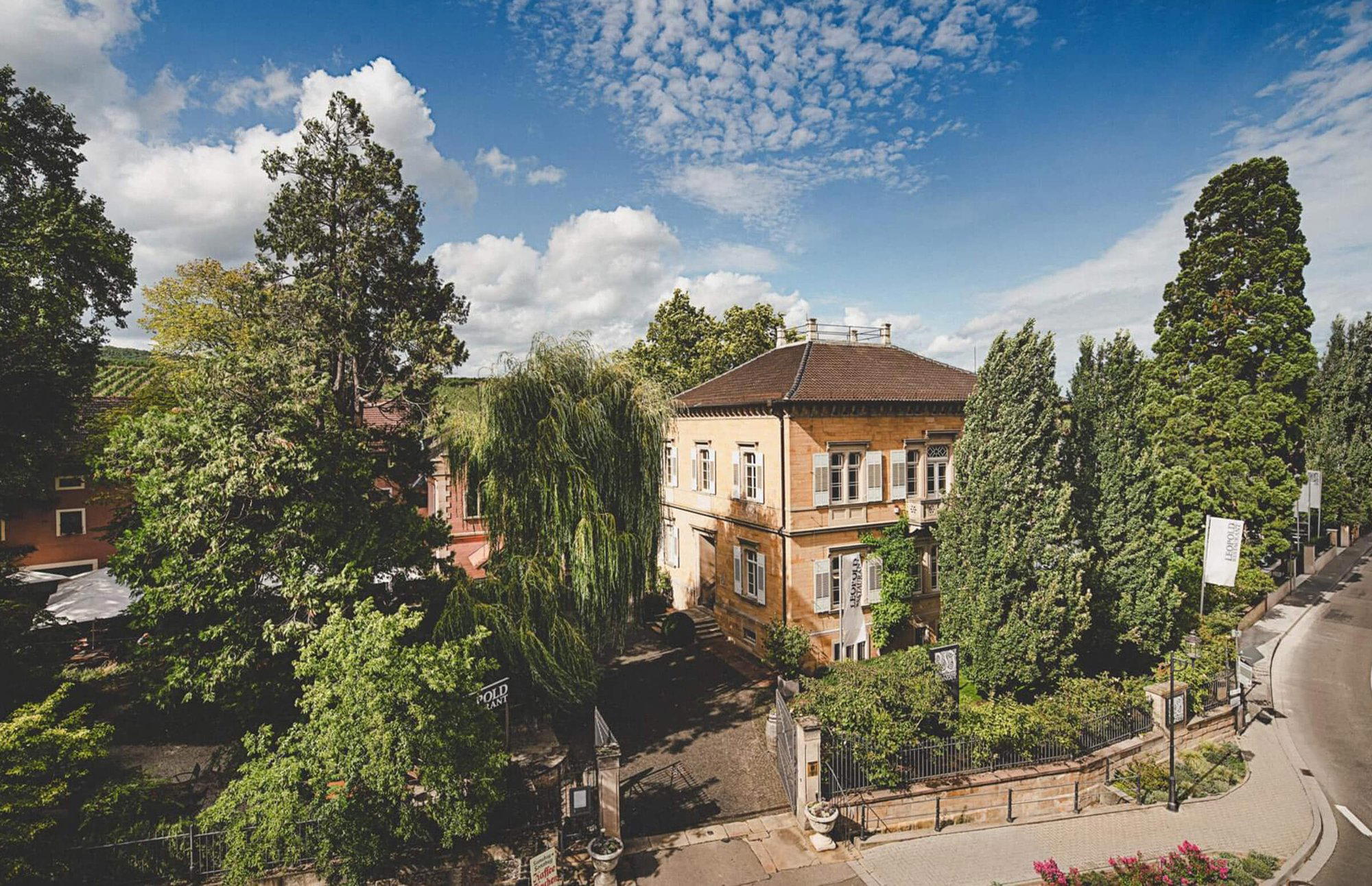
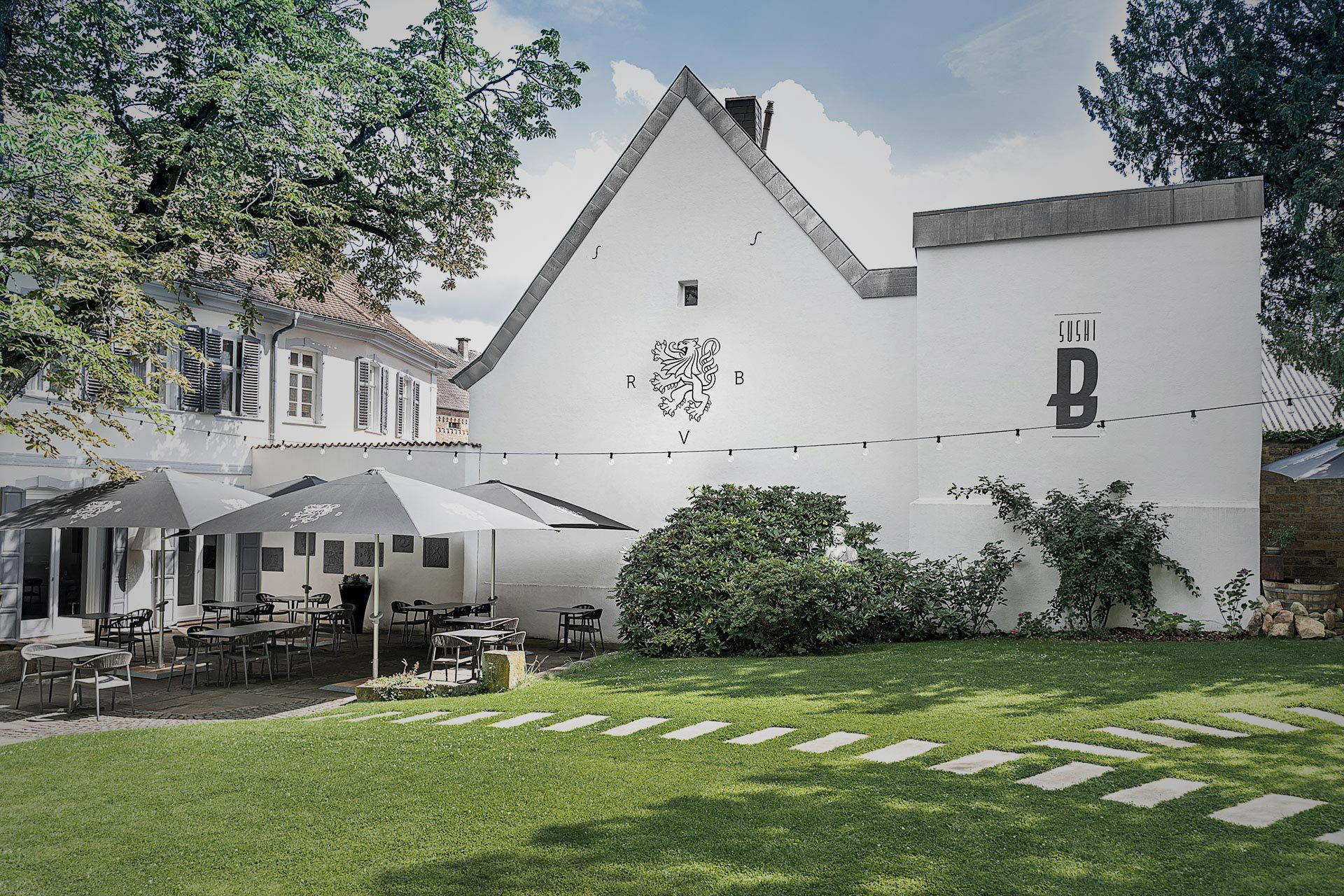
Warm lighting, tasteful decor, cozy dining room, and romantic terrace in summer.