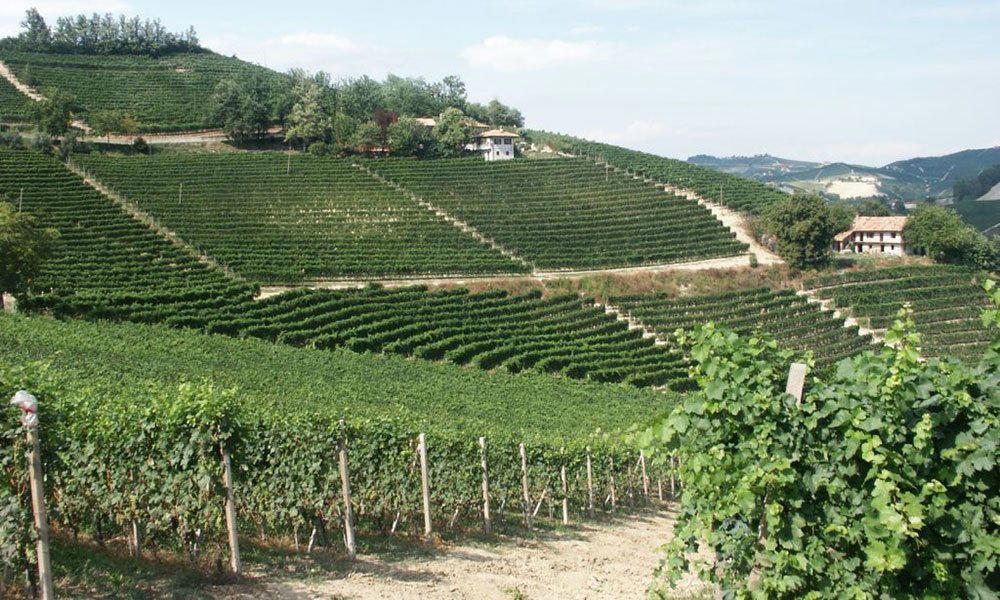
Architecture in Service of the Vineyard
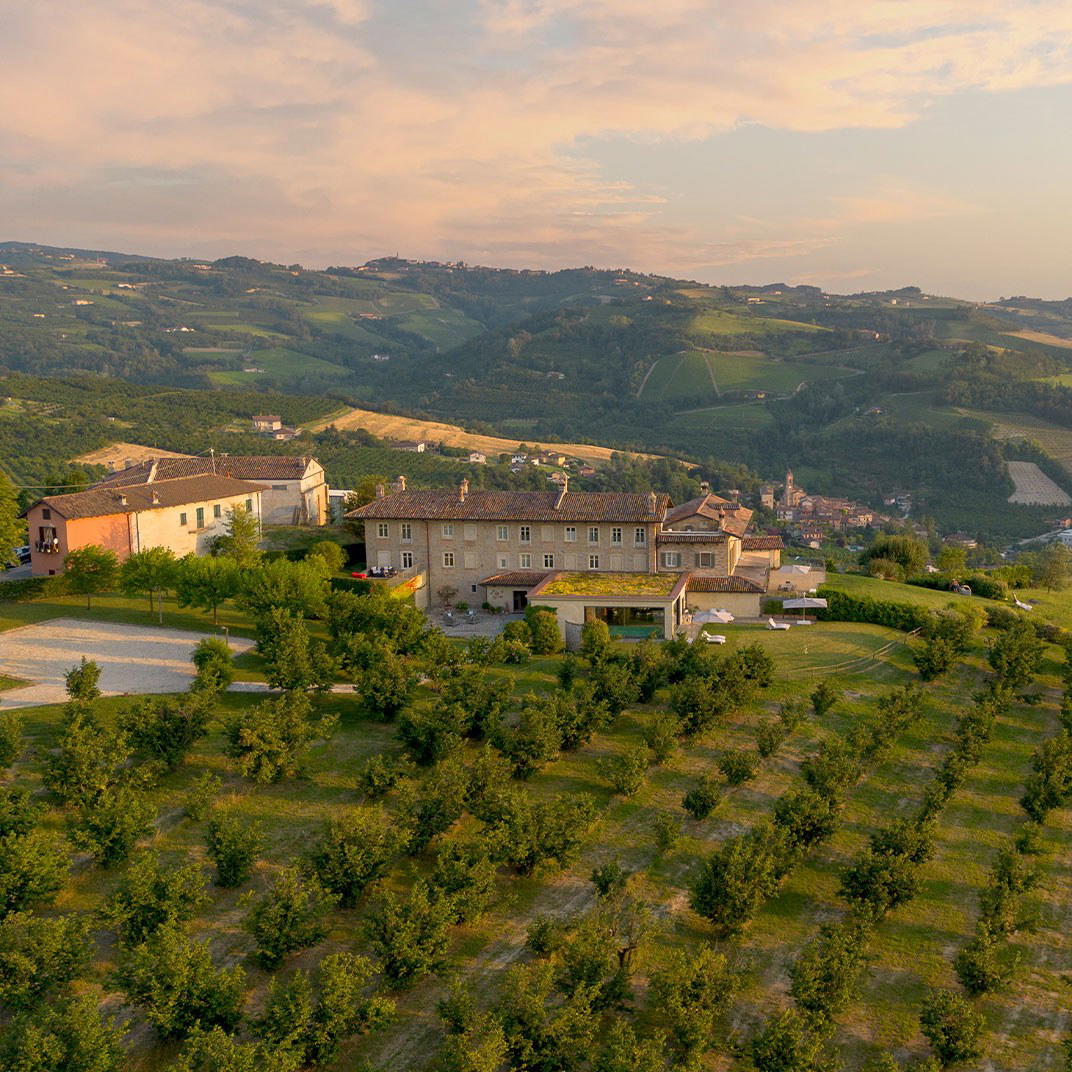
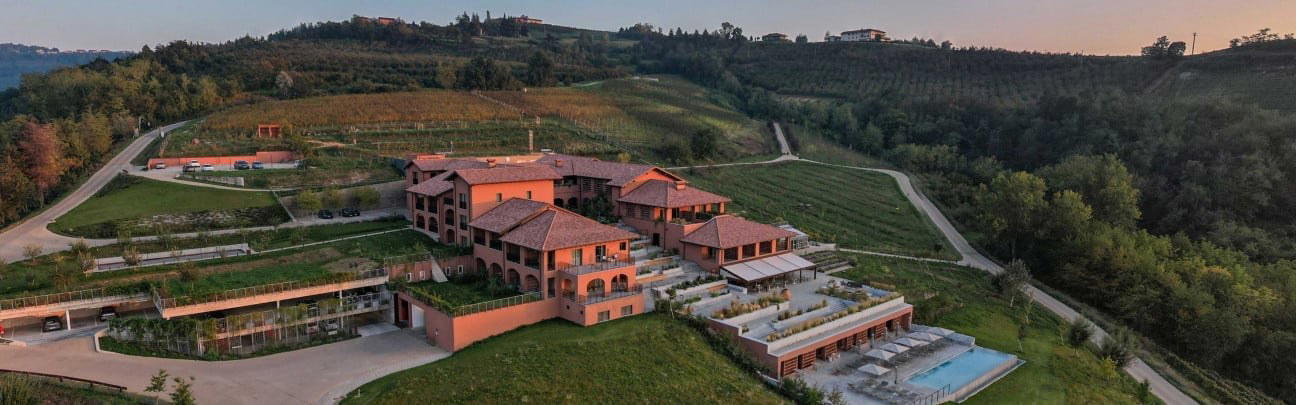
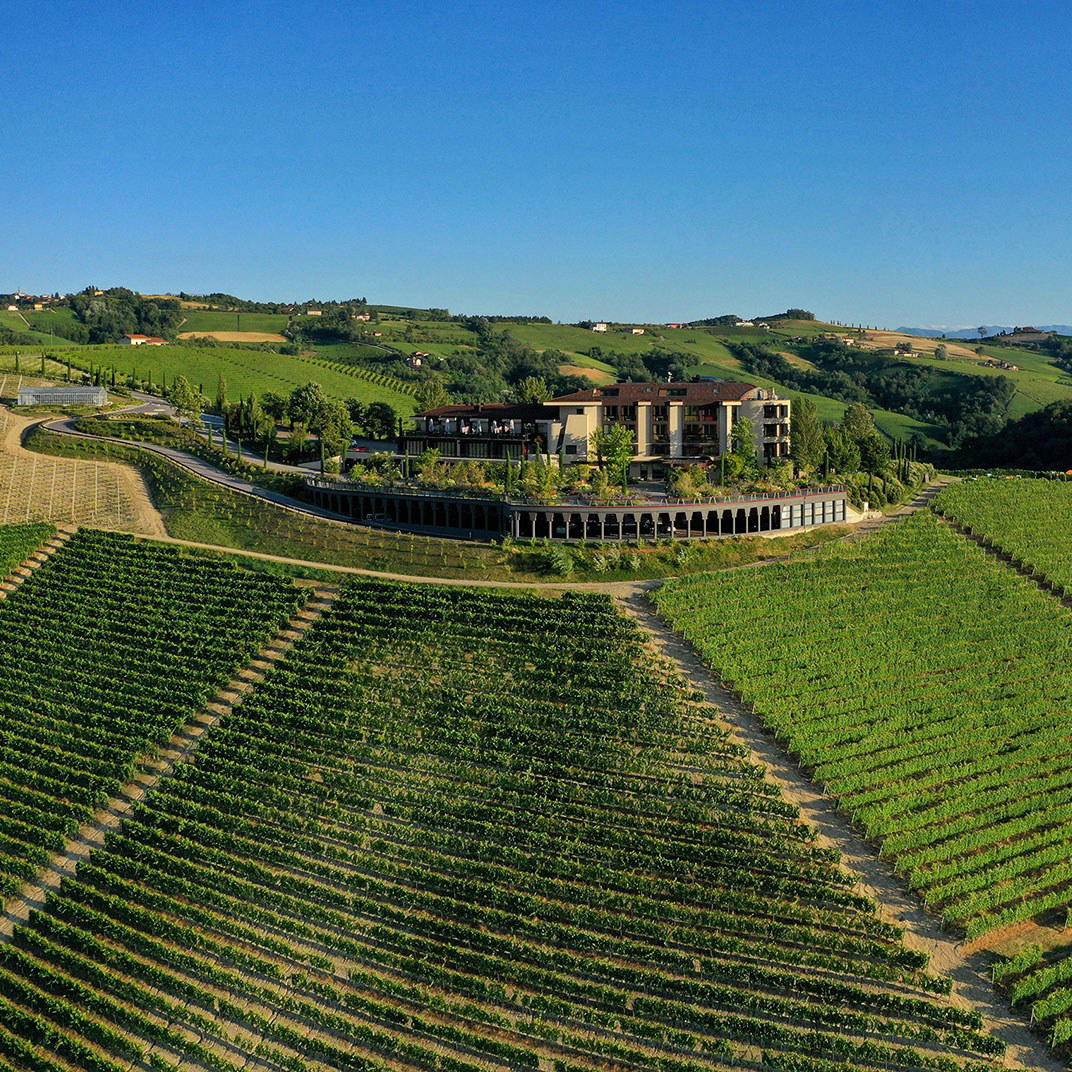
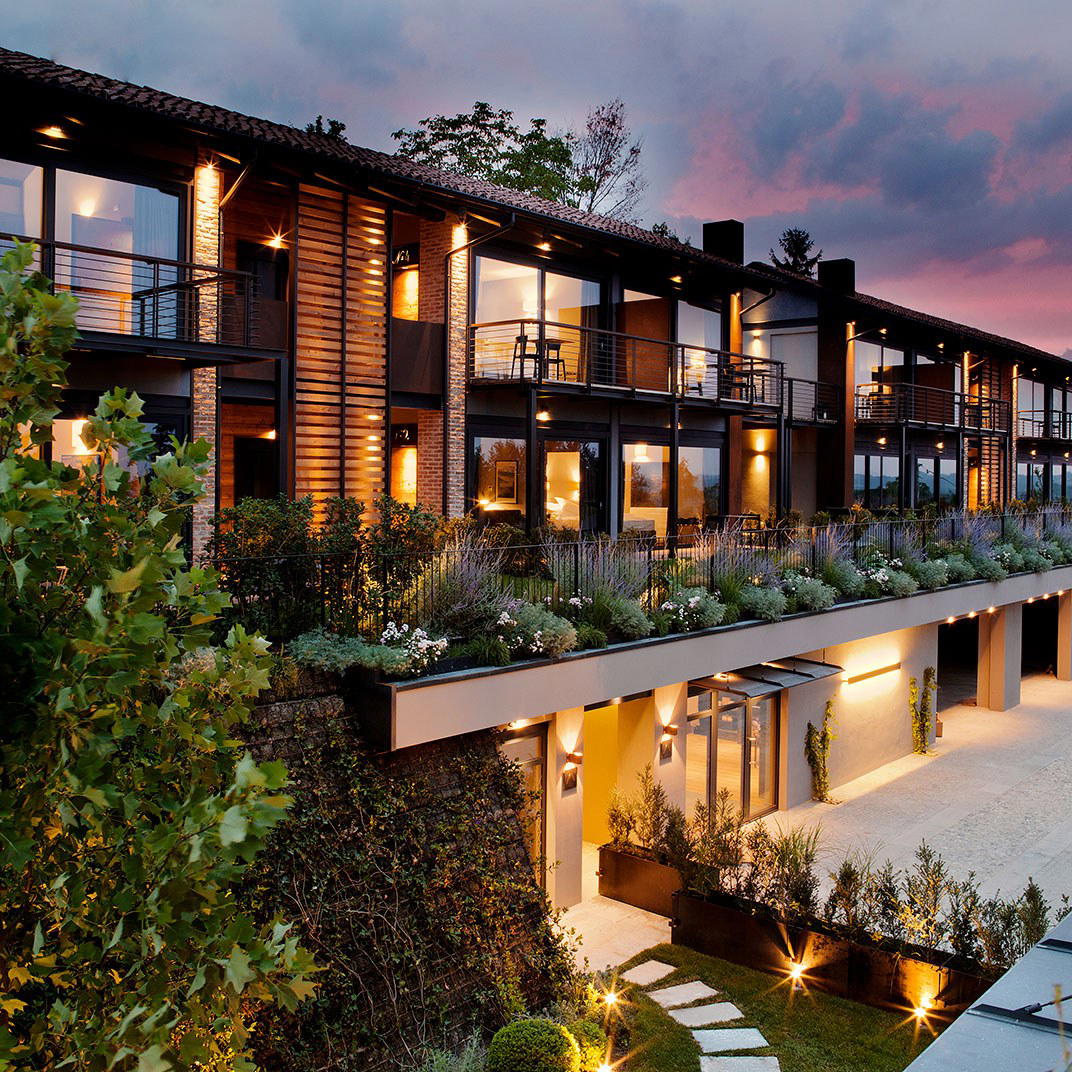
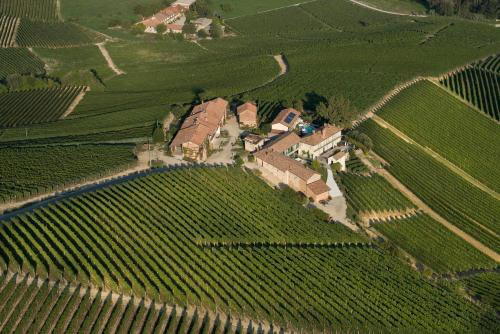
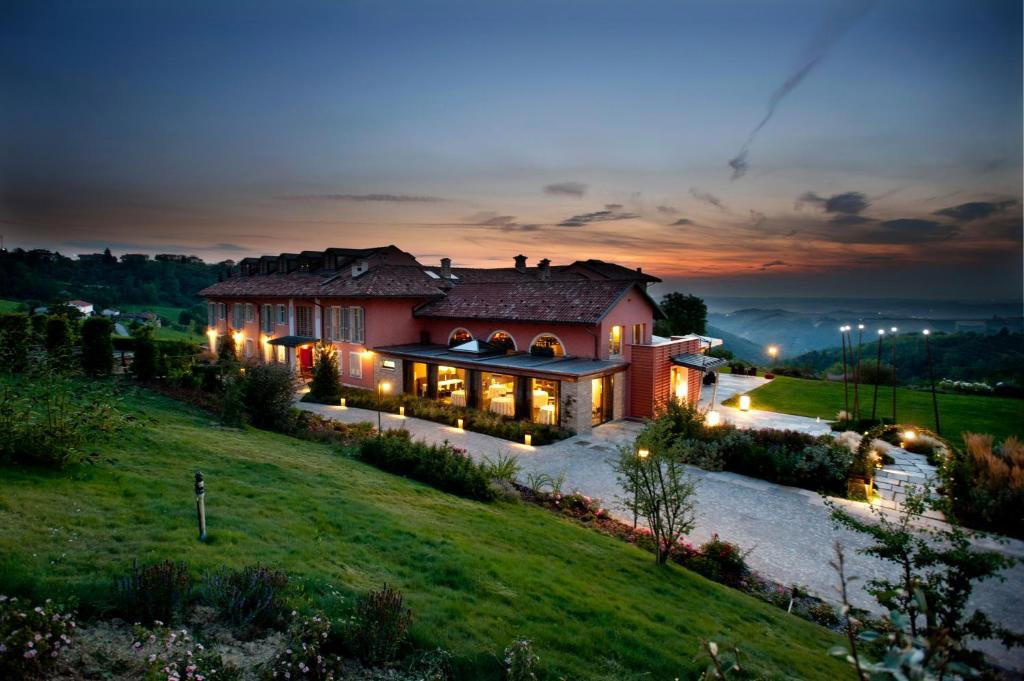
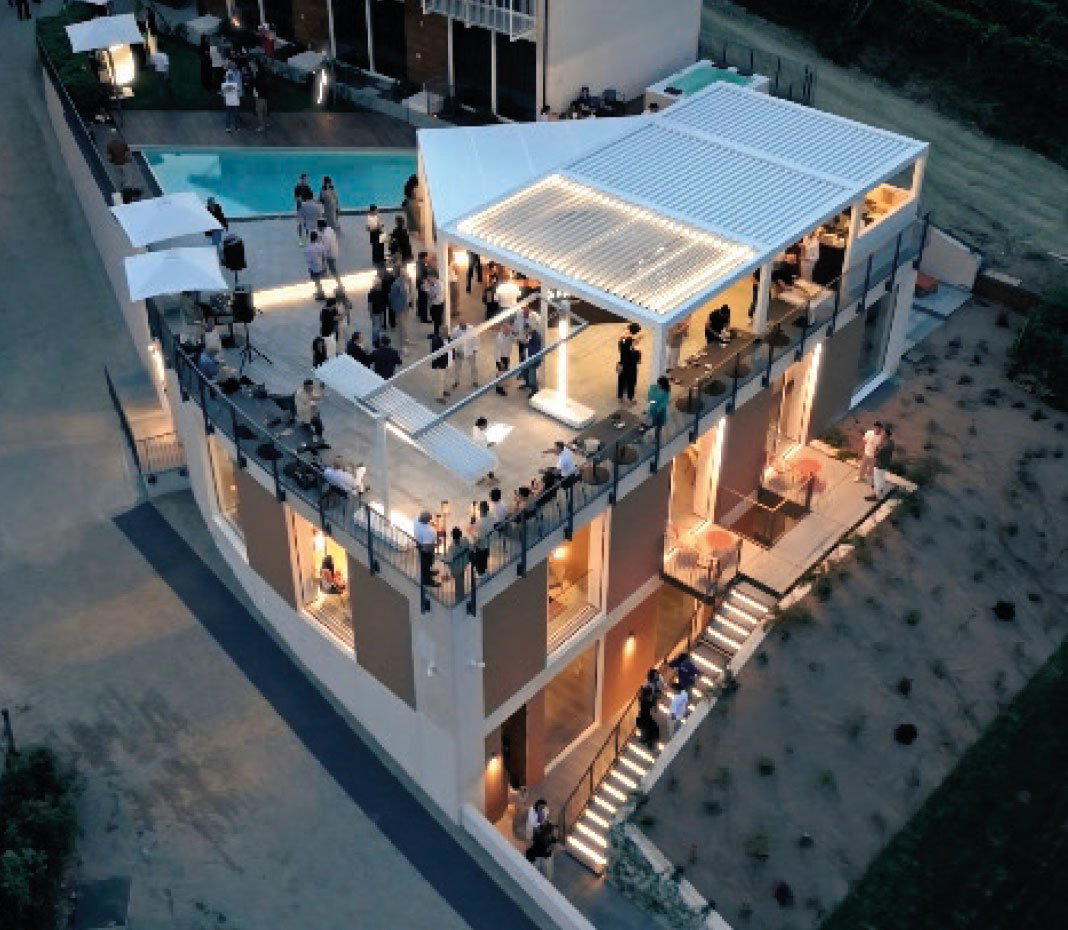
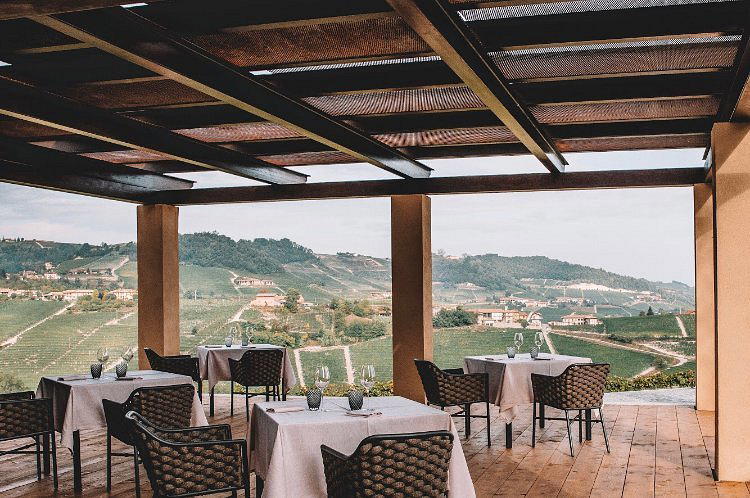
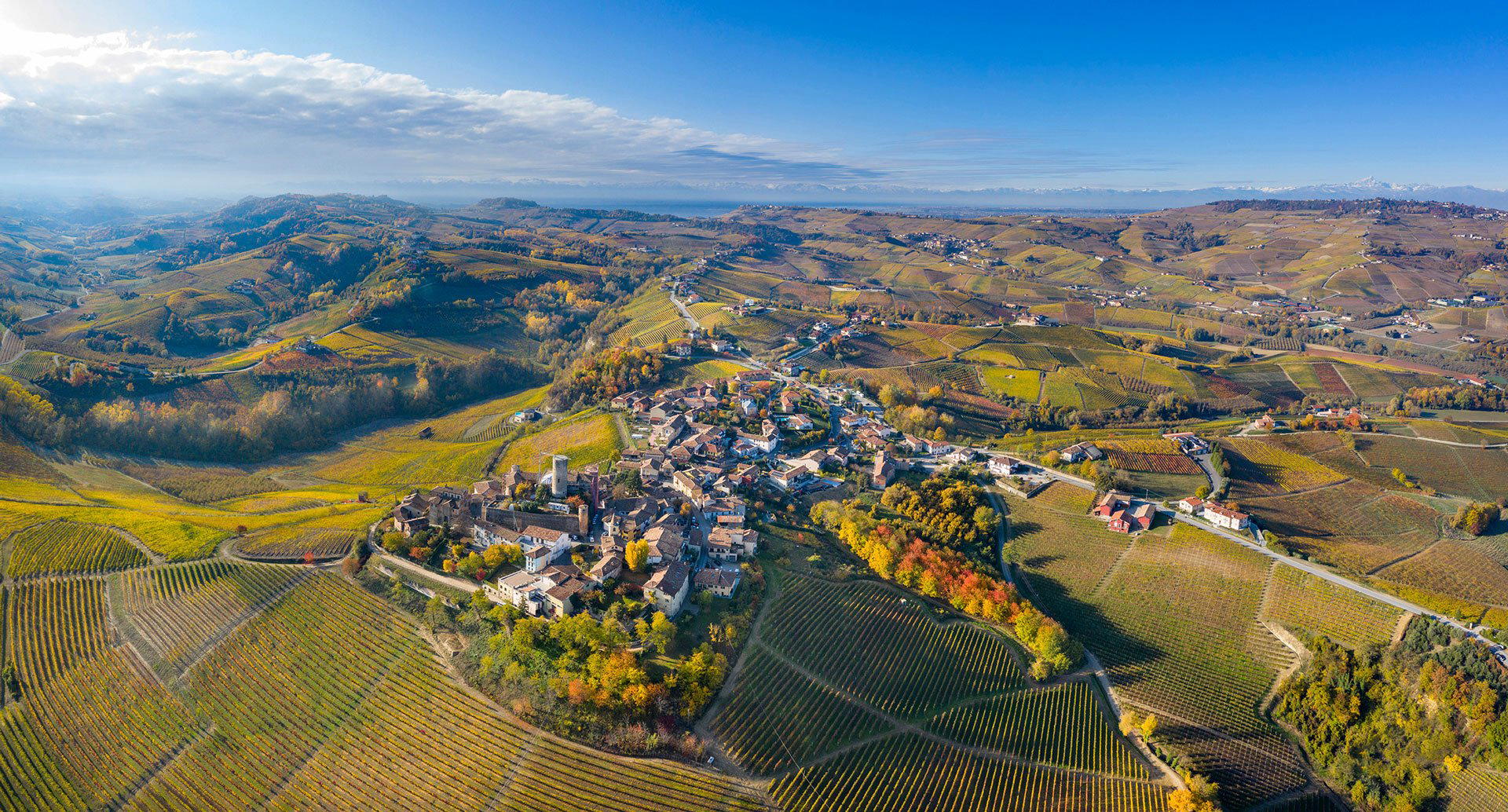
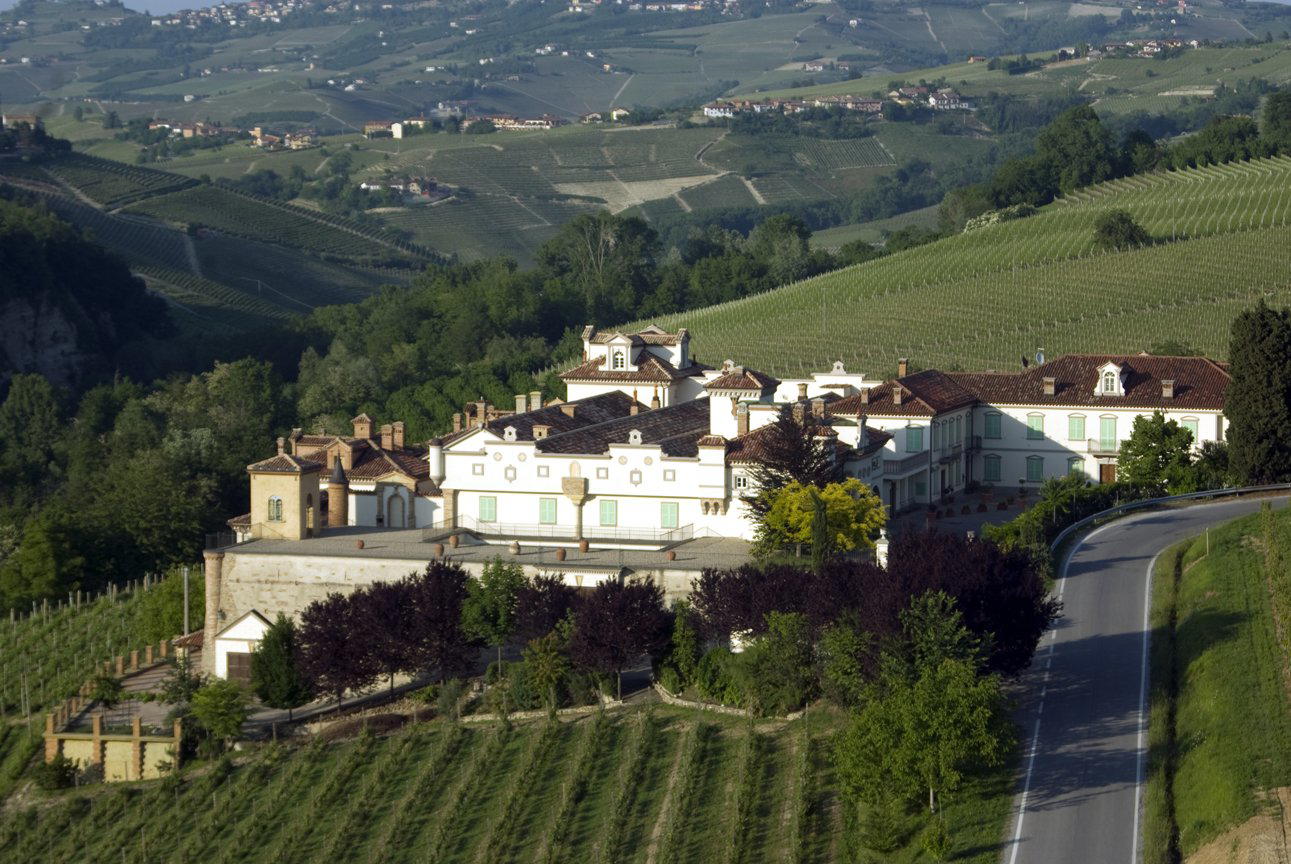
In the Langhe, the most telling architectural gesture is often the window placement. Properties in this zone have traditionally been designed to put vine rows in direct sightline from sleeping quarters, a functional choice in the era when estate owners needed to monitor ripening, now retained as an aesthetic decision that serves guests rather than farmers. Tenuta Bricchi, positioned in Sinio on the southern edge of the Barolo production zone, carries this orientation as a structural given rather than a designed amenity.
The Michelin Selected distinction the property holds for 2025 situates it within a specific tier of Italian accommodation: recognised for quality and consistency, but operating outside the full-service hotel infrastructure of city properties like Bulgari Hotel Roma or Four Seasons Hotel Firenze. The Michelin hotel selection process applies the same editorial rigour used for restaurant listings, covering comfort, character, and contextual appropriateness, making the designation a meaningful credential for a rural property of this scale. Within the Langhe and broader Piedmont region, Michelin Selected properties tend to compete on intimacy and agricultural authenticity rather than on amenity breadth.
That competitive positioning matters when comparing across the Italian agriturismo and boutique estate category. Properties like Rosewood Castiglion Del Bosco in Montalcino or Borgo San Felice in Castelnuovo Berardenga represent the full-resort end of the Italian wine estate spectrum, with spas, multiple restaurants, and branded infrastructure. Tenuta Bricchi sits in a different register: smaller, more directly connected to the surrounding agricultural activity, and oriented toward guests who arrive specifically for the Langhe rather than for the property itself.
Sinio and the Southern Langhe Context
Sinio is one of the Langhe communes that functions almost entirely as a production village rather than a visitor destination. Alba, the commercial and cultural hub of the region, lies roughly fifteen kilometres to the north, and the drive through Diano d'Alba and the ridge roads between the two towns passes through continuous vineyard coverage. The village sits within the broader Barolo DOCG production area, though Sinio itself is not among the eleven communes permitted to use the Barolo name for Nebbiolo produced from its slopes.
That distinction has, paradoxically, kept the village quieter than its neighbours. Barolo, La Morra, and Castiglione Falletto draw wine tourists to their cantinas and panoramic viewing points. Sinio receives a fraction of that traffic, which gives properties here a different relationship with their guests: more self-contained, less reliant on proximity to a wine tourism infrastructure, more dependent on the quality of the estate experience itself. For travellers who have exhausted the obvious Langhe circuit, or who want to spend more time in the hills than in tastings queues, this positioning is a practical advantage rather than a limitation.
The seasonal dynamics of the Langhe further shape any stay in this zone. Harvest, which runs through October and into November depending on variety, brings the most atmospheric conditions to the hillsides but also the most activity on the agricultural properties themselves. The truffle season, centred on the Alba White Truffle Fair that runs from October to December, draws substantial demand to the broader region and affects accommodation availability across all tiers. Planning a stay at a Sinio property during this window requires more lead time than might be intuitive for a village of this size. For a broader orientation to the town's options, see our full Sinio restaurants guide.
Where Tenuta Bricchi Sits in the Italian Estate Category
The Italian wine estate accommodation category has differentiated sharply over the past decade. At one end, international hotel groups have acquired historic properties and applied full hospitality infrastructure, as seen with Castiglion Del Bosco under Rosewood. At the other end, family-run agriturismi continue to operate on a model where the accommodation is secondary to the agricultural identity. Tenuta Bricchi, based on its Michelin recognition and estate address, occupies territory between those poles: recognised for quality, but retaining the character of a place where the land's productive purpose remains legible.
That middle tier is arguably where the most interesting rural Italian stays currently sit. Properties in this range offer what neither end of the category can: the editorial credentials that signal genuine quality, without the infrastructure that can make large wine estate hotels feel generic. The comparison set here is less Aman Venice or Passalacqua on Lake Como and more the cluster of Michelin-recognised agriturismi and small estate hotels that characterise the Piedmont interior.
For context, Castel Fragsburg in Merano and Bellevue Hotel in Cogne represent the Alpine version of this tier: small, recognised, deeply embedded in their agricultural or natural context. The Langhe equivalent, of which Tenuta Bricchi is an example, swaps altitude for vine coverage and mountain produce for Nebbiolo and white truffle.
Planning a Stay
Sinio is most practically reached by car, with Alba serving as the nearest town with rail connections; the drive from Turin takes approximately ninety minutes under normal conditions. Direct booking inquiries for Tenuta Bricchi should be made through the property at Via Montelupo 45, Sinio.
Given the property's Michelin Selected standing and the seasonal demand spikes generated by the truffle fair and harvest season, availability at this scale of property in this region is not predictable on short notice. Planning several months ahead for October and November travel is advisable. For travellers building a broader Italian itinerary, the Langhe pairs logically with Modena to the east, where Casa Maria Luigia operates a similar estate-rooted model, or with a city anchor at Portrait Milano before moving south into the hills.