
Michelin Selected
A Michelin Selected hotel in Bormio, QC Terme Bagni di Bormio Bagni Nuovi sits above the town at one of the Alps' oldest thermal complexes, where Roman-era mineral springs feed a network of indoor and outdoor pools. The property sits in a distinct tier of Italian mountain wellness hotels that pair historic spa infrastructure with contemporary hospitality standards, drawing guests year-round from the ski season through summer hiking.

Pearl is the En Primeur Club membership app — saves, bookings, and concierge access live there. Same editors, same standards.
- Address
- Via Bagni Nuovi, 7, Bormio, Italy
- Phone
- +390342910131
- Directions
- Get directions
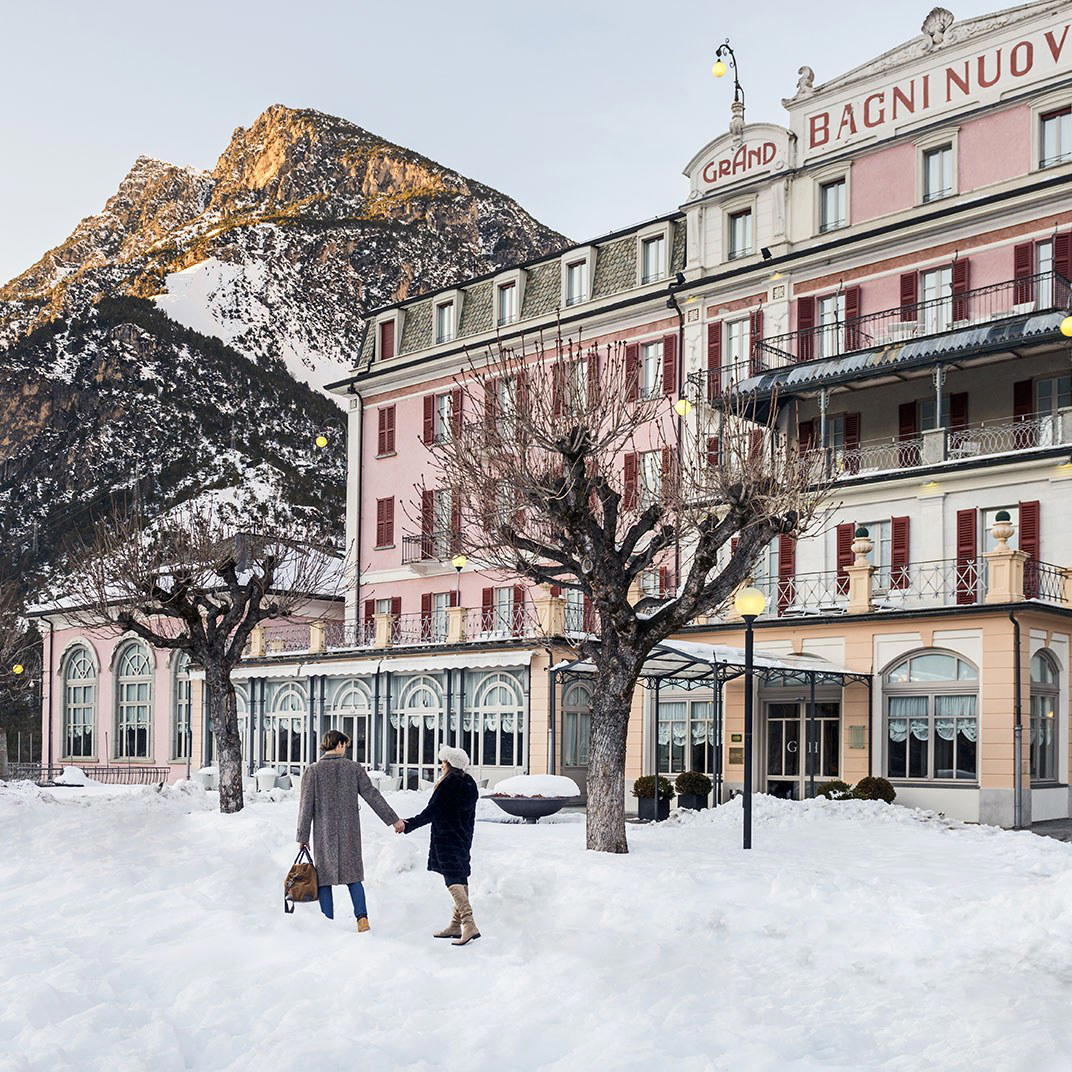
Thermal Waters at Altitude: The Context Behind Bagni Nuovi
The thermal tradition at Bormio predates the ski lifts by roughly two millennia. Roman legions used the mineral springs here, and by the medieval period the baths had acquired enough regional significance to attract documented aristocratic patronage. That history is not merely decorative. It places the QC Terme complex — and specifically the Bagni Nuovi property — inside a category of Alpine thermal destinations where the water chemistry, not the interior design, is the primary draw. Guests at this altitude are not choosing between wellness concepts; they are choosing a specific mineral profile, a specific elevation, and a specific sensory relationship with the surrounding Stelvio National Park terrain.
Within that tradition, the Italian Alpine thermal hotel occupies a distinct position relative to Swiss or Austrian spa competitors. The Bellevue Hotel & Spa in Cogne and Castel Fragsburg in Merano offer comparable mountain settings with different culinary and architectural identities, but neither draws from a spring system with comparable historical depth. The Bagni Nuovi building itself, a nineteenth-century neoclassical structure, anchors the property in a historical register that modern wellness resorts typically have to simulate.
The Michelin Selection and What It Signals
QC Terme Bagni di Bormio Bagni Nuovi carries a Michelin Selected designation in the 2025 Michelin Hotels guide, placing it in the tier of properties that the guide endorses for quality and consistency without the additional distinction markers reserved for the guide's highest tier. For context, Michelin Selected status in Italian alpine hospitality puts the property in company that includes several small, owner-operated mountain hotels that prioritise experience over scale. Properties like Passalacqua in Moltrasio and Il Sereno in Torno carry higher Michelin distinctions and operate in different lake settings, but the selection signal here confirms that Bagni Nuovi performs at a level the guide considers worth directing travellers toward in this specific mountain category.
For a property in a town the size of Bormio, that endorsement carries practical weight. Bormio's accommodation market splits between functional ski-season hotels and a small number of properties with year-round hospitality programmes. Bagni Nuovi sits in the latter group, alongside the Eden Hotel Bormio, as one of the addresses in town that the international guides have determined worth tracking.
Dining and the Alpine Hospitality Programme
The editorial angle on any Bormio property necessarily involves the relationship between the thermal programme and the food and drink offering, because the two are functionally inseparable at this type of destination. Guests arrive for the waters and remain for the day; the dining infrastructure needs to support extended, relaxed stays rather than destination-restaurant ambitions. Alpine mountain hotels in Italy have historically approached this through regional cooking: Valtellina cuisine, with its bresaola, pizzoccheri, and buckwheat-based dishes, provides a local vocabulary that connects the table to the surrounding terrain in the same way the spring water connects the spa to its geological context.
The broader Italian mountain hospitality tier to which Bagni Nuovi belongs has increasingly aligned food programmes with the wellness positioning of the property, moving away from the heavy traditional Alpine menu toward lighter, vegetable-forward cooking that complements rather than contradicts a spa day.
For those comparing the food-first dimension of Italian hotel stays, the contrast with properties like Casa Maria Luigia in Modena or Borgo Egnazia in Savelletri di Fasano is instructive. Both of those properties carry their dining programme as a primary identity signal. At Bagni Nuovi, the dining is properly understood as part of a total-environment offer where the thermal experience sets the agenda. That is not a lesser proposition; it is a different one, appropriate to a property where the mineral springs predate any restaurant concept by two thousand years.
Positioning in the Italian Premium Hotel Market
Italy's premium hotel landscape has become more differentiated over the past decade. City properties like the Bulgari Hotel Roma, Four Seasons Hotel Firenze, and Portrait Milano compete on design, restaurant profile, and urban access. Coastal properties like Borgo Santandrea on the Amalfi Coast, JK Place Capri, and Il Pellicano in Porto Ercole compete on setting and summer season identity. Mountain thermal properties operate by different criteria entirely: provenance of the water source, breadth of the thermal circuit, and the quality of the architectural envelope around it.
In that specific frame, Bagni Nuovi competes with a short list. The nineteenth-century building, the documented Roman-era spring history, and the Stelvio park adjacency together constitute a provenance argument that is not available to newer thermal developments. Properties like Rosewood Castiglion Del Bosco in Montalcino or Castello di Reschio in Lisciano Niccone deploy historical architecture in Tuscan contexts, but their identity is rooted in wine estate and landscape rather than thermal heritage.
Planning a Stay: Seasons, Access, and Practical Notes
Bormio operates on two distinct seasonal rhythms. The winter ski season, running roughly December through April, brings the town to full capacity and makes accommodation at any quality property harder to secure without advance planning. Summer, from June through September, draws hikers, cyclists, and those using the Stelvio pass route, and the thermal spa holds its appeal independent of snow conditions. The shoulder periods in May and October offer the quietest access to both the spa infrastructure and the surrounding national park. Guests arriving by car can use the Stelvio or Aprica passes depending on season and road conditions; the nearest rail connection is at Tirano, with onward road transfer required. Those planning around the ski season at Bormio 2000 should build booking lead time into their planning. For a fuller picture of where Bagni Nuovi sits within Bormio's accommodation and dining options, see our full Bormio guide.
Budget and Context
Comparable venues nearby, for context on price, style, and recognition.
| Venue | Price | Awards | Notes |
|---|---|---|---|
| QC Terme Bagni di Bormio Bagni NuoviThis venue — the venue you are viewing | $300–500 | Michelin Selected | Not listed |
| Eden Hotel Bormio | Not listed | Michelin Selected | Bormio town center, Contemporary design hotel blending modern minimalism with warm alpine materials and high-ceiling spaces. |
| Abi d'Oru Beach Hotel&Spa | Not listed | Michelin Selected | Porto Rotondo, Historic beach resort with hexagonal pavilions and Mediterranean gardens |
| Castel Badia | $500–750 | 1 Michelin Key · Conde Nast Hot List Hotels | San Lorenzo di Sebato, Restored 11th-century castle with contemporary comforts |
| Hotel Lorelei Londres | $500–750 | Michelin Selected | Sorrento City Centre, Historic boutique villa in classic building with modern furniture |
| Palazzo Tirso Cagliari - MGallery | Not listed | Michelin Selected | harborfront, Historic Art Nouveau palazzo with contemporary luxury renovations |
Recognition history
Dated appearances from independent guides and award organizations, with the underlying list record or original source where available.
Michelin Selected
Michelin
Continue exploring
More in Bormio
Hotels in Bormio
Browse all →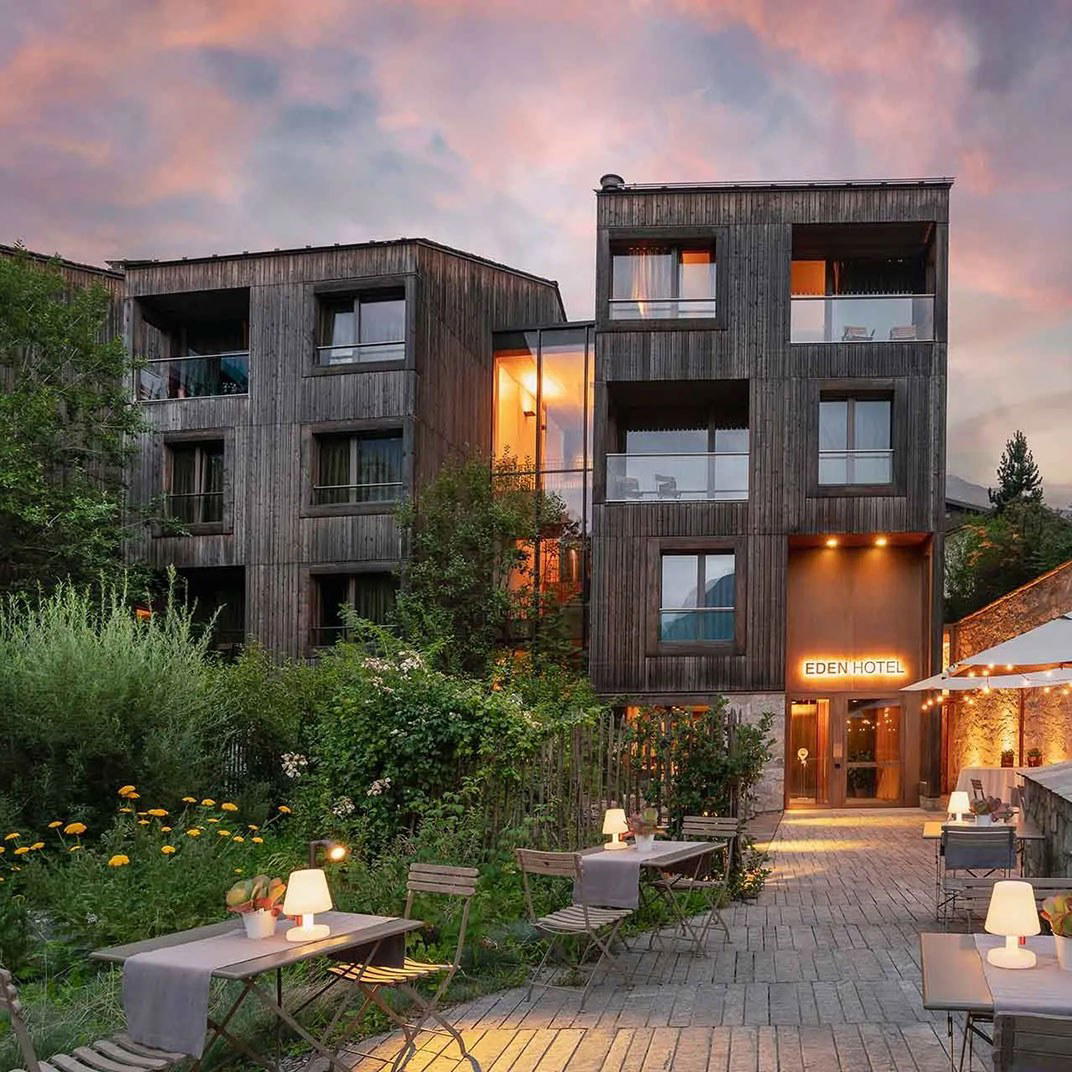
Bars in Bormio
Browse all →
Restaurants in Bormio
Browse all →

Details
- Elegant
- Quiet
- Scenic
- Sophisticated
- Ornate
- Wellness Retreat
- Romantic Getaway
- Honeymoon
- Weekend Escape
- Destination Spa
- Panoramic View
- Spa
- Pool
- Sauna
- Hot Tub
- Massage
- Restaurant
- Wi Fi
- Fitness Center
- Mountain
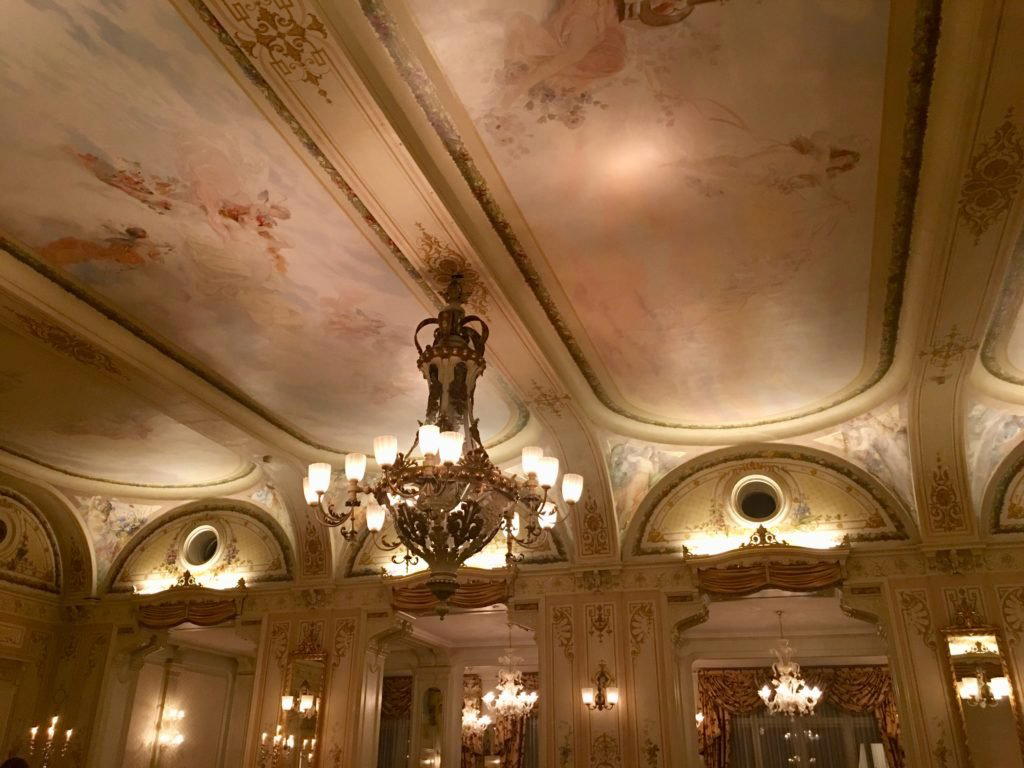
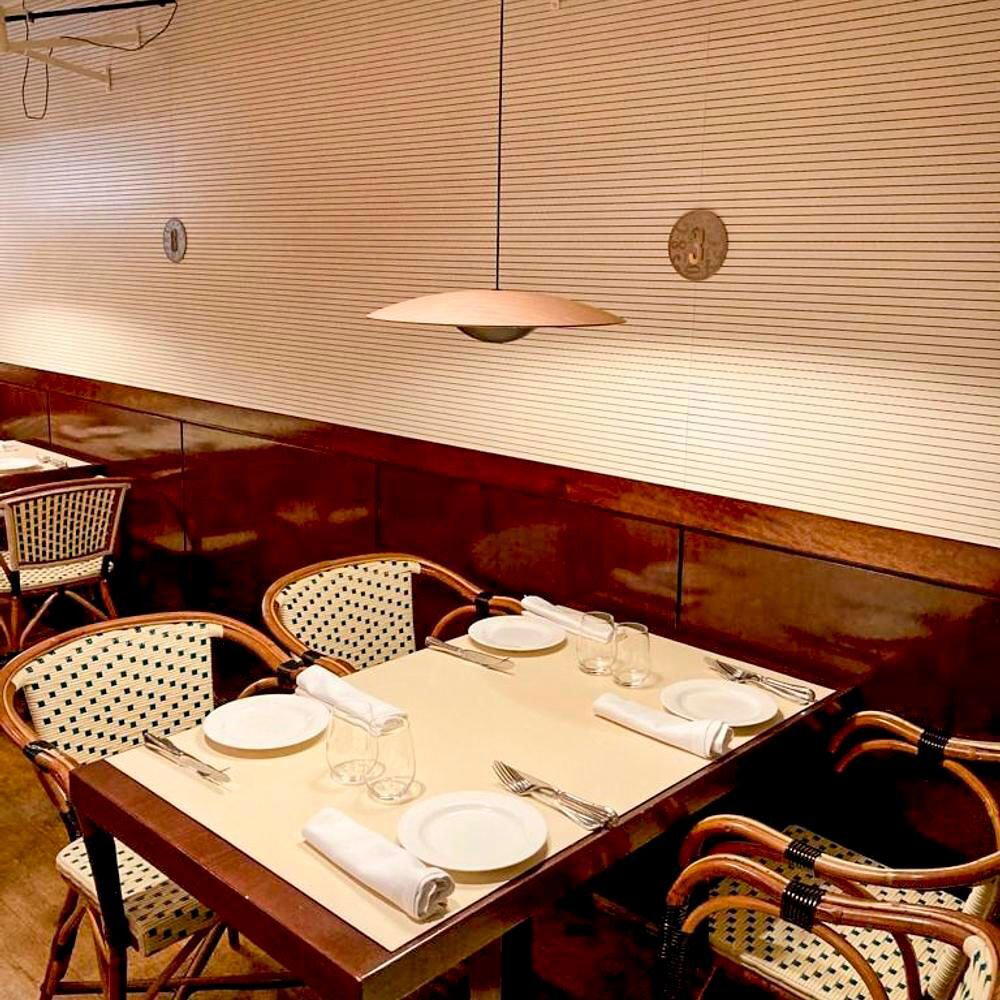
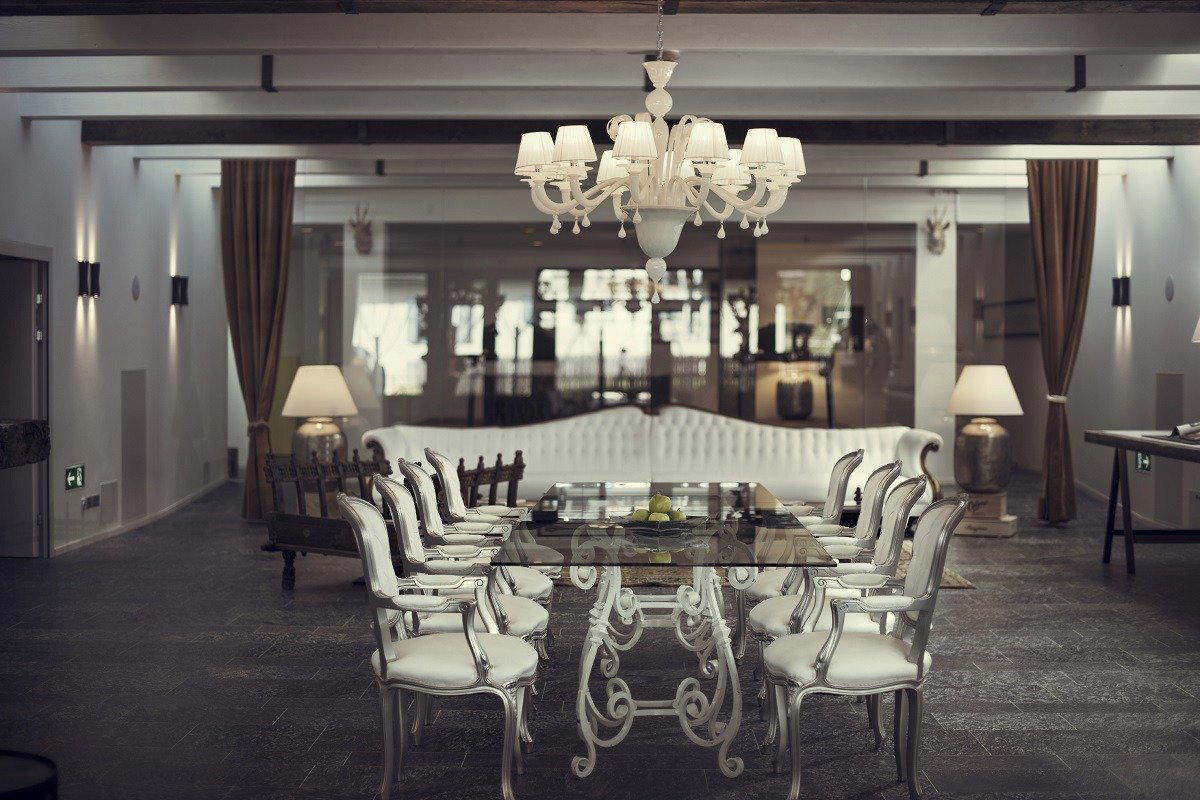
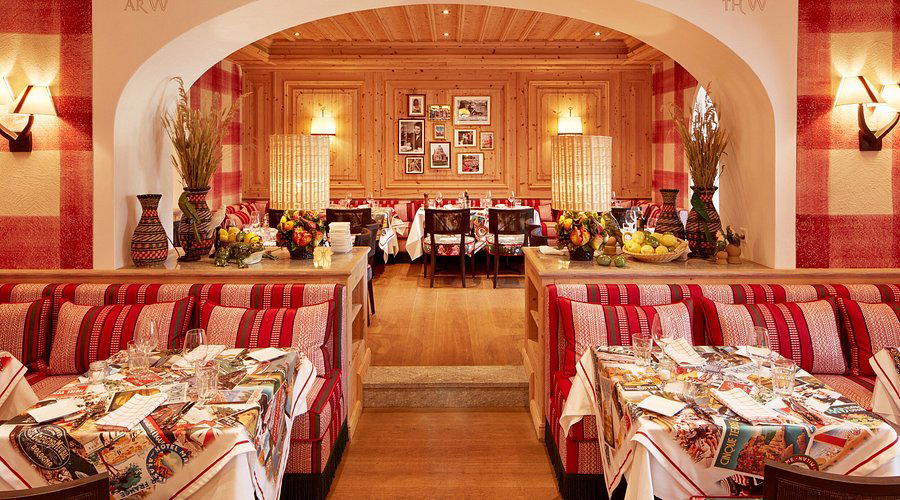
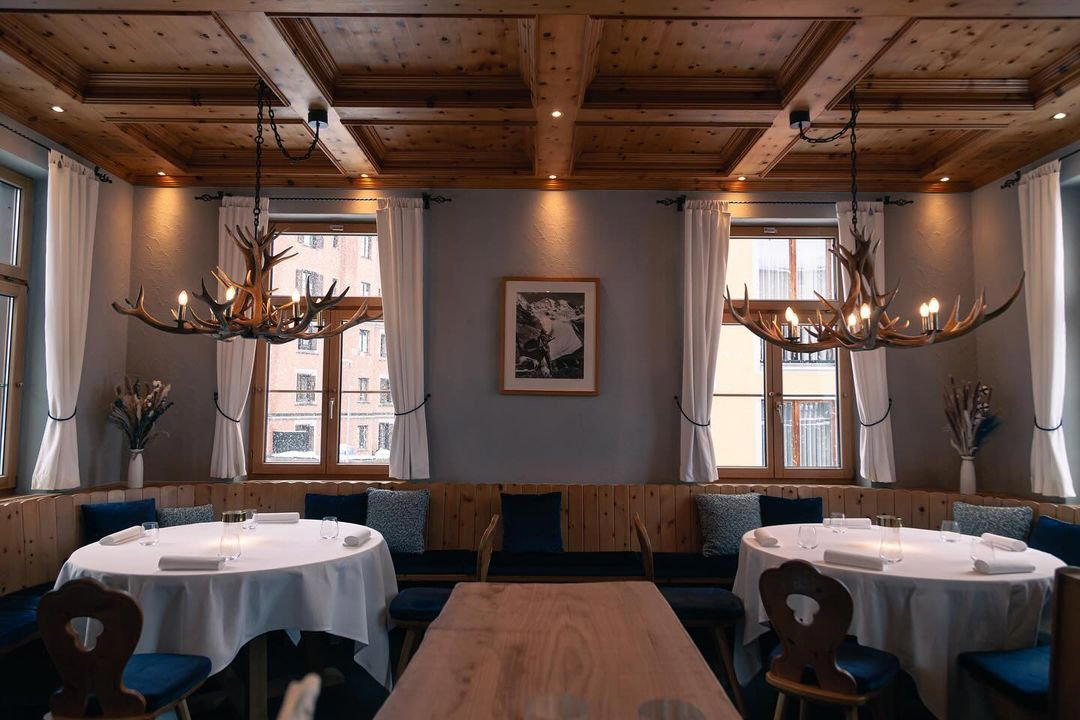
Ornate Venetian-style halls with stucco, frescos, high ceilings, and warm woods create an elegant, timeless atmosphere of refined tranquility.