
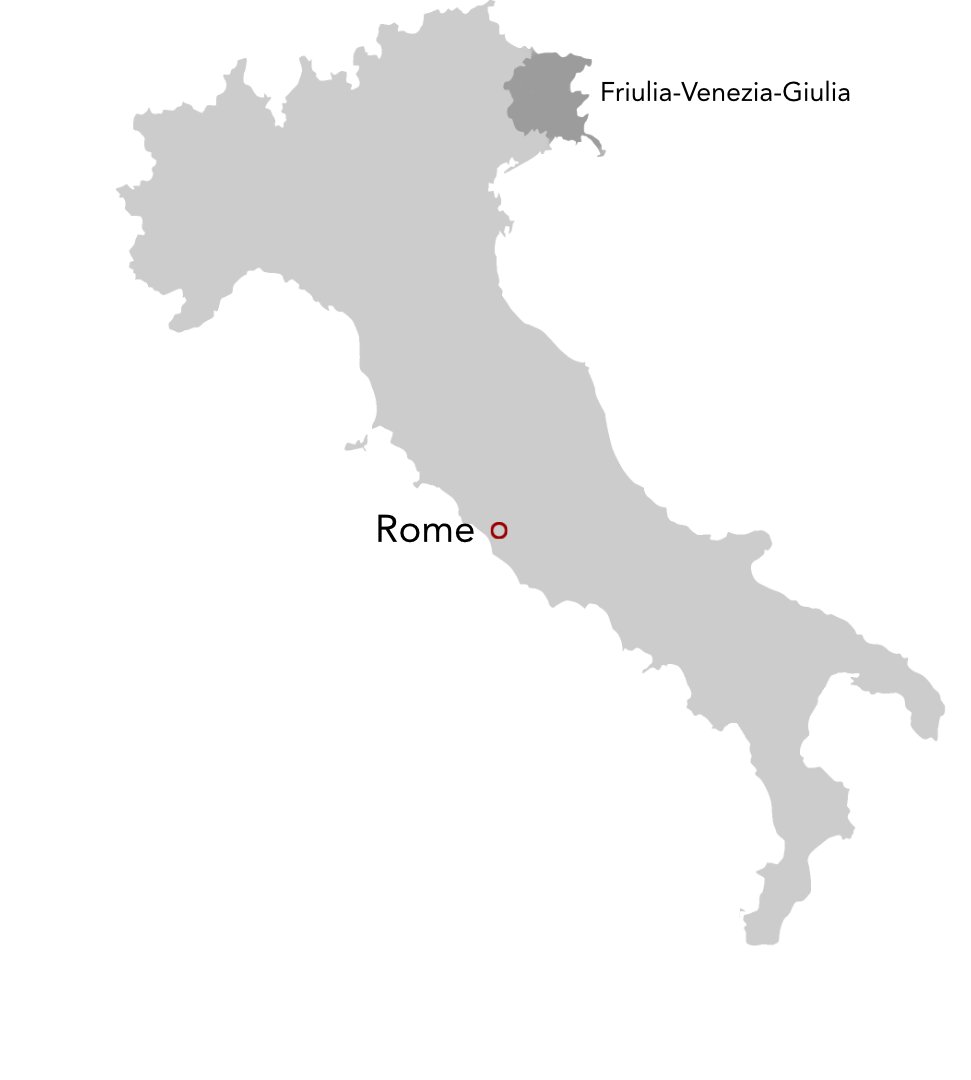
Tivoli Portopiccolo Sistiana Wellness Resort & Spa occupies a purpose-built marina village on the Adriatic coast between Trieste and Trieste's karst plateau, earning Michelin Selected recognition in 2025. The property positions itself within Italy's wellness-resort tier, where design coherence and setting carry as much weight as room count. A considered base for the northern Adriatic, with direct water access and spa facilities built into the marina architecture.
Pearl is the En Primeur Club membership app — saves, bookings, and concierge access live there. Same editors, same standards.
- Address
- 231/M Str. di Portopiccolo, Sistiana, Italy
- Phone
- +39 040 997 4444
- Directions
- Get directions
 Saves & bookings on Pearl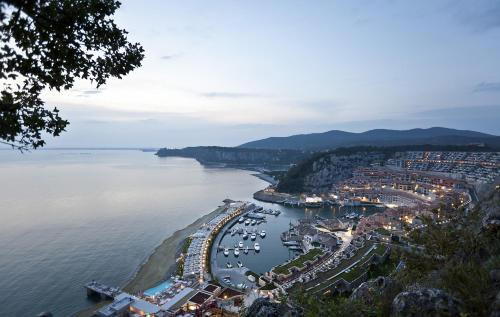
A Marina Built as Architecture, Not Backdrop
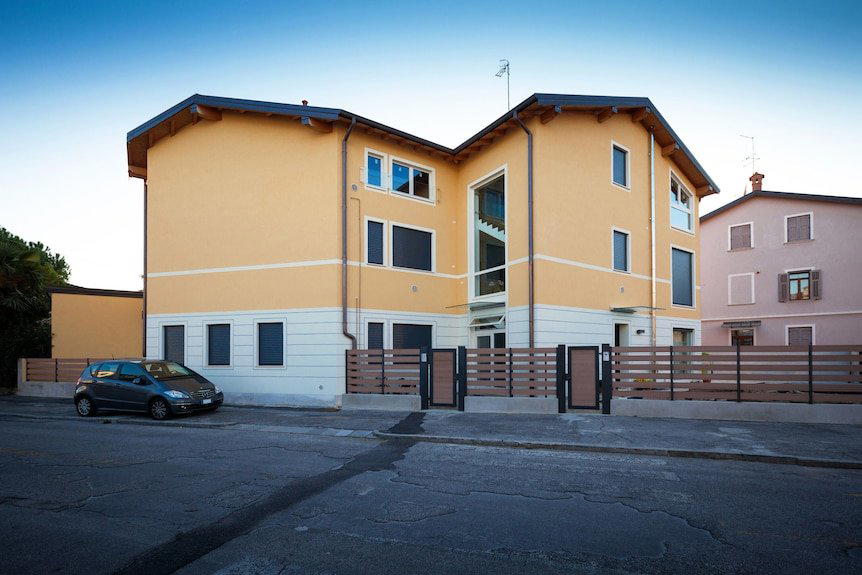
Along Italy's northern Adriatic coast, between the karst cliffs above Trieste and the open water stretching toward the Istrian peninsula, the concept of Portopiccolo was always more than a marina development. The entire site at Sistiana was conceived as an integrated village: residential, hospitality, and leisure woven into a hillside that descends to a protected cove. Tivoli Portopiccolo Sistiana Wellness Resort & Spa sits within that framework, and the architecture is the argument. Rather than a freestanding hotel dropped into a scenic location, the property reads as part of a designed ensemble where the harbour wall, the terraced stone facades, and the waterfront promenade function as a continuous spatial experience. This approach, resort as built environment rather than resort as isolated destination, places it in a specific category of Italian coastal hospitality that has become more deliberate over the past decade.
The property's Michelin Selected Hotels 2025 inclusion reflects recognition for design coherence, quality of welcome, and overall experience. Earning that recognition in a year when the Michelin guide's hotel programme expanded its Italian coverage signals that the property competes credibly within the upper tier of design-conscious resort hotels, a comparable set that in Italy includes properties with different scales and ownership structures. For context on what Michelin selection means in the Italian market, it is worth noting that the same 2025 programme covers properties ranging from intimate rural retreats to larger coastal resorts, meaning selection reflects a floor of quality rather than a single typology.
The Design Logic of Portopiccolo
Portopiccolo as a development project was built on the principle that a marina village should have the spatial coherence of a historic borgo without pretending to be one. The stone-clad facades, the stepped streetscape, and the relationship between the buildings and the water are all outcomes of that brief. The Tivoli property inherits that architectural language and operates within it rather than against it. Guests arriving by the coast road from Trieste, roughly 18 kilometres northeast, encounter the development from above before descending to the waterfront level, which gives the approach a theatrical quality that purpose-built resorts often lack.
Within the broader conversation about Italian coastal hotel design, this matters. Properties along the Amalfi Coast such as Borgo Santandrea in Amalfi Coast or Il San Pietro di Positano in Positano achieve spatial drama through the relationship between clifftop position and sea view. The northern Adriatic model at Portopiccolo is different: the drama is horizontal rather than vertical, the light is harder and cleaner than the Tyrrhenian south, and the architectural reference points owe more to the Austro-Hungarian coastal towns of the region than to the Mediterranean vernacular. That distinction is not incidental, it defines what kind of experience the property can deliver and for whom it makes geographic sense.
Wellness as Infrastructure
Among Italian luxury coastal hotels, spa and wellness programming has split into two broad approaches. The first treats the spa as an amenity, a floor or wing appended to the main hotel offering. The second treats wellness as a structural reason for the property's existence, with architecture, programming, and room design aligned around recovery, thermal experience, or movement. Tivoli Portopiccolo positions itself in the latter category, with the spa component built into the marina-level footprint rather than added as an afterthought. This is a meaningful distinction for guests travelling specifically for wellness, as it determines whether the thermal or treatment facilities feel central or peripheral to the overall stay.
Across Italy's premium wellness hotel tier, this structural commitment separates properties that hold sustained guest interest from those that rely primarily on location. For comparison, properties such as Castel Fragsburg in Merano in South Tyrol or Bellevue Hotel & Spa in Cogne in the Valle d'Aosta have built identities around thermal and alpine wellness with similar structural logic, though in mountain rather than coastal settings. The Tivoli property brings that same integration to the Adriatic, which has fewer precedents in the premium wellness segment than the Alpine arc or the Tuscan countryside.
Where It Sits in the Northern Italian Hotel Map
The northern Adriatic coast is not the first reference point most international travellers reach for when planning a high-end Italian hotel stay. Venice commands the eastern end of the arc, with properties such as Aman Venice in Venice setting a benchmark for palazzo-conversion luxury. Trieste, the nearest city to Portopiccolo, has its own coastal hotel offer anchored by properties like Savoia Excelsior Palace Trieste – Starhotels Collezione in Trieste, which operates in the grand-hotel-on-the-Piazza-Unità tradition. Sistiana occupies the space between those reference points, accessible from Trieste airport in under thirty minutes, reachable from Venice by car in roughly two hours, without attempting to replicate either urban context.
That positioning is genuinely useful for a specific traveller profile: those who want direct water access, a coherent architectural environment, and wellness infrastructure, without the logistical density of a major city or the remoteness of an inland agriturismo. It also places the property in a different competitive conversation than Italian countryside retreats such as Rosewood Castiglion Del Bosco in Montalcino or Borgo San Felice Resort in Castelnuovo Berardenga, where the draw is landscape and wine culture rather than marine setting and thermal facilities. For broader context on what the northern Italian coast and city hotels offer in this tier, our full Sistiana restaurants guide covers the local dining and neighbourhood picture.
Planning Your Stay
The property is reached most practically via Trieste Friuli Venezia Giulia Airport, which handles connections from several European hubs, or by road from Venice for travellers combining both cities. The Portopiccolo address at 231/M Strada di Portopiccolo places it just outside Sistiana village proper, within the marina development. Given the resort's wellness orientation and the architectural coherence of the Portopiccolo site, the property suits stays of two nights or more, short enough to combine with a Trieste city visit, long enough to make meaningful use of the spa infrastructure. Summer months on the northern Adriatic bring warm, reliable weather with the bora wind occasionally cutting through in shoulder season, which is worth factoring into waterfront activity planning. Booking directly through the Tivoli Hotels & Resorts platform or through Michelin's hotel booking partners is the standard approach, with advance reservation advisable for peak summer weekends given the marina's limited overall capacity.
How It Stacks Up
Comparable venues nearby, for context on price, style, and recognition.
| Venue | Cuisine | Price | Awards | Notes |
|---|---|---|---|---|
| Tivoli Portopiccolo Sistiana Wellness Resort & SpaThis venue — the venue you are viewing | Modern boutique retreat inspired by Gio Ponti | $$$$ | 5-Star | Not listed |
| Eight Venezia | Historic Venetian palazzo transformed into a luxury boutique hotel | $$$$ | 5-Star | Castello |
| Borgo La Chiaracia Resort & SPA | Custom-built luxury resort in traditional Umbrian farmhouse style with modern high-tech amenities. | $$$$ | 5-Star | Castel Giorgio |
| Mandarin Oriental, Lago di Como | 19th-century neoclassical villa with modern luxury extensions | $$$$ | 5-Star | Blevio |
| The Carlton | Modern homage to a well-known name with midcentury roots, blending heritage and contemporary design through references to Milanese design giants and 1930s rationalist architecture. | $$$$ | 5-Star | Quadrilatero della Moda (Fashion District) |
| Baglio Oneto | Historic wine resort in a restored 18th-century baglio with noble Sicilian heritage. | $$$$ | 5-Star | Marsala |
Recognition history
Dated appearances from independent guides and award organizations, with the underlying list record or original source where available.
Michelin Selected
Michelin
Continue exploring
More in Sistiana
Hotels in Sistiana
Browse all →
Bars in Sistiana
Browse all →
Restaurants in Sistiana
Browse all →
At a Glance
- Elegant
- Sophisticated
- Quiet
- Modern
- Scenic
- Romantic Getaway
- Wellness Retreat
- Honeymoon
- Weekend Escape
- Beachfront
- Infinity Pool
- Destination Spa
- Panoramic View
- Spa
- Pool
- Fitness Center
- Wi Fi
- Room Service
- Concierge
- Private Beach
- Waterfront
- Spa
- Pool
- Fitness Center
- Wi Fi
- Room Service
- Concierge
- Private Beach
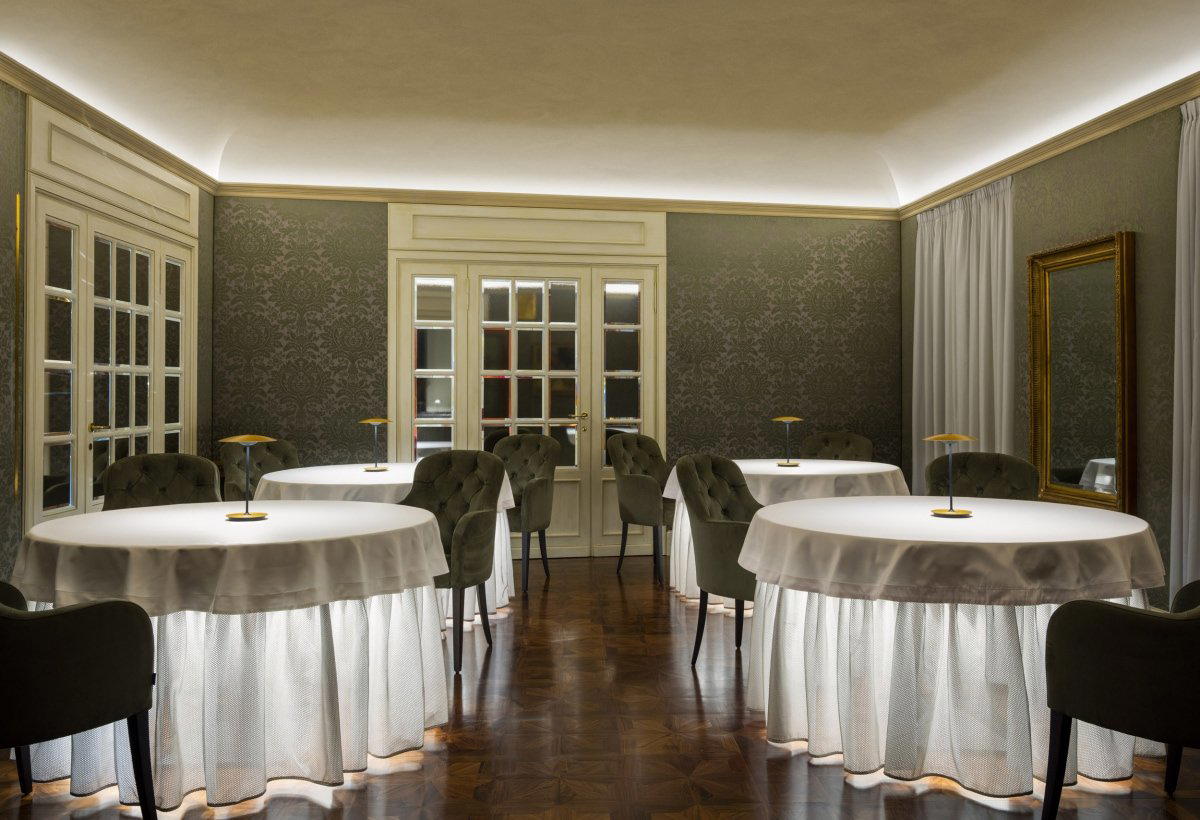
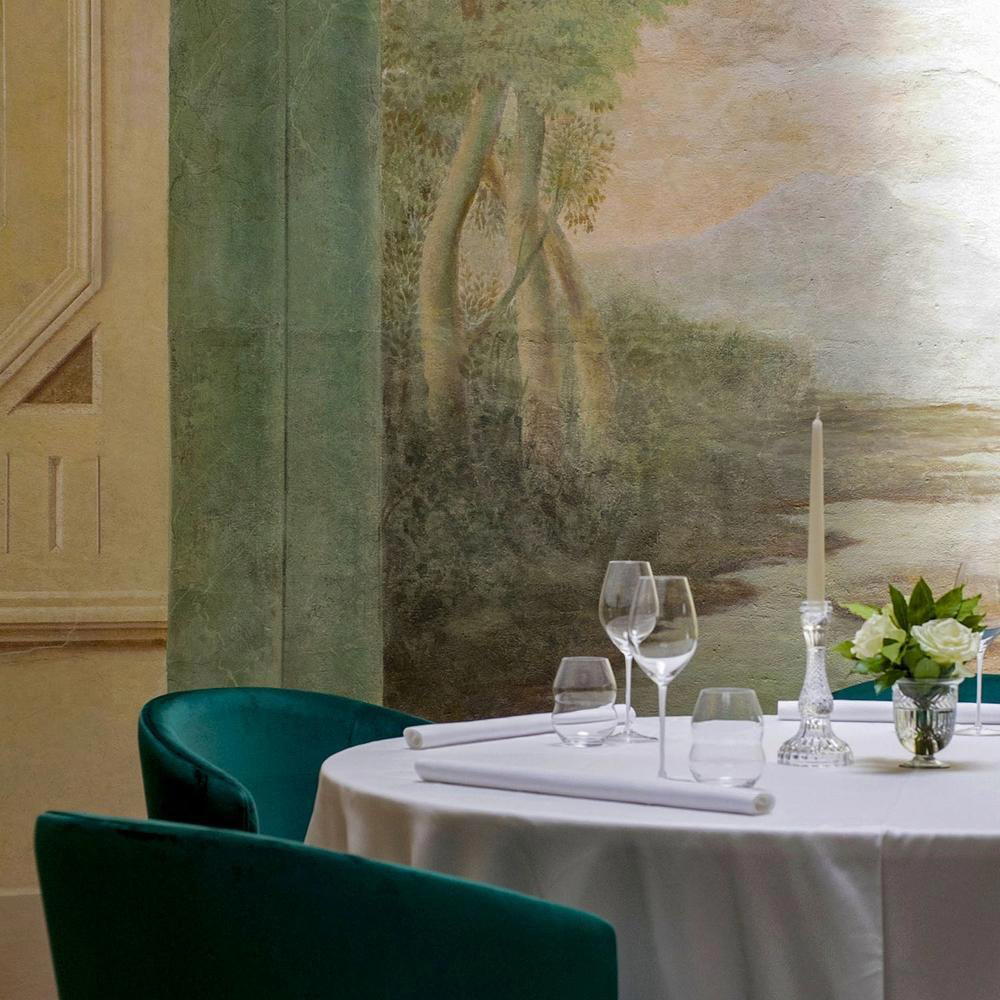
Sleek, functional interiors evoking an elegant ocean liner with nautical palette, curving lines, polished wood, and marina/sea views creating a serene, refined atmosphere.