Paolo Scavino

Falstaff Winery - 5 Stars
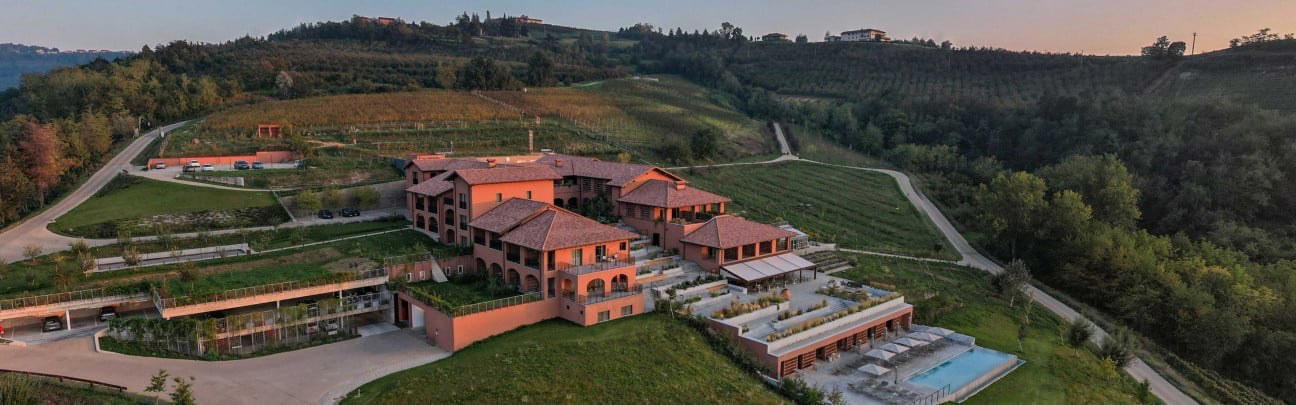
Paolo Scavino sits on the Via Alba Barolo road running through Castiglione Falletto, one of the Langhe's most tightly contested communes for Nebbiolo. For visitors arriving with serious Barolo intent, this address merits advance planning.

Pearl is the En Primeur Club membership app, where members save venues, book tables and use the concierge.
Arriving in Castiglione Falletto
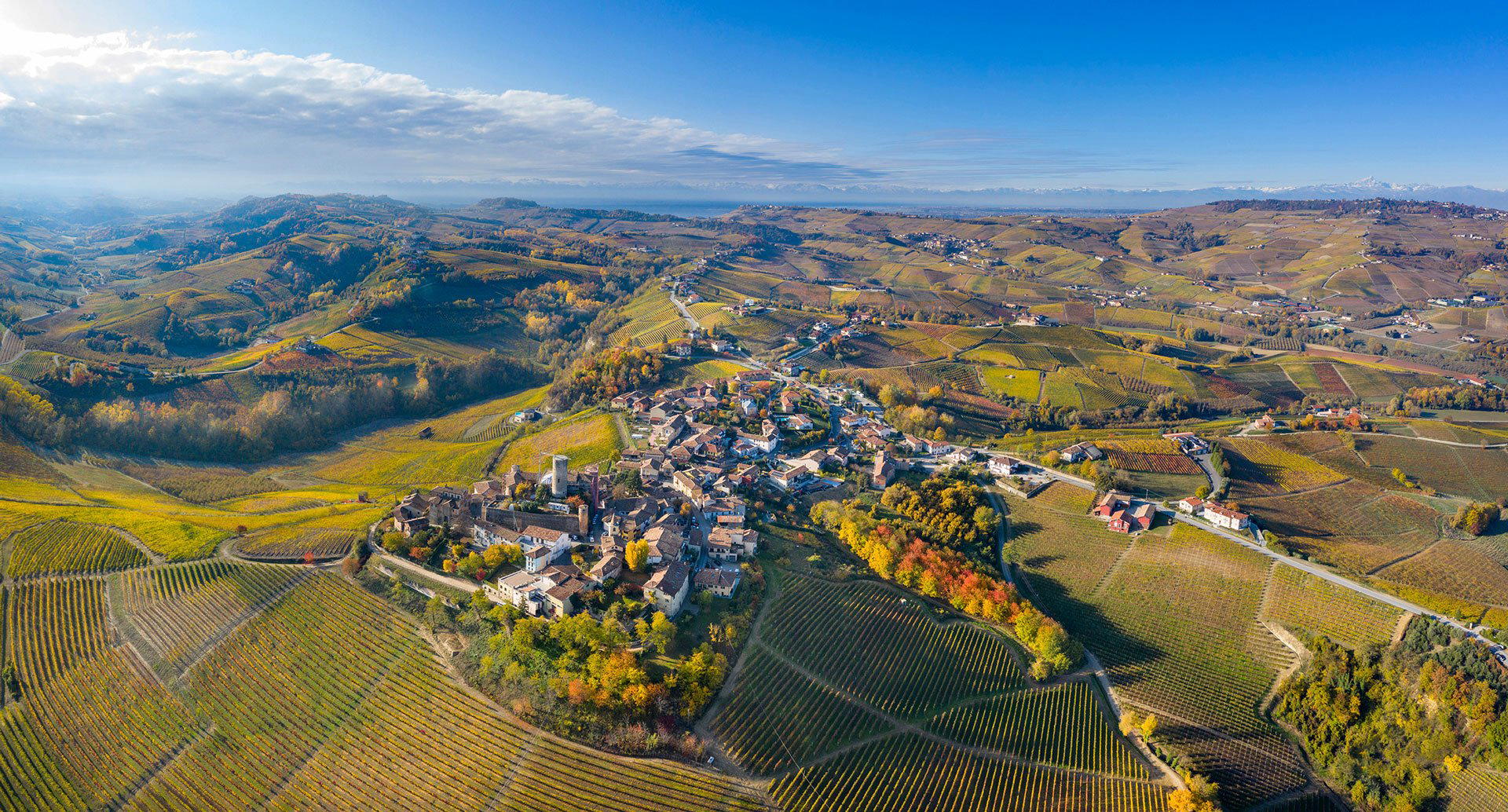
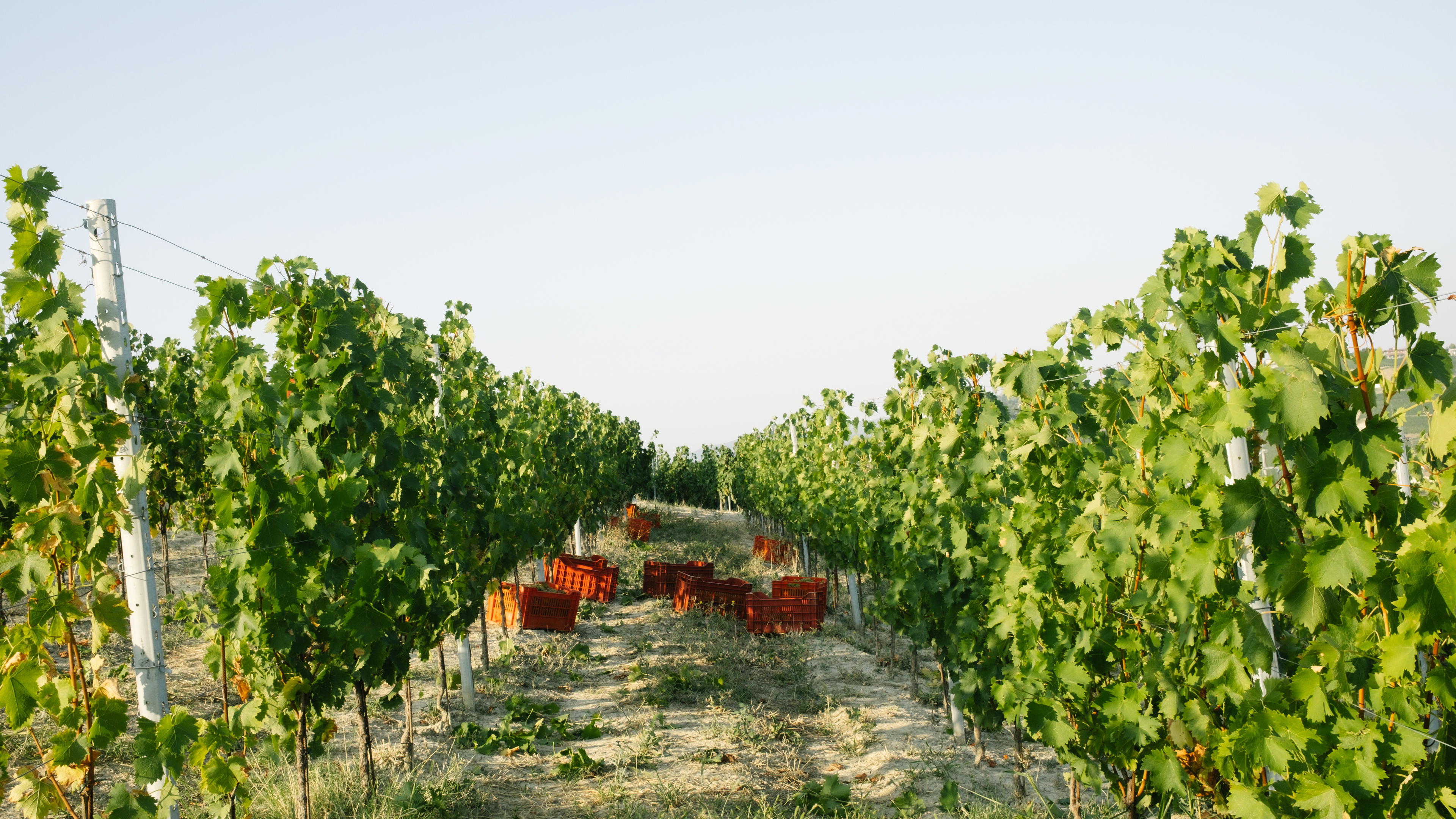
The road that traces the ridge of Castiglione Falletto is one of the more instructive drives in Italian wine country. On a clear morning, the castle at the village's peak anchors a view that drops into the Barolo DOCG on both flanks, with vine rows running in almost uninterrupted succession from the rooftops down to the valley floor. Paolo Scavino sits along Via Alba Barolo, the spine road that connects the village to the broader appellation grid, and the address alone signals where the estate sits in the hierarchy of Langhe producers: on the route that serious visitors take when they mean business.
Castiglione Falletto is one of eleven communes permitted to produce Barolo, and it carries a specific character in the appellation's internal geography. Its soils lean toward the limestone-and-clay Tortonian formations that tend to produce wines with grip and age-worthiness, and the village has attracted several estates now recognised at the top tier of the region. Brovia, Cavallotto, and Vietti all operate from within or adjacent to the commune. Paolo Scavino belongs to this peer group, and a visit here makes most sense when positioned within a wider day of tasting across the village, rather than as a standalone stop.
The Format of a Tasting Visit in This Appellation
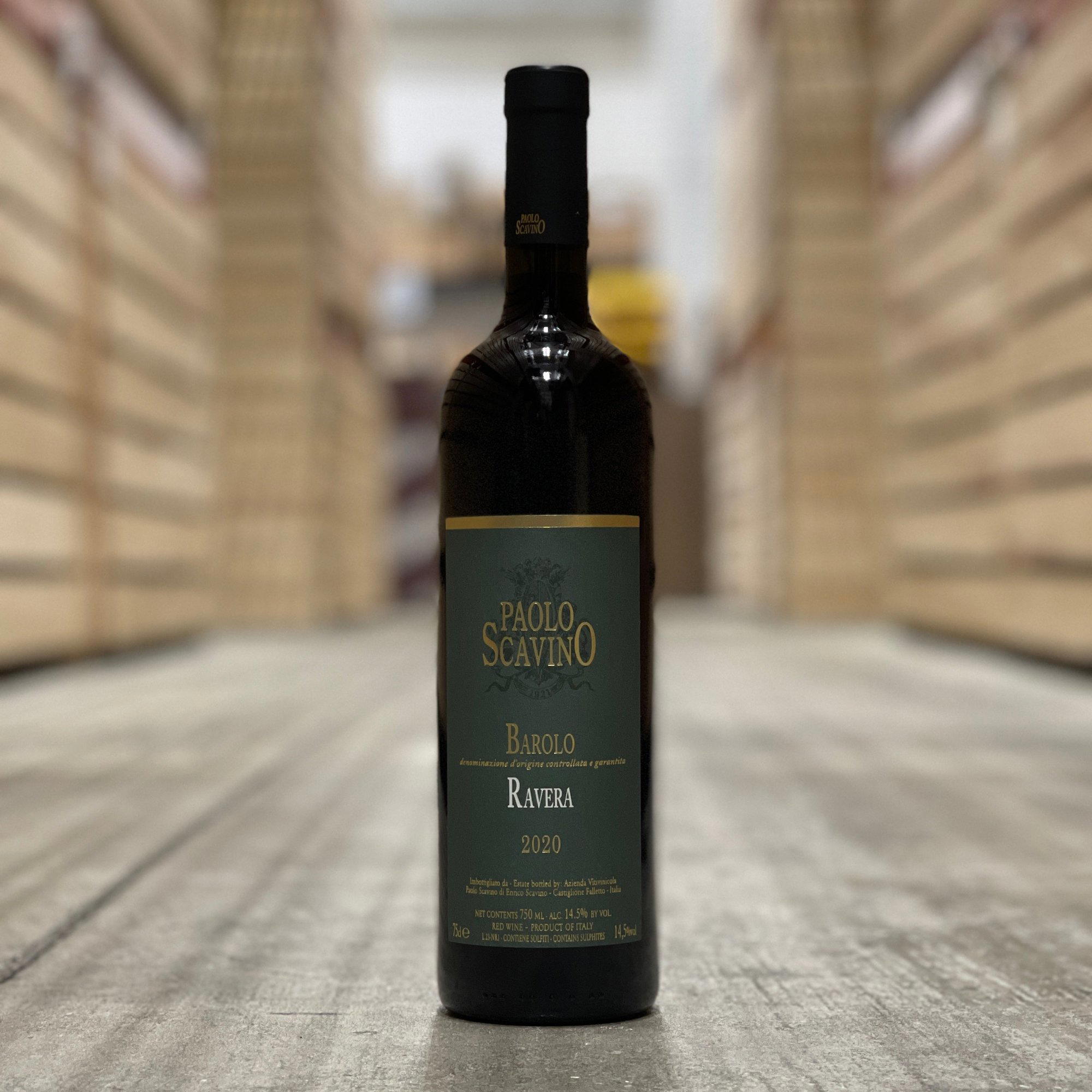
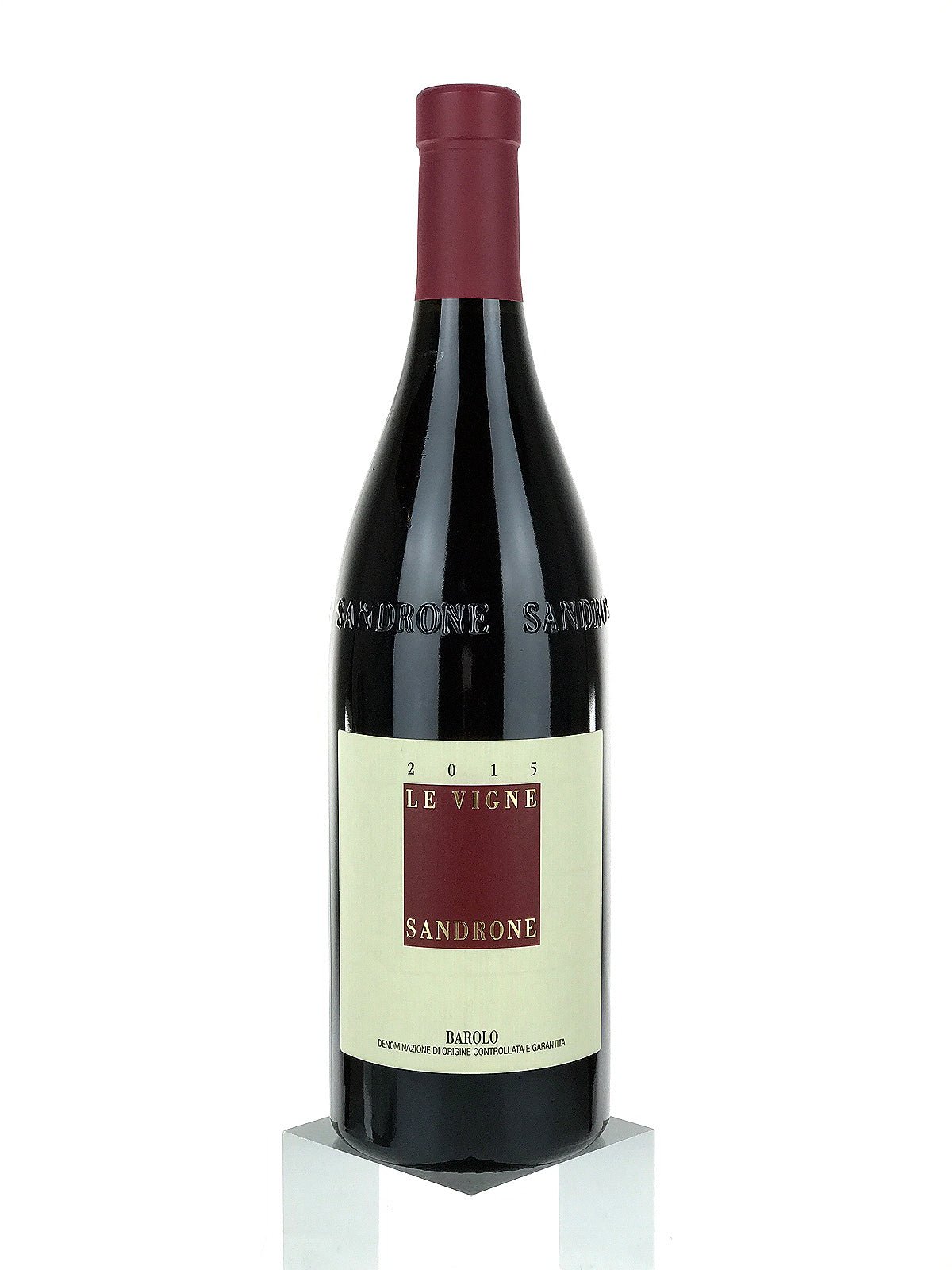
Tasting at a Langhe estate of this calibre is a different proposition from the drop-in experience common at larger, tourism-oriented wineries. The Barolo communes have not, in the main, built their reputations on volume visitor throughput. The model here is more deliberate: appointments, smaller groups, and a tasting format that follows the estate's production logic rather than a crowd-pleasing introductory sequence. At Paolo Scavino, as with most serious producers in the appellation, this means engaging with Nebbiolo across its expressions, from village-level wines through to single-vineyard and cru designations that reflect the specific terroir blocks the estate farms.
That rating reflects a consistent track record at the wine level, not merely a photogenic setting or polished hospitality infrastructure. Visitors arriving with that context will find the tasting experience calibrated accordingly: the wines are the argument, and the format is built around making that argument clearly.
This is a pattern shared across the Langhe's most recognised estates. Compare it to the approach at Aldo Conterno in Monforte d'Alba, where single-vineyard Barolo from Bussia defines the tasting logic, or to estates further afield in Italian wine country such as Lungarotti in Torgiano or Castello di Volpaia in Radda in Chianti, where estate visits are shaped by the specific character of the appellation and the seriousness of the producer. The form follows function: when the wines are the reason you came, the experience is organised to deliver them without distraction.
It reflects the estate's standing as a wine producer, assessed against peers operating in the same region and price segment. For visitors using the rating to plan a Barolo itinerary, it functions as a calibration tool: Paolo Scavino is in the tier where tasting appointment availability should be confirmed well in advance, where the wines on the table are likely to include current releases alongside library stock or older vintages depending on what the estate chooses to show, and where the conversation, if you arrive prepared, will carry real depth.
That two-star designation also positions the estate relative to a broader Italian fine wine context. Producers at this level in the Langhe sit in a competitive set that includes, across the peninsula, estates like Ca' del Bosco in Erbusco and the better-known benchmark names in Montalcino such as L'Enoteca Banfi. The shared characteristic is that all of them reward visits from guests who have done the reading beforehand.
Castiglione Falletto in the Broader Appellation Context
Understanding where Paolo Scavino sits requires a brief map of the appellation. Barolo's eleven communes each carry distinct reputations among collectors and critics, with La Morra and Barolo on one side emphasising a more approachable, earlier-drinking style from their sandier soils, and Serralunga d'Alba on the other producing wines that tend toward power and extended cellaring requirements from its compact, calcareous terrain. Castiglione Falletto occupies a middle position in this spectrum, with wines that combine structural grip with enough fruit density to reward patience without demanding decades of cellaring before they open up.
It is a commune well-suited to visitors who want to understand Barolo's internal diversity rather than tick a single producer visit. The proximity of several strong estates along the same ridge road means a half-day in Castiglione Falletto can cover more appellation ground than a comparable afternoon in villages where the estates are more spread out. For a complete picture of what the commune offers, the full Castiglione Falletto guide maps the producers and context in more detail.
Planning Your Visit
For those building an Italian wine tour extending beyond Piedmont, the broader context of Italian spirits and wine production is worth framing: estates such as Distilleria Marzadro in Nogaredo, Distilleria Romano Levi in Neive, and Nonino Distillery in Pavia di Udine offer grappa and distillate visits that complement a Barolo-focused trip with a different dimension of Italian production culture. Further afield for contrast in the premium beverage world, Campari in Milan, Aberlour in Aberlour, and Accendo Cellars in St. Helena demonstrate how producer visits operate across different categories and regions at a similarly serious level.
Cuisine and Credentials
Comparable venues nearby, for context on price, style, and recognition.
| Venue | Cuisine | Price | Awards | Notes |
|---|---|---|---|---|
| Paolo ScavinoThis venue (the venue you are viewing) | Nebbiolo, Barbera | $50–100 | Falstaff Winery - 5 Stars | Not listed |
| Vietti | Nebbiolo, Arneis | Not listed | Falstaff Winery - 5 Stars | Castiglione Falletto |
| Brovia | Nebbiolo, Dolcetto | Not listed | Falstaff Winery - 4 Stars | Castiglione Falletto |
| Cavallotto | Nebbiolo, Barbera | Not listed | Falstaff Winery - 5 Stars | Castiglione Falletto |
| Engine Gin | Barbaresco | Not listed | Not listed | Not listed |
| Distilleria Sibona | Nebbiolo, Barbera | Not listed | Not listed | Roero |
Recognition history
Dated appearances from independent guides and award organizations, with the underlying list record or original source where available.
Falstaff Winery - 5 Stars
Falstaff
Continue exploring
More in Castiglione Falletto
Wineries in Castiglione Falletto
All wineries in Castiglione Falletto →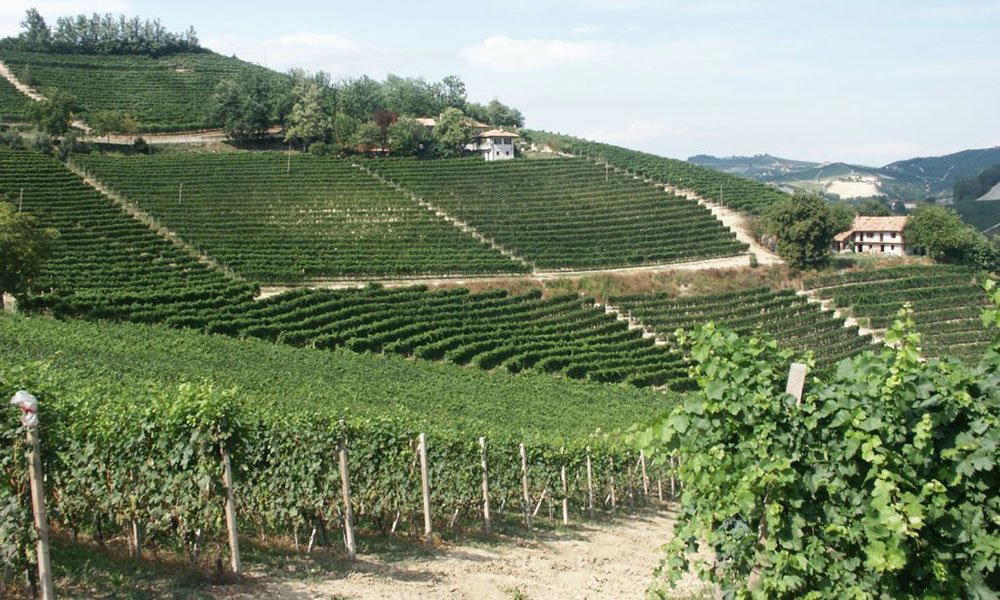
Bars in Castiglione Falletto
All bars in Castiglione Falletto →
Restaurants in Castiglione Falletto
All restaurants in Castiglione Falletto →
Details
- Elegant
- Classic
- Rustic
- Scenic
- Wine Education
- Romantic Getaway
- Group Outing
- Special Occasion
- Barrel Room
- Vineyard Tour
- Estate Grounds
- Private Tasting
- Sustainable
- Vineyard
- Nebbiolo
- Barbera
- Dolcetto
- Chardonnay
- Sauvignon Blanc
- Viognier
- Still Red
- Private Tasting
- Barrel Room Tasting
- Vineyard Tour With Tasting
- Italian
- English
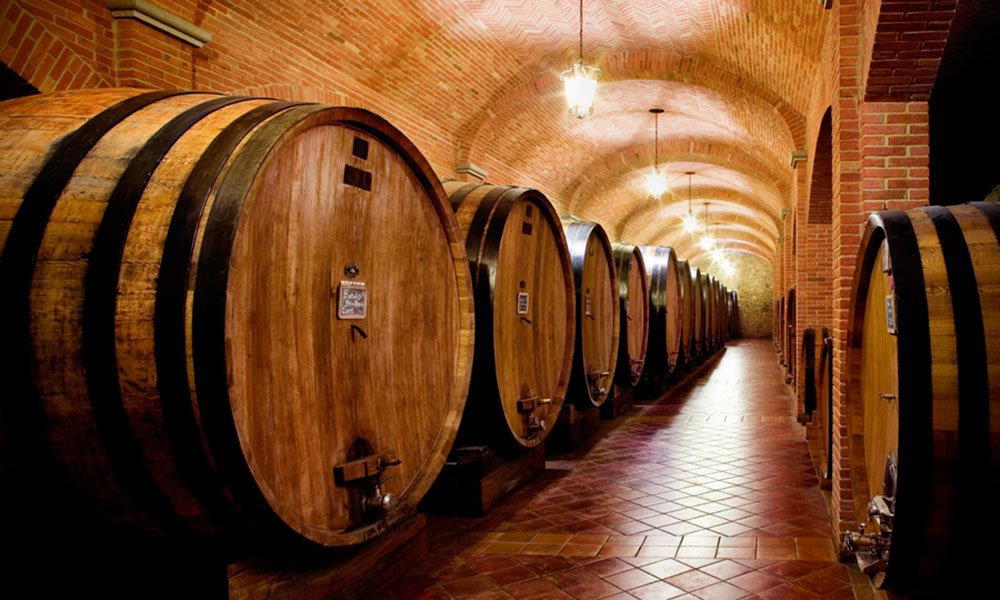
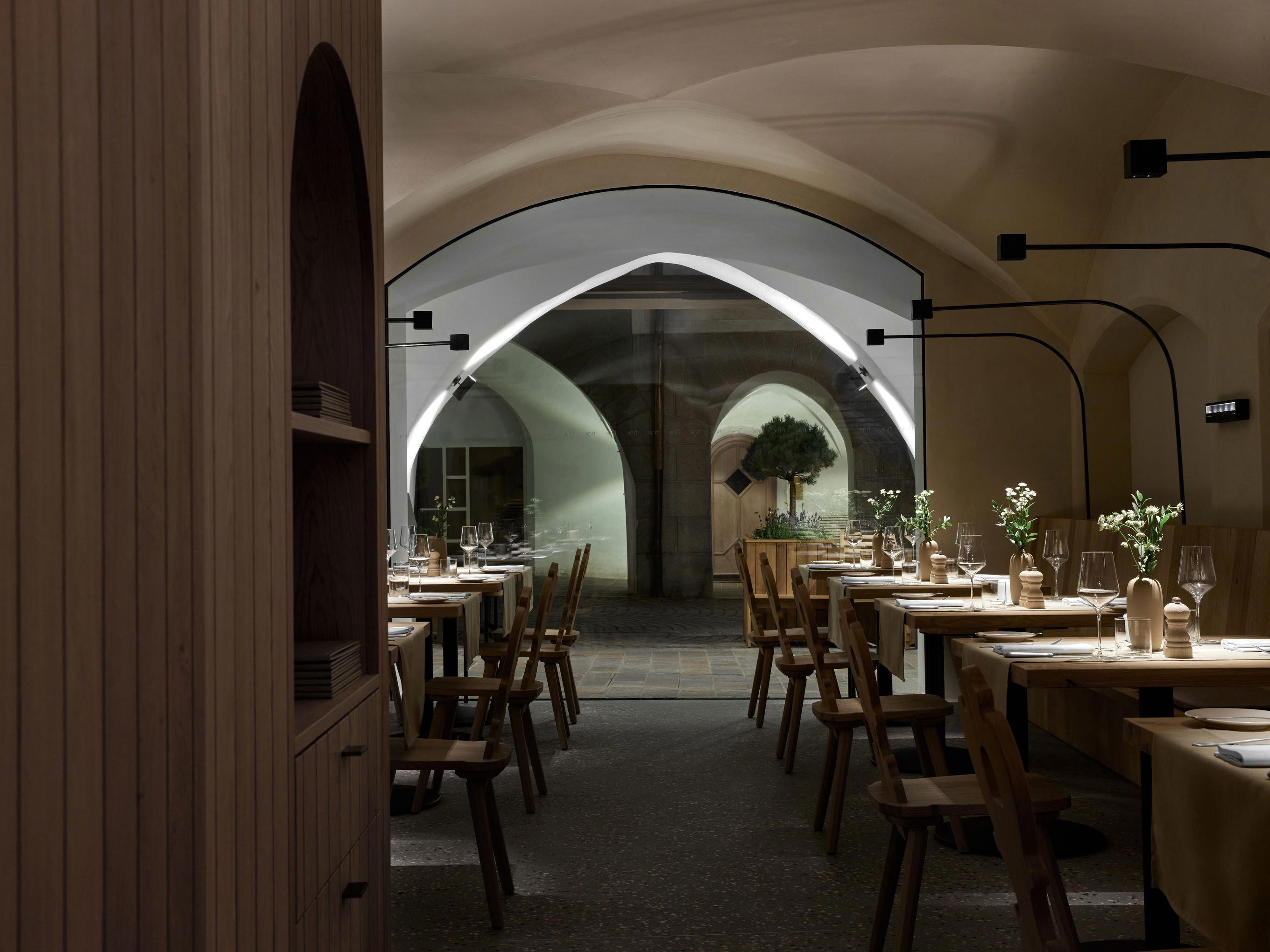
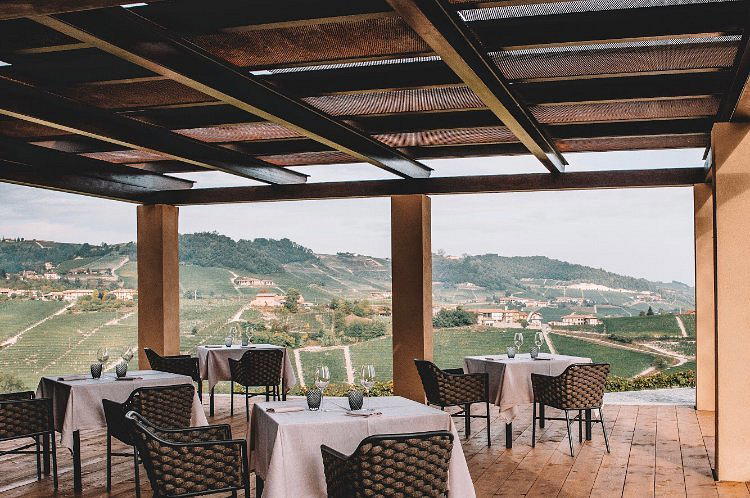
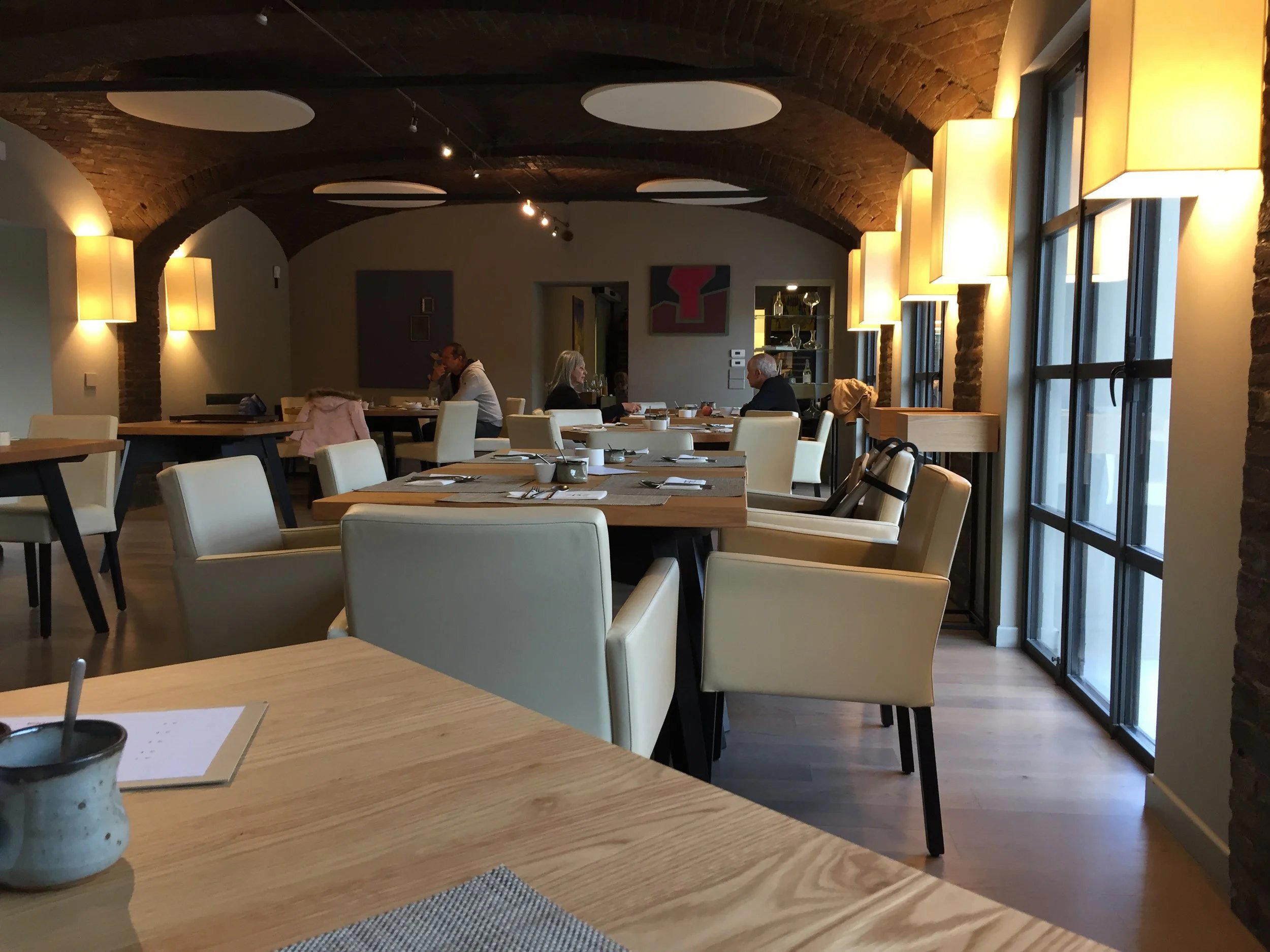
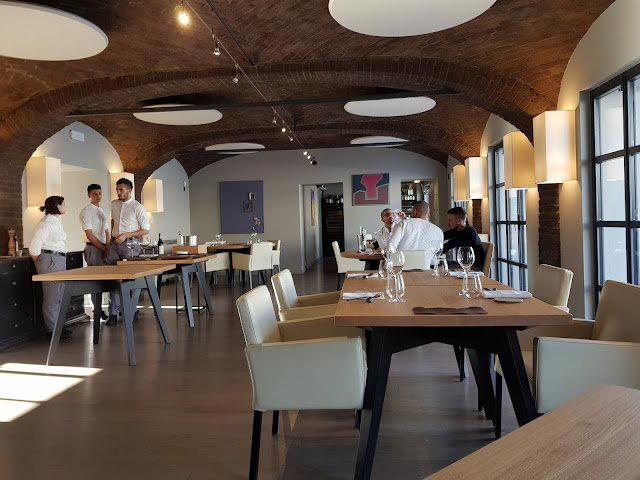
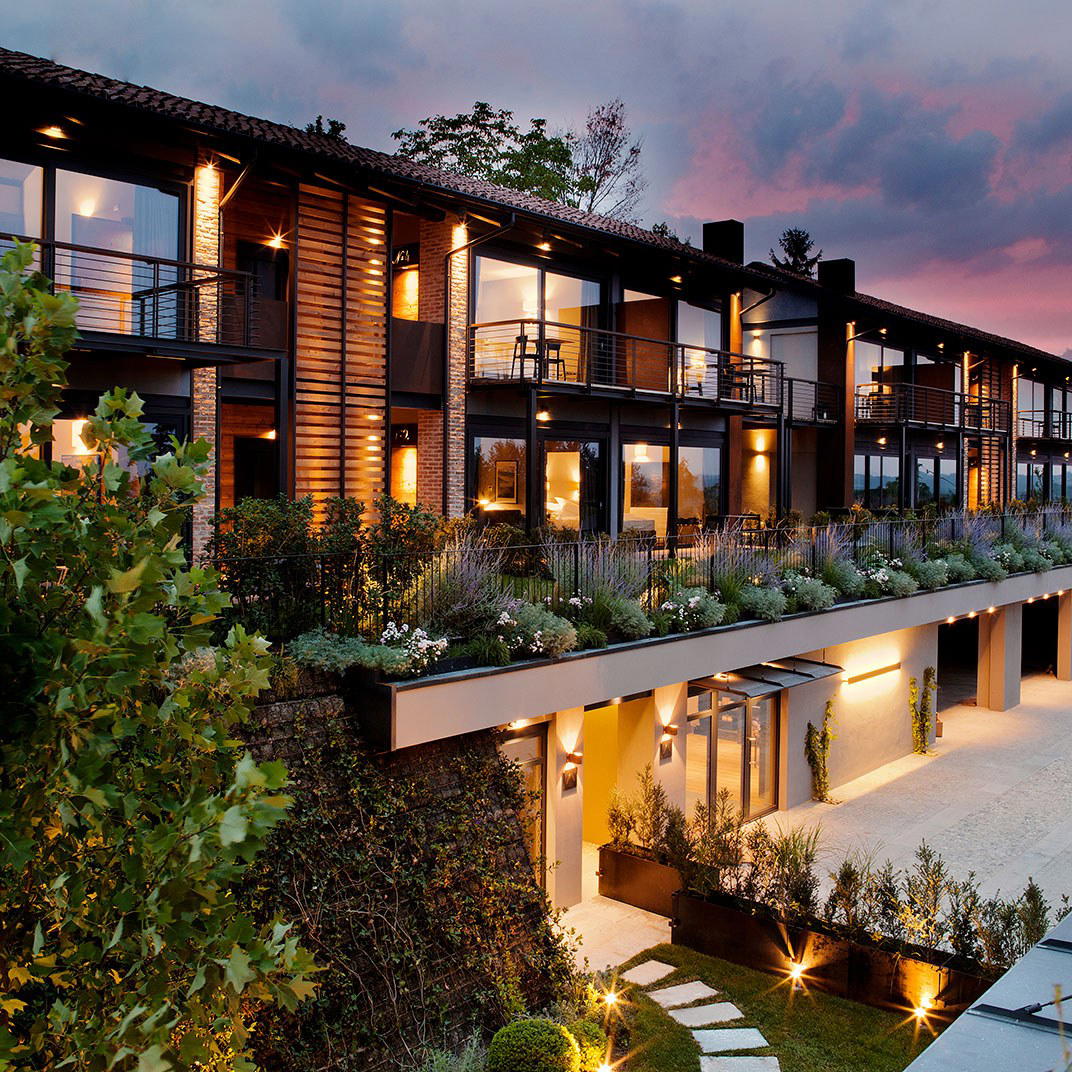
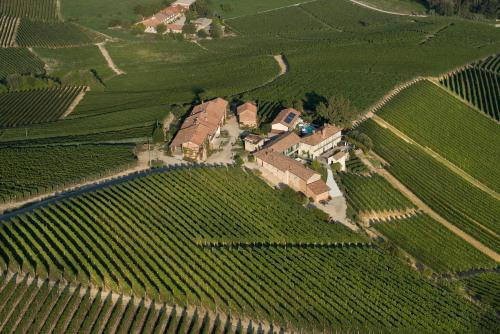
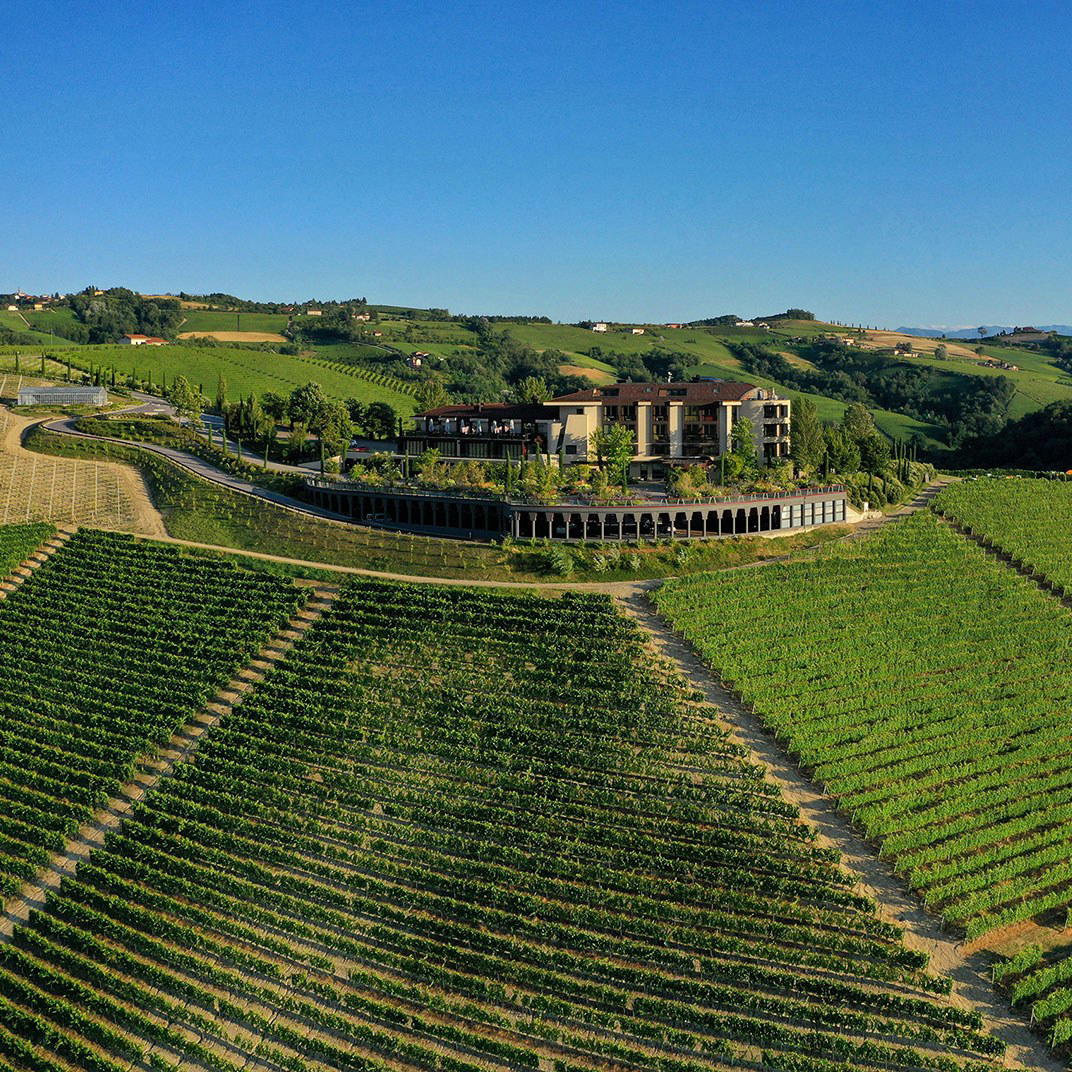
Historic estate with refined, sophisticated atmosphere reflecting modernist winemaking philosophy; elegant tasting rooms with access to barrel aging facilities and vineyard views.