Sir Albert Hotel, part of Sircle Collection

Positioned on Albert Cuypstraat at the edge of Amsterdam's Albert Cuyp market, Sir Albert Hotel is a Michelin Selected property within the Sircle Collection. The address trades the canal-belt postcard for direct access to the De Pijp neighbourhood's daily rhythm, placing guests closer to the city's working food culture than most hotels in its category.
Pearl is the En Primeur Club membership app — saves, bookings, and concierge access live there. Same editors, same standards.
- Address
- Albert Cuypstraat 2-6, 1072 CT Amsterdam, Netherlands
- Phone
- +31 20 710 7258
- Website
- sirhotels.com
- Directions
- Get directions
 Saves & bookings on Pearl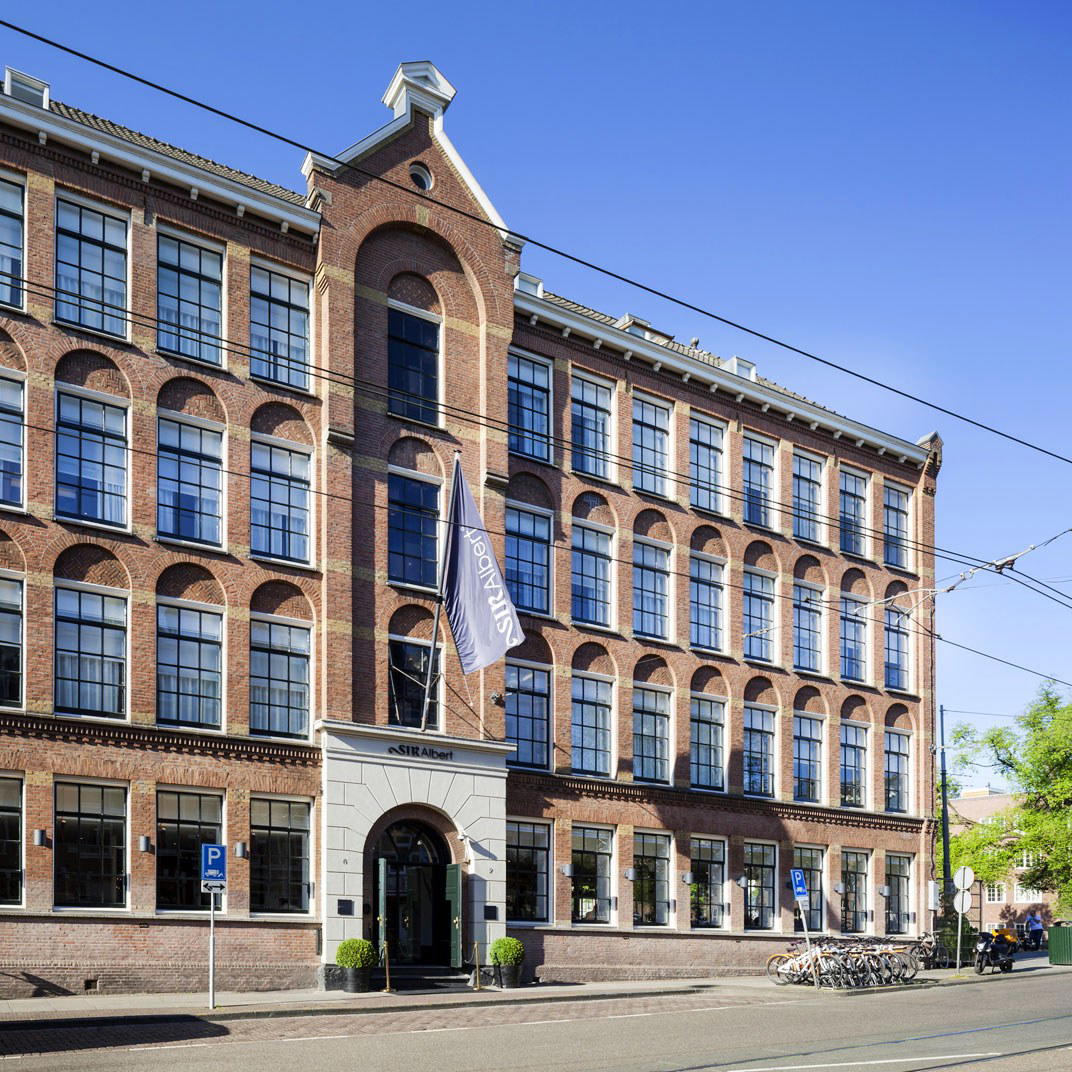
De Pijp as a Hotel Address
Amsterdam's hotel stock concentrates heavily along the canal belt and around the Museumplein, where addresses are photogenic but the neighbourhood character is largely tourist-facing. De Pijp operates differently. The area built its identity as a working-class quarter in the nineteenth century, and while it has gentrified considerably since, its street life retains a density and texture that the Grachtengordel rarely matches at pavement level. The Albert Cuyp market, which runs along the street the hotel sits on, is the largest outdoor market in the Netherlands, drawing a mix of local shoppers and visitors six days a week. That context shapes what it means to stay here: the hotel's location at Albert Cuypstraat 2-6 places guests at the precise junction between De Pijp's residential character and its most concentrated commercial energy.
Sir Albert, part of the Sircle Collection, is a 4-star hotel in Amsterdam's De Pijp district. Where properties like the Andaz Amsterdam Prinsengracht or the Canal House offer the classic Amsterdam waterfront frame, Sir Albert trades that framing for neighbourhood immersion. The trade-off is deliberate and works in the hotel's favour for a specific kind of traveller.
The Building and Its Surroundings
The property occupies a converted diamond factory, a building type with genuine historical weight in this part of Amsterdam. De Pijp was home to a significant diamond-cutting industry in the late nineteenth and early twentieth centuries, and the area's Jewish community was central to that trade before the Second World War. The industrial architecture of the period, with its large windows and broad floor plates, lends itself to hotel conversion in ways that older canal houses do not. The result is spaces with a scale and light quality that differ structurally from the narrow, stair-steep geometry of a traditional Amsterdam grachtenpand.
The immediate streetscape outside the entrance is lived-in and active. Market stalls operate within metres of the front door during market hours. Independent cafés, Surinamese snack bars, and specialty food shops line the surrounding blocks. For guests whose primary interest is eating and drinking across Amsterdam's mid-range and neighbourhood tier, this address functions as a base that requires almost no transit. The Rijksmuseum and Van Gogh Museum are reachable on foot in under fifteen minutes, making the cultural draw of the museum quarter accessible without the premium pricing that comes with sleeping directly adjacent to it.
Where Sir Albert Sits in the Amsterdam Hotel Market
Amsterdam's hotel market has stratified sharply over the past decade. At the leading, the Waldorf Astoria Amsterdam, InterContinental Amstel, and Sofitel Legend The Grand compete for the ultra-luxury segment with canal-facing suites and formal dining programmes. Below that tier, a second cohort includes design-led properties with credible food and beverage operations, distinctive interiors, and positioning that appeals to travellers who want a particular aesthetic without the formal register of a grand hotel. Sir Albert sits in this second cohort alongside the Conservatorium and, at a more accessible price point, the citizenM Amstel Amsterdam.
Its Michelin Selected designation for 2025 places it in the guide's curated hotel selection. Among design-forward boutique hotels in the city, the Breitner House represents the smaller, more intimate end of the spectrum, while the Conscious Hotel Amsterdam City (The Tire Station) addresses sustainability positioning. Sir Albert's identity leans toward the style-forward, neighbourhood-anchored category rather than either of those.
The Neighbourhood as Daily Itinerary
What distinguishes a De Pijp address from a canal-belt address is not primarily aesthetics but access. The Albert Cuyp market is a working food market as much as a tourist draw, with stalls selling raw herring, stroopwafels, Dutch cheeses, and produce at prices that reflect local demand rather than tourist markup. The surrounding streets into De Pijp contain some of Amsterdam's more serious independent restaurant openings of the past decade, with the area's relative affordability compared to the Jordaan or Oud-Zuid attracting chefs who want space and cost structures that allow more ambitious cooking without the overhead of a flagship location.
Tram connections on Ferdinand Bolstraat and at the Heineken Brewery tram stop link the neighbourhood efficiently to the city centre and the station. For guests arriving via Amsterdam Centraal, the journey to De Pijp is direct by tram; for those connecting through Schiphol, the airport tram reaches the city centre in roughly twenty minutes, from which De Pijp is another short ride. The citizenM Schiphol Airport is the obvious alternative for travellers with early departures.
Planning a Stay
The Albert Cuyp market runs Monday through Saturday, and the street has a measurably different energy on those days compared to Sunday, when it quiets considerably and De Pijp's café culture takes over. Guests whose schedule allows flexibility should factor this into their arrival day if the market experience is part of the draw. The hotel's position on Albert Cuypstraat means market noise is part of the package on weekday and Saturday mornings; this is a feature for some travellers and worth noting for others.
Booking is recommended in advance. For context on where Sir Albert sits in terms of nightly rate, rooms start at about $136 per night.
Travellers building a broader Dutch itinerary from this base have strong options within the country. The Weeshuis Gouda in Gouda and the Park Centraal Den Haag in The Hague are both within an hour by train. For a coastal counterpoint, the Grand Hotel Huis ter Duin in Noordwijk aan Zee and the Landgoed Duin en Kruidberg in Santpoort Noord represent the dune and estate end of Dutch hospitality. Those looking at broader European itineraries might compare the De Pijp neighbourhood-hotel model against the The Fifth Avenue Hotel in New York or, at the grand European luxury end, Badrutt's Palace Hotel in St. Moritz and the Hôtel de Paris Monte-Carlo.
A Tight Comparison
Comparable venues nearby, for context on price, style, and recognition.
| Venue | Price | Notes |
|---|---|---|
| Sir Albert Hotel, part of Sircle CollectionThis venue — the venue you are viewing | $$$$ | Not listed |
| The Pavilions Amsterdam, The Toren | $$$$ | Jordaan, 17th-century canal house boutique |
| The College Hotel Amsterdam, Autograph Collection | $$$$ | Duivelseiland, Historic boutique hotel in renovated 19th-century school building. |
| Hotel Arena Amsterdam | $$$ | Oosterpark, Monumental boutique hotel in park setting |
| De Durgerdam | $$$$ | Durgerdam, 17th-century fisherman's inn transformed into luxury boutique with modern addition |
| Hotel 717 | $$$$ | Spiegelbuurt, Luxury boutique in monumental 19th-century canal house with 17th-century backhouse. |
Recognition history
Dated appearances from independent guides and award organizations, with the underlying list record or original source where available.
Michelin Selected
Michelin
Continue exploring
More in Amsterdam
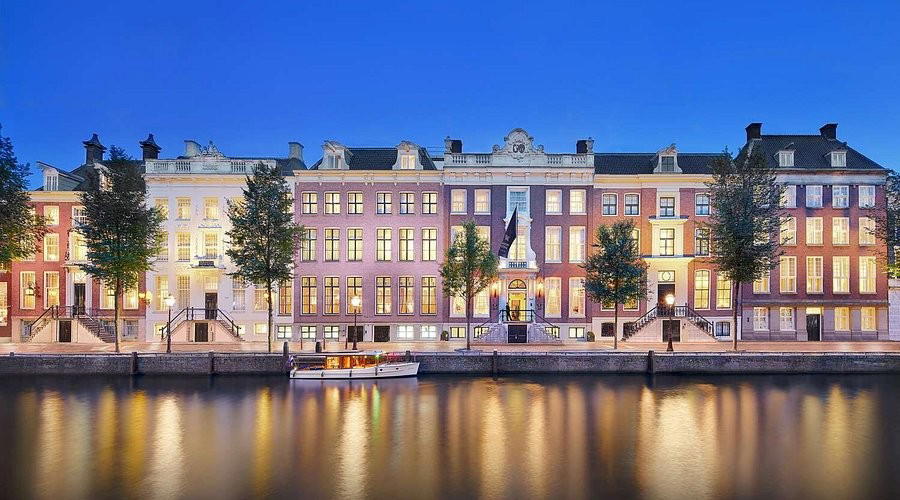
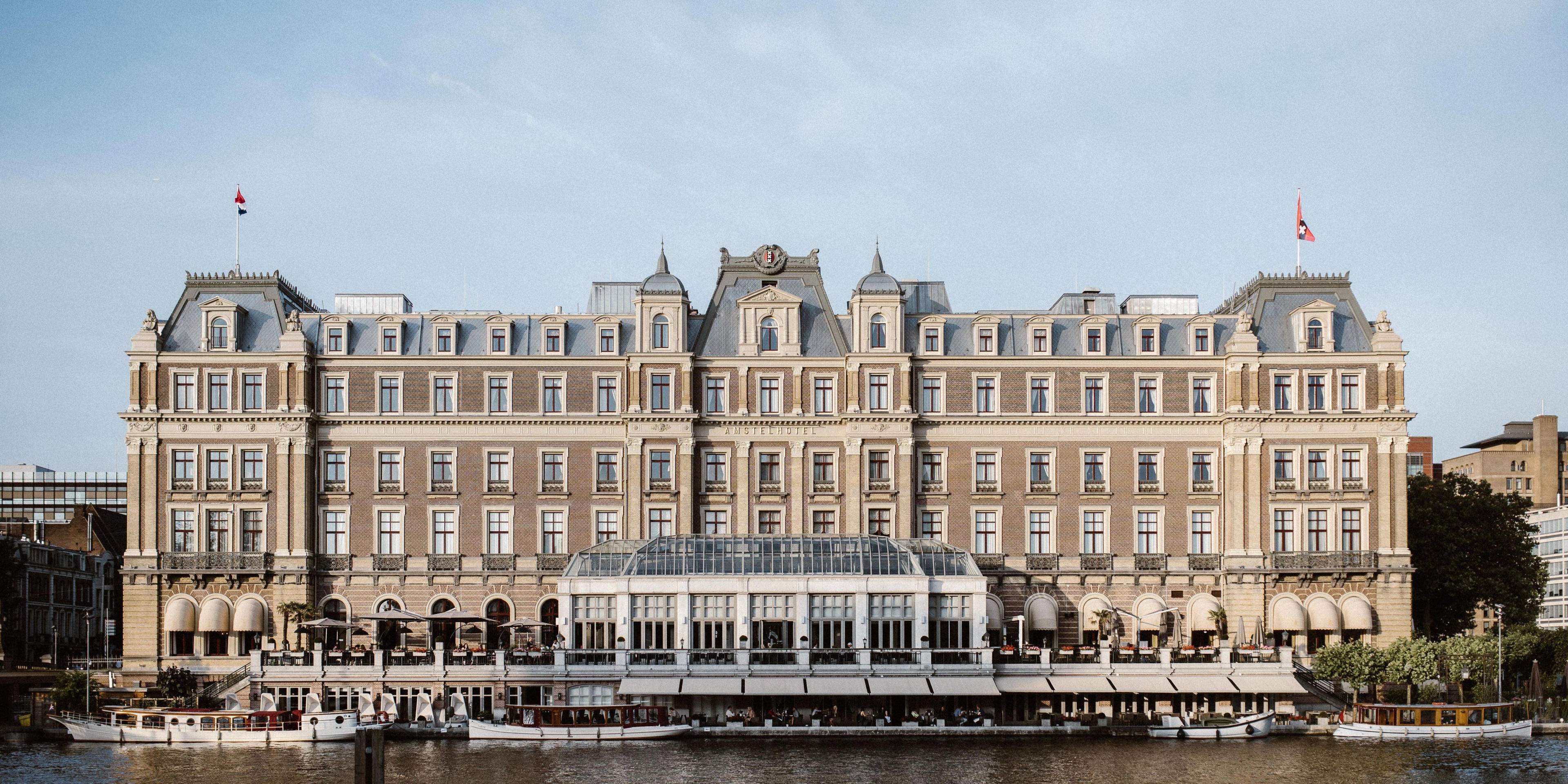
Hotels in Amsterdam
Browse all →
Bars in Amsterdam
Browse all →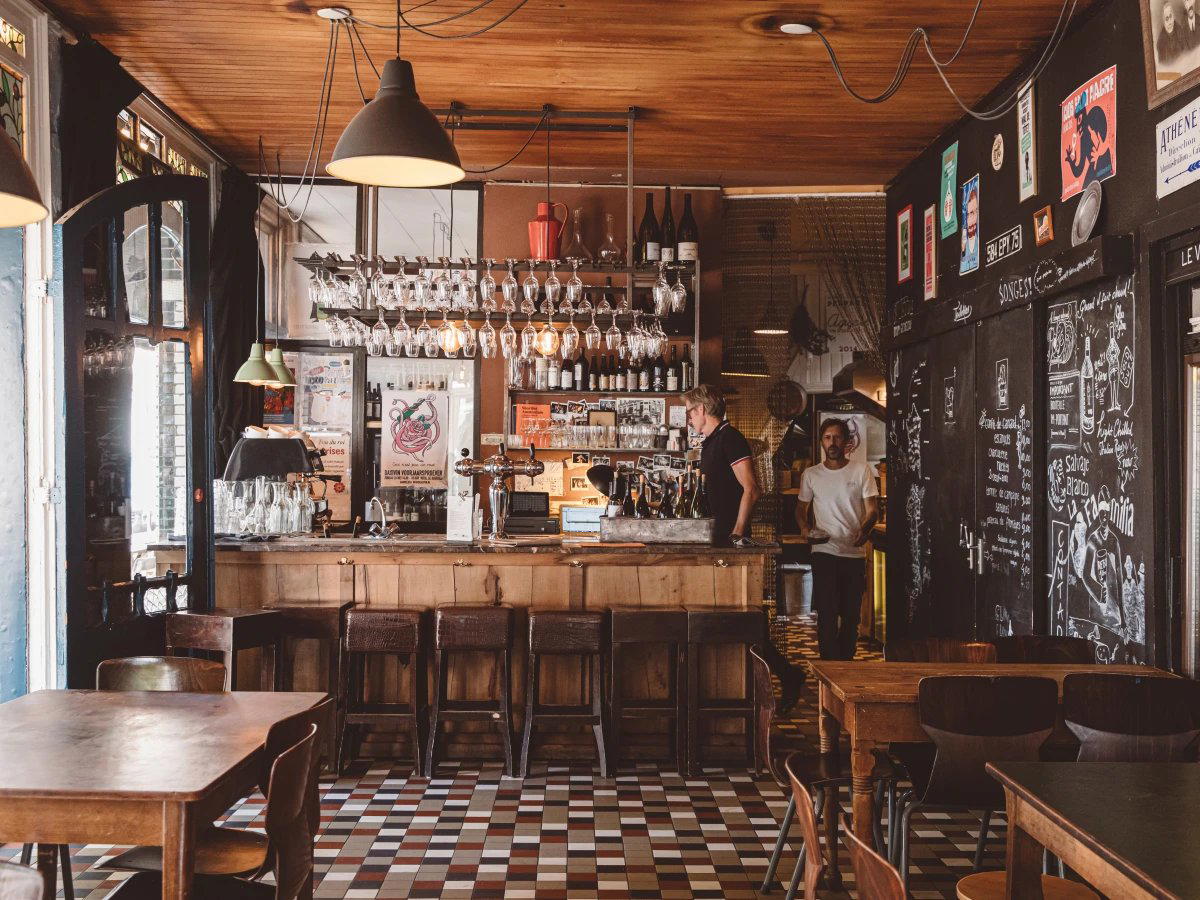
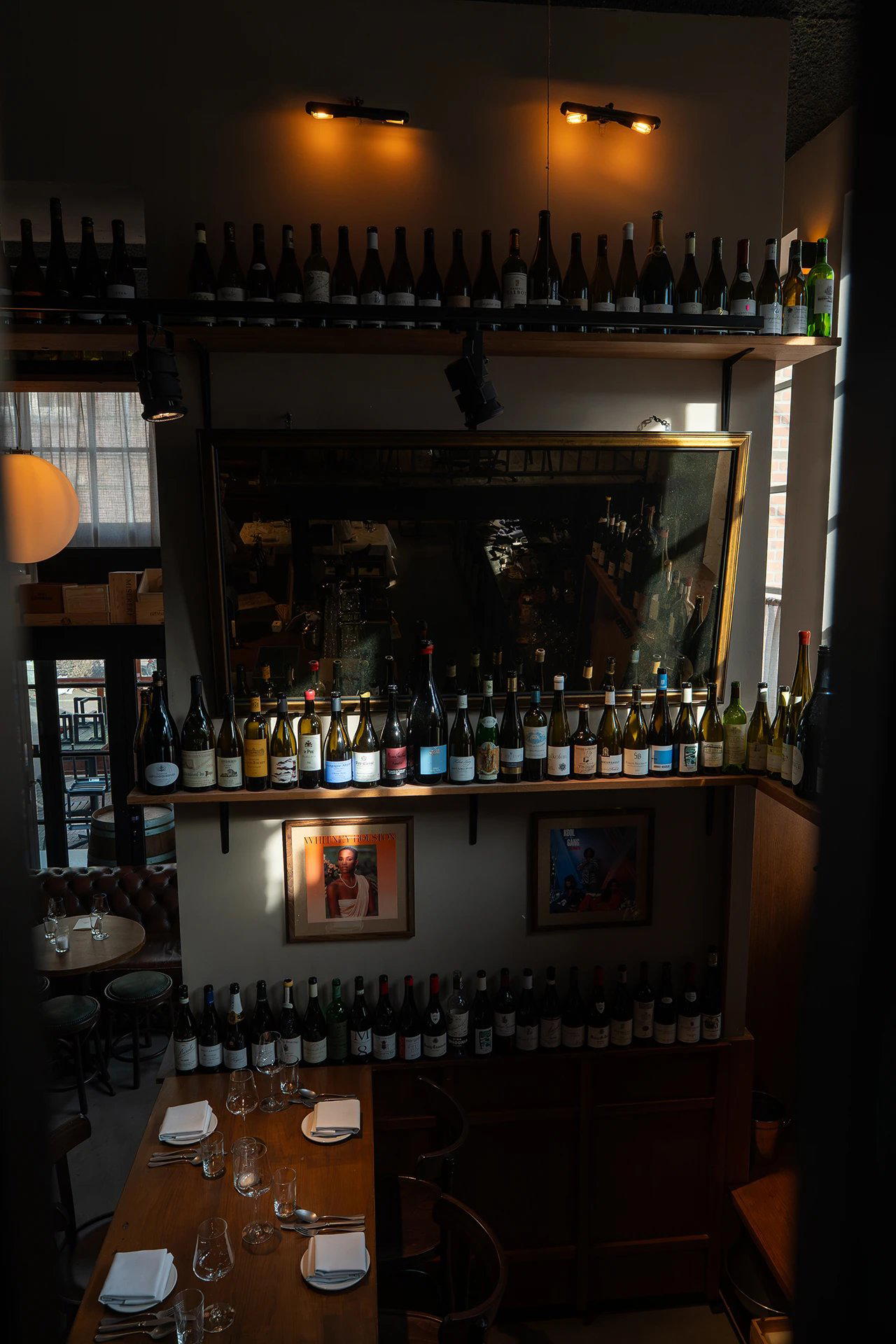
Restaurants in Amsterdam
Browse all →
Wineries in Amsterdam
Browse all →
At a Glance
- Sophisticated
- Modern
- Elegant
- Cozy
- Trendy
- Romantic Getaway
- Weekend Escape
- Terrace
- Historic Building
- Design Destination
- Wi Fi
- Restaurant
- Fitness Center
- Room Service
- Concierge
- Street Scene
- Wi Fi
- Restaurant
- Fitness Center
- Room Service
- Concierge
Warm cozy parlor with contemporary Dutch furniture, Persian rugs, quirky artworks, and a lively restaurant atmosphere.