Atlantica Jungle Lodge
Atlantica Jungle Lodge sits on Ilha Grande, one of the Rio de Janeiro state coastline's most ecologically protected islands, where Atlantic Forest meets open water and motor vehicles are absent by law. The lodge positions itself within a small tier of nature-immersive properties on the island, where the physical setting does most of the architectural work. Access is by boat from Angra dos Reis, which filters the guest profile toward those who have planned deliberately.

Pearl is the En Primeur Club membership app, where members save venues, book tables and use the concierge.
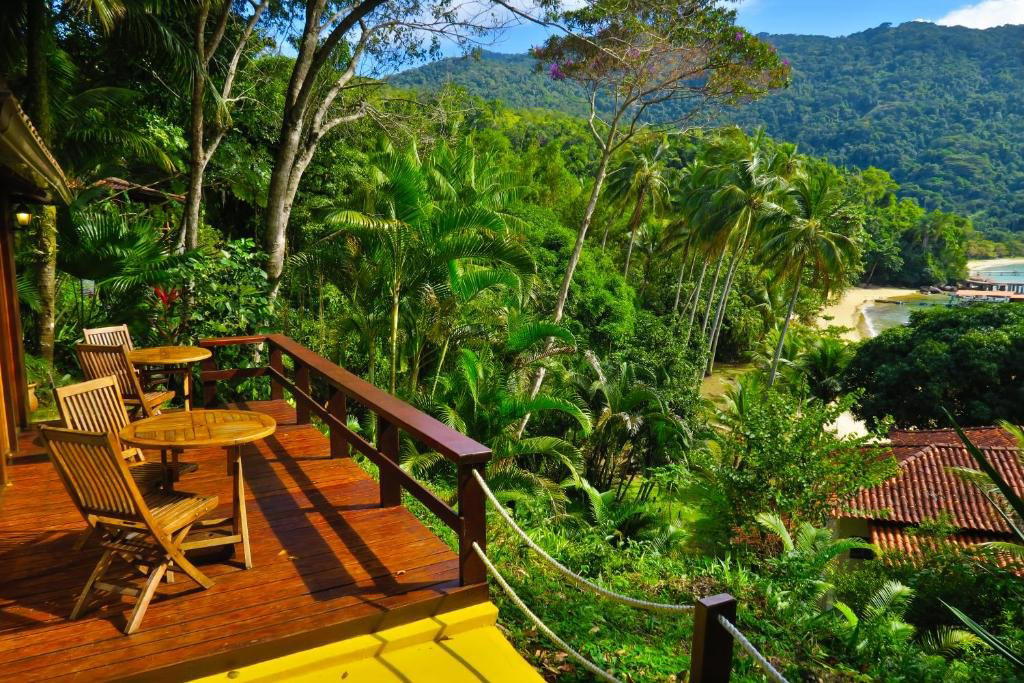
Where the Atlantic Forest Meets the Waterline
Ilha Grande operates under a distinct set of constraints that shape every property on it. Motor vehicles are banned across the island, the Atlantic Forest reserve classification restricts development, and the only way in is by boat from Angra dos Reis or Conceição de Jacareí on the mainland. These are not inconveniences, they are the conditions that define what the island is. Atlantica Jungle Lodge sits within that framework, at an address that places it between the forest interior and the coastline near Praia do Pouso and Praia de Lopes Mendes, one of Brazil's most referenced stretches of sand. The approach by sea, with forested ridgelines descending to the water and no visible road infrastructure, is the first signal that this property belongs to a different category of stay than anything accessible by car.
The broader context matters here. Ilha Grande spent decades as a restricted zone, first a leper colony, then a federal prison, which inadvertently preserved its ecosystem. The island's ecological integrity is now its primary draw, and the properties that work leading within it are those that treat the forest and water not as backdrop but as the actual product. Atlantica Jungle Lodge operates in the Atlantic Forest version of that logic, on an island where the absence of development is itself a conservation statement.
Design in a Protected Ecosystem
Building on Ilha Grande means working within strict environmental regulations that limit footprint, materials transport, and ground disturbance. Properties on the island cannot simply replicate the architectural vocabulary of mainland beach resorts. The result, across the island's lodging stock, is a vernacular that tends toward timber, open air, and structures that read lightly against the forest. Atlantica Jungle Lodge's address near Praia de Lopes Mendes places it in one of the island's more remote zones, getting there from the main village of Vila do Abraão requires either a boat transfer or a multi-hour trail walk through forest, depending on conditions. That distance from the island's social centre is an architectural fact as much as a logistical one: the property exists in a quieter register.
The design approach common to successful Atlantic Forest lodges prioritises natural ventilation over air conditioning, raised structures that minimise ground contact, and orientations that frame water or canopy views. These are not aesthetic choices so much as functional responses to humidity, rainfall, and the regulatory environment. Properties in coastal Rio de Janeiro state that have navigated these conditions well, among them Casas Brancas Boutique Hotel & Spa in Búzios and the coastal positioning of Hotel Fasano Angra dos Reis, tend to let the natural setting carry the visual weight while keeping built elements restrained. Atlantica Jungle Lodge operates in that same region of the Brazilian coast, where Atlantic Forest meets sea, and the design decisions that follow from that context are largely non-negotiable.
Ilha Grande in the Brazilian Premium Travel Picture
Brazil's premium accommodation market has separated into at least two distinct tracks. One runs through the established luxury circuits of Rio de Janeiro and São Paulo, anchored by properties like the Copacabana Palace, A Belmond Hotel in Rio and Rosewood São Paulo, urban addresses with full-service infrastructure, high staff ratios, and international brand recognition. The other track runs through ecologically significant destinations: the Pantanal, the Amazon, the Atlantic Forest coast. Ilha Grande sits firmly in the second category, and its appeal to a specific type of traveller, one who is willing to accept the friction of boat access and limited connectivity in exchange for ecological proximity, is precisely what keeps it from competing with the first.
The island's position within the broader Rio de Janeiro state itinerary is worth understanding. Angra dos Reis, the mainland departure point, sits roughly 150 kilometres west of Rio along the Costa Verde. Many visitors combine an Ilha Grande stay with time in Paraty, the colonial port town to the southwest, where Pousada Literaria de Paraty represents a different kind of restrained, character-led accommodation. The Costa Verde corridor, Angra, Ilha Grande, Paraty, functions as a coherent travel sequence for those moving between Rio and São Paulo, with each stop offering a distinct density of experience. Travellers building a wider Brazil itinerary might extend this into the northeast with properties like Barracuda Hotel & Villas in Itacaré or the Belmond property at Iguassu Falls, each occupying their own ecological niche.
For those assembling a more nature-led Brazilian journey, the Awasi Santa Catarina property offers a southern counterpoint, while the spa-and-landscape combination at Botanique Hotel Experience in Campos do Jordão provides an inland forest alternative in São Paulo state. The range of Brazil's protected-environment lodging options is broader than most first-time visitors expect, and Ilha Grande's particular version, saltwater access, Atlantic Forest, day-trip proximity to one of Brazil's most photographed beaches, occupies a specific position within that range. Our full Vila do Abraão guide maps the island's accommodation and activity options in fuller detail.
Planning the Stay
Access to Atlantica Jungle Lodge requires a boat transfer from Angra dos Reis, which is itself reachable by road or bus from Rio de Janeiro in approximately two to three hours depending on traffic. Ferries and speedboats run from Angra's waterfront to Vila do Abraão, the island's main village, with transfer times ranging from 20 minutes by speedboat to around 90 minutes by conventional ferry. From Abraão, reaching the lodge's location near Praia do Pouso and the Lopes Mendes end of the island requires a further boat transfer or a guided forest walk, the specific logistics are best confirmed directly with the property before arrival. The dry season, roughly April through September, offers more stable conditions for both sea crossings and forest trails, though the island's high season peaks in January and February when Brazilian domestic summer travel is at its most concentrated. Those visiting outside those peak months will find a quieter island, lower competition for accommodation, and trails that are navigable without the weekend crowds that gather at Lopes Mendes beach. Properties in this part of coastal Brazil, including neighbouring options reviewed on EP Club such as Kenoa Exclusive Beach & Spa Resort and Carmel Charme Resort, tend to reward guests who time arrivals mid-week and outside school holiday windows.
Comparison Snapshot
| Venue | Price | Awards |
|---|---|---|
| Atlantica Jungle LodgeThis venue (the venue you are viewing) | Not listed | Not listed |
| Copacabana Palace, A Belmond Hotel, Rio de Janeiro | $750–1,000 | 2 Michelin Keys · World's 50 Best #29 |
| Hotel das Cataratas, A Belmond Hotel, Iguassu Falls | $500–750 | 3 Michelin Keys · World's 50 Best #77 |
| Rosewood São Paulo | Not listed | 3 Michelin Keys · World's 50 Best #6 |
| Fairmont Rio de Janeiro Copacabana | $300–500 | Michelin Selected · Forbes Recommended |
| JW Marriott Hotel São Paulo | Not listed | Michelin Selected · Forbes Recommended |
Continue exploring
More in Vila Do Abraao
Hotels in Vila Do Abraao
All hotels in Vila Do Abraao →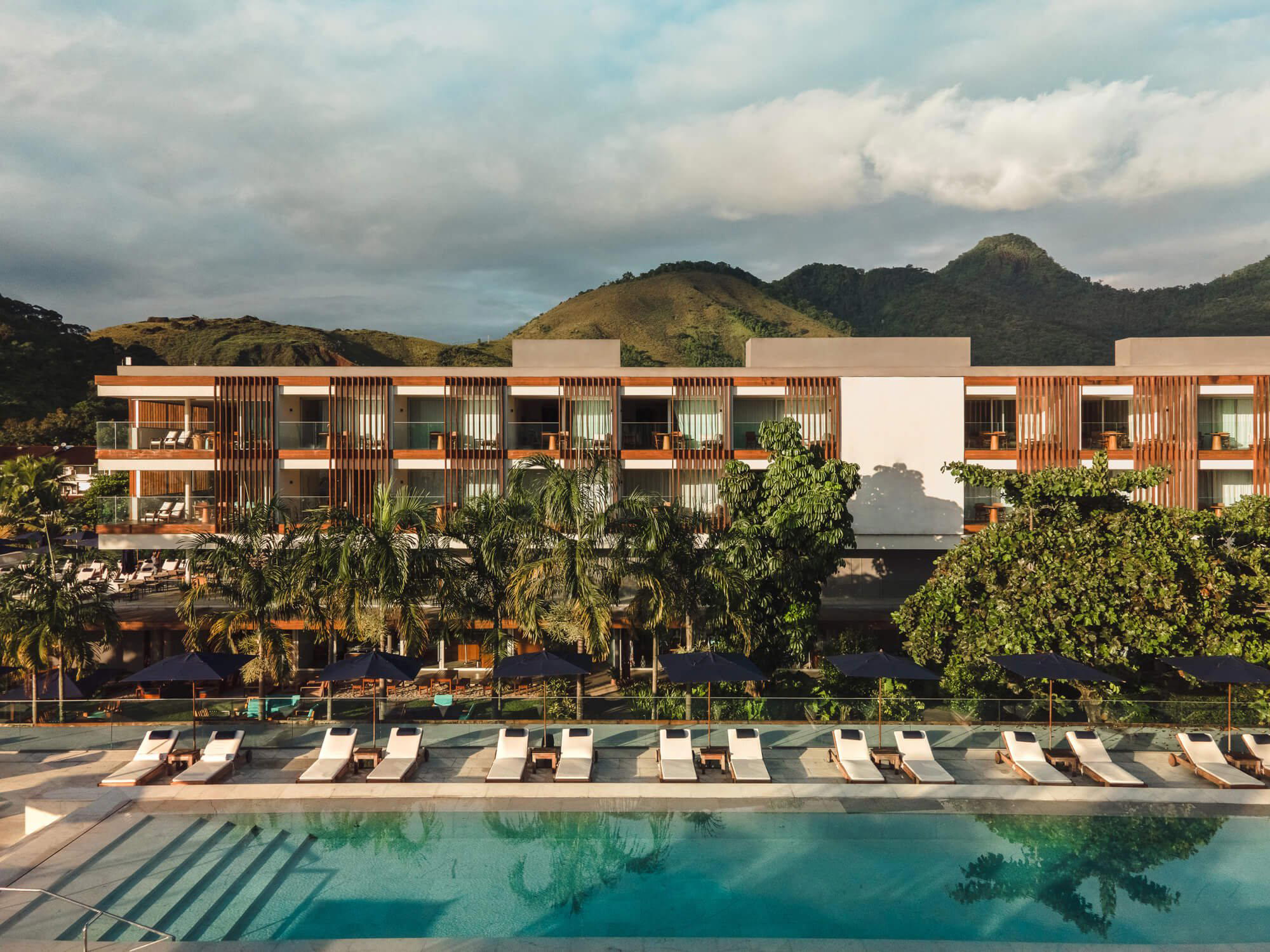
Restaurants in Vila Do Abraao
Browse all →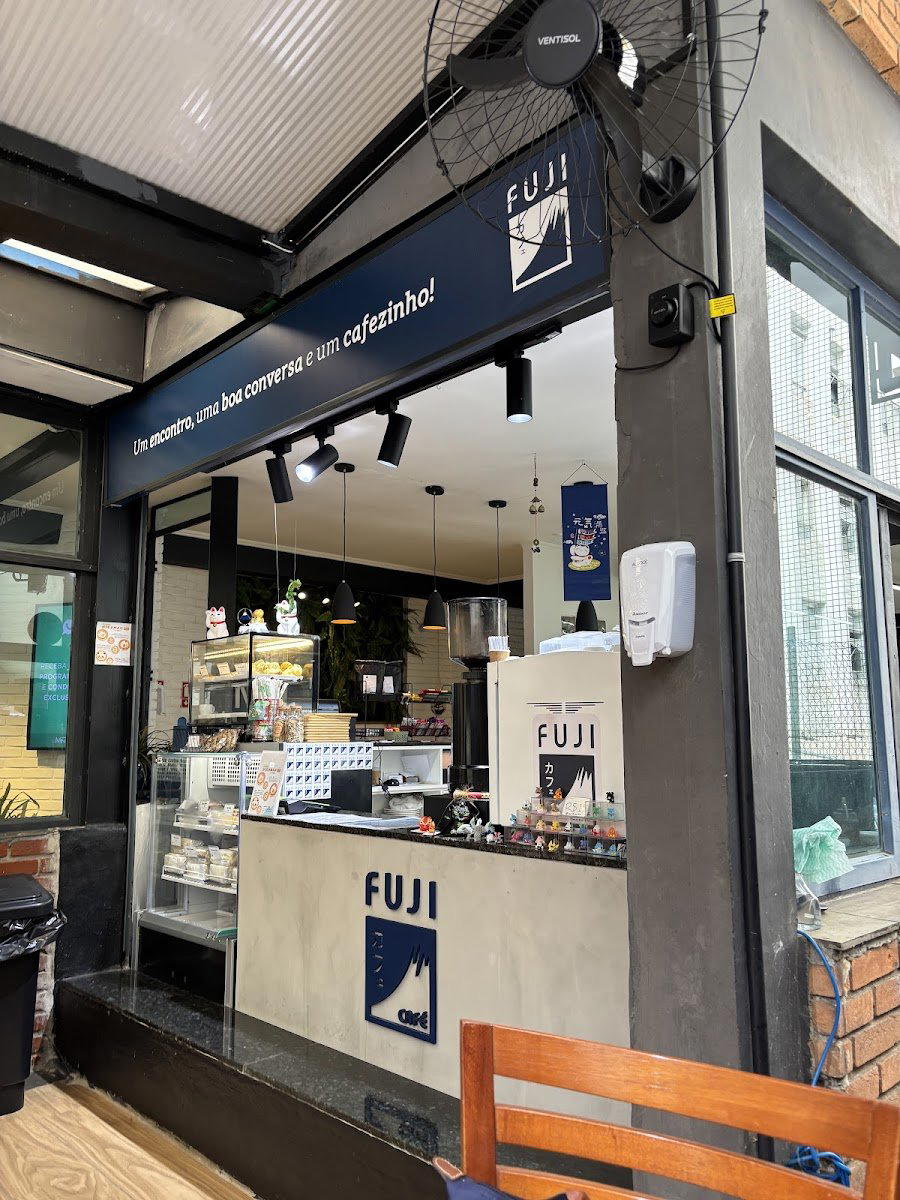

Details
- Rustic
- Scenic
- Quiet
- Cozy
- Romantic Getaway
- Wellness Retreat
- Weekend Escape
- Beachfront
- Panoramic View
- Garden
- Wi Fi
- Waterfront
- Garden
Tranquil paradise surrounded by lush rainforest with birdsong, rustic decor, and natural serenity.