
World Luxury Hotel Awards WLHA Global Winner
Buona Vitta Gramado sits in the Carniel district above the town centre, carrying two international luxury hotel awards, Global Winner for Luxury Hotel and Continent Winner for Luxury Family Hotel, that place it at the top tier of the Serra Gaúcha's accommodation options. The property draws visitors seeking the region's signature Alpine-inflected atmosphere alongside facilities built around families and extended stays.

Pearl is the En Primeur Club membership app, where members save venues, book tables and use the concierge.
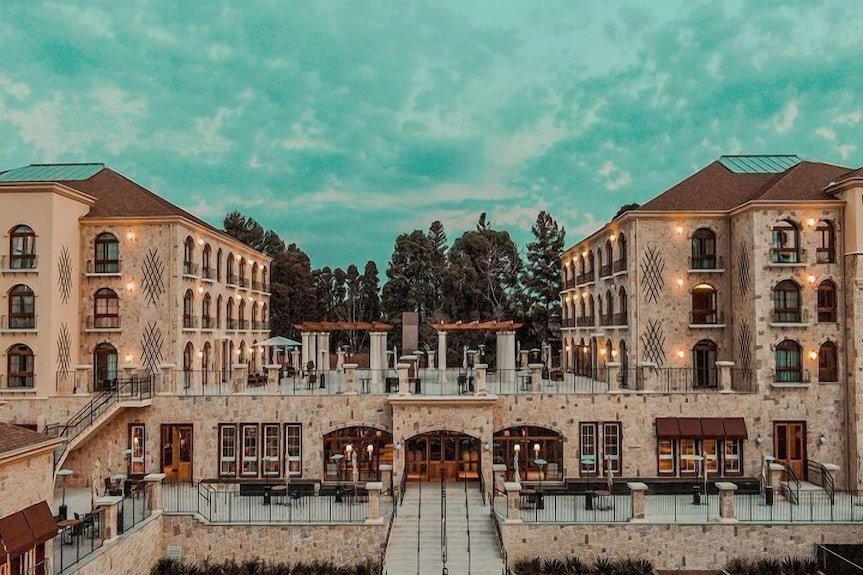
Where the Serra Gaúcha Sets the Stage
Gramado's appeal has always been architectural in the most theatrical sense. The town in Brazil's far south spent decades building an identity around imported European aesthetics, Tudor gables, cobbled plazas, hydrangeas massed along every verge, and the result is a resort city that reads, at first pass, like a film set. The hotels that succeed here are those that commit fully to that visual language rather than apologising for it. Buona Vitta Gramado, on Estrada Professora Elvira Apolo Benetti in the Carniel district, sits in the upper portion of that hillside neighbourhood, where the tree canopy thickens and the road quiets. Approaching the property, the landscaping announces a deliberate decision to frame the building through its grounds rather than lead with the facade.
The Carniel area sits at a remove from Gramado's main commercial drag on Avenida Borges de Medeiros, which means the experience of staying here is materially different from properties in the town centre. The ambient noise drops. The light through conifers at dusk has a quality that the centre simply cannot replicate. That positional choice, hillside, set back, residential in character, is itself a design decision, one that shapes everything from the pace of the stay to the kind of guest the property attracts.
The Award Tier and What It Signals
Brazil's premium hotel market has fractured into several distinct tiers over the past decade. At the international end, brands like Copacabana Palace, A Belmond Hotel, Rio de Janeiro and Rosewood São Paulo compete on heritage, urban address, and brand depth. At the nature-immersion end, lodges like Cristalino Lodge in Alta Floresta and Caiman, Pantanal in Miranda draw on ecological credibility. Buona Vitta Gramado operates in a third category: the destination resort in a domestically driven leisure market, where the guest base skews Brazilian and the competition is regional rather than global.
Within that regional bracket, the property's two awards carry weight. A Global Winner designation in the Luxury Hotel category and a Continent Winner for Luxury Family Hotel from a recognised international award programme place Buona Vitta Gramado in a different conversation from the dozens of pousadas and mid-range hotels that make up the bulk of Gramado's accommodation supply. These are not local or national distinctions, they benchmark against international peers, which is the more demanding comparison set. For a property in a city that outsiders sometimes underestimate as a domestic curiosity, that positioning matters.
The family hotel designation deserves particular attention. Luxury family accommodation is one of the harder categories to execute well. The instinct in hospitality is to separate luxury from family provision, to treat children's facilities as a concession rather than an asset. Properties that win at international level in this category tend to have resolved that tension architecturally: spaces that function for adults in the evening work differently for families during the day, and the design has been thought through accordingly. That the property holds both the general Luxury Hotel and the Luxury Family Hotel awards suggests the physical layout manages that dual demand rather than sacrificing one for the other.
For comparison within Gramado, Castelo Saint Andrews and Wyndham Gramado Termas Resort and Spa represent the town's other upper-tier options, each with their own formal and thematic logic. Castelo Saint Andrews, also found at its Vale do Bosque address, leans into castle architecture as its organising conceit. Buona Vitta's positioning in the Carniel district and its award profile place it in a different peer conversation, one that extends beyond Gramado to Brazil's broader luxury resort tier.
Design Logic in an Alpine-Influenced Town
Gramado's architectural identity is the product of early twentieth-century immigration from northern Italy and Germany, layered over decades of deliberate tourism policy that encouraged property owners to maintain and amplify that European character. The result is a townscape with unusual internal consistency, buildings here are expected to conform to an aesthetic code that most Brazilian cities have never attempted. Hotels that ignore this code feel jarring. Those that engage with it, as Buona Vitta does through its address in the Carniel neighbourhood, benefit from the cumulative effect of the surroundings.
In that context, the property's design reads as part of a regional argument rather than an isolated statement. The Alpine hotel tradition that Gramado references is not merely decorative: it carries assumptions about hospitality that include generous common spaces for cold-weather gathering, materials that reference the surrounding forest, and an orientation toward the outdoors even in winter months. Gramado's temperatures drop sharply between May and August, and the town's appeal during those months, chocolate festivals, the Christmas season that begins in October, the winter fog that settles in the valley, means that how a hotel handles interior warmth and atmosphere is a functional design question, not only an aesthetic one.
Brazil's mountain resort tier includes properties like Botanique Hotel Experience in Campos do Jordão and Fasano Boa Vista in Porto Feliz, both of which pursue their own formal strategies in cooler-climate settings. The comparison is useful: Botanique operates with a design-hotel logic that treats landscape integration as the primary gesture; Fasano Boa Vista prioritises brand architecture. Buona Vitta in Gramado belongs to a different tradition, resort-scale hospitality in a town defined by communal visual identity, where fitting in is part of the brief.
Planning a Stay
Gramado sits in the Serra Gaúcha highland, roughly 120 kilometres from Porto Alegre, the nearest major airport. The drive through the Caracol state park road is the conventional approach and takes between 90 minutes and two hours depending on traffic, which builds considerably on holiday weekends and during the town's event calendar. The Christmas season (October through January) and winter months (June to August) are the high-demand periods; both deliver their own version of Gramado's character, but require booking well in advance. The shoulder months of March, April, and September offer cooler crowds without sacrificing the town's atmosphere.
For travellers building a broader Brazilian itinerary, Gramado sits naturally alongside other southern or highland properties. Awasi Santa Catarina and Hotel das Cataratas, A Belmond Hotel, Iguassu Falls anchor a southern circuit that uses Porto Alegre as a hub. Further afield, Kenoa Exclusive Beach and Spa Resort, Carmel Charme Resort in Ceará, Hotel Fasano Trancoso, and Barracuda Hotel and Villas in Itacaré serve the beach-oriented half of a country trip. More urban itineraries might incorporate Fera Palace Hotel in Salvador, Hotel Fasano Salvador, or Casas Brancas Boutique Hotel and Spa in Armação de Búzios, while more remote destinations like Atlantica Jungle Lodge in Vila do Abraão and Carmel Taíba Exclusive Resort suit travellers building itineraries around ecological access. For those extending internationally, Hotel Fasano Angra dos Reis adds a coastal counterpoint. See our full Gramado restaurants and hotels guide for broader orientation in the town.
Side-by-Side Snapshot
Comparable venues nearby, for context on price, style, and recognition.
| Venue | Cuisine | Price | Awards | Notes |
|---|---|---|---|---|
| Buona Vitta GramadoThis venue (the venue you are viewing) | Contemporary luxury resort with Italian-inspired architecture and design elements, positioned as a premium family and wellness destination. | $100–200 | World Luxury Hotel Awards WLHA Global Winner | Not listed |
| Castelo Saint Andrews | Scottish castle-inspired exclusive house in a gated community | Not listed | 5-Star | Vale do Bosque |
| Wyndham Gramado Termas Resort & Spa | Modern resort with thermal wellness focus | $1–100 | World Luxury Hotel Awards WLHA Continent Winner | Gramado |
| Vila Kalango | Eco-friendly beachfront pousada with stilt houses and bungalows. | $100–200 | Michelin Selected | Jericoacoara |
| Pousada Picinguaba | rustic-chic colonial house in well-suited harmony with nature | $200–300 | Michelin Selected | Picinguaba |
| Uxua Maré | Restored antique farmhouses honoring heritage with low-density construction in rainforest sanctuary | Not listed | Travel + Leisure It List Hotels · Conde Nast Hot List Hotels | Itapororoca |
Recognition history
Dated appearances from independent guides and award organizations, with the underlying list record or original source where available.
World Luxury Hotel Awards WLHA Global Winner
World Luxury Hotel Awards
Full recognition history (2 entries)
World Luxury Hotel Awards WLHA Continent Winner
World Luxury Hotel Awards
Continue exploring
More in Gramado
Hotels in Gramado
All hotels in Gramado →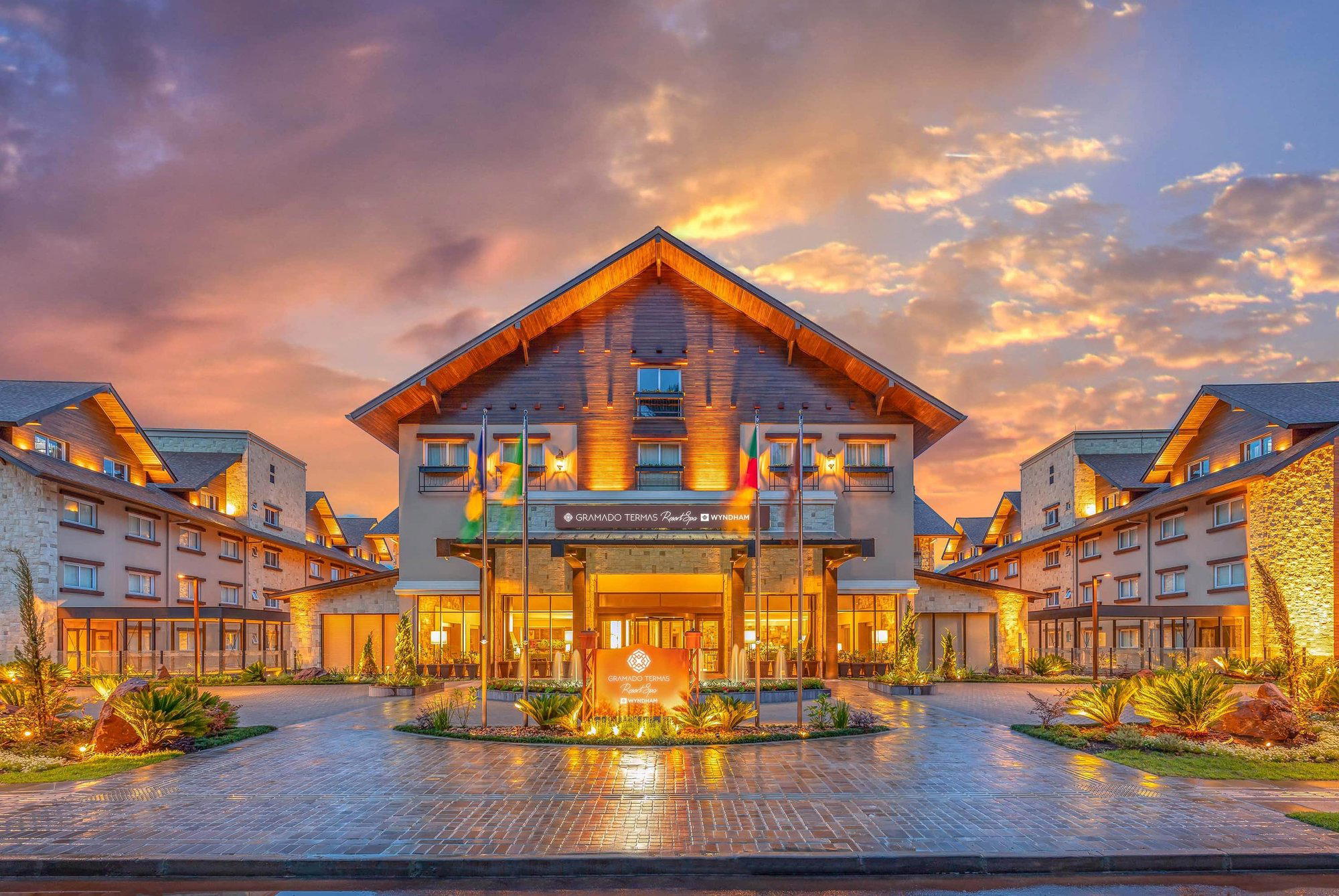
Bars in Gramado
All bars in Gramado →

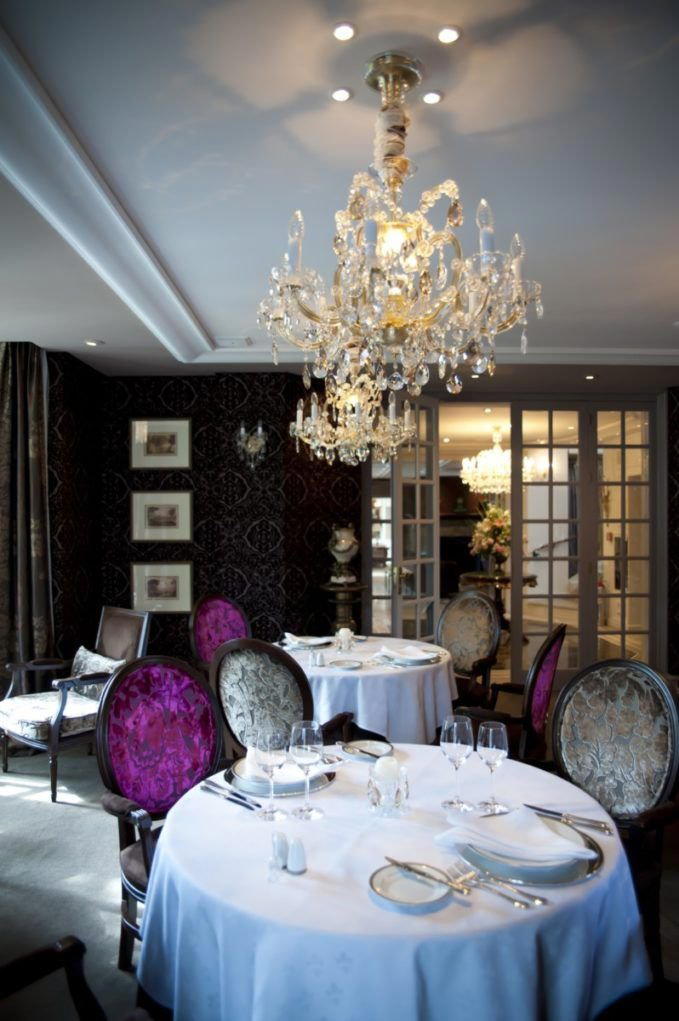
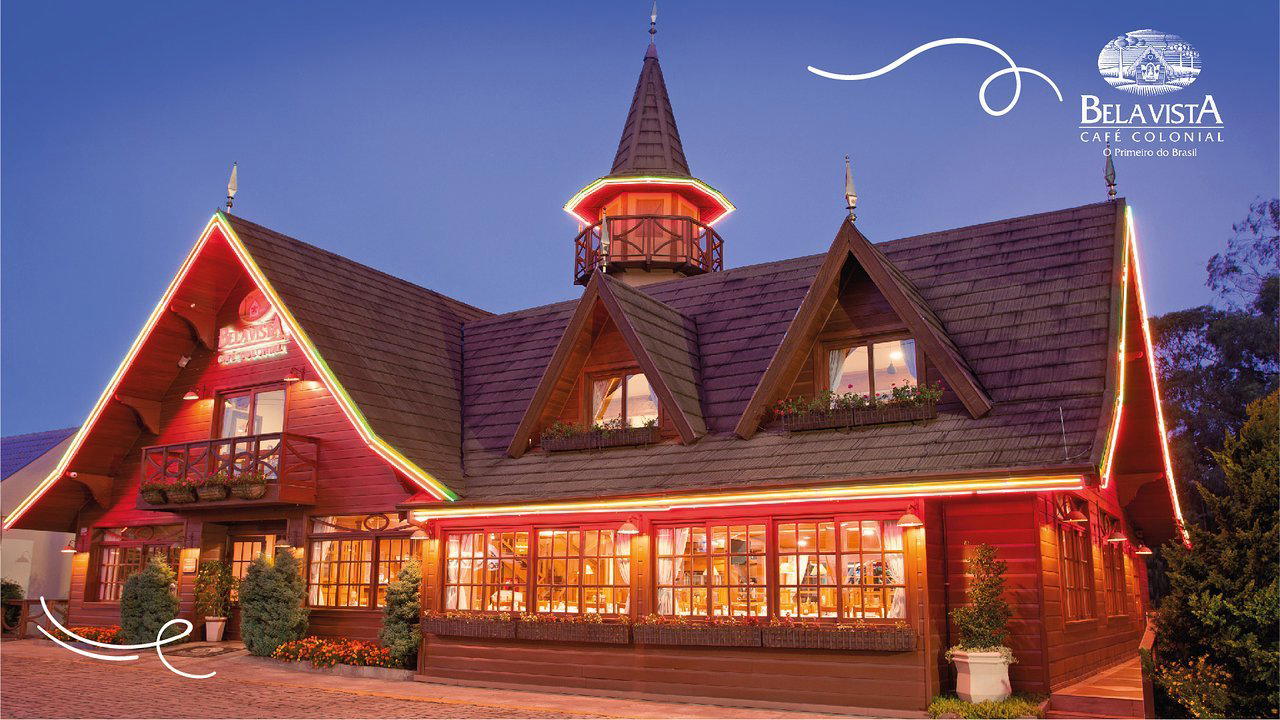


Details
- Romantic
- Cozy
- Elegant
- Modern
- Family Vacation
- Romantic Getaway
- Wellness Retreat
- Weekend Escape
- Garden
- Terrace
- Destination Spa
- Rooftop Pool
- Private Dining
- Wi Fi
- Pool
- Spa
- Fitness Center
- Room Service
- Concierge
- Kids Club
- Sauna
- Restaurant
- Bar
- Bicycle Rental
- Garden
- Wheelchair Accessible
- Elevator
- Accessible Restroom
- Accessible Parking
Warm and inviting with Italian charm, featuring spacious well-lit common areas, comfortable furnishings, and a family-oriented atmosphere that balances relaxation with activity.