RakKoJae (락고재)
RakKoJae occupies a restored hanok in Seoul's Gahoe-dong neighbourhood, where the density of traditional Korean architecture is among the highest in the city. Positioned within walking distance of Bukchon Hanok Village's main lanes, it offers an immersive entry point into hanok culture at a scale that favours atmosphere over spectacle. For visitors oriented around Jongno-gu's cultural and culinary depth, it represents a considered address.
Pearl is the En Primeur Club membership app — saves, bookings, and concierge access live there. Same editors, same standards.
- Address
- 종로구 계동길 49-23, 가회동, 서울특별시, 서울특별시, 03056
 Saves & bookings on Pearl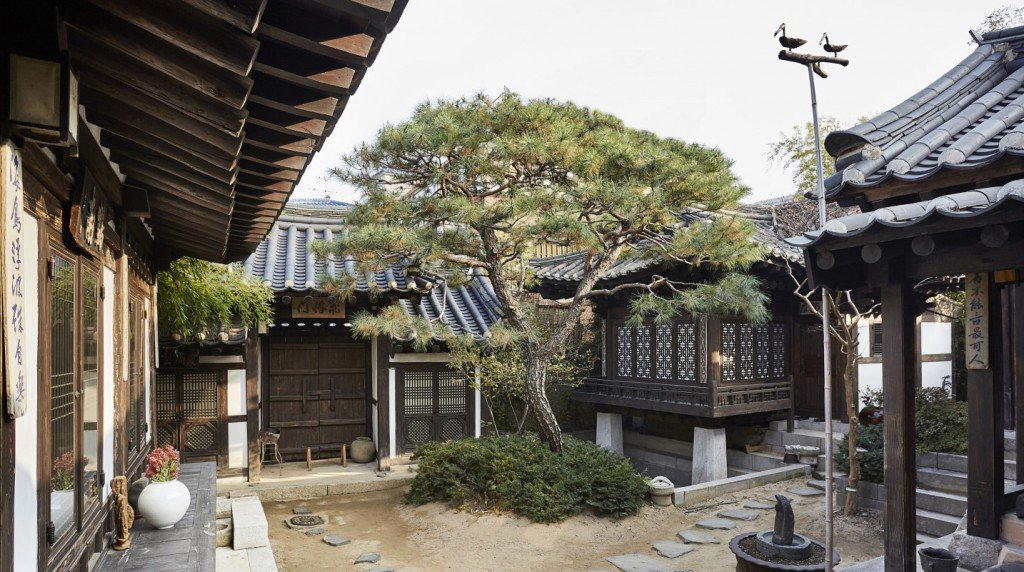
Stone Walls, Tile Roofs, and the Quiet Grammar of Gahoe-dong
RakKoJae is a 2-star hotel in Seoul’s Gahoe-dong, within Bukchon’s preserved hanok quarter. Gahoe-dong sits within Jongno-gu's Bukchon district, where the concentration of intact hanok, traditional Korean timber-framed houses built around courtyards, with their characteristic clay-tiled roofs curving upward at the eaves, is denser than almost anywhere else within the Seoul city boundary. The neighbourhood sits on a slope between Gyeongbokgung Palace to the west and Changdeokgung to the east. That administrative legacy shaped the architecture: hanok here tend toward the compact but considered, built for dignified domestic life rather than palace ceremony.
RakKoJae, at Gyedong-gil 49-23, operates within that physical and cultural frame. The address places it in Gahoe-dong proper, in a pocket of the neighbourhood where restoration work has been careful enough that the surrounding streetscape reinforces rather than contradicts the experience of arriving.
The Hanok Stay Format and Where It Sits in Seoul's Accommodation Spectrum
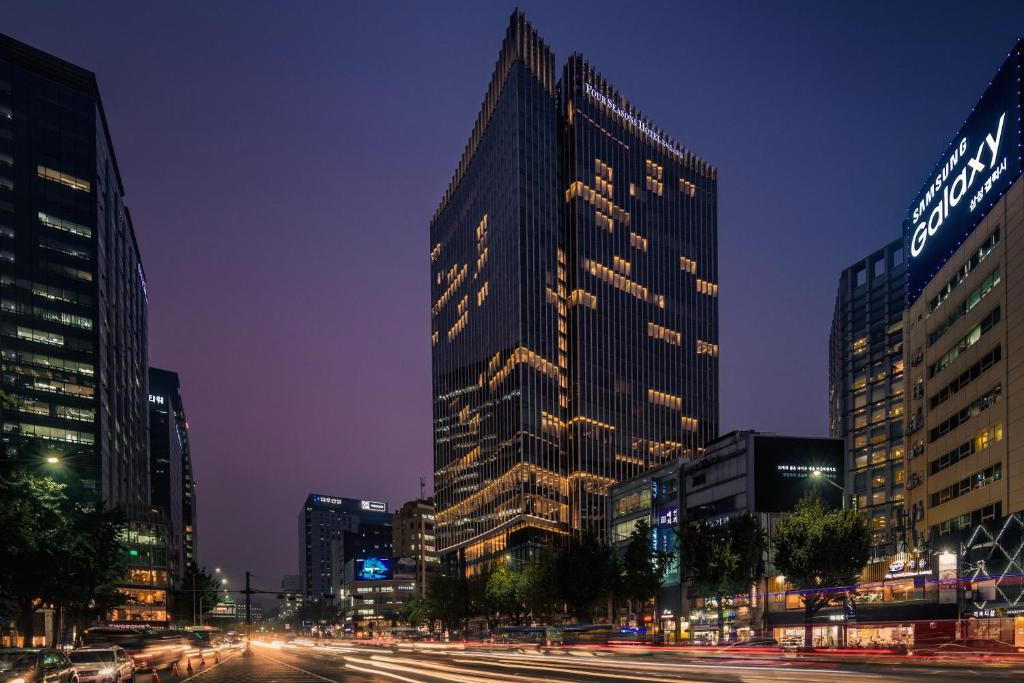
Seoul's accommodation offer has stratified significantly over the past decade. At one end, the city's international luxury tier has deepened, with flagship hotels from Four Seasons Hotel Seoul, Aman Seoul Cheongdam, Conrad Seoul, Fairmont Ambassador Seoul, and Banyan Tree Club & Spa Seoul collectively raising the floor on service standards. At the other end, a specialist tier of hanok stays has grown in sophistication, positioning itself not as budget alternative but as an experience category that the large hotels structurally cannot replicate.
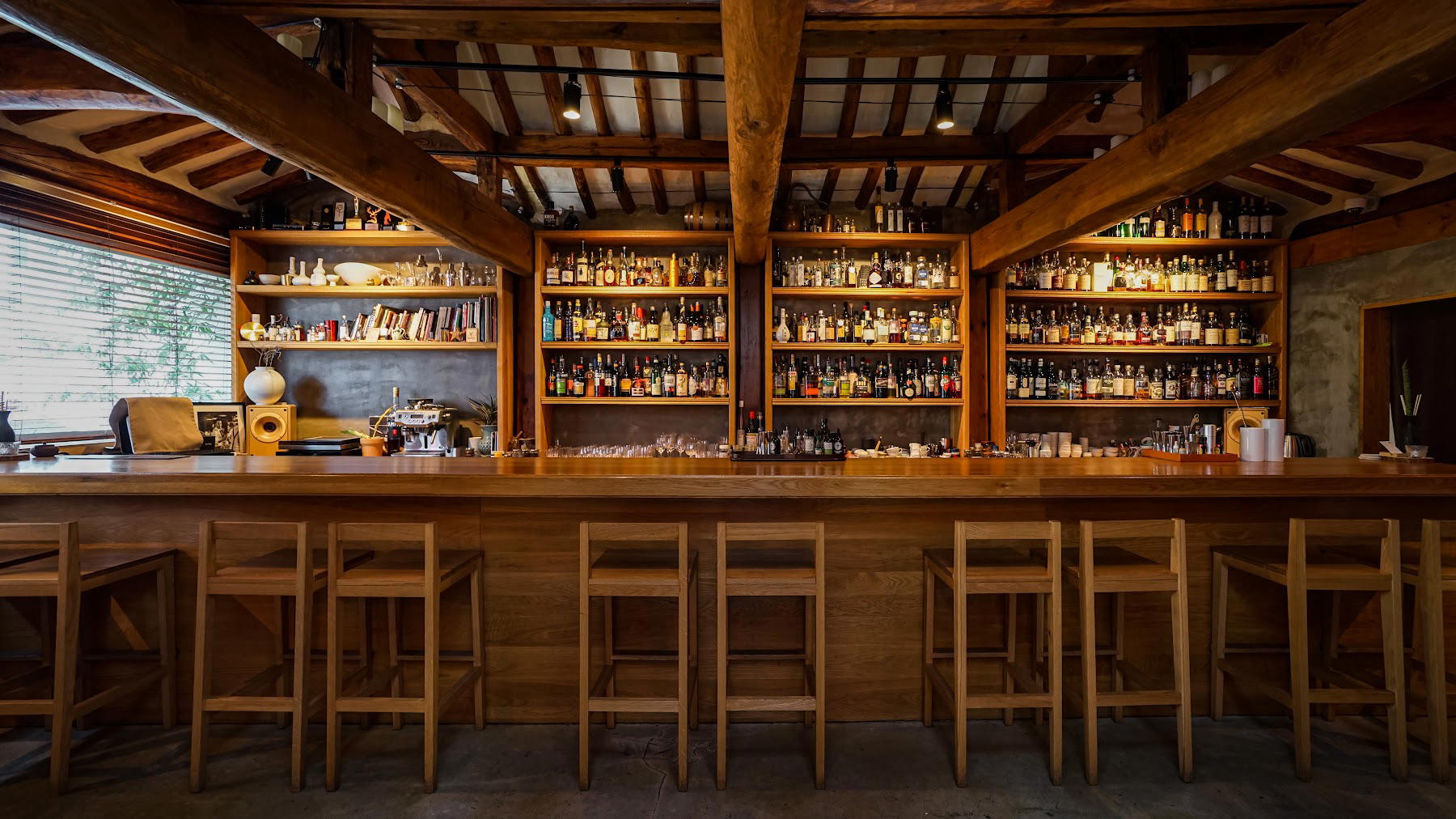
Hanok stays occupy a niche defined by physical format rather than service volume. The buildings are low, courtyard-centred, and built from materials, stone, timber, clay tile, hanji paper screens, that produce a specific acoustic and tactile environment. Underfloor ondol heating, which has been part of Korean domestic architecture for centuries, means the warmth in a hanok room rises from below rather than circulating through vents, a difference that guests with any sensitivity to environment tend to notice. That format is not scalable into a tower block, which is precisely what keeps the category distinct from what properties like Grand Hyatt Seoul or Casino Hotel Seoul offer.
RakKoJae sits within this specialist tier. Its location in Gahoe-dong rather than in the more commercially active Insadong or Samcheong-dong corridors places it slightly further from the daytime tourist circuit, which functions as a practical filter on the type of guest who finds it.
Moving Through the Property: A Sequence of Traditional Spaces
The progression through a well-restored hanok operates differently from a hotel corridor. There is no lobby in the conventional sense, no single point of arrival that organises everything else around it. Instead, the experience unfolds through a series of transitional spaces: the gate, the outer courtyard, the veranda, the ondol room itself. Each threshold is a minor event. The shift from outside to inside happens gradually, through layers of enclosure, which gives the architecture a sequential quality that a single large room cannot produce.
In a property of RakKoJae's type, the courtyard functions as the structural centre of daily life. Morning light enters it at an angle that changes with the seasons; in autumn, when the maples in Bukchon's alleys turn, the courtyard catches the reflected warmth in a way that is specific to that time of year. This seasonal attentiveness is built into the hanok tradition. The orientation of rooms, the placement of paper screens, the depth of the eave overhang, all of these were calibrated over centuries to manage heat, light, and airflow through the Korean seasonal cycle. Visiting in late spring or autumn places you inside that logic at its most legible.
Gahoe-dong as Context: What the Neighbourhood Adds
The case for staying in Gahoe-dong rather than Gangnam or Myeongdong is primarily about access to a different register of Seoul. Jongno-gu concentrates the city's Joseon-era institutional fabric: the two main palace complexes, the royal shrine at Jongmyo, the traditional market at Gwangjang, and the cultural corridor running through Samcheong-dong toward the National Museum of Modern and Contemporary Art. A hanok stay in this district turns those sites into a walkable daily itinerary rather than cross-city taxi destinations.
For visitors exploring South Korea more broadly, Gahoe-dong also works as an orientation point. The country's accommodation range extends well beyond Seoul: Ananti at Busan Cove in Busan, Grand Hyatt Jeju and JW Marriott Jeju Resort & Spa on Jeju, Oakwood Lagoon Town Gangneung on the east coast, and more remote options like KOSMOS ULLEUNGDO off the east coast and Camptong Forest in Gapyeong in the mountains north of the city. A Jongno-gu base for the Seoul portion of a wider Korean itinerary has a coherence that a Gangnam address, however comfortable, does not provide in the same way. You can also find traditional hanok-style accommodation at Soi Hanok Stay in Gyeongju for comparison across regions.
Planning Your Stay
Gahoe-dong is accessible from central Seoul in under thirty minutes by subway: the nearest stations on Line 3 serve the Anguk and Gyeongbokgung stops, both within comfortable walking distance of the address. Arriving by taxi is direct from major interchange stations. Bukchon's main lanes see heavy foot traffic on weekends, particularly between 10am and 3pm, so guests who prefer to move through the neighbourhood at a quieter pace tend to time their walks for early morning or weekday afternoons. Reservations are recommended in advance, particularly for autumn foliage season and the Chuseok and Seollal holiday periods.
Quick Comparison
Comparable venues nearby, for context on price, style, and recognition.
| Venue | Cuisine | Price | Awards | Notes |
|---|---|---|---|---|
| RakKoJae (락고재)This venue — the venue you are viewing | Traditional hanok village hotel | $$$$ | 2-Star | Not listed |
| Dormy Inn Seoul Gangnam (도미인 서울강남) | Modern Japanese business hotel with onsen facilities | $$ | 3-Star | Gangnam-gu |
| Naru Seoul - MGallery | Contemporary lifestyle hotel blending Korean art, nature, and biophilic design overlooking the Han River. | $$$$ | 5-Star | 노고산동 |
| L'Escape Hotel | Luxury boutique city retreat | $$$$ | 5-Star | 소공동 |
| GLAD Hotel Yeouido | Urban design hotel for smart travelers | $$$ | 4-Star | 상수동 |
| Andaz Seoul Gangnam | Luxury lifestyle boutique hotel blending contemporary design with local Korean cultural heritage, positioned as a design destination in Seoul's most fashionable district. | $$$$ | 4-Star | 압구정동 |
At a Glance
- Quiet
- Elegant
- Cozy
- Intimate
- Scenic
- Romantic Getaway
- Anniversary
- Weekend Escape
- Garden
- Historic Building
- Terrace
- Wi Fi
- Spa
- Room Service
- Concierge
- Airport Transfer
- Garden
- Wi Fi
- Spa
- Room Service
- Concierge
- Airport Transfer
Tranquil and elegant with garden courtyards, natural light, and a sense of historical serenity.