
Small Luxury Hotels of the World Member
POKKEI Hotel Shaoxing draws on the vernacular language of traditional Taimen architecture to create a property that feels rooted in its Zhejiang setting. Set along the water in Keqiao District, the hotel positions itself at the intersection of cultural immersion and considered rest. For travellers approaching Shaoxing as more than a day trip from Hangzhou, it offers a design-conscious base with river views as part of the proposition.

Pearl is the En Primeur Club membership app, where members save venues, book tables and use the concierge.
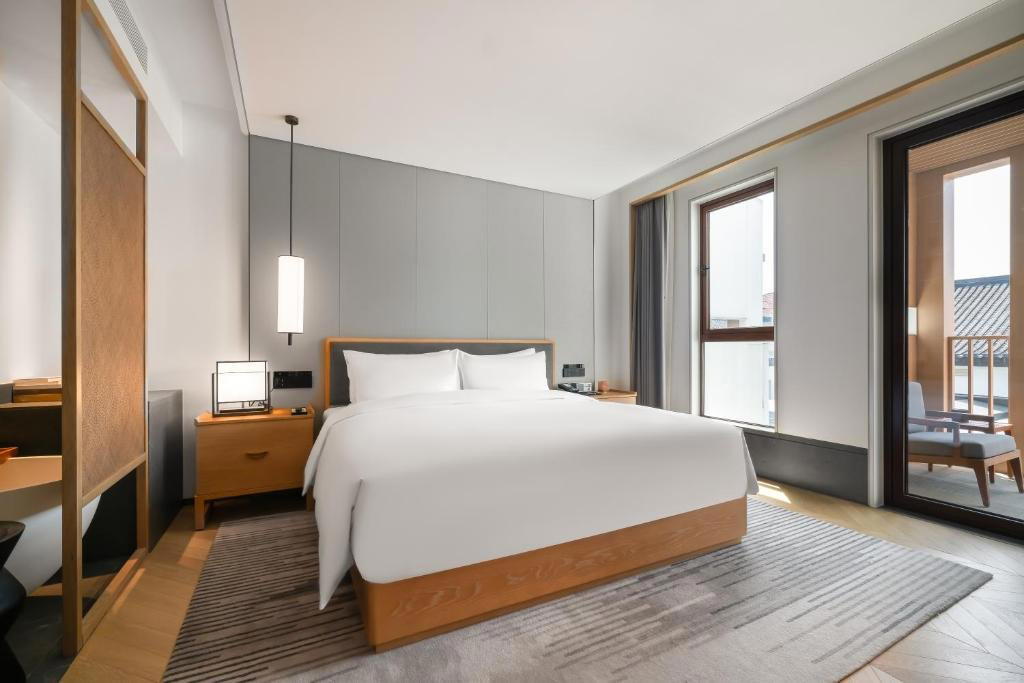
Where Taiimen Timber Meets the Zhejiang Waterway
Shaoxing has long occupied an unusual position in the Chinese consciousness: a city of canals, yellow wine, and classical literati culture that sits just forty minutes from Hangzhou yet operates on its own register entirely. Where Hangzhou draws crowds to West Lake, Shaoxing rewards those who arrive with some background knowledge of what they are looking at. The architecture here is the argument. Whitewashed walls, dark timber bracketing, and stone quays that have edged the Jian Lake and Cao'e River for centuries form a visual language that the city's better hotels have begun to take seriously as a design reference rather than mere decoration.
POKKEI Hotel Shaoxing, positioned in the Keqiao district on Haishan Road, belongs to a cohort of Chinese boutique properties that draw their formal vocabulary directly from vernacular regional architecture. In this case, the reference is Taiimen construction: the structural and ornamental traditions of Zhejiang's water-town building culture, characterised by pitched rooflines, cantilevered eaves, and the close relationship between built form and moving water. This is not a style that travels well when applied as surface veneer, and the distinction between properties that understand it structurally versus those that apply it cosmetically is apparent within minutes of arrival.
The Architecture as Argument
The dominant design challenge for any hotel working in this register is balancing historical legibility with the expectations of contemporary guests. Taiimen architecture was not designed for long corridors and standardised room grids. Its logic is additive and courtyard-centred, organised around light wells and covered walkways rather than the linear efficiency of modern hospitality. Properties that have succeeded in this space, from Amanfayun in Hangzhou to Amandayan in Lijiang, have done so by accepting the spatial inefficiency of the source tradition and designing around it rather than against it.
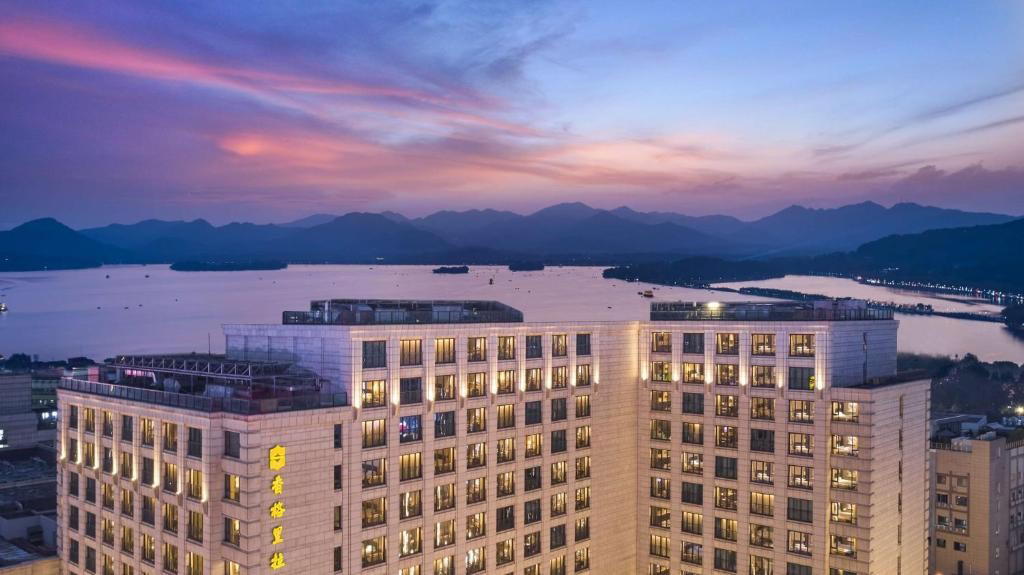
POKKEI's design draws specifically on the water-facing orientation that defines Keqiao's older settlements. The river views that guests encounter are not incidental to the brief; they appear to be structurally embedded in how the building meets the site. In Zhejiang's water-town tradition, the relationship between a building's principal facade and the waterway it addresses is a matter of civic status as much as aesthetics. A hotel that places its primary guest experience along the river axis is making a claim about which heritage it considers worth inheriting.
Keqiao district itself carries design credibility beyond the hotel: it is China's largest textile trading hub and has developed an architectural self-consciousness around that commercial identity, with institutional buildings and public spaces that have attracted international design attention in recent years. POKKEI operates within that context, which means the design conversation around it is more sophisticated than in cities where heritage hotel architecture goes largely undiscussed.
Shaoxing as a Setting
For guests who arrive from Shanghai or Hangzhou, Shaoxing functions as a decompression zone rather than an activation one. The pace is slower, the crowds thinner, and the cultural density higher per square kilometre than either neighbour. The Lu Xun Cultural District, the Shen Garden, and the older canal lanes of Cangqiao Street all reward walking rather than itinerary-management. This is a city that improves with repetition: a second visit yields things a first visit missed entirely.
That dynamic suits a property like POKKEI, which appears to be oriented toward the rest-and-cultural-immersion end of the hotel spectrum rather than the conference-and-transit end. Guests arriving for a weekend stay in Shaoxing are almost certainly here for the city's history, its Kuaiji rice wine culture, and its relative quiet, and a hotel that frames itself around reconnection with those conditions rather than entertainment and programming is reading the market correctly. For context on how the broader Shaoxing hospitality and dining scene sits relative to these ambitions, see our full Shaoxing restaurants guide.
The Keqiao location is worth noting as a planning detail. Keqiao is not the city's historical core, which clusters closer to the old canals and the Lu Xun neighbourhood. Guests whose primary interest is in the old-town walking culture should factor in travel time from Haishan Road to the central heritage areas. That said, Keqiao has its own waterway character, and a hotel that sits on the river in this district offers access to a less-visited version of Shaoxing's water-town atmosphere.
The category of design-led heritage hotels in eastern China's water-town cities has expanded considerably since the mid-2010s. Amanfayun in Hangzhou set a high benchmark for the format by converting an actual village of Song-dynasty tea-farming structures into a hotel campus, accepting the spatial and operational constraints that came with authentic restoration. At a different scale and market position, Banyan Tree Chongqing Beibei and Xiamen Yunding Resort illustrate how Chinese resort developers have learned to use regional landscape and architectural reference as primary brand signals rather than amenity-list competition.
POKKEI sits in a tier below the Aman price point but appears to be making similar arguments about design intention. Whether the execution delivers on that argument is something the architecture either demonstrates or does not, and the river-view orientation and Taiimen references suggest the brief was taken seriously at the concept stage. Guests comparing options in this part of Zhejiang might also look at Andaz Shenzhen Bay or Elite Spring Villas in Anxi for a sense of how design-first boutique properties vary in approach across southern China's heritage-conscious markets.
For those cross-referencing urban flagship hotels in the region, JW Marriott Hotel Shanghai at Tomorrow Square and Mandarin Oriental Qianmen in Beijing represent the large-footprint international operator end of the spectrum, against which a Shaoxing property like POKKEI is making a deliberately different case.
Planning Your Stay
Shaoxing's shoulder seasons, spring and autumn, suit both the cultural programme and the river views that frame the hotel's setting. Summer brings humidity and higher visitor numbers to the heritage districts; winter is quieter but the canal atmosphere has a specific grey-water quality that some guests find more atmospheric rather than less. The Keqiao location on Haishan Road is accessible from Shaoxing North Station, which connects to Hangzhou in under thirty minutes and to Shanghai Hongqiao in approximately ninety, making POKKEI a workable base for guests who want regional context without committing to a single city.
Quick Comparison
| Venue | Price | Awards |
|---|---|---|
| POKKEI Hotel ShaoxingThis venue (the venue you are viewing) | $200–300 | Small Luxury Hotels of the World Member |
| Aman Summer Palace | $1,000–1,500 | Forbes 4-Star |
| Amanfayun | Not listed | Michelin Selected · La Liste Top Hotels |
| Amanyangyun | Not listed | 2 Michelin Keys · Vogue 2026 Vogue Best Hotels in Shanghai |
| Andaz Xintiandi, Shanghai | $100–200 | Michelin Selected · Forbes Recommended |
| Banyan Tree Hangzhou | $300–500 | Michelin Selected · Forbes 4-Star |
Recognition history
Dated appearances from independent guides and award organizations, with the underlying list record or original source where available.
Small Luxury Hotels of the World Member
Small Luxury Hotels of the World
Continue exploring
More in Shaoxing
Hotels in Shaoxing
All hotels in Shaoxing →
Bars in Shaoxing
Browse all →
Details
- Modern
- Elegant
- Minimalist
- Scenic
- Romantic Getaway
- Business Trip
- Weekend Escape
- Panoramic View
- Wi Fi
- Pool
- Spa
- Fitness Center
- Room Service
- Concierge
- Business Center
- Restaurant
- Bar
- Garden
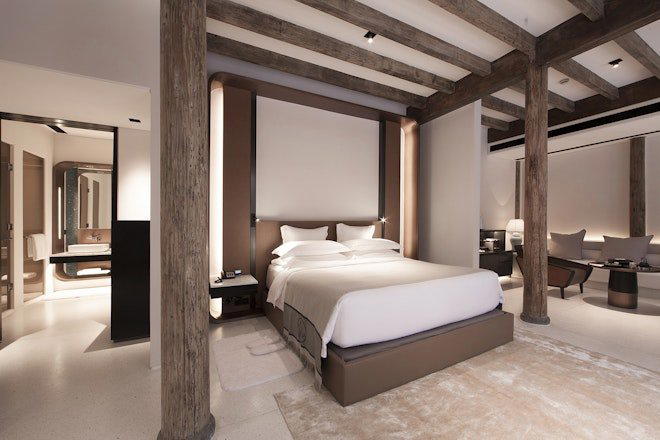
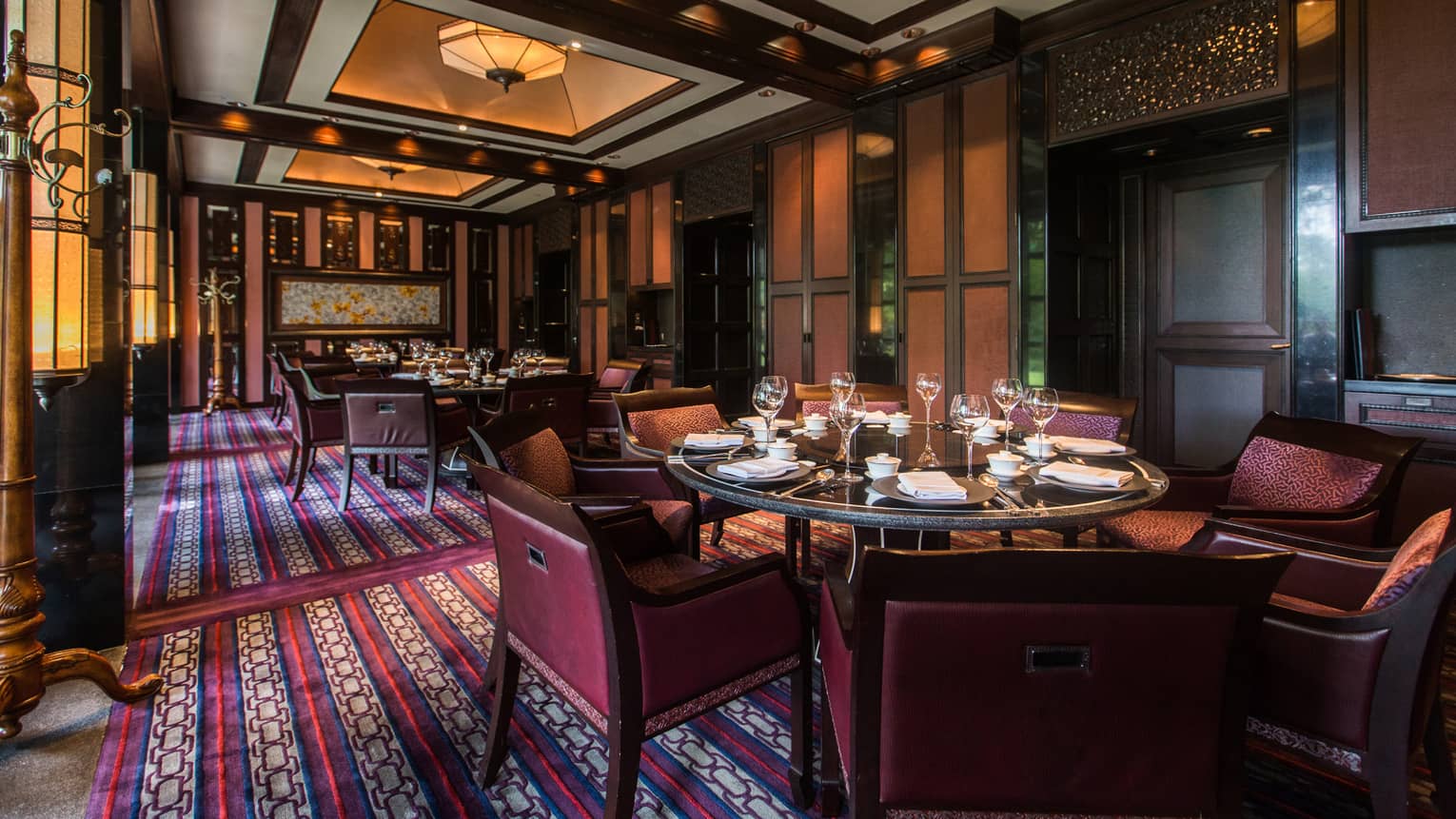
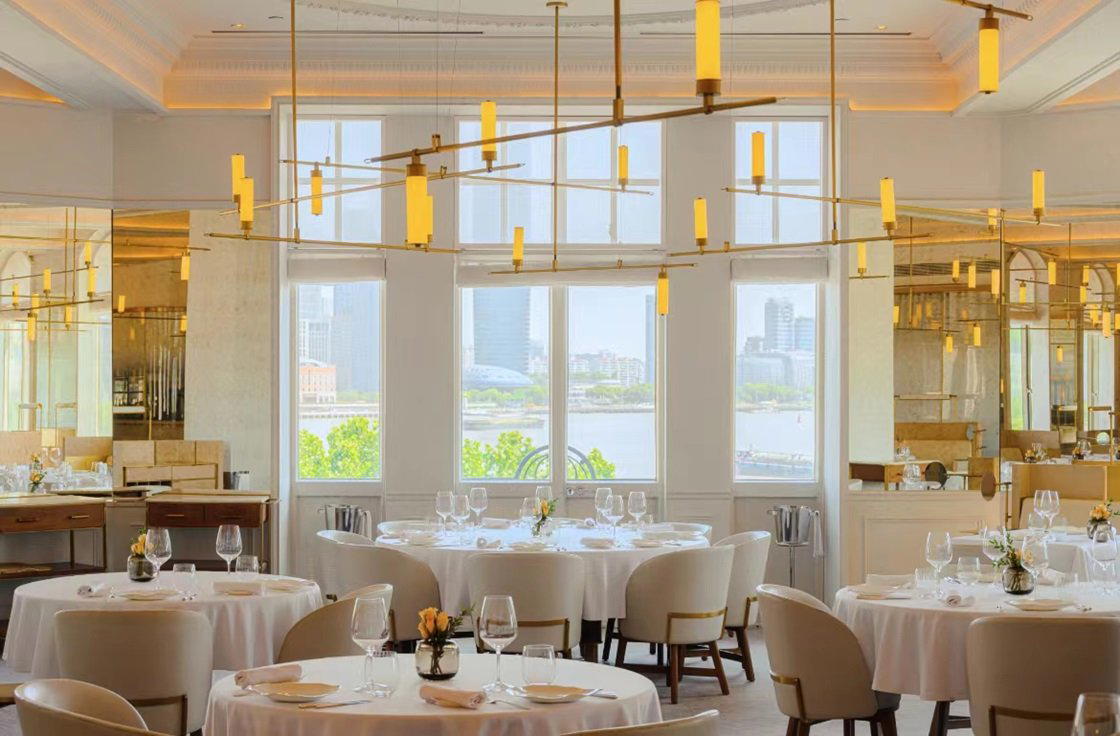
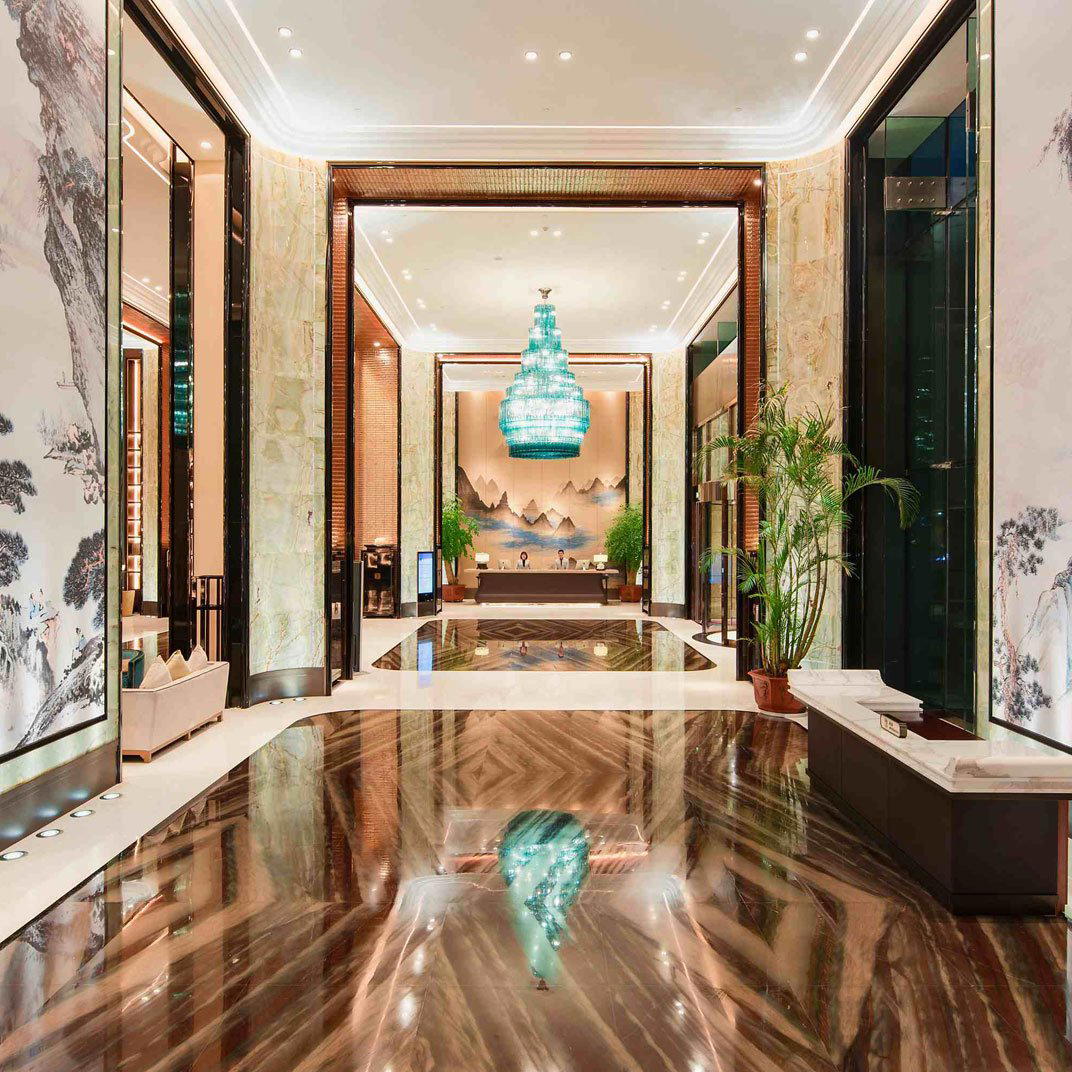
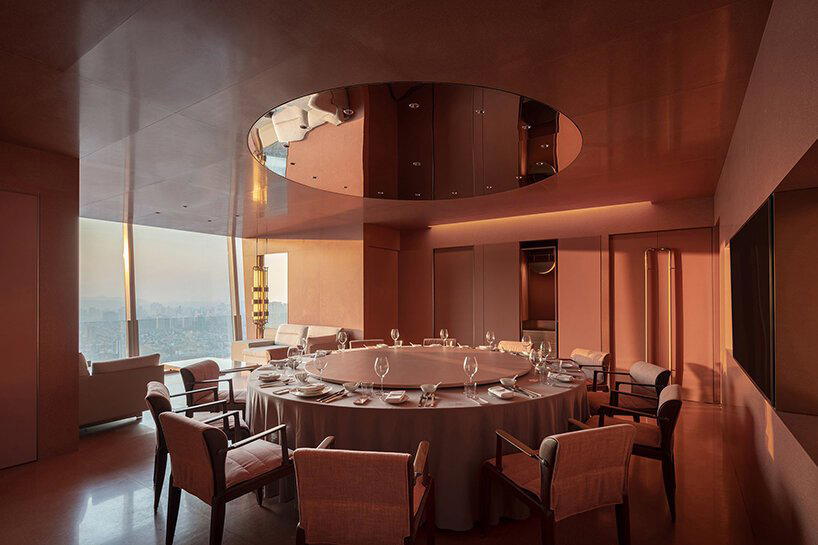
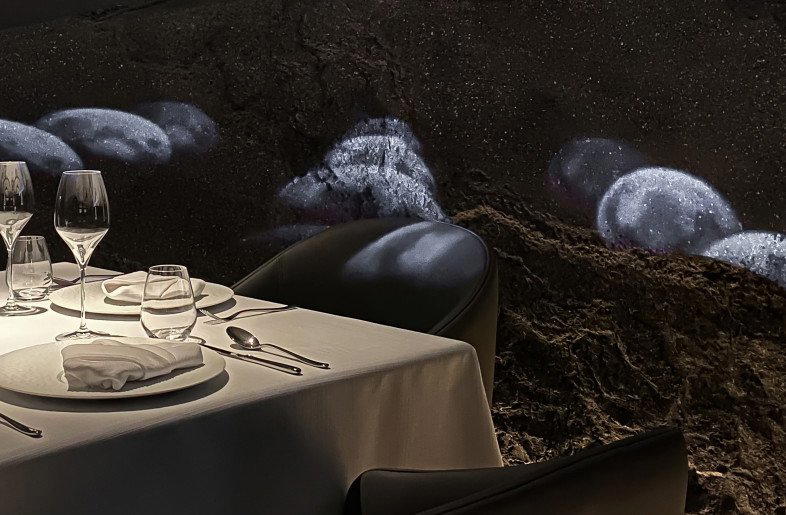
Minimalist design with precise finishes, handcrafted wood screens, curated artwork, and peaceful atmosphere enhanced by sound waves and Himalayan salt lamps.