Podo Hotel
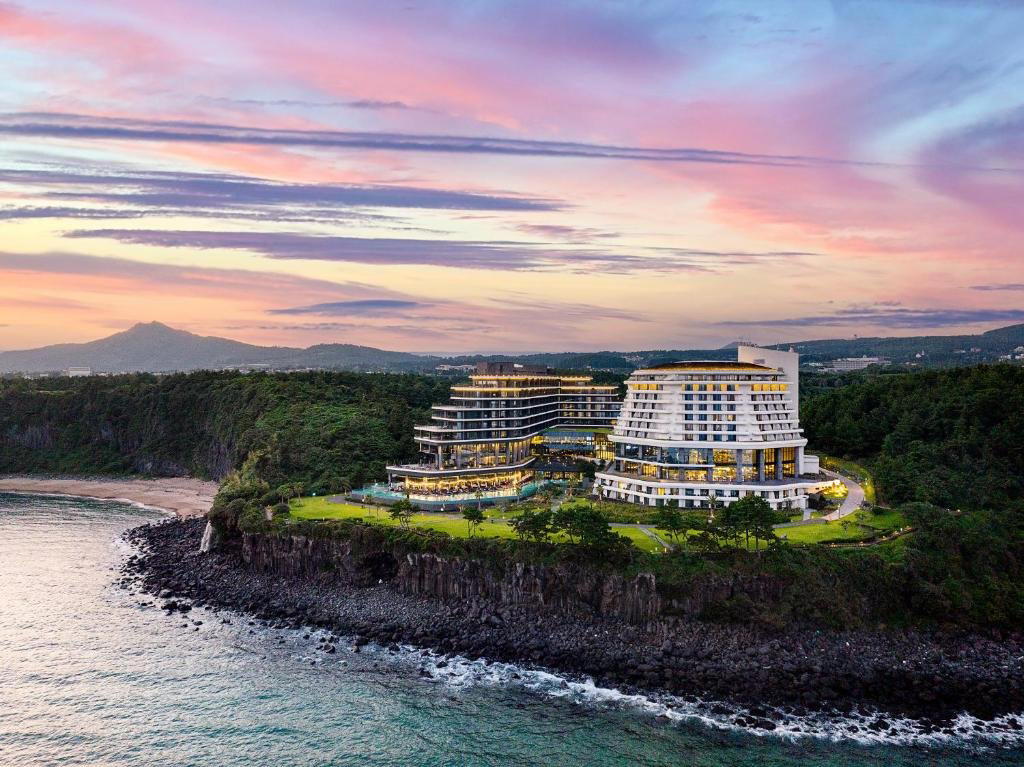
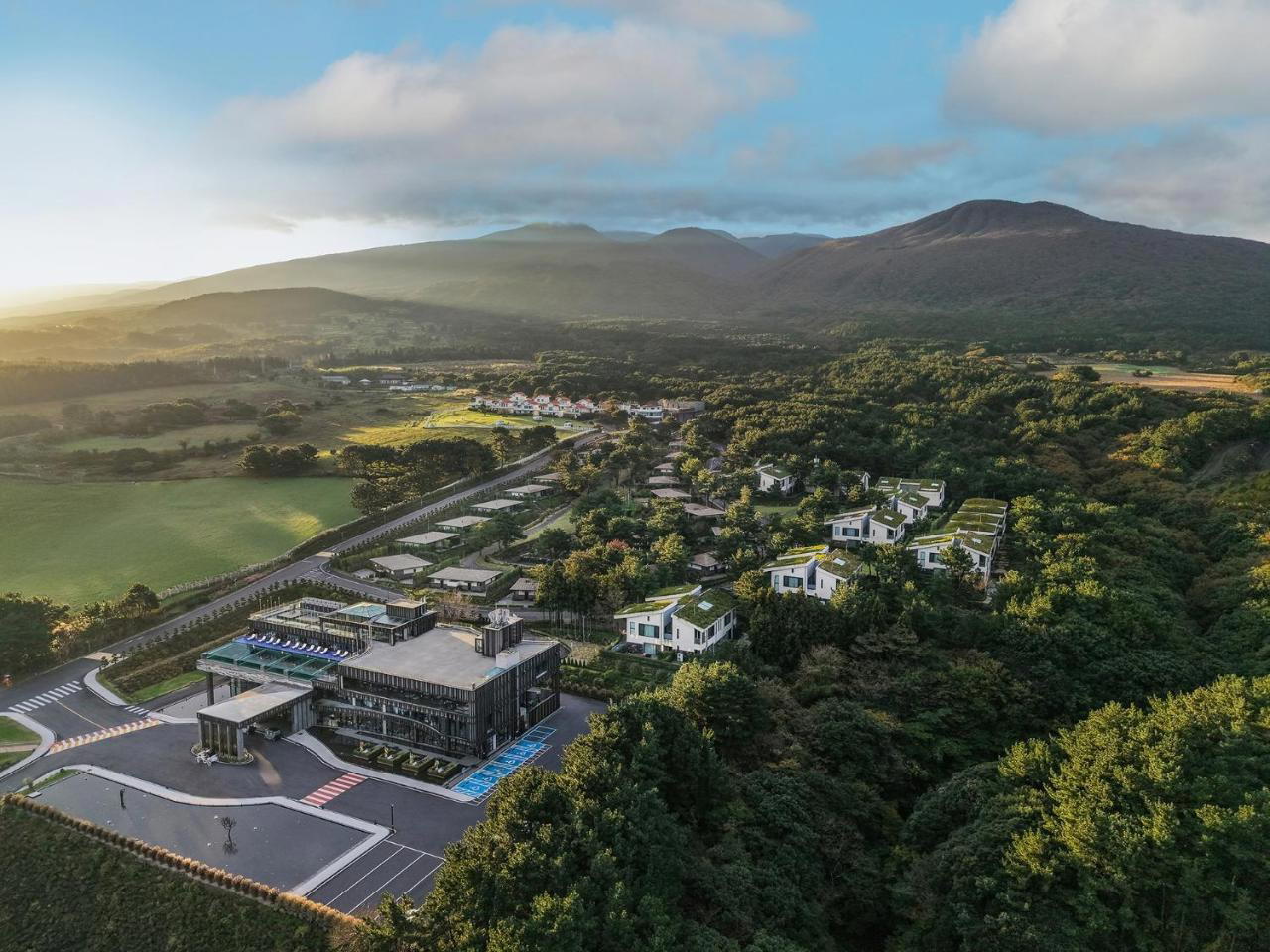
Podo Hotel sits in the Andeok area of Seogwipo, on Jeju Island's less-travelled southern coast, where the island's volcanic interior meets a quieter stretch of coastline. The property occupies a position in Jeju's design-led, low-key accommodation tier, distinct from the large resort complexes that dominate the island's northern shoreline. Guests looking for considered surroundings away from mass tourism infrastructure will find Seogwipo's slower pace well matched here.
Pearl is the En Primeur Club membership app — saves, bookings, and concierge access live there. Same editors, same standards.
- Address
- South Korea, Jeju-do, Seogwipo-si, 특별자치도, Andeok-myeon, Sallongnam-ro, 863 KR
- Phone
- +82 64 793 7000
- Website
- podo.thepinx.co.kr
- Directions
- Get directions
 Saves & bookings on Pearl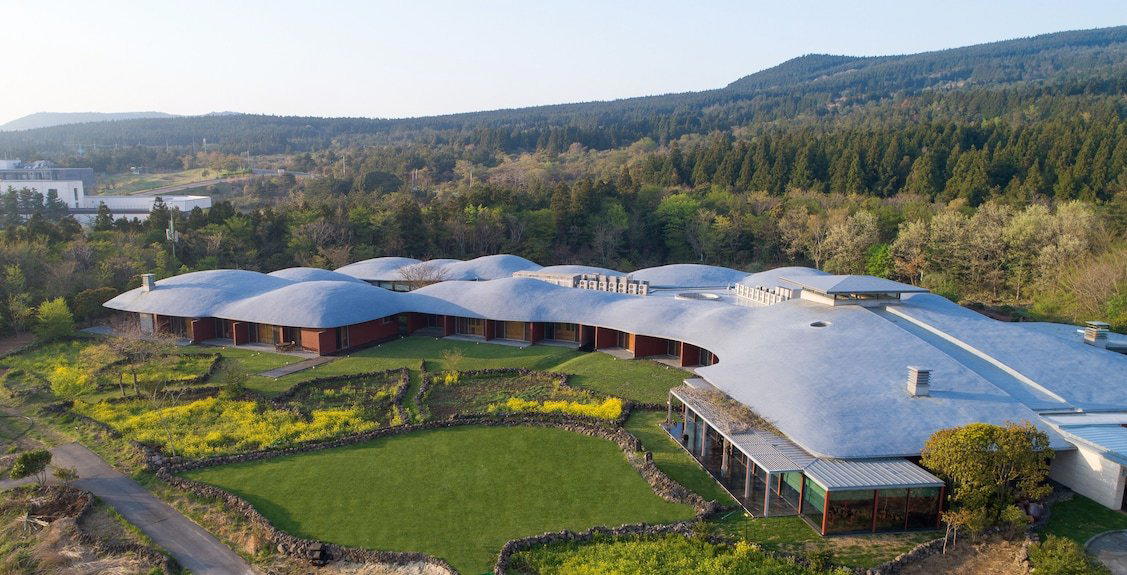
Jeju's Southern Coast and the Case for Seogwipo
Most first-time visitors to Jeju Island orient themselves around Jeju-si in the north, where the airport sits and the larger resort infrastructure is concentrated. Seogwipo, on the island's southern side, draws a different kind of traveller. The city faces the warmer waters of the Korea Strait, sits closer to Hallasan's southern slopes, and has historically attracted those more interested in the island's volcanic geology, tangerine groves, and slower coastal rhythms than in the convention-centre scale of properties like the Grand Hyatt Jeju in Jeju-si. Seogwipo's accommodation market reflects this: the stronger offering tends toward smaller, design-conscious properties rather than the large-footprint international chains.
Podo Hotel occupies a specific address within this context. Its location on Sallongnam-ro in Andeok-myeon places it in the island's interior-facing western quadrant, away from Seogwipo's busier eastern waterfront and closer to the rural landscape that defines much of Jeju's less-visited terrain.
Where Podo Sits in Jeju's Accommodation Tier
Jeju's premium accommodation has split along a familiar axis seen across South Korea's leisure-travel market. On one side are the large international flagships and domestic resort complexes, several of which cluster along the coastline in Seogwipo-si. The JW Marriott Jeju Resort & Spa and the Haevichi Hotel&Resort Jeju represent that bracket: properties with significant key counts, broad amenity programmes, and pricing calibrated against international resort comparables. On the other side sits a growing cohort of smaller, design-led properties whose appeal rests on setting, architectural intention, and a quieter format rather than on facilities breadth.
Podo Hotel's Andeok address, its name (podo means grape in Korean, though the reference here likely nods to the wisteria or vineyard associations common in Jeju's rural aesthetic vocabulary), and its position away from the main resort corridors suggest it belongs to the latter cohort. This pattern is visible across South Korea's leisure destinations: smaller properties in scenic rural settings increasingly compete on atmosphere and spatial design rather than scale, in a way that parallels what Camptong Forest in Gapyeong or South Cape Owners Club in Namhae have demonstrated in their respective coastal and forested settings.
The Dining Question at Smaller Jeju Properties
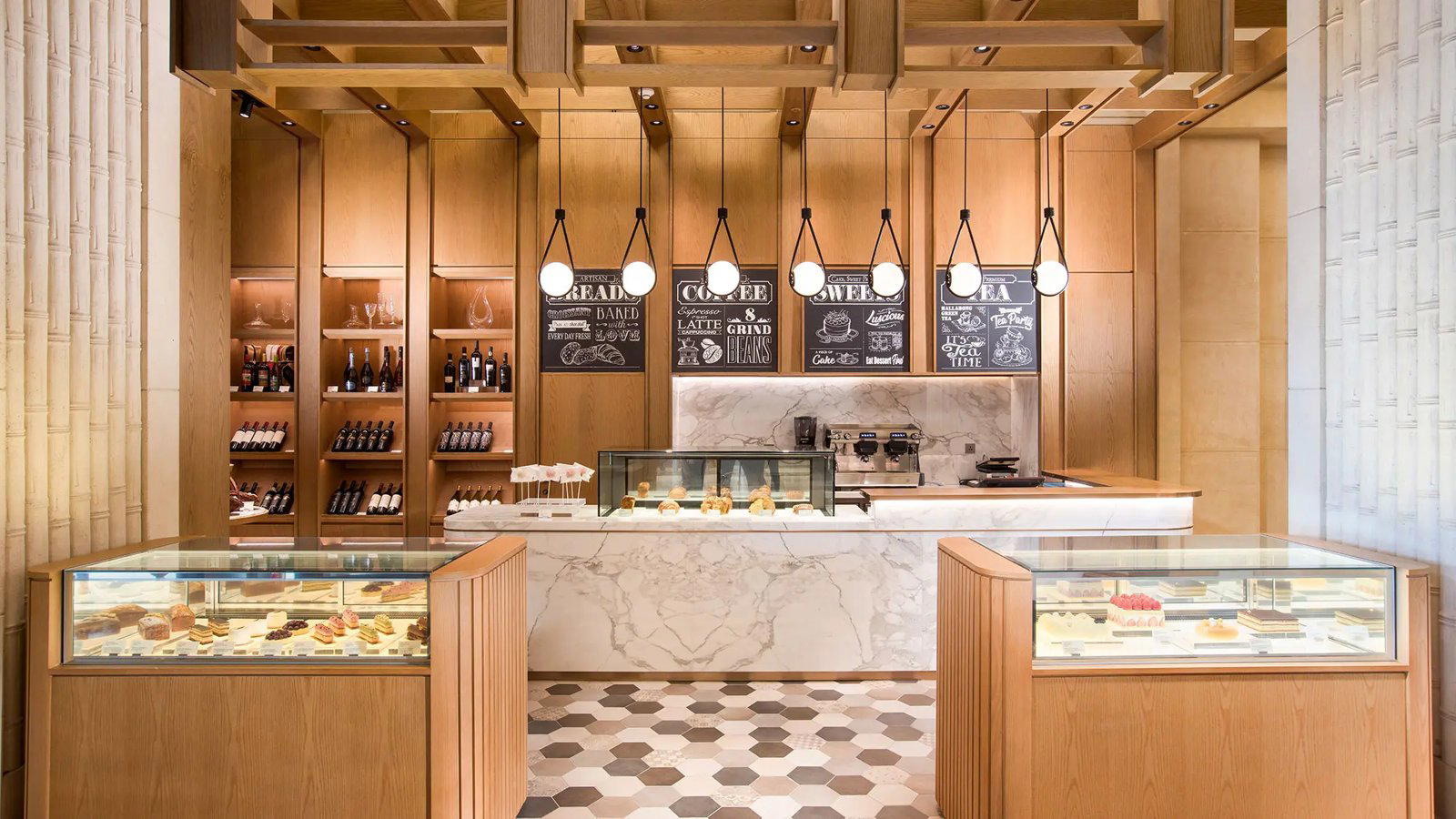
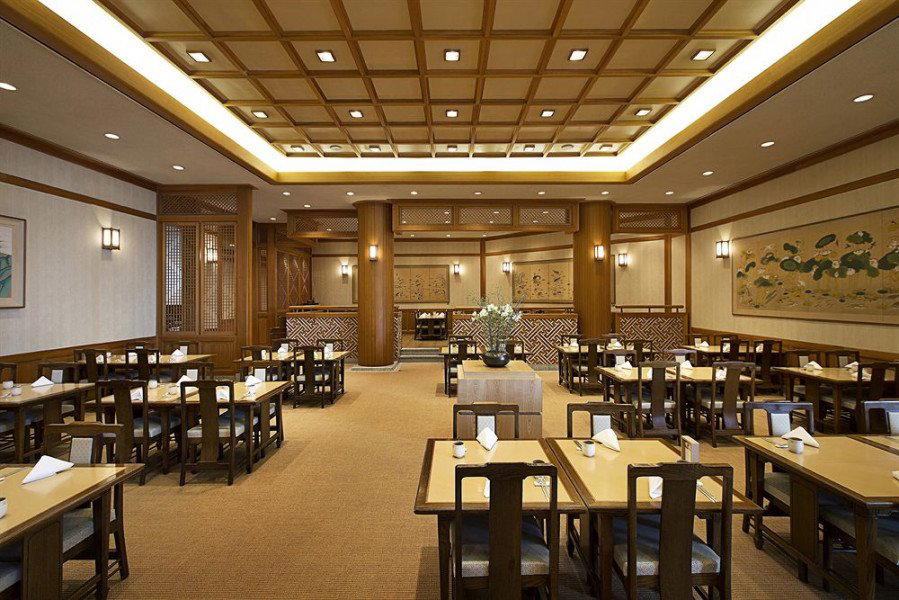
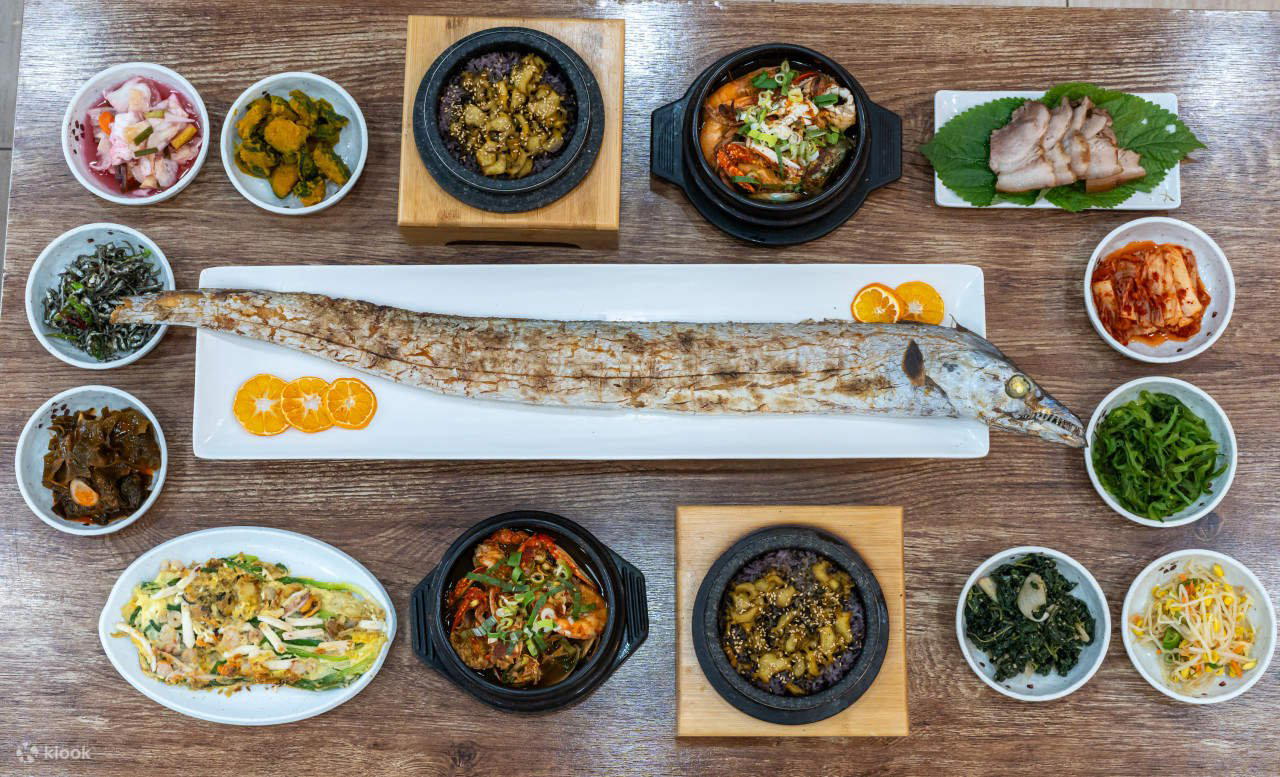
The editorial focus for any property in this tier is how it handles food and beverage. At large resort properties, the dining programme is typically multi-outlet and staffed at scale. At smaller design-led properties across South Korea and elsewhere in the region, the approach divides. Some operate a single, carefully curated restaurant that reflects local produce and regional identity; others rely on proximity to a nearby town's restaurant scene and keep in-house F&B minimal. Jeju is particularly well-resourced for the latter strategy: the island has developed a credible independent restaurant scene, with producers growing citrus, raising black pork, and supplying seafood that local chefs have built serious menus around.
For a property in the Andeok area, Seogwipo's dining infrastructure is within reach. The city's restaurant scene has expanded meaningfully in recent years, tracking the island's broader shift toward positioning itself as a food destination rather than simply a domestic beach resort. A property that prioritises architectural setting and allows guests to engage with Seogwipo's restaurant culture rather than providing a comprehensive in-house alternative is a coherent model in this context, though
Across South Korea's design-forward accommodation tier more broadly, the strongest hospitality propositions tend to be those where the food and beverage offer, even when modest in scale, is tightly connected to local sourcing. Jeju's agricultural identity, its haenyeo diving culture, its volcanic soil produce, and its black pork traditions give any in-house dining programme significant raw material to work with. How a property chooses to engage or sidestep that material often determines its standing in the longer term. For comparison, properties like Ananti at Busan Cove have demonstrated that a well-considered F&B identity adds measurable weight to the overall proposition at leisure-focused Korean properties.
Planning a Stay: Practical Considerations
Jeju Island operates on a distinct seasonal logic, with spring and autumn usually offering particularly comfortable conditions for exploring the island's interior trails.
Getting to Andeok-myeon requires either a rental car or taxi from Jeju International Airport, given the location's distance from public transit hubs. The drive from the airport runs south across the island through the Hallasan foothills. A rental car is the more practical option for guests planning to explore the surrounding area, particularly if the itinerary includes the island's western coast, the Olle Trail network, or the volcanic crater landscapes above Andeok. Seoul's own hotel tier, spanning options from the Casino Hotel Seoul to the Dormy Inn Seoul Gangnam, gives travellers flexible pre- or post-Jeju itinerary options across multiple price points.
For those building a broader South Korean itinerary, the country's leisure accommodation tier extends well beyond Jeju. Properties like Oakwood Lagoon Town Gangneung on the east coast, Kensington Hotel Seorak in Sokcho-si, or the more remote KOSMOS ULLEUNGDO illustrate how South Korea's scenic accommodation offer has diversified well beyond the Seoul metropolitan core. Hyatt Place Gwangju and Gangwon-do in Hongcheon add further range for travellers who want to explore the country's provincial cities and mountain zones. For travellers comparing South Korea's design-led leisure hotels against international reference points, properties like Amangiri in Canyon Point or Castello di Reschio in Lisciano Niccone occupy analogous positions in their own markets: smaller-footprint, setting-driven properties that compete on environment and spatial discipline rather than amenity breadth.
Price Lens
Comparable venues nearby, for context on price, style, and recognition.
| Venue | Price | Awards | Notes |
|---|---|---|---|
| Podo HotelThis venue — the venue you are viewing | $$$$ | 4-Star | Not listed |
| Parnas Hotel Jeju | $$$$ | 5-Star | Jungmun, Luxury beachside resort blending history and modern luxury. |
| Around Follie | $$$ | 3-Star | Seongsan-eup, glamping resort with modern cabins and vintage Airstreams |
| JW Marriott Jeju Resort & Spa | $$$$ | Michelin 1 Key | Seogwipo, Contemporary luxury resort blending Jeju's natural elements with sophisticated design. |
| Amber Pure Hill Hotels & Resorts Jeju | $$$$ | 4-Star | Hallasan Mountain, Luxury mountain resort designed on principles of architectural subtraction and harmony with nature, blending contemporary minimalism with Korean aesthetic traditions. |
| voco Seoul Gangnam | $$$ | 4-Star | Gangnam, Lifestyle boutique hotel blending urban energy with cozy comforts. |
At a Glance
- Elegant
- Modern
- Scenic
- Quiet
- Romantic Getaway
- Family Vacation
- Weekend Escape
- Golf Course
- Garden
- Terrace
- Design Destination
- Wi Fi
- Restaurant
- Concierge
- Business Center
- Room Service
- Garden
- Garden
- Mountain
- Wi Fi
- Restaurant
- Concierge
- Business Center
- Room Service
- Garden
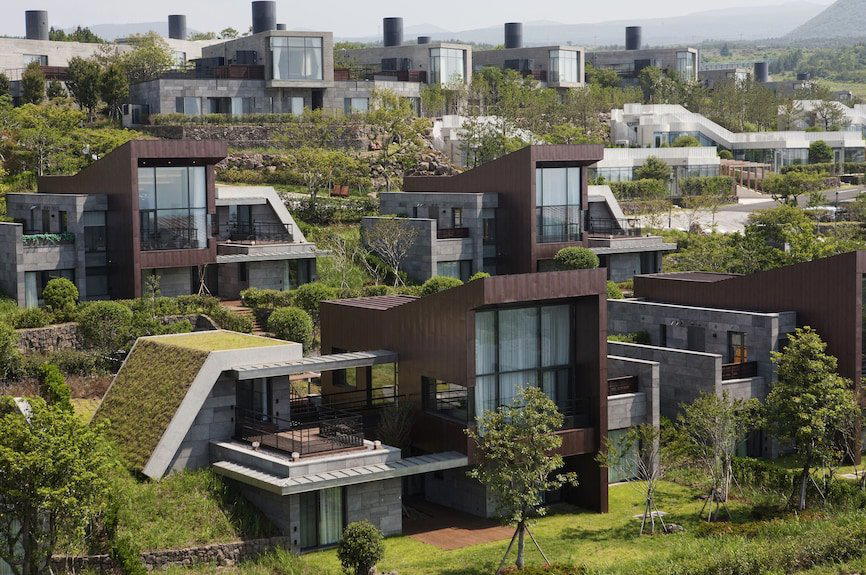
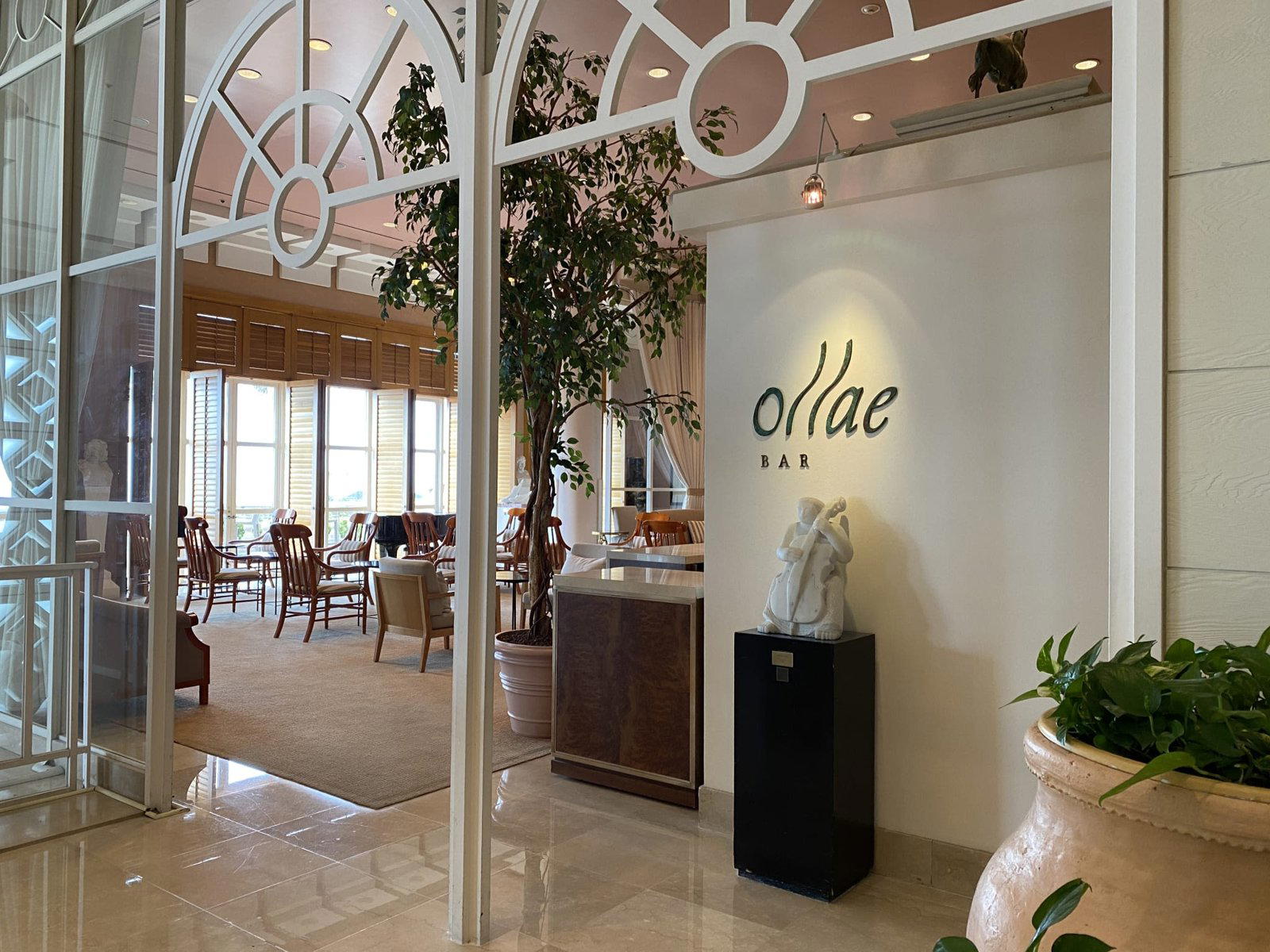
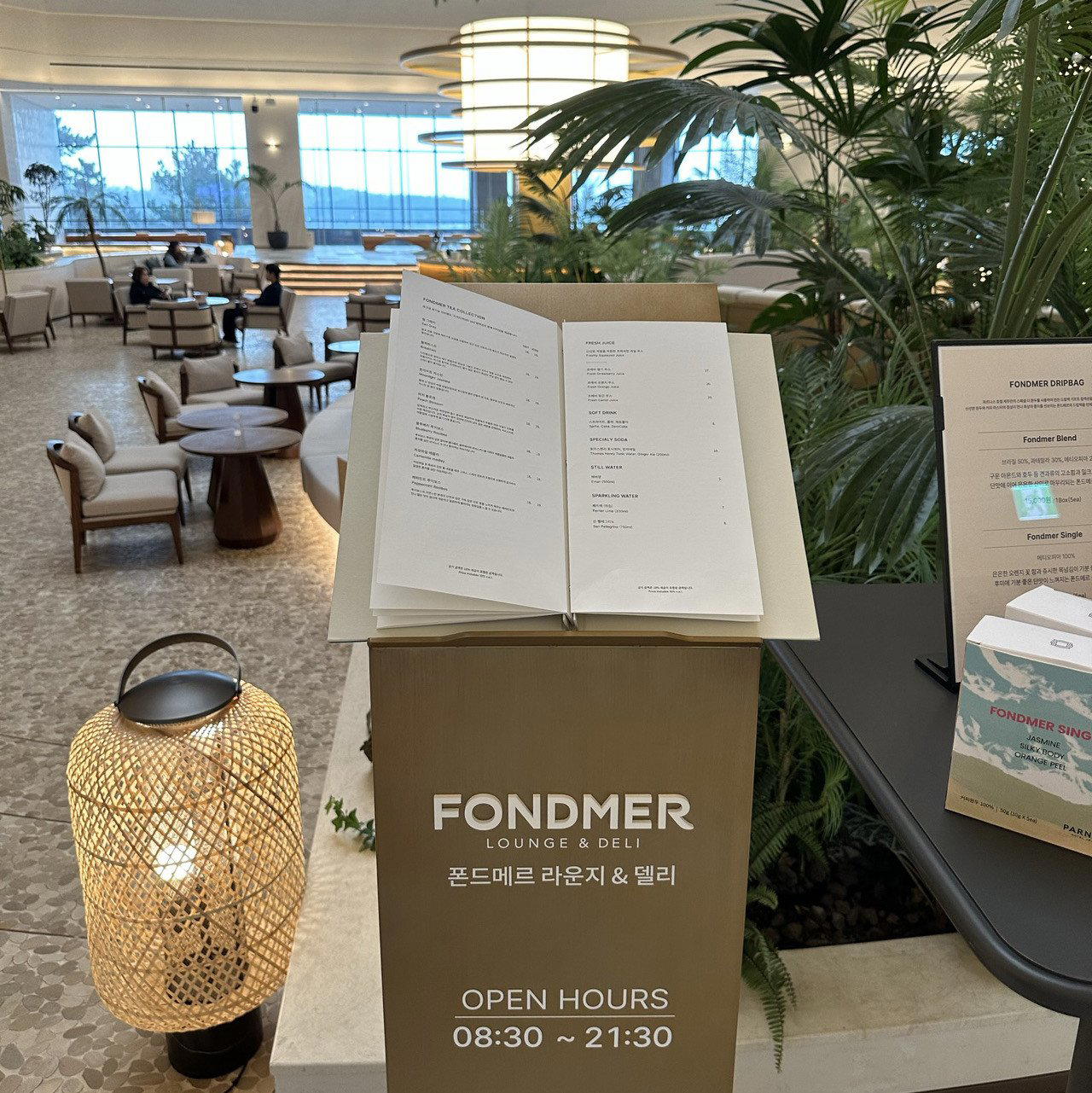
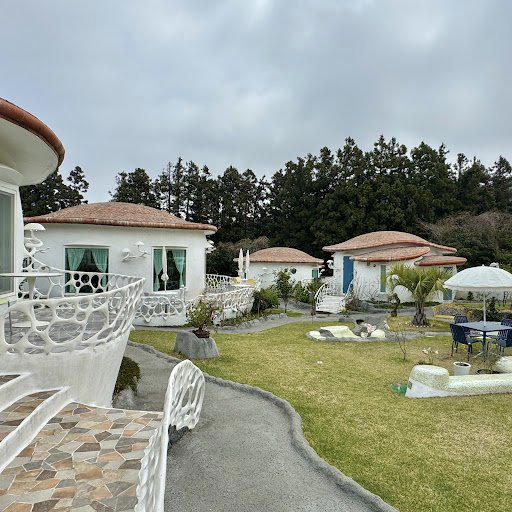
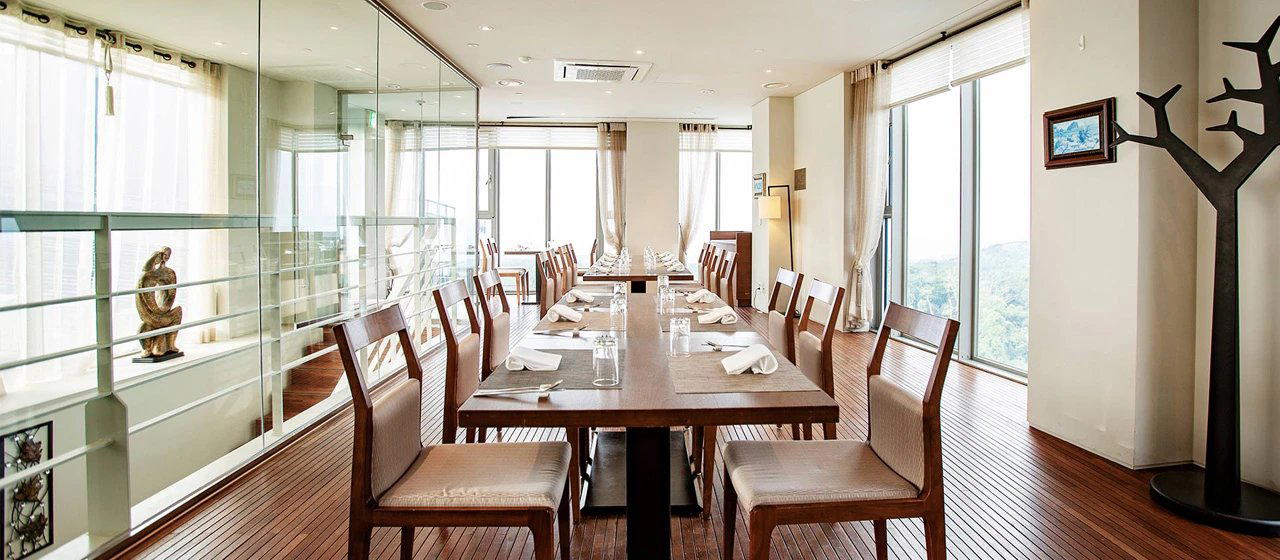
Artistic and serene with meticulous attention to detail; peaceful country setting with garden views and natural lighting throughout the property.