


1 Michelin Key · La Liste Top Hotels · Virtuoso Luxury Hotel Partner
A converted 18th-century palace on the edge of Bairro Alto, Chiado, and Príncipe Real, Palácio Ludovice Wine Experience Hotel occupies the former private residence of architect João Federico Ludovice and scores 92 points on La Liste's 2026 Top Hotels ranking. Sixty-one rooms blend preserved frescoes, blue-and-white tilework, and Art Deco furnishings with a wine-focused identity drawn from the building's history as the Port Wine Institute headquarters. Rates from $389 per night.

Pearl is the En Primeur Club membership app, where members save venues, book tables and use the concierge.
A Palace at the Convergence of Three Neighbourhoods
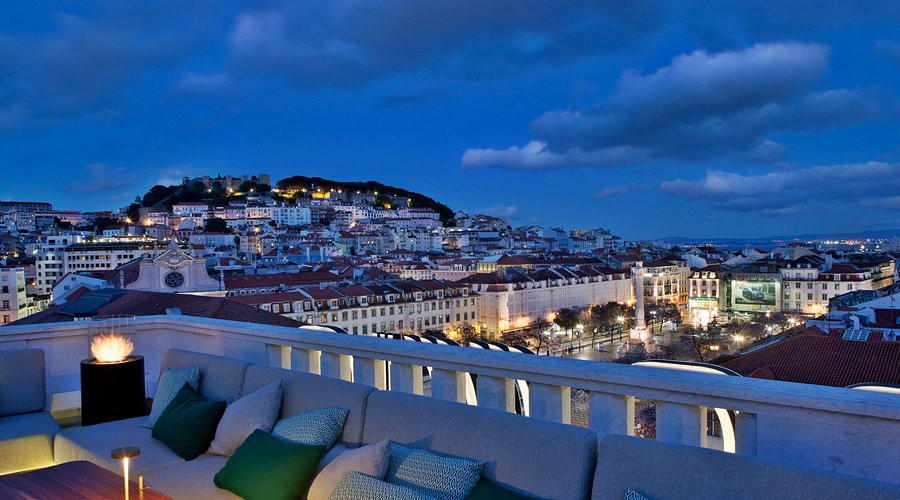
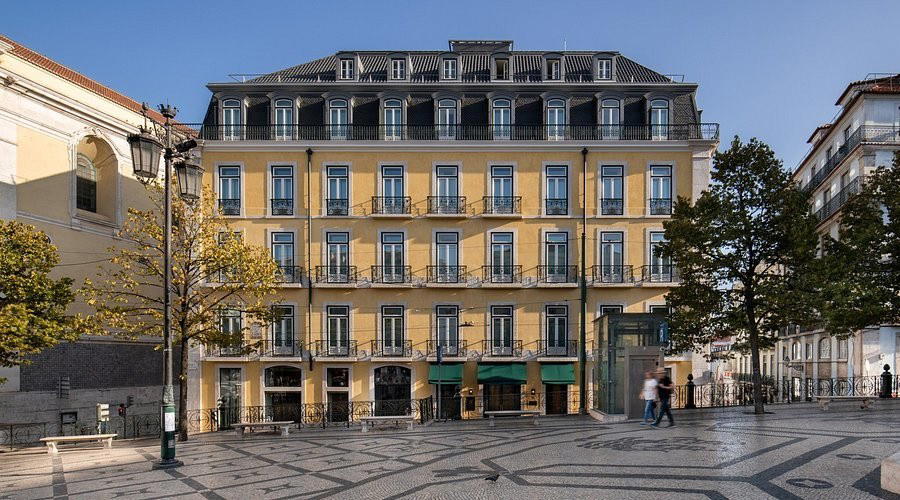
Stand at the corner of Rua de São Pedro de Alcântara and you are simultaneously at the edge of three of Lisbon's most contested addresses: Bairro Alto, Chiado, and Príncipe Real. The São Pedro de Alcântara viewpoint opens to the east, framing Alfama, the castle, and the Tagus in a single unbroken panorama. It is one of the few positions in the city where the geography of Lisbon's hills clicks into legible order. The building occupying this corner, a five-storey mansion that fills an entire city block, has been many things: private residence, institutional headquarters, and now, under architect Miguel Câncio Martins's conversion, a 61-room hotel whose physical fabric carries those layers visibly.
Palácio Ludovice Wine Experience Hotel scores 92 points on La Liste's 2026 Leading Hotels ranking, placing it inside the upper tier of Lisbon's boutique hotel set and in direct competition with properties that trade on heritage credentials and design pedigree rather than brand scale. The Four Seasons Ritz, the InterContinental, and the Sofitel Liberdade all occupy a different category: larger room counts, international chain infrastructure, and a broader business-travel profile. Palácio Ludovice sits closer to the Bairro Alto Hotel in its competitive logic, small, historically rooted, positioned above the Chiado's cultural density, though it brings a wine-identity thread that most peers in that bracket do not carry with the same programmatic weight.
The Building's Arguments in Stone and Tile
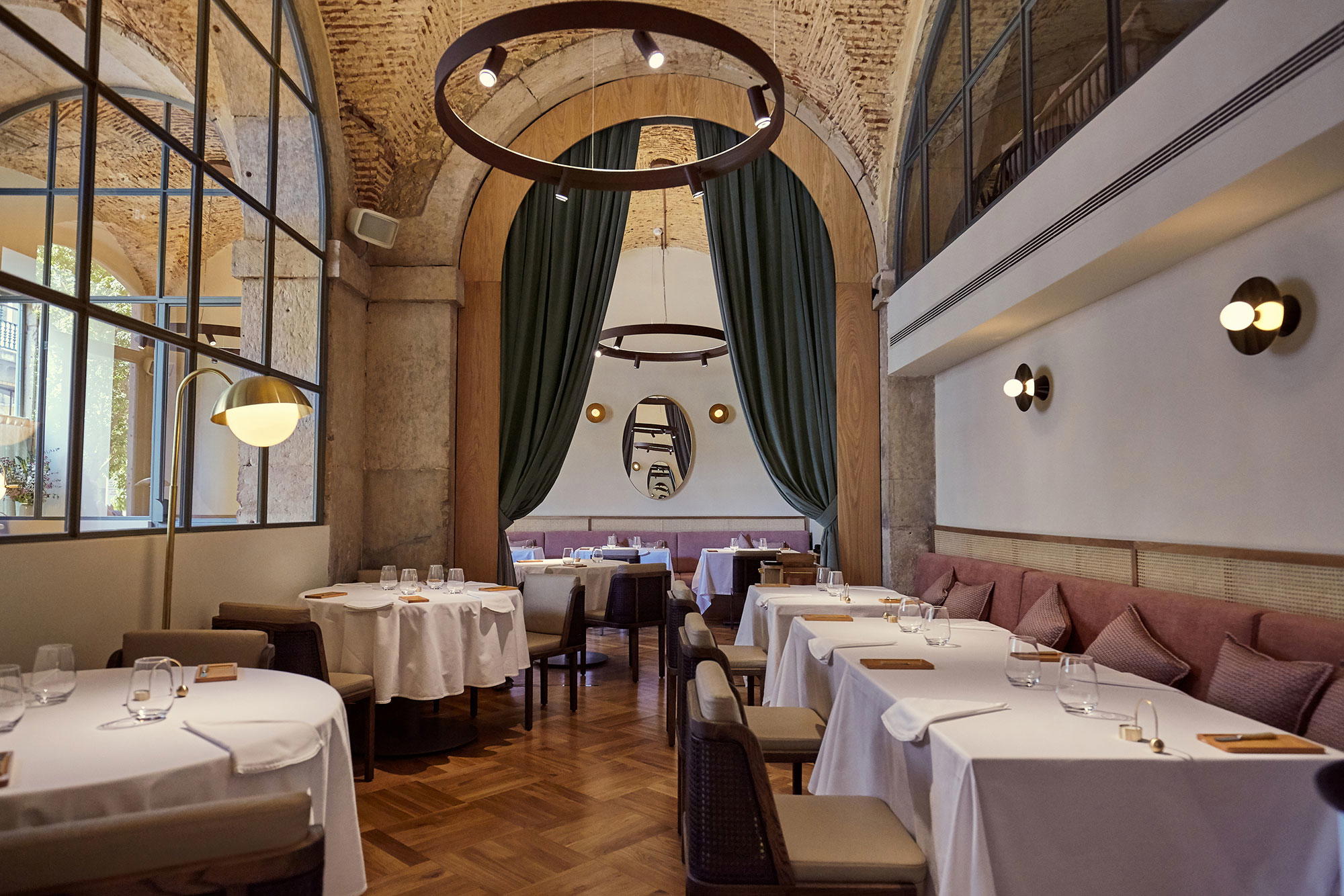
João Federico Ludovice was the German-born architect responsible for some of the most expensive building projects of João V's reign, including the Mafra National Palace. His private Lisbon residence followed the same logic of accumulation: exposed stone archways, blue-and-white azulejo tilework, and frescoed ceilings that were preserved through the conversion and remain legible throughout the public spaces. The Port Wine Institute used the building as its headquarters for a significant period after Ludovice's era, and that institutional identity, the wine library, the tasting rooms, the institutional seriousness around Portuguese wine, became the architectural brief for the hotel's current identity.
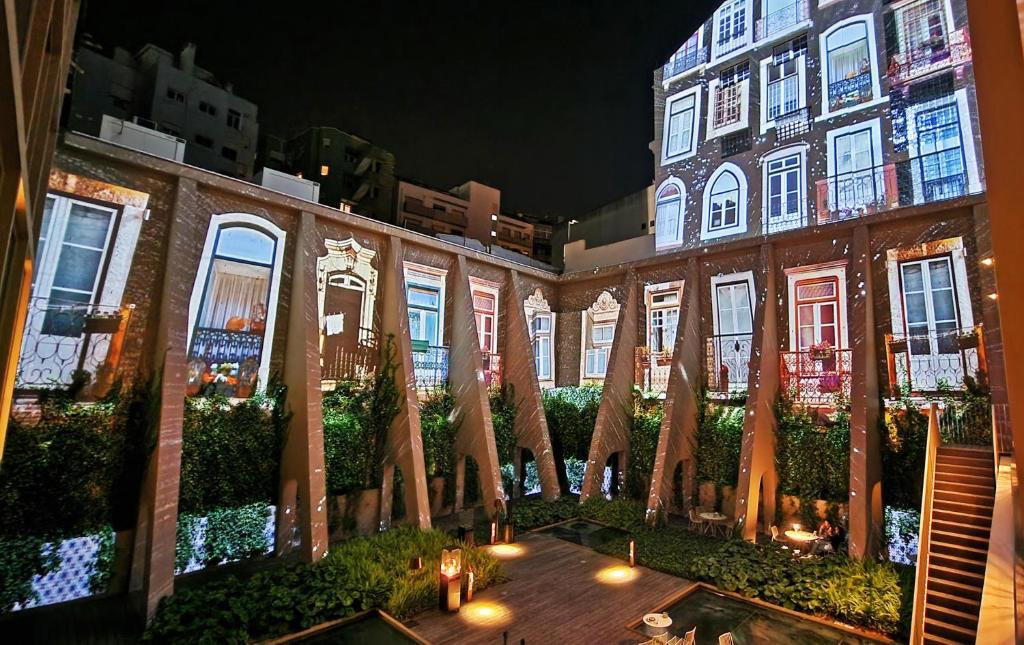
Miguel Câncio Martins, whose portfolio includes design-led projects across Portugal, handled the conversion with a clear hierarchy: preservation first, contemporary intervention second. The courtyard atrium now carries a vertical garden. Custom wool carpets reference the vineyard rows of the Douro Valley. The result is a building that does not read as a period reconstruction or a modern hotel awkwardly dressed in old materials, but as a space where both registers are present without apology. Properties that attempt similar layering, the 1908 Lisboa Hotel or the AlmaLusa Baixa/Chiado, demonstrate how difficult that balance is to hold; Palácio Ludovice's La Liste score suggests the execution here clears that bar.
What the Wine Identity Actually Means in Practice
Lisbon's hotel market has produced several properties that gesture toward food and beverage programming without substantive investment in it. The wine-experience framing at Palácio Ludovice traces to a more specific institutional history. The building's role as Port Wine Institute headquarters gave it a legitimate connection to Portugal's most internationally recognised wine category, and the hotel has built its identity around that provenance rather than inventing a lifestyle concept from scratch.
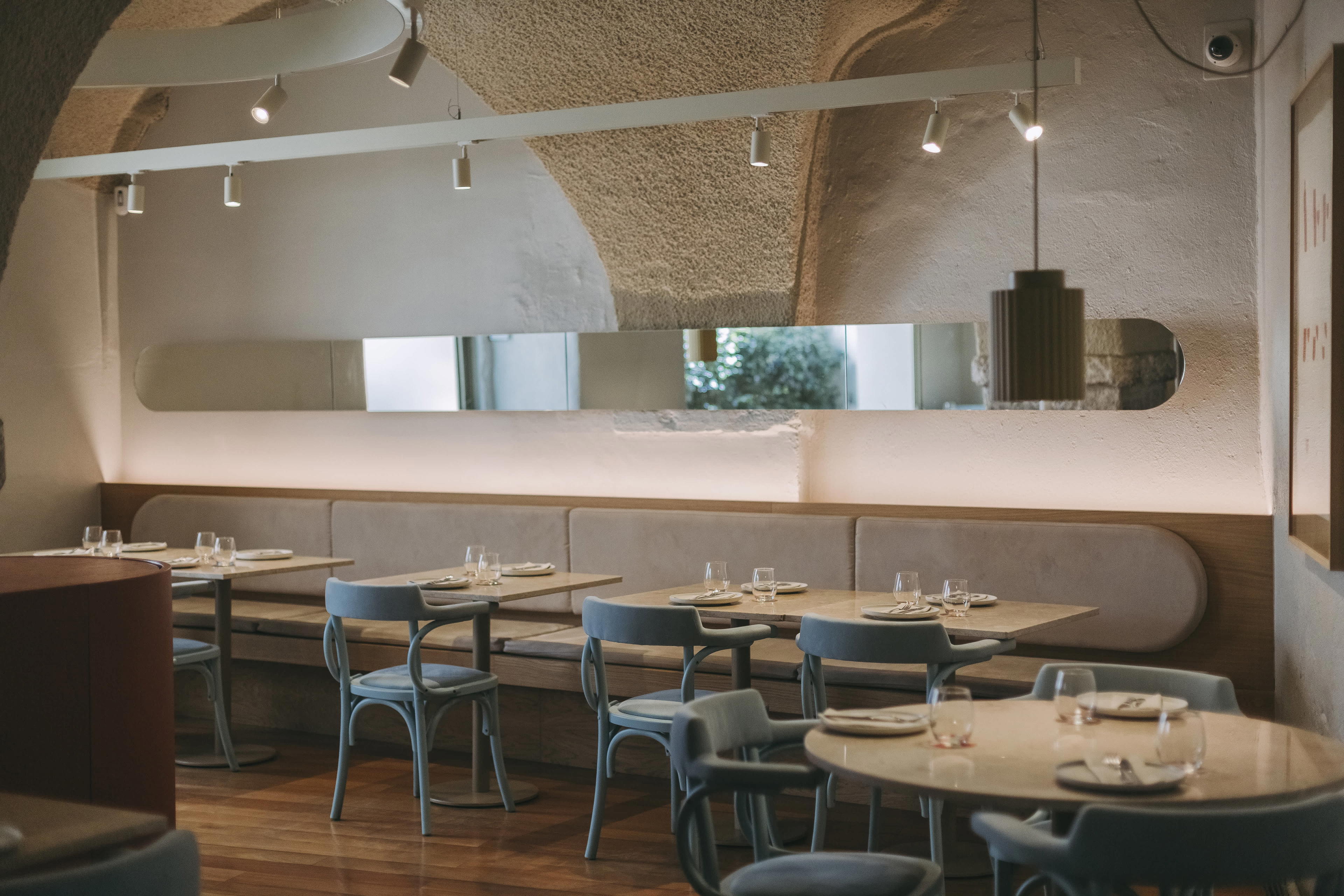
The Federico restaurant, positioned downstairs and framed by plant installations and art work referencing Ludovice's reported interest in goldsmithing, operates as the in-house food and beverage anchor. For guests seeking the broader context of Portuguese wine beyond Lisbon, the Douro Valley is the obvious next chapter: properties like Ventozelo Hotel and Quinta in Ervedosa do Douro or Douro Valley Casa Vale do Douro in Cambres offer the vineyard experience at source, while Q.ta da Corte in Valença do Douro extends that geography further north. Palácio Ludovice functions as the Lisbon starting point in an itinerary that logic naturally extends across Portugal.
Rooms, Rates, and the 61-Key Logic
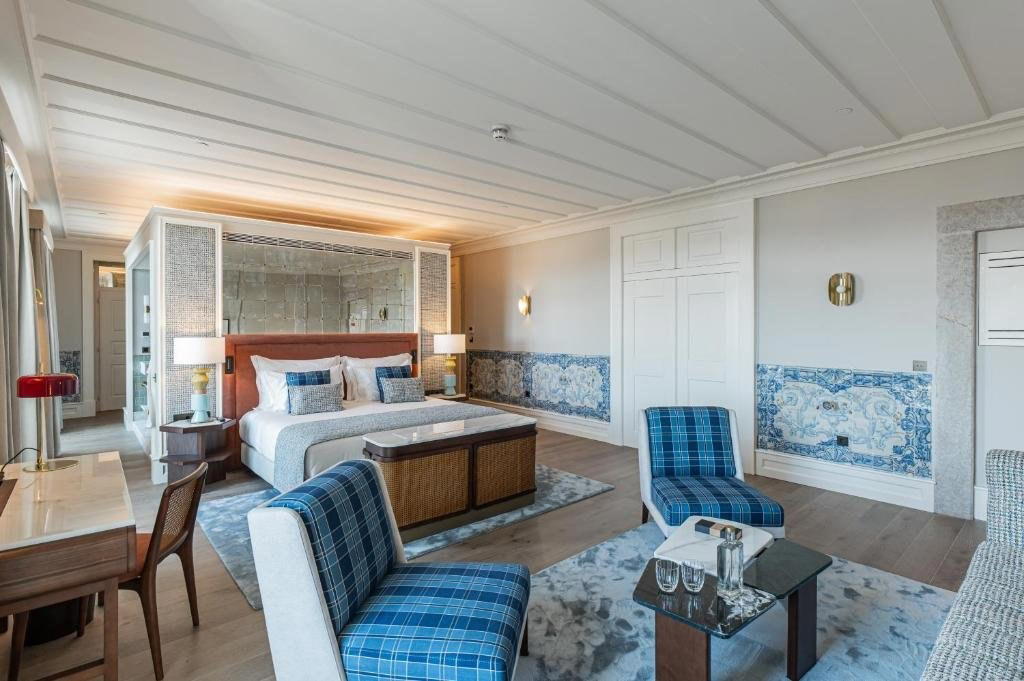
At 61 rooms and suites, the property sits in the scale range that most design-led heritage hotels in Lisbon target. The A Casa das Janelas Com Vista and Art Legacy Hotel Baixa-Chiado operate at comparable scales with similar heritage-conversion briefs. At this room count, operational decisions, staffing ratios, food and beverage investment, design consistency, are visible in ways that larger properties can obscure with volume. Rooms at Palácio Ludovice are described as light-filled, with Art Deco detailing, bespoke furnishings, and Caudalie bathroom products, all of which signal a cost-per-room investment that tracks against the $389 entry-level rate.
That rate positions the hotel in Lisbon's premium boutique bracket, above the mid-market and below the suite-heavy flagship tier occupied by the Altis brand's larger properties. The Altis Avenida Hotel and Altis Belém Hotel and Spa demonstrate what that upper tier looks like in Lisbon; Palácio Ludovice's La Liste 92-point score suggests it competes on quality metrics rather than amenity breadth. The As Janelas Verdes/Riverview, a Lisbon Heritage Collection property offers a useful reference point for heritage-led alternatives at a different price level and location.
Location as a Structural Advantage
The address on Rua de São Pedro de Alcântara places guests within walking distance of Chiado's bookshops, record stores, and theatre spaces; the Bairro Alto's bar concentration; and Príncipe Real's antique dealers, garden square, and Saturday organic market. These three neighbourhoods define different rhythms of the city, and the hotel's position at their convergence is a genuine locational asset rather than a marketing claim. The viewpoint directly opposite the entrance delivers the Lisbon skyline without any further navigation.
For guests building a broader Portuguese itinerary, the hotel's position in central Lisbon makes it a functional base for day trips to Sintra, Setúbal, or the Arrábida coast. Closer to Lisbon, Villa Epicurea in Sesimbra offers coastal proximity south of the capital. Further afield, Bela Vista Hotel and Spa in Praia da Rocha, Anantara Vilamoura Algarve Resort, and Masana Algarve in Albufeira anchor the Algarve end of a longer Portuguese loop. The Craveiral Farmhouse in São Teotónico and Hospedaria da Pensão Agrícola extend the itinerary into the Alentejo and eastern Algarve. Our full Lisbon restaurants guide covers the dining options within reach of the hotel in more detail.
For travellers comparing Palácio Ludovice against internationally positioned boutique properties, the Aman Venice provides a useful European heritage-palace reference point, while Aman New York and The Fifth Avenue Hotel show what the same price bracket delivers in a different market. The Porto comparison is handled by M Maison Particulière Porto, which occupies a similar design-led heritage niche in Portugal's second city. The Bussaco Palace Hotel in Luso and Boutique Hotel Teatro in Angra do Heroísmo round out the Portuguese context across different geographies and hotel types.
Planning Your Stay
Rates start from $389 per night across 61 rooms and suites, with the property operating at the address R. de São Pedro de Alcântara 39, 1250-237 Lisboa. Booking through the hotel's own channels, when available, typically delivers the most direct confirmation process for properties of this scale. The La Liste 92-point recognition (2026) provides an independent benchmark for the price-to-quality positioning. For guests whose primary interest is the wine programming, arriving with at least two nights allows time to move through both the hotel's in-house offerings and the broader neighbourhood without covering either at pace.
Accolades, Compared
Comparable venues nearby, for context on price, style, and recognition.
| Venue | Cuisine | Price | Awards | Notes |
|---|---|---|---|---|
| Palácio Ludovice Wine Experience HotelThis venue (the venue you are viewing) | Historic palace transformed into a luxury wine experience hotel | Not listed | 1 Michelin Key · La Liste Top Hotels | Not listed |
| Santiago de Alfama - Boutique Hotel | Historic boutique in Lisbon's Alfama district | $300–500 | 1 Michelin Key | Castelo |
| The One Palácio da Anunciada | Historic palace hotel blending 16th-century Portuguese architecture with contemporary luxury and wellness-focused amenities. | $300–500 | 1 Michelin Key · Preferred Hotels L.V.X. Collection | Baixa |
| Bairro Alto Hotel | luxury boutique hotel in historic building | $300–500 | 1 Michelin Key · La Liste Top Hotels | Chiado |
| Sublime Lisboa | Luxury boutique hotel blending understated elegance with personalized service in a grand historic townhouse. | $200–300 | 1 Michelin Key · Mr & Mrs Smith Seal of Approval | Amoreiras |
| Art Legacy Hotel Baixa-Chiado | Artistic boutique luxury hotel with individually themed rooms | $200–300 | 1 Michelin Key | Baixa |
Recognition history
Dated appearances from independent guides and award organizations, with the underlying list record or original source where available.
Michelin 1 Key
Michelin
La Liste Top Hotels
La Liste
Virtuoso Luxury Hotel Partner
Virtuoso
Full recognition history (4 entries)
Michelin 1 Key
Michelin
Continue exploring
More in Lisbon
Hotels in Lisbon
All hotels in Lisbon →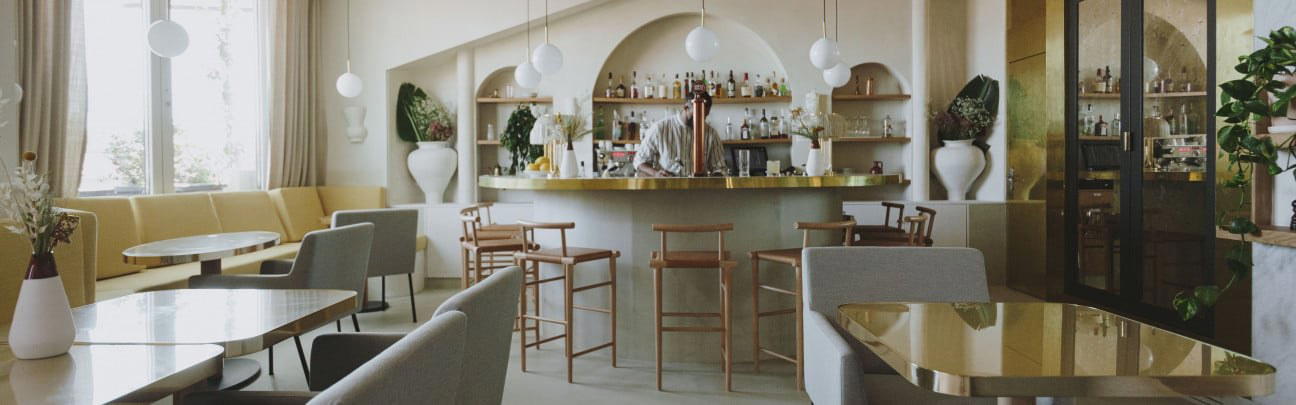
Bars in Lisbon
All bars in Lisbon →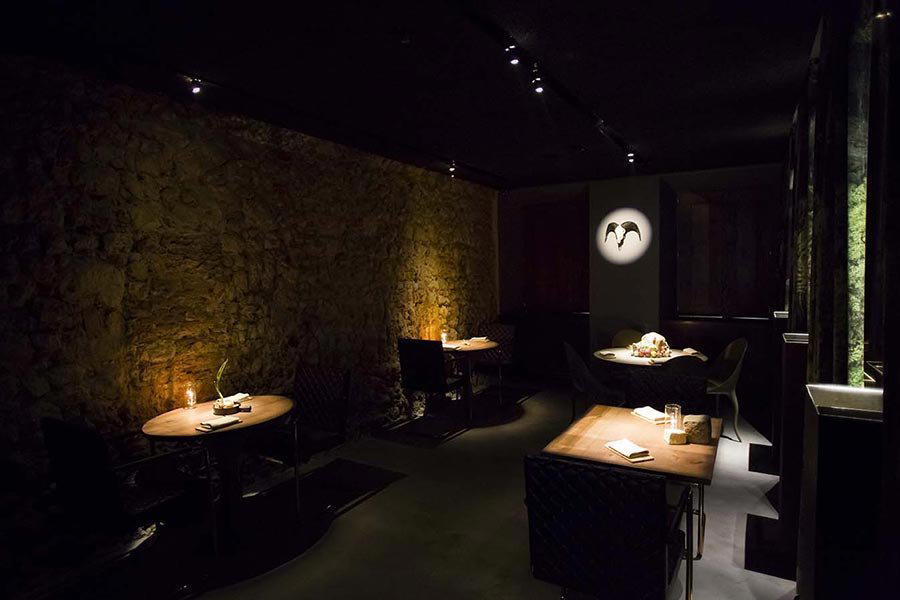
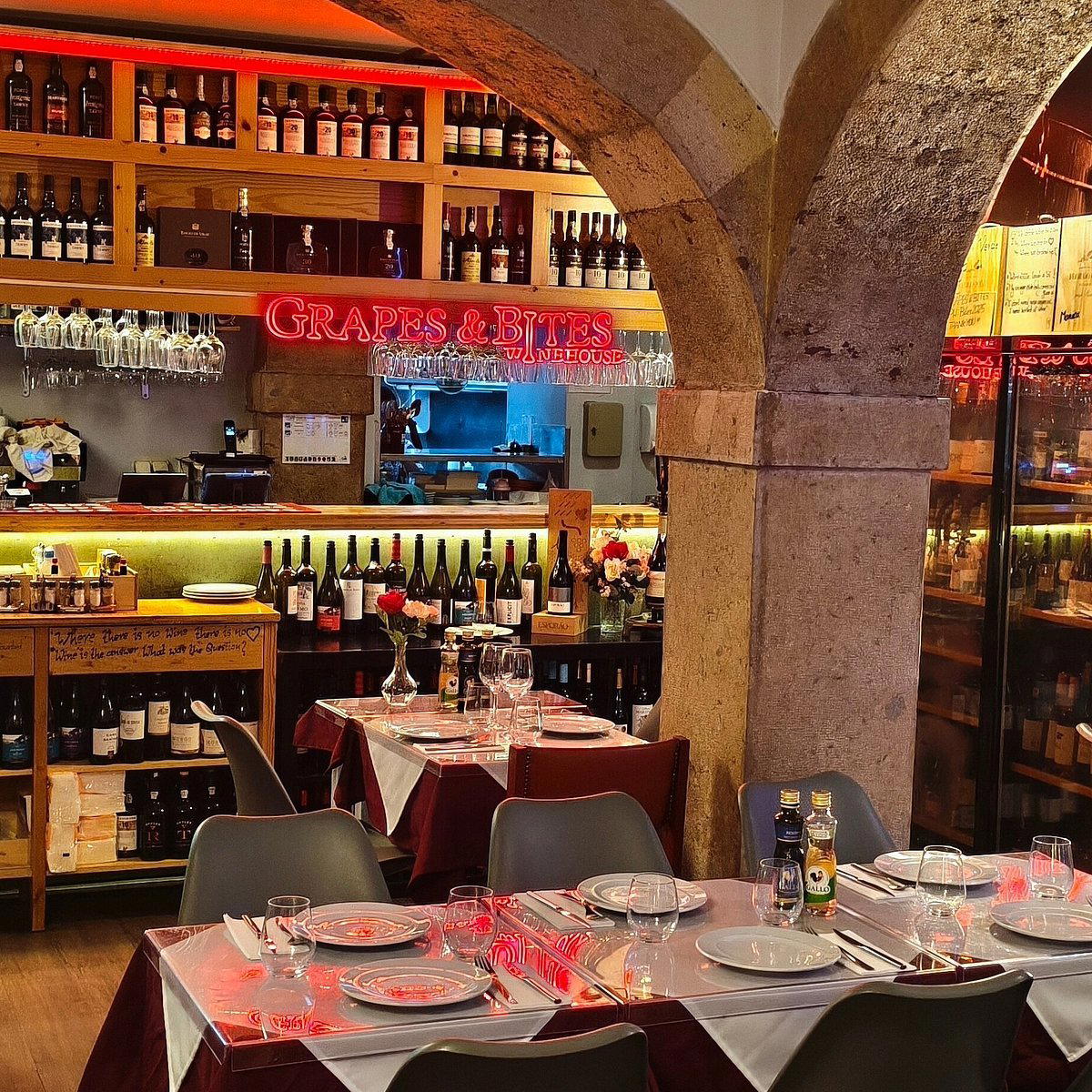
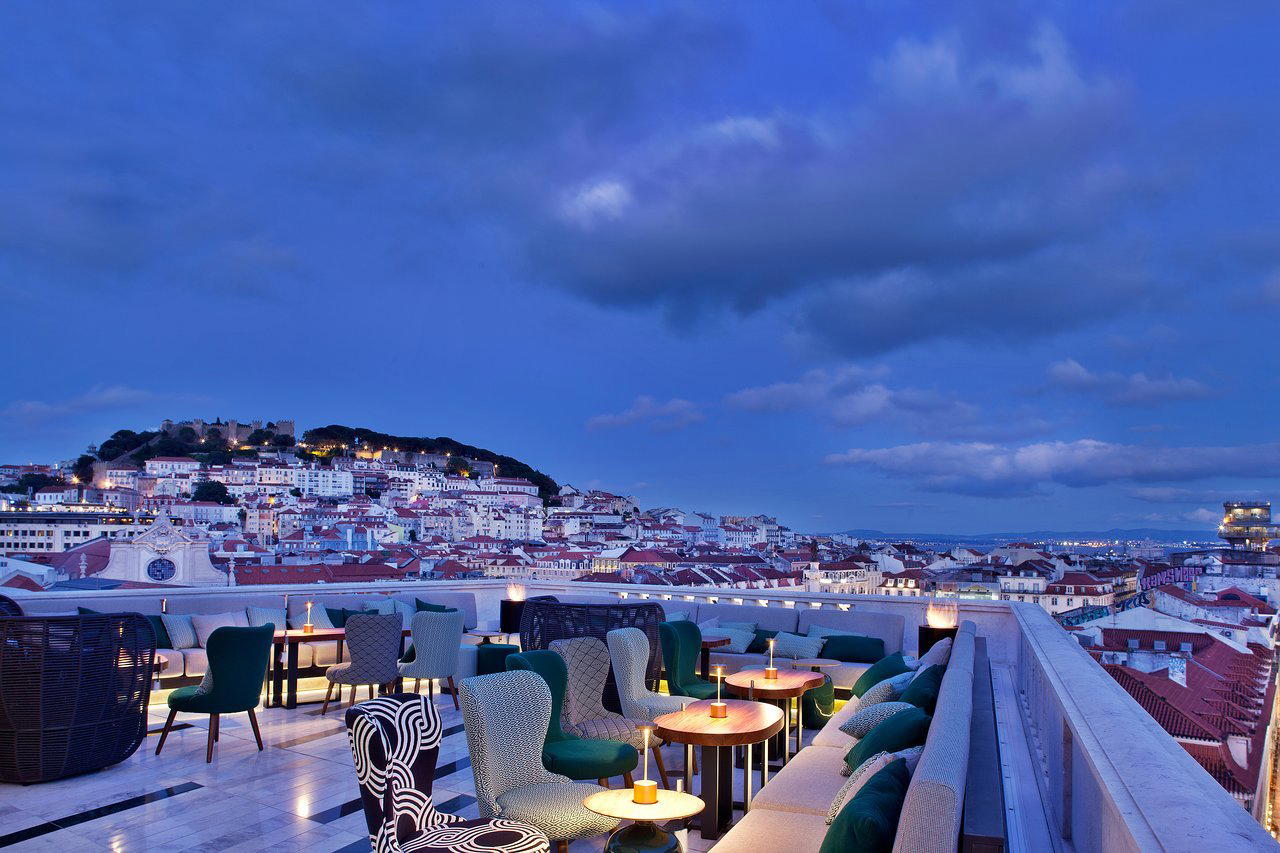
Restaurants in Lisbon
All restaurants in Lisbon →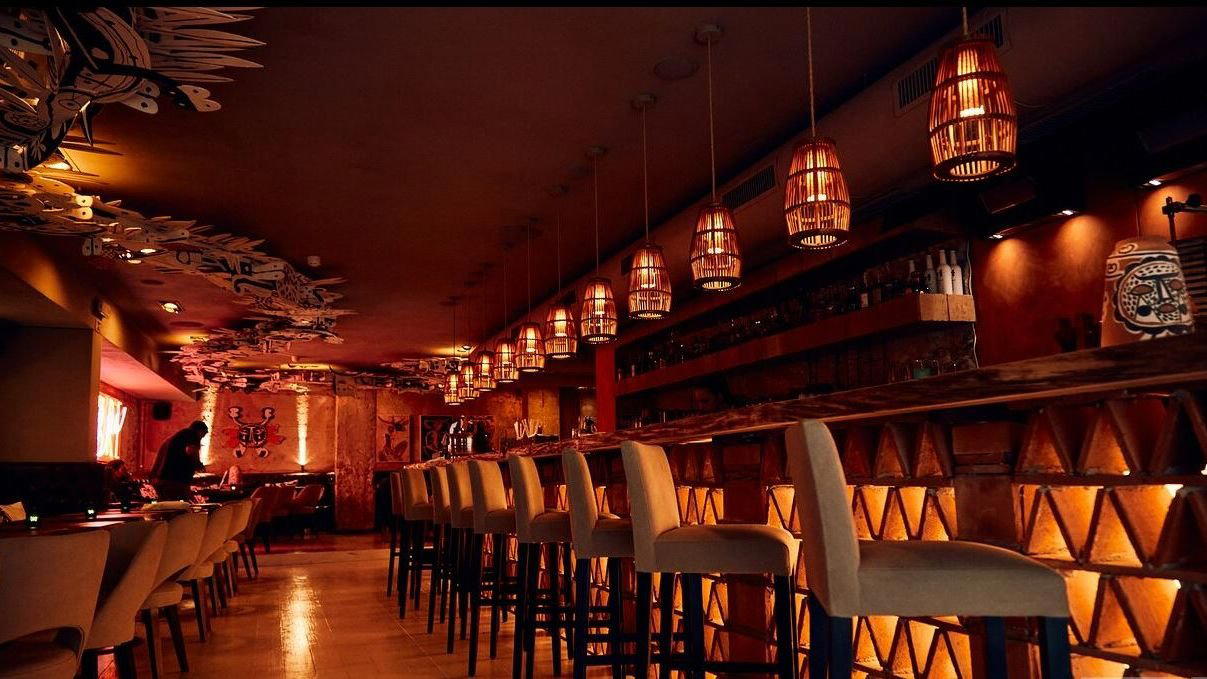


Details
- Elegant
- Sophisticated
- Romantic
- Intimate
- Ornate
- Romantic Getaway
- Honeymoon
- Anniversary
- Weekend Escape
- Historic Building
- Terrace
- Panoramic View
- Wi Fi
- Spa
- Fitness Center
- Room Service
- Concierge
- Restaurant
- Bar
- Skyline
- Street Scene
- Wheelchair Accessible
- Elevator
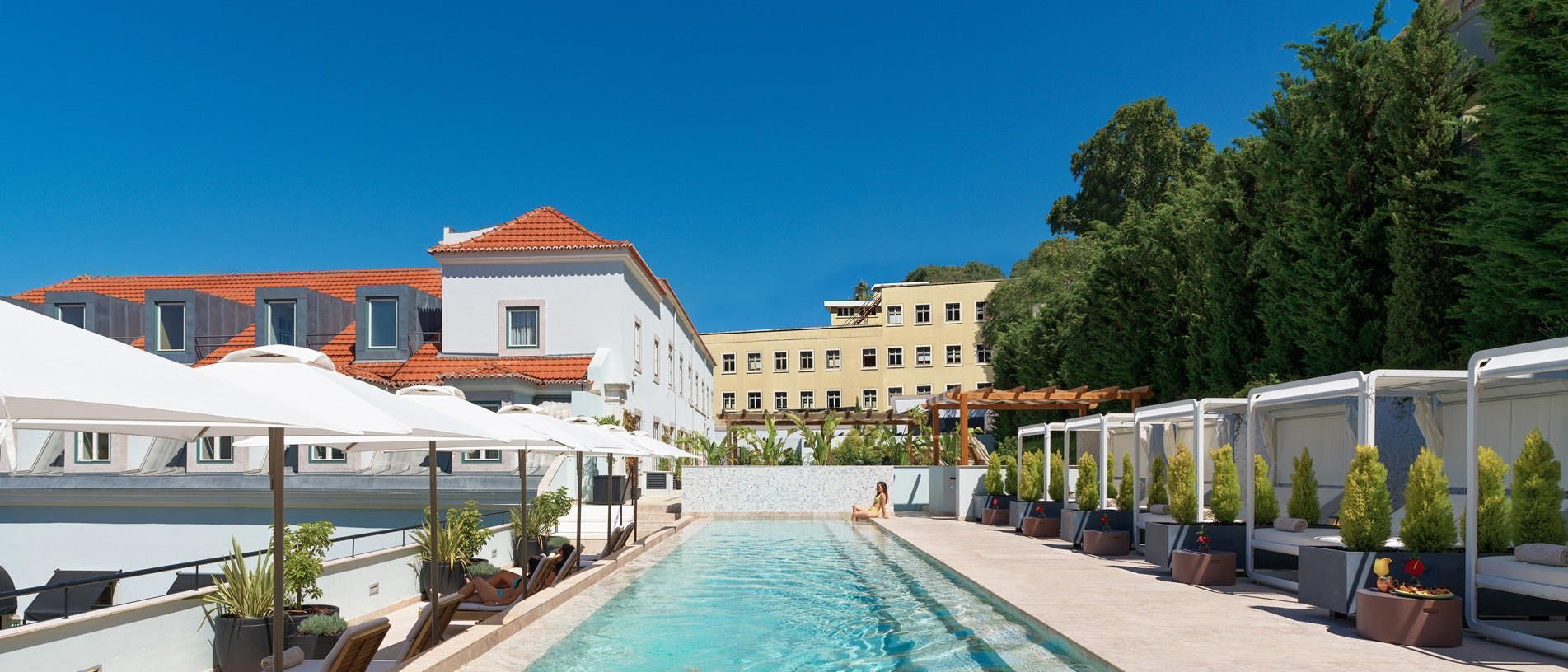
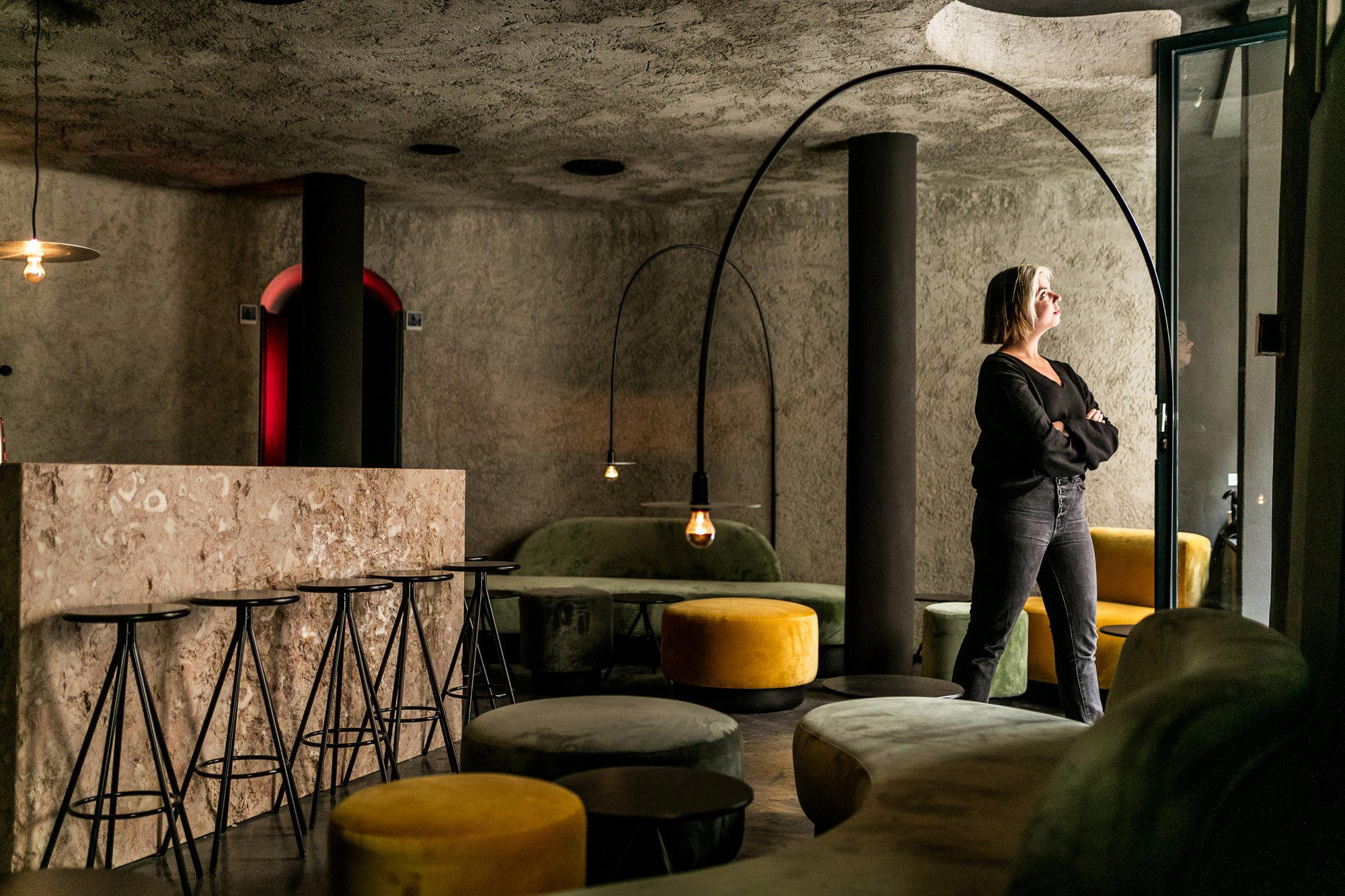
Sophisticated and elegant with light-filled rooms, Art Deco details, glass wine cellar, vertical garden in the courtyard restaurant, and a cosmopolitan bar atmosphere under original brick ceilings.