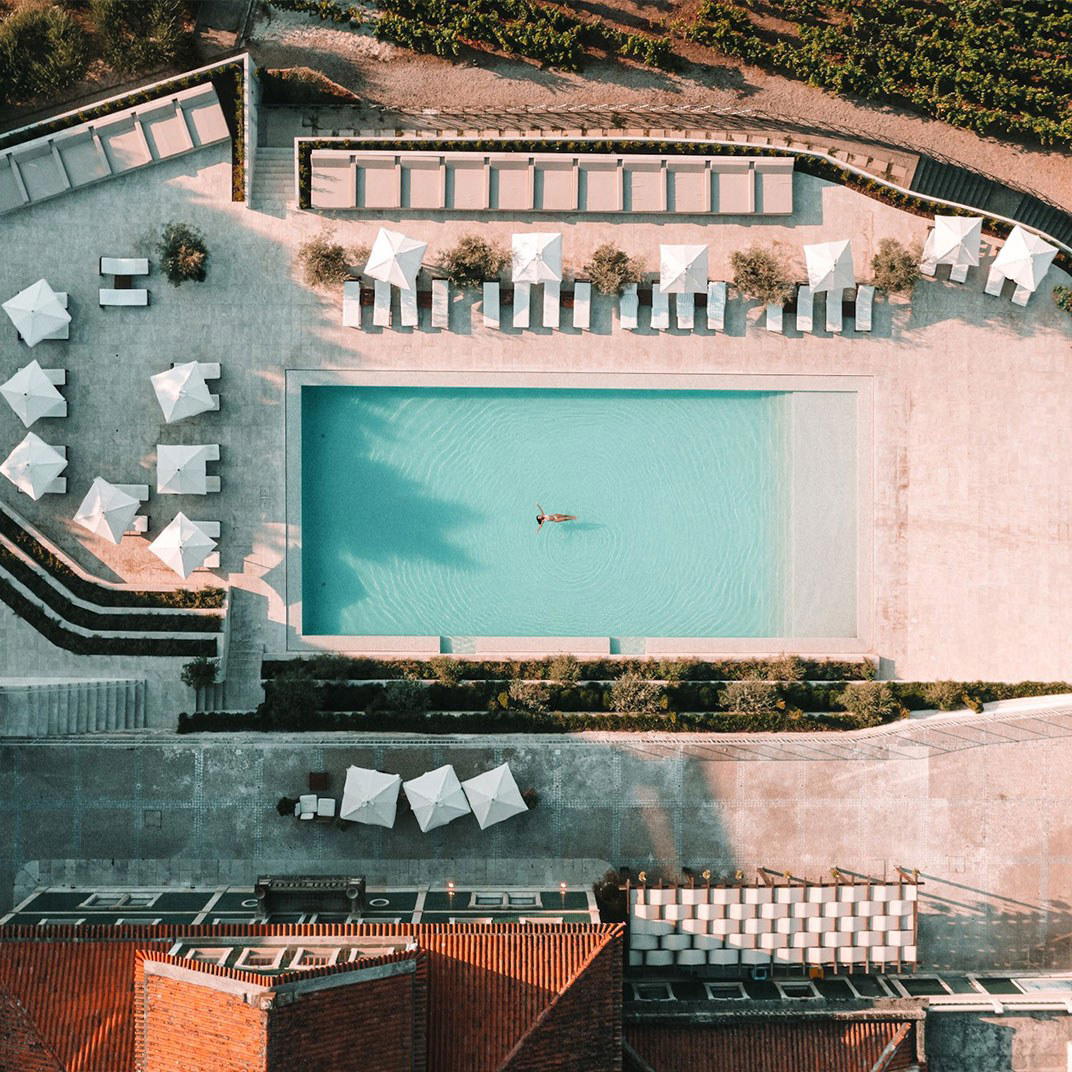
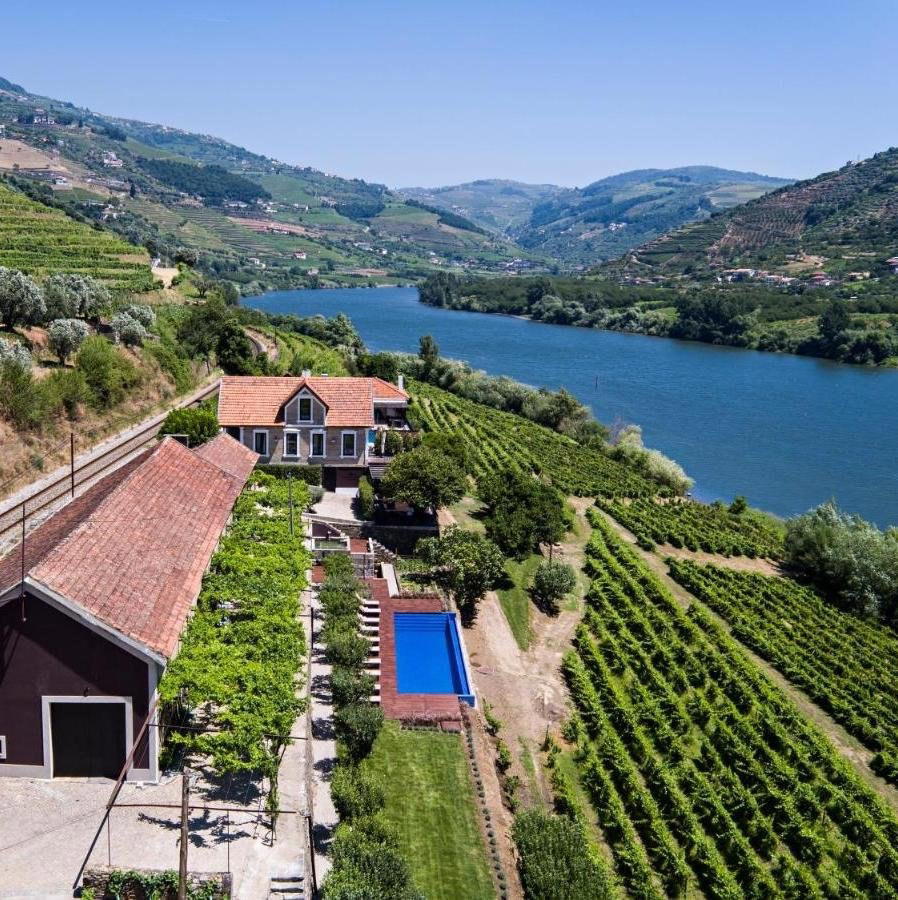
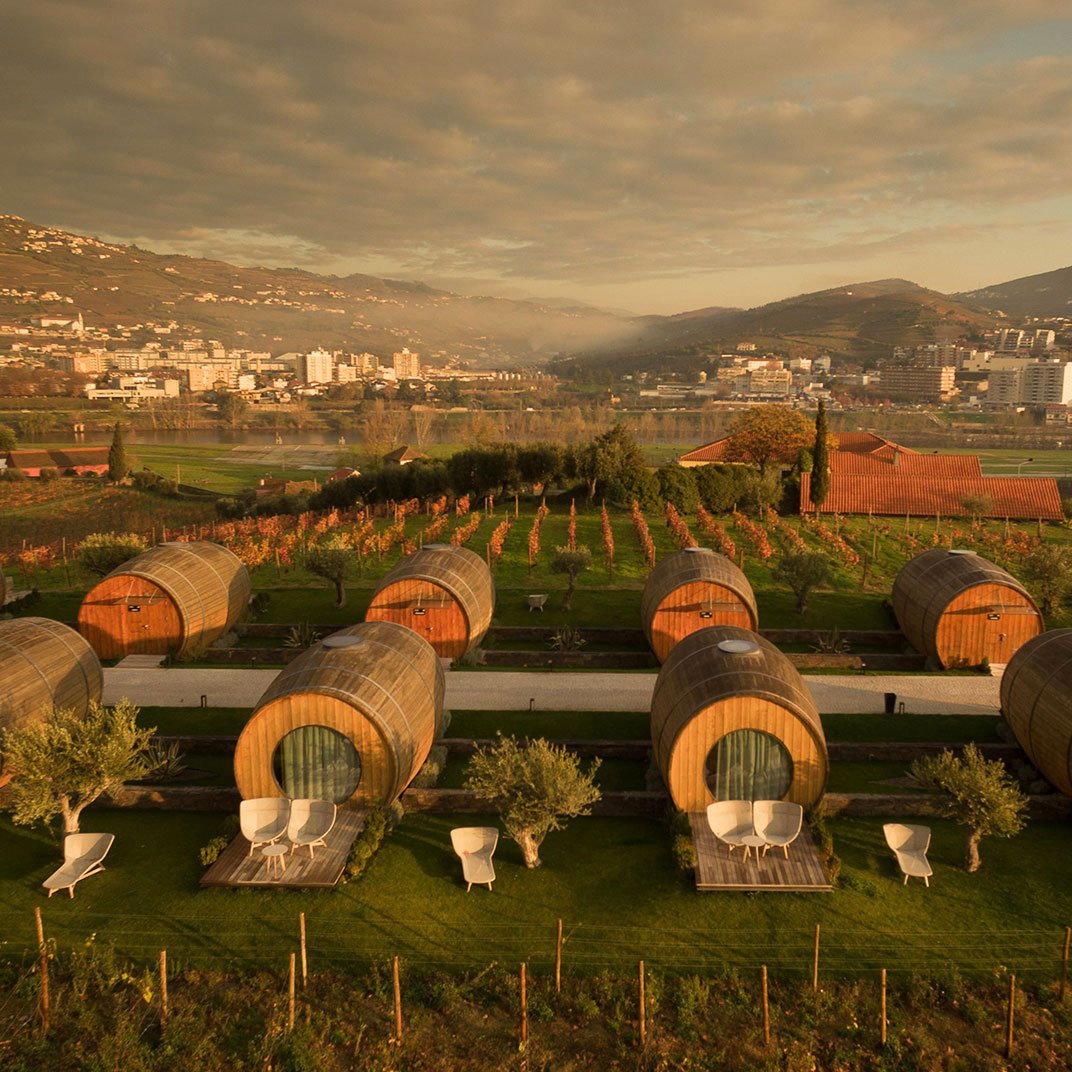
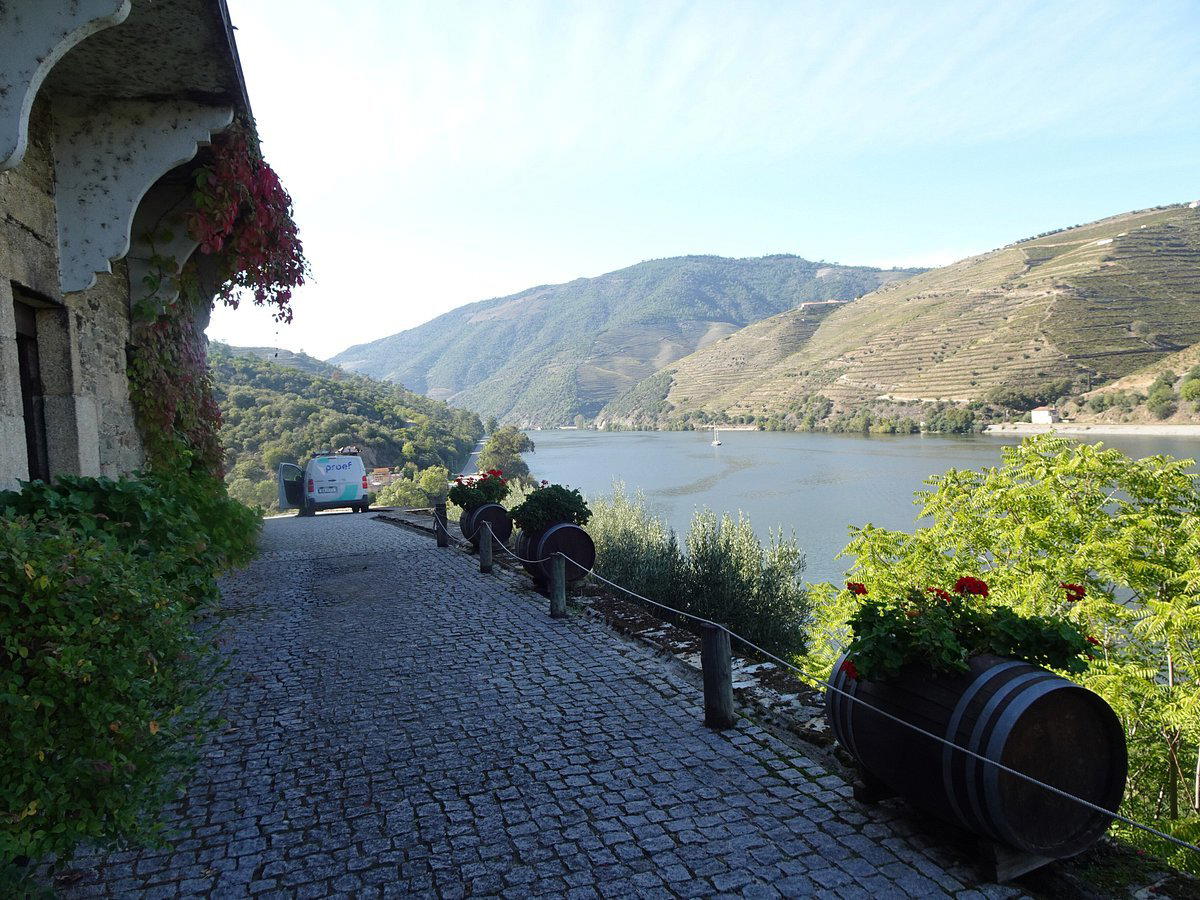
Set among the terraced vineyards above Lamego in Portugal's Douro Valley, Casa Vale do Douro occupies a converted adega that places agricultural heritage at the centre of its design. The property sits within one of Europe's most protected wine-producing regions, where schist-walled estates and river-cut terraces define the architecture as much as the wine. For travellers seeking a property where landscape and built form are genuinely inseparable, the Douro's quinta tradition offers a compelling alternative to urban luxury.

Pearl is the En Primeur Club membership app, where members save venues, book tables and use the concierge.
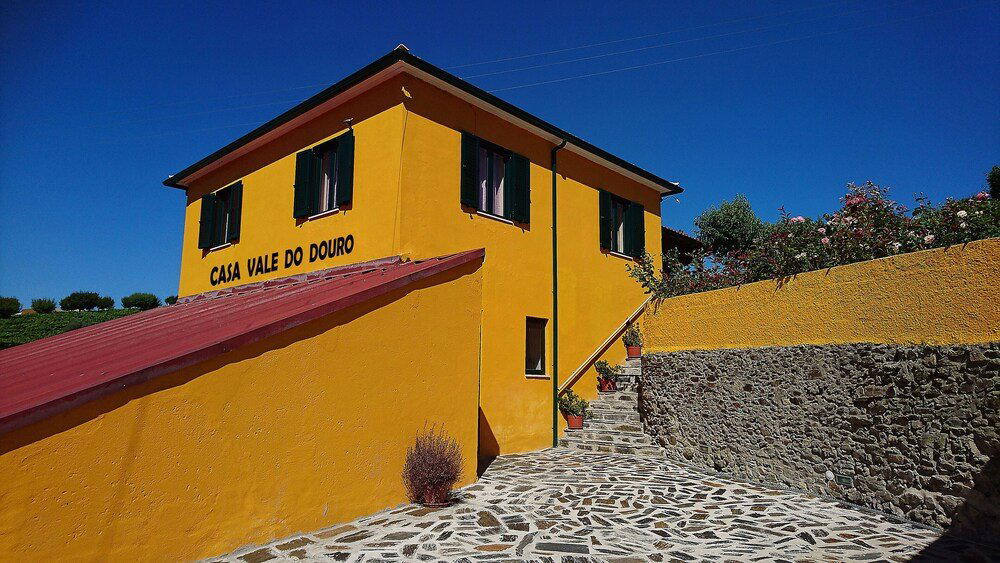
Stone, Schist, and the Architecture of the Douro Quinta
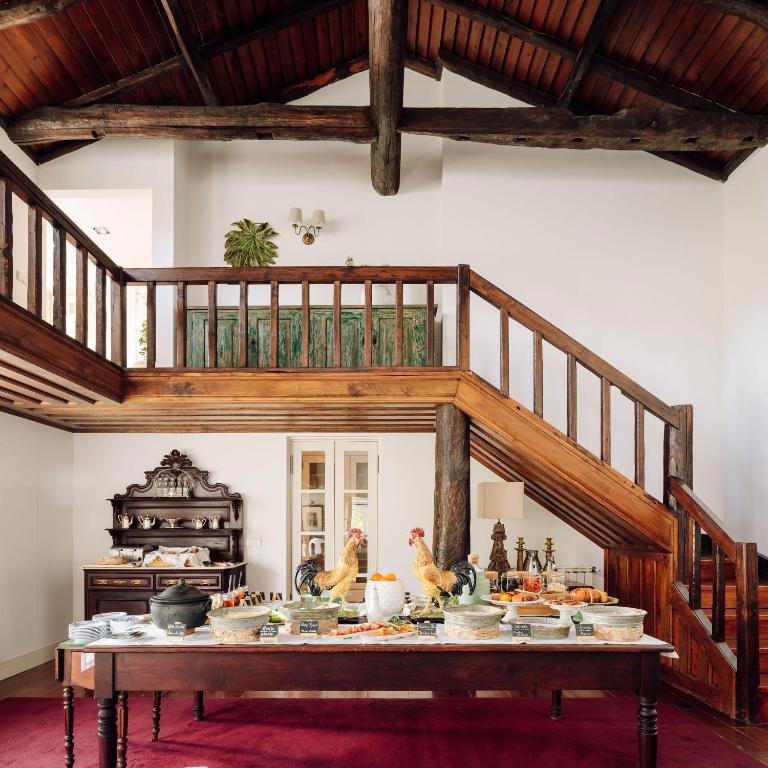
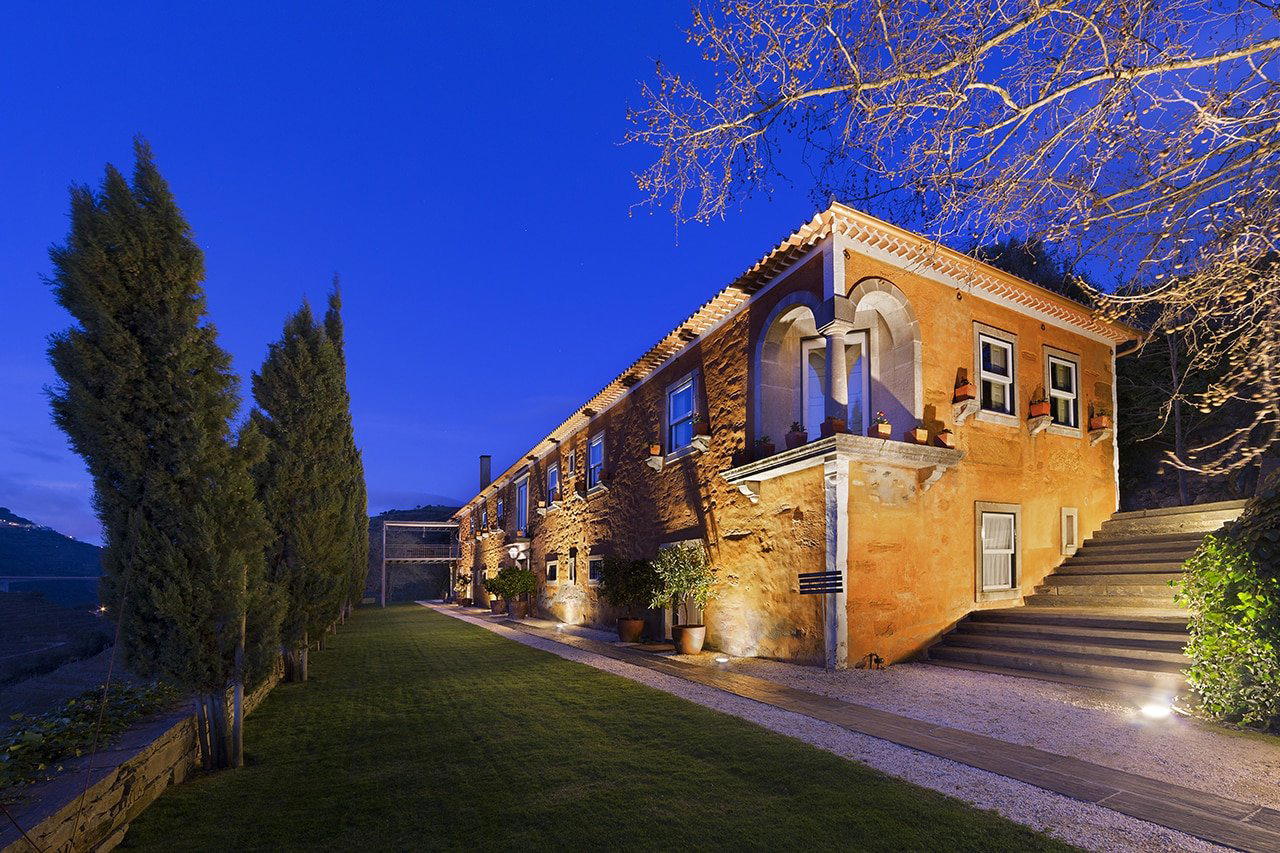
The Douro Valley's hospitality identity was built long before the international hotel groups arrived. For centuries, the region's quintas, the estate complexes of wine producers, established a vernacular architecture that is still the dominant spatial logic here: stone-walled adega buildings converted or extended into living quarters, lodged into terraced hillsides cut from schist, oriented toward the river below. Casa Vale do Douro, addressed at Lugar da Adega do Chão, 185, in Lamego, takes its character directly from that tradition. The name itself encodes the typology: a valley house built around or adjacent to a working winery space.
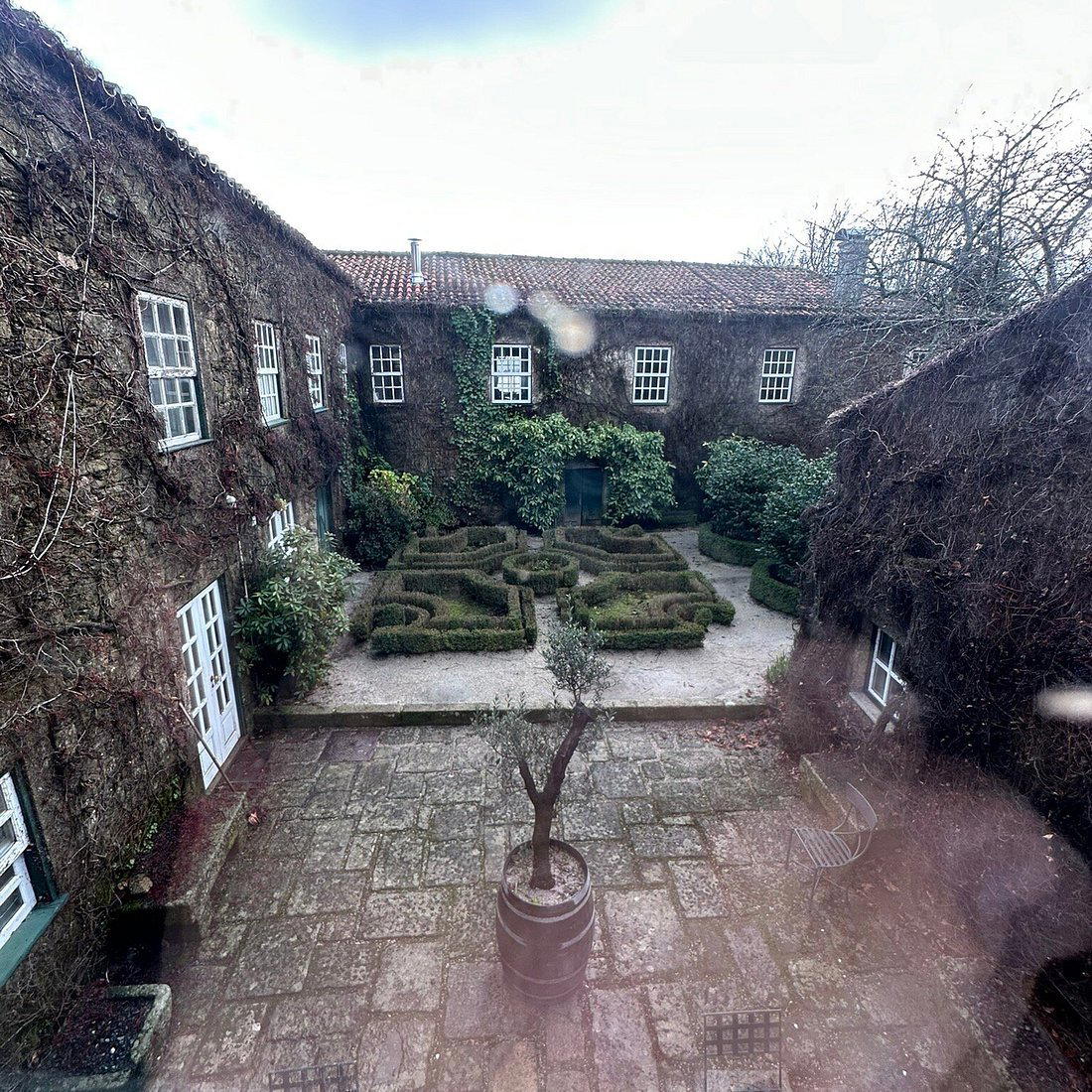
This is a relevant architectural distinction in a region where the spectrum runs from full agro-industrial estates to recently built properties that simulate the quinta aesthetic without the underlying working structure. Properties with genuine adega origins carry a different material quality: thicker walls, lower ceiling lines in older sections, the faint mineral trace of wine production absorbed into the stonework over generations. Whether the visitor registers this consciously or not, the spatial experience of a converted working quinta differs materially from a new build designed to resemble one. The Douro's premium property tier increasingly divides along exactly this line.
Where the Property Sits in the Douro's Accommodation Tier
The Douro Valley has undergone a sustained period of hospitality development since UNESCO inscribed the Alto Douro Wine Region as a World Heritage Site in 2001. That designation accelerated investment across the spectrum, from boutique quinta conversions to properties large enough to absorb group travel. The Cambres area, south of the river and positioned between Peso da Régua and Lamego, sits at the quieter end of this geography, removed from the most-visited wine tourism circuit that clusters around the Pinhão to Régua corridor on the river's northern bank.
For context on what the broader regional market offers, the Ventozelo Hotel & Quinta in Ervedosa Do Douro and Q.ta da Corte in Valenca Do Douro both represent the quinta-conversion model that has become the Douro's signature hospitality format, each with documented wine production links.
Casa Vale do Douro's address in the Lamego municipality places it close to one of the Douro's most historically significant towns. Lamego's Baroque heritage, including the staircase sanctuary of Nossa Senhora dos Remédios, draws a visitor profile that combines wine tourism with cultural interest, a combination the region's better properties are increasingly structured to serve.
The Logic of the Adega as Living Space
Across Portugal, the conversion of agricultural buildings into hospitality properties has produced a recognisable design grammar: preserved exterior stone, interior volumes reworked to bring in light, the productive function of the original building held present through material detail rather than erasure. The Alentejo's herdade conversions established this pattern at scale; the Douro's quinta model follows the same logic but with a different topography. Here, the building is not set in flat farmland but embedded into terraced slope, which means views, orientation, and the relationship between interior and exterior are determined by the hillside geometry rather than by design preference.
This produces a specific kind of spatial experience. Rooms in a hillside quinta tend to offer outlook rather than garden access: the visual connection to the river valley below, the ordered geometry of the vine terraces, the changing light on the schist. For travellers comparing design-led Portuguese properties across regions, the contrast with coastal properties such as Villa Epicurea in Sesimbra or Craveiral Farmhouse in Sao Teotonio is instructive: each works within a distinct vernacular, but the Douro quinta model is perhaps the most directly shaped by its productive landscape, because the terraces that produce the wine are also what you look at from the window.
Portugal's broader portfolio of design-considered rural properties, from Casa das Penhas Douradas in Manteigas to Casas da Lapa, Nature & Spa Hotel in Seia, demonstrates that agricultural and landscape-embedded architecture is not exclusive to the Douro. But the Douro's combination of UNESCO designation, active wine production, and the specific aesthetic of schist-built terrace walls gives its properties a density of context that few other Portuguese regions can match.
Planning a Stay: What the Douro Requires
The Douro Valley rewards visitors who approach it as a slow-travel destination rather than a transit stop. The drive from Porto to the Lamego area takes approximately 90 minutes along the A4 and IP3, with the final approach into the valley offering the kind of descent into layered terraced landscape that makes clear why this region carries protected status. The train route along the Douro line, from Porto's São Bento station to Régua, is frequently cited as one of Europe's more considered rail journeys, though Lamego itself is not on the line and requires road transfer from Régua.
The harvest period in September and October brings the valley's wine activity to its annual peak, with pressing operations and the associated sensory environment of fermentation present across working estates. Shoulder season visits in late spring offer longer daylight and cooler temperatures without the harvest-period concentration of visitors. Travellers arriving from Lisbon, where properties like Hotel Britania Art Deco represent an entirely different hospitality register, or from Porto, served by addresses like M Maison Particulière Porto, would typically spend a minimum of two nights in the Douro to justify the travel time and access the valley's wine education infrastructure.
For travellers constructing a broader Portuguese itinerary, the Douro sits logically between Porto and the Serra da Estrela, with Amarante a useful midpoint: Casa da Calçada in Amarante is the most documented property in that corridor. See our full Cambres restaurants guide for the dining context around the property.
Comparison Snapshot
| Venue | Price | Awards |
|---|---|---|
| Douro Valley - Casa Vale do DouroThis venue (the venue you are viewing) | Not listed | Not listed |
| Conrad Algarve | Not listed | Michelin Selected · Forbes 4-Star |
| Four Seasons Hotel Ritz Lisbon | $500–750 | 2 Michelin Keys · La Liste Top Hotels |
| InterContinental Cascais-Estoril | $300–500 | Virtuoso Luxury Hotel Partner · Forbes 4-Star |
| InterContinental Lisbon | $200–300 | Forbes Recommended |
| InterContinental Porto Palacio das Cardosas | Not listed | Michelin Selected · Forbes Recommended |
Continue exploring
More in Cambres
Hotels in Cambres
All hotels in Cambres →
Bars in Cambres
Browse all →
Details
- Scenic
- Quiet
- Rustic
- Romantic
- Romantic Getaway
- Weekend Escape
- Family Vacation
- Waterfront
- Garden
- Terrace
- Panoramic View
- Private Villa
- Wi Fi
- Pool
- Garden
- Air Conditioning
- Parking
- Waterfront
- Vineyard
- Mountain
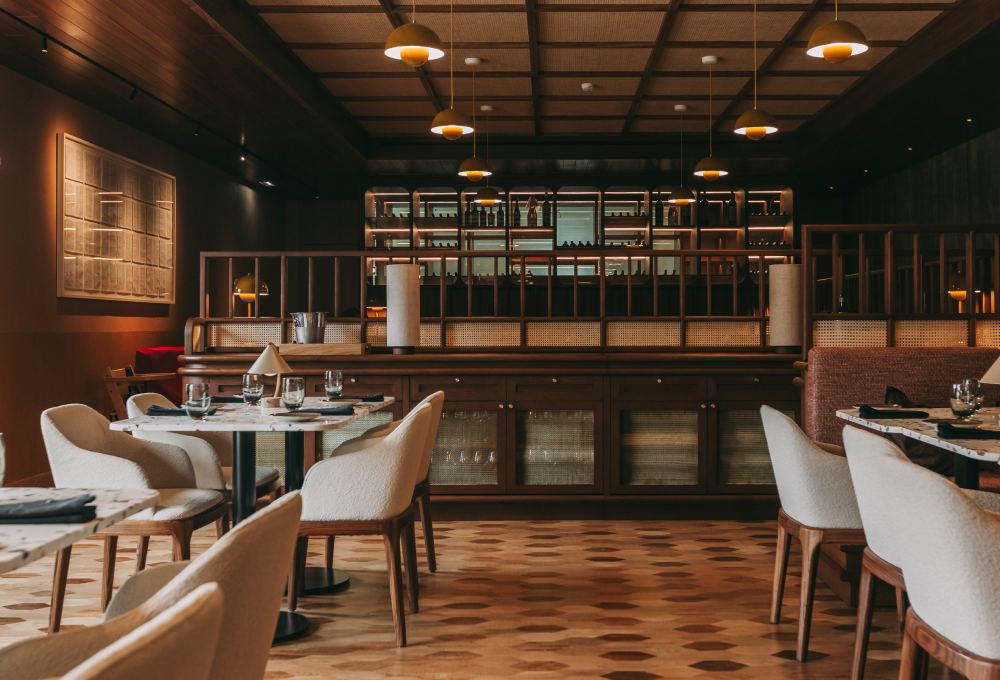
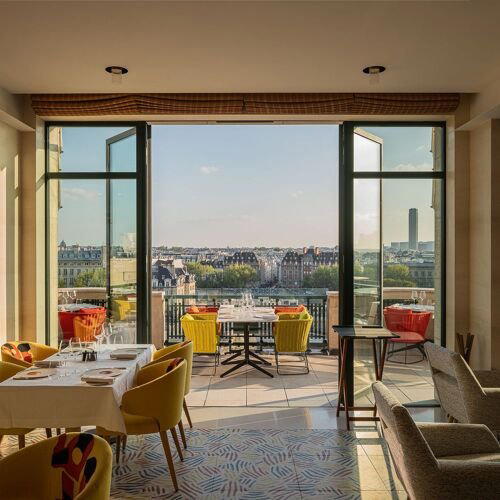
Serene and enchanting retreat with peaceful countryside setting, featuring rooftop pool views and quiet street vistas overlooking the river and terraced vineyards.