
Michelin Selected
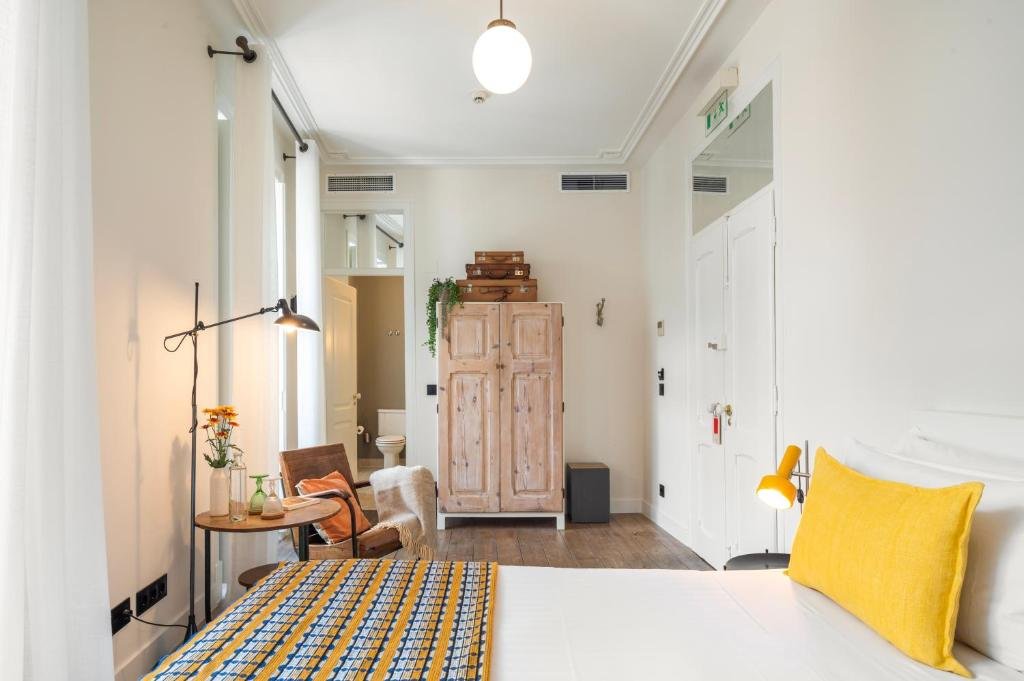
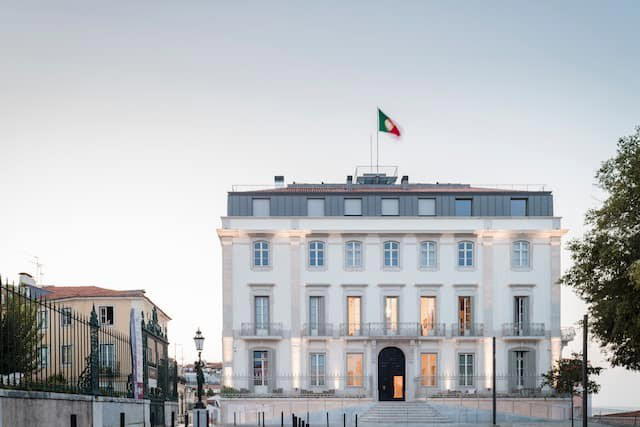
A Casa das Janelas Com Vista occupies a historic address in central Lisbon's Cais do Sodré quarter, where the Portuguese tradition of rooms with views has long shaped how the city hosts its guests. Positioned among Lisbon's smaller, character-led properties rather than the grand international hotel tier, it draws travellers who prioritise neighbourhood immersion over amenity scale. The name itself, House of Windows with a View, signals the architectural premise on which the property rests.

Pearl is the En Primeur Club membership app, where members save venues, book tables and use the concierge.
Lisbon's Window Tradition and What It Demands of a Property
Few cities have built as much cultural identity around the act of looking out as Lisbon. The miradouro, the belvedere, the vantage point, is not incidental urban furniture here; it is a structuring principle of how the city understands itself. Neighbourhoods compete for the leading angle on the Tagus. Buildings orient themselves toward light and river. And in a city where the view is considered part of the dwelling, a property named A Casa das Janelas Com Vista is making a specific and measurable promise. The address at R. Nova do Loureiro 35, in the Cais do Sodré district, places that promise inside one of Lisbon's most actively transformed quarters, where the shift from working port to creative and hospitality hub has been steep and relatively recent.
That transformation matters as context. Cais do Sodré spent most of the twentieth century as a district of sailors' bars and industrial use, its riverfront position more functional than scenic. The past fifteen years have reversed that reading entirely. The Mercado da Ribeira's conversion into a food hall, the arrival of design-led accommodation, and the steady colonisation of the waterfront by restaurants and cultural programming have made this corner of the city one of the more compelling places to be based. Properties in this zone now sit between two distinct poles: large international flags, the InterContinental Lisbon operates nearby in Parque Eduardo VII, and the Altis Avenida Hotel anchors the Avenida axis, and the smaller, identity-led addresses that trade on specificity rather than scale.
Where This Property Sits in Lisbon's Accommodation Register
Lisbon's accommodation offer has split along a fault line that is less about price than about format philosophy. On one side, the international and grand-hotel tier, properties like the Four Seasons Hotel Ritz Lisbon, which carries the weight of mid-century Portuguese luxury, or the Sofitel Lisbon Liberdade, which operates as a reliably consistent international standard. On the other, a growing cohort of smaller properties whose pitch is neighbourhood fluency: the feeling of being inside the city rather than visiting it. A Casa das Janelas Com Vista occupies the second register. The property name itself announces an architectural logic, rooms oriented toward views, that positions it within a Lisbon-specific hospitality tradition rather than an international one.
This is the tradition of the pensão de charme and the converted palacete, updated for contemporary expectations. Elsewhere in Lisbon, properties in this vein include the As Janelas Verdes/Riverview, a Lisbon Heritage Collection, which shares the window-and-view vocabulary in its very name, and the Bairro Alto Hotel, which has pushed that format toward a more polished boutique standard. The AlmaLusa Baixa/Chiado and the 1908 Lisboa Hotel represent the Baixa-Chiado iteration of the same instinct: period architecture as the primary guest proposition. A Casa das Janelas Com Vista draws from this same lineage, with the Cais do Sodré location giving it a distinct neighbourhood personality from its Chiado or Bairro Alto counterparts.
The Neighbourhood as a Design Element
For properties in this tier, the surrounding streets function as an extended amenity, which means the quality of the neighbourhood walking distance matters as much as what happens inside the building. From R. Nova do Loureiro, the Tagus riverfront is within close reach on foot, as is the Mercado da Ribeira and the cluster of natural wine bars and contemporary Portuguese restaurants that have made this stretch a reference point on Lisbon's dining circuit. The Pink Street, formally Rua Nova do Carvalho, which runs parallel, completes the district's late-night geography. This is not a quiet residential quartier; it is an active, sometimes loud, urban neighbourhood with a broad time-of-day range. Guests who want the animation of central Lisbon within walking distance will find the location serves that intention well. Those seeking the hush of Príncipe Real or the residential calm of Lapa would be better placed at a property with a different geography, the Art Legacy Hotel Baixa-Chiado or the Baixa House serve different neighbourhood needs.
For those visiting Portugal beyond the capital, the same character-led format carries into properties elsewhere in the country: the Ventozelo Hotel & Quinta in Ervedosa Do Douro and the M Maison Particulière Porto apply a similar logic of rootedness to their respective settings. Further south, the Hospedaria da Pensão Agrícola in Tavira and Villa Epicurea in Sesimbra extend the format toward the Algarve and coastal Setúbal. The Craveiral Farmhouse and Douro Valley - Casa Vale do Douro represent the agricultural and wine-country variants of the same instinct. Portugal has developed a coherent national vocabulary of place-specific accommodation that runs from Lisbon outward.
Planning a Stay: Practical Orientation
Current booking details, pricing, and availability for A Casa das Janelas Com Vista are best confirmed directly or through a specialist travel service, as the property's contact information and rate structure are not published in third-party databases at the time of writing. The address at R. Nova do Loureiro 35, 1200-293 Lisboa places the property in a walkable part of central Lisbon served by the Green Line metro (Cais do Sodré station) and multiple tram routes, including the 25E and 28E lines. For the wider Lisbon hotel picture and how this property sits within the city's accommodation options by neighbourhood and format, our full Lisbon restaurants and hotels guide provides the broader framework.
Travellers pairing a Lisbon stay with Atlantic coast properties might consider the Bela Vista Hotel & Spa in Praia da Rocha or the Anantara Vilamoura Algarve Resort for the southern leg. The Bussaco Palace Hotel in Luso serves the inland heritage circuit. Those visiting the Azores will find the Boutique Hotel Teatro in Angra do Heroísmo applies a comparable character-led approach in a very different Atlantic setting. For Algarve alternatives at different scales, the Masana Algarve in Albufeira, 3HB Faro, and the wine-country retreat at Q.ta da Corte in Valença do Douro complete a range of Portugal options across formats and regions.
The Short List
| Venue | Price | Awards |
|---|---|---|
| A Casa das Janelas Com VistaThis venue (the venue you are viewing) | $100–200 | Michelin Selected |
| Four Seasons Hotel Ritz Lisbon | $500–750 | 2 Michelin Keys · La Liste Top Hotels |
| InterContinental Cascais-Estoril | $300–500 | Virtuoso Luxury Hotel Partner · Forbes 4-Star |
| InterContinental Lisbon | $200–300 | Forbes Recommended |
| Sofitel Lisbon Liberdade | $300–500 | Michelin Selected · Forbes Recommended |
| Altis Avenida Hotel | $200–300 | Forbes Recommended · Preferred Hotels Member |
Recognition history
Dated appearances from independent guides and award organizations, with the underlying list record or original source where available.
Michelin Selected
Michelin
Continue exploring
More in Lisbon
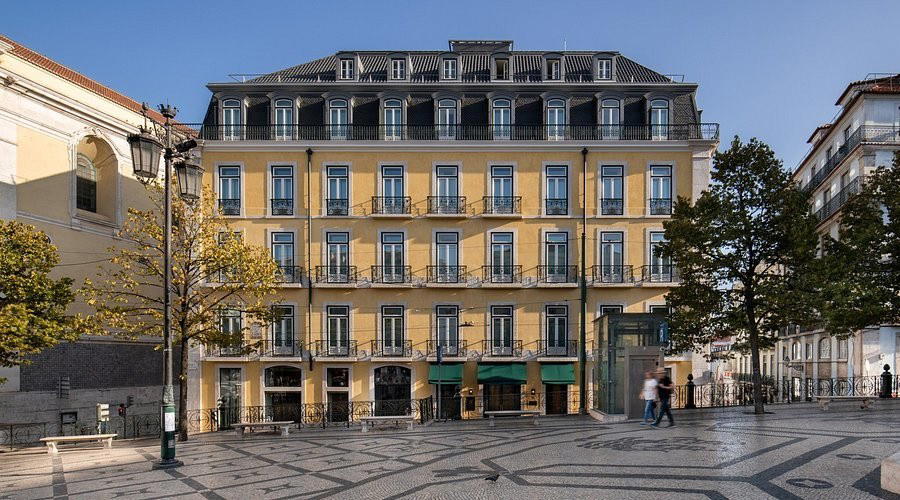
Hotels in Lisbon
All hotels in Lisbon →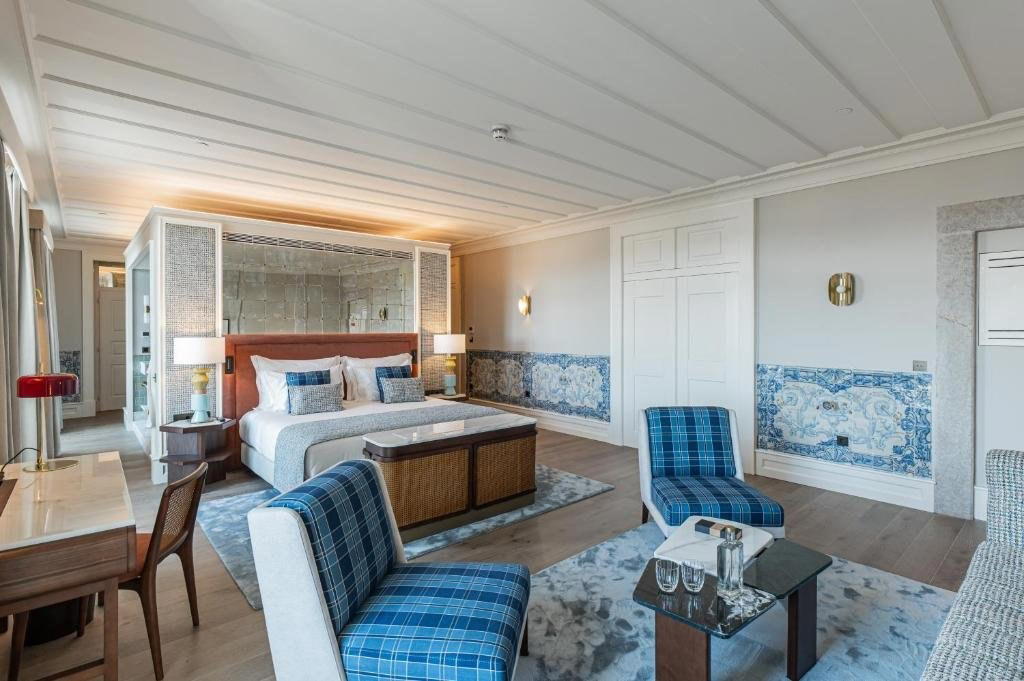

Bars in Lisbon
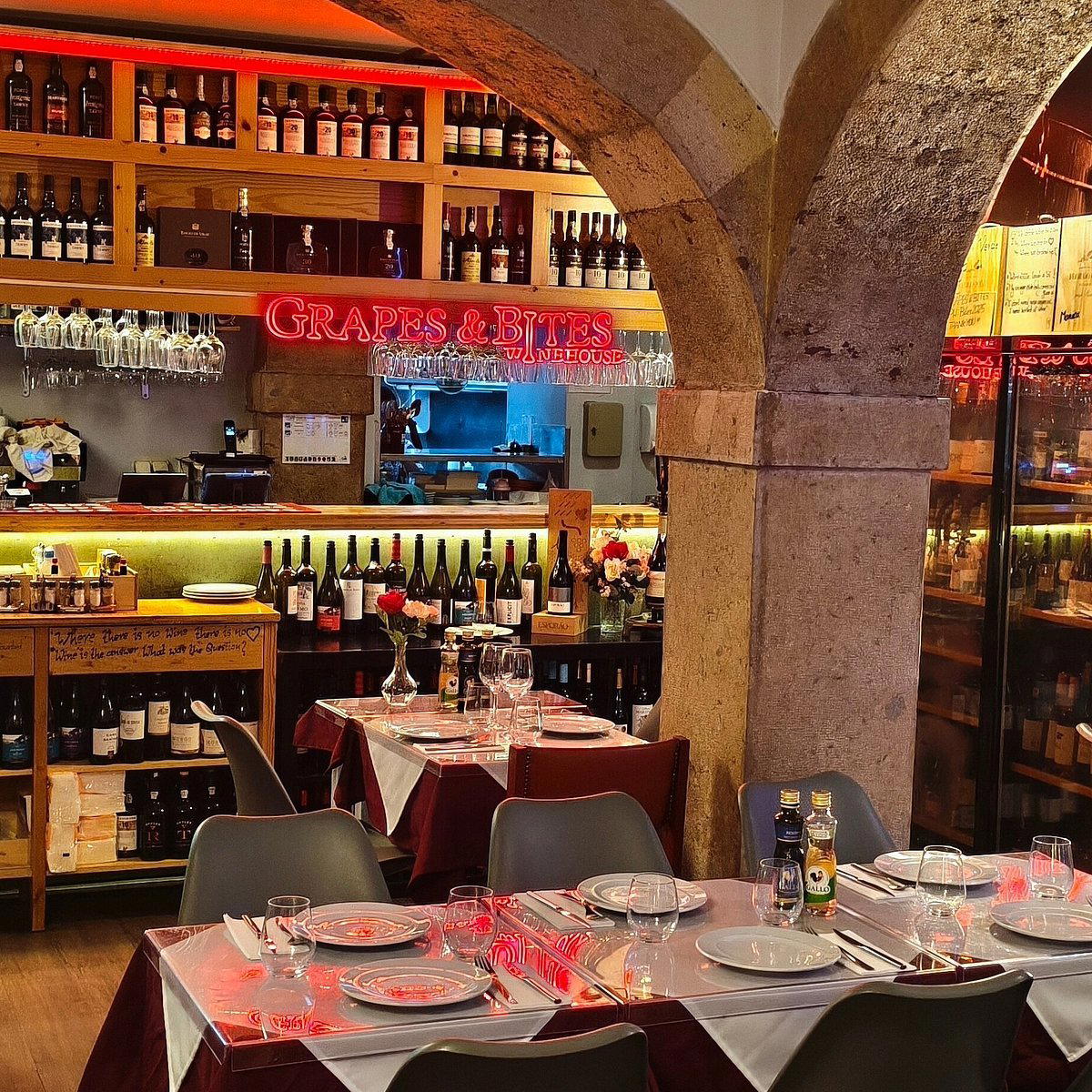
All bars in Lisbon →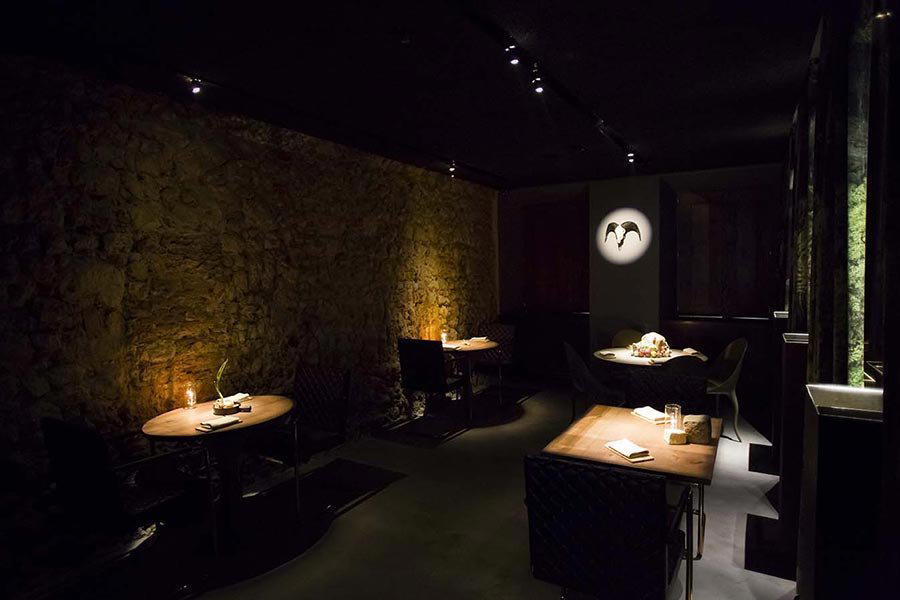


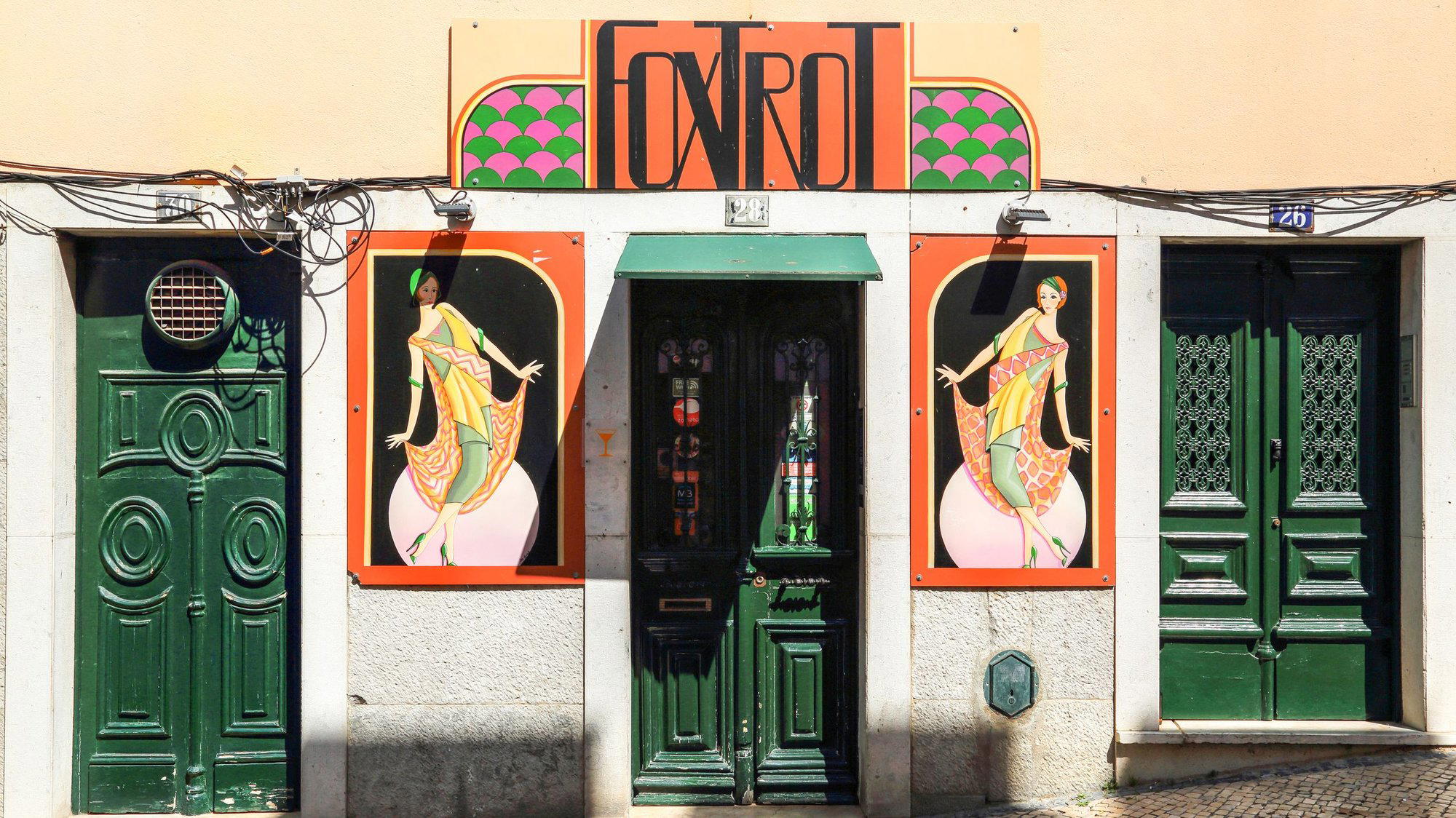
Restaurants in Lisbon
All restaurants in Lisbon →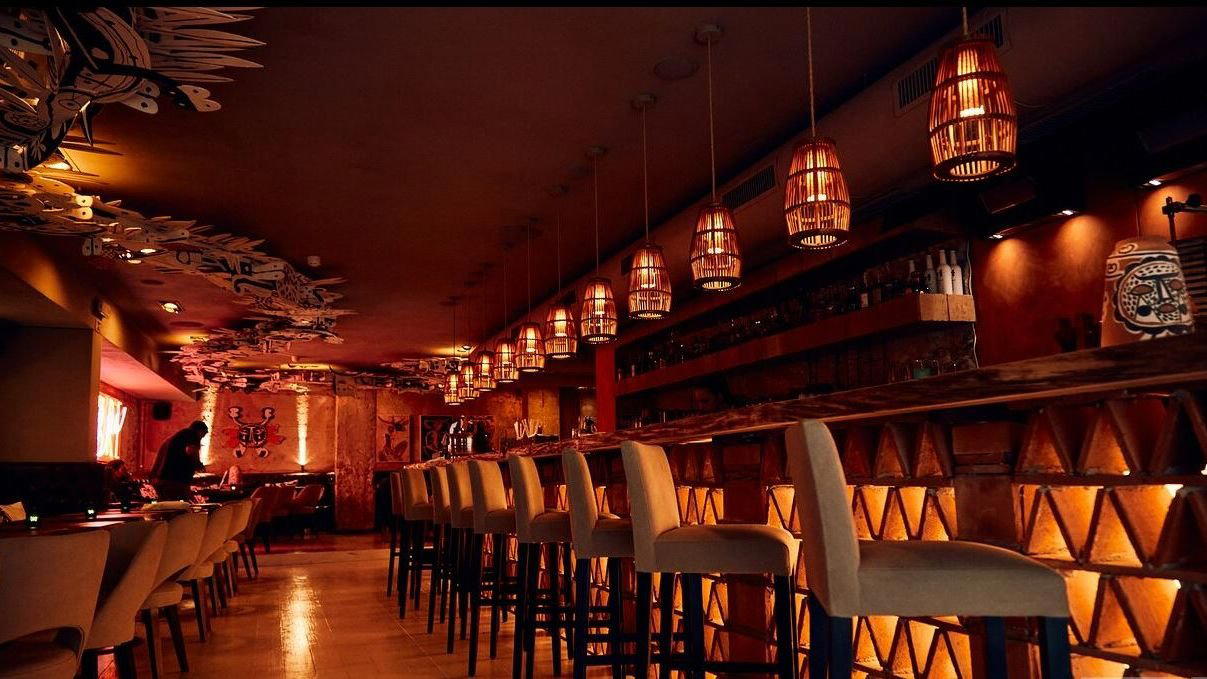
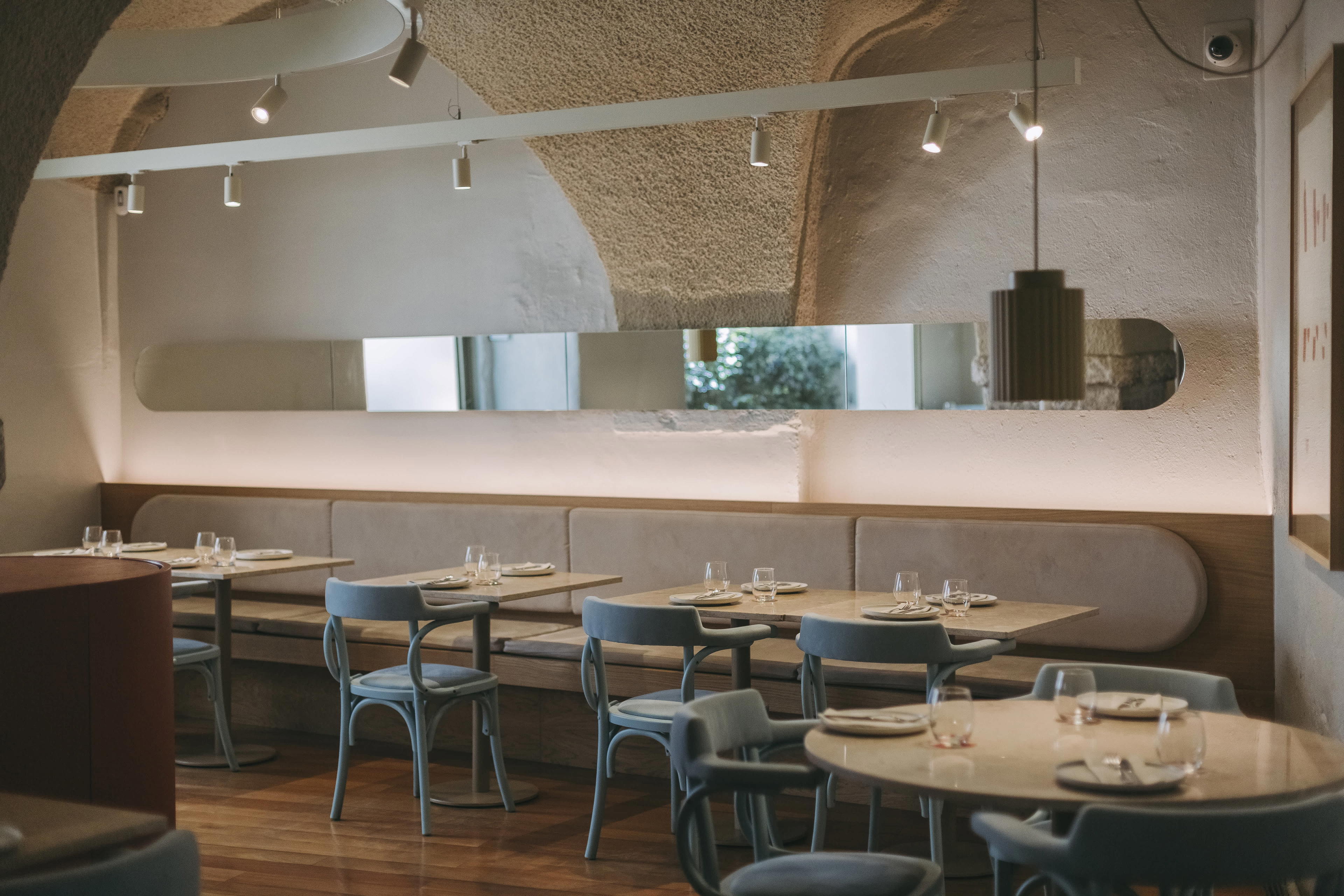
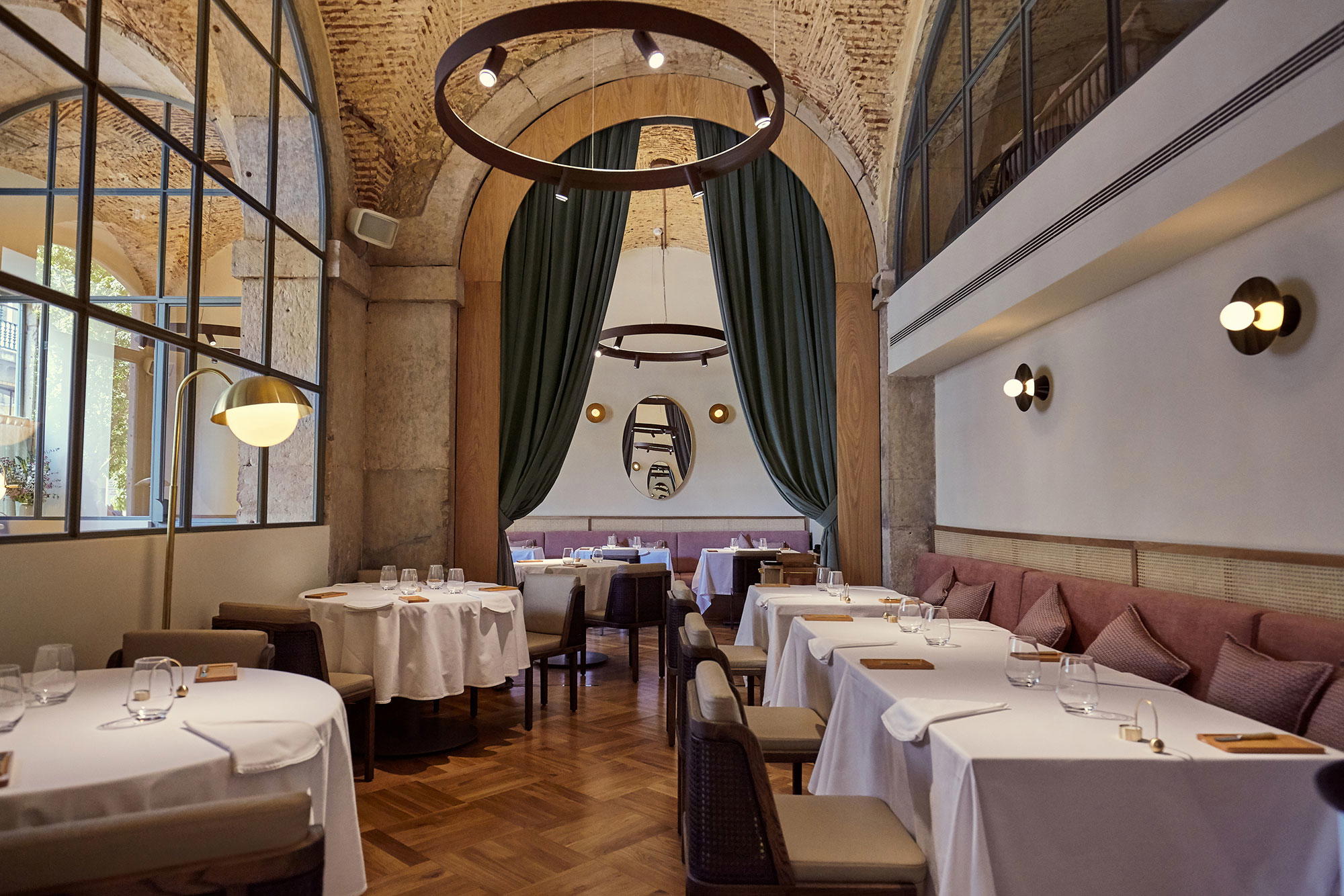
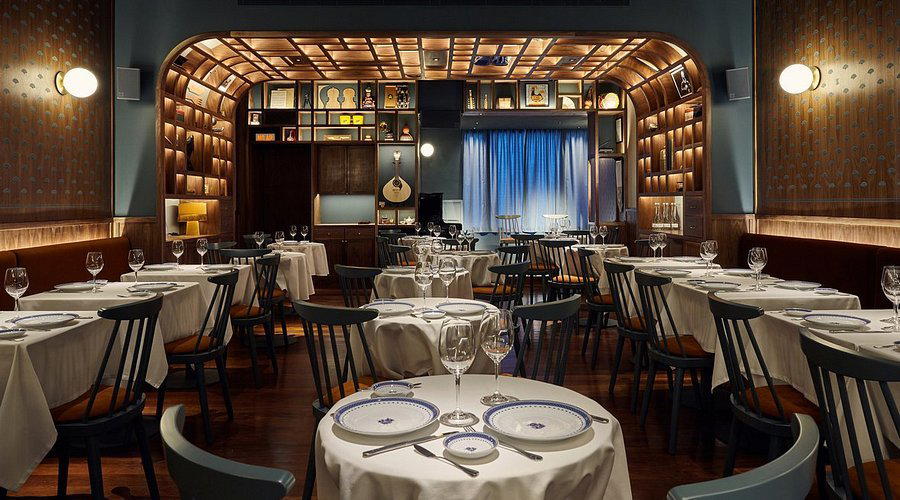

Details
- Cozy
- Romantic
- Intimate
- Charming
- Scenic
- Romantic Getaway
- Weekend Escape
- Historic Building
- Terrace
- Panoramic View
- Wi Fi
- Concierge
- Air Conditioning
- Luggage Storage
- Street Scene
- Skyline
- Step Free Entrance
Stylish mix of contemporary and classic decor in a cozy living room with warm lighting, fostering a familial and relaxed atmosphere.