
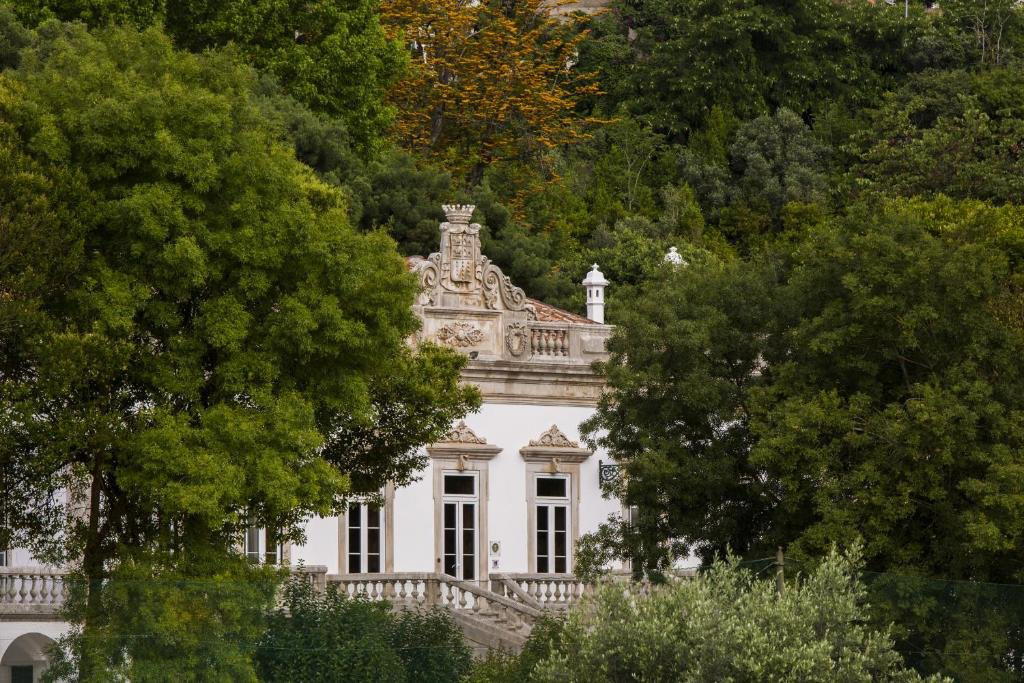
A Manueline-Gothic palace rising from the Buçaco forest, this property holds dual recognition as Global Winner for Luxury Palace Hotel and Continent Winner for Luxury Castle Hotel. The architecture alone justifies the journey from Coimbra, with azulejo panels, carved stone arcades, and forest gardens that predate the building itself. It occupies a category of its own among Portugal's historic palace hotels.
Pearl is the En Primeur Club membership app — saves, bookings, and concierge access live there. Same editors, same standards.
- Address
- Mata do Bussaco, 3050-261 Luso, Portugal
- Phone
- +351 231 937 970
- Website
- almeidahotels.pt
- Directions
- Get directions
 Saves & bookings on Pearl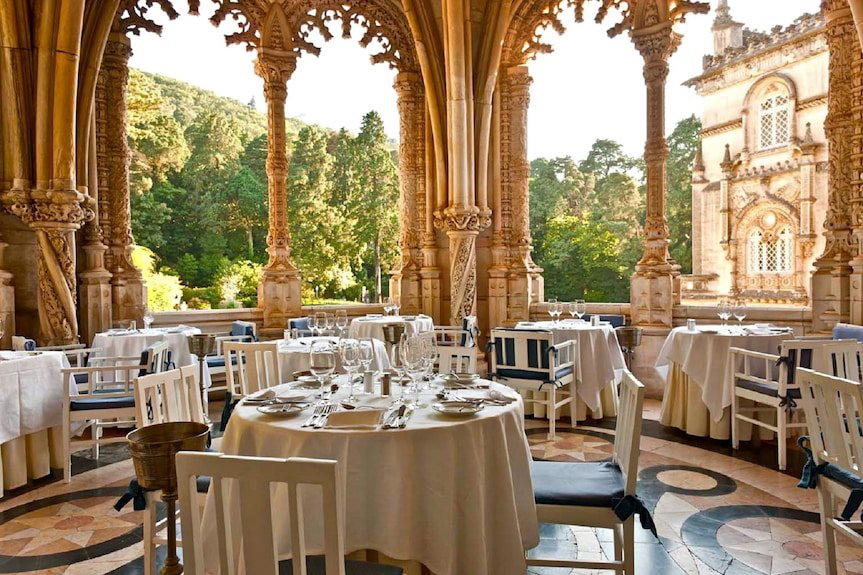
A Forest Palace That Earns Its Category
There is a particular tier of European heritage hotel where the building is the primary argument, and the Bussaco Palace Hotel sits firmly in that group. Approached through the Mata do Buçaco, a walled forest containing species planted by Carmelite monks from the seventeenth century onward, the palace does not announce itself gradually. It arrives as a near-theatrical composition of Manueline-Gothic stonework, turrets, and carved armillary spheres, set against a canopy of cedar and Himalayan pine. That combination of monastic forest and neo-Manueline architecture places it in a competitive set that has almost no direct Portuguese equivalents, and the dual recognition it holds reflects this: a Global Winner for Luxury Palace Hotel and a Continent Winner for Luxury Castle Hotel.
Bussaco's position is categorically different: it is a forest-set property with no urban adjacency, built as a royal hunting lodge and later adapted for hospitality, not a converted city palace. That distinction matters when assessing both what it offers and what it demands of a guest.
The Architecture as the Experience
The palace was constructed at the end of the nineteenth century to designs attributed to Luigi Manini, an Italian stage designer working in Portugal who brought theatrical sensibility to the building's facades. The result is not historical pastiche in the way that many Victorian-era neo-Gothic hotels read today. The Manueline vocabulary, with its maritime motifs, twisted rope stonework, and botanical ornament, is applied with enough density and craft that the building holds up as architecture rather than decoration. Manueline, as a Portuguese late-Gothic style, reached its canonical period in the early sixteenth century at sites like the Jerónimos Monastery and the Tower of Belém. Manini's late-century interpretation at Bussaco is a deliberate continuation of that tradition, and in the context of the surrounding royal forest, it reads with a coherence that many revival buildings never achieve.
The interior carries the external ambition further. Azulejo panels depicting scenes from the Battle of Buçaco (fought in 1810 during the Peninsular War, on the ridge adjacent to the forest) line the principal rooms and corridors. These are not decorative tiles in the generic Portuguese sense but specifically commissioned narrative panels that give the building a programmatic interior identity. The ceilings, staircase vaulting, and carved stone window surrounds continue the Manueline register throughout, producing an environment where the architectural language is consistent from facade to furnishings.
Among Portugal's heritage properties, few maintain this level of stylistic coherence across both exterior and interior. Hotel Britânia Art Deco in Lisbon achieves a comparable integrity within its Art Deco idiom, but in an urban boutique format that operates at the opposite scale. Properties like Casa da Calçada in Amarante and Carmo's Boutique Hotel in Ponte de Lima occupy historic buildings with strong architectural character, but neither attempts the singular Manueline programme that defines Bussaco.
The Forest Setting and Its Consequences
The Mata do Buçaco is not incidental to the property. It is protected national heritage in its own right, a botanical garden of sorts that was enclosed and cultivated long before the palace existed. The forest contains over 700 species of trees, including Himalayan cedars that were among the first planted in Portugal, and walking trails that predate the current hotel building by centuries. For a guest staying at Bussaco, the forest is as much the accommodation as the rooms themselves.
This also explains the geographic logic of the property. Luso is a small spa town in the Beira Litoral region of central Portugal, approximately 30 kilometres from Coimbra. It is not a destination with significant independent hospitality infrastructure, which means the palace functions as an almost entirely self-contained experience. The surrounding region connects to Portugal's broader central interior, including the Serra da Estrela range further east, where properties like Casa das Penhas Douradas in Manteigas and Casas da Lapa Nature and Spa Hotel in Seia offer a different aesthetic reading of Portuguese highland hospitality.
For those already routing through the Douro Valley, properties like Ventozelo Hotel and Quinta in Ervedosa do Douro and Douro Valley Casa Vale do Douro in Cambres present natural companion stops on a broader central Portugal itinerary.
Where It Sits in the Palace Hotel Category
Portugal has a number of historic properties that market themselves as palace hotels, but the category bifurcates sharply between urban conversions with palace-era heritage and genuinely isolated estate properties with intact grounds. Bussaco belongs to the latter group, and its awards position it at the front of that sub-tier globally. The distinction matters practically: an isolated forest palace requires a different kind of guest commitment than a Lisbon or Porto property where the city does part of the work. Guests should plan for at least two nights to absorb both the architecture and the forest, and for an experience that is deliberately self-contained rather than outward-facing.
For guests building a wider Portuguese itinerary that explores heritage-led properties across different regions and price points, the country offers a genuine range: from the Algarve's resort-scale luxury at Anantara Vilamoura Algarve Resort and Conrad Algarve, to design-led boutique properties like M Maison Particulière Porto, to rural farmhouse formats at Craveiral Farmhouse in São Teotónio. Bussaco occupies none of those slots. It is a category unto itself, and the awards record confirms that assessment against a global competitive field.
A Quick Peer Check
Comparable venues nearby, for context on price, style, and recognition.
| Venue | Cuisine | Price | Awards | Notes |
|---|---|---|---|---|
| Bussaco Palace HotelThis venue — the venue you are viewing | Historic royal palace hotel retaining early 20th-century charm in a national forest setting | $$$$ | 5-Star | Not listed |
| Hilton Porto Gaia | Refurbished historic wine warehouse in Gaia's port wine district | $$$$ | 5-Star | Vila Nova de Gaia |
| Octant Furnas | Contemporary luxury eco-conscious retreat blending modern design with volcanic landscape heritage, converted from a historic thermal center. | $$$$ | 5-Star | Furnas |
| LENSCAPE Coterie | Art-led five-star urban retreat that blends contemporary boutique luxury with Porto’s historic fabric and a strong photographic concept. | $$$$ | 5-Star | Centro / Baixa |
| InterContinental Porto Palacio das Cardosas | Renovated 18th-century palace blending old-world elegance with contemporary luxury. | $$$$ | 5-Star | Sé |
| The Editory Boulevard Aliados Porto | Artistic boutique hotel with burlesque-inspired elegance. | $$$$ | 5-Star | Santo Ildefonso |
Recognition history
Dated appearances from independent guides and award organizations, with the underlying list record or original source where available.
World Luxury Hotel Awards WLHA Global Winner
World Luxury Hotel Awards
World Luxury Hotel Awards WLHA Continent Winner
World Luxury Hotel Awards

At a Glance
- Romantic
- Quiet
- Classic
- Elegant
- Historic
- Ornate
- Romantic Getaway
- Honeymoon
- Anniversary
- Weekend Escape
- Historic Building
- Garden
- Terrace
- Wi Fi
- Pool
- Spa
- Restaurant
- Room Service
- Concierge
- Parking
- Elevator
- Garden
- Mountain
- Wi Fi
- Pool
- Spa
- Restaurant
- Room Service
- Concierge
- Parking
- Elevator
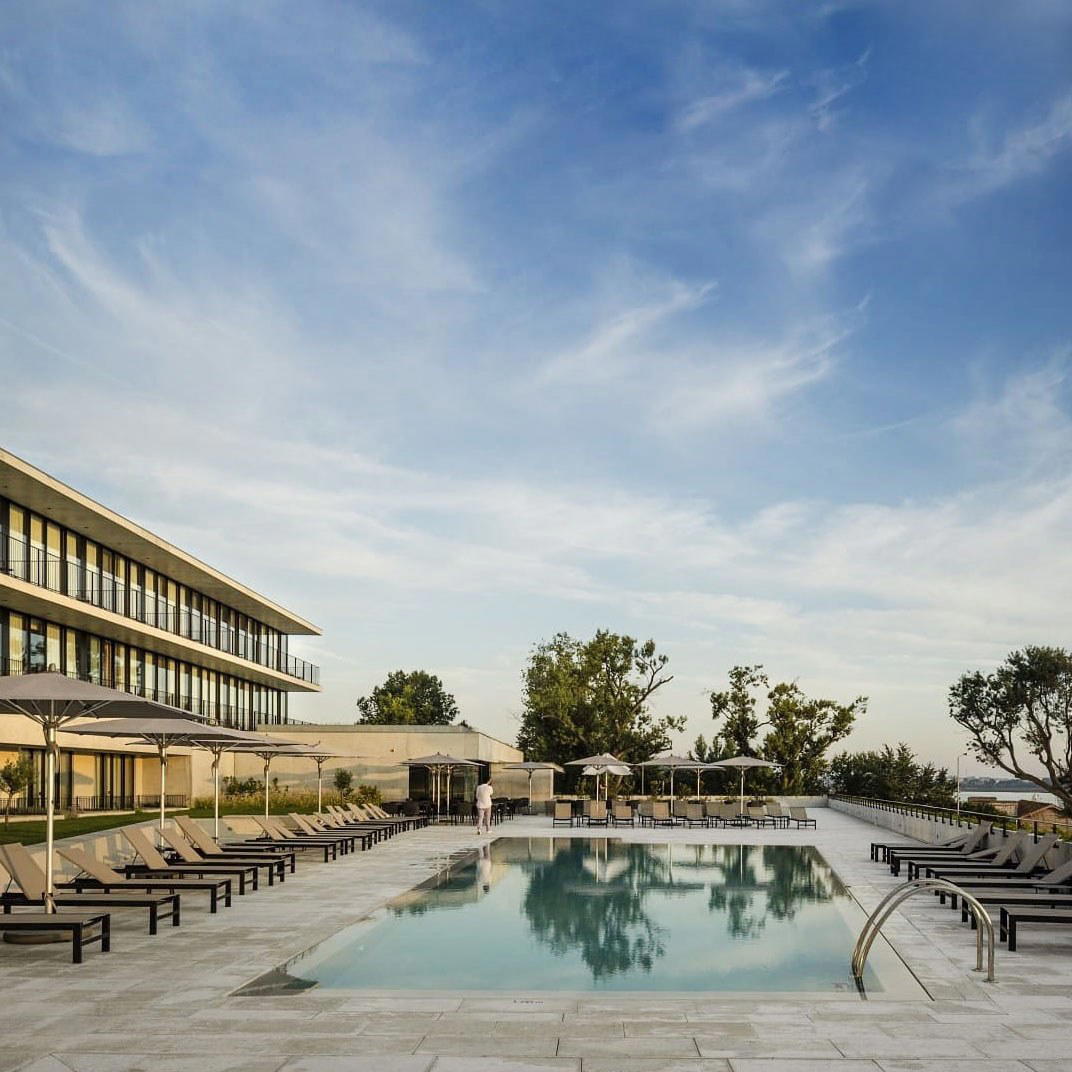
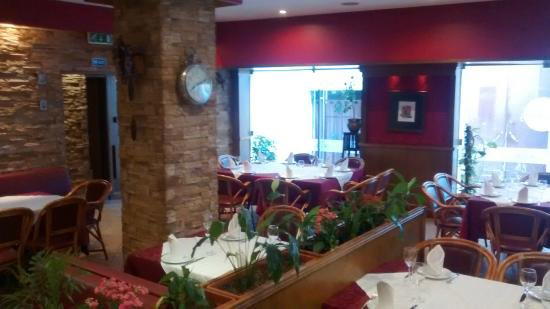
Regal and historic atmosphere with period furniture, antiques, fine paintings, and tiled frescos; tranquil forest setting with cozy lounge areas and elegant dining spaces.