



Michelin Selected · Forbes Recommended · Virtuoso Luxury Hotel Partner
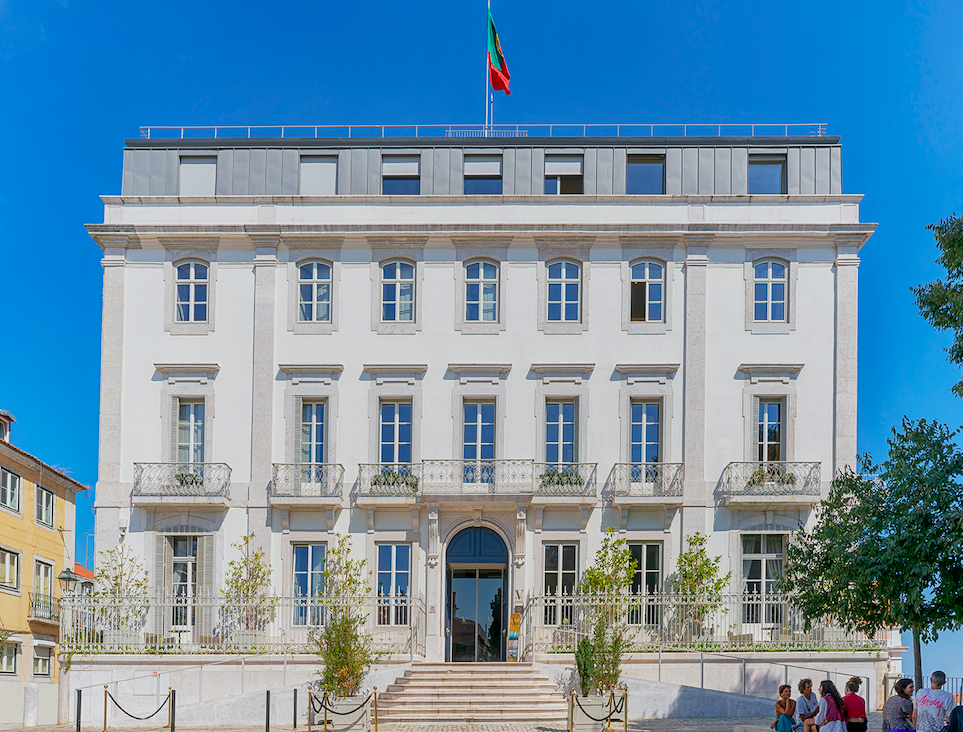
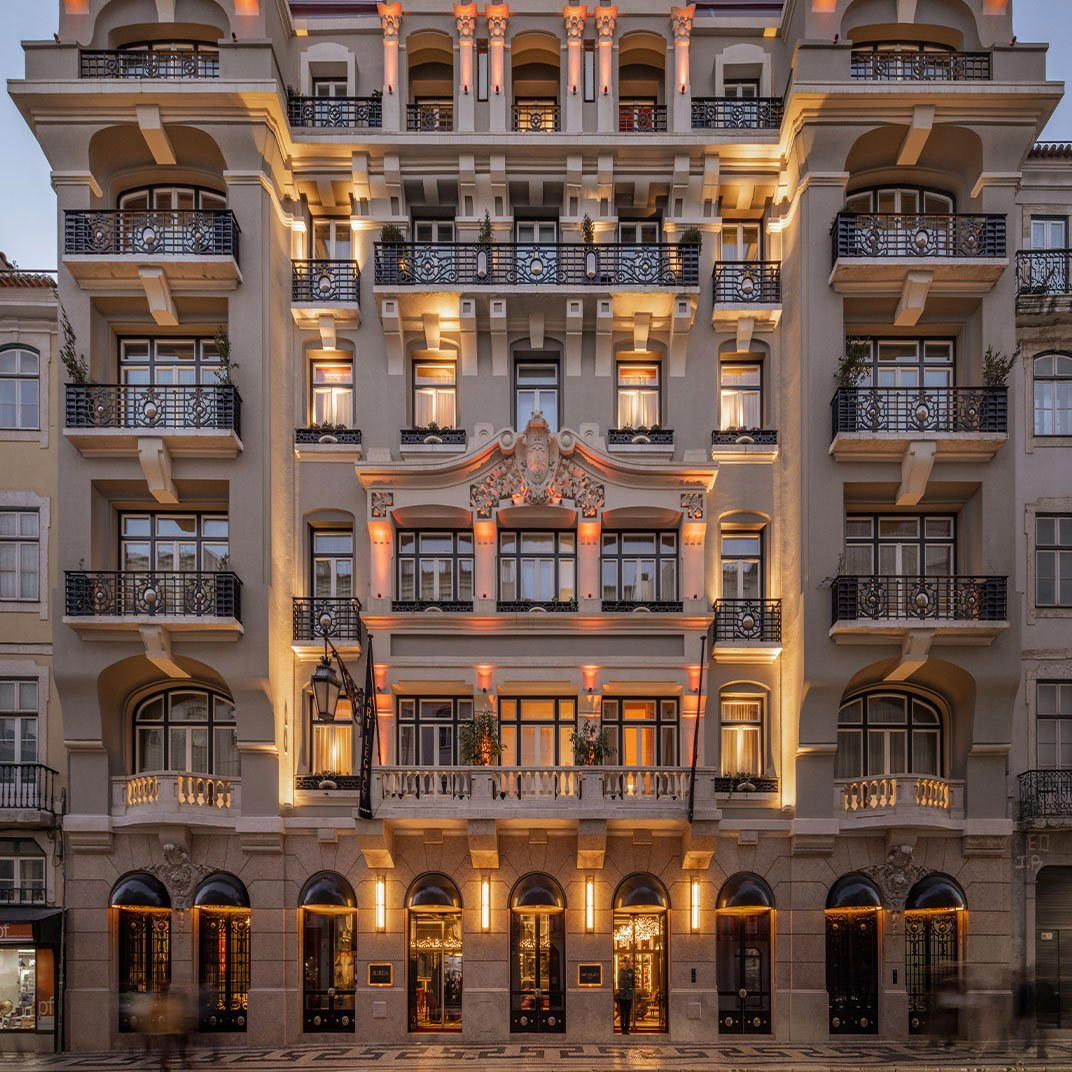
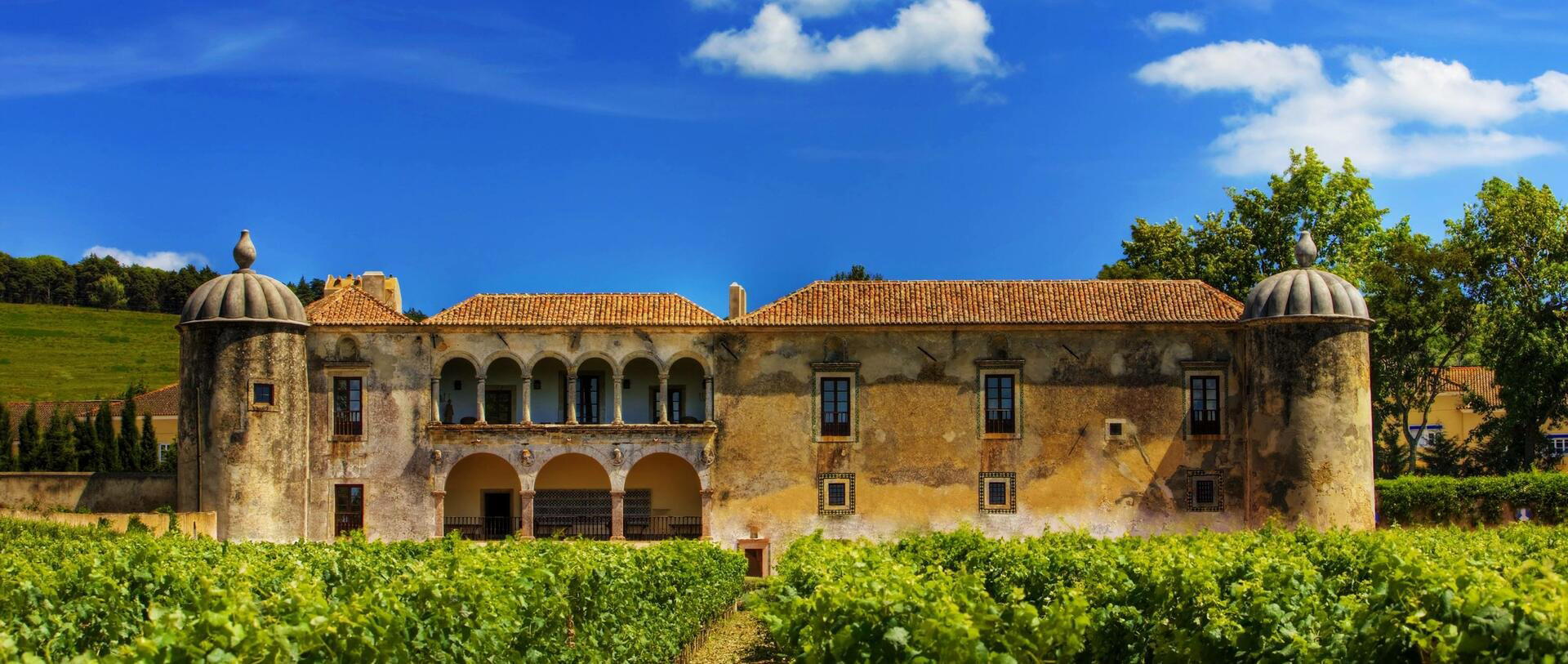
A restored 18th-century palace in Lisbon's Chiado district, Verride Palácio de Santa Catarina holds a Global Winner award for Luxury Historical Hotel and a Country Winner title for Luxury Boutique Hotel. With 19 rooms, a rooftop pool, and two food and drink venues anchored by Portuguese produce, it operates in the intimate end of Lisbon's heritage property market, closer in spirit to a private house than a conventional hotel.

Pearl is the En Primeur Club membership app, where members save venues, book tables and use the concierge.
A Palace in Chiado, and What That Means in Practice
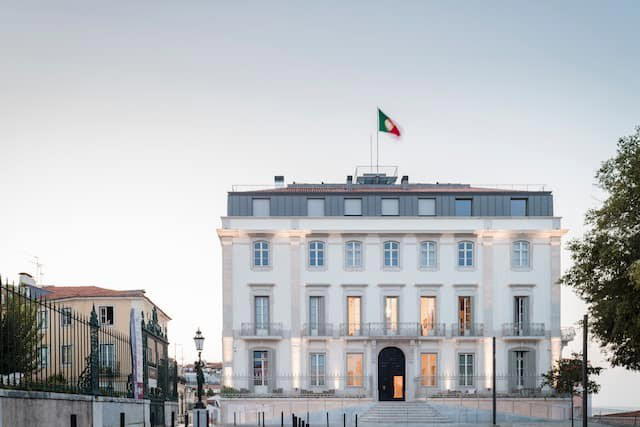
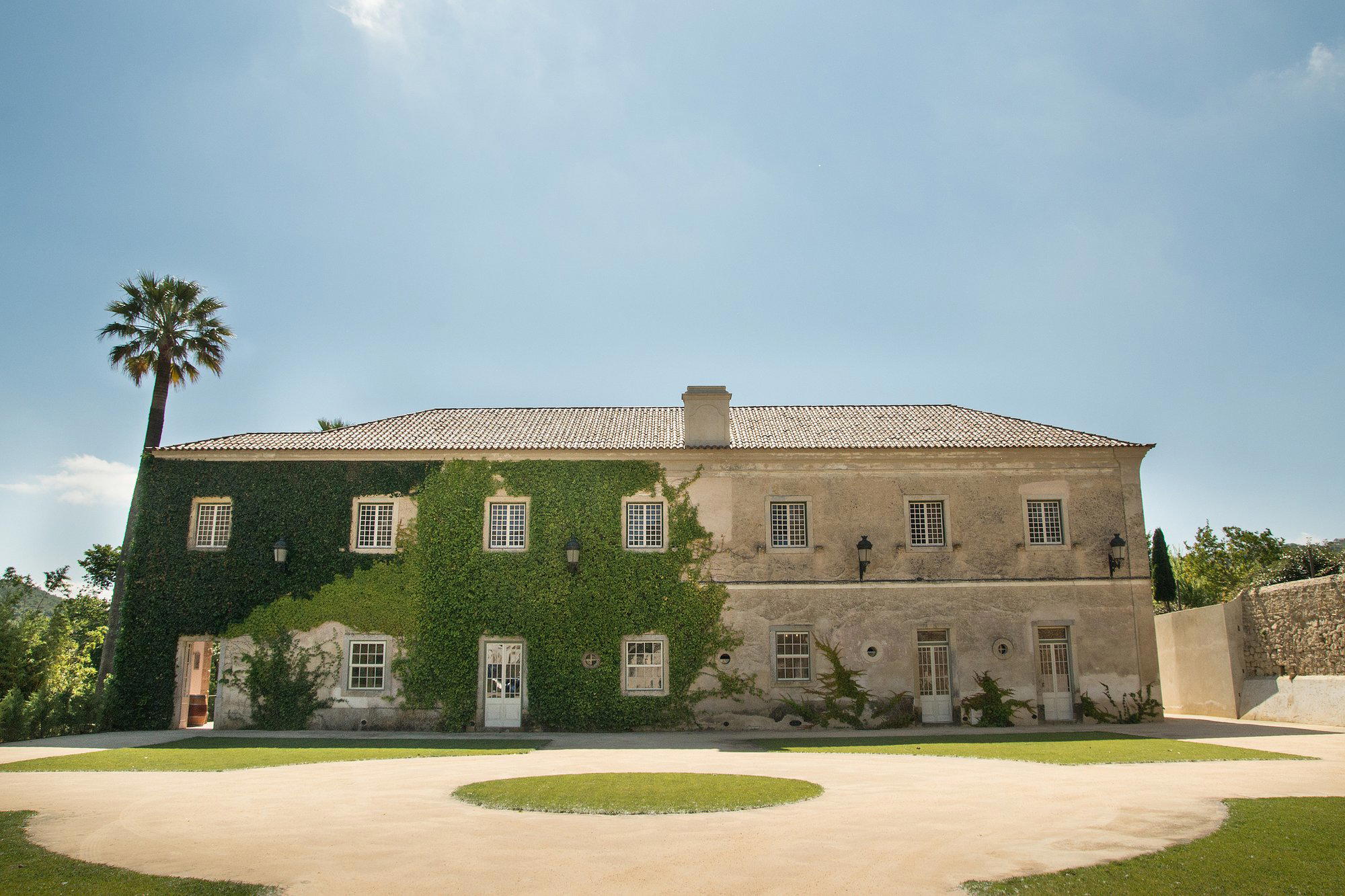
Lisbon's historic-palace hotel segment has grown considerably over the past decade, as foreign capital and renewed civic pride combined to restore properties that once sat dormant or subdivided. Within that cohort, properties split fairly clearly between large-footprint conversions that preserve the façade while installing a full-service hotel inside, and genuinely small-scale restorations where the building's original proportions survive. Verride Palácio de Santa Catarina, sitting on Rua de Santa Catarina in the heart of Chiado, belongs to the second type. At 19 rooms and one adjacent apartment, the building retains the scale of a private 18th-century residence rather than expanding into a commercial property. That restraint shapes everything about how a stay feels, including who you cross paths with at breakfast.
Chiado itself is worth locating on the broader Lisbon map. It sits between the older Alfama quarter and the wide commercial avenues of the Marquês de Pombal grid, absorbing foot traffic from both directions without quite belonging to either. The neighbourhood has historically attracted the city's literary and intellectual culture, and its café tradition runs deeper than the tourist-facing pastelarias of Baixa. For a hotel stay, the positioning means walkable access to the Santa Catarina Viewpoint, the lower end of Bairro Alto, and the ferry terminals connecting to the south bank, practical geography that saves time and reduces dependence on transport. Guests interested in exploring Lisbon's wider dining scene can reference our full Lisbon restaurants guide for context beyond the hotel's own offering.
The Awards, and the Peer Group They Indicate
Verride holds two external recognitions that position it relative to Lisbon's wider hotel market: a Global Winner designation for Luxury Historical Hotel and a Country Winner for Luxury Boutique Hotel. Both signals point toward the same niche. The hotel is not competing against large-format Lisbon addresses like the InterContinental or Sofitel Liberdade, where room counts run into the hundreds and the product is standardised across international brand standards. Its competitive set is closer to properties like Bairro Alto Hotel, AlmaLusa Baixa/Chiado, and Altis Avenida Hotel, properties where historic character and setting specificity carry more weight than branded amenity programmes.
Within Portugal's broader boutique hotel circuit, Verride operates in a tradition that has produced distinctive small properties across the country. Comparable intimacy at different scales can be found at Ventozelo Hotel & Quinta in the Douro Valley, Hospedaria da Pensão Agrícola in the Algarve, or M Maison Particulière in Porto, all properties where the building's history is the product, not its backdrop.
SUBA and the Question of Portuguese Ingredients With International Discipline
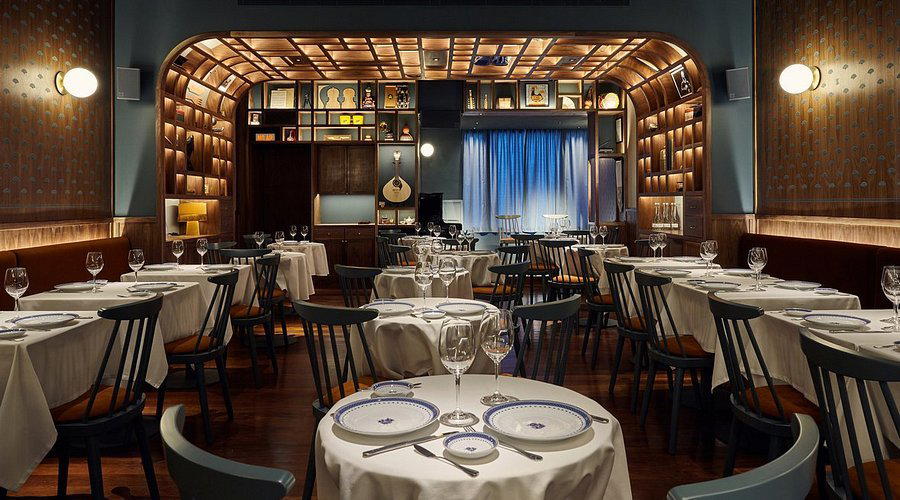
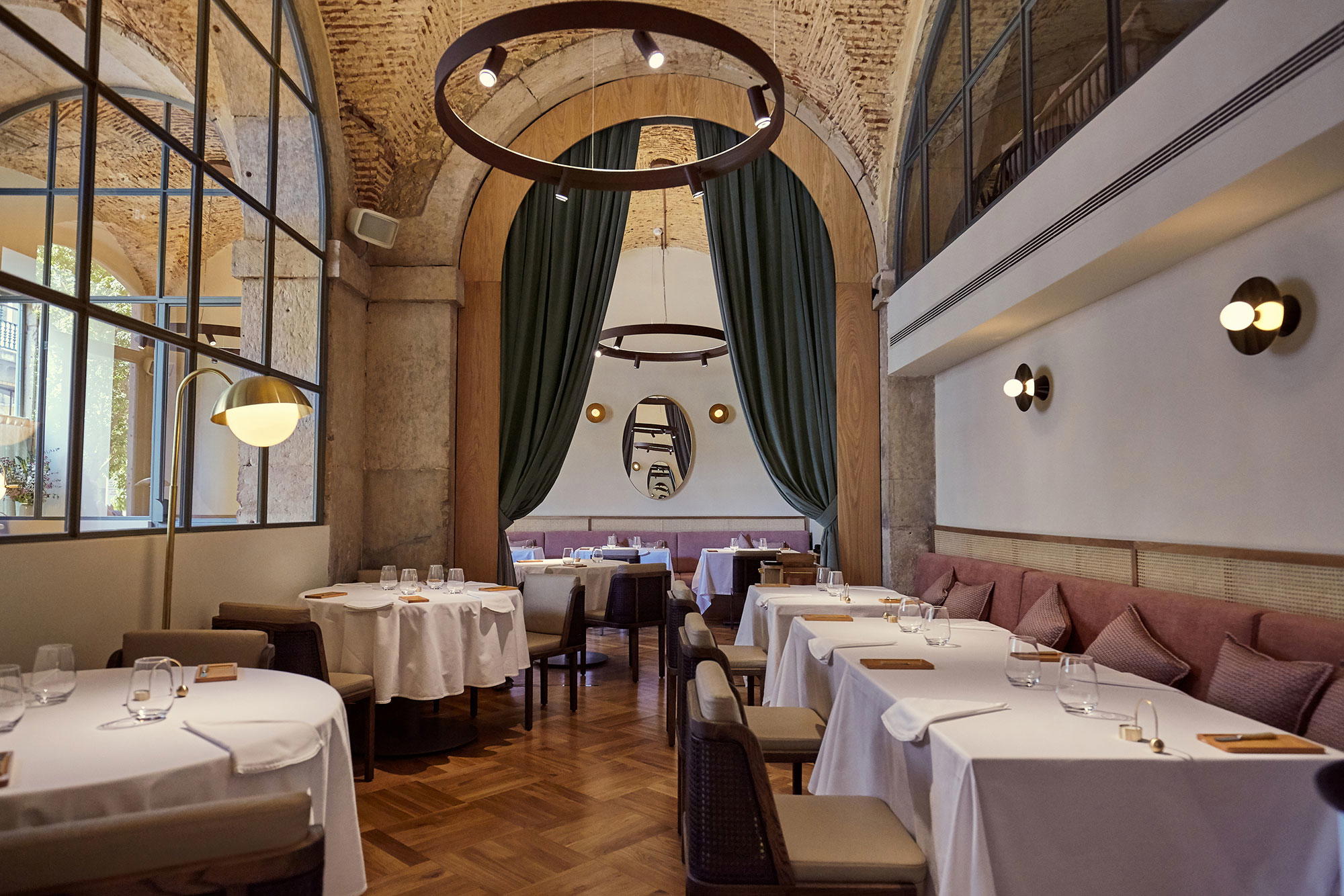
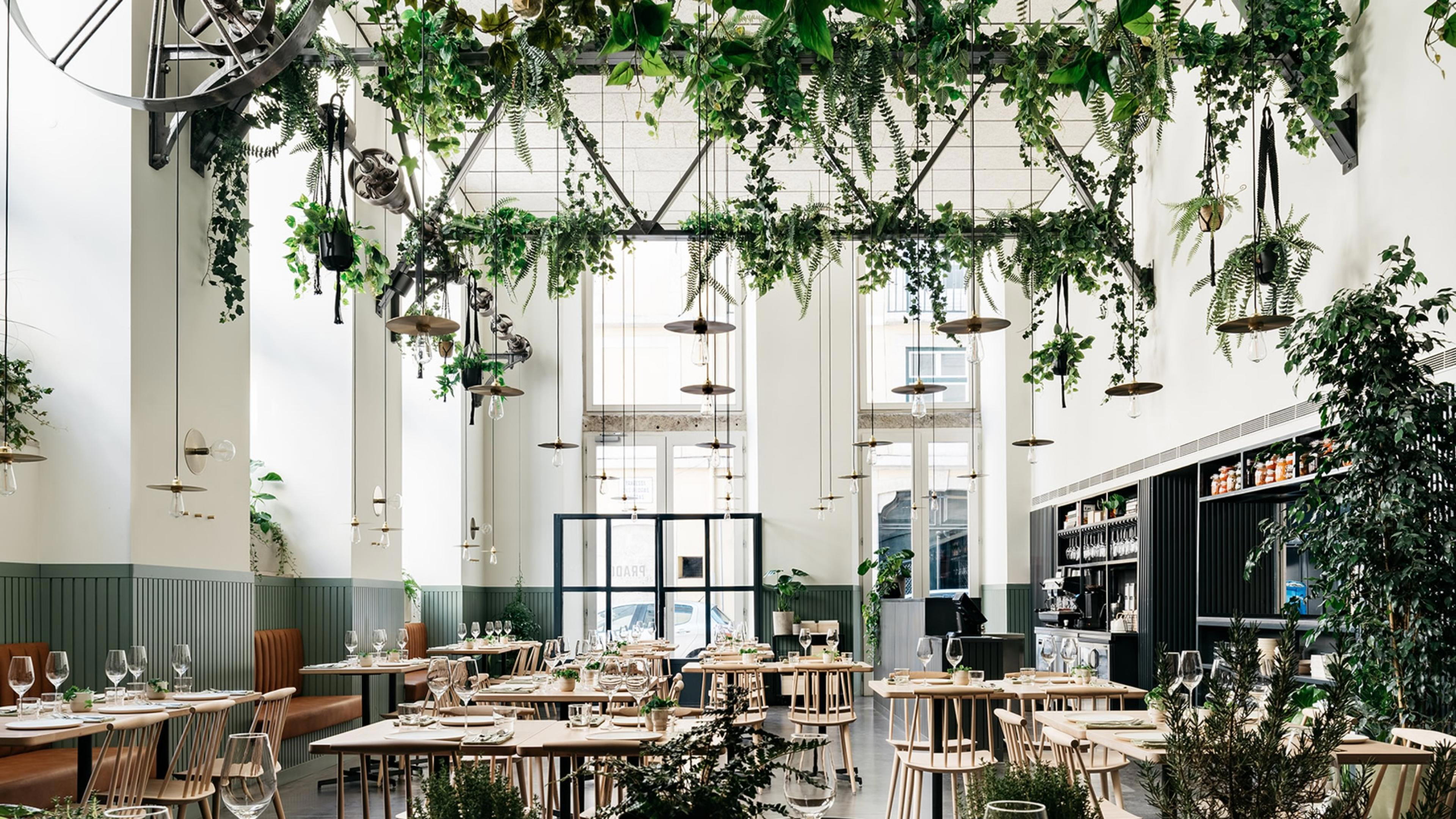
SUBA, the hotel's main restaurant, operates on the leading floor with views across Lisbon's terracotta rooftops. The editorial case for Portuguese fine dining in 2024 rests on a consistent tension: the country's ingredient base, from its Atlantic fish to its serra cheeses and alentejano black pork, is competitive with any European larder, but the technical language used to present those ingredients has shifted meaningfully toward international frameworks. What was once a cuisine of long braises and communal serving is increasingly expressed through contemporary plating, reduction sauces, and ingredient-led tasting menus built on the logic of French and Nordic kitchens.
SUBA sits inside that broader shift. The restaurant is described as serving bold, creative Portuguese fare, which in practice means the product identity is local while the culinary grammar draws from wider sources. This intersection of indigenous ingredients and imported technique defines where Portuguese fine dining has landed commercially, and it gives travellers a way into the cuisine that is immediately legible while still being genuinely rooted. Breakfast at the hotel reinforces this orientation: the kitchen prepares custom meals to order for each guest, a format that trades buffet efficiency for something closer to private dining, useful context for understanding how the property prices and positions its hospitality more broadly.
The Rooms, the Architecture, and How They Connect
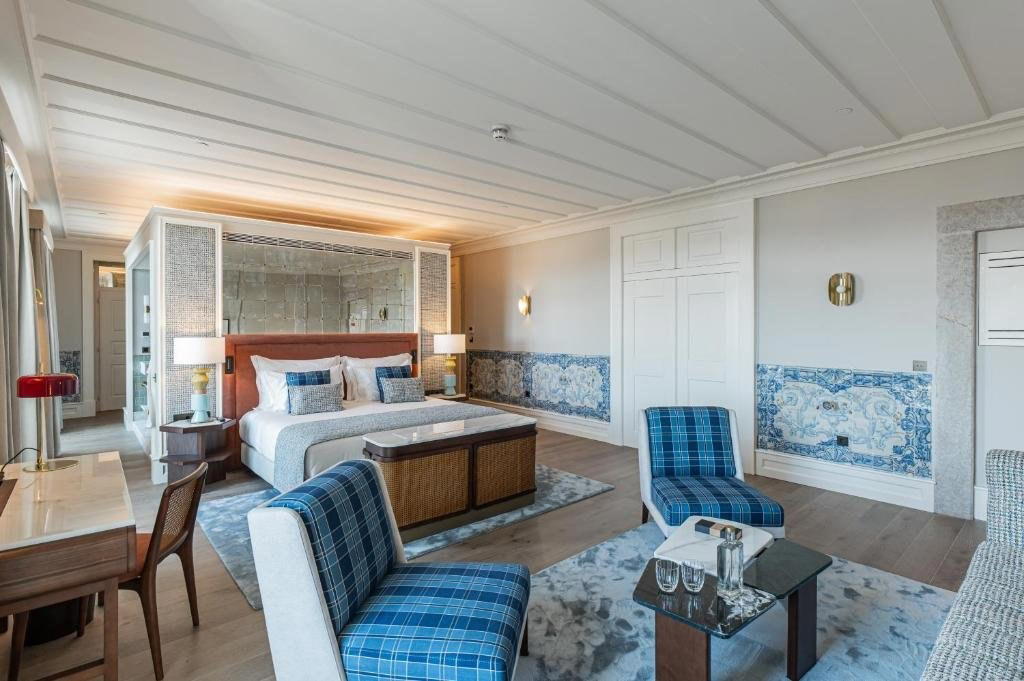
The 18th-century building's interior survives in ways that vary by room category, and those differences matter more than they might at a purpose-built hotel. The Arch Room, with its original stone arches and double-height ceilings above a balcony overlooking Praça de Santa Catarina, is the room where the building's age is most physically present. The Queen Suite retains rococo-style molding and hand-painted silk panels alongside butler service, and its bathroom features traditional blue-and-white azulejo tilework, the same ceramic tradition that lines Lisbon's historic churches and railway stations, here in private use.
Across the room categories, views function as a design element in their own right. City View rooms frame Lisbon's terracotta roofline in neutral cream and grey palettes that recede deliberately, letting the cityscape carry the visual weight. River View rooms in corner positions deliver the Tagus, which on clear days stretches wide enough to read as a sea rather than a river. Those two orientations cover the property's primary spatial appeal: the city's medieval texture on one axis, the waterway that shaped its commercial and imperial history on the other.
Travellers comparing Lisbon heritage properties at a similar scale might also consider A Casa das Janelas Com Vista, As Janelas Verdes, 1908 Lisboa Hotel, or Art Legacy Hotel Baixa-Chiado. Each approaches Lisbon's architectural inheritance at a different price point and with a different degree of contemporary intervention.
The Rooftop, Timed for the Light
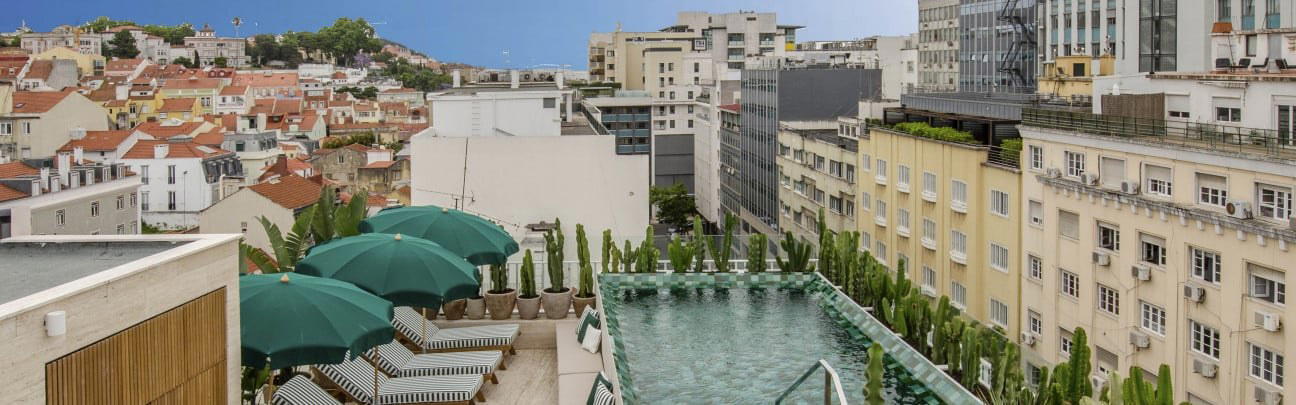
Lisbon's rooftop bar culture has intensified sharply over the past five years, driven by the city's elevation changes and the number of historic buildings tall enough to clear the surrounding skyline. Most of those rooftops serve the same commercial purpose: a perch for aperitivos with a view. The rooftop at Verride adds a pool to that formula, which changes the temporal logic of how guests use the space. Rather than a pre-dinner stop, it becomes a daytime destination, and the 360-degree view across the old town to the Tagus makes the timing of arrival consequential. Arriving in the hour before sunset, when the light flattens and warms across the terracotta rooftops, delivers a different experience than mid-afternoon. The Lisbon Club 55 Bar occupies a separate atmospheric register, positioned for cocktails and Portuguese flavours in an indoor setting that functions when the rooftop does not.
Planning a Stay
The property sits at Rua de Santa Catarina 1, 1200-401 Lisboa, walkable from the Chiado metro station and within easy reach of the city's historic core. With 19 rooms and one apartment (available for stays of five nights minimum), advance booking is worth prioritising, particularly across the spring and autumn shoulder seasons when Lisbon's visitor numbers run high. Guests visiting further afield in Portugal might also reference properties like Casa Vale do Douro in Cambres, Villa Epicurea in Sesimbra, Craveiral Farmhouse in the Alentejo, Masana Algarve in Albufeira, Anantara Vilamoura Algarve Resort, Bela Vista Hotel & Spa in Praia da Rocha, Q.ta da Corte in Valença do Douro, 3HB Faro, and Bussaco Palace Hotel in Luso for a broader picture of what Portugal's historic and boutique property circuit looks like outside Lisbon. For international comparisons at a similar intimacy level, Aman Venice and Boutique Hotel Teatro in the Azores occupy related territory in different geographies. The property is pet friendly and maintains 24-hour room service alongside its restaurant, bar, and rooftop pool facilities.
Recognition, Side-by-Side
Comparable venues nearby, for context on price, style, and recognition.
| Venue | Cuisine | Price | Awards | Notes |
|---|---|---|---|---|
| Verride Palácio de Santa CatarinaThis venue (the venue you are viewing) | Restored 18th-century aristocratic palace blending historic architecture with contemporary luxury. | Not listed | Michelin Selected · Forbes Recommended | Not listed |
| Valverde Lisboa Hotel & Garden | Discreet luxury townhouse with Portuguese interiors, heavy fabrics, and curated artwork by Maria Helena Vieira da Silva and Moorish floor tiles. | $300–500 | Michelin Selected · La Liste Top Hotels | Baixa |
| MYRIAD by SANA | Contemporary high-rise luxury hotel with sail-shaped architecture overlooking the Tagus River. | Not listed | World Luxury Hotel Awards WLHA Country Winner · Preferred Hotels L.V.X. Collection | Olivais Norte |
| The Lumiares Hotel & Spa | Contemporary luxury apartment-hotel in a restored 18th-century palace, blending Portuguese heritage with modern minimalist design. | $200–300 | Michelin Selected · Mr & Mrs Smith Seal of Approval | Bairro Alto |
| InterContinental Cascais-Estoril | Modern luxury beachfront boutique | $300–500 | Virtuoso Luxury Hotel Partner · Forbes 4-Star | Estoril |
| Tivoli Avenida Liberdade | Historic luxury hotel blending traditional Portuguese architecture with modern five-star amenities | Not listed | Michelin Selected · Virtuoso Luxury Hotel Partner | Rato |
Recognition history
Dated appearances from independent guides and award organizations, with the underlying list record or original source where available.
Michelin Selected
Michelin
Forbes Recommended
Forbes
Virtuoso Luxury Hotel Partner
Virtuoso
Small Luxury Hotels of the World Member
Small Luxury Hotels of the World
World Luxury Hotel Awards WLHA Global Winner
World Luxury Hotel Awards
Full recognition history (7 entries)
Forbes Recommended
Forbes
World Luxury Hotel Awards WLHA Country Winner
World Luxury Hotel Awards
Continue exploring
More in Lisbon
Hotels in Lisbon
All hotels in Lisbon →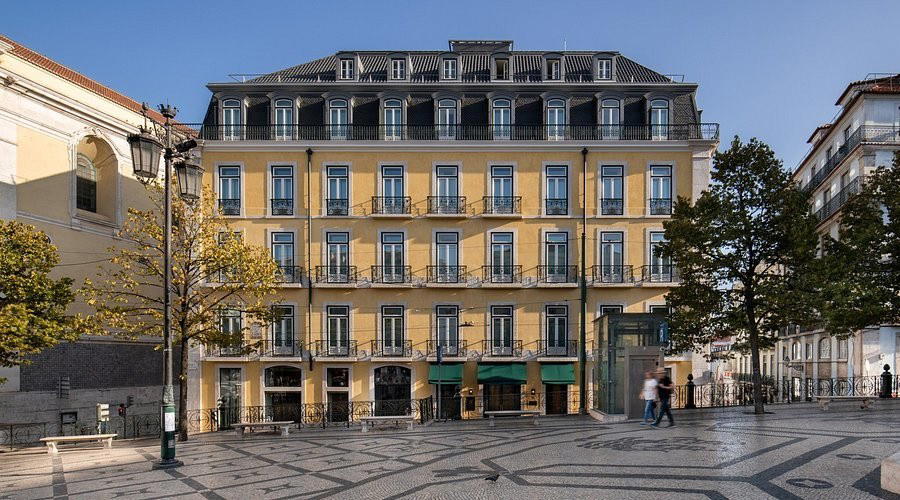
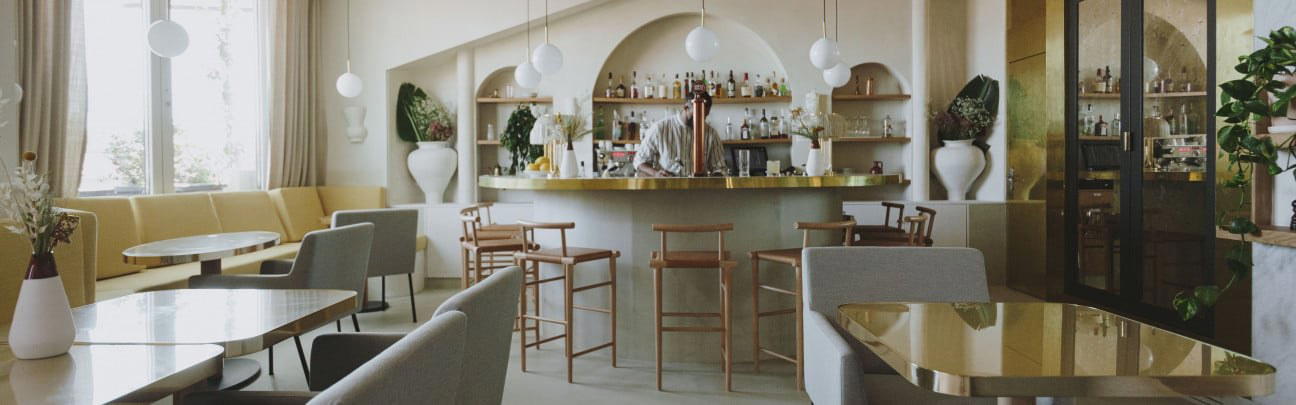
Bars in Lisbon
All bars in Lisbon →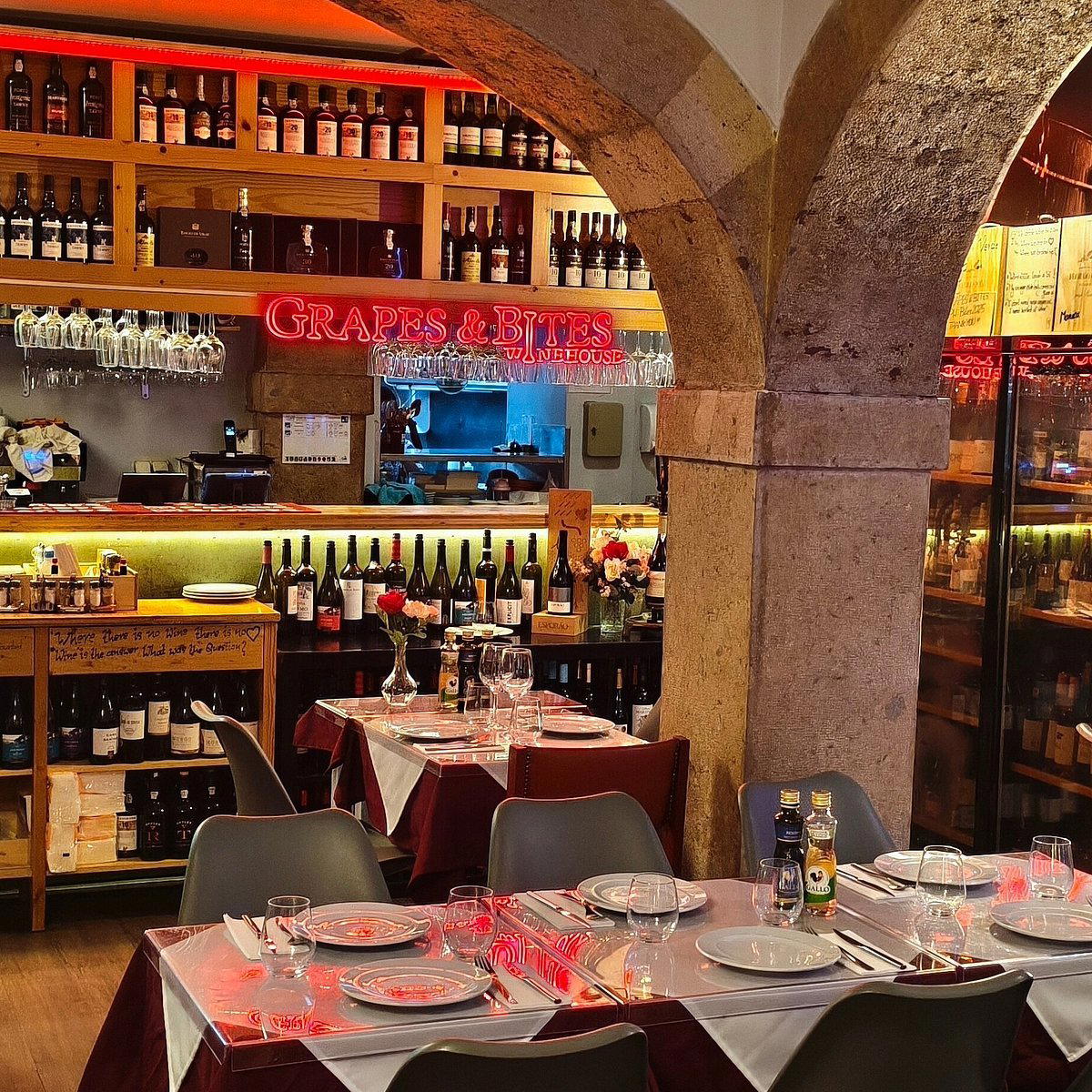
Restaurants in Lisbon
All restaurants in Lisbon →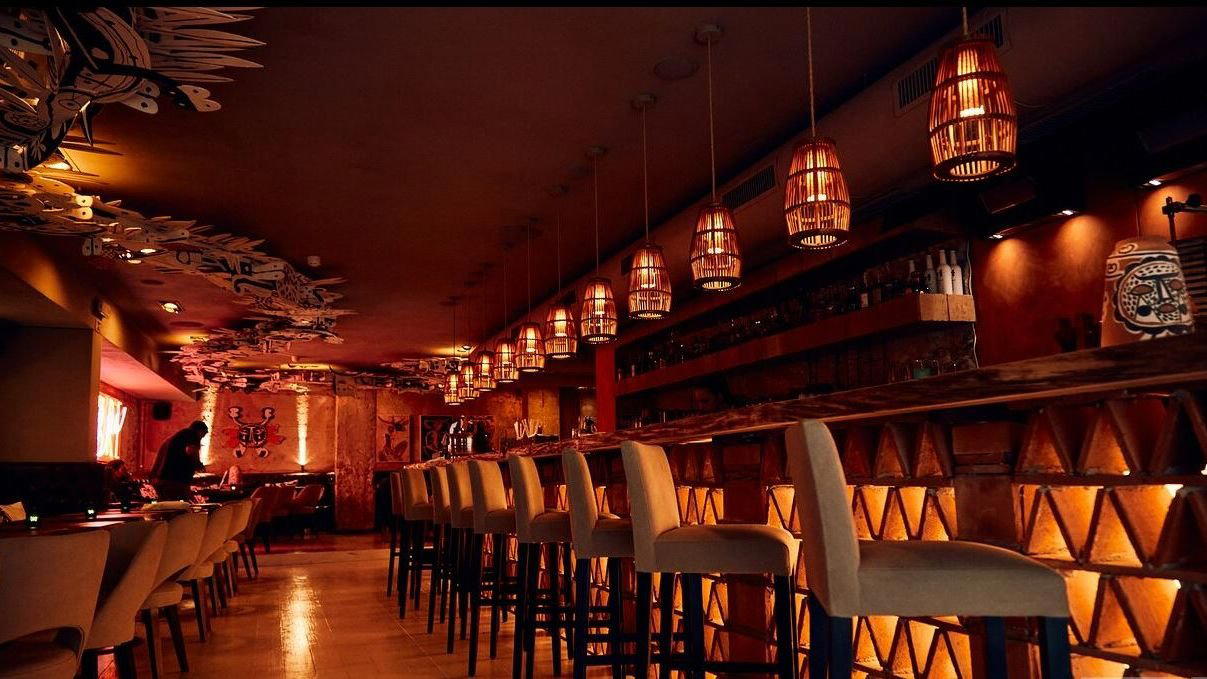

Details
- Elegant
- Sophisticated
- Romantic
- Ornate
- Romantic Getaway
- Honeymoon
- Anniversary
- Historic Building
- Rooftop Pool
- Panoramic View
- Terrace
- Wi Fi
- Pool
- Spa
- Room Service
- Concierge
- Valet Parking
- Restaurant
- Bar
- Skyline
- Waterfront
- Wheelchair Accessible
- Elevator
- Step Free Entrance
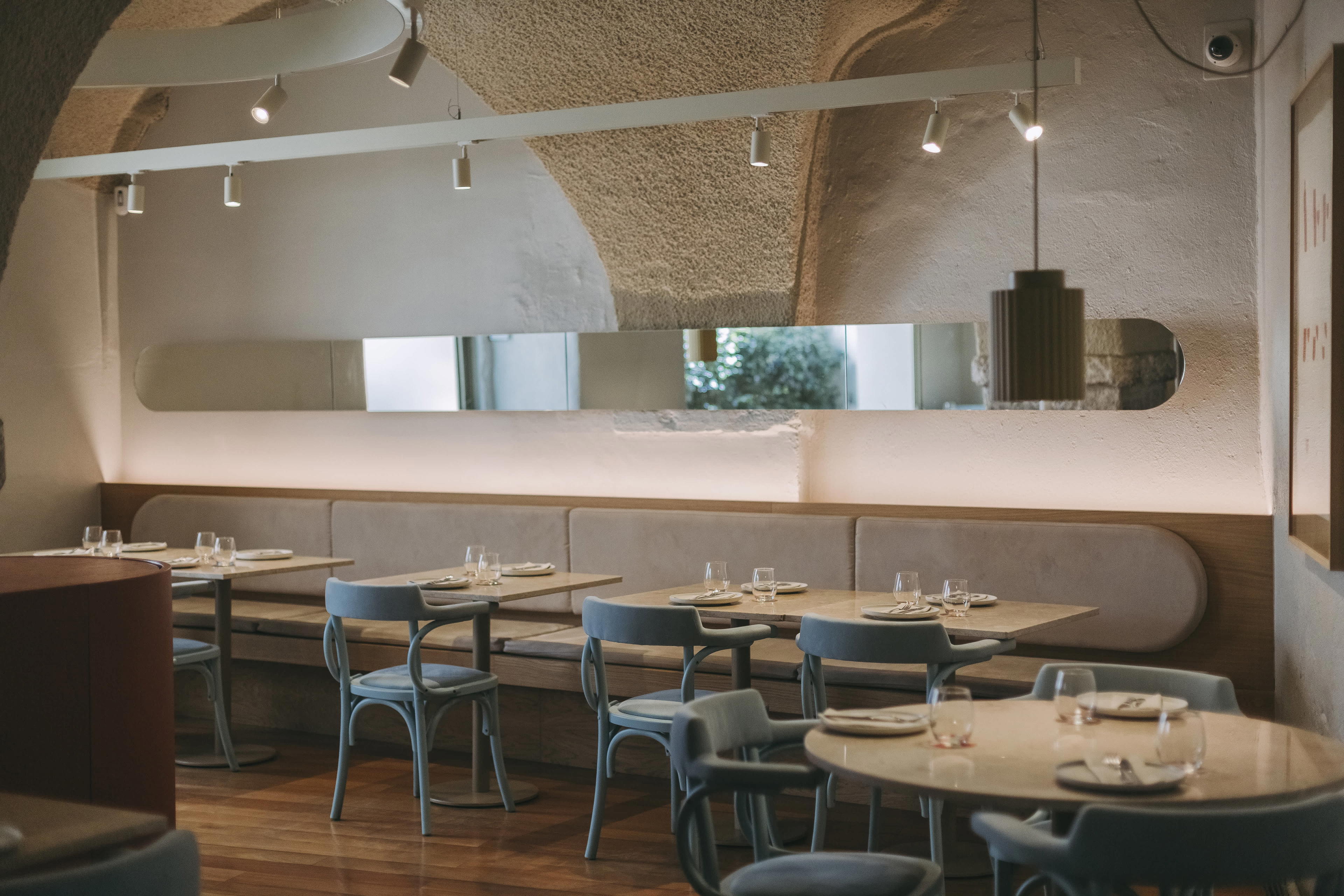
Elegant blend of preserved rococo stuccos, wooden ceilings, and modern chic interiors with natural light and serene, sophisticated atmosphere.