
SÁLA de João Sá holds a Michelin star in Lisbon's Baixa district, where an open kitchen and tasting menus titled 'Horizon at Sight' and 'In Search of New Flavours' anchor a format built around Portuguese ingredients pulled through a distinctly Asian lens. The kitchen operates Tuesday through Saturday evenings, with Saturday lunch service added. At the €€€ price point, it sits a tier below the city's top creative tables while matching them on critical recognition.
Pearl is the En Primeur Club membership app — saves, bookings, and concierge access live there. Same editors, same standards.
- Address
- R. dos Bacalhoeiros 103, 1100-068 Lisboa, Portugal
- Phone
- +351 21 887 3045
- Website
- restaurantesala.pt
 Saves & bookings on Pearl
Where Baixa Meets the Inspectors
SÁLA de João Sá is a one-star restaurant in Lisbon's Baixa district, set at R. dos Bacalhoeiros 103, 1100-068 Lisboa, Portugal. That tension is part of what makes SÁLA de João Sá worth paying attention to. The restaurant earned its first Michelin star in 2024, a recognition that places it alongside a relatively small cohort of Lisbon addresses operating at that level of critical scrutiny. The open kitchen is visible from the entrance, a deliberate structural choice that keeps the cooking in view.
Lisbon's starred dining scene has consolidated around two broad tendencies. The first is the modern Portuguese canon: precise technique applied to Atlantic and Alentejo ingredients, often in grand or design-forward rooms. The second, smaller current runs toward kitchens that treat Portuguese produce as a starting point rather than a destination, routing it through references drawn from elsewhere. SÁLA belongs firmly to the second group. The cooking reflects that framing, with a particular focus on Asian flavour structures applied to Portuguese base ingredients.
What the Star Actually Signals
A 2024 Michelin star carries specific weight in the context of Lisbon's dining tier structure. At roughly $100 per person, SÁLA sits below the city's four-symbol tables. That positioning matters. SÁLA's star was awarded at a price level where the value-to-recognition ratio is genuinely compelling; it is harder to earn critical acknowledgment when you are not charging at the top of the market, because the kitchen cannot rely on the luxury-product shorthand that expensive ingredients provide. The Michelin Guide describes the restaurant as having come of age.
Among Lisbon's other starred addresses, the comparison set is instructive. Marlene, Boubou's, Essencial, and Terroir each represent different approaches to the same question: what does serious dining mean in a city that is simultaneously a global tourist draw and a domestic gastronomic capital? SÁLA answers that question through a globalised vocabulary applied to local material, a model closer to what certain Stockholm or Dubai kitchens have built than to the Algarve and Douro Valley tradition. For wider reference points across Portugal's Michelin landscape, Vila Joya in Albufeira, Antiqvvm in Porto, Casa de Chá da Boa Nova in Leça da Palmeira, Il Gallo d'Oro in Funchal, The Yeatman in Vila Nova de Gaia, and Ocean in Porches provide the fuller national context against which a Baixa one-star should be read.
The Format and the Room
The tasting menu format at SÁLA is the dominant mode, which is consistent with how most single-star kitchens in European capitals now operate. The menu as a structure allows the kitchen to control narrative and sequence, to build from lighter, more acidic openings toward richer, more textured courses, and to deploy the Asian-inflected combinations that define the restaurant's identity at the moments of highest contrast. The Michelin Guide specifically references couscous with lobster and codium as an example of this approach. That kind of dish, restrained in execution, deliberately surprising in combination, is a reliable marker of a kitchen that has thought carefully about when to show off and when to step back.
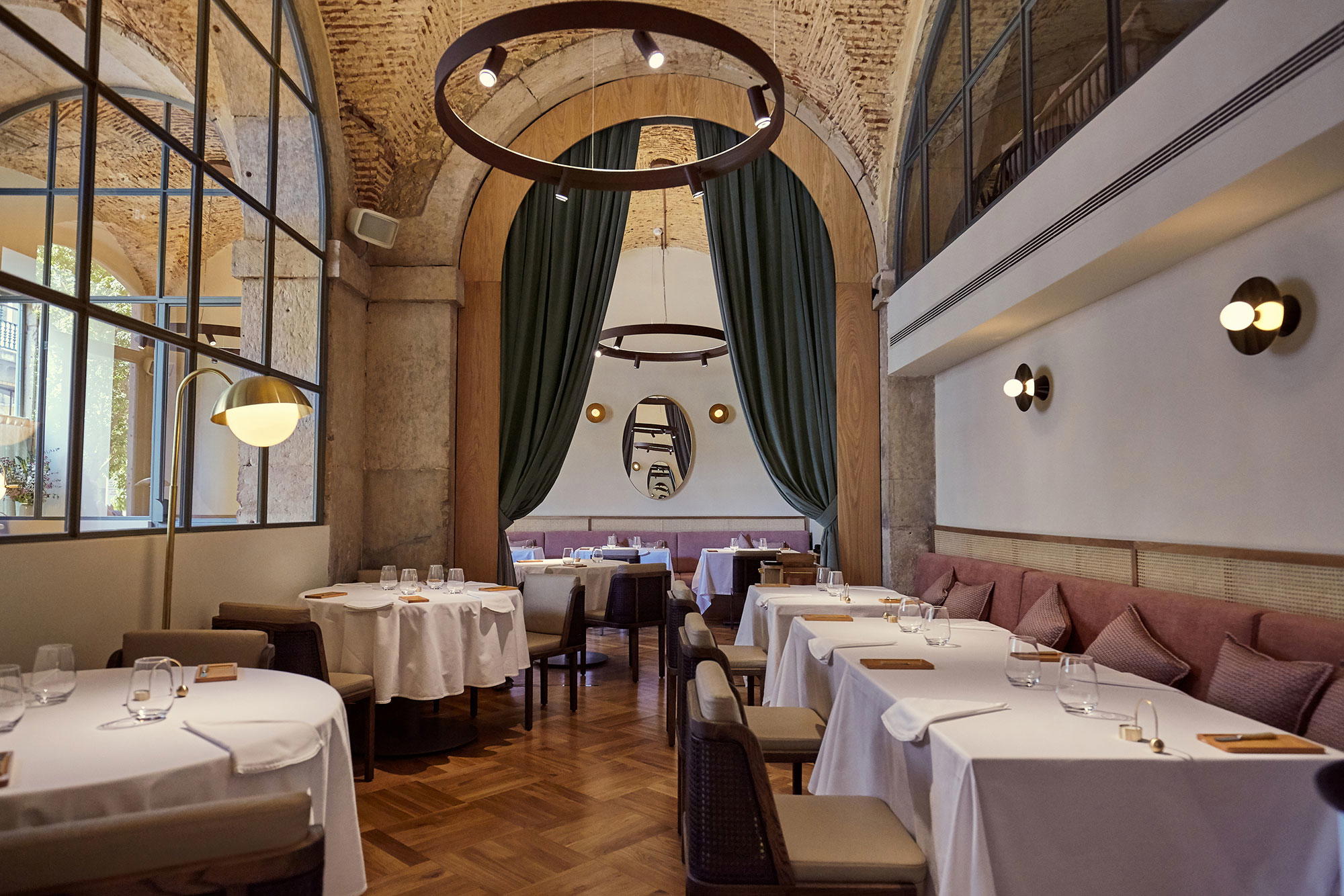
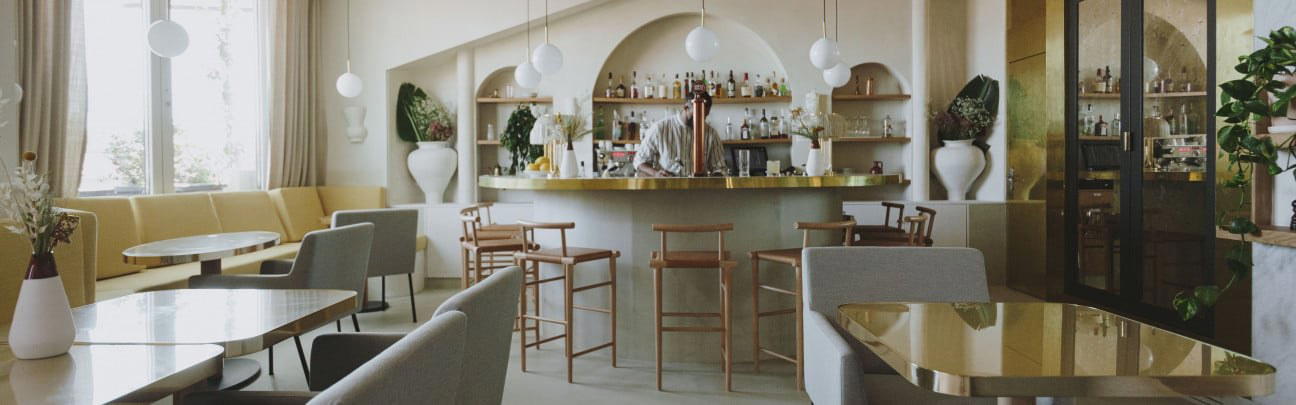
The room itself reinforces a particular kind of hospitality register. Chef João Sá moves between tables during service, explaining dishes directly to guests. In the context of tasting menu dining, this is not unusual, but the inspectors flagged it as a defining quality of the experience, the sense that explanation is built into the format rather than offered on request. For diners who want to understand what they are eating and why combinations work as they do, that approach is genuinely useful. For those who prefer more distance between the kitchen's logic and the table, it is worth knowing in advance.
Google rating of 4.7 across 594 reviews places SÁLA in a narrow band of Lisbon restaurants where critical acclaim and public reception align. That alignment is not automatic, plenty of starred addresses collect lower public scores, often because the format is demanding or the price differential from expectations is too wide. At the €€€ tier, SÁLA avoids the accessibility gap that occasionally opens between Michelin recognition and guest satisfaction at higher price points.
Lisbon in a Broader Creative Frame
SÁLA uses the techniques and flavour logic of one cuisine to reframe the ingredients of another, and that has particular resonance here. Portugal's larder is genuinely rich: Atlantic seafood, Alentejo dry-cured meats, açorda bread traditions, codfish in its dozens of preparations. The question every serious Lisbon kitchen now faces is whether to deepen into that tradition or to use it as raw material for something with a wider frame of reference. SÁLA's answer is clearly the latter. The Asian focus is not decorative; it appears throughout the menu rather than as an occasional accent.
That positions the restaurant in an international creative conversation. SÁLA's version is rooted in Portuguese ingredients rather than Nordic ones, but the structural logic, using Japanese technique and flavour sensitivity as a lens on local produce, runs along similar lines. What distinguishes the Lisbon version is the Atlantic character of the base materials: the codium seaweed, the lobster, the seafood-centred courses that the inspectors highlighted. The sea is not incidental to this kitchen; it is the ingredient category through which the Asian influence is most legible.
Planning a Visit
Saturday extends the week with a lunch sitting from 12:30 PM to 2:00 PM in addition to the evening service. Sunday and Monday are closed. The address is Rua dos Bacalhoeiros 103, in Lisbon's Baixa district, which is walkable from most central accommodation and well-served by metro and tram. The €€€ pricing places the restaurant clearly below the city's top-tier tasting menu addresses, making it an appropriate first encounter with Lisbon's starred scene for those who want to calibrate before committing to higher price points.
Just the Basics
Comparable venues nearby, for context on price, style, and recognition.
| Venue | Cuisine | Price | Notes |
|---|---|---|---|
| SÁLA de João Sá | Castelo, Modern Portuguese Fine Dining | $$$ | |
| EPUR | Chiado, Modern Portuguese Fine Dining | $$$$ | |
| Kanazawa | $$$$ | Pedrouços, Traditional Japanese Omakase and Kaiseki | |
| Oficio | Chiado, Modern Portuguese Small Plates | $$$ | |
| 2Monkeys | $$$$ | Baixa, Modern European Contemporary with Portuguese Flavors | |
| 50 seconds from Martin Berasategui | $$$$ | Olivais Norte, Avant-Garde Spanish Fine Dining |
Continue exploring
More in Lisbon
Restaurants in Lisbon
Browse all →
Bars in Lisbon
Browse all →
Hotels in Lisbon
Browse all →

At a Glance
- Modern
- Intimate
- Elegant
- Cozy
- Special Occasion
- Date Night
- Group Dining
- Open Kitchen
- Extensive Wine List
- Local Sourcing
- Farm To Table
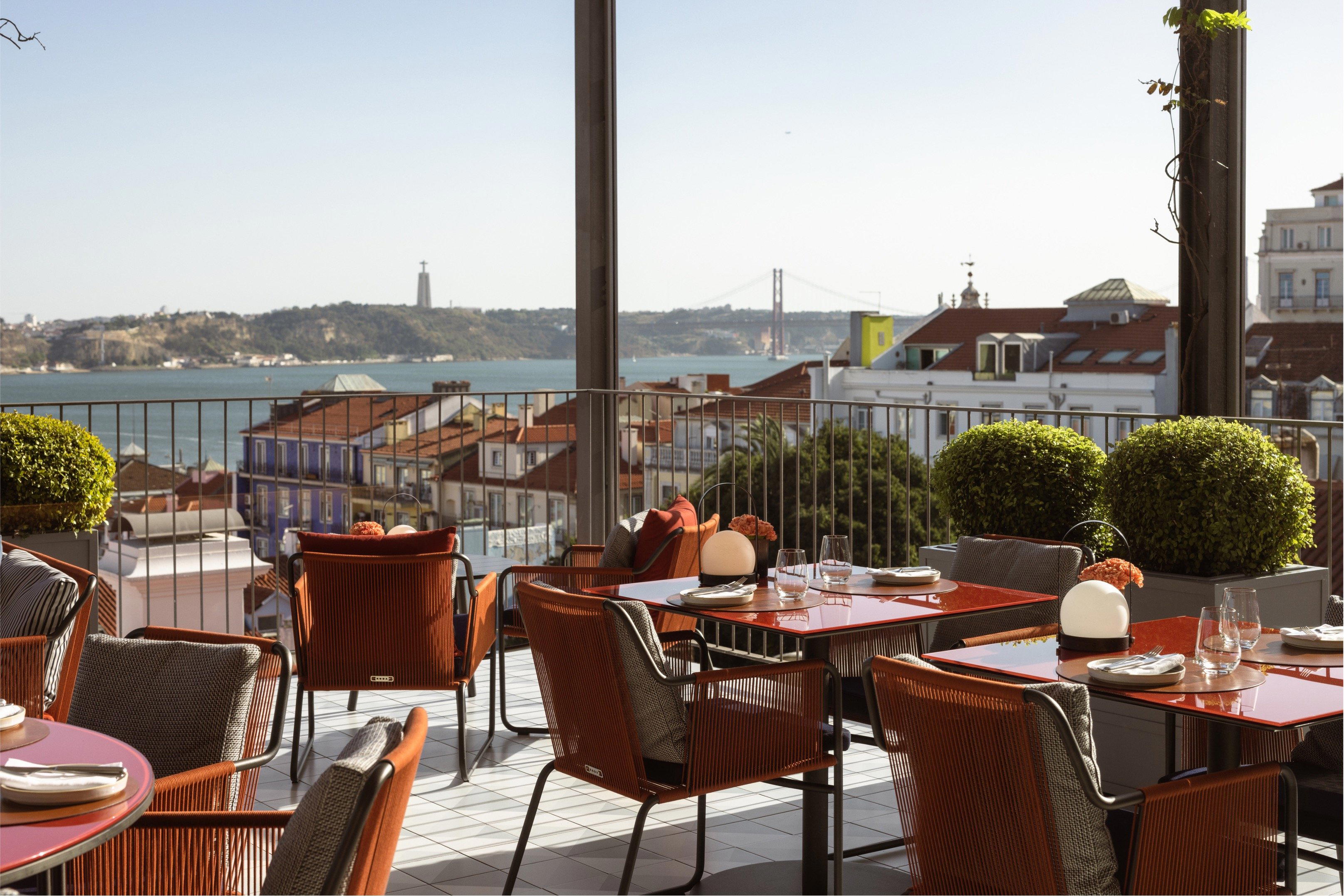
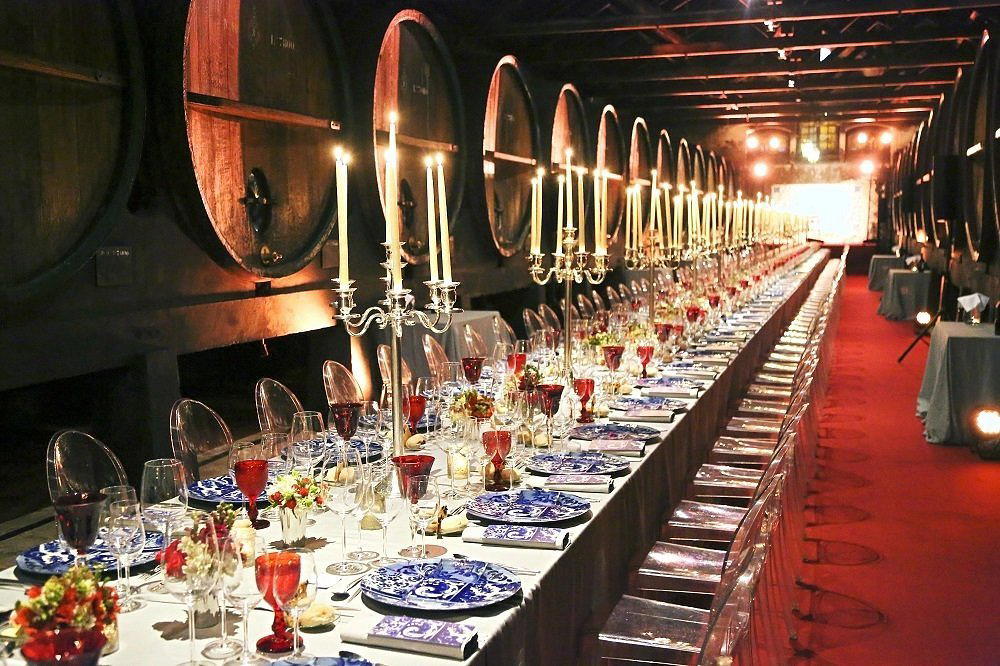
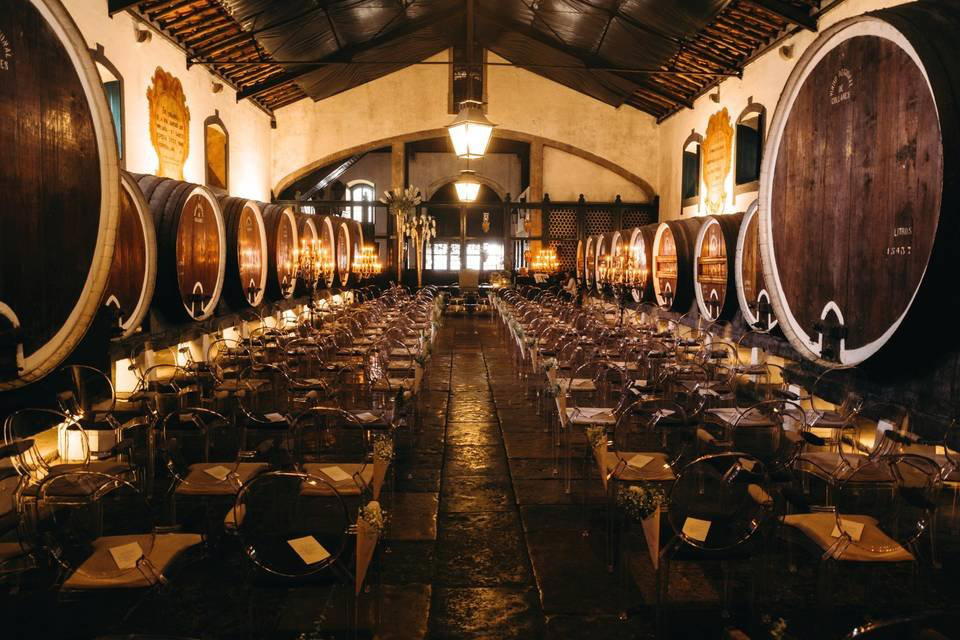
Warm, welcoming modern interior with clean Portuguese design and an open kitchen fostering an intimate, home-like atmosphere.