Craveiral Farmhouse

Mr & Mrs Smith Seal of Approval
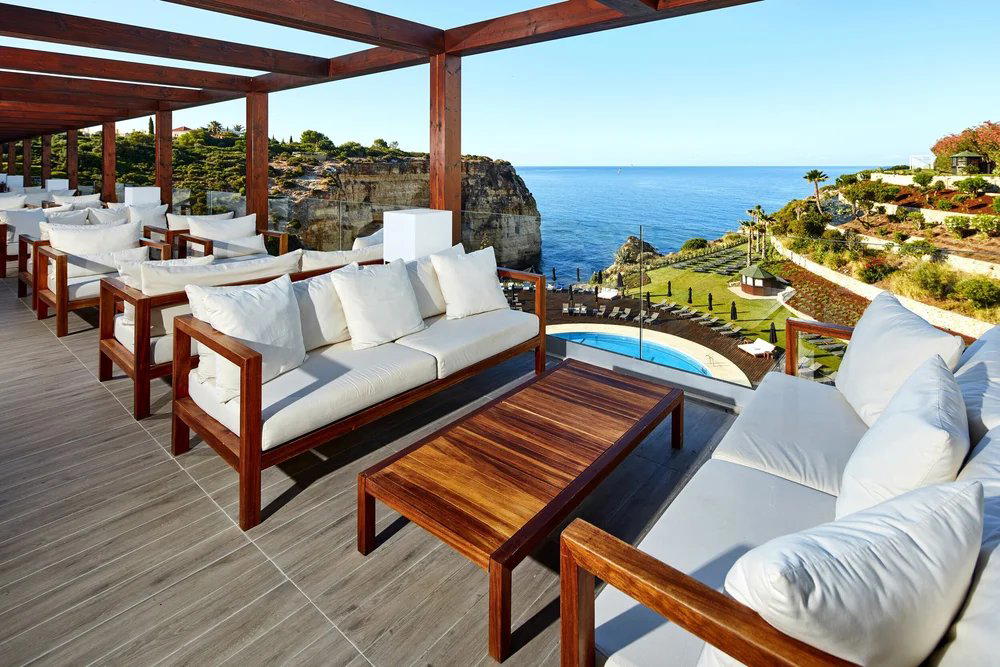
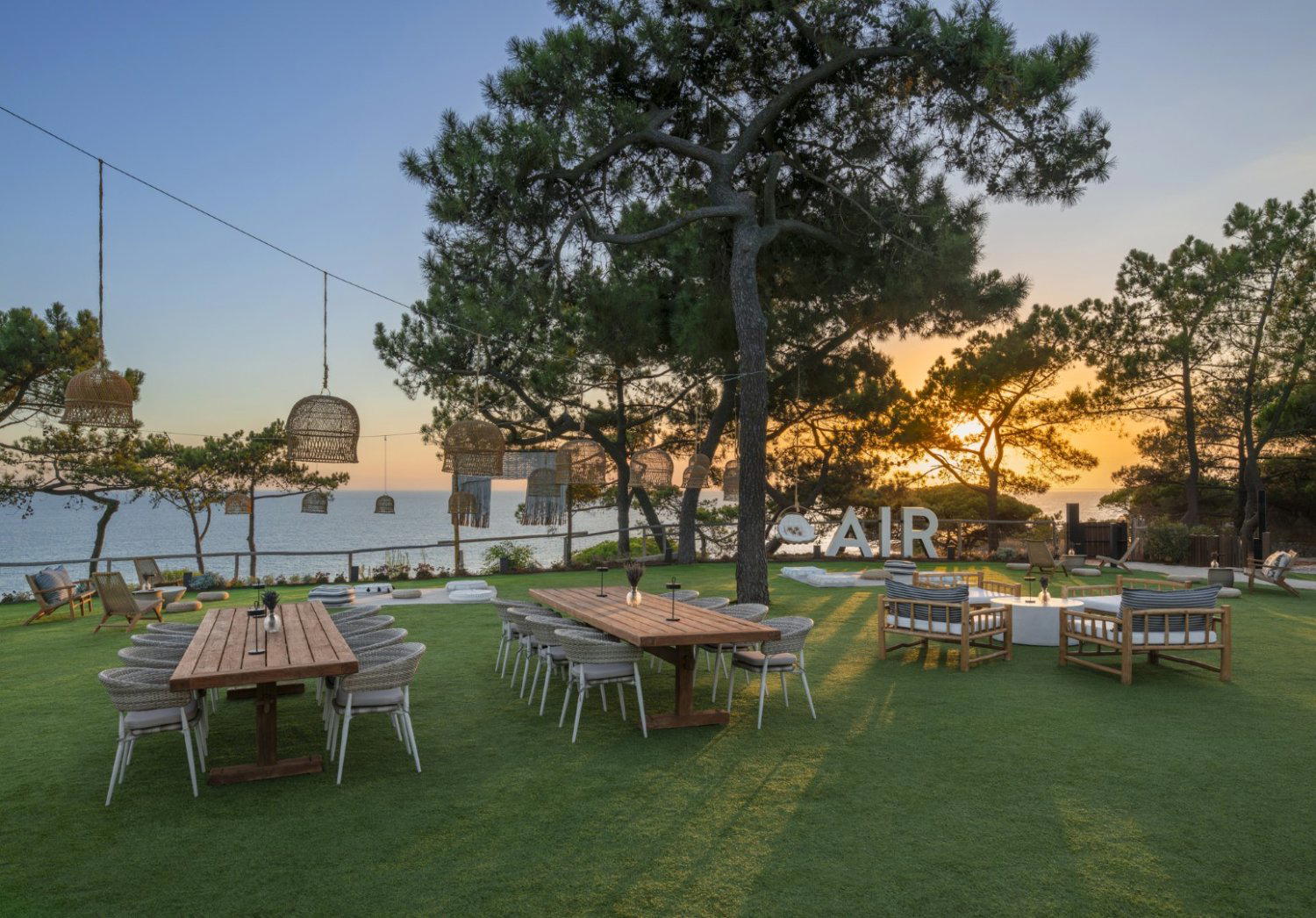
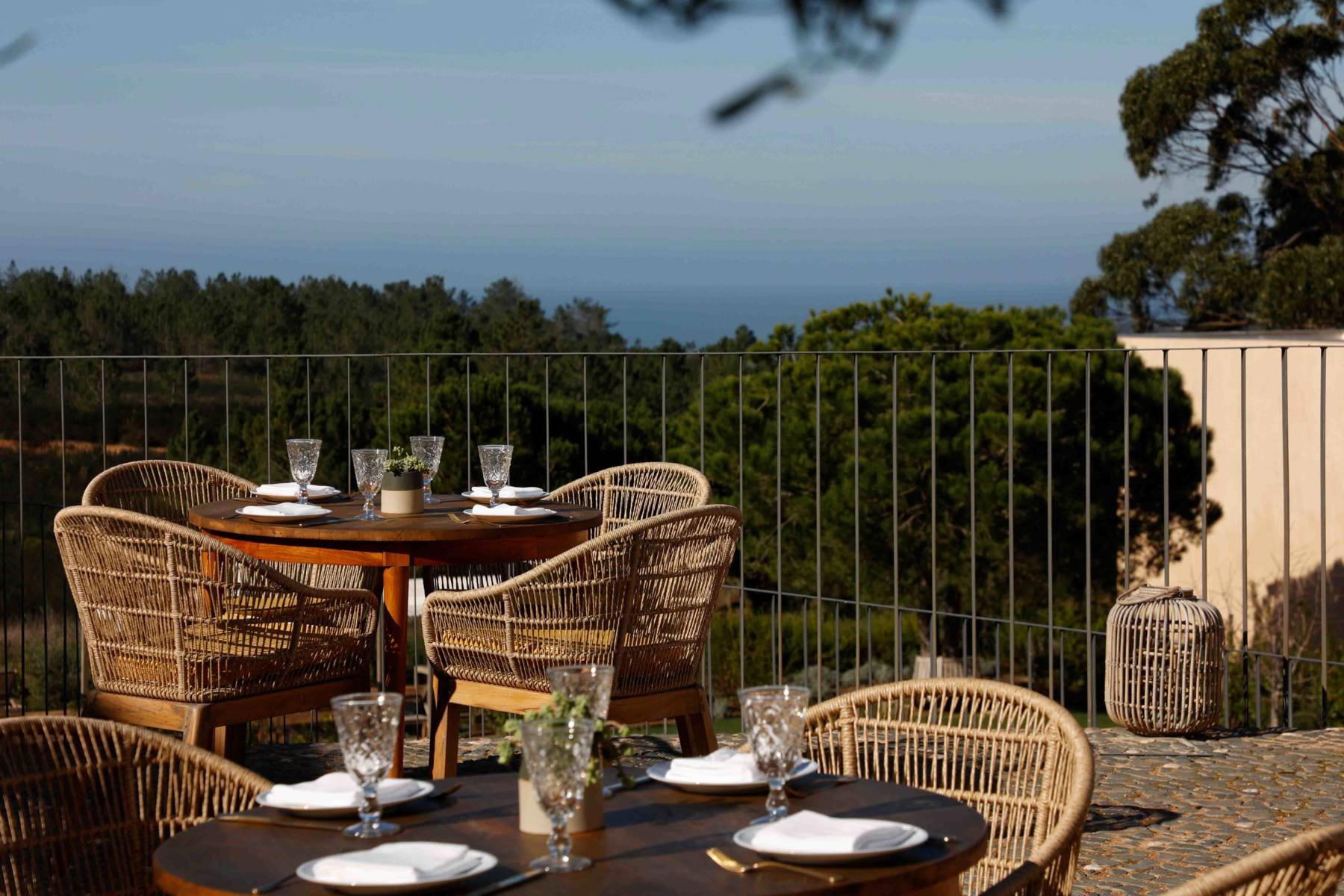
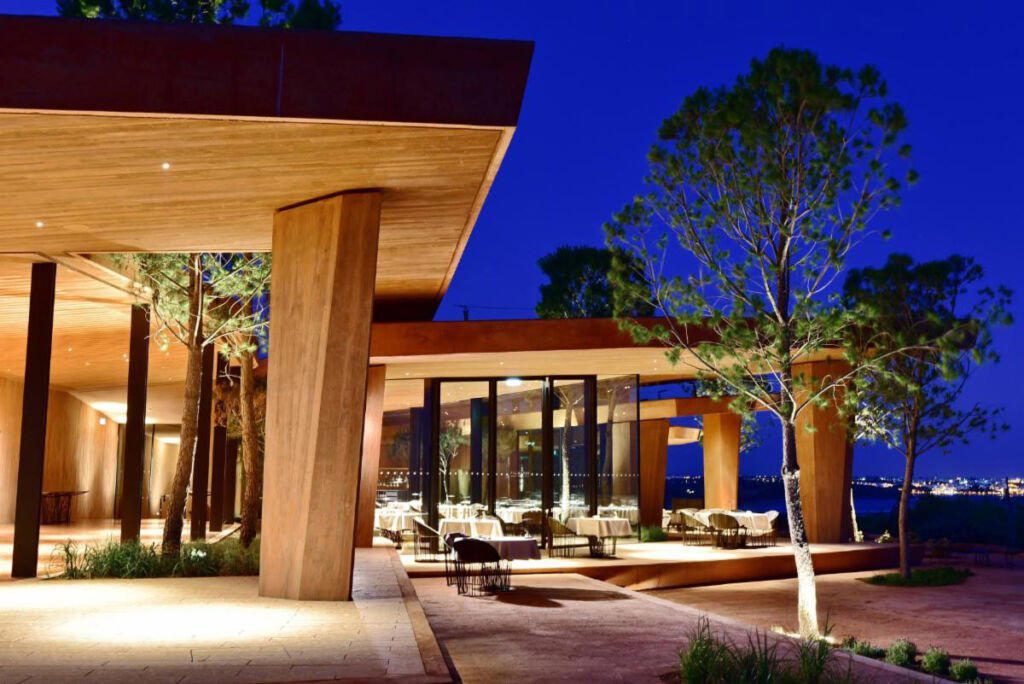
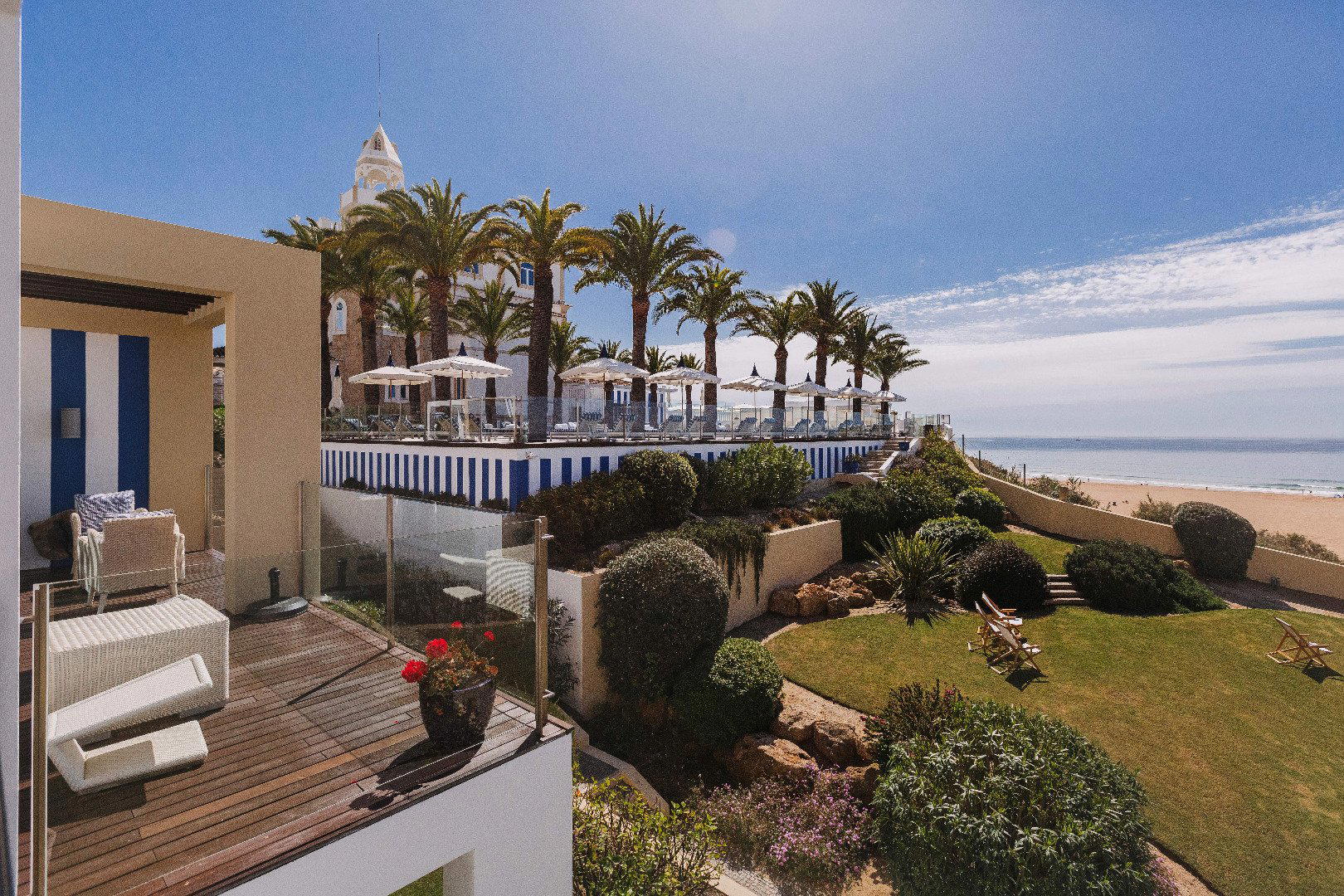
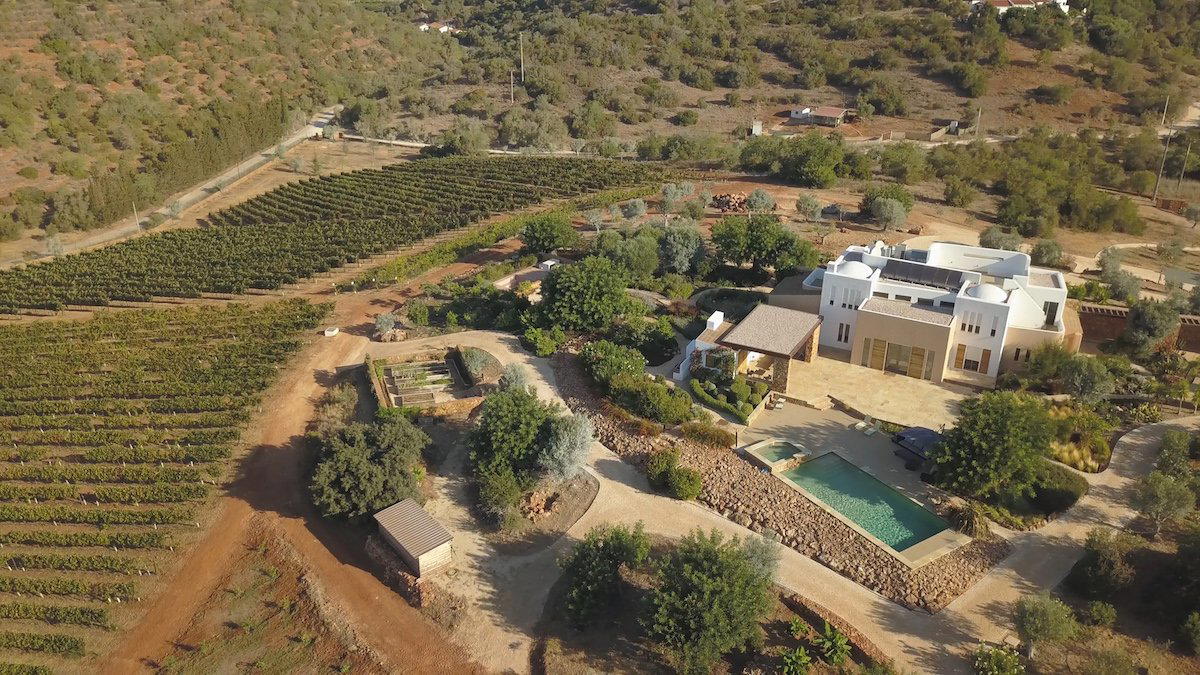
A converted farmhouse in the Alentejo coast's quieter interior, Craveiral sits outside the resort circuits that define much of southern Portugal's hospitality. The property draws on the agricultural character of the Sado estuary region, offering a slower, land-rooted alternative to the polished resort formats that line the Algarve. For travellers who want coast access without the infrastructure of a beach hotel, it occupies a distinct position in Portugal's design-led rural lodging tier.

Pearl is the En Primeur Club membership app, where members save venues, book tables and use the concierge.
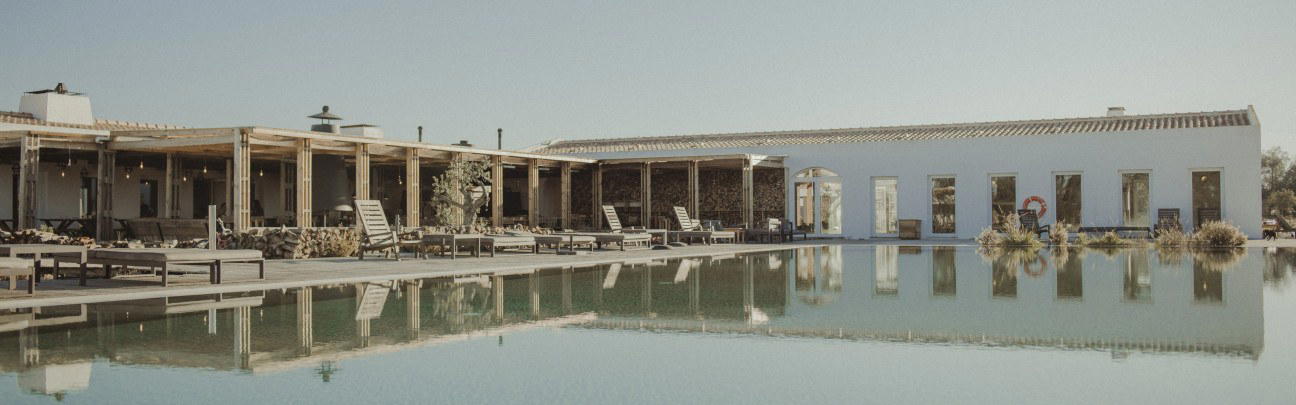
Where the Alentejo Interior Sets Its Own Terms
Southern Portugal's hospitality offer has long split along a familiar axis: the Algarve's resort corridor on one side, Lisbon's urban hotel stock on the other. Between them, the Alentejo coast and its inland parishes have developed a slower, more agricultural model of accommodation, one that draws on working farmland, vernacular architecture, and a kind of deliberate distance from the beach-and-pool formula. Craveiral Farmhouse, located on Estrada Municipal 501 outside Sao Teotonio, sits inside that emerging tier, a region where converted quintas and rural estates have attracted the same design-conscious traveller who might otherwise be comparing Ventozelo Hotel & Quinta in the Douro Valley or Hospedaria da Pensão Agrícola near Tavira.
Sao Teotonio itself sits in the municipality of Odemira, the largest municipality in Portugal by area, and one of the least developed stretches of the country's southwestern coastline. The Vicentina Coast Natural Park runs along its western edge, protecting a corridor of Atlantic cliff and scrubland that has kept the kind of resort development seen in the Algarve largely at bay. That regulatory and geographical context shapes what rural hospitality here looks like: smaller, quieter, and built around landscape rather than amenity stacking.
The Architecture of Agricultural Conversion
Rural farmhouse conversions occupy a specific architectural position in Portugal's lodging market. They are neither the manor-house grandeur of a palace hotel like the Bussaco Palace in Luso nor the contemporary resort construction that defines properties such as the Anantara Vilamoura in Quarteira or the Conrad Algarve. The farmhouse conversion model works with existing structure: thick-walled buildings originally designed for function, not display, adapted to hold guests without erasing the agricultural logic underneath.
In the Alentejo region, that means whitewashed exteriors that reflect heat rather than absorb it, deep-set windows, and interior volumes calibrated by the original use of the building rather than a hospitality designer's brief. The tension between that inherited structure and the expectations of a contemporary guest is exactly where these properties find their identity. When the conversion is handled well, you get a property that teaches you something about the region's material culture rather than simply providing a comfortable room in a scenic setting.
Properties in this category across Portugal, from the quintas of the Douro like Q.ta da Corte in Valença do Douro to the design-led rural retreats of the Algarve interior like Masana Algarve, share a common editorial problem: the building's history has to do real work in the guest experience, not just appear in the brand story. The leading examples use the architecture as the primary design statement, letting the original structure set proportions, materials, and atmosphere rather than overlaying it with imported aesthetics.
The Region and What It Demands of Visitors
Staying outside the Algarve's resort infrastructure requires a different kind of trip planning. Sao Teotonio is not walkable to much, and the Vicentina Coast, while accessible, is not serviced the way the Algarve's beach towns are. Visitors arriving by car from Lisbon are typically looking at around two and a half hours on the A2 motorway south, with the final stretch on regional roads through eucalyptus and cork oak. That drive is itself part of the proposition: the relative inaccessibility is what keeps the landscape intact.
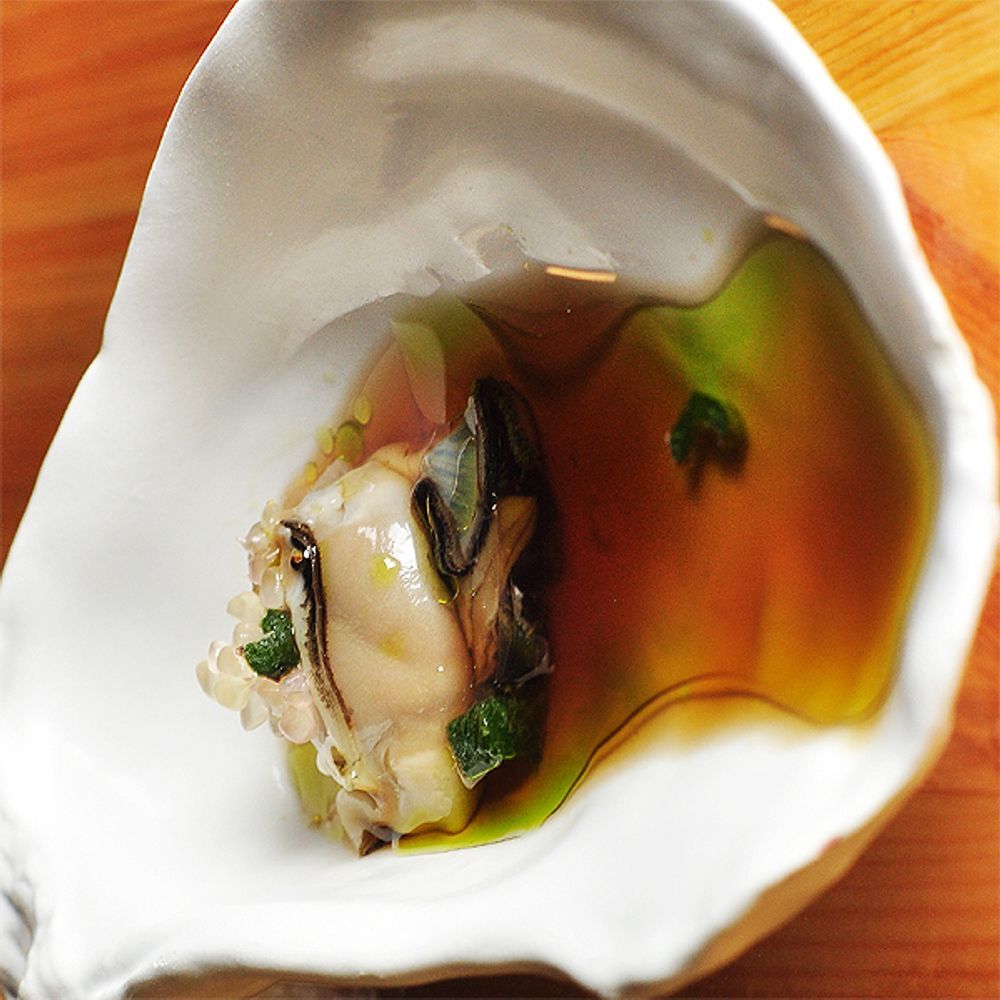
The Alentejo coast's dining culture is rooted in the interior rather than the sea, despite its coastal adjacency. Cataplana stews, pork preparations, and legume-heavy dishes reflect the land's agricultural character more than a Mediterranean seafood playbook. Travellers expecting the fish-forward menus of the Algarve's coastal towns will find a different register here, and that distinction matters when choosing a base for a multi-day stay.
For context on how other design-led Portuguese properties handle food and local sourcing, Villa Epicurea near Sesimbra and Casa Mãe in Lagos offer instructive comparisons from different coastal positions. The Douro Valley properties, including Casa Vale do Douro in Cambres, show how Portuguese rural hospitality handles wine and agriculture as primary guest touchpoints, a model the Alentejo shares in spirit if not in terrain.
Positioning Within Portugal's Rural Lodging Market
Portugal's rural boutique accommodation has grown substantially since 2015, with the Alentejo and Douro Valley absorbing most of the design-conscious demand that previously concentrated in Lisbon and Porto. Properties like Carmo's Boutique Hotel in Ponte de Lima and Casa da Calçada in Amarante demonstrated that gastronomy and design credentials could anchor a rural property's reputation nationally and internationally. The southwest, including the Odemira municipality, has followed later, and properties there still benefit from relative scarcity compared to the Douro and Alentejo wine country further east.
That scarcity has a practical implication: advance booking for the southwest's better rural properties during peak summer months, roughly July through August, is advisable. The Natural Park boundary keeps supply constrained, and the properties that exist in this zone attract a visitor who has specifically sought out the area rather than defaulted to it. That self-selecting audience tends to book further in advance than the casual Algarve visitor. See our full Sao Teotonio guide for broader context on the area's accommodation and dining options.
For travellers building a Portugal itinerary that combines urban and rural stops, the southwest farmhouse tier pairs naturally with a Lisbon base at either end. Properties like Hotel Britania in Lisbon or M Maison Particulière in Porto represent the urban design-led accommodation that bookends a rural stretch well. The contrast between those city properties and a farmhouse stay in Odemira is, for many visitors, the point of the itinerary rather than a logistical compromise.
Further afield, for travellers comparing Portugal's design-hotel offer against international benchmarks, Aman Venice and Aman New York represent the global tier of design-led hospitality that Portugal's better rural properties are increasingly measured against, at least among the traveller profile that seeks them out.
Planning Your Stay
Craveiral Farmhouse is located at Estrada Municipal 501, Km.4, in the 7630-658 postal zone outside Sao Teotonio. A private vehicle is the practical mode of access for most visitors, given the rural location and limited local transport infrastructure. The Vicentina Coast beaches, the closest wild swimming and walking routes, are within driving distance, and the town of Odemira, the nearest service hub, is accessible without a significant detour. As with most properties in this rural tier, direct booking enquiries and current availability details are best confirmed at the source, as operational specifics for smaller farmhouse properties can shift seasonally.
Side-by-Side Snapshot
| Venue | Price | Awards |
|---|---|---|
| Craveiral FarmhouseThis venue (the venue you are viewing) | $200–300 | Mr & Mrs Smith Seal of Approval |
| Conrad Algarve | Not listed | Michelin Selected · Forbes 4-Star |
| Four Seasons Hotel Ritz Lisbon | $500–750 | 2 Michelin Keys · La Liste Top Hotels |
| InterContinental Cascais-Estoril | $300–500 | Virtuoso Luxury Hotel Partner · Forbes 4-Star |
| InterContinental Lisbon | $200–300 | Forbes Recommended |
| InterContinental Porto Palacio das Cardosas | Not listed | Michelin Selected · Forbes Recommended |
Recognition history
Dated appearances from independent guides and award organizations, with the underlying list record or original source where available.
Mr & Mrs Smith Seal of Approval
Mr & Mrs Smith
Continue exploring
More in Sao Teotonio
Hotels in Sao Teotonio
All hotels in Sao Teotonio →
Bars in Sao Teotonio
Browse all →

Details
- Rustic
- Quiet
- Scenic
- Bohemian
- Minimalist
- Family Vacation
- Wellness Retreat
- Romantic Getaway
- Destination Wedding
- Group Retreat
- Garden
- Terrace
- Private Villa
- Destination Spa
- Wi Fi
- Pool
- Spa
- Fitness Center
- Sauna
- Restaurant
- Bar
- Bicycle Rental
- EV Charging
- Room Service
- Garden
- Waterfront
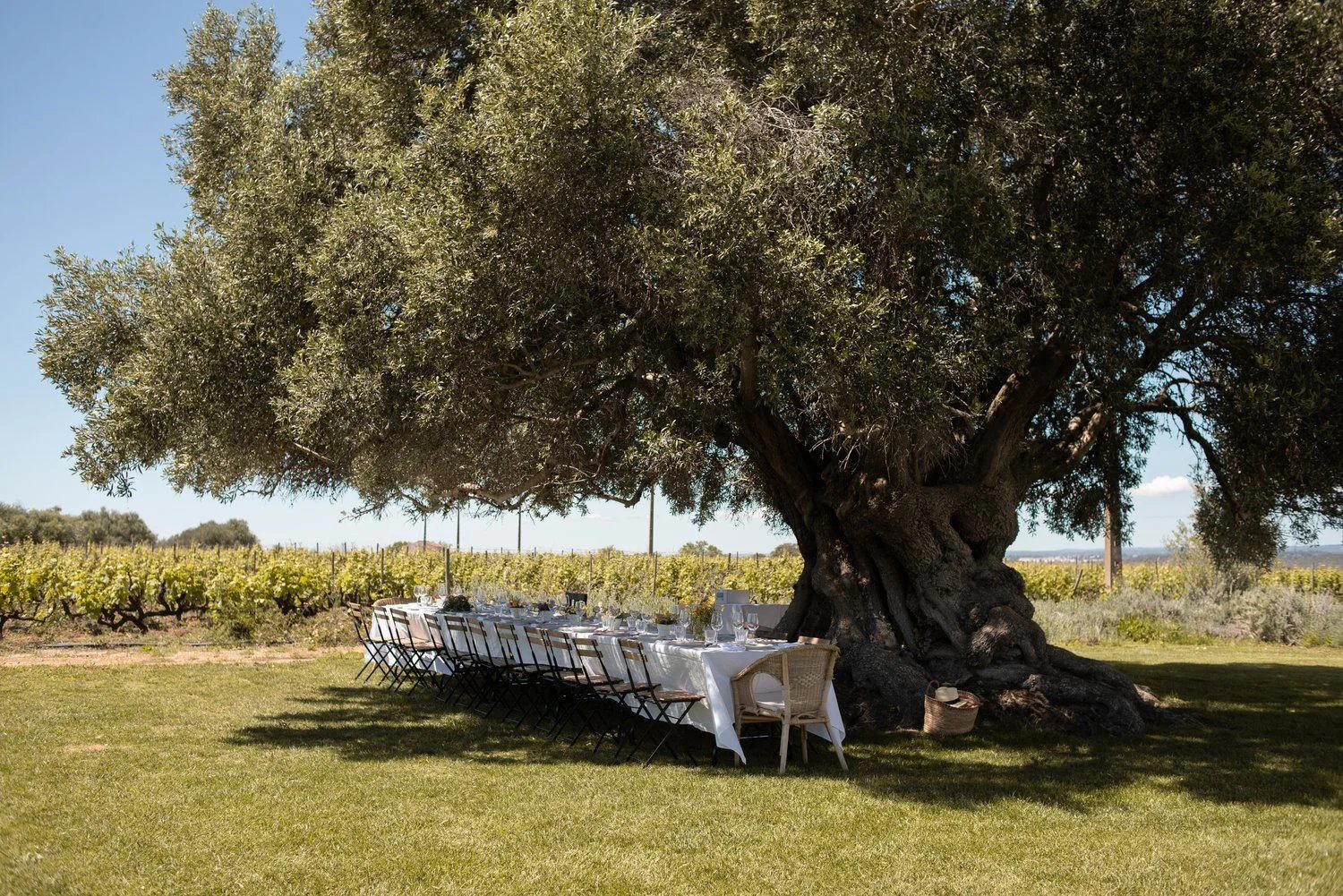
Peaceful and meditative with natural light, open spaces, and rustic charm; guests describe it as serene and grounding with earthy, minimalist interiors and outdoor fire pits.