Q.ta da Corte
Set among the schist slopes of Tabuaço in the Douro Superior, Q.ta da Corte sits within one of Portugal's most architecturally compelling wine estate traditions, where granite manor houses and terraced vineyard infrastructure define the built environment as much as the landscape. For travellers moving through the Douro Valley's quieter eastern reaches, it represents a different register from the polished resort properties downstream.

Pearl is the En Primeur Club membership app, where members save venues, book tables and use the concierge.
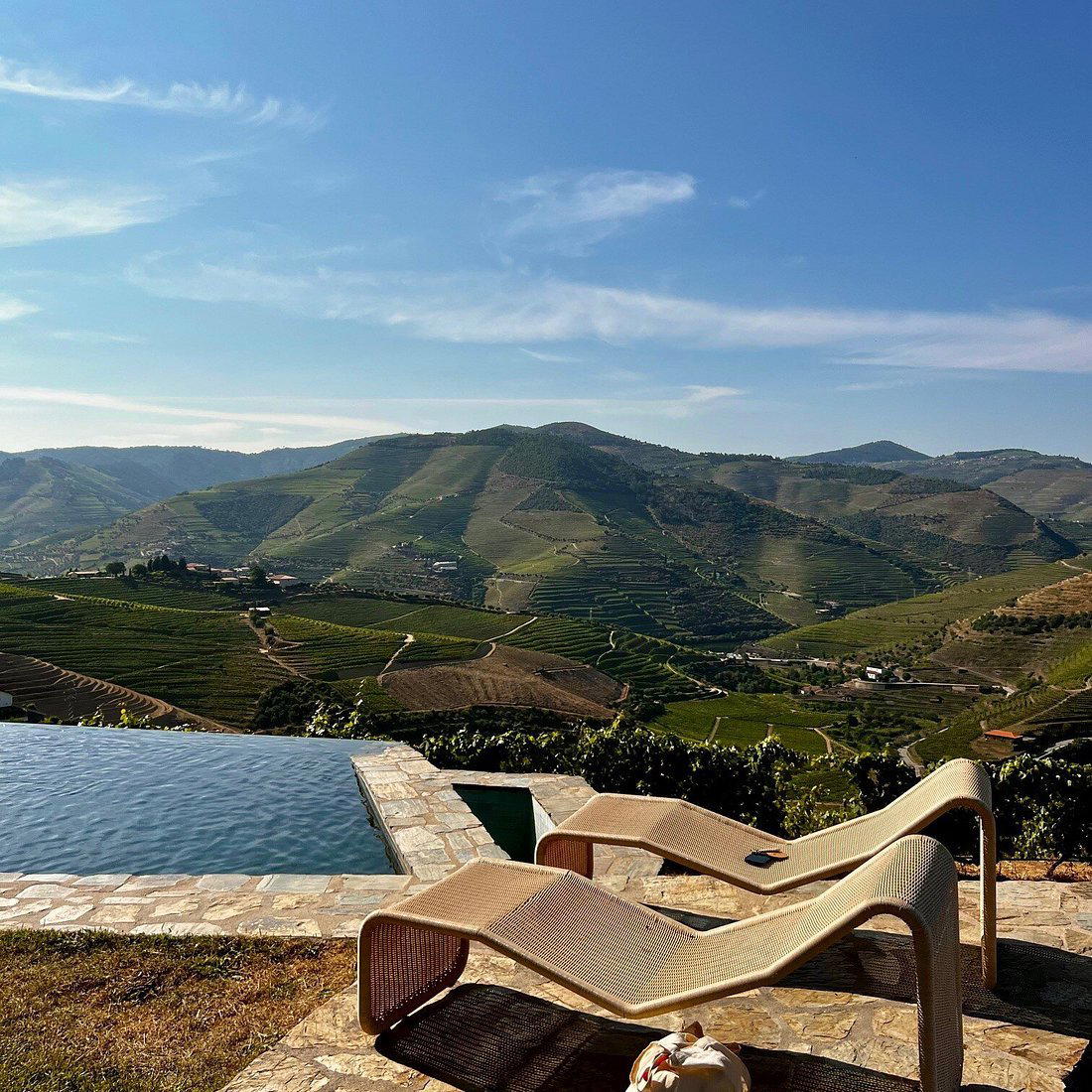
Stone, Slope, and the Architecture of the Douro Quinta
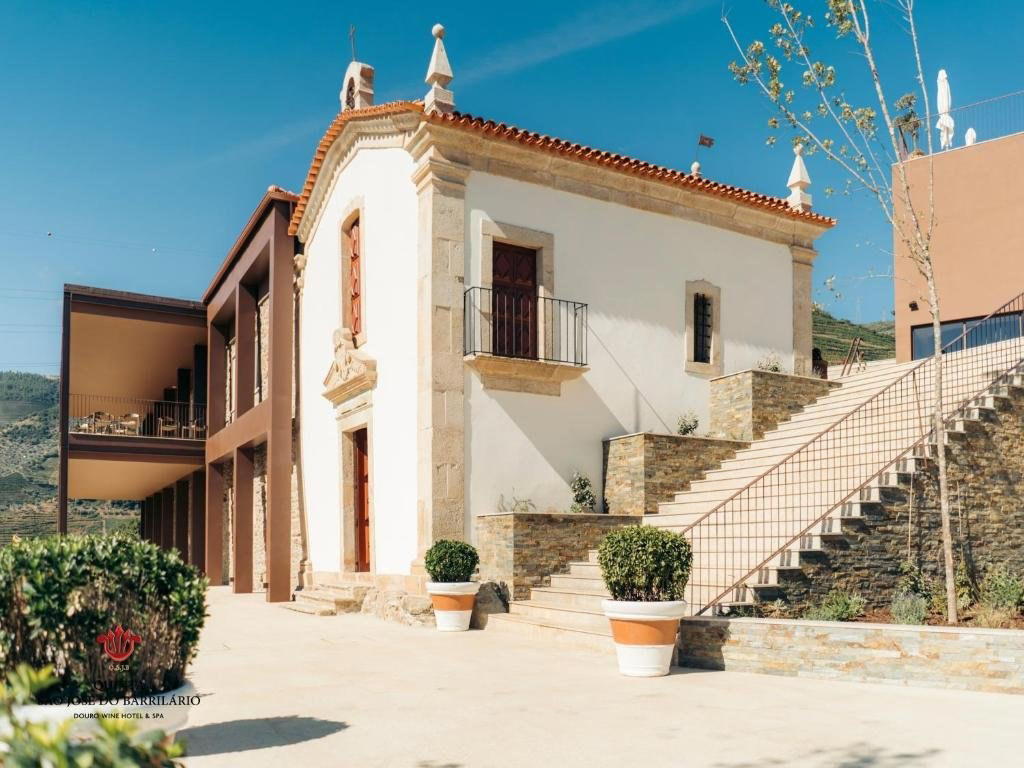
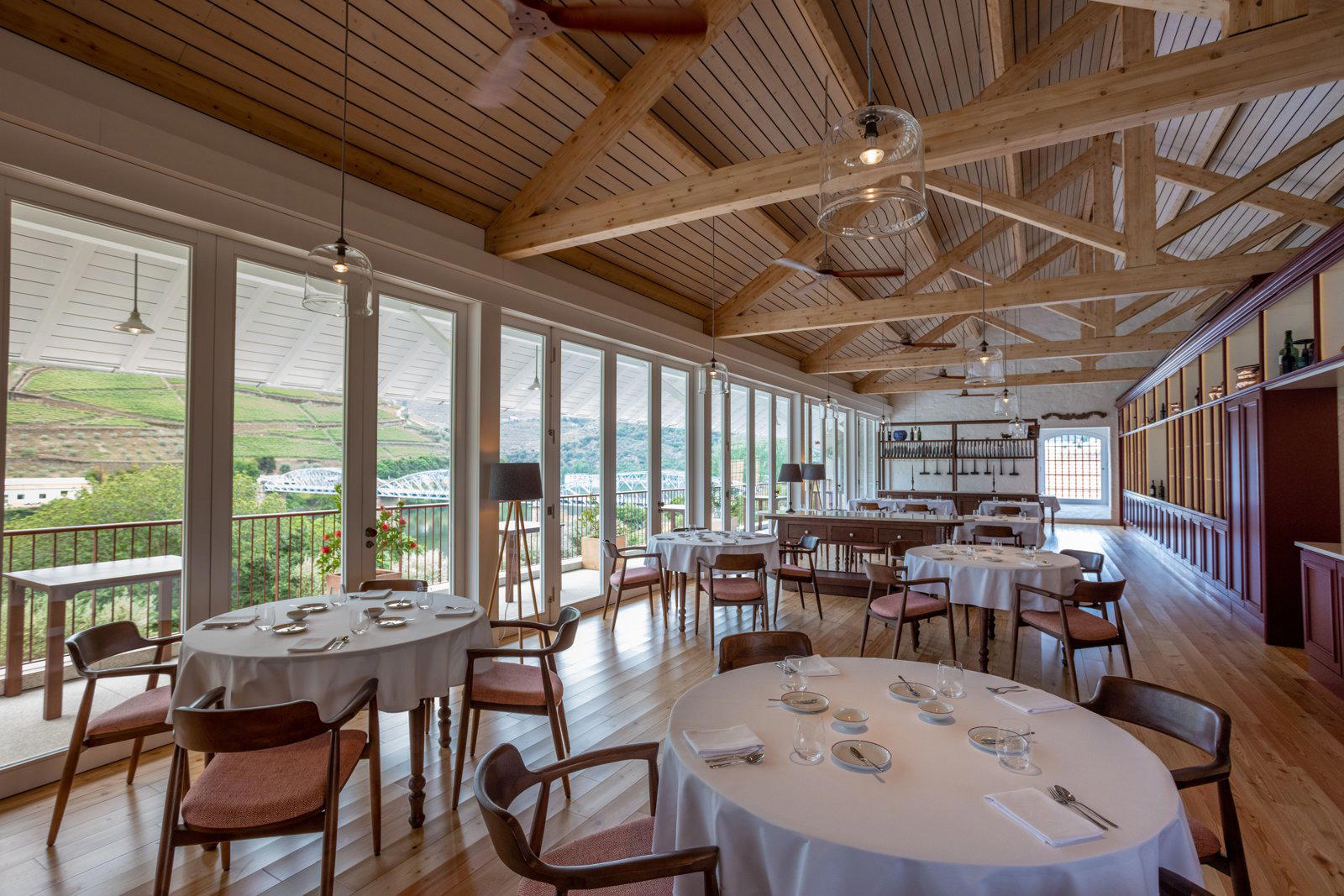
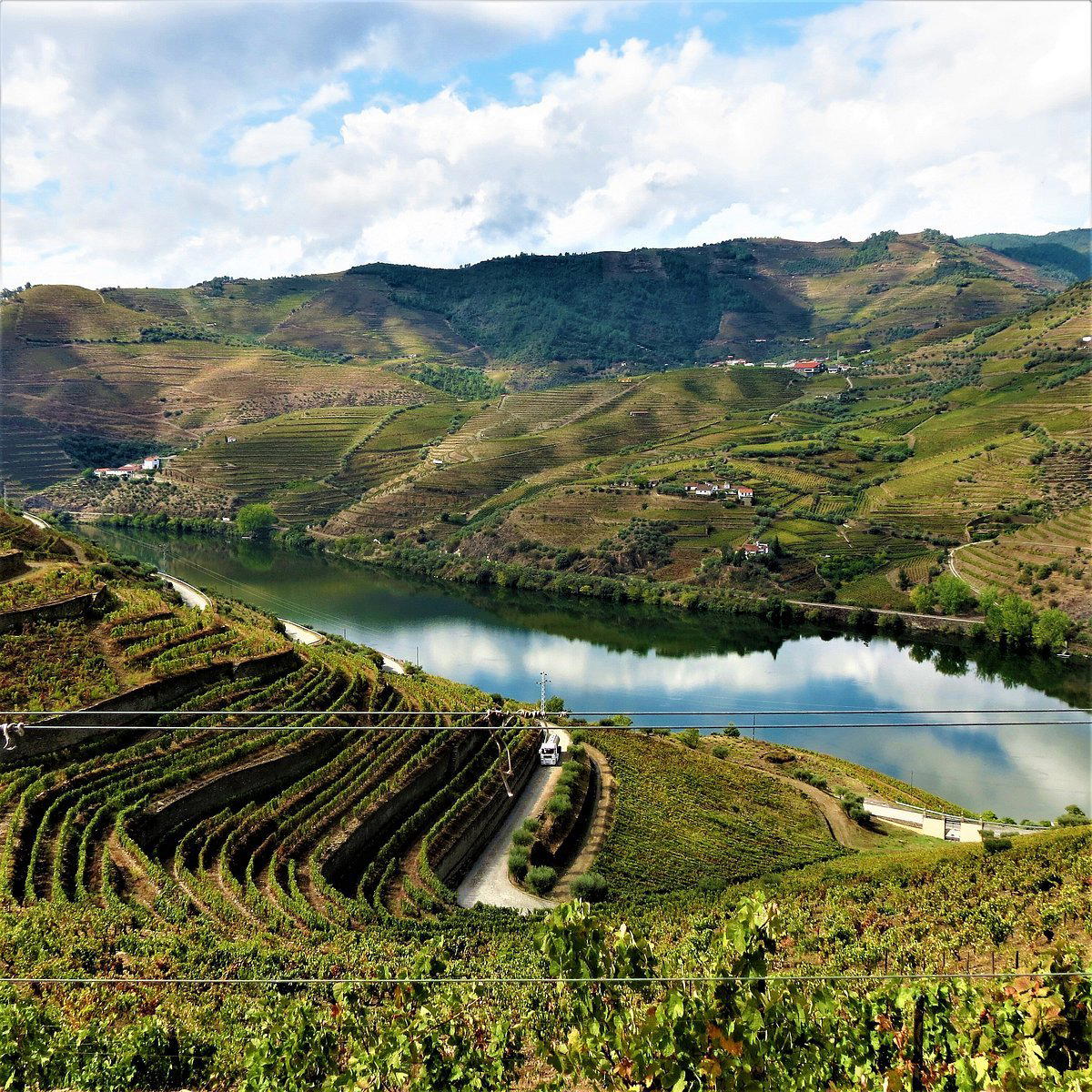
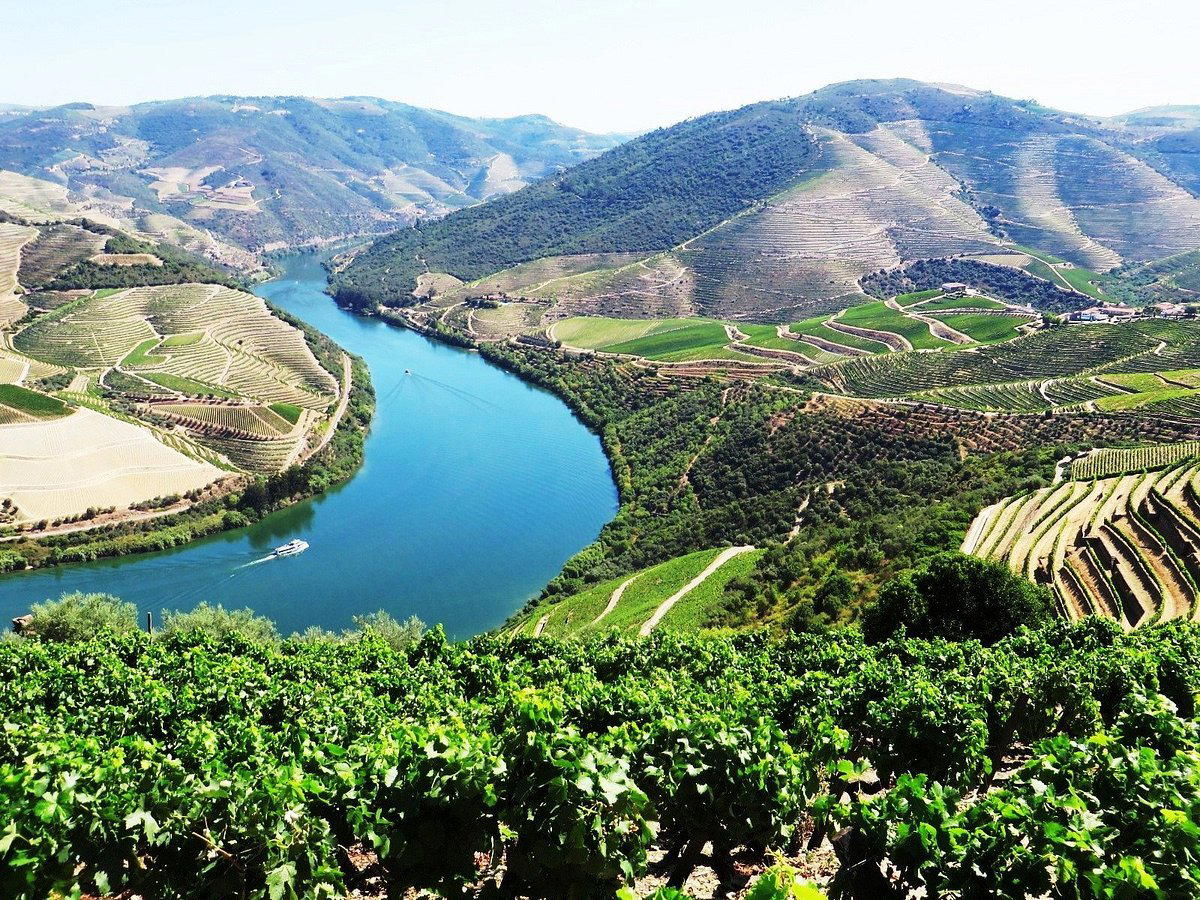
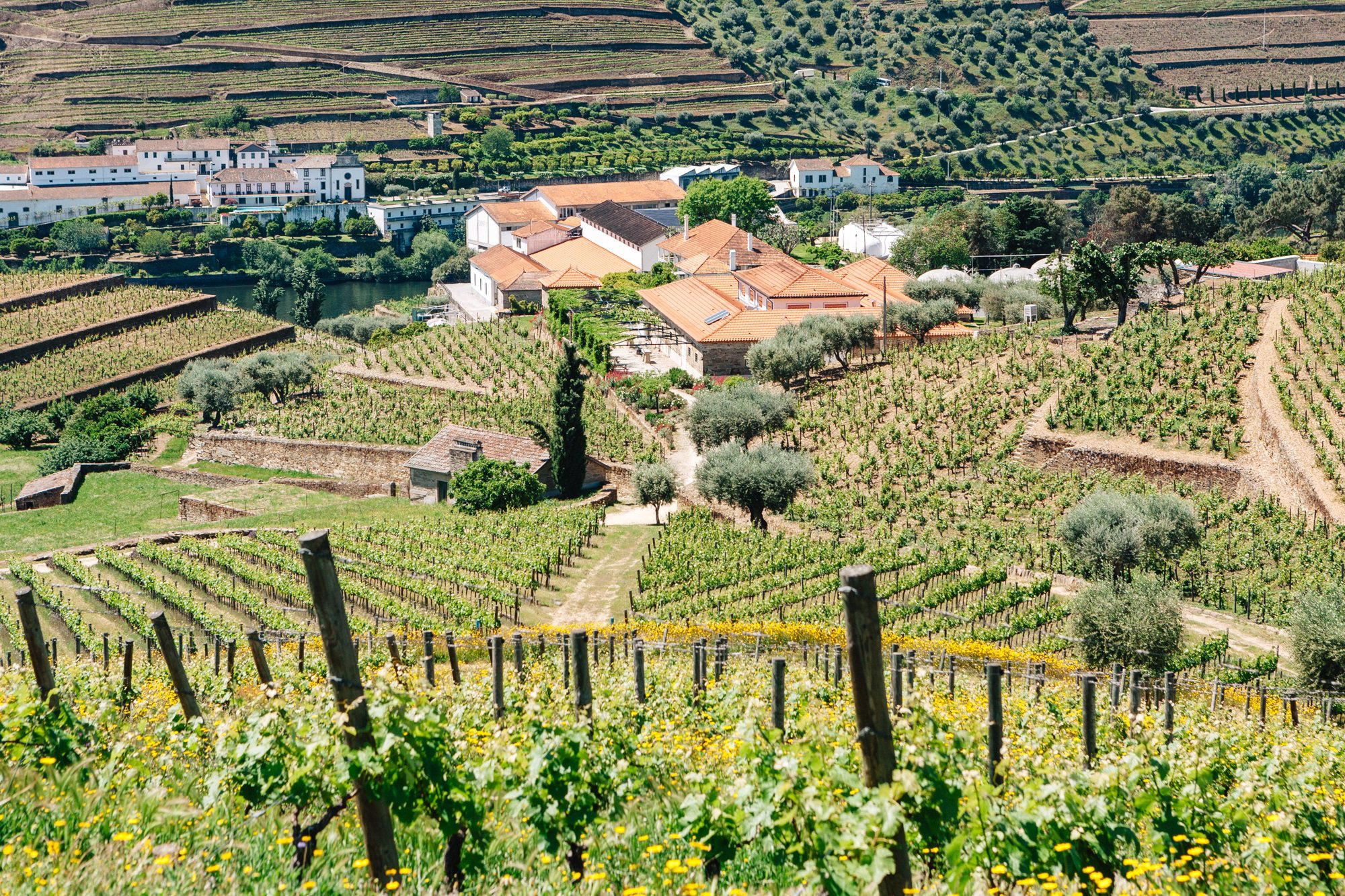
The physical grammar of a Douro wine estate is among the most legible in Portuguese rural architecture. Granite manor houses with symmetrical fenestration, schist retaining walls that step down toward the river in narrow terraces, adega buildings whose thick stone walls were engineered for temperature as much as aesthetics, these are not decorative choices but functional responses to a difficult terrain. Q.ta da Corte, located in Tabuaço within the Douro Superior, occupies precisely this architectural tradition. Arriving at a property of this type in the Douro Valley means reading the land before you read the building: the terracing comes first, then the walls, then the house that sits above it all. See our full Valenca Do Douro restaurants and hotels guide for broader context on the region's accommodation options.
What the Built Environment Signals in the Douro
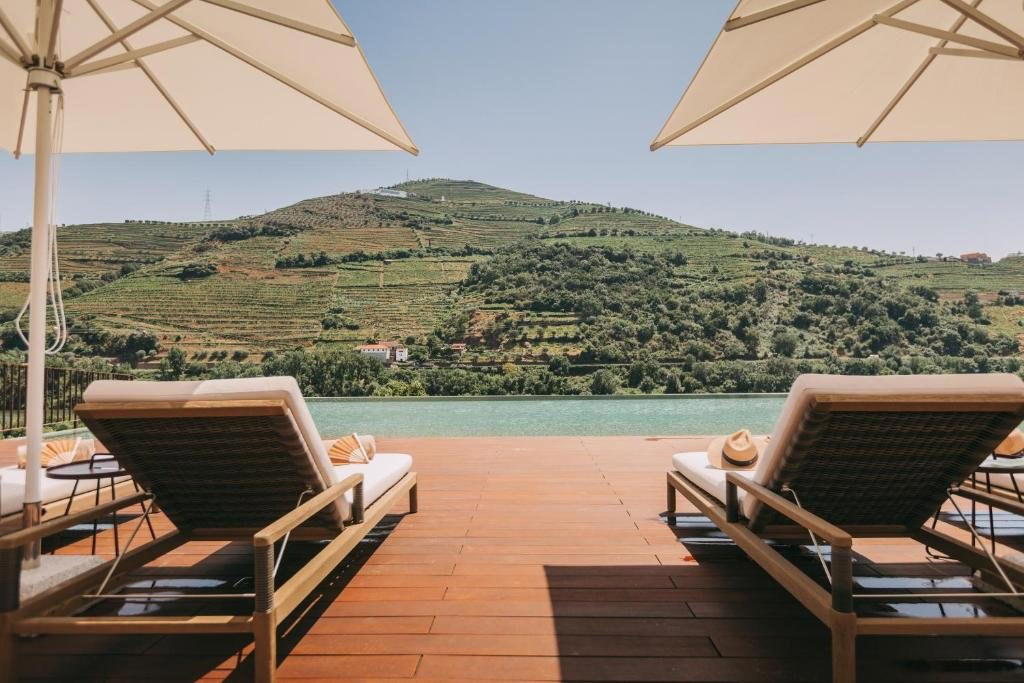
Across the Douro Valley, the architectural split between properties has sharpened over the past two decades. A tier of heavily renovated quintas now competes with international hotel brands for a visitor who expects infinity pools and spa facilities positioned against vineyard views, properties such as the Ventozelo Hotel and Quinta in Ervedosa do Douro represent the design-led end of this spectrum, where estate heritage and contemporary hospitality infrastructure coexist deliberately. At the other end sit properties where the architecture itself is the primary encounter, largely unmediated by hospitality layering. Q.ta da Corte, given its location in Tabuaço, a municipality that sits inland from the main river corridor and draws considerably fewer visitors than Pinhão or Régua, belongs to the category of Douro properties where the built fabric and the working estate logic are the experience, rather than a backdrop to managed amenities.
This is not a criticism. In a region where the visual density of schist walling and pre-phylloxera vineyard infrastructure is the primary architectural inheritance, properties that preserve that fabric without heavily re-layering it offer a different kind of access to the Douro's material history. The Tabuaço area, specifically, retains a texture that the more touristically saturated stretches of the valley have gradually softened.
Tabuaço and the Douro's Eastern Grain
Tabuaço sits in the Douro Superior subregion, east of the main concentration of premium quinta tourism. The municipality is better known among wine trade professionals than among general travellers, partly because its port and table wine production has historically flowed through larger shippers rather than being marketed under estate names as aggressively as properties closer to Pinhão. The architecture here follows the same schist and granite logic as the rest of the Douro, but the scale is quieter and the visitor infrastructure is thinner. For travellers who have already moved through the more developed stretches of the valley, perhaps staying at a property such as the Douro Valley Casa Vale do Douro in Cambres, Tabuaço represents a perceptible gear change toward a less curated engagement with the region.
That quieter register has practical implications. Booking intelligence, contact infrastructure, and online presence for estates in this sub-zone are often less developed than for properties in the main tourist corridor, which means that advance planning and direct outreach matter considerably more than they would for a quinta operating as a full hospitality property.
The Physical Encounter
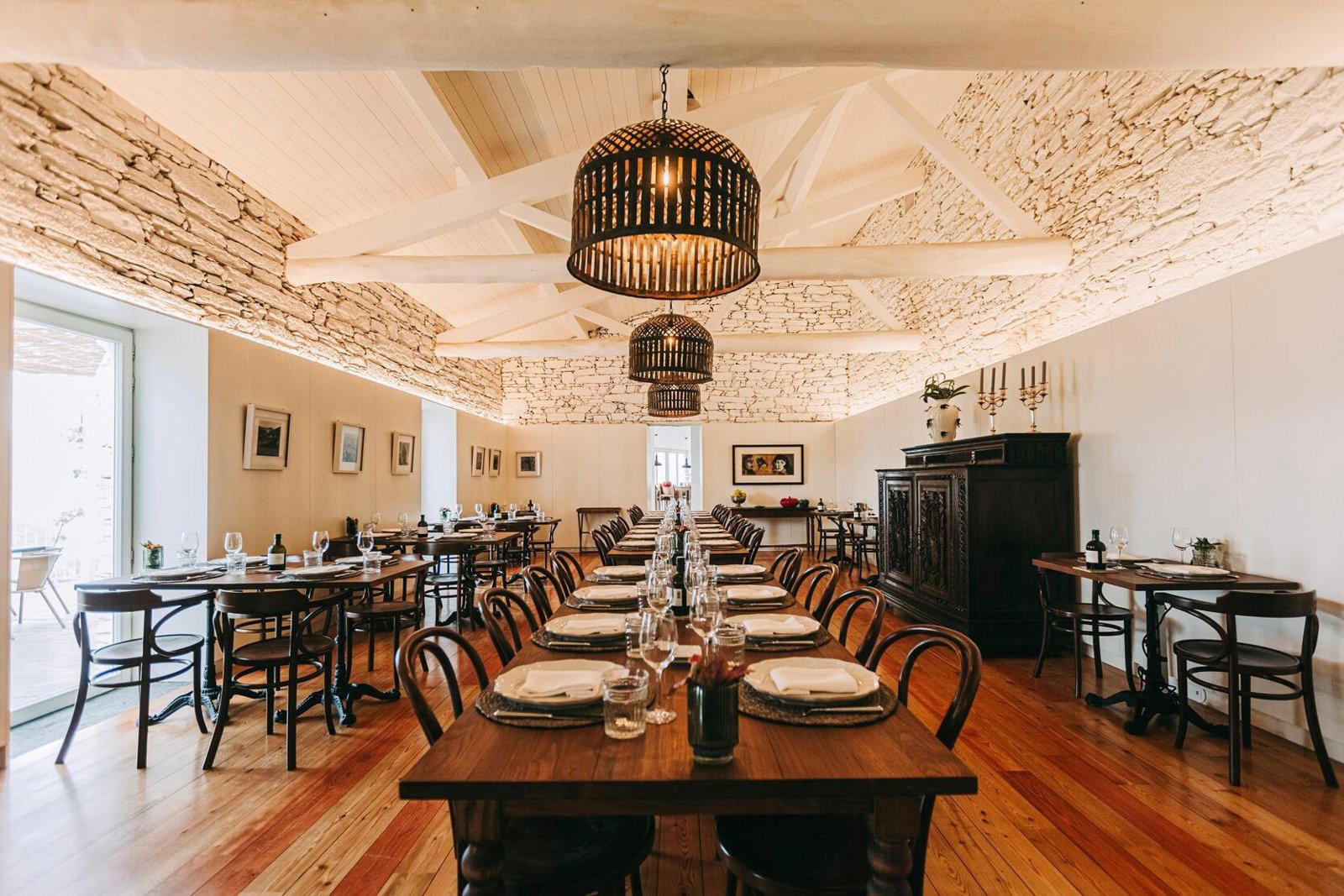
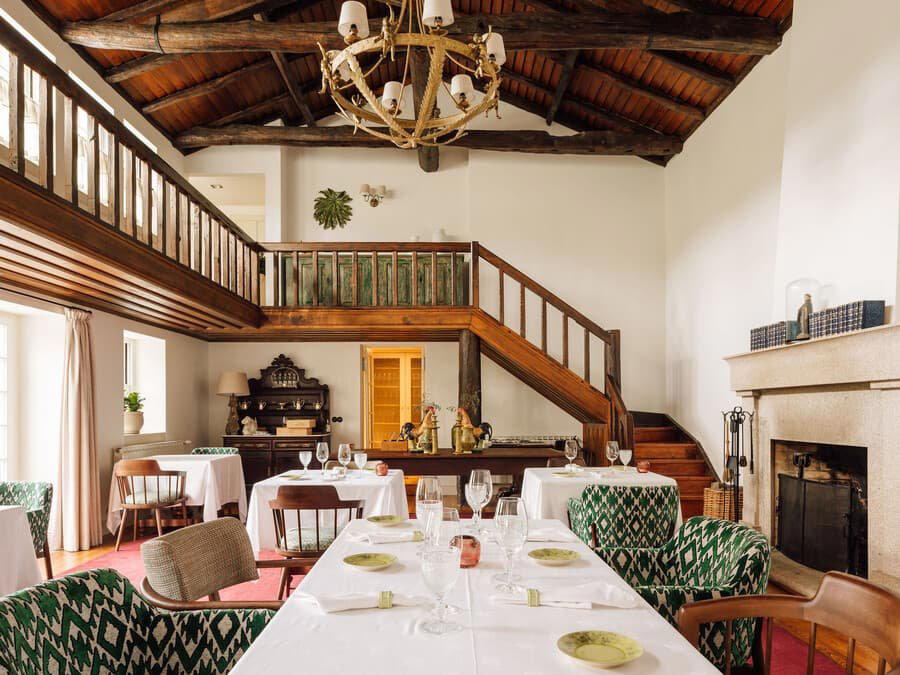
The editorial angle on a property like Q.ta da Corte must begin with the physical encounter because the architecture is the primary differentiator in this category. Portugal's wine estate tradition produces buildings that function simultaneously as agricultural infrastructure, domestic residence, and, increasingly, hospitality venue. The design tension in these conversions, how much to update, how much to preserve, is one that every quinta navigating the hospitality market has to resolve. Properties that preserve the schist wall textures, the low stone archways into adega spaces, and the proportions of manor house rooms that were never designed for modern hotel comfort occupy a specific niche in the Portuguese rural accommodation market. They attract a visitor who reads weathered granite as content rather than inconvenience.
Among comparable Portuguese rural accommodation traditions, this design sensibility connects to a broader pattern visible at properties such as the Craveiral Farmhouse in São Teotônio or the Hospedaria da Pensão Agrícola in Conceição e Cabanas de Tavira, properties where the agricultural heritage of the building is the design argument, not something to be overcome.
The Douro's premium quinta accommodation market has a well-defined upper tier, anchored by properties with sustained international press coverage, full-service restaurant operations, and spa infrastructure. Q.ta da Corte does not appear in that tier based on available data. The absence of published awards, price points, or hospitality ratings in the public record places it in a different category, properties where the estate identity and architectural character are the primary draws, and where the hospitality proposition is quieter and less standardised. For context, the contrast with urban Portuguese hospitality is sharp: a property like Hotel Britânia Art Deco in Lisbon or M Maison Particulière Porto operates within a highly structured hospitality infrastructure, with clear price signals and booking systems. Rural Douro estates in the Tabuaço zone operate on a different logic entirely.
Travellers making a Douro circuit, perhaps extending south toward the Alentejo or Algarve and staying at properties such as Villa Epicurea in Sesimbra or Bela Vista Hotel and Spa in Praia da Rocha, will find that Q.ta da Corte represents a meaningful register shift. The Douro Superior in general, and Tabuaço in particular, rewards a slower itinerary pace. The valley's eastern reaches have fewer restaurants, fewer organised wine experiences, and fewer concierge-mediated access points than the stretches around Pinhão. That is the point of going.
Planning a Visit
Because Q. The Douro Valley's harvest season runs from late August through October, when vineyard activity peaks and estate visits carry the most agricultural immediacy. Spring, April through June, offers cooler temperatures and the visual contrast of almond blossom and early vine growth against schist terracing, which is when the valley's architectural character is arguably at its most legible. Travellers arriving by road from Porto should allow approximately two hours for the drive eastward along the N222 or via the A4 motorway toward the Douro Superior, with Tabuaço sitting off the main river road inland. Properties in this zone rarely operate conventional check-in times or front desk staffing models, so confirming arrival logistics directly before departure is advisable.
A Quick Peer Check
| Venue | Price | Awards |
|---|---|---|
| Q.ta da CorteThis venue (the venue you are viewing) | $200–300 | Not listed |
| Conrad Algarve | Not listed | Michelin Selected · Forbes 4-Star |
| Four Seasons Hotel Ritz Lisbon | $500–750 | 2 Michelin Keys · La Liste Top Hotels |
| InterContinental Cascais-Estoril | $300–500 | Virtuoso Luxury Hotel Partner · Forbes 4-Star |
| InterContinental Lisbon | $200–300 | Forbes Recommended |
| InterContinental Porto Palacio das Cardosas | Not listed | Michelin Selected · Forbes Recommended |
Continue exploring
More in Valenca Do Douro
Hotels in Valenca Do Douro
All hotels in Valenca Do Douro →
Bars in Valenca Do Douro
Browse all →
Restaurants in Valenca Do Douro
Browse all →

Details
- Romantic
- Scenic
- Elegant
- Rustic
- Cozy
- Intimate
- Sophisticated
- Romantic Getaway
- Honeymoon
- Anniversary
- Weekend Escape
- Infinity Pool
- Panoramic View
- Terrace
- Historic Building
- Wi Fi
- Pool
- Room Service
- Garden
- Restaurant
- Air Conditioning
- Mountain
- Vineyard
Warm and inviting interiors blending Portuguese tradition with modern luxury, featuring artisanal tiles, embroidered linens, and sweeping valley views from every room.