
Michelin Selected
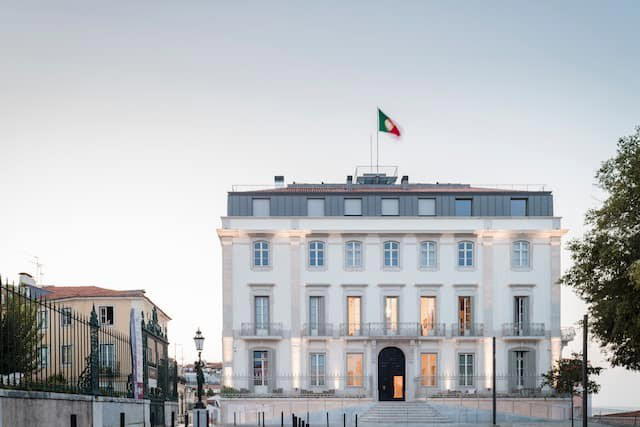
AlmaLusa Baixa/Chiado occupies a converted historic building on Praça do Município, one of Lisbon's most architecturally significant civic squares. The property sits at the crossroads of two of the city's most walkable neighbourhoods, positioning it as a design-led boutique option for travellers who prioritise location and local character over branded uniformity. Booking through the hotel directly is advisable for flexibility.

Pearl is the En Primeur Club membership app, where members save venues, book tables and use the concierge.
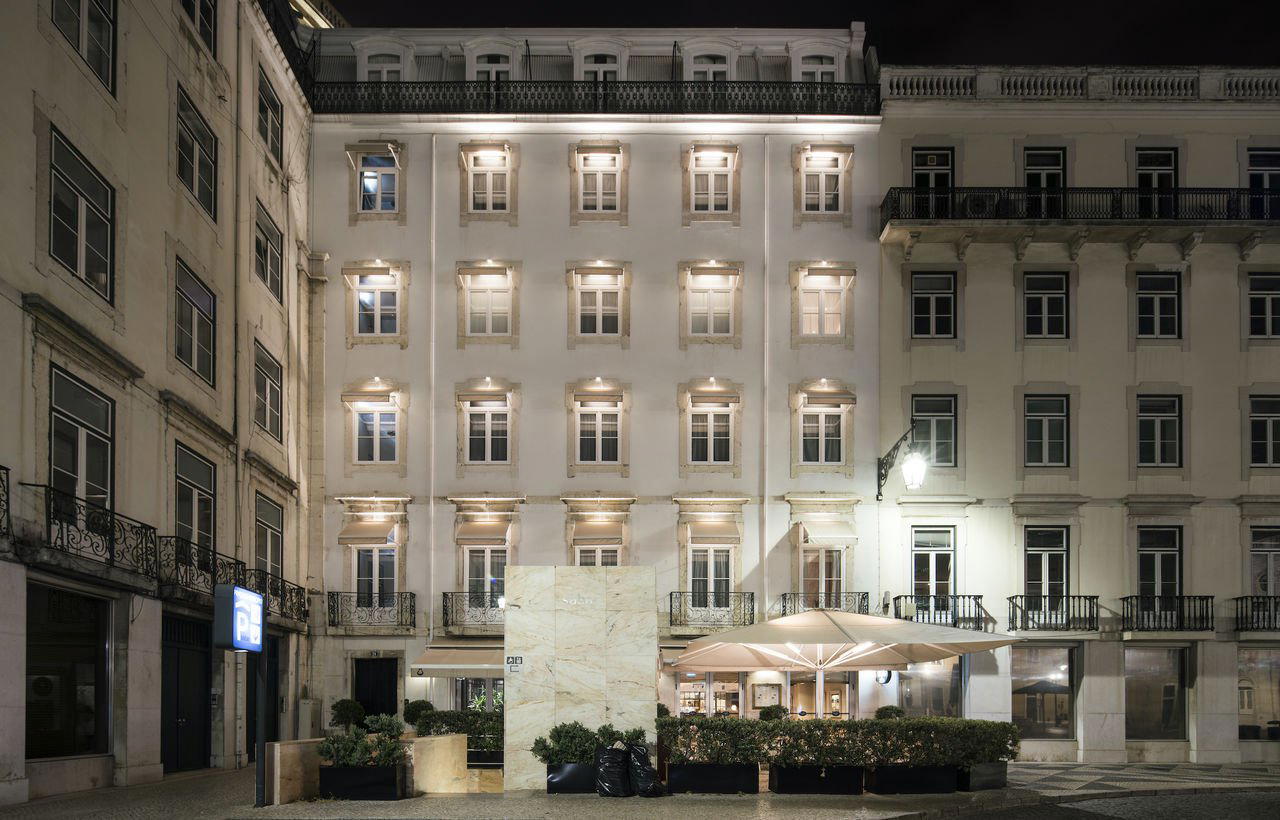
Where the Civic Heart of Lisbon Becomes a Place to Stay
Praça do Município is not a backdrop that most Lisbon hotels can claim. The square anchors the Baixa grid on its southern edge, framed by the neoclassical City Hall and the pelourinho column that has marked the administrative centre of the city since the Pombaline reconstruction of the 1750s. AlmaLusa Baixa/Chiado sits at number 21 on that square, inside a building that carries the weight of the neighbourhood's civic identity rather than the anonymity of a modern hotel block. In a city where adaptive reuse of historic stock has become one of the defining moves in boutique hospitality, the address itself functions as an editorial statement.
Lisbon's boutique hotel tier has split decisively over the past decade. On one side sit the large international flags, the InterContinental Lisbon, the Sofitel Liberdade, offering predictable service at predictable price points. On the other, a smaller cohort of design-led properties has emerged, converting convent buildings, merchant townhouses, and civic structures into hotels with a more specific sense of place. AlmaLusa belongs to that second group, where the architecture and location carry more argumentative weight than the brand affiliation. Properties in this tier, such as the Bairro Alto Hotel and the Altis Avenida Hotel, compete not on loyalty programmes but on specificity of experience.
Responsibility Built Into the Structure
The sustainability conversation in Portuguese hospitality has matured beyond token gestures. Properties operating in historic urban centres face a particular set of constraints: they cannot demolish and rebuild to meet contemporary green-build standards, so their environmental commitments tend to show up in operational choices rather than architectural ones. The conversion of existing structures is itself a form of responsible development, preserving embodied carbon in old stonework and timber that a new-build would simply discard. Working within the fabric of a Pombaline building in central Lisbon means the carbon cost of construction is spread across centuries of prior use rather than concentrated in a single development moment.
Boutique properties at this address scale also tend toward lower resource intensity than large-footprint hotels. Fewer rooms means less laundry, smaller food and beverage operations, and a more direct relationship between the property and its immediate neighbourhood economy. The Baixa-Chiado axis supports a dense ecosystem of local producers, independent restaurants, and historic commerce that benefits from guests who move through the neighbourhood on foot rather than shuttling between hotel and airport. The Baixa House and the Art Legacy Hotel Baixa-Chiado operate in the same district with comparable philosophies, reflecting a broader pattern of smaller, locally embedded properties that have come to define the neighbourhood's hospitality character.
For travellers for whom community impact matters as much as thread count, the question is less about which property has published the most ambitious sustainability report and more about which one is genuinely stitched into its neighbourhood. A hotel on Praça do Município, steps from the fish market at Cais do Sodré and the covered market at Mercado da Ribeira, has a structural advantage in that regard. The proximity to local supply chains is not incidental; it shapes what a property can credibly claim about its sourcing and its relationship to the city around it.
The Neighbourhood as the Amenity
The stretch of Lisbon between the Baixa grid and the Chiado hill is among the most walkable sections of any European capital. From Praça do Município, the Tagus waterfront is a short walk south; the bookshops and pastelarias of Chiado are uphill to the west; and the Alfama quarter begins its climb to the east. For a guest who wants to move through the city rather than be transported around it, the location reduces the friction that comes with staying further out in Marquês de Pombal or Parque das Nações. Properties in Belém, such as the Altis Belém Hotel and Spa, offer a different register of Lisbon entirely, quieter and river-facing, but at the cost of central connectivity.
The Chiado-Baixa zone has also absorbed most of Lisbon's significant independent restaurant openings in recent years, meaning that dining well from this address requires little more than choosing a direction. The full Lisbon restaurants guide maps that terrain in detail, but the density of options within walking distance of Praça do Município is among the highest in the city.
Situating AlmaLusa in the Wider Portuguese Context
Portugal's hospitality offer has diversified substantially since the post-2010 tourism surge. The country now supports everything from wine-country retreats in the Douro, the Ventozelo Hotel and Quinta and Casa Vale do Douro among the more considered options, to Algarve resort properties like the Anantara Vilamoura Algarve Resort and the Bela Vista Hotel and Spa. Urban boutique hotels in Lisbon sit in a distinct tier: they are not rural retreats, not beach resorts, and not international-chain flagships. Their pitch is city density, historic fabric, and a proximity to the rhythms of actual Lisbon life that larger properties structurally cannot offer.
For travellers coming from Porto, the M Maison Particulière Porto operates in a comparable register in that city's historic centre, providing a useful frame of reference for what this type of property does well. The Alentejo and southern coast offer further variation through properties like the Craveiral Farmhouse and Hospedaria da Pensão Agrícola, both of which anchor their sustainability credentials in agricultural land and food production rather than urban density.
Planning Your Stay
AlmaLusa Baixa/Chiado sits at Praça do Município n.º 21 in central Lisbon, within walking distance of the main Baixa-Chiado metro interchange. Given the property's location in a high-demand neighbourhood, booking well in advance is advisable, particularly for travel during the spring and summer months when Lisbon's central districts run at near-full occupancy across all property tiers. Travellers already familiar with the 1908 Lisboa Hotel or the A Casa das Janelas Com Vista will find the format here recognisable: a converted historic building, a limited room count, and a location that does much of the editorial work before you unpack. For those crossing further afield, comparable boutique intelligence applies at the As Janelas Verdes on the riverfront near Santos, where the Lisbon Heritage Collection applies a similar logic to a quieter stretch of the city.
Cost and Credentials
A small set of peers for context, based on recorded venue fields.
| Venue | Price | Awards |
|---|---|---|
| AlmaLusa Baixa/ChiadoThis venue (the venue you are viewing) | Not listed | Michelin Selected |
| Four Seasons Hotel Ritz Lisbon | $500–750 | 2 Michelin Keys · La Liste Top Hotels |
| InterContinental Cascais-Estoril | $300–500 | Virtuoso Luxury Hotel Partner · Forbes 4-Star |
| InterContinental Lisbon | $200–300 | Forbes Recommended |
| Sofitel Lisbon Liberdade | $300–500 | Michelin Selected · Forbes Recommended |
| Altis Avenida Hotel | $200–300 | Forbes Recommended · Preferred Hotels Member |
Recognition history
Dated appearances from independent guides and award organizations, with the underlying list record or original source where available.
Michelin Selected
Michelin
Continue exploring
More in Lisbon
Hotels in Lisbon
All hotels in Lisbon →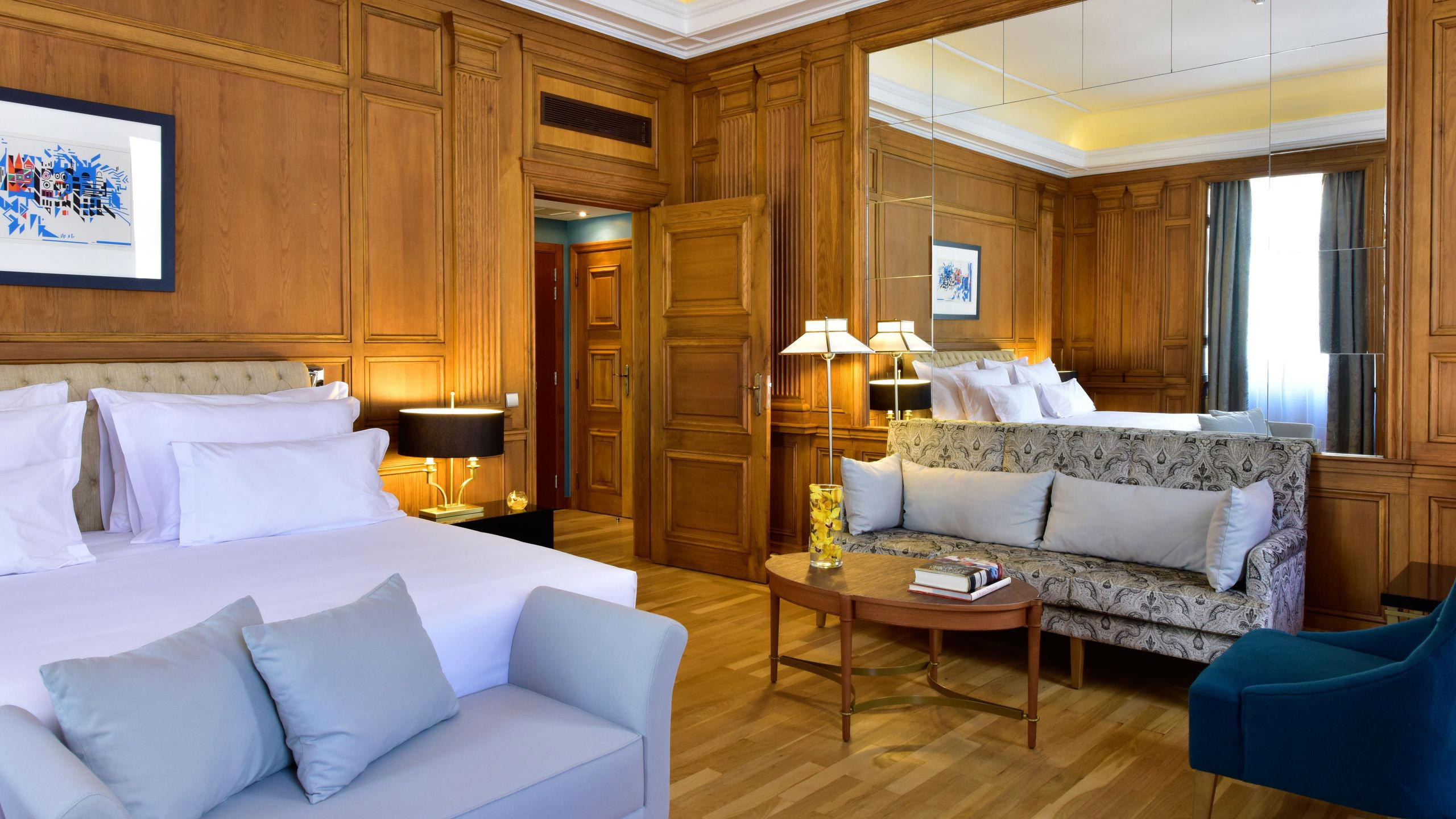
Bars in Lisbon
All bars in Lisbon →
Restaurants in Lisbon
All restaurants in Lisbon →

Details
- Cozy
- Elegant
- Intimate
- Sophisticated
- Historic
- Romantic Getaway
- Weekend Escape
- Family Vacation
- Historic Building
- Terrace
- Wi Fi
- Concierge
- Room Service
- Elevator
- Street Scene
- Elevator
- Step Free Entrance
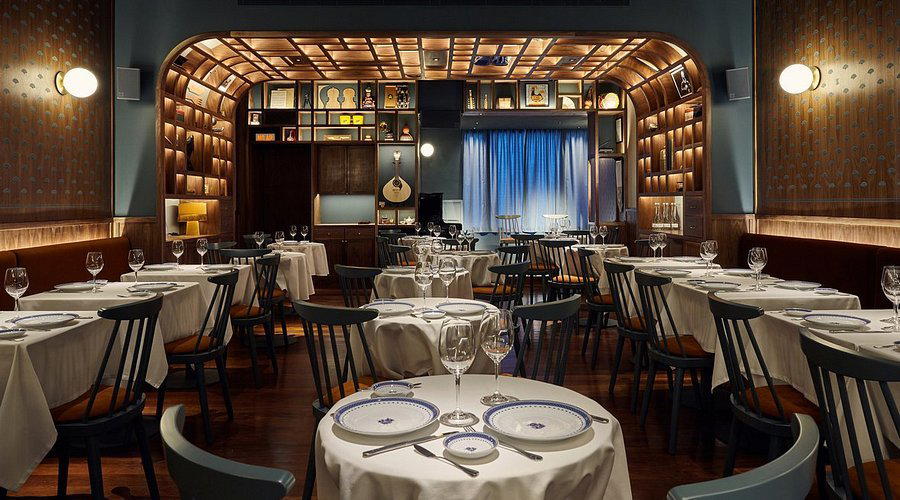
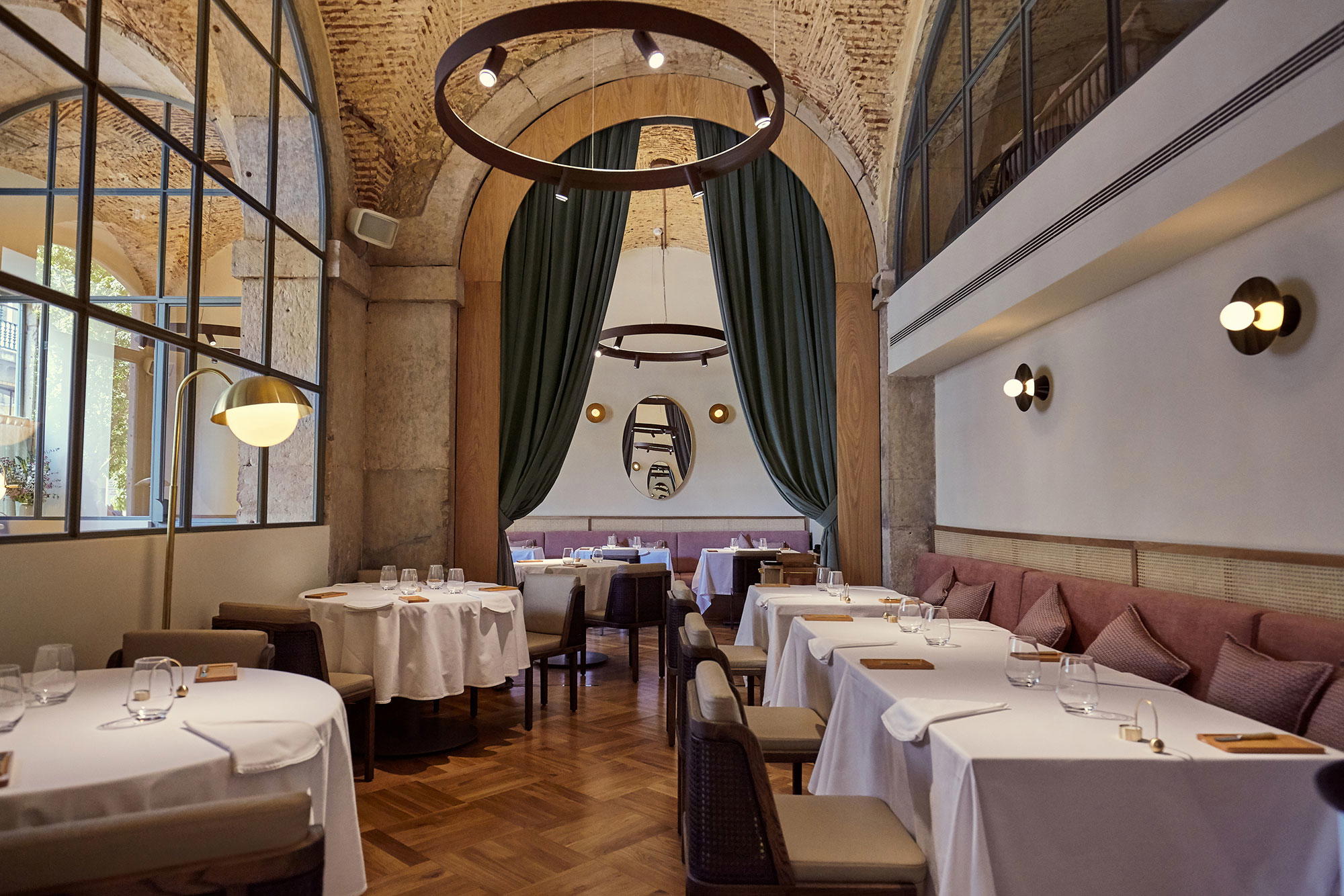
Understated elegance with warm, tranquil lighting, rustic charm, and a relaxed yet sophisticated atmosphere praised for its peaceful intimacy.