

A 16th-century aristocratic palace on Rua das Portas de Santo Antão, reimagined by designer Jaime Beriestain for H10's premium One Hotels division. Contemporary minimalist interiors sit against ornate frescoed ceilings, 82 rooms from $339 per night, an indoor and outdoor pool, full-service spa, and three distinct food and drink spaces that collectively make this one of Lisbon's more considered grand hotel conversions.
Pearl is the En Primeur Club membership app — saves, bookings, and concierge access live there. Same editors, same standards.
- Address
- R. das Portas de Santo Antão 112 134, 1150-268 Lisboa
- Phone
- +351 21 041 2300
- Website
- hotelstheone.com
- Directions
- Get directions
 Saves & bookings on Pearl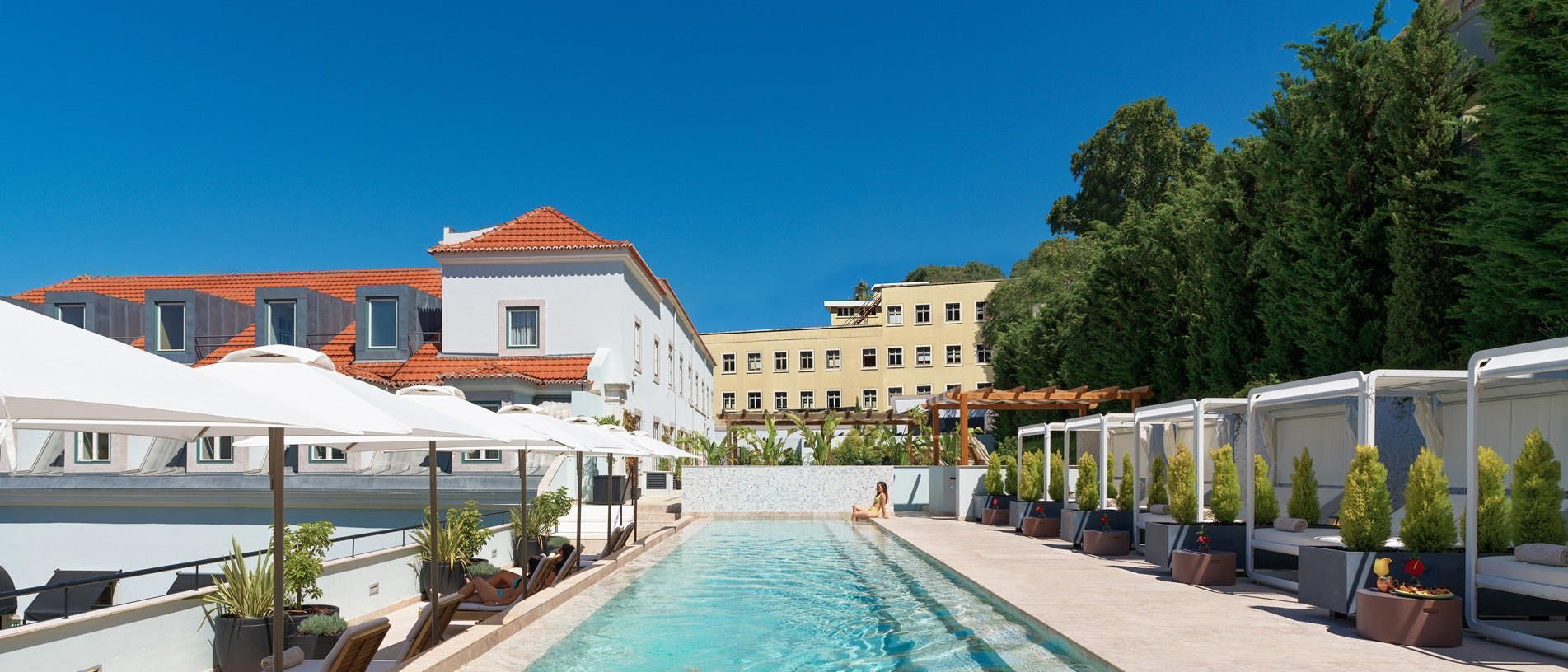
Where the 16th Century Meets Considered Contemporary Design
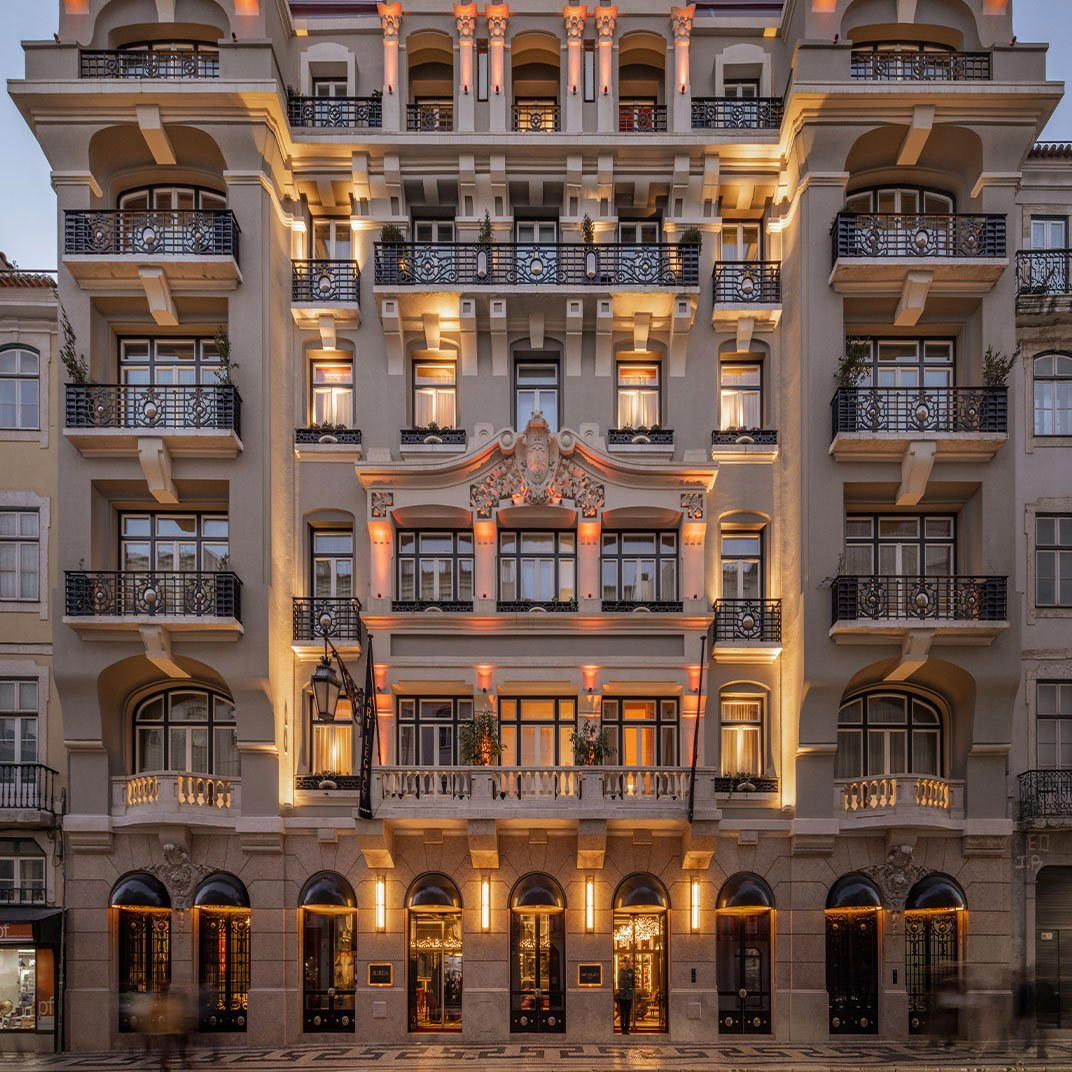
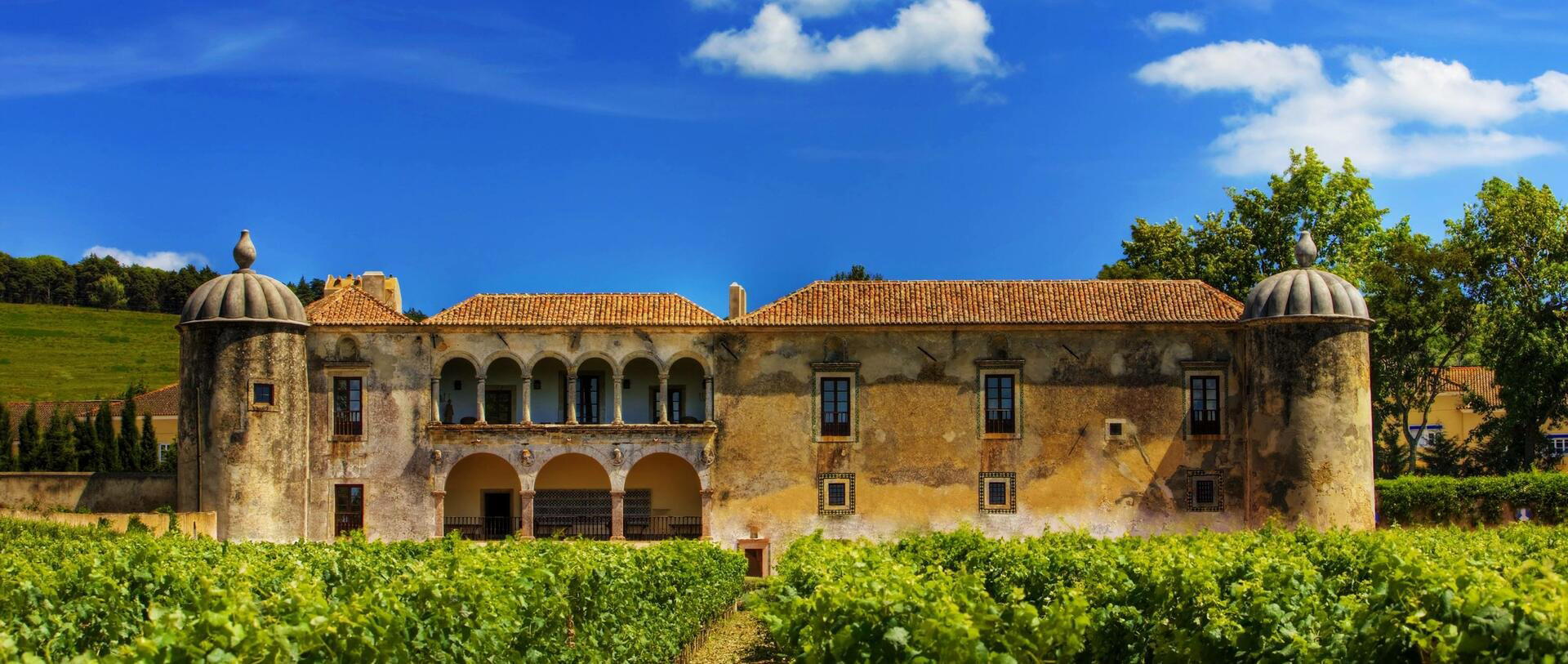
Rua das Portas de Santo Antão is one of central Lisbon's more theatrical streets, lined with seafood houses and pedestrians moving between Restauradores and the city's older residential quarters. At number 112 to 134, a 1533-vintage palace anchors one end of the block with the kind of stone facade that the city accumulates almost by accident. What happens inside, however, is the result of deliberate ambition. The One Palácio da Anunciada is operated by One Hotels, the premium imprint of the Spanish H10 group, and the conversion of this aristocratic home into a functioning grand hotel required designer Jaime Beriestain to hold two contradictory ideas in balance: preserve the palace's ornate architectural history while installing the clean, contemporary interiors that One Hotels' positioning demands.
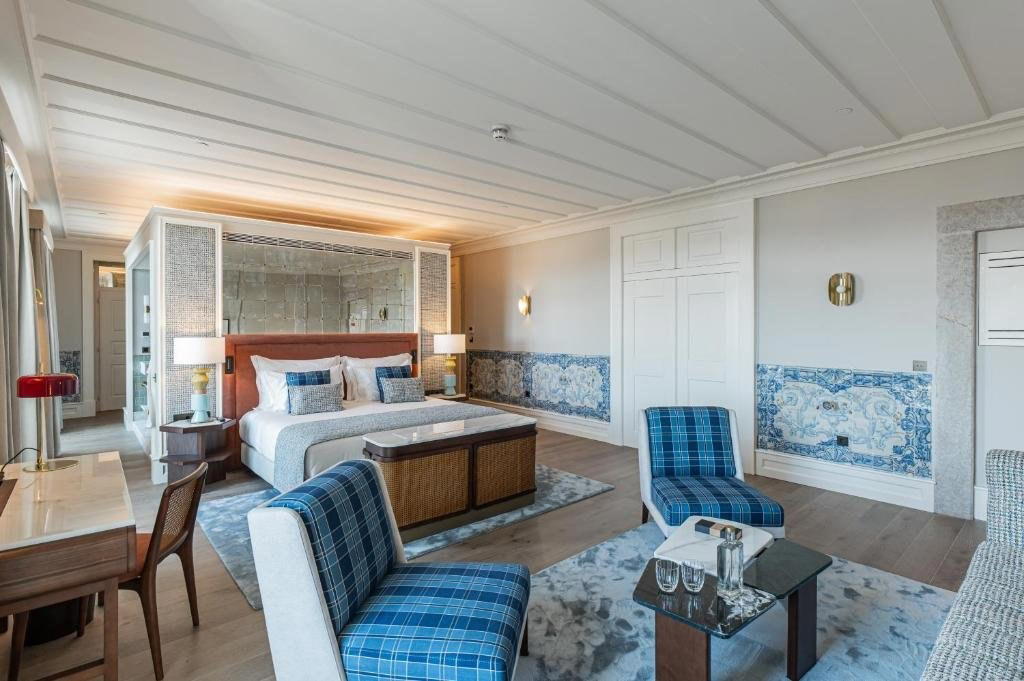
Beriestain's solution is not compromise but counterpoint. The contemporary minimalism of the guest rooms reads as sharp contrast rather than imposition, and the tension between centuries is the point rather than a problem to be resolved. Lisbon's current wave of palace-hotel conversions, which has drawn international capital to the city's older aristocratic stock, generally splits between faithful restoration (high authenticity, lower modern comfort) and wholesale modernisation (high comfort, lower character). The One Palácio da Anunciada occupies a middle register that few properties at this price tier manage convincingly.
The Food and Drink Programme as a Study in Lisbon's Dining Shift
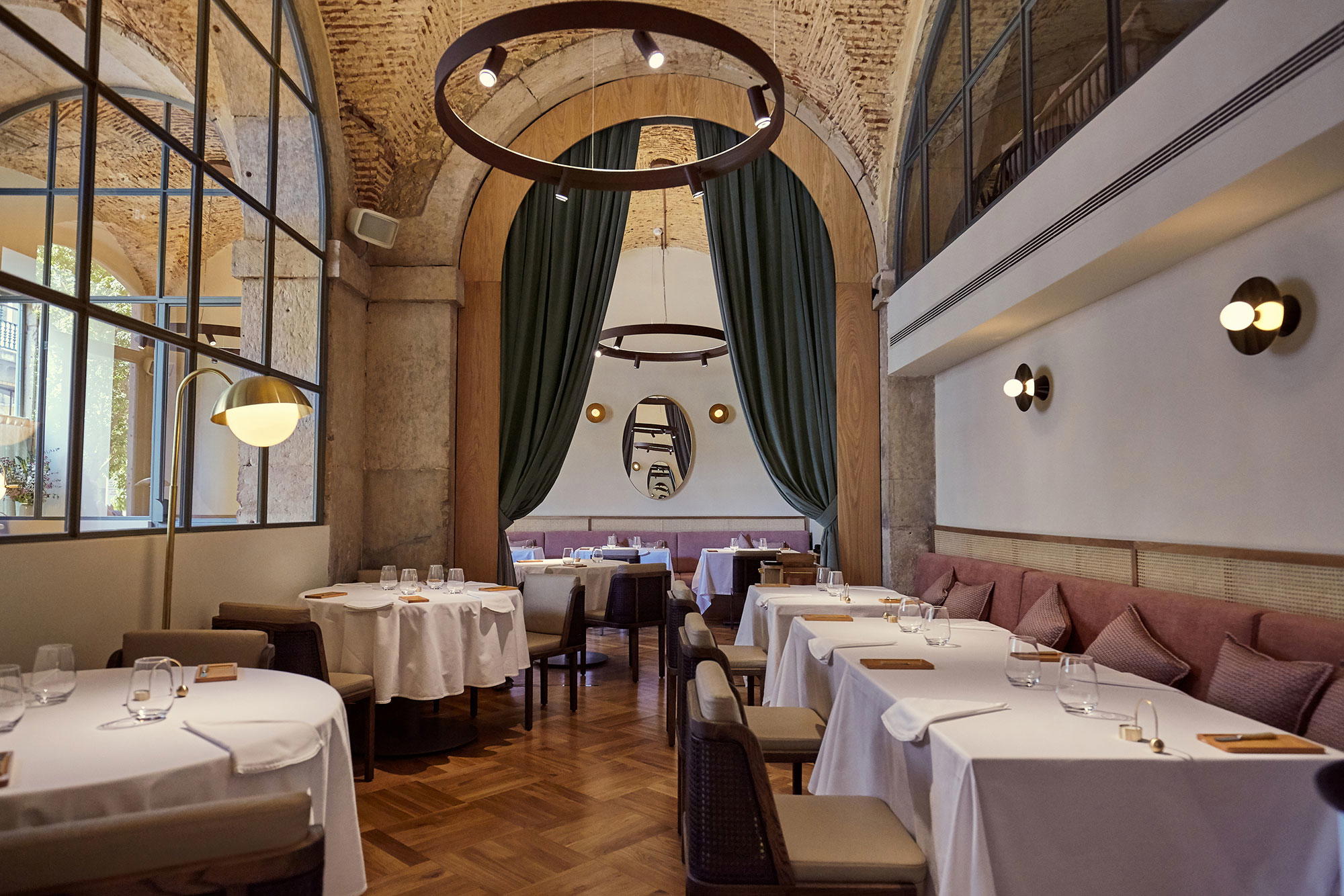
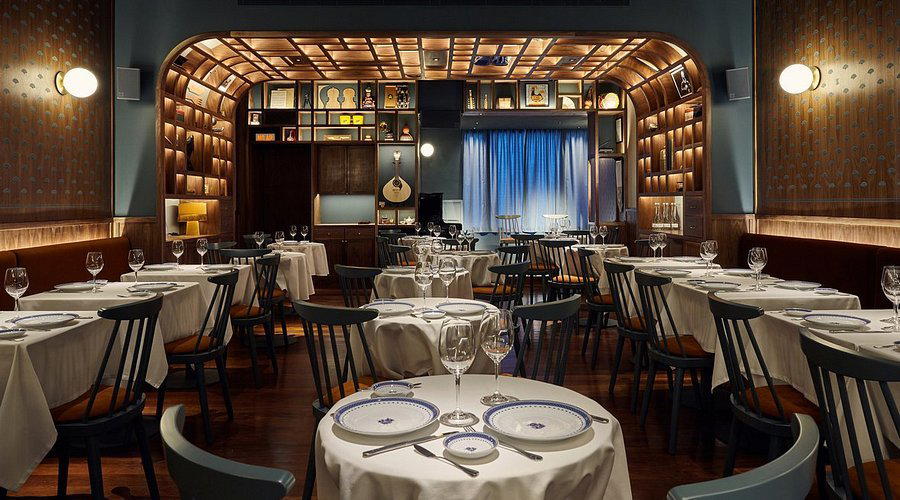
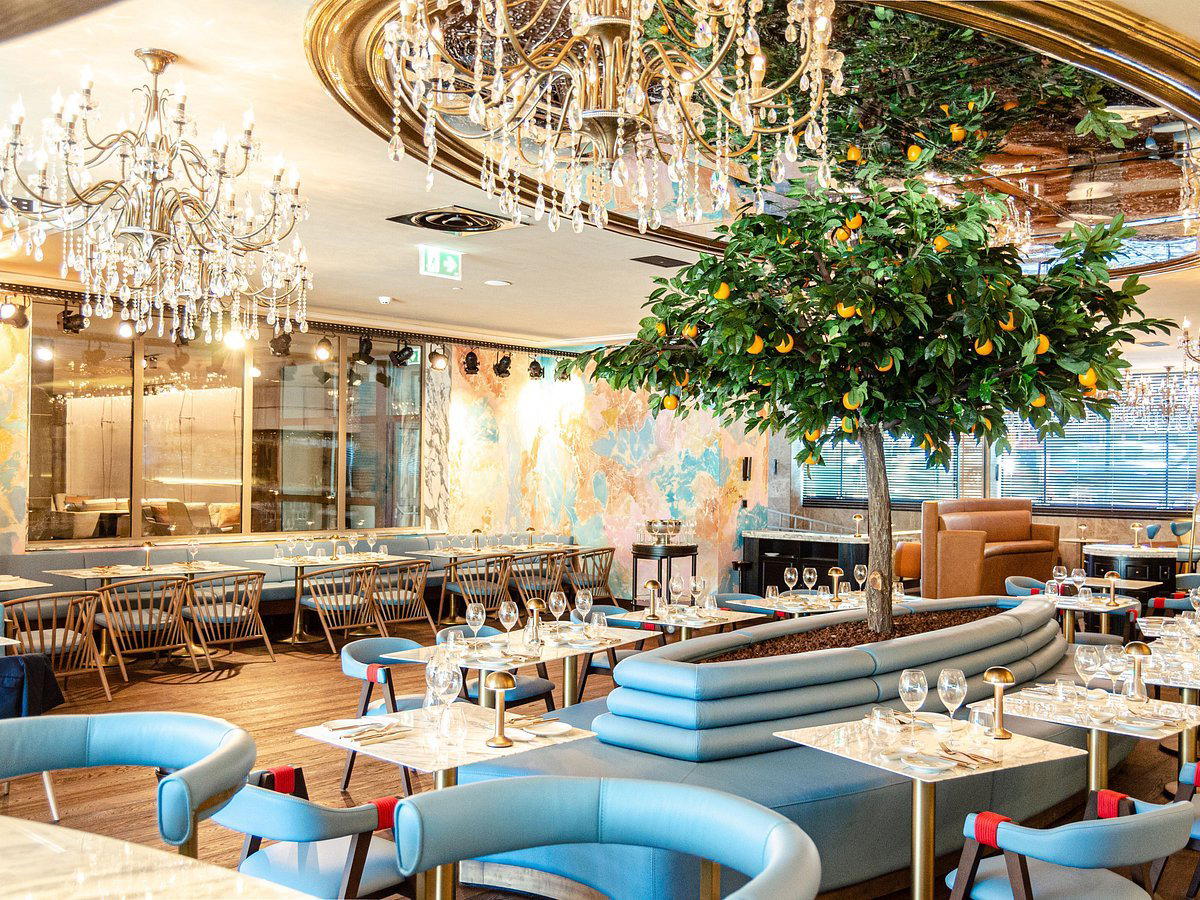
Contemporary Lisbon has moved its premium dining conversation away from purely traditional Portuguese cooking toward a position where local ingredient provenance and international technique coexist on the same plate. That shift is visible in the hotel's flagship restaurant, Condes de Ericeira. The dining room's arrangement places contemporary tables and chairs beneath a frescoed ceiling of the kind that survives in few working restaurant spaces in the city, and the visual hierarchy of that contrast sets the tone for what the kitchen attempts: modern presentation grounded in regional Portuguese produce.
The Alentejo, the Douro, the Atlantic coast, and the farms of Estremadura collectively define what ends up on high-end Lisbon menus. This is not an accident of geography but a deliberate sourcing logic: Portuguese chefs working at the premium end of the market have increasingly made traceable regional provenance a structural feature of their menus, treating origin as credential rather than background detail. At Condes de Ericeira, the name itself signals an orientation toward coastal and rural Portuguese identity, referencing a fishing town on the Estremadura coast that has long supplied Lisbon's markets with Atlantic seafood. Whether the menu's execution consistently honours that orientation is a matter for the kitchen on a given evening, but the framing places the restaurant within a recognisable and serious strand of contemporary Portuguese dining.
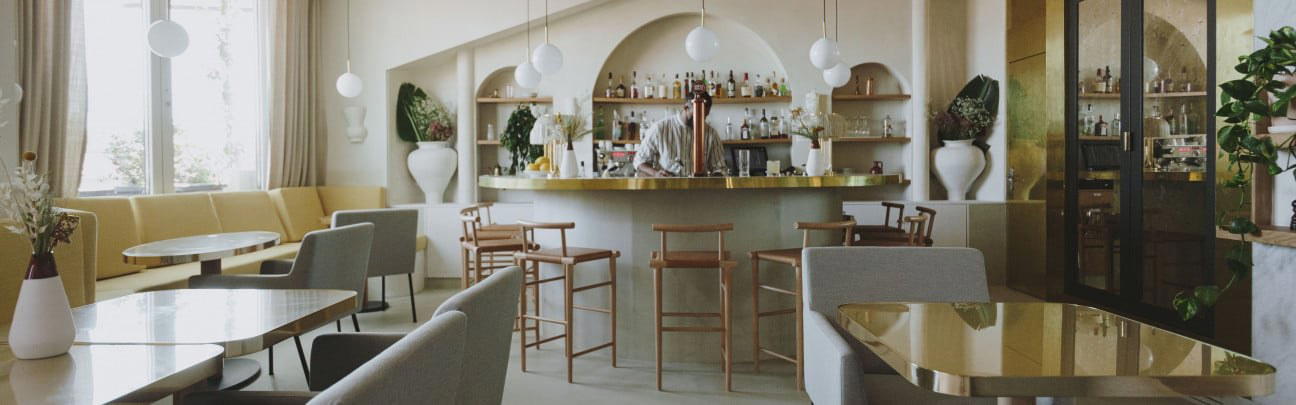
Beyond the restaurant, the Boémio Cocktail Lounge and O Jardim Wine Bar give the property a food and drink footprint that extends across different moods and hours. O Jardim's wine focus is significant: Portugal's wine identity has never been stronger internationally, and a hotel bar that treats Portuguese wine as its primary subject rather than an afterthought reflects where the country's hospitality conversation has arrived. The Douro's white wines, the Alentejo's full-bodied reds, the mineral Verdes of the Minho, and the oxidative power of the leading Setúbal producers are all part of a national wine canon that properties like this are increasingly equipped to explain and serve well. For travellers interested in Portugal's wine geography, a visit to properties like Ventozelo Hotel & Quinta in Ervedosa Do Douro or Douro Valley - Casa Vale do Douro in Cambres offers the upstream context that a Lisbon hotel bar like O Jardim distils into the glass.
Rooms, Infrastructure, and the Grand Hotel Standard
The 82 rooms sit at a scale that keeps the property from tipping into the anonymous corridor-and-lift experience of larger city hotels. At $339 per night for entry-level accommodation, the One Palácio da Anunciada prices against a comparable set that includes Lisbon's other converted palace and heritage properties rather than against the international chain segment. The Bairro Alto Hotel and the Altis Avenida Hotel occupy a similar tier, as does the AlmaLusa Baixa/Chiado, each offering a version of the same proposition: historical Lisbon architecture delivered with contemporary service infrastructure.
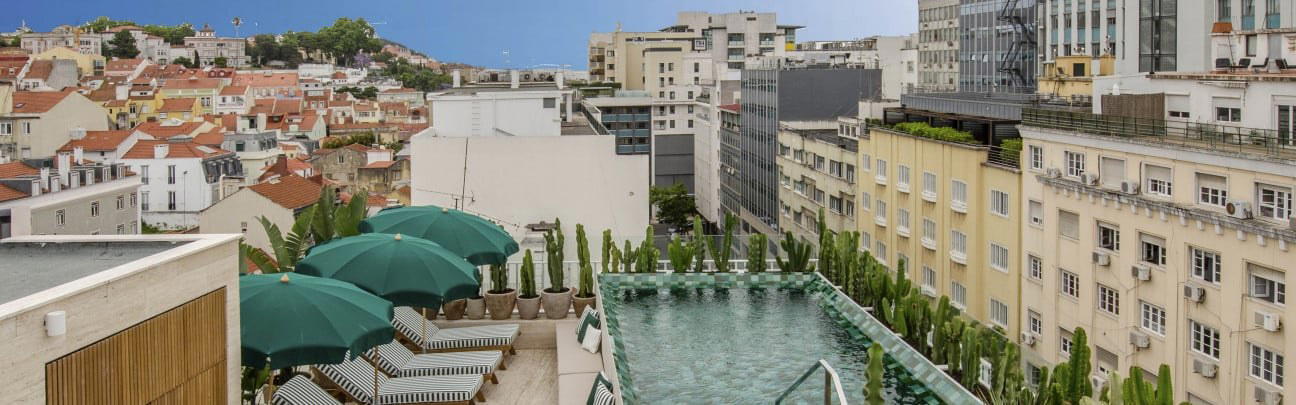
The renovation at the One has attended to modern convenience in ways that older conversions sometimes neglect. Bedside USB outlets, marble-floored bathrooms, freestanding soaking tubs in select rooms, and walk-in showers are not notable individually, but their presence across an 82-room property that began life as a 16th-century home reflects a thorough rethinking of the building's bones. The indoor pool and outdoor pool combination is rare at this scale in central Lisbon, where roof terraces are common but proper pool infrastructure is not. A full-service spa extends the amenity set into territory normally associated with larger resort-scale properties.
Travellers comparing options across Lisbon's heritage hotel stock might also consider the 1908 Lisboa Hotel, the Art Legacy Hotel Baixa-Chiado, or the As Janelas Verdes/Riverview, a Lisbon Heritage Collection, each of which approaches the conversion challenge from a different angle and at a different price point. For an equally considered approach to historic architecture at a smaller, more intimate scale, A Casa das Janelas Com Vista represents the boutique end of the same tradition.
Location and the Practicalities of Staying Here
The hotel's address on Rua das Portas de Santo Antão places guests within easy walking distance of Praça dos Restauradores and the Avenida da Liberdade, which means the metro, the main taxi and rideshare pick-up points, and the northern edge of Baixa are all accessible without navigating hills. This matters in Lisbon, where the tram-dependent neighbourhoods of Alfama and Mouraria require more deliberate logistics. From this address, Chiado, Príncipe Real, and the waterfront at Cais do Sodré are all reachable on foot in under twenty minutes, making it a practical base for covering the city's central dining and drinking circuit. For the full picture of where to eat and drink beyond the hotel, our full Lisbon restaurants guide maps the city's current standing across all price tiers.
Lisbon's appeal as a destination has shifted the market decisively toward the upper tier: the city that was a value alternative to Barcelona or Rome a decade ago now competes for the same premium traveller that considers Aman Venice or Aman New York. The One Palácio da Anunciada is positioned to serve that shift. Its combination of architectural weight, design intelligence, food and drink programme, and infrastructure makes the case without requiring any single element to carry the whole argument.
Portugal's wider hospitality circuit is worth factoring into any extended visit. Properties like Hospedaria da Pensão Agrícola in the Algarve, Craveiral Farmhouse in São Teotônio, Villa Epicurea in Sesimbra, Bela Vista Hotel & Spa in Praia da Rocha, Anantara Vilamoura Algarve Resort, and Masana Algarve in Albufeira illustrate how broadly the country's premium accommodation offer now extends. To the north, M Maison Particulière Porto represents a comparable design-led approach in Porto, while the Bussaco Palace Hotel in Luso and Boutique Hotel Teatro in Angra do Heroísmo extend the country's heritage hotel conversation beyond the mainland. The Q.ta da Corte in Valença do Douro and 3HB Faro round out a circuit that rewards travellers who treat Portugal as a country rather than a single-city destination.
Comparison Snapshot
Comparable venues nearby, for context on price, style, and recognition.
| Venue | Cuisine | Price | Awards | Notes |
|---|---|---|---|---|
| The One Palácio da AnunciadaThis venue — the venue you are viewing | Historic palace hotel blending 16th-century Portuguese architecture with contemporary luxury and wellness-focused amenities. | $$$$ | Michelin 1 Key | Not listed |
| Pousada de Lisboa | Historic luxury pousada in restored government building | $$$$ | Michelin 1 Key | Chiado |
| Santiago de Alfama - Boutique Hotel | Historic boutique in Lisbon's Alfama district | $$$$ | Michelin 1 Key | Castelo |
| Brown's Avenue Hotel | Luxurious urban boutique hotel | $$$$ | Michelin 1 Key | Estefania |
| Sublime Lisboa | Luxury boutique hotel blending understated elegance with personalized service in a grand historic townhouse. | $$$$ | Michelin 1 Key | Amoreiras |
| Art Legacy Hotel Baixa-Chiado | Artistic boutique luxury hotel with individually themed rooms | $$$$ | Michelin 1 Key | Baixa |
Recognition history
Dated appearances from independent guides and award organizations, with the underlying list record or original source where available.
Michelin 1 Key
Michelin
Preferred Hotels L.V.X. Collection
Preferred Hotels
Continue exploring
More in Lisbon
Hotels in Lisbon
Browse all →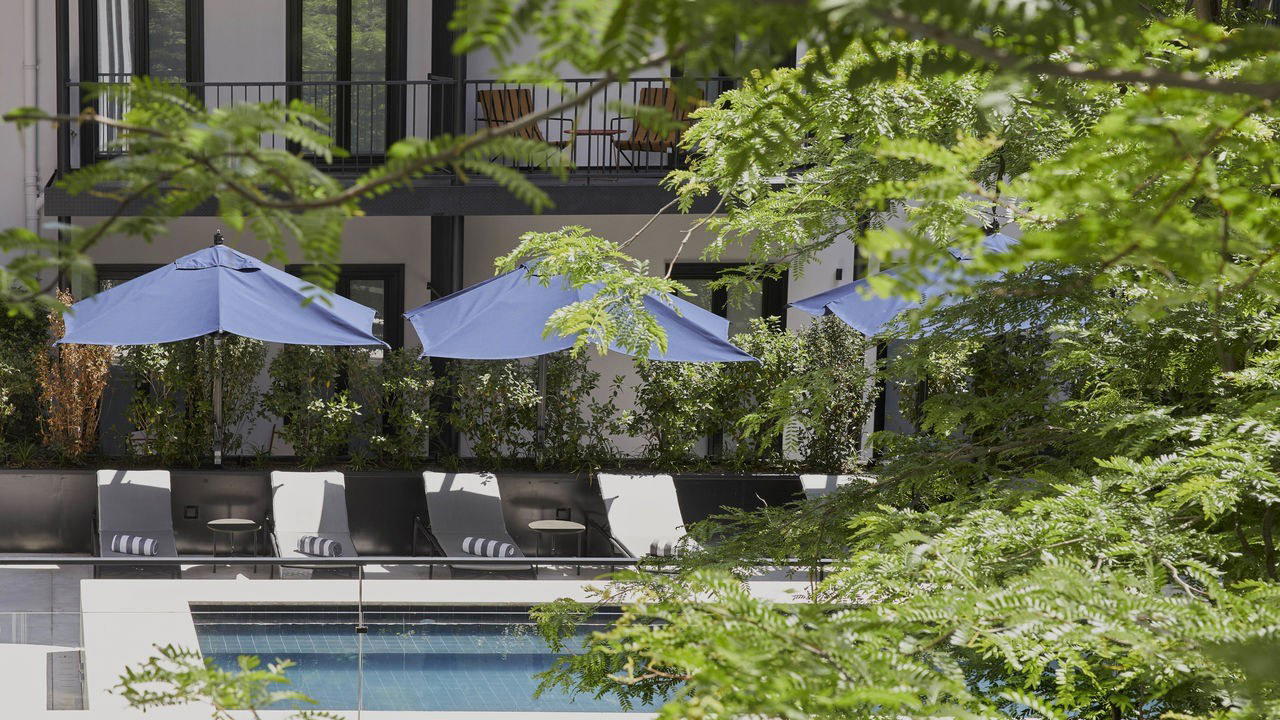
Bars in Lisbon
Browse all →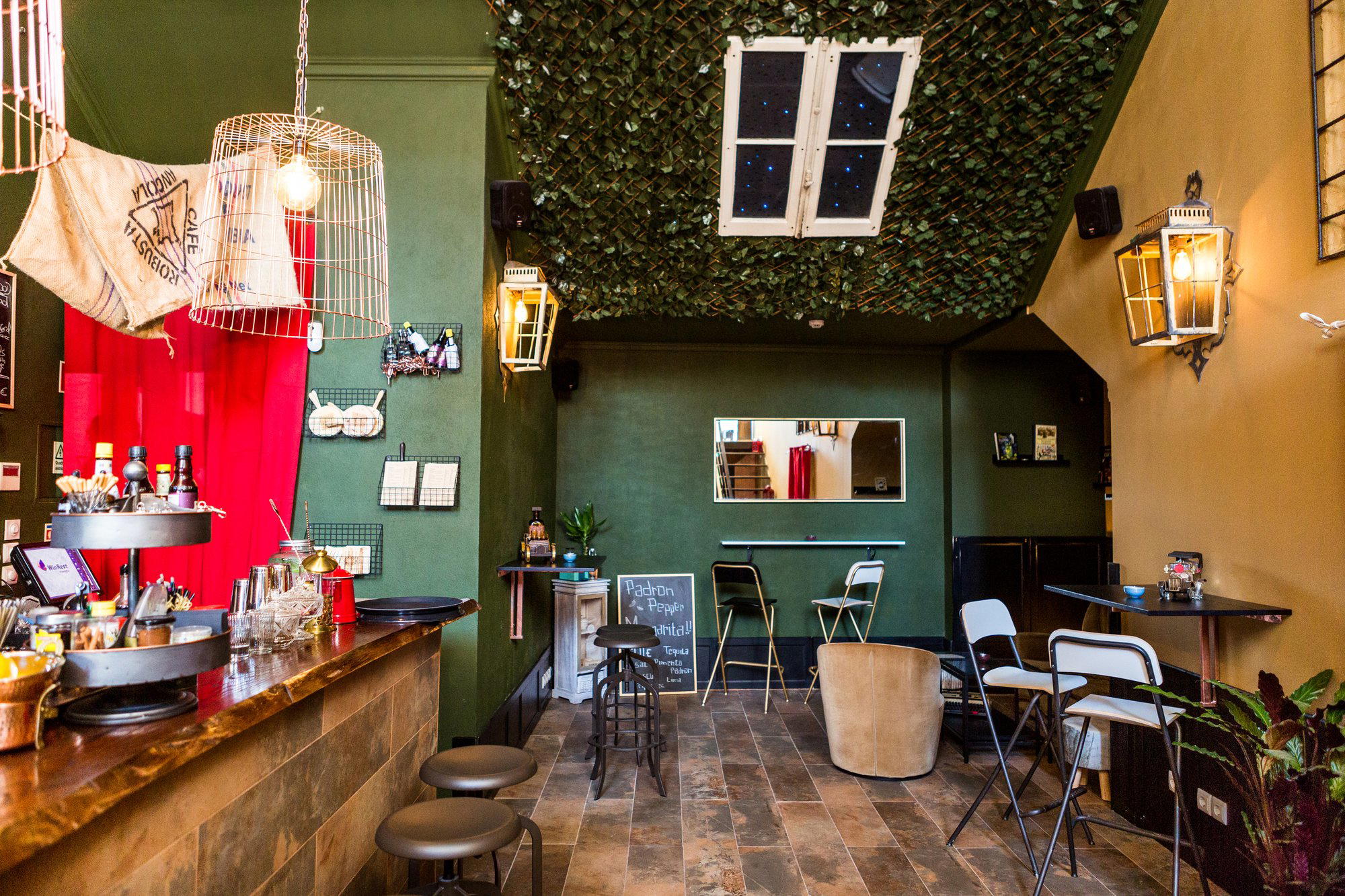
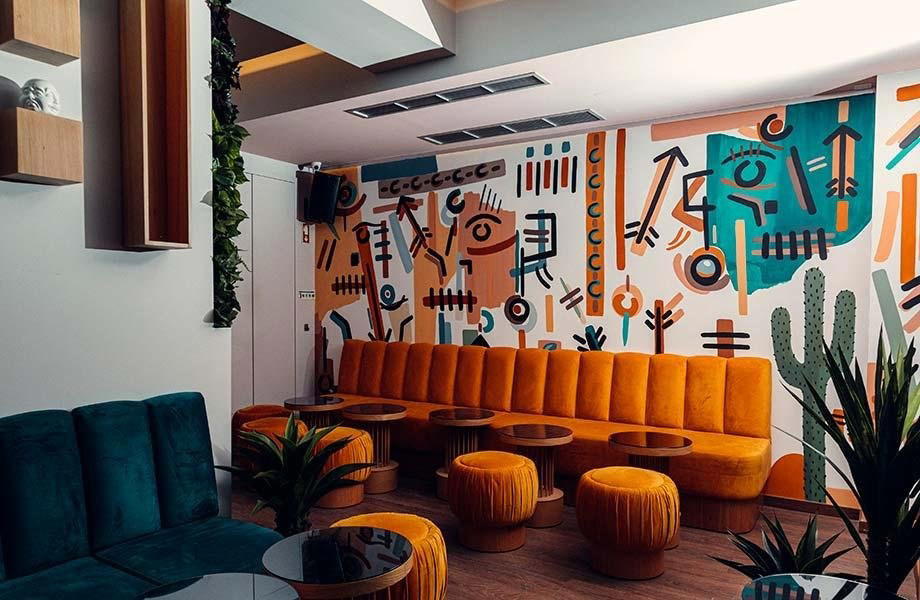
Restaurants in Lisbon
Browse all →

At a Glance
- Elegant
- Romantic
- Sophisticated
- Classic
- Romantic Getaway
- Destination Wedding
- Anniversary
- Celebration
- Wellness Retreat
- Historic Building
- Garden
- Terrace
- Destination Spa
- Private Dining
- Panoramic View
- Wi Fi
- Pool
- Spa
- Fitness Center
- Room Service
- Concierge
- Business Center
- Valet Parking
- EV Charging
- Restaurant
- Garden
- Wi Fi
- Pool
- Spa
- Fitness Center
- Room Service
- Concierge
- Business Center
- Valet Parking
- EV Charging
- Restaurant
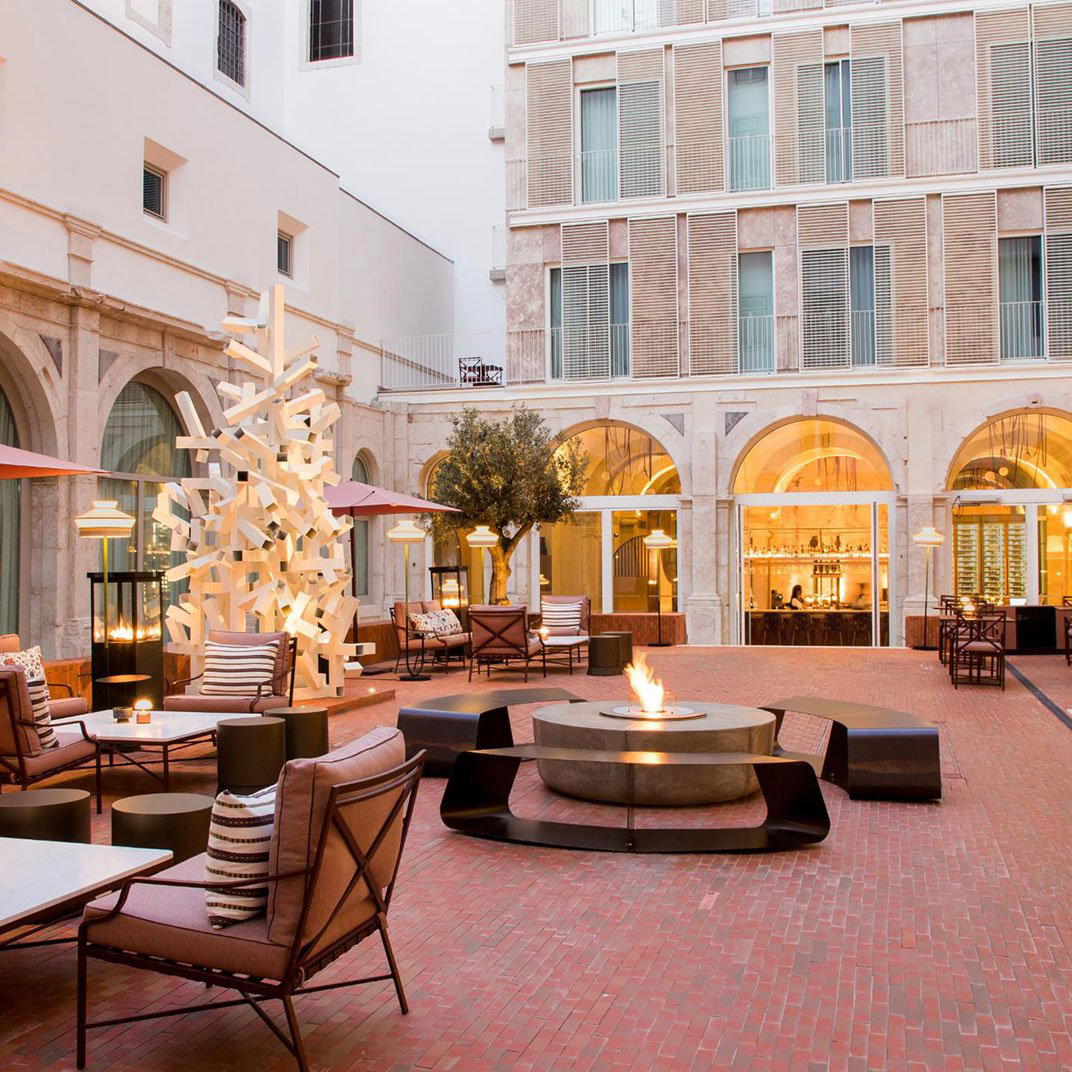
Elegant and serene with natural light throughout restored palace halls, featuring hand-painted frescoed ceilings and manicured gardens creating a tranquil, sophisticated atmosphere.