
A century-old Beaux Arts office building on Rua Áurea, restored over seven years by local firm Rebelo De Andrade, now operates as a 53-room boutique hotel where Dutch design brand Moooi furnishings meet bold primary-color interiors and Bulgari bathrooms. At street level, restaurant Áurea reframes Portuguese classics in a setting that holds its own against Lisbon's broader wave of heritage-conversion hotels. Rates from $364 per night.
Pearl is the En Primeur Club membership app — saves, bookings, and concierge access live there. Same editors, same standards.
- Address
- R. Áurea 175, 1100-063 Lisboa
- Phone
- +351 21 145 3090
- Website
- artlegacyhotels.com
- Directions
- Get directions
 Saves & bookings on Pearl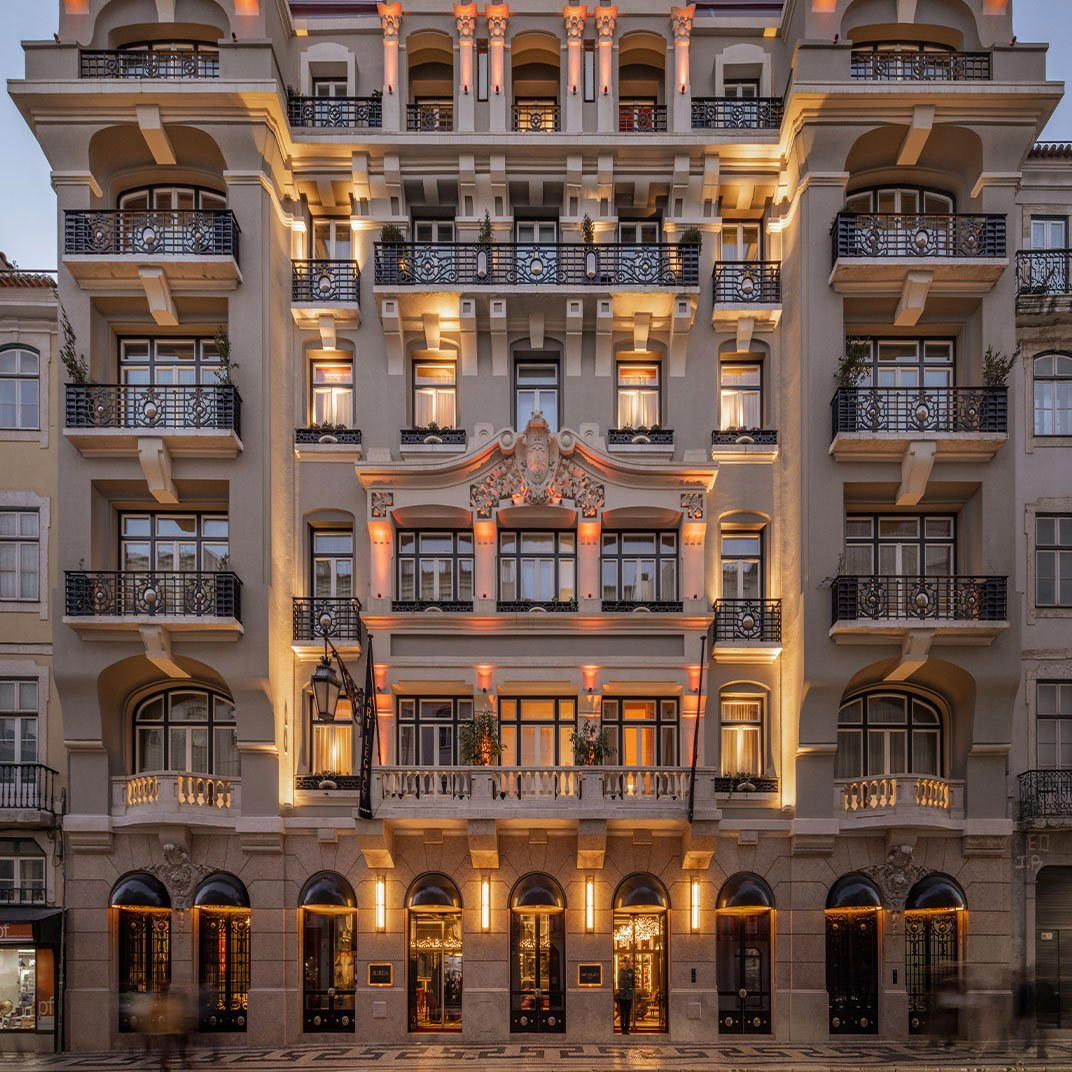
Where Baixa's Street Grid Meets a Beaux Arts Revival
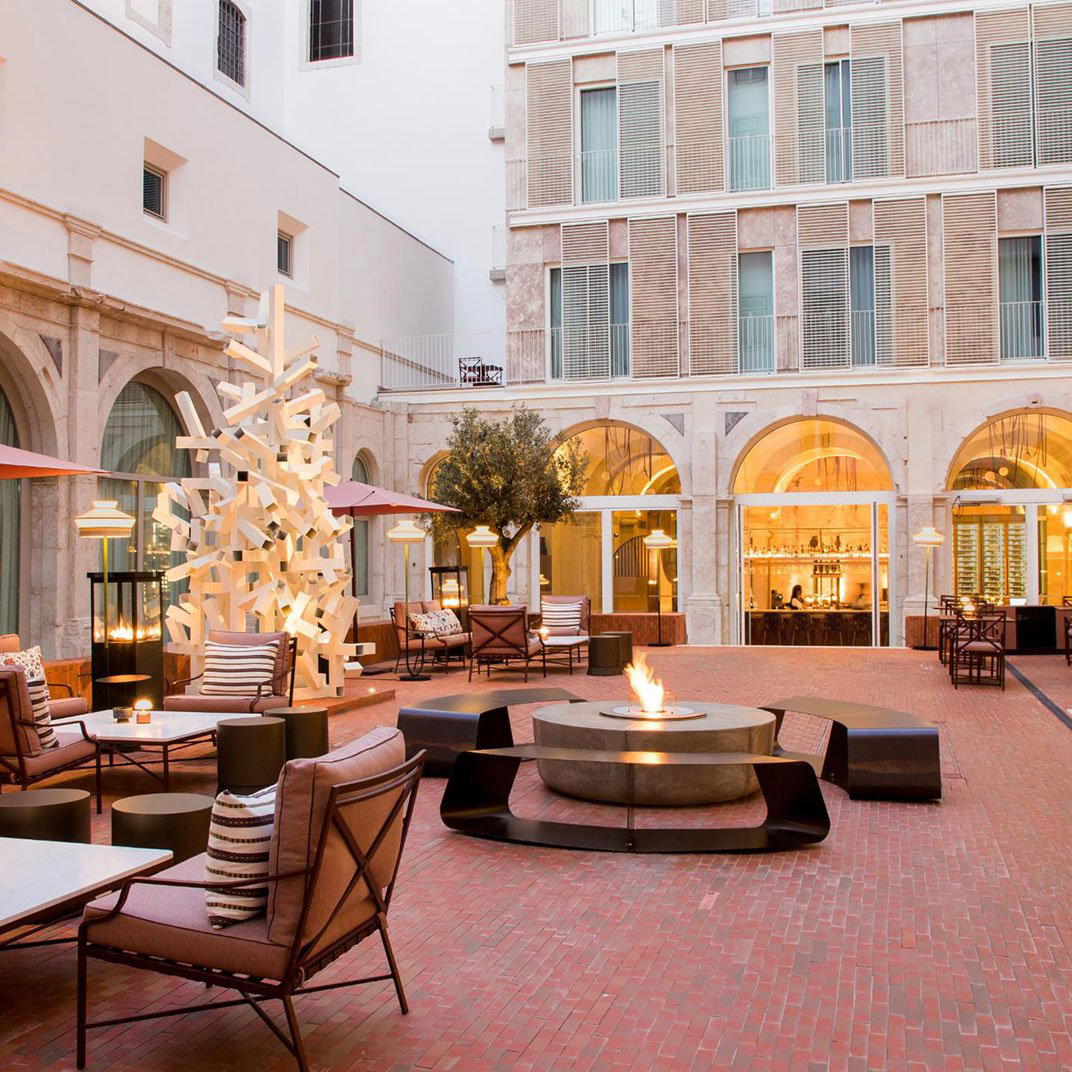
Rua Áurea runs through the heart of Pombaline Baixa, the grid of commerce and civic stone that Lisbon rebuilt after the 1755 earthquake. The street has always traded in a certain formal weight, and the building at number 175 carries that character plainly in its facade. What changed is what happens inside. After seven years of restoration by local architecture firm Rebelo De Andrade, the century-old former office block opened as the Art Legacy Hotel Baixa-Chiado, a 53-room, five-star boutique hotel in Lisbon with one Michelin Key and a price from $261 per night. The Beaux Arts exterior received a painstaking overhaul; the interiors were rebuilt around an almost exclusively contemporary furnishing program, sourced from Dutch design brand Moooi. That combination, preserved shell with radically contemporary interior, is now something of a signature move in European city-centre conversions, and Baixa-Chiado executes it with the kind of specificity that separates design-led boutique properties from their more generic counterparts.
The Room Aesthetic and What It Signals
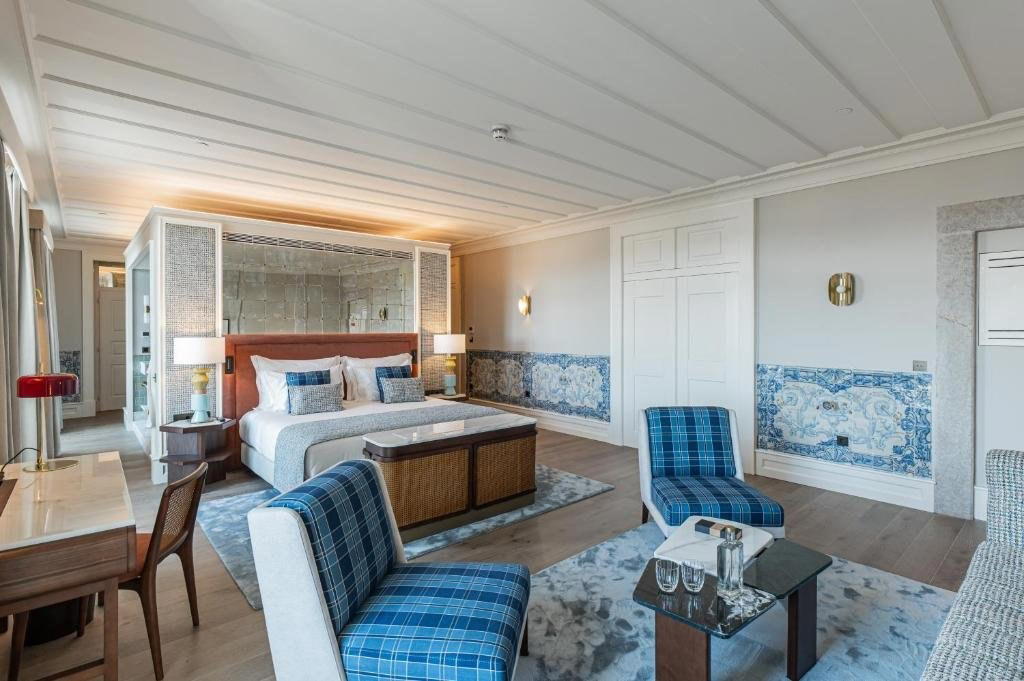
Boutique hotels in Lisbon split, broadly, between properties that double down on azulejo-and-fado nostalgia and those that treat the city's architecture as a canvas for contemporary intervention. Art Legacy Hotel Baixa-Chiado belongs firmly to the second camp. Rooms run in bold primary colors, offset with white, gold, and orange, furnished with retro-inflected details including Smeg kettles and clawfoot tubs that read as deliberate nods to mid-century European hotel culture rather than generic period pastiche. Bulgari bathroom amenities appear throughout. At 53 rooms, the property stays small enough to sustain a coherent visual identity across its key count without the dilution that larger inventories tend to produce.
For a sense of how Lisbon's boutique tier compares in its handling of historic buildings, the 1908 Lisboa Hotel and AlmaLusa Baixa/Chiado represent adjacent approaches in roughly the same neighbourhood. Each makes different choices about how much contemporary language to layer over preserved fabric. Art Legacy leans furthest toward full contemporary replacement of the interior, using the Moooi program as the primary visual statement, which gives it a sharper design identity at the cost of some of the worn-in warmth that older Lisbon properties carry.
Áurea and the Question of What Portuguese Food Has Become
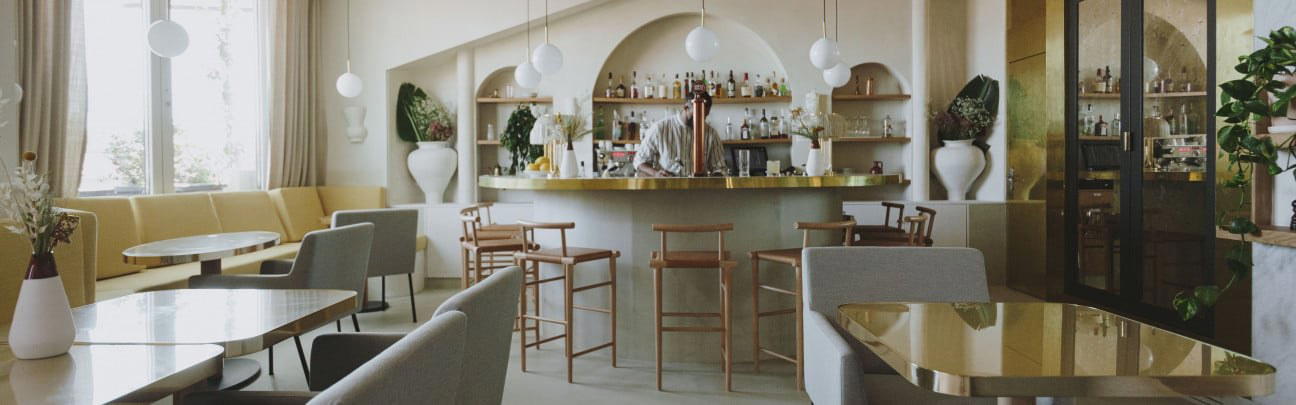
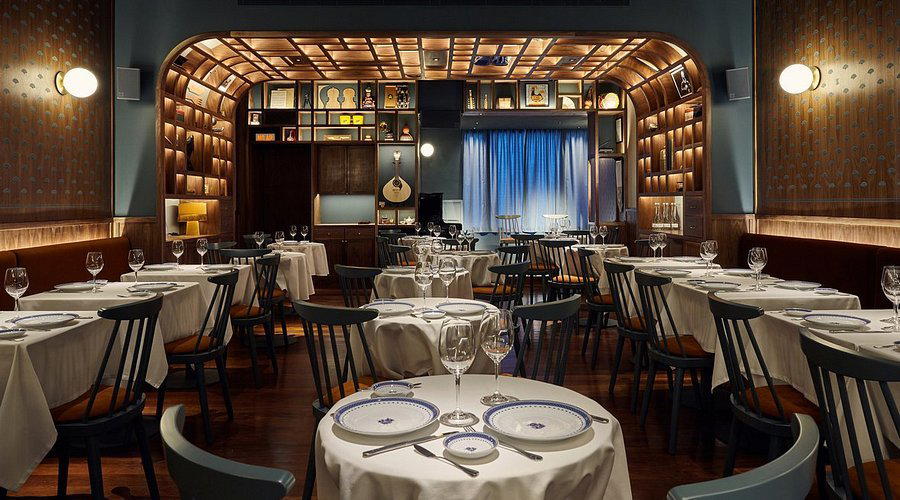
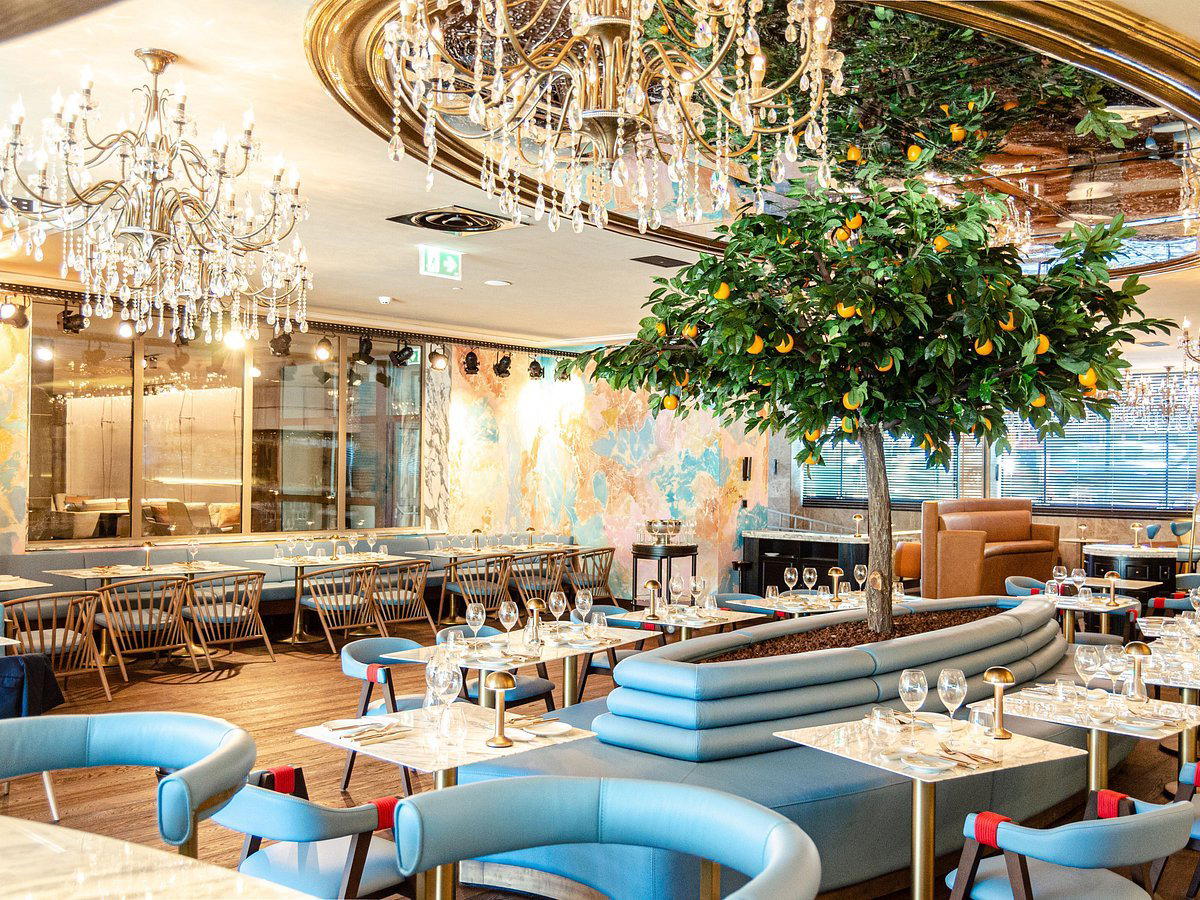
The lobby-level restaurant is named Áurea, after the street address, and it serves inventive takes on Portuguese classics. Portuguese fine dining has moved considerably in the past decade. The country's cuisine now occupies a serious position in the European conversation, with Lisbon holding multiple Michelin-starred addresses and a generation of younger chefs reworking bacalhau, caldo verde, and slow-cooked offal traditions with modern technique and broader ingredient reach. A hotel restaurant working in this space faces a specific challenge: it must be coherent enough for guests who want a reliable dinner without leaving the building, but distinctive enough not to be dismissed as a convenience amenity by Lisbon's increasingly demanding dining public.
Portugal's wine geography spans regions from the Douro to the Alentejo, with Vinho Verde and Dão offering further range at lower price points. A thoughtful hotel list in this context can draw on regional diversity that few other European capitals can match at comparable budget levels. The Alentejo in particular has expanded its premium tier significantly over the past fifteen years, producing structured reds that hold their own against better-known Iberian appellations. A restaurant working creatively with Portuguese ingredients and cooking traditions has strong commercial logic in sourcing its list primarily from domestic producers, both for cost control and for narrative coherence with what the kitchen is doing.
Location and Practical Logistics
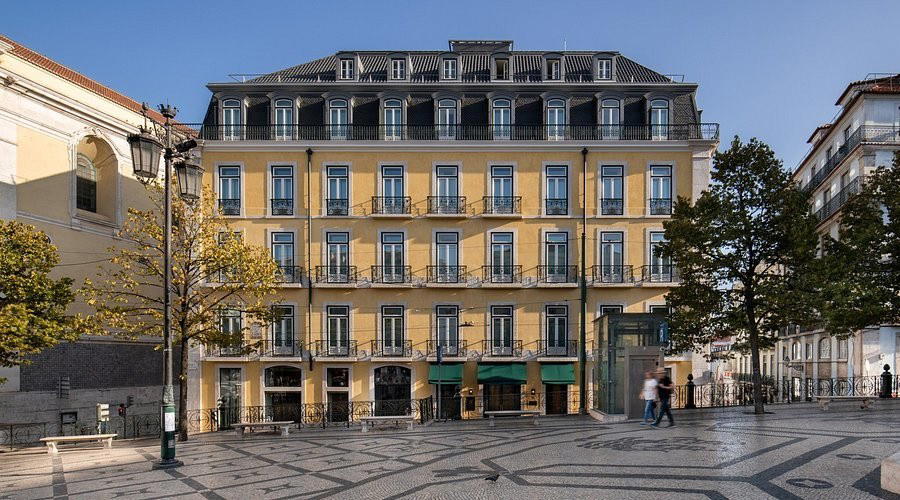
Rua Áurea 175 puts the hotel within walking distance of Praça do Comércio and the Tagus waterfront to the south, and within ten minutes on foot of the Chiado neighbourhood to the west, where the density of independent bars, design shops, and more casual dining options is highest. Baixa is the commercial centre of Lisbon, well-served by metro and easy to reach from both Humberto Delgado Airport via the Aerobus and Rossio station for those arriving by train from Sintra or Porto. Rates from $364 per night place the property in the upper-mid bracket of Lisbon's boutique tier, above the entry-level conversion hotels that populate the same streets but below the all-inclusive luxury of properties like the Altis Belém Hotel and Spa. The 53-room count means that availability compresses during peak Lisbon travel months, broadly April through October, and again over the Christmas and New Year period when the city draws significant European city-break traffic. Planning around shoulder season, particularly November through early March, offers both better availability and cooler temperatures that make the city's steep topography more comfortable on foot.
Further afield, Hospedaria da Pensão Agrícola in the eastern Algarve offers a rural-heritage contrast, while Craveiral Farmhouse in the Alentejo coast region represents the agro-tourism end of the Portuguese boutique spectrum.
For those whose travel extends to Portugal's island territories, Boutique Hotel Teatro in Angra do Heroísmo in the Azores provides a comparable scale and design sensibility in a different geographic context.
Comparable Spots
Comparable venues nearby, for context on price, style, and recognition.
| Venue | Cuisine | Price | Notes |
|---|---|---|---|
| Art Legacy Hotel Baixa-ChiadoThis venue — the venue you are viewing | Artistic boutique luxury hotel with individually themed rooms | $$$$ | Not listed |
| Palácio Ludovice Wine Experience Hotel | Historic palace transformed into a luxury wine experience hotel | $$$$ | Bairro Alto |
| Sublime Lisboa | Luxury boutique hotel blending understated elegance with personalized service in a grand historic townhouse. | $$$$ | Amoreiras |
| Brown's Avenue Hotel | Luxurious urban boutique hotel | $$$$ | Estefania |
| Sofitel Lisbon Liberdade | Luxury urban hotel blending French elegance with Portuguese hospitality, positioned as a sophisticated destination for informed travelers seeking refined comfort in Lisbon's cultural heart. | $$$$ | Baixa |
| Pestana Palace Lisboa Hotel & National Monument | Historic palace hotel with private parklands | $$$$ | Alcântara |
Recognition history
Dated appearances from independent guides and award organizations, with the underlying list record or original source where available.
Michelin 1 Key
Michelin
Continue exploring
More in Lisbon
Hotels in Lisbon
Browse all →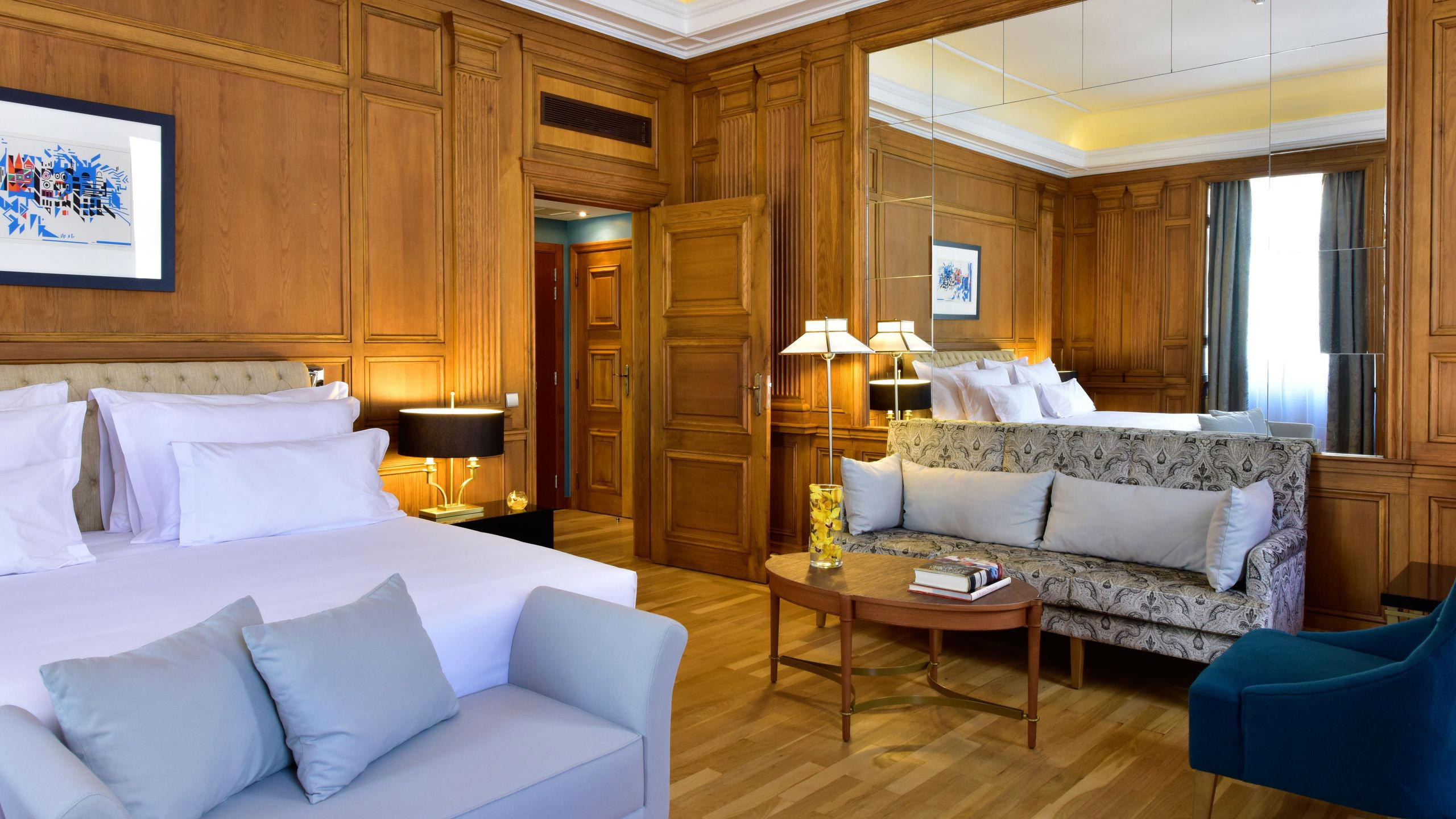
Bars in Lisbon
Browse all →
Restaurants in Lisbon
Browse all →

At a Glance
- Elegant
- Modern
- Sophisticated
- Intimate
- Romantic Getaway
- Weekend Escape
- Anniversary
- Historic Building
- Terrace
- Wi Fi
- Room Service
- Concierge
- Restaurant
- Bar
- Air Conditioning
- Street Scene
- Wi Fi
- Room Service
- Concierge
- Restaurant
- Bar
- Air Conditioning
Warm indirect lighting, soundproofed rooms creating a cozy, elegant and artsy atmosphere praised for comfort and style.