
José Maria da Fonseca is one of Portugal's most historically grounded wine producers, operating from Azeitão in the Setúbal Peninsula and. The estate sits within a region defined by Moscatel de Setúbal and aged Periquita-based reds, placing it among the country's most distinctive wine addresses outside the Douro and Alentejo.
Pearl is the En Primeur Club membership app — saves, bookings, and concierge access live there. Same editors, same standards.
- Address
- R. José Augusto Coelho 12a, 2925-538 Azeitão
- Phone
- +351 21 219 8940
- Website
- jmf.pt
- Directions
- Get directions
 Saves & bookings on Pearl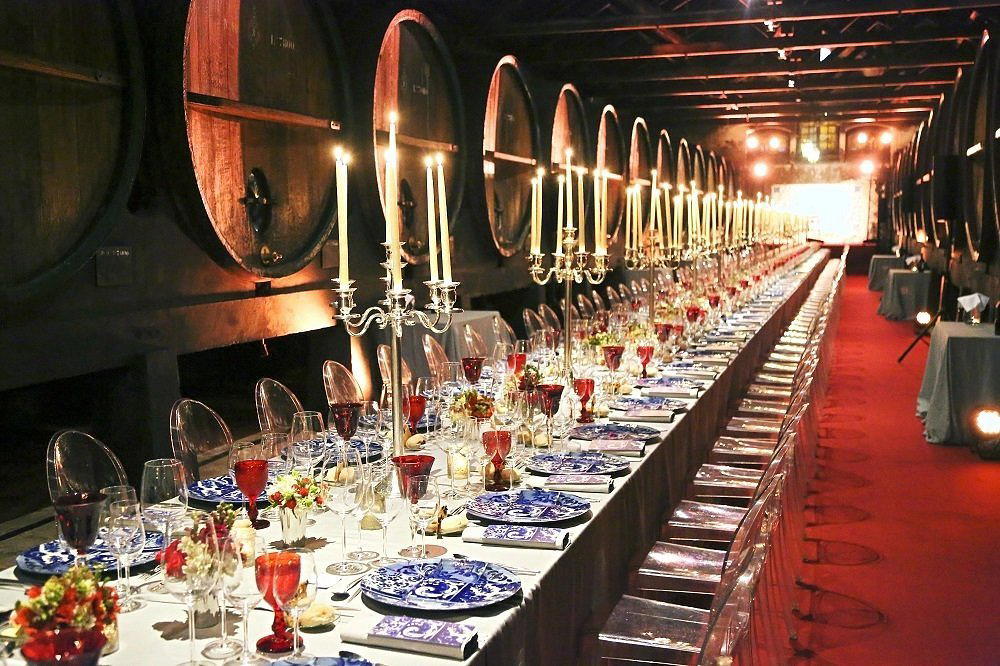
Where the Setúbal Peninsula's Wine Identity Takes Shape
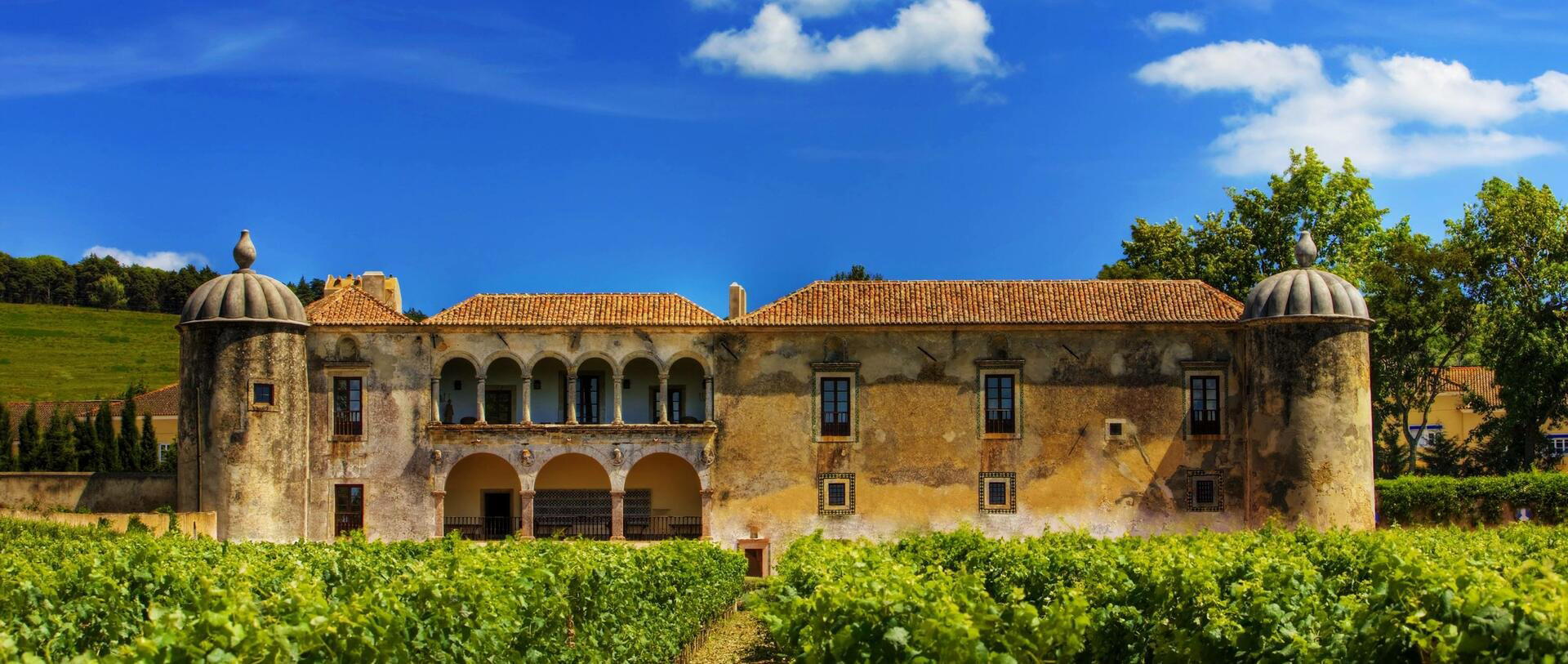
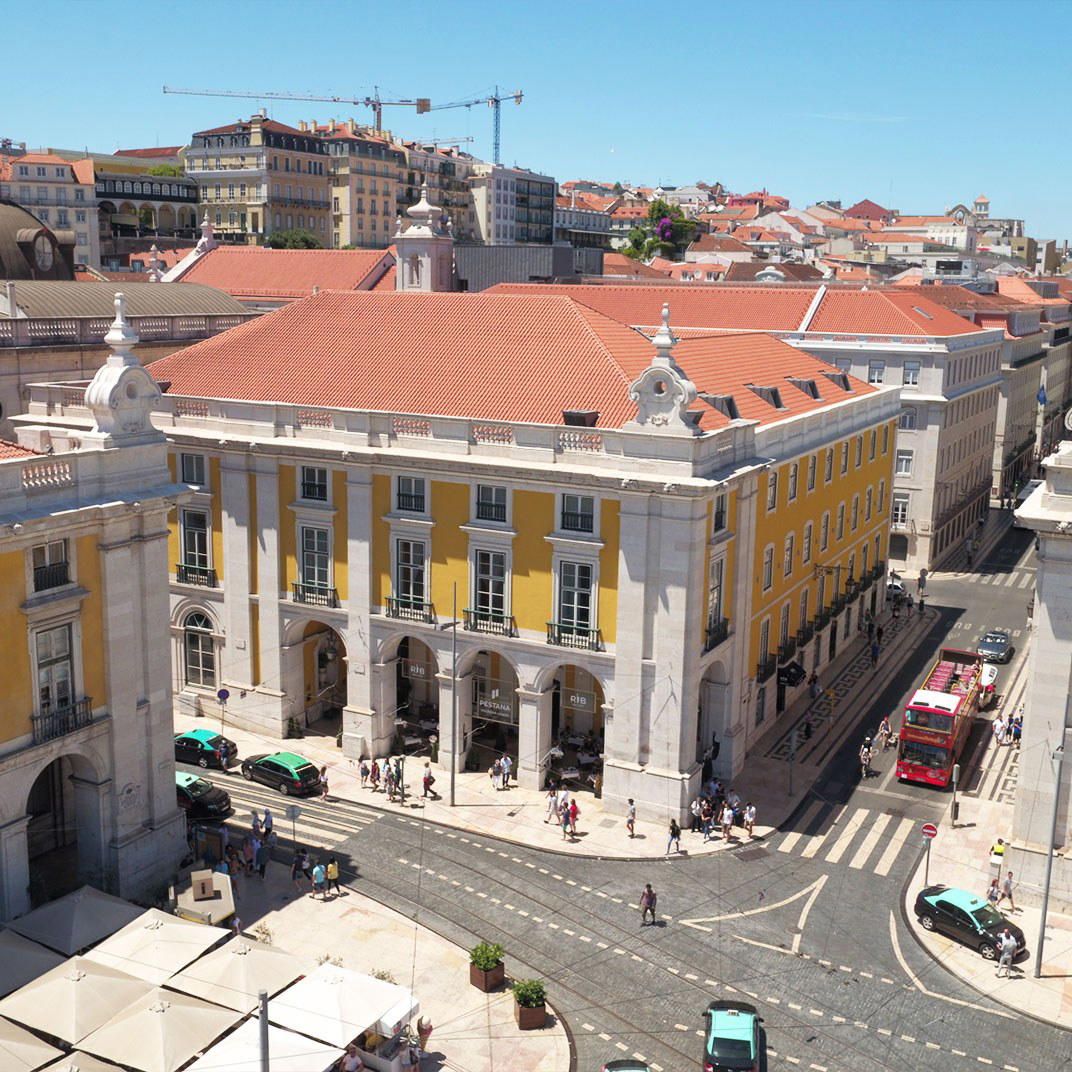
Arriving in Azeitão, a small town roughly 30 kilometres south of Lisbon along the Serra da Arrábida foothills, the pace slows considerably compared to the capital. The streets are quieter, the architecture older, and the surrounding agricultural land still organised around wine and olive production in a way that much of greater Lisbon's wine country has long since abandoned. José Maria da Fonseca sits on Rua José Augusto Coelho in the centre of this town, and its physical presence there is not incidental. The estate has been part of the commercial and viticultural identity of Azeitão for long enough that the two are difficult to separate in any serious account of the region's wine history.
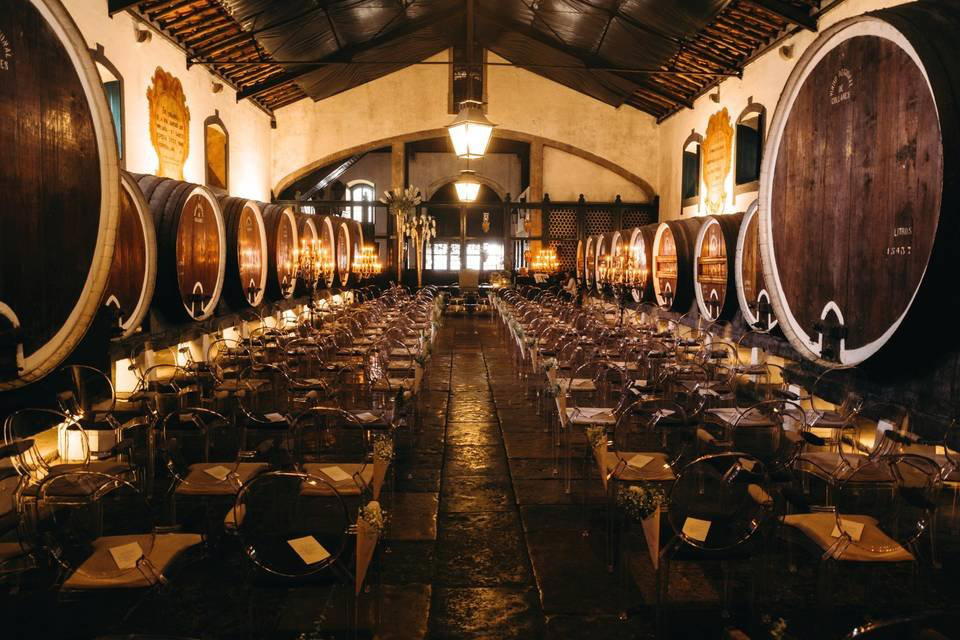
This is not a cellar door grafted onto a production facility. The address functions as an estate property with historic buildings, cellars, and a visitor operation that reflects the depth of a producer whose roots in the Setúbal Peninsula extend across multiple generations. For a broader look at dining and drinking options in the area, our full Azeitão restaurants guide maps the town's full range.
The Setúbal Peninsula as a Wine Region
Portugal's wine conversation is dominated by the Douro, the Alentejo, and to a lesser degree the Minho and Dão. The Setúbal Peninsula operates as a distinct regional identity that tends to attract specialists and historically minded drinkers rather than casual visitors following the country's most-publicised wine routes. The region's calling card is Moscatel de Setúbal, a fortified wine produced from Muscat varieties grown on clay-limestone soils that generate a richness and aromatic complexity distinct from similarly styled wines made elsewhere in Europe.
Beyond Moscatel, the peninsula has a long association with Castelão, the local red grape known historically as Periquita, a name closely associated with José Maria da Fonseca's commercial heritage. The variety performs differently here than in the Alentejo or Ribatejo, producing wines that tend toward earthier, more medium-weight profiles when handled with restraint. Producers across this peninsula, including the nearby Bacalhôa Vinhos, have shaped the region's modern reputation, but the Fonseca name carries particular historical weight in establishing Setúbal as a serious wine address.
For context on how Portugal's other heritage wine estates operate across different regional frameworks, the visitor operations at Herdade do Esporão in Reguengos de Monsaraz and Adega Cartuxa in Évora offer instructive comparisons in how Portuguese producers at the premium end position heritage alongside contemporary production.
In a country where the publicly recognised premium tier is increasingly crowded with newer boutique producers, this kind of sustained prestige-level recognition tends to reflect consistency across vintages and a production philosophy that prioritises depth over novelty.
Among Portugal's heritage producers, consistent upper-tier recognition is not automatic. Estates that built reputations on volume production in earlier decades have had to recalibrate their approaches as the market shifted toward smaller-batch, terroir-focused wine.
For comparison, other Portuguese estates carrying strong recognition credentials include Quinta do Vallado in Peso da Régua, Quinta do Bomfim in Pinhão, and Quinta do Seixo in Tabuaço, all of which operate in the Douro Valley context where the benchmark pressure is considerably higher due to international attention. Setúbal's smaller spotlight means that prestige-level recognition here carries a somewhat different weight: it reflects internal quality discipline rather than external competitive pressure.
Production Philosophy and Regional Anchoring
Portugal's wine map has split in recent years between producers working in internationally legible styles and those anchoring their identity firmly in native varieties and regional expression. José Maria da Fonseca belongs clearly to the latter category. The estate's long association with Moscatel de Setúbal and Castelão-based reds reflects a production philosophy organised around what the Setúbal Peninsula does distinctively rather than what the international market rewards most loudly.
This regional anchoring connects the winery to a broader Portuguese pattern visible in estates like Adega Regional de Colares, which similarly guards a geographically specific and historically defined wine tradition, and Casa de Santar in Nelas, which operates within the Dão's native-variety framework. Across the country, particularly credible prestige-tier estates tend to be those that have resisted the temptation to pivot toward Touriga Nacional-heavy blends designed for export legibility, instead maintaining their regional identity through varietal and stylistic decisions that require a longer-term view of market positioning.
In the fortified wine category specifically, the structural comparisons with operations like Blandy's Wine Lodge in Funchal and Churchill's in Vila Nova de Gaia are instructive. Those estates operate within the well-publicised frameworks of Madeira and Port respectively, which carry their own strong international recognition infrastructure. Moscatel de Setúbal lacks that global brand architecture, which means the winery's sustained prestige-level positioning is achieved without the same supporting framework.
Planning a Visit
Azeitão sits within comfortable day-trip distance from Lisbon, with driving times running roughly 30 to 40 minutes depending on the route and traffic through the southern suburbs. The town itself is small and walkable, which makes coordinating a visit to the winery alongside the wider Azeitão food and wine circuit practical. The estate's address on Rua José Augusto Coelho 12a is centrally located within the town.
Portugal's heritage wine estates have varied significantly in their post-pandemic visitor policies, and some have moved to reservation-only formats for cellar tours and tastings. Arriving without confirming current access arrangements risks a missed visit, particularly outside peak season when staffed visitor operations may run on reduced schedules.
For visitors building a broader Portuguese wine itinerary, pairing Azeitão with the Alentejo interior, where Adega Cooperativa de Borba and Aliança Vinhos in Sangalhos offer contrasting cooperative and private estate models, provides useful regional counterpoint. For those whose wine interests extend beyond Portugal, the production philosophy discipline visible at the winery connects to approaches at estates as different in context as Aberlour in Speyside or Accendo Cellars in St. Helena, where sustained prestige-tier positioning is equally a function of long-term production discipline over short-term market responsiveness.
A Pricing-First Comparison
Comparable venues nearby, for context on price, style, and recognition.
| Venue | Cuisine | Price | Notes |
|---|---|---|---|
| José Maria da FonsecaThis venue — the venue you are viewing | Azeitão, Castelão, Moscatel | $$ | Not listed |
| Bacalhôa Vinhos | Azeitão, Cabernet Sauvignon, Merlot | $$$ | Not listed |
| Ramos Pinto | Not listed | $$ | Vila Nova de Gaia, Touriga Nacional, Touriga Franca |
| Palácio da Brejoeira | Monção, Alvarinho | $$ | Not listed |
| Adega Regional de Colares | Winery | Not listed | Not listed |
| Morgado do Quintão | Lagoa, Crato Branco, Tinta Negra Mole | $$$ | Not listed |
Recognition history
Dated appearances from independent guides and award organizations, with the underlying list record or original source where available.
Falstaff Winery - Listed
Falstaff

At a Glance
- Classic
- Historic
- Rustic
- Elegant
- Wine Education
- Special Occasion
- Group Outing
- Historic Building
- Cave Tasting
- Barrel Room
- Estate Grounds
- Sustainable
- Vineyard
- Garden
- Setúbal Peninsula
- Castelão
- Moscatel
- Touriga Nacional
- Trincadeira
- Syrah
- Bastardo
- Still Red
- Still White
- Fortified
- Dessert
- Guided Tasting
- Premium Tasting
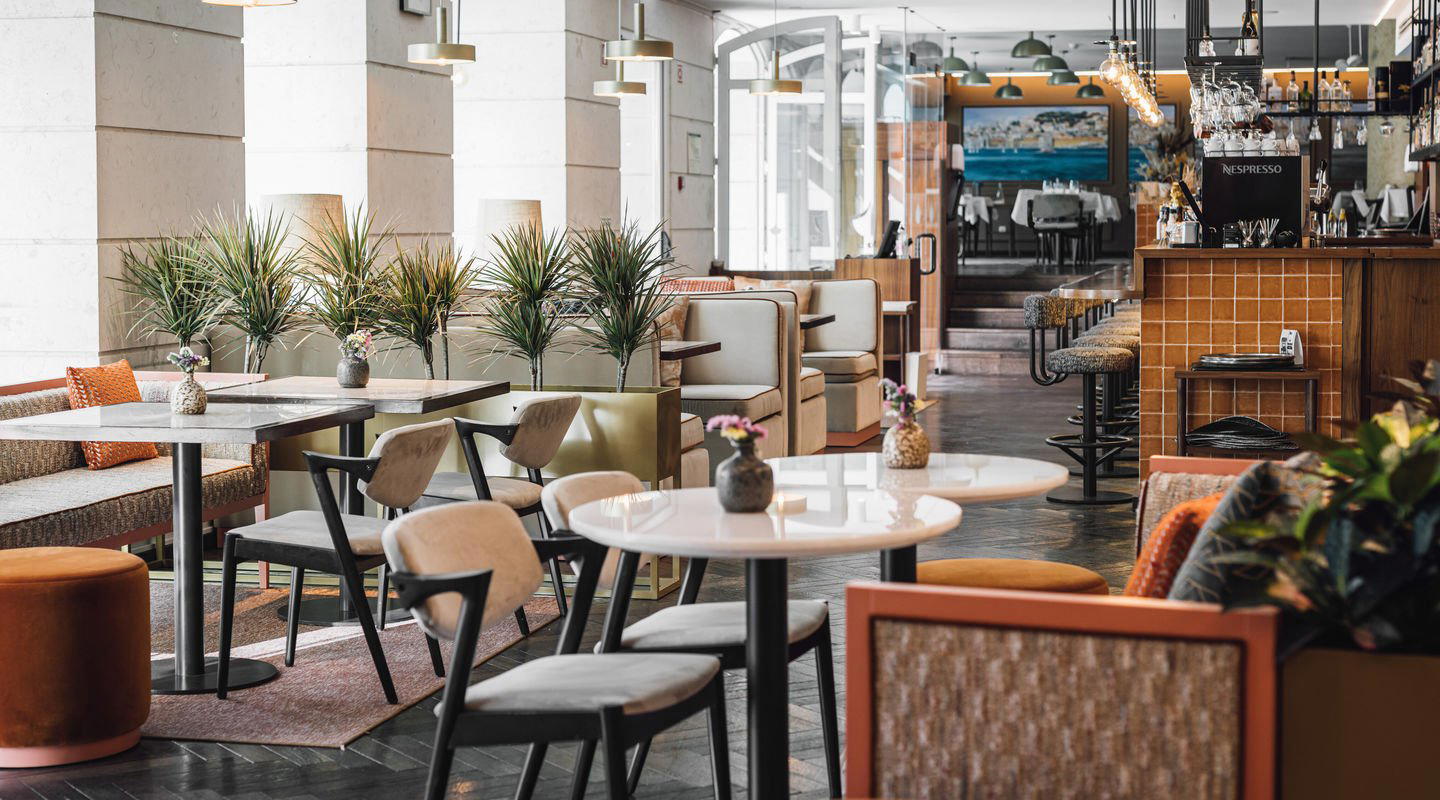
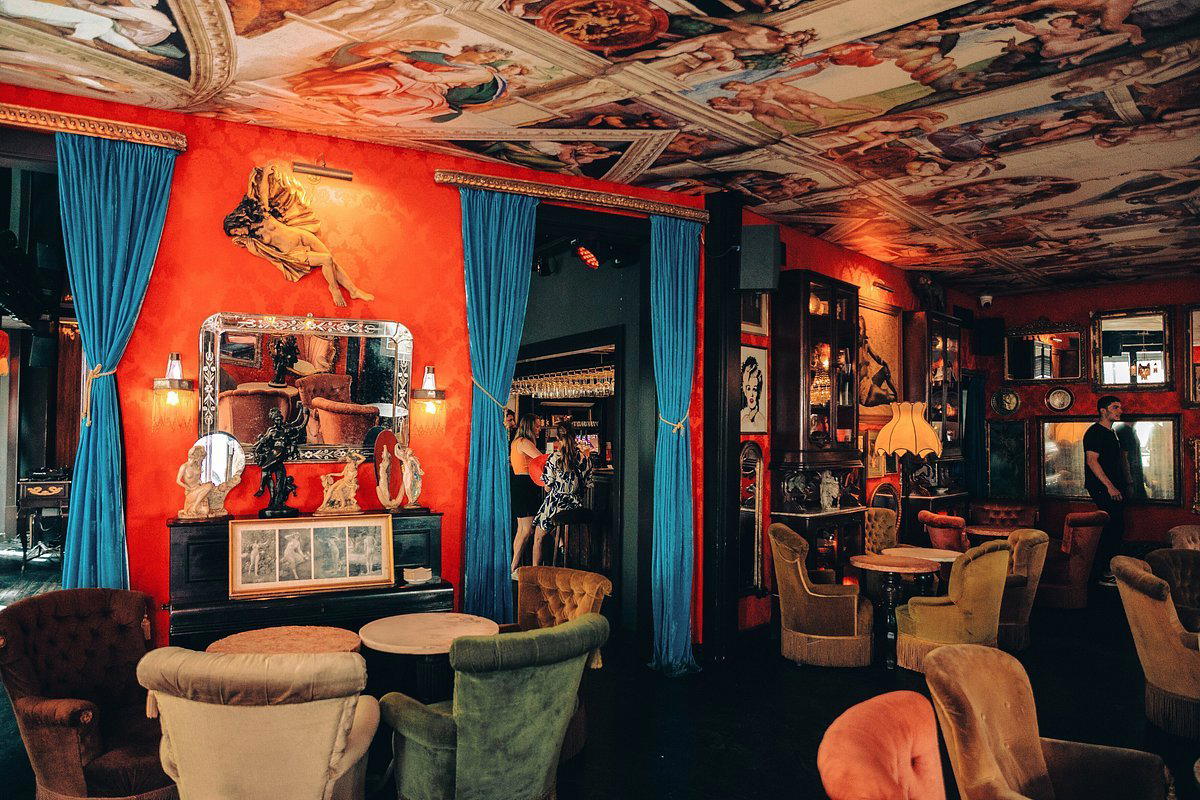
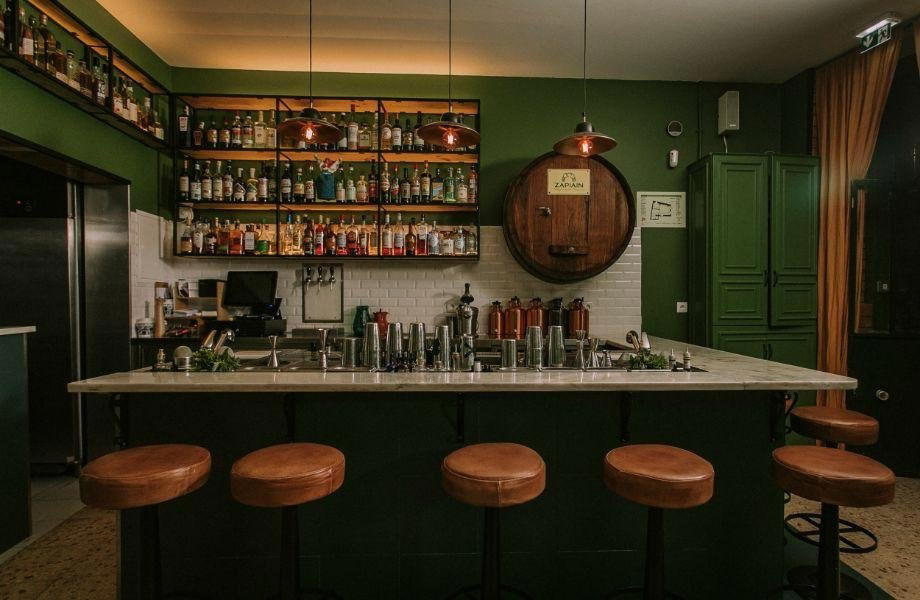
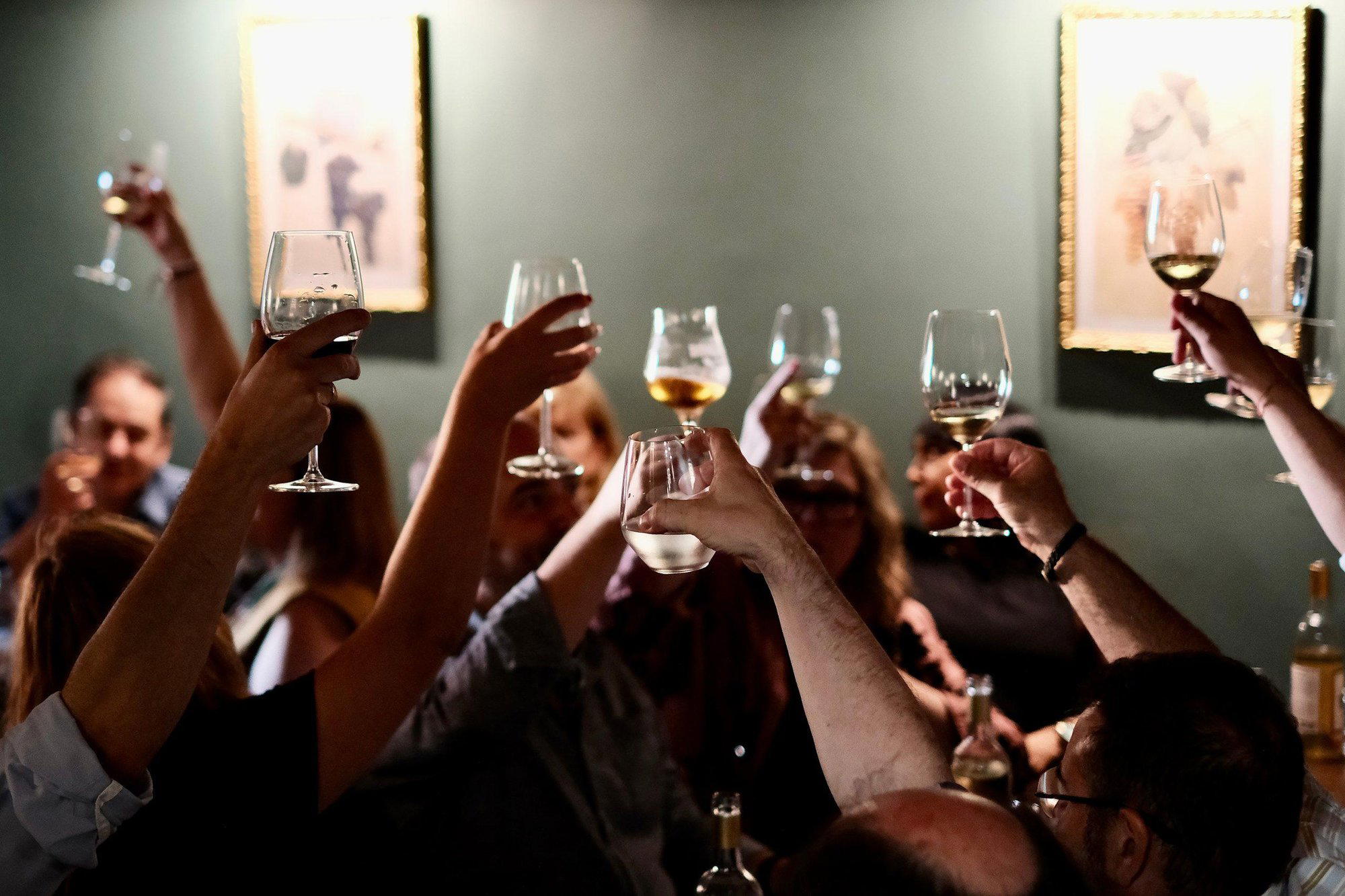
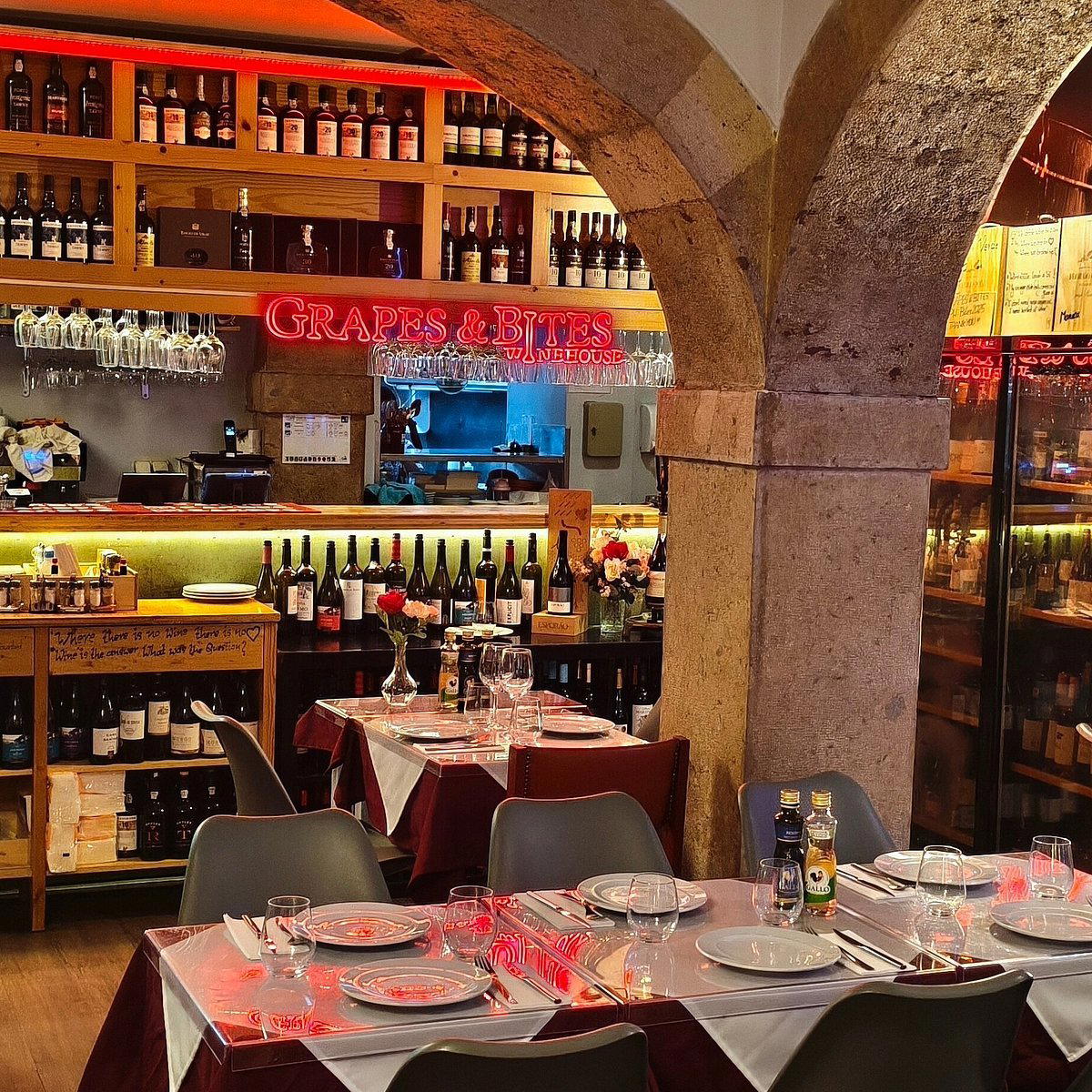
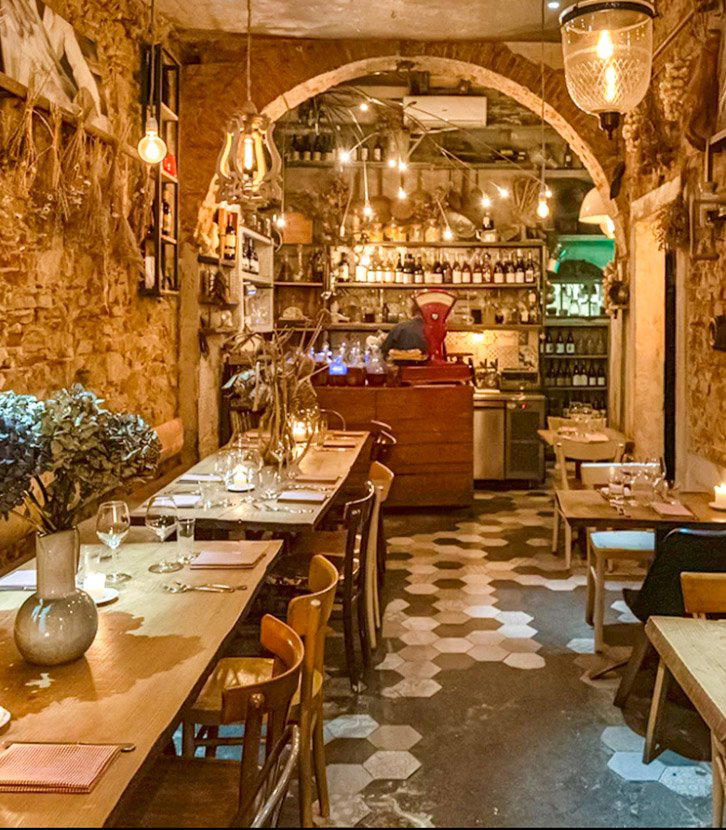
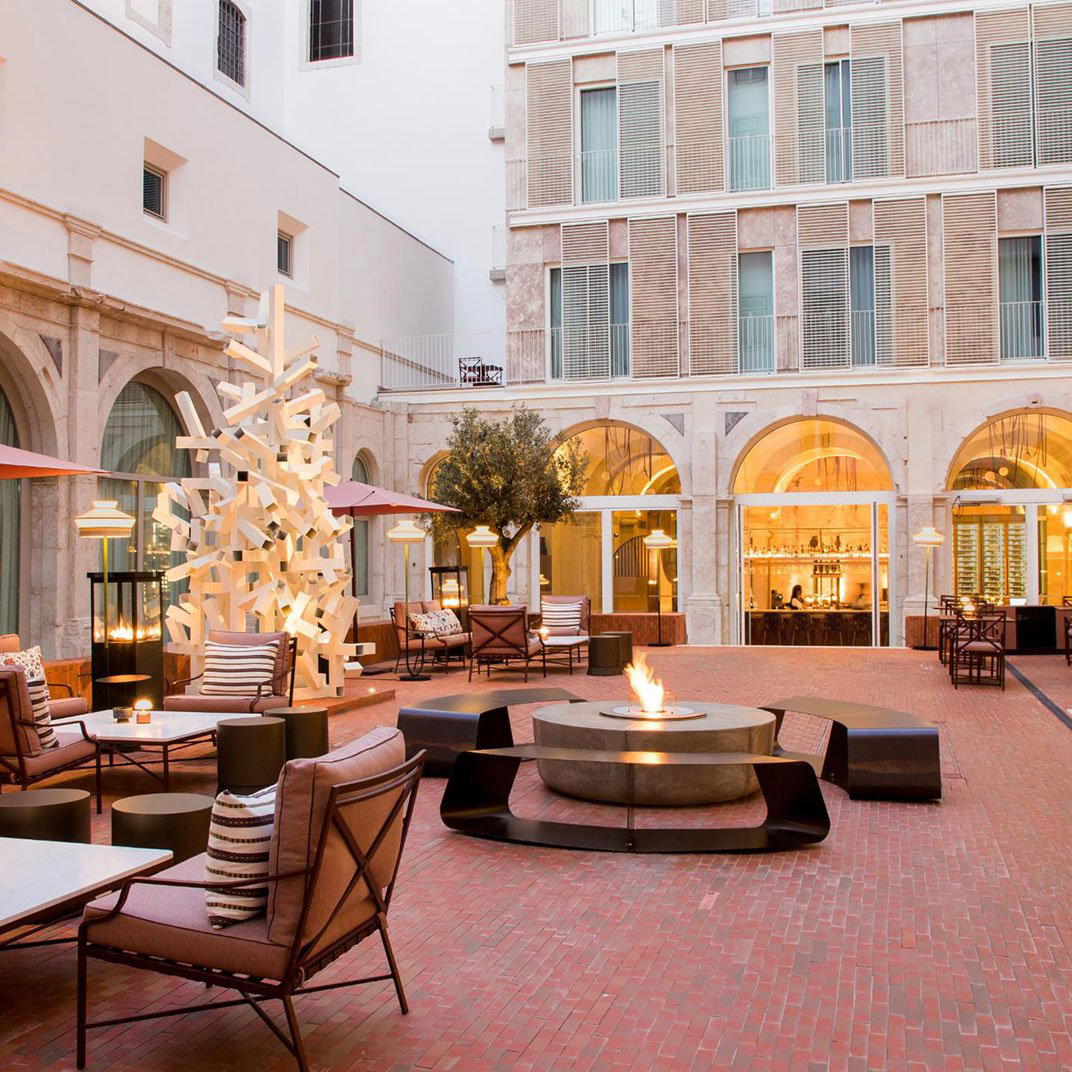
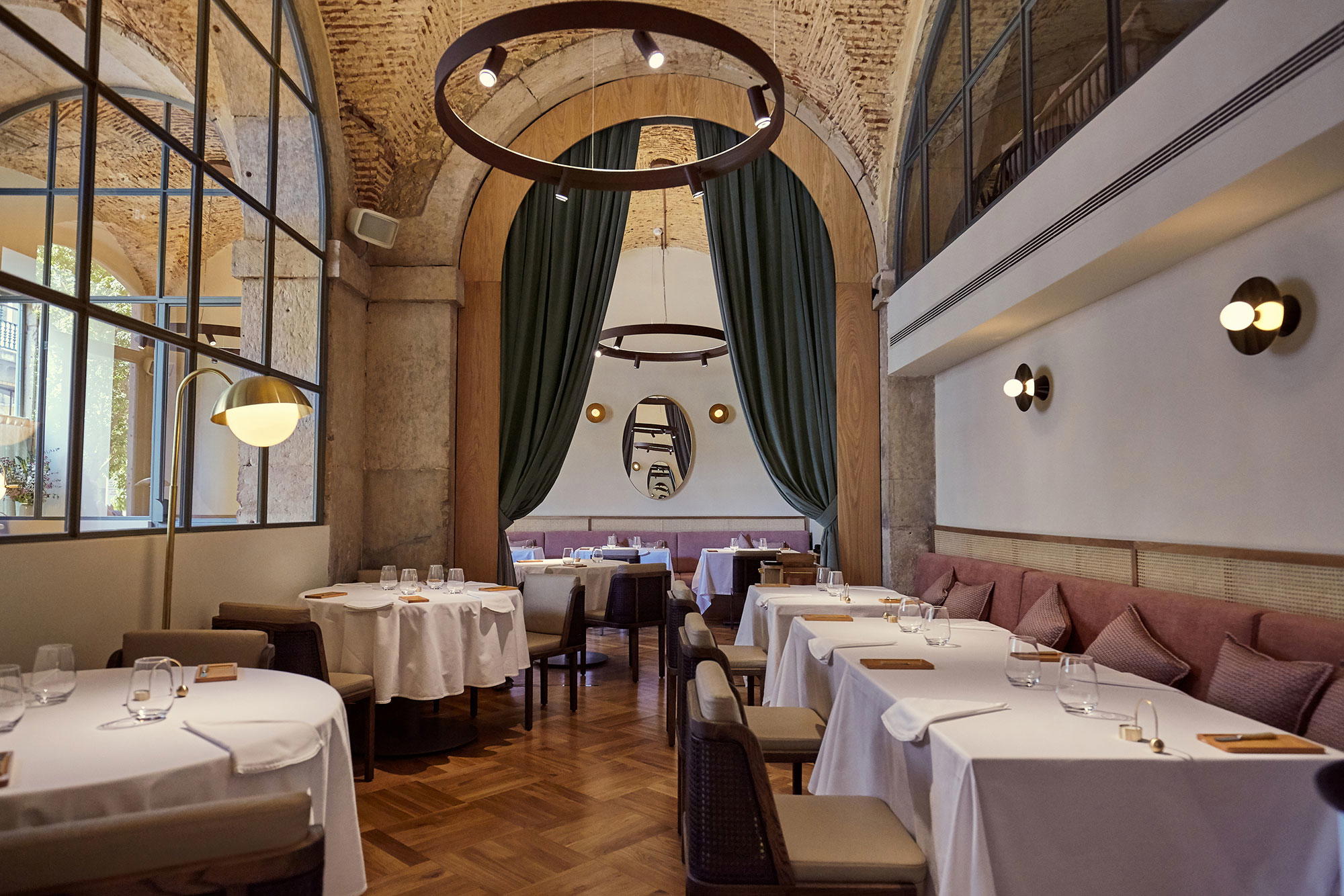
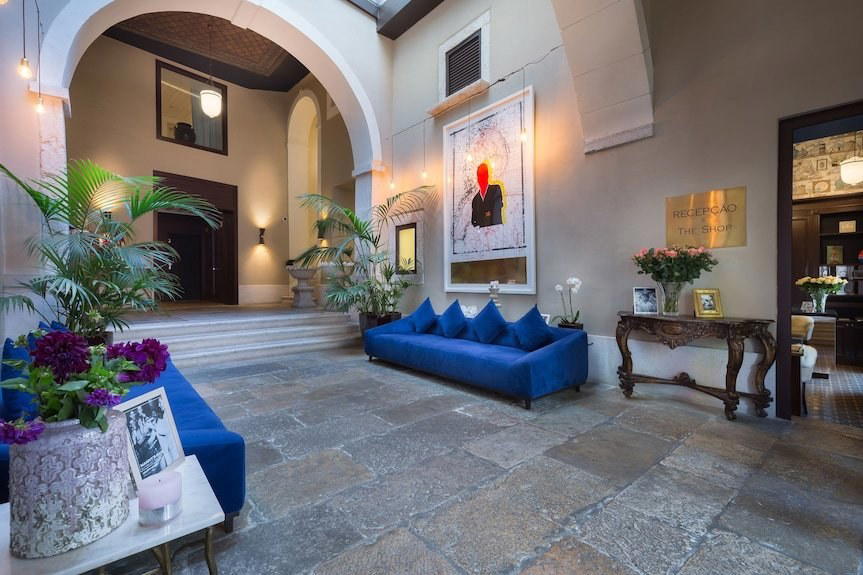
Historic manor house with lush gardens, damp and dark ancient cellars filled with the irresistible aroma of aging wine, and candlelit event spaces among oak barrels.