Ørestad
Ørestad sits at Copenhagen's southern edge, a planned district that reads more like a living urban experiment than a conventional neighbourhood. Where the city's older quarters trade in cobblestones and canal light, Ørestad trades in bold architecture, open sightlines, and a quieter, more deliberate pace that rewards travellers willing to look beyond the historic centre.

Pearl is the En Primeur Club membership app, where members save venues, book tables and use the concierge.
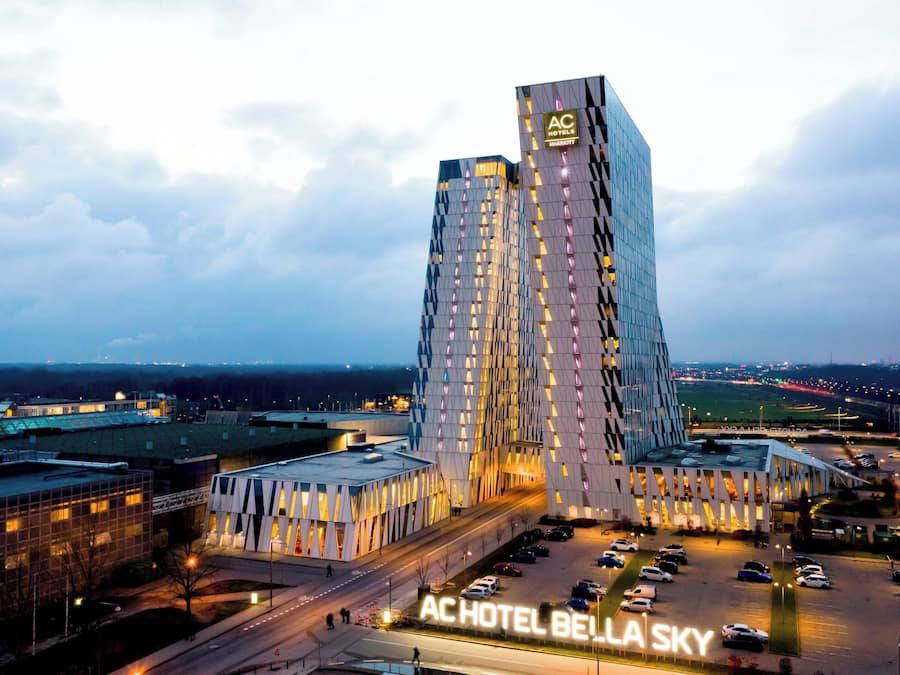
A District Built on Intention
Copenhagen's dining and hospitality conversation has long been anchored in the inner city: Nørreport, Vesterbro, Frederiksberg, the waterfront. Ørestad, the planned district that stretches south of the city centre toward Copenhagen Airport, operates on a different register. Developed from the late 1990s onward as a model of Scandinavian urban design, it is defined by wide boulevards, landmark architecture from firms including Bjarke Ingels Group, and a deliberate absence of the organic clutter that gives older Copenhagen neighbourhoods their particular character. That absence is not a flaw. It is the district's proposition: a city quarter built around intention rather than accumulation, where form follows a plan rather than centuries of improvisation.
For travellers arriving from abroad, Ørestad offers one practical advantage that no other Copenhagen neighbourhood can match: the Metro line connecting it directly to Copenhagen Airport (CPH) runs in under ten minutes, making it a rational base for those whose itineraries prioritise ease of movement over proximity to Tivoli or Nyhavn. The same Metro line continues north into the city centre, putting the historic core within roughly twenty minutes. That connectivity is the infrastructure context through which any stay in Ørestad should be read. See our full Copenhagen restaurants guide for how the district fits into the broader city picture.
The Architecture as Context
In most European cities, a neighbourhood's hospitality character grows from its built environment. Ørestad makes that relationship unusually explicit. The VM Houses, the Mountain Dwellings, and the 8 House by BIG are not background scenery; they are the district's primary cultural text. Staying or eating in Ørestad means engaging with a form of civic ambition that Scandinavian cities have pursued more seriously than most, the idea that designed environments can produce better daily life rather than simply better photographs. Whether the experiment has fully succeeded is an open question. Critics note that Ørestad's commercial activity and resident density have grown more slowly than early projections suggested, leaving stretches of the district with a quieter, less activated street life than its architects envisioned.
That quietness shapes the hospitality offer. Ørestad is not where Copenhagen's most competitive restaurant scene concentrates. The city's Michelin-tracked addresses, its natural wine bars, its chef-driven tasting menus, cluster further north. Properties in Ørestad tend to position around convenience, design quality, and access to the airport corridor, rather than around neighbourhood gastronomy. Travellers who want to eat at the level Copenhagen's food culture now operates should plan on taking the Metro north. For a sense of what that broader scene involves, hotels such as 25hours Hotel Paper Island, 1 Hotel Copenhagen, or the Admiral Hotel place guests closer to the inner harbour's dining concentration.
New Nordic in Its Broader Sense
Understanding what Ørestad represents requires some grounding in how Copenhagen became the city it is. The New Nordic movement, which crystallised in the early 2000s through the work of chefs, designers, and cultural institutions operating in concert, was never solely about food. It was about a coherent approach to materials, seasonality, local sourcing, and the relationship between human activity and landscape. Ørestad was planned and built during the same period that movement was gaining international attention, and it shares some of its intellectual DNA: the commitment to considered design, the preference for long-term thinking over short-term commercial logic, the willingness to build something that takes decades to fully read.
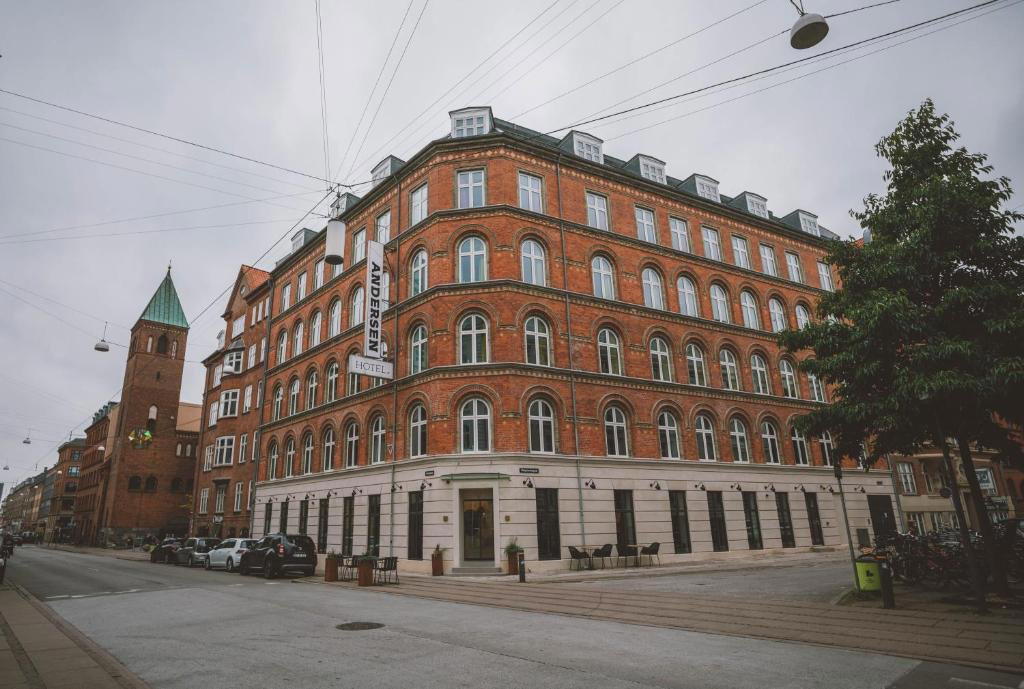
That cultural framing matters for travellers who arrive in Copenhagen expecting a city frozen in its picturesque past. Copenhagen has been actively constructing its future for twenty-five years, and Ørestad is one of the more legible expressions of that construction. It is not for everyone. Travellers who want immediate access to the canal-side atmosphere of 71 Nyhavn Hotel, or the design-led intimacy of Andersen Boutique Hotel or Central Hotel and Café, will find a different proposition there. Ørestad asks for a degree of curiosity about urbanism that not every visitor brings.
Planning a Stay
Logistics in Ørestad are direct at the structural level. The Metro M1/M2 runs frequently, with stations at Ørestad and DR Byen providing access both to the airport and to central Copenhagen. The district has its own retail and food infrastructure, including the Fields shopping centre, which covers everyday needs without requiring a trip into the city. For travellers using Copenhagen as a base to explore wider Denmark, the proximity to the E20 motorway and the Øresund Bridge connecting to Malmö in Sweden adds a regional flexibility that centrally located hotels cannot match. Properties such as Absalon Hotel or the Capsule Hotel Copenhagen in Vesterbro sit in a different price and convenience tier for those whose priority is the city's cultural core rather than transit access.
For stays further afield in Denmark, the country's regional hospitality includes properties like Dragsholm Slot in Hørve, Falsled Kro in Falsled, Kokkedal Castle Copenhagen in Horsholm, Allinge Badehotel in Allinge, and Dyvig Badehotel in Nordborg, all of which give a reading of Danish hospitality that reaches well beyond the capital's urban experiment. For internationally mobile travellers who use Copenhagen as one stop among many, comparison properties in other cities range from Cheval Blanc Paris to Aman New York, Bvlgari Hotel Tokyo, and Amangiri in Canyon Point, each representing a different national approach to luxury hospitality that Scandinavian design-led properties respond to in their own register. Properties like Badrutt's Palace Hotel in St. Moritz, Castello di Reschio, Hotel Bel-Air, Hôtel de Paris Monte-Carlo, Aman Venice, and Park Lane Copenhagen in Hellerup each sit within peer sets defined by geography and positioning rather than any single global hierarchy. The Fifth Avenue Hotel in New York City and Nimb Copenhagen both illustrate how city-centre landmark properties compete on a different axis from airport-adjacent design districts like Ørestad. Similarly, Hotel d'Angleterre Copenhagen and Hotel Sanders represent the inner-city luxury tier against which Ørestad's quieter, transit-focused proposition is most usefully measured.
The Minimal Set
| Venue | Price | Awards |
|---|---|---|
| ØrestadThis venue (the venue you are viewing) | Not listed | Not listed |
| Hotel d'Angleterre Copenhagen | $500–750 | 2 Michelin Keys · La Liste Top Hotels |
| Hotel Sanders | $500–750 | 1 Michelin Key · Forbes Recommended |
| Nimb Copenhagen | $500–750 | 1 Michelin Key · La Liste Top Hotels |
| 1 Hotel Copenhagen | Not listed | 1 Michelin Key · Travel + Leisure It List Hotels |
| 25hours Hotel Paper Island | Not listed | 1 Michelin Key |
Continue exploring
More in Copenhagen
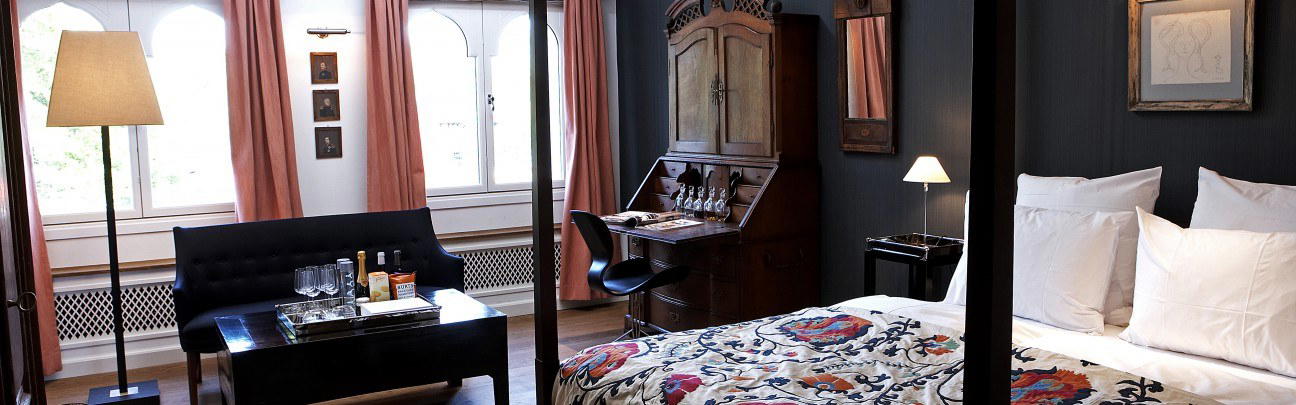
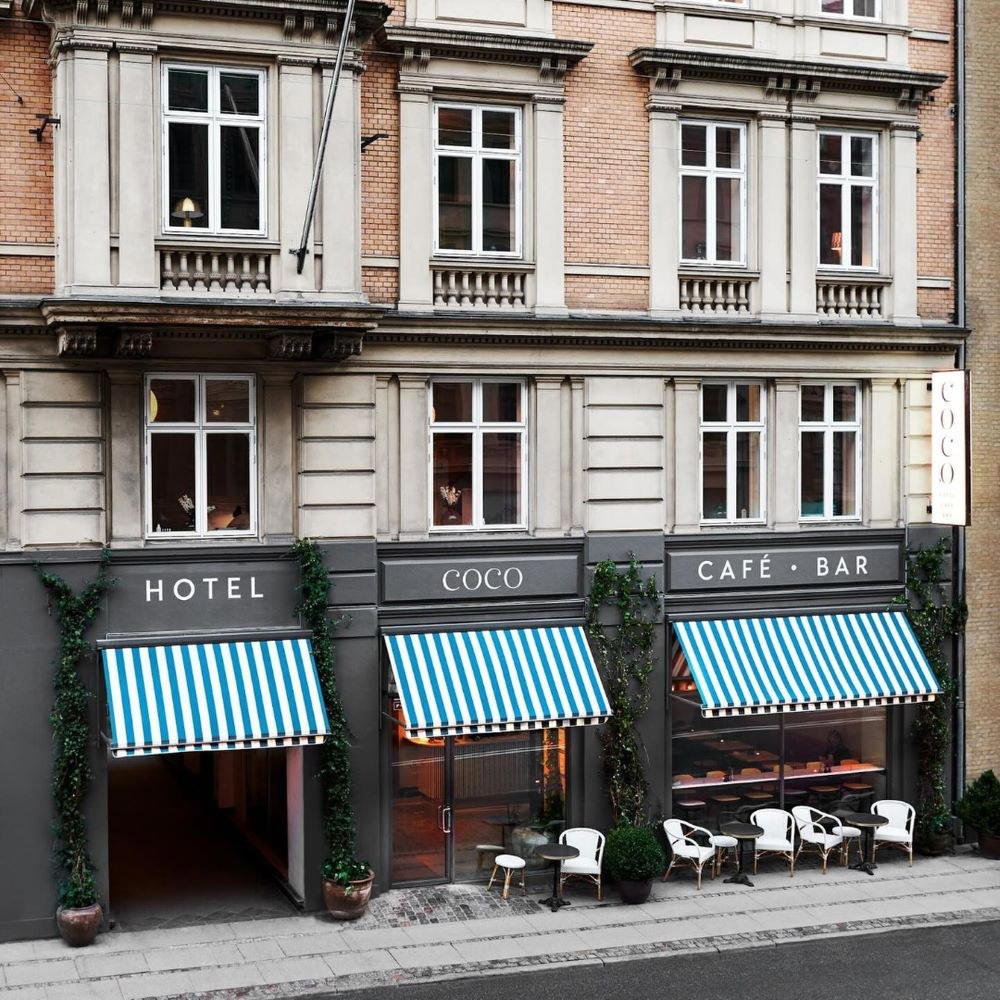
Hotels in Copenhagen
All hotels in Copenhagen →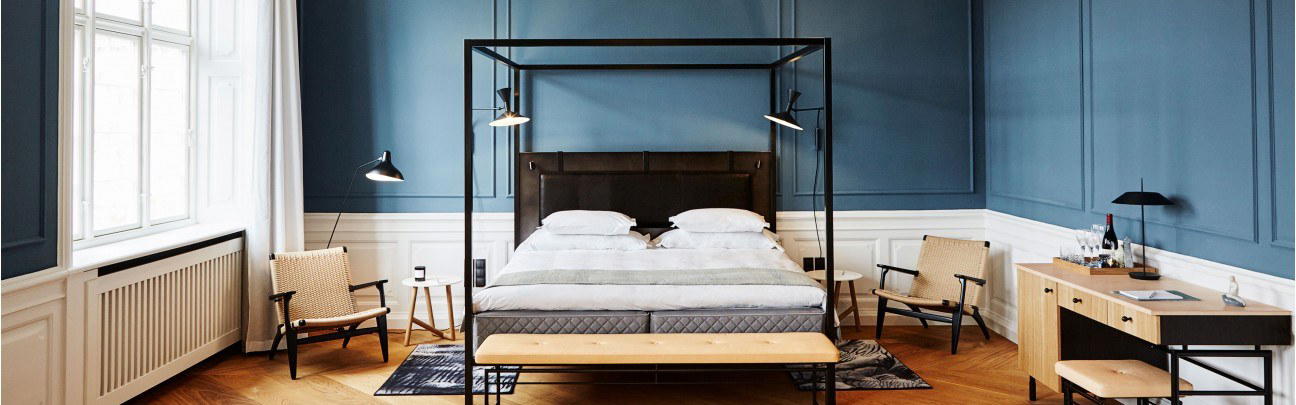
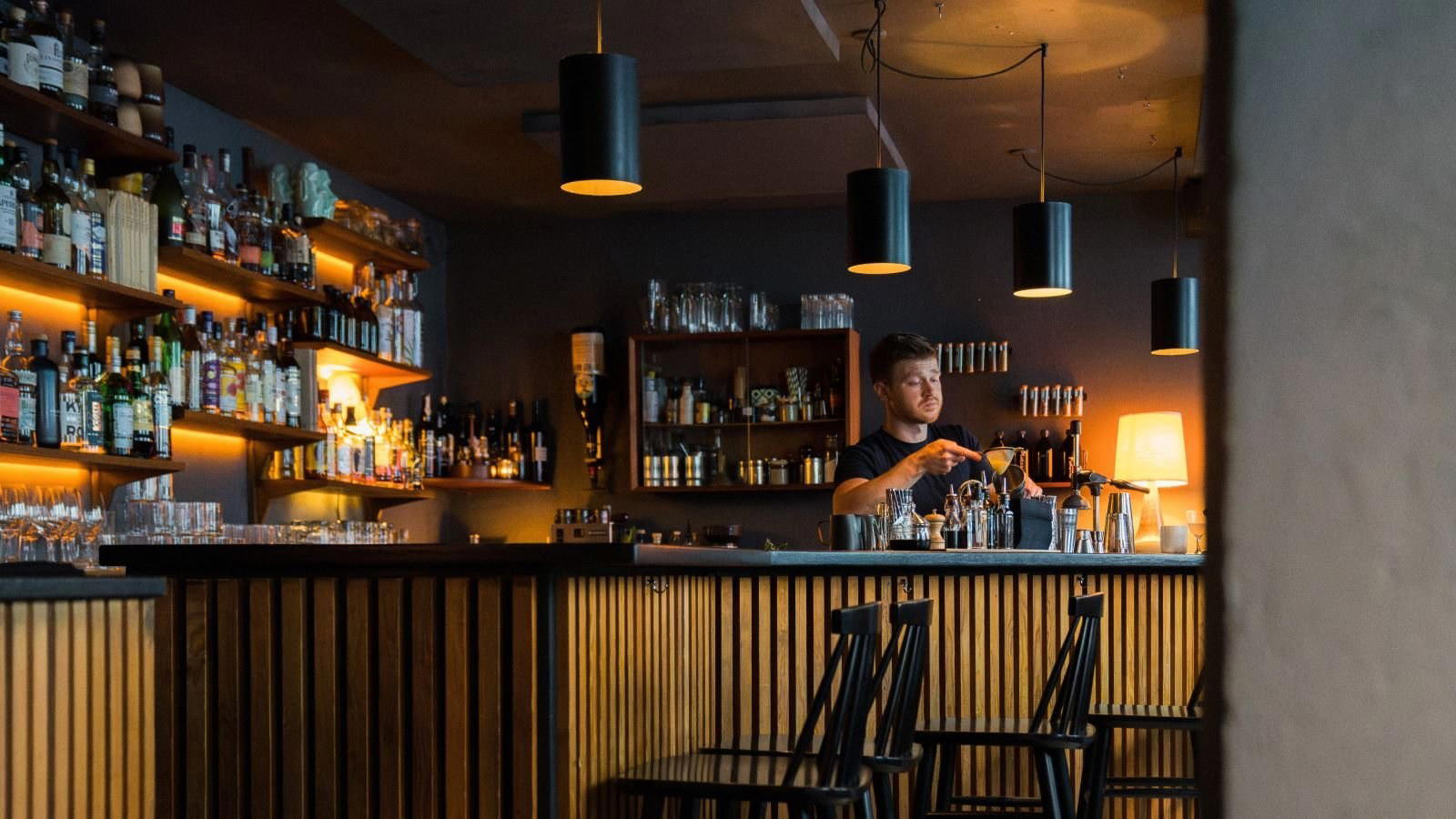
Bars in Copenhagen
All bars in Copenhagen →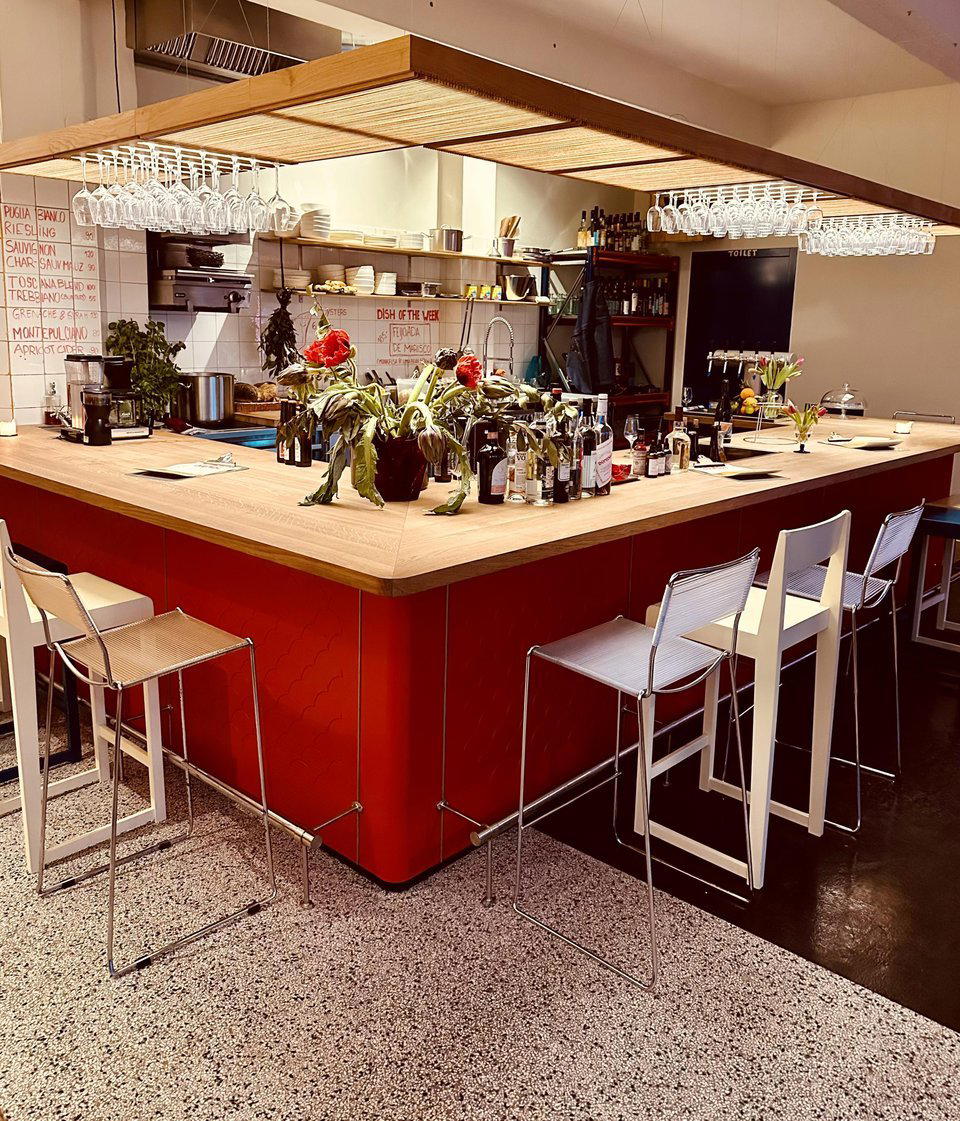


Details
- Modern
- Trendy
- Lively
- Business Trip
- Weekend Escape
- Family Vacation
- Design Destination
- Wi Fi
- Restaurant
- Bar
- Air Conditioning
- Business Center
- Street Scene
- Elevator
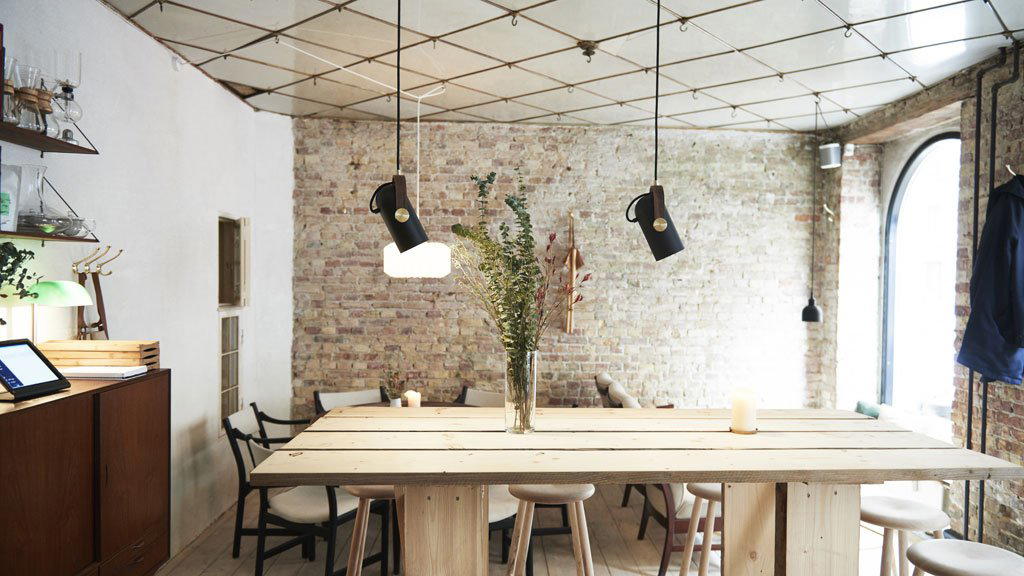
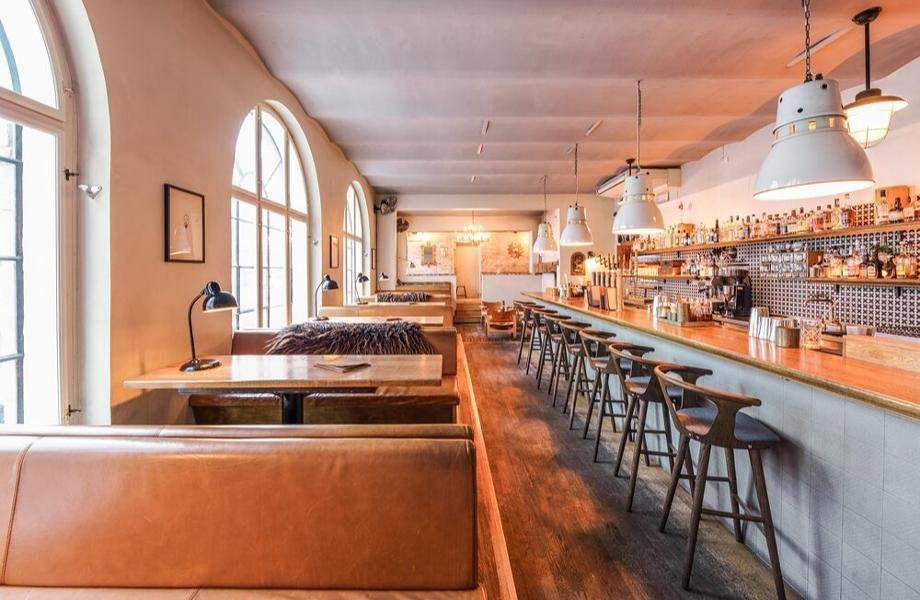
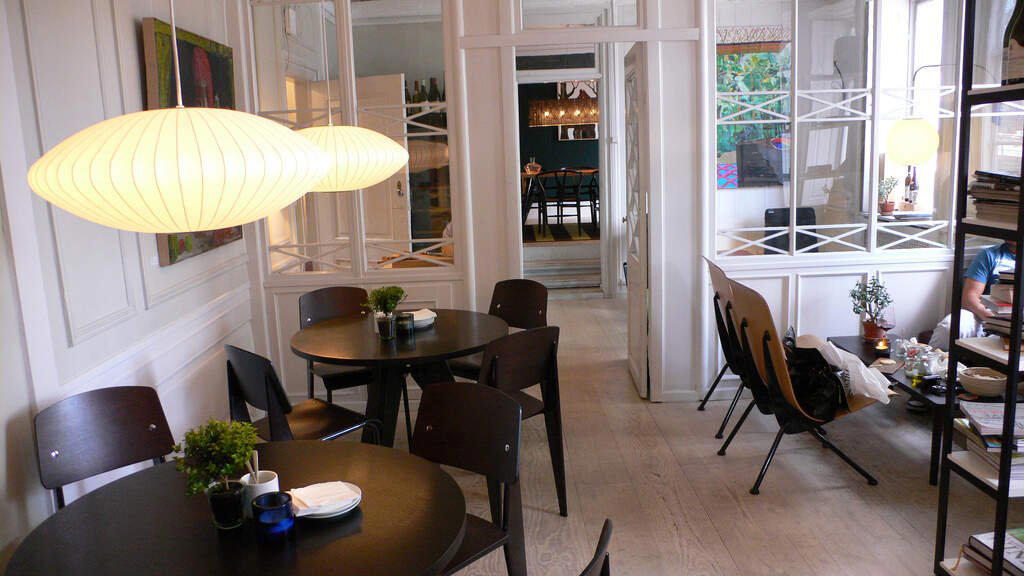
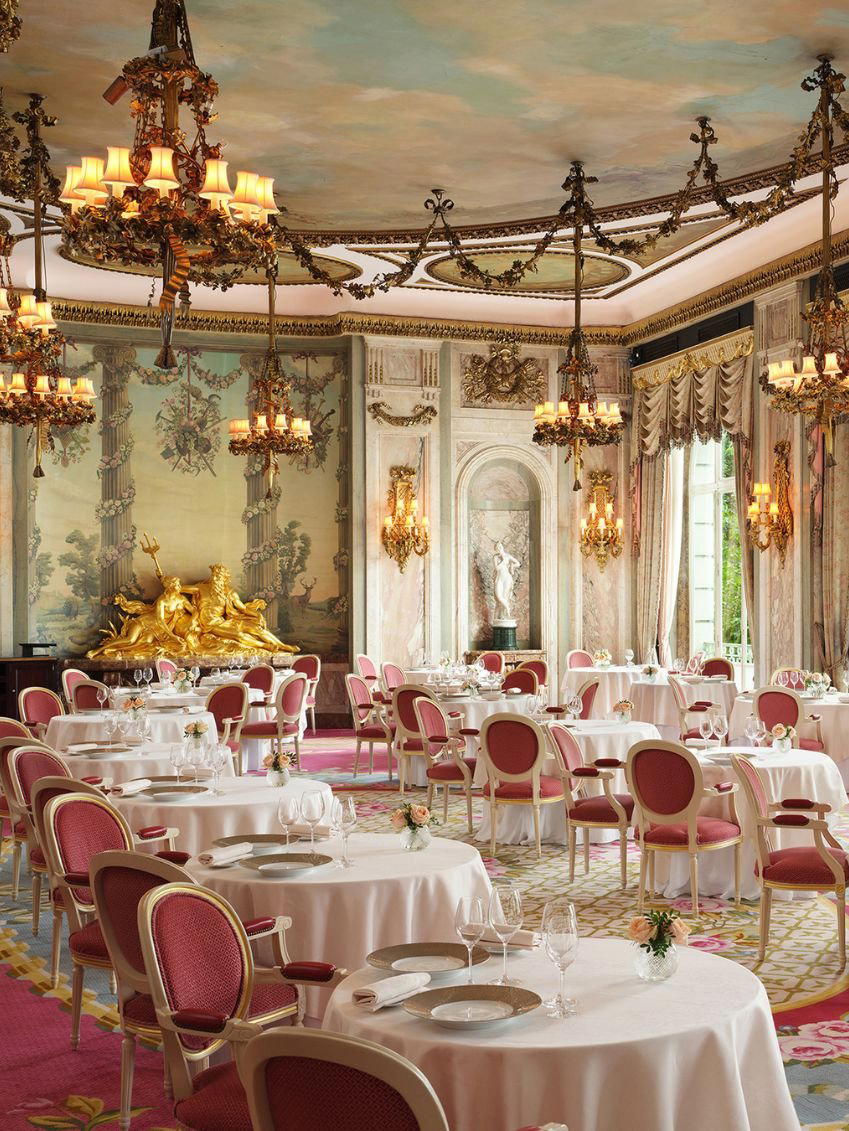
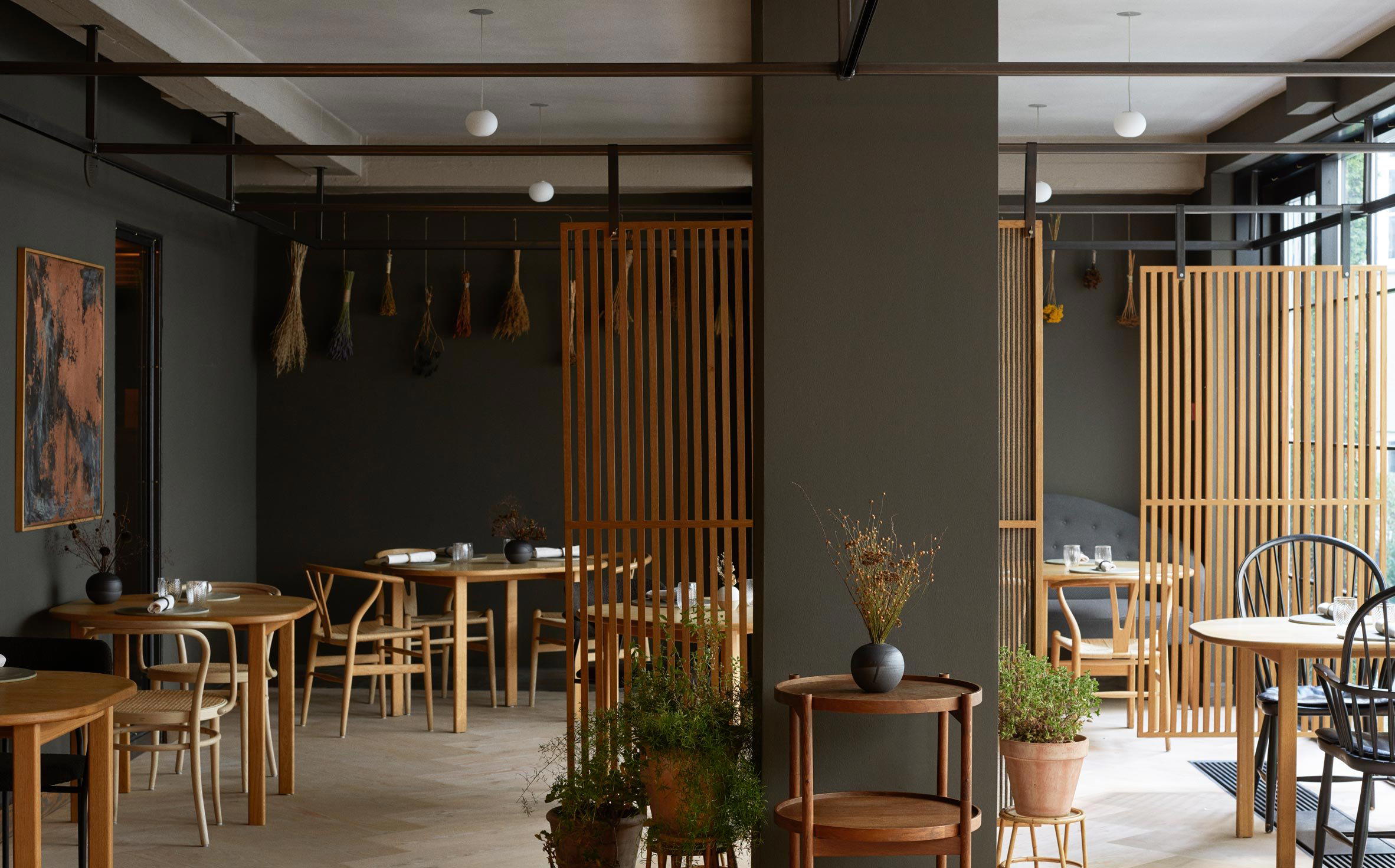
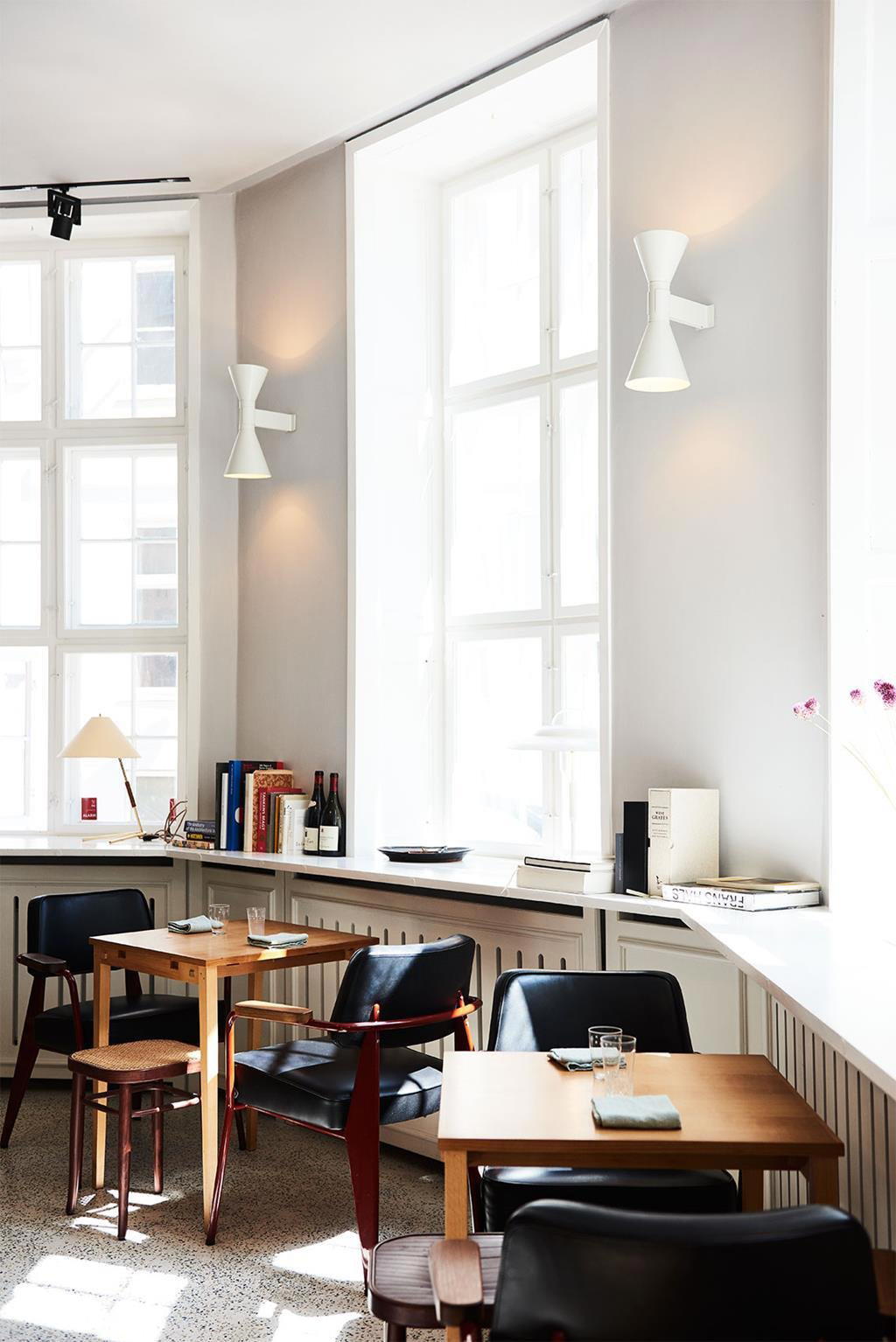
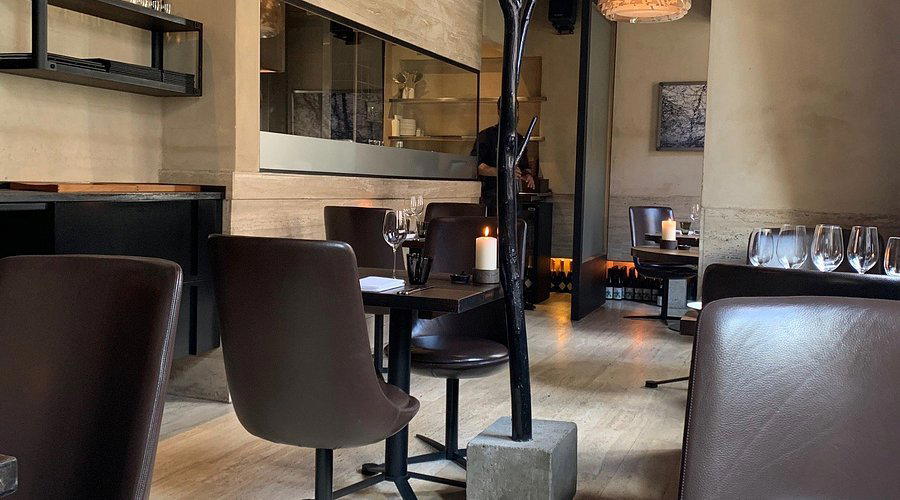
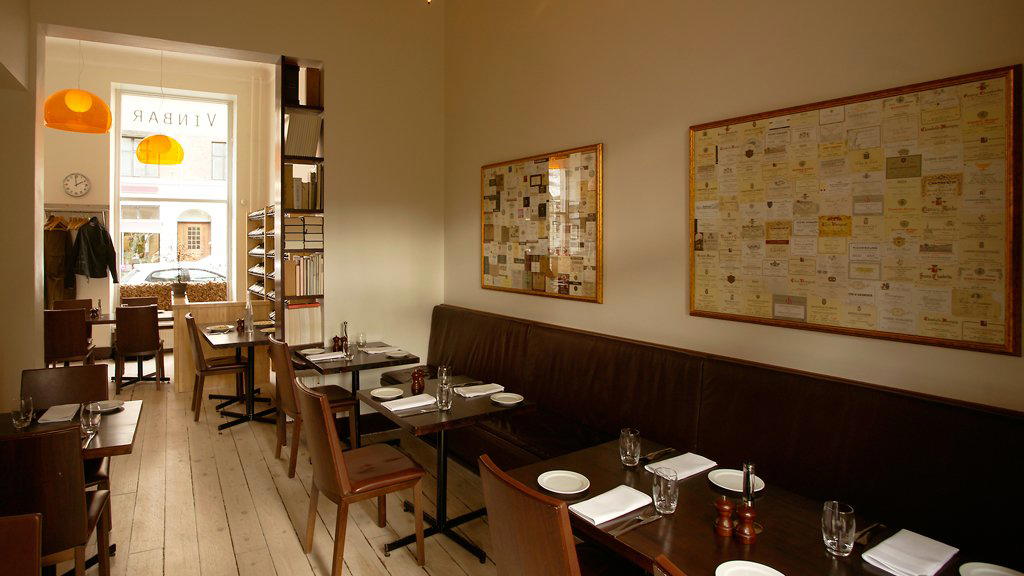
Lively and contemporary with neon lights, graffiti, waterfall lighting in urban zones, and green tones, plants, and nature wallpaper in restaurant areas, creating a lively yet relaxing atmosphere.