Villa Copenhagen



Villa Copenhagen occupies the former 1912 Central Post Office headquarters on Tietgensgade, where the building's monumental architecture frames a hotel that holds a 2026 Star Wine List award. The property sits at the intersection of Copenhagen's heritage-preservation instinct and its appetite for Scandinavian minimalism, making it a reference point for travelers seeking substance behind the city's design reputation.
 Discover on Pearl
Pearl is the En Primeur Club membership app — saves, bookings, and concierge access live there. Same editors, same standards.
- Address
- Tietgensgade 35, 39
- Phone
- 45-78-73-00-00
- Website
- villacopenhagen.com
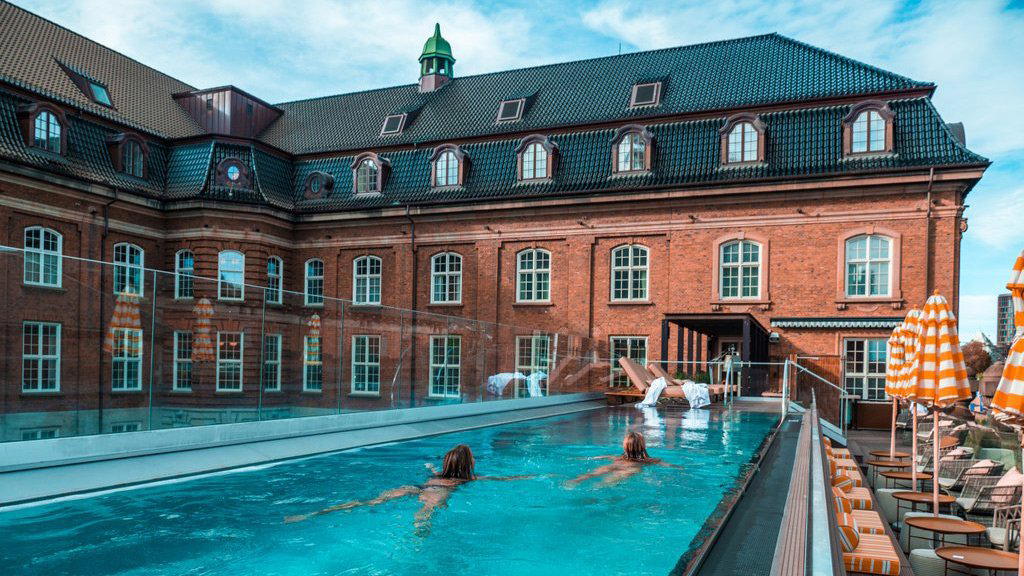
A Postal Palace Repurposed
The stretch of Tietgensgade that runs alongside Copenhagen's Central Station carries a particular kind of civic weight. The buildings here were designed to project institutional confidence, and the structure at numbers 35 to 39 was among the most assertive of them: the city's main post office headquarters, completed in 1912, built in a monumental style that was meant to last. That it now operates as a hotel says something specific about how Copenhagen handles its architectural inheritance. The city does not typically gut these buildings for glass towers. It adapts them, carefully, with the restraint that Scandinavian design doctrine demands.
Arriving at Villa Copenhagen, the scale registers before anything else. The facade's archways and stone detailing belong to an era when public buildings were arguments about civic order, and the interior conversion keeps enough of that grammar intact to make the historical reading legible. Crisp, stripped-back Scandinavian minimalism does not erase the original bones; it works in deliberate contrast to them. The effect is a dialogue between grandeur and restraint that feels more considered than accidental.
Where Heritage Hotels Sit in Copenhagen's Competitive Map
Copenhagen's hotel market has developed two distinct registers at the premium end. One is the boutique, design-forward property with a strong local narrative: 25hours Hotel Paper Island, with its repurposed industrial waterfront location, is a recognizable example. The other is the heritage conversion that anchors itself in architecture and civic history. Villa Copenhagen operates in the second category, alongside properties like the Admiral Hotel, which occupies an eighteenth-century warehouse on the harbour, and the 71 Nyhavn Hotel, set inside former merchant buildings on the canal. What separates these properties in practice is not age but the quality of the conversion work and the extent to which the food and beverage program matches the architectural ambition.
On the drinks side, Villa Copenhagen has earned a 2026 Star Wine List award, a recognition that places its wine offering in a measurable tier above most hotel bar programs in the city. Star Wine List evaluates depth of selection, by-the-glass range, and the coherence of a list rather than simply its length, which means the recognition signals a genuine program rather than a padded cellar. For a hotel in this category, that credential matters: heritage properties can easily let the wine list coast on atmosphere, and the award suggests Villa Copenhagen has not done that.
The Logic of Local Ingredients Inside a Global Framework
Copenhagen's broader culinary identity, shaped over two decades by what became known internationally as the New Nordic movement, established a specific expectation: that serious kitchens here source from Danish and Scandinavian producers, apply precise technique, and let the ingredient carry the narrative. That framework has moved well beyond the small group of restaurants that originated it. It now operates as a kind of background assumption across the city's better hotel dining rooms, bars, and casual formats alike.
Within that context, a property like Villa Copenhagen occupies an interesting position. The building's European grandeur and the hotel's international guest base pull toward global reference points, while the city's culinary gravity pulls toward local sourcing and Nordic restraint. The wine list recognition suggests the beverage program has resolved this tension by applying international wine-list craft to what is, in Copenhagen, a deeply considered drinking culture. The city's natural wine scene, its interest in Scandinavian producers, and its long relationship with German Riesling and Burgundy all feed into what a serious Copenhagen wine list looks like in 2026. The Star Wine List award positions Villa Copenhagen's list as a participant in that conversation, not simply a hotel convenience offering.
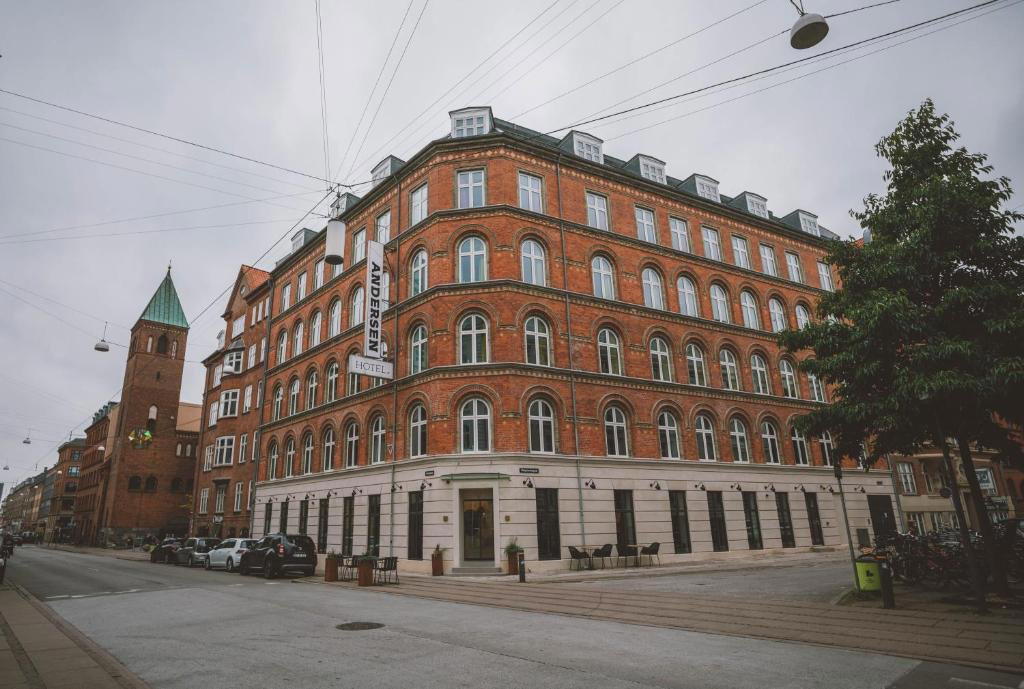
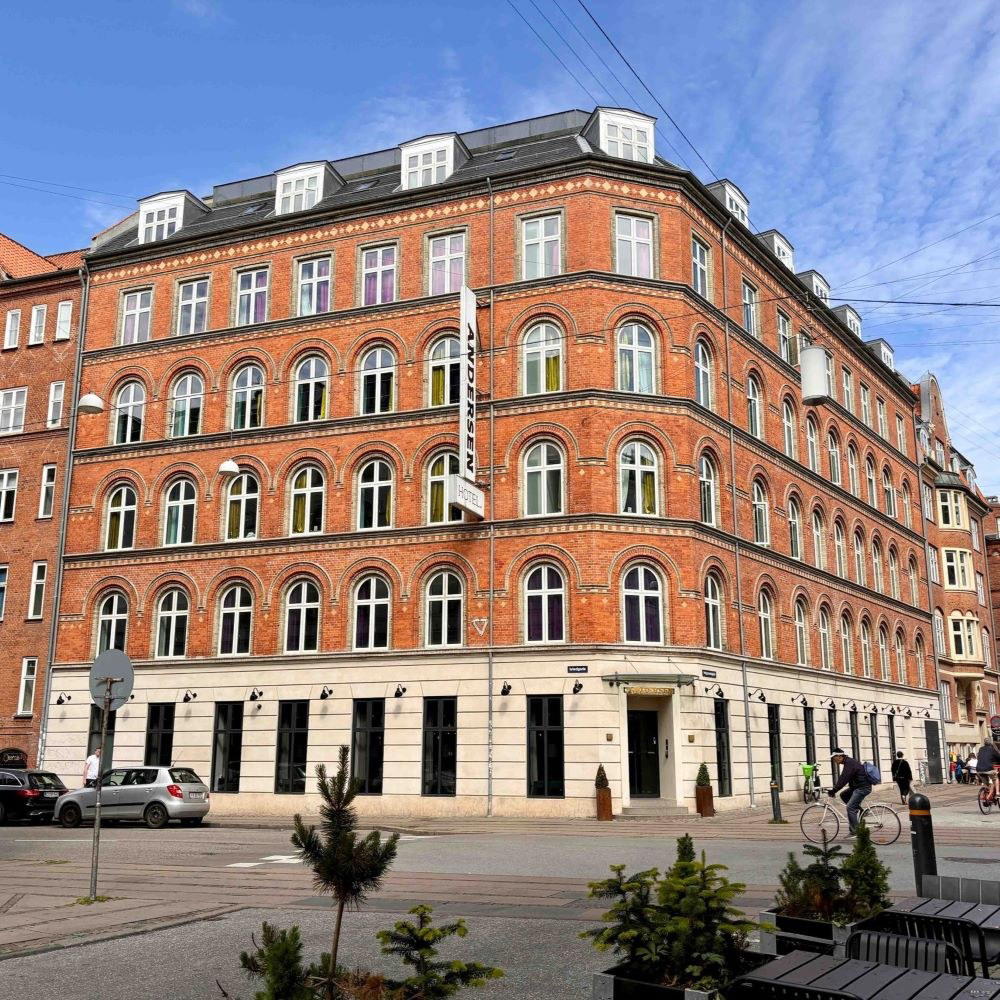
For travelers who have worked through properties like 1 Hotel Copenhagen, with its sustainability-forward positioning, or the Andersen Boutique Hotel, which operates in a more compact and price-accessible register, Villa Copenhagen represents a different proposition: a full-scale heritage building where the investment is in architecture and program quality rather than lifestyle-brand curation.
Placing Villa Copenhagen in the Wider Danish Scene
Copenhagen is not the only city in Denmark worth staying in thoughtfully. The country's provincial hotel stock includes properties of genuine character. Dragsholm Slot in Hørve, a twelfth-century castle on the Lammefjord, has become a reference point for farm-to-table seriousness in a rural Danish context. Falsled Kro in Falsled, on the island of Funen, has operated as a kitchen-led inn for decades and carries the kind of culinary reputation that precedes its accommodation offer. Kokkedal Castle in Horsholm offers another version of the Danish manor house tradition, within commuting distance of the capital.
Villa Copenhagen's advantage over these alternatives is operational and geographic. It is a full-service urban hotel inside one of Europe's most reliably interesting food cities, with a transport node directly adjacent and a wine program credentialed for 2026. For a traveler whose itinerary centers on Copenhagen's restaurant culture, the proximity matters as much as the rooms.
Planning a Stay
The hotel sits on Tietgensgade at numbers 35 to 39, immediately adjacent to Copenhagen Central Station. That position makes it operationally efficient for short stays and transit-heavy itineraries. The Star Wine List recognition makes the in-house bar program worth using rather than treating as a fallback, which is not always the case with hotel bars in this price bracket.
Cuisine Lens
Comparable venues nearby, for context on price, style, and recognition.
| Venue | Cuisine | Price | Awards | Notes |
|---|---|---|---|---|
| Villa CopenhagenThis venue — the venue you are viewing | Contemporary Nordic luxury in a historic landmark building | $$$$ | 2 recognitions | |
| Zoku Copenhagen | Hybrid serviced apartment hotel blending living, working, and social spaces. | $$$ | , | Amager Vest |
| Ruby Hotel Copenhagen | Urban lifestyle ‘lean luxury’ hotel in a converted office building with vibrant shared spaces and city views. | , | Frederiksberg | |
| Hotel Cph Living | Floating boutique hotel on a converted barge with Danish design and maritime theme. | $$$ | , | Indre By |
| TheKrane | Repurposed industrial crane into multi-level luxury hideaway | $$$$ | , | Østerbro |
| Ørestad | Contemporary budget hotel blending city and nature | $$ | 3-Star | Amager Vest |
At a Glance
- Modern
- Elegant
- Sophisticated
- Minimalist
- Business Trip
- Weekend Escape
- Celebration
- Rooftop Pool
- Historic Building
- Garden
- Terrace
- Wifi
- Pool
- Sauna
- Fitness Center
- Room Service
- Concierge
- Business Center
- Valet Parking
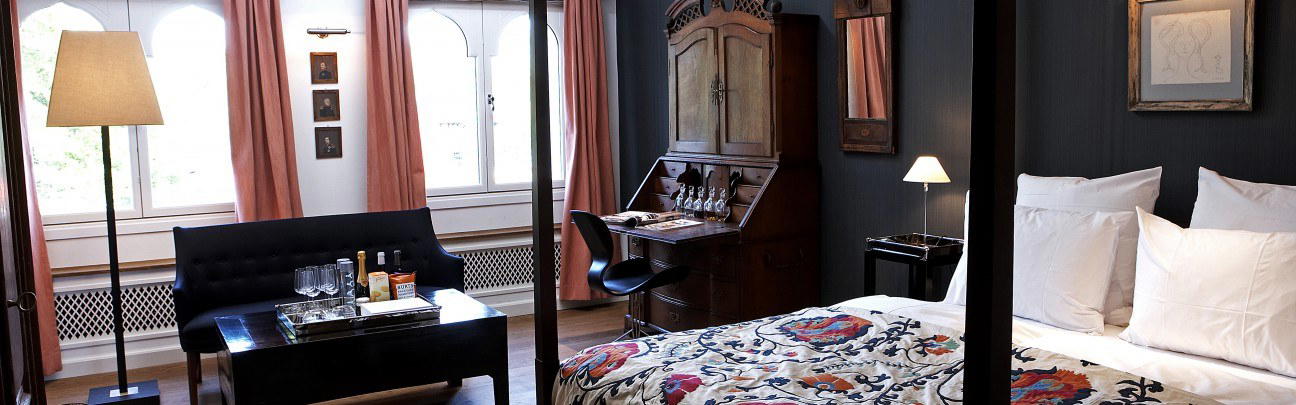
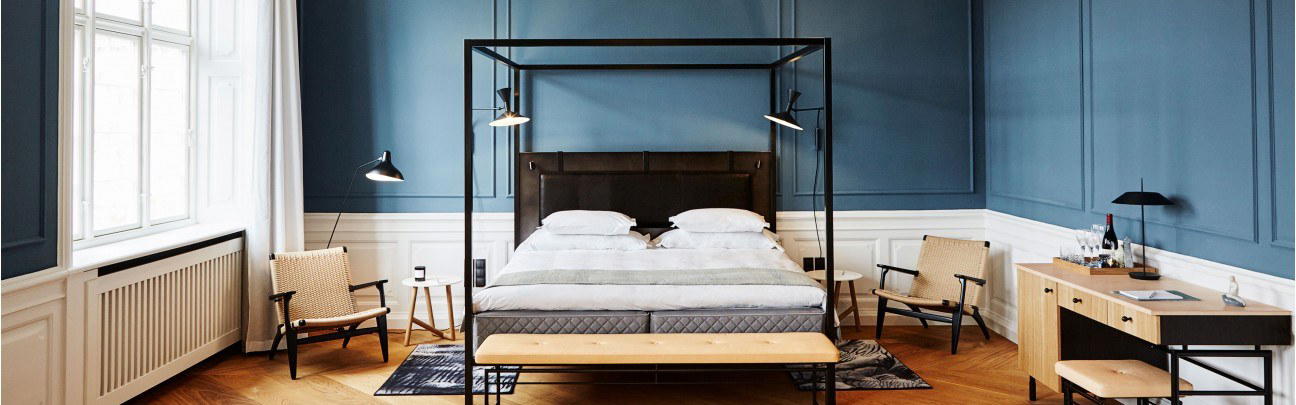
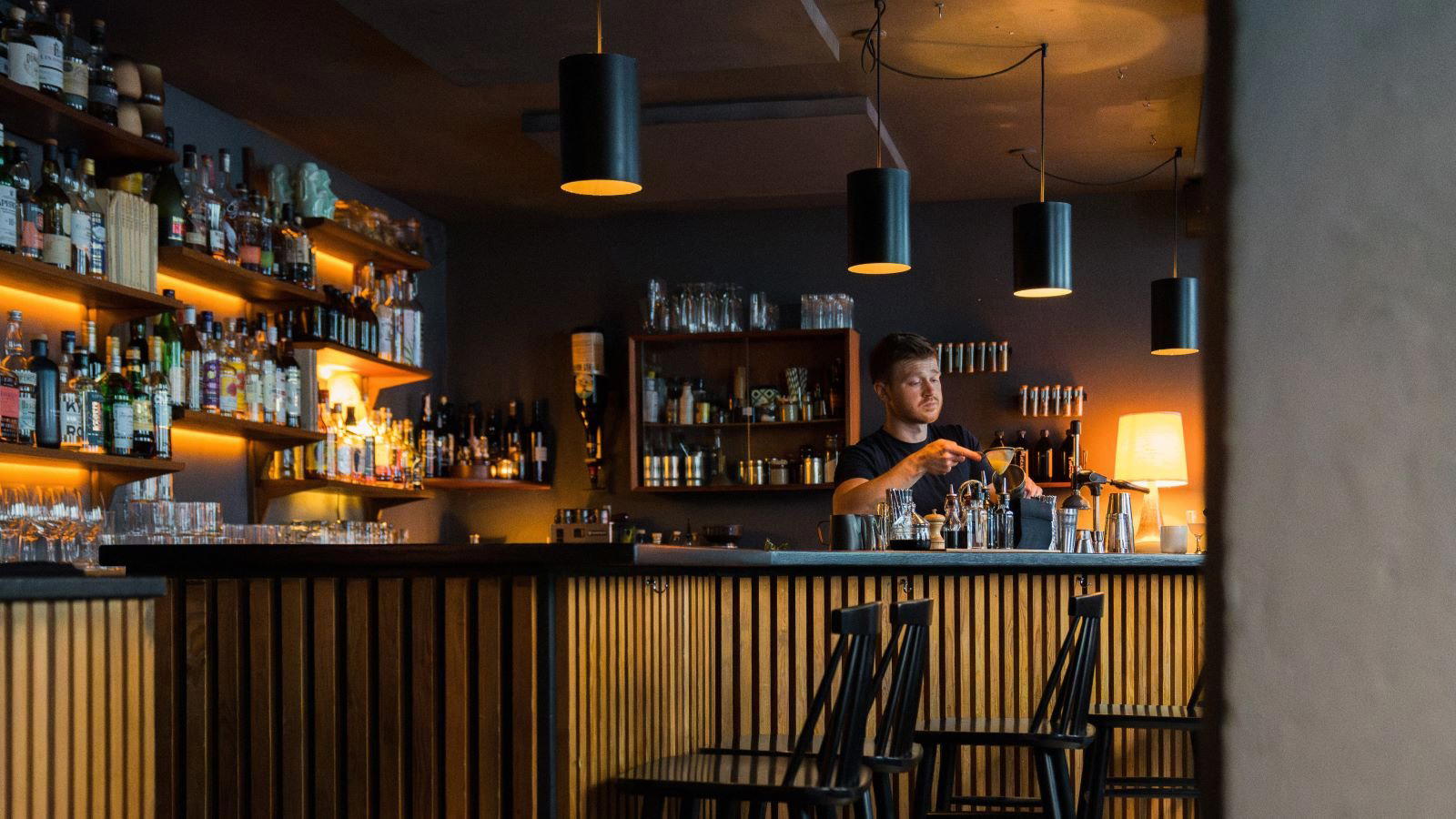
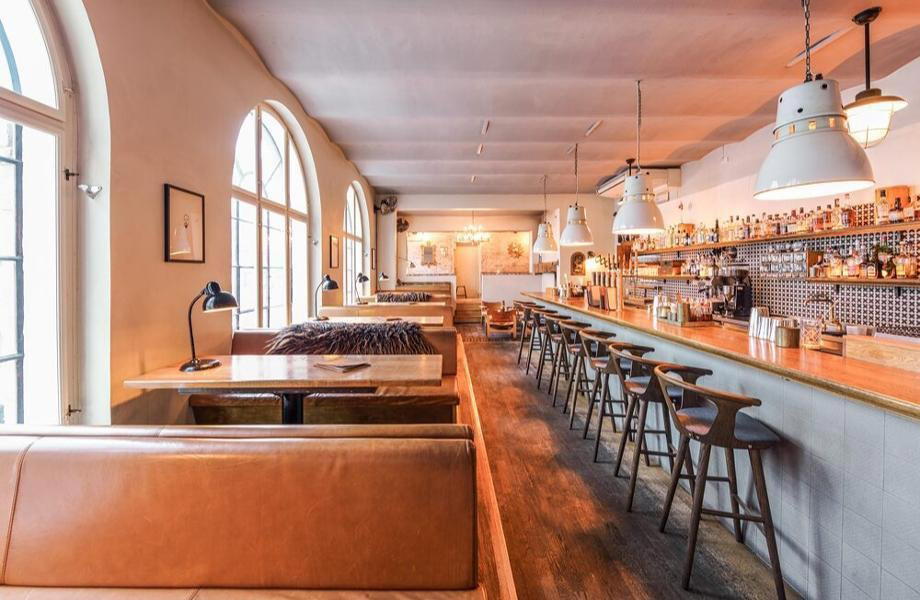
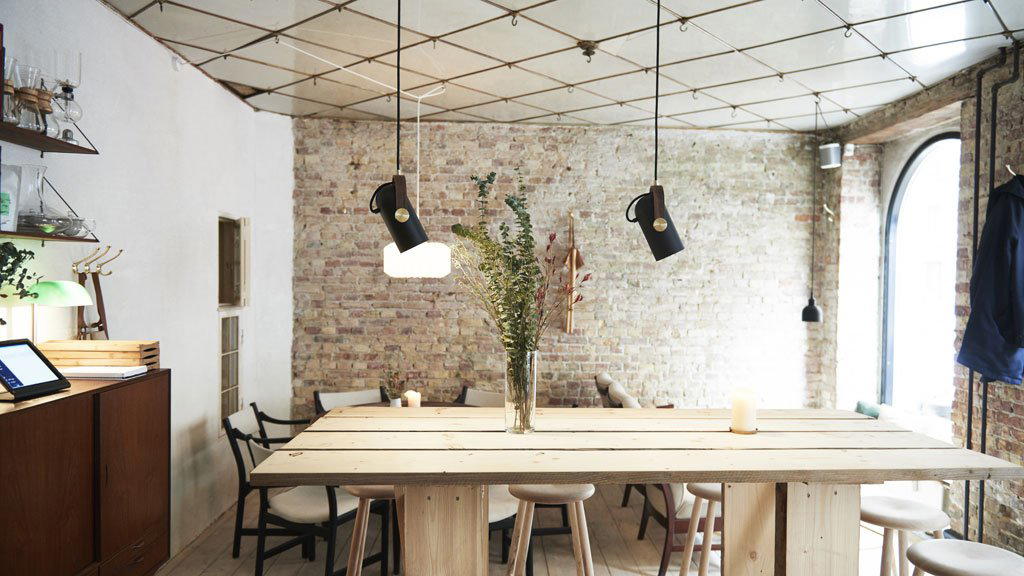
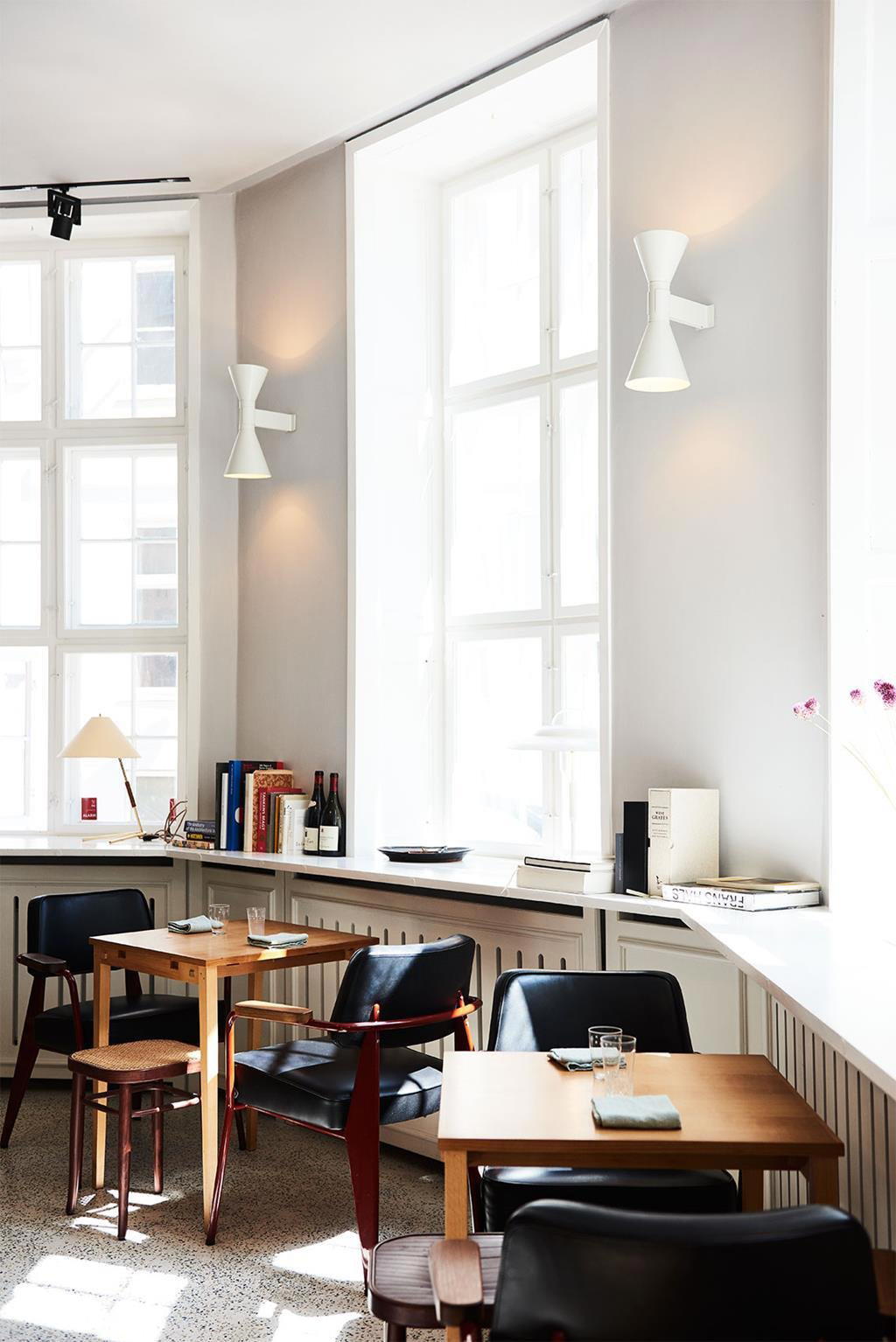
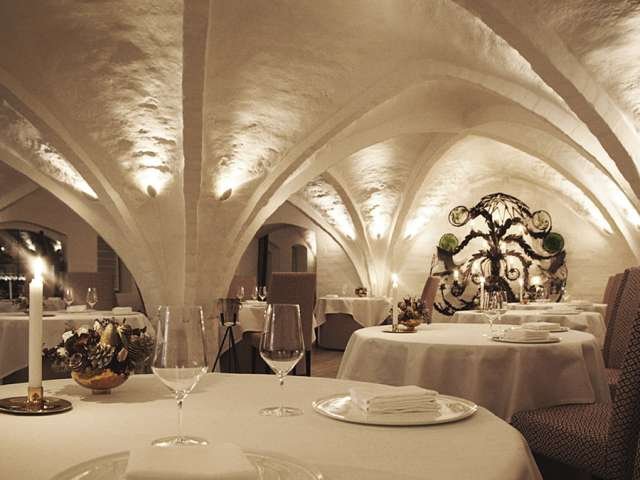
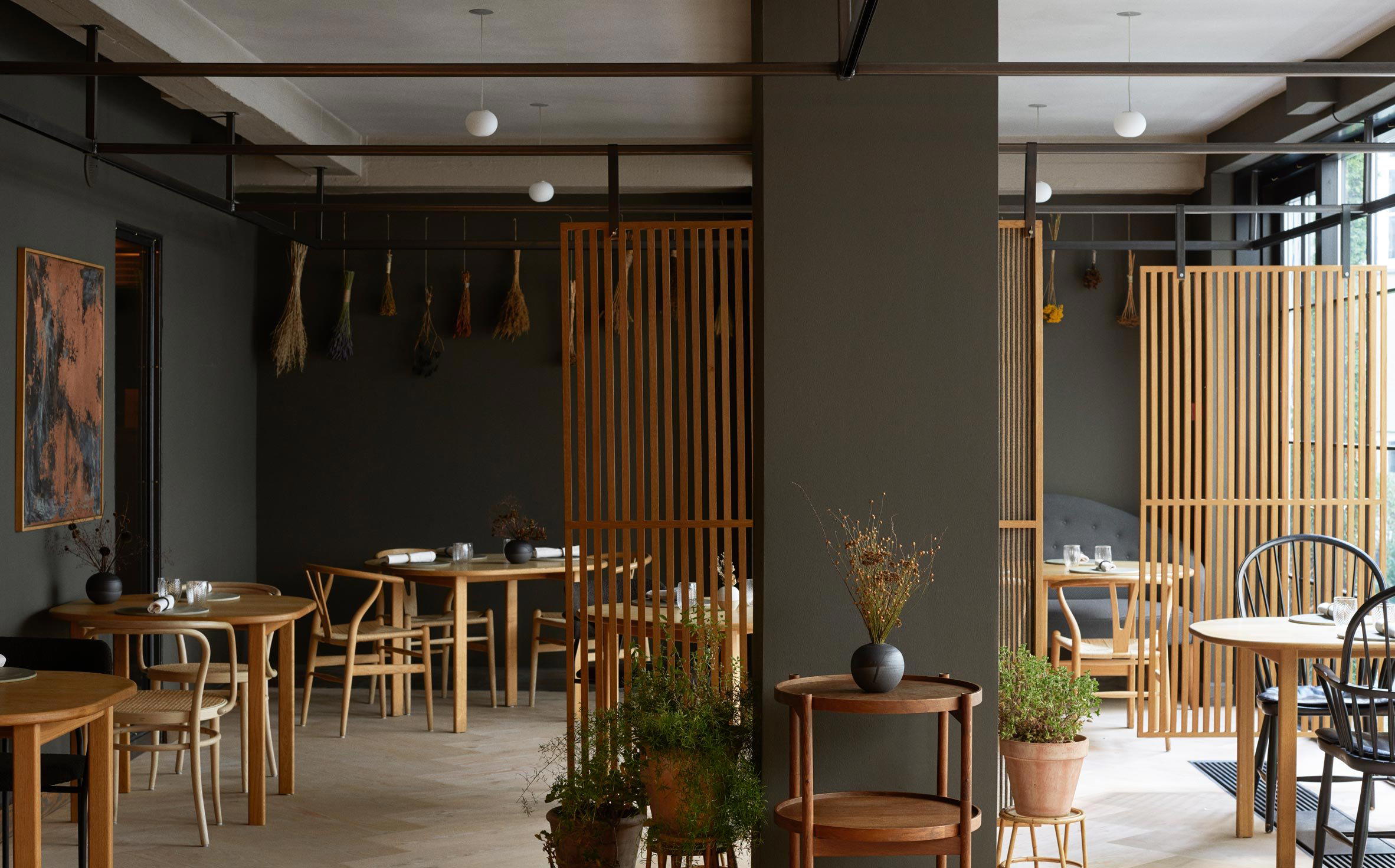
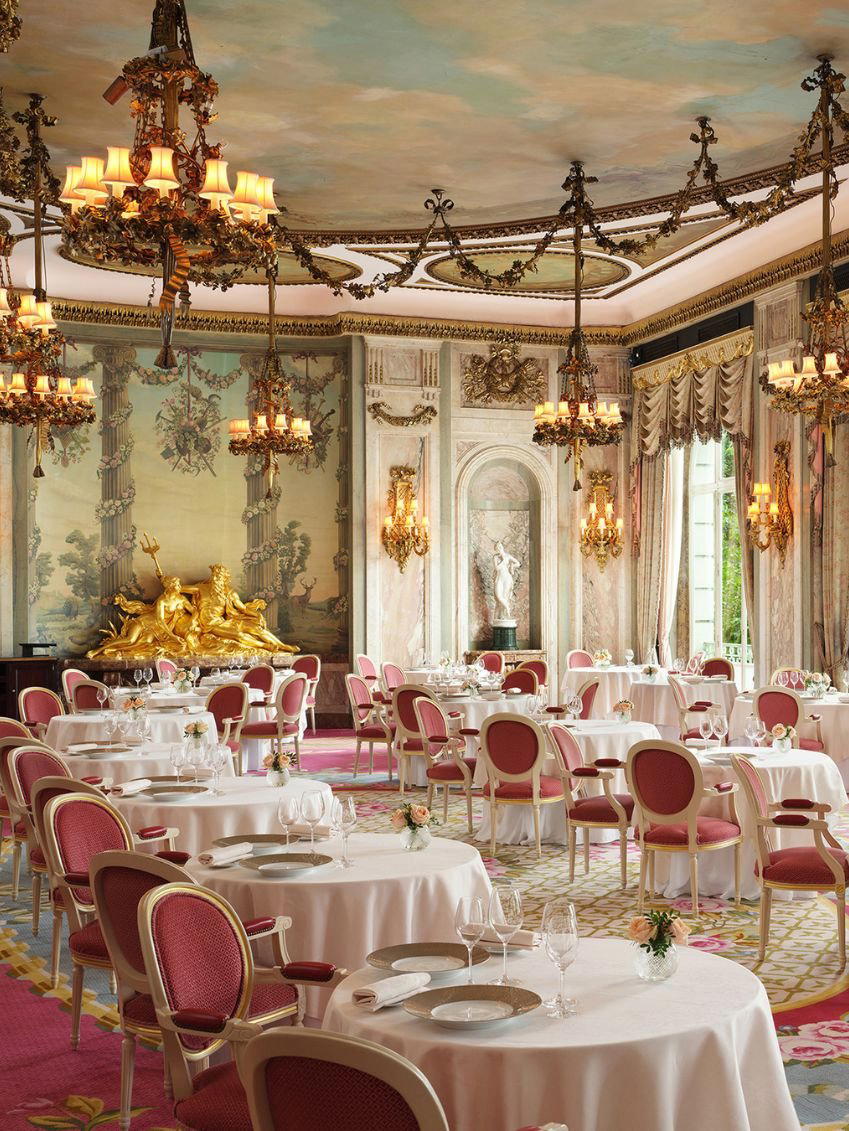
Contemporary Nordic style blending historic high ceilings and herringbone floors with cozy, soundproofed rooms and warm lighting.