Central Hotel & Café
On a quiet corner in Copenhagen's Vesterbro district, Central Hotel & Café holds the distinction of being one of the smallest hotels in the world, occupying a building that has anchored the neighbourhood for well over a century. The café at street level functions as a genuine local institution, drawing residents long before any guest checks in upstairs. For travellers who prefer character over scale, few addresses in the Danish capital carry this kind of layered history.

Pearl is the En Primeur Club membership app, where members save venues, book tables and use the concierge.
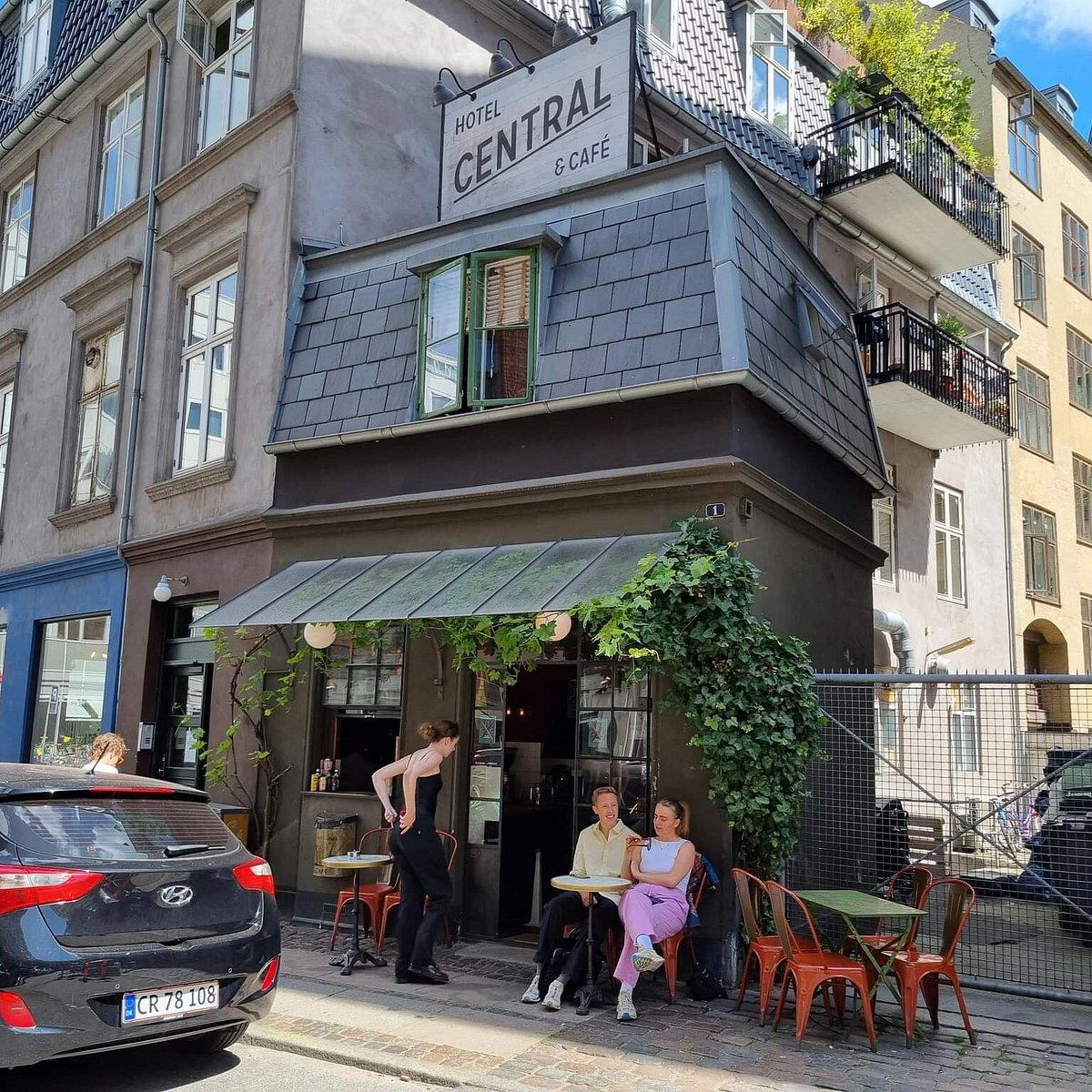
A Corner That Copenhagen Has Always Known
Vesterbro did not become one of Copenhagen's most discussed neighbourhoods overnight. The district spent decades as a working-class quarter, its streets lined with the kind of modest, load-bearing architecture that outlasts trends precisely because it was built without them in mind. Tullinsgade 1 sits at one such corner, and the building that houses Central Hotel & Café belongs to that generation of Copenhagen construction: functional, durable, and almost incidentally atmospheric. In a city where adaptive reuse has become something of a civic sport, Central Hotel & Café is notable for having required very little adaptation at all. It has simply continued to be what it was.
That continuity matters more than it might seem. Copenhagen's hotel market has expanded sharply over the past decade, with new properties ranging from the sustainably-minded 1 Hotel Copenhagen to the design-forward 25hours Hotel Paper Island and the historic-waterfront positioning of the 71 Nyhavn Hotel. In that company, Central Hotel & Café competes on a different axis entirely: not scale, not brand, not curated programming, but the accumulated credibility of a building that has genuinely mattered to its immediate neighbourhood for a long time.
The Café as Anchor, the Hotel as Extension
In northern European hotel tradition, the ground-floor café often functions as the hotel's public face, and Central Hotel & Café follows this pattern with some fidelity. The café operates as a neighbourhood fixture first and a hotel amenity second, which gives it a social texture that purpose-built hotel bars rarely manage. Locals who have never slept in the rooms above have their own relationship with the space, which is precisely the kind of layered social history that makes a building read as a genuine place rather than a hospitality product. Copenhagen has produced a number of boutique properties that work hard to manufacture exactly this quality; here it exists without performance.
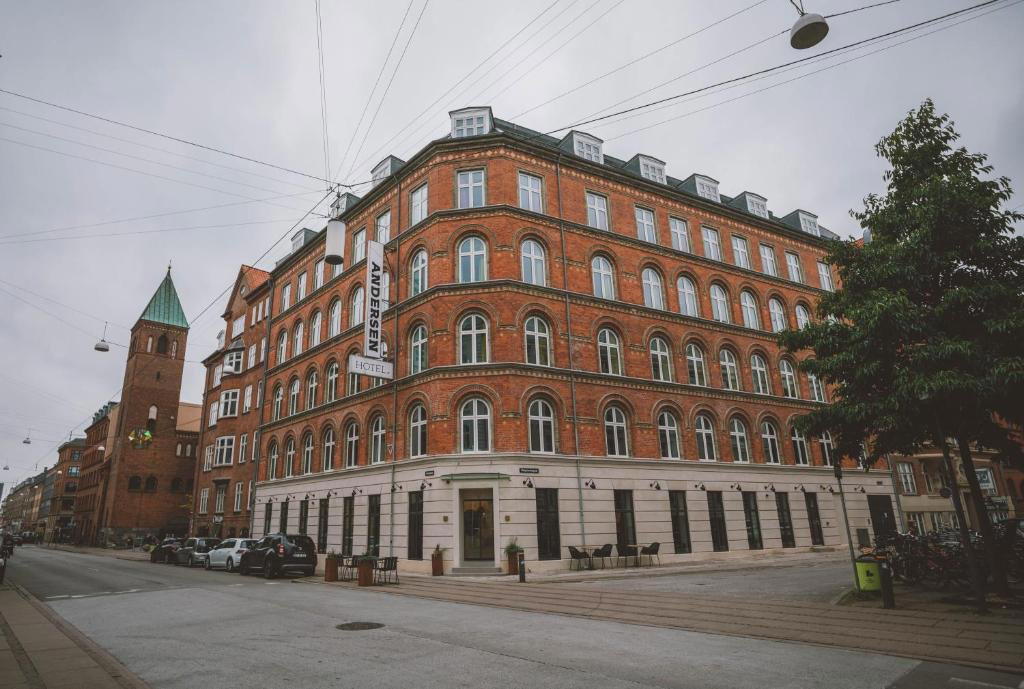
For context, the Absalon Hotel and Andersen Boutique Hotel occupy the same general Vesterbro and inner-city register, both prioritising character over anonymous comfort. What separates Central Hotel & Café from this set is its physical scale: the property is cited among the smallest hotels in the world by room count, which means the experience is closer to staying in a well-worn apartment building than to checking into any conventional category of hotel.
Scale as Editorial Statement
The micro-hotel format has been gaining ground across European capitals, driven partly by the economics of historic urban buildings and partly by a growing segment of travellers who find the rituals of large hotels unnecessary. In Copenhagen specifically, the conversation around intimate, locally-rooted accommodation has intensified alongside the city's broader cultural reputation. Properties like the Admiral Hotel, with its converted warehouse bones, and the Capsule Hotel Copenhagen in Vesterbro at the opposite end of the spatial spectrum, illustrate how widely the market has stretched.
Central Hotel & Café sits closest to the micro end of this range. The limited room count means availability is genuinely constrained, and the property does not function as a fallback option for travellers who have missed out on larger hotels. It requires a deliberate booking decision, made relatively far in advance, particularly during the summer months when Copenhagen draws its densest visitor traffic. For those travelling during the Copenhagen Jazz Festival period, which typically runs across ten days in early July and saturates the city's boutique accommodation stock, advance planning is not optional.
Vesterbro, Then and Now
The neighbourhood context amplifies what the building itself offers. Vesterbro's transformation from industrial-residential district to one of the city's more sought-after areas for independent cafés, wine bars, and design-conscious retail has been well-documented over two decades. Tullinsgade specifically sits in the calmer western section of the neighbourhood, away from the tourist density of the meatpacking district (Kødbyen), which gives it a pace closer to the residential Vesterbro that existed before the area became a destination.
For travellers whose frame of reference for Copenhagen luxury runs toward the grand hotel tradition, the Nimb Copenhagen or the Hotel d'Angleterre represent the city's formal upper tier. Central Hotel & Café has no ambition in that direction. It belongs instead to a quieter Danish hospitality tradition, one that prizes a well-worn room and a coffee counter over a concierge desk and a spa floor. The comparison is not hierarchical; it is categorical.
For those who want to extend a Denmark itinerary beyond the capital, the country's rural heritage accommodation offers interesting counterpoints: Dragsholm Slot in Hørve, Falsled Kro in Falsled, and Allinge Badehotel in Allinge each represent the Danish tradition of historically embedded accommodation in a rural setting, while Kokkedal Castle Copenhagen in Horsholm and Park Lane Copenhagen in Hellerup offer formal alternatives within easy reach of the city. For those thinking across a wider European trip, the contrast between Central Hotel & Café's minimal footprint and properties like Cheval Blanc Paris or Hôtel de Paris Monte-Carlo is instructive in defining exactly what kind of traveller the Copenhagen property is speaking to.
See our full Copenhagen restaurants and hotels guide for broader context on where Central Hotel & Café sits within the city's accommodation range.
Practical Considerations
Tullinsgade 1 is walkable from Copenhagen's Central Station, which positions it well for arrivals from the airport via the direct rail link. The Vesterbro location puts the property inside easy reach of the city's main cultural institutions without being on any tourist circuit. Given the room count, direct booking well ahead of any major Copenhagen event period is the practical approach; the property does not have the inventory to absorb late demand. Travellers accustomed to the amenity sets at properties like Badrutt's Palace Hotel or Aman New York should calibrate expectations accordingly: Central Hotel & Café offers a very different proposition, one defined by neighbourhood integration and architectural character rather than service infrastructure.
City Peers
| Venue | Price | Awards |
|---|---|---|
| Central Hotel & CaféThis venue (the venue you are viewing) | $200–300 | Not listed |
| Hotel d'Angleterre Copenhagen | $500–750 | 2 Michelin Keys · La Liste Top Hotels |
| Hotel Sanders | $500–750 | 1 Michelin Key · Forbes Recommended |
| Nimb Copenhagen | $500–750 | 1 Michelin Key · La Liste Top Hotels |
| 1 Hotel Copenhagen | Not listed | 1 Michelin Key · Travel + Leisure It List Hotels |
| 25hours Hotel Paper Island | Not listed | 1 Michelin Key |
Central Hotel & Café
Featured Guides
Continue exploring
More in Copenhagen
Hotels in Copenhagen
All hotels in Copenhagen →
Bars in Copenhagen
All bars in Copenhagen →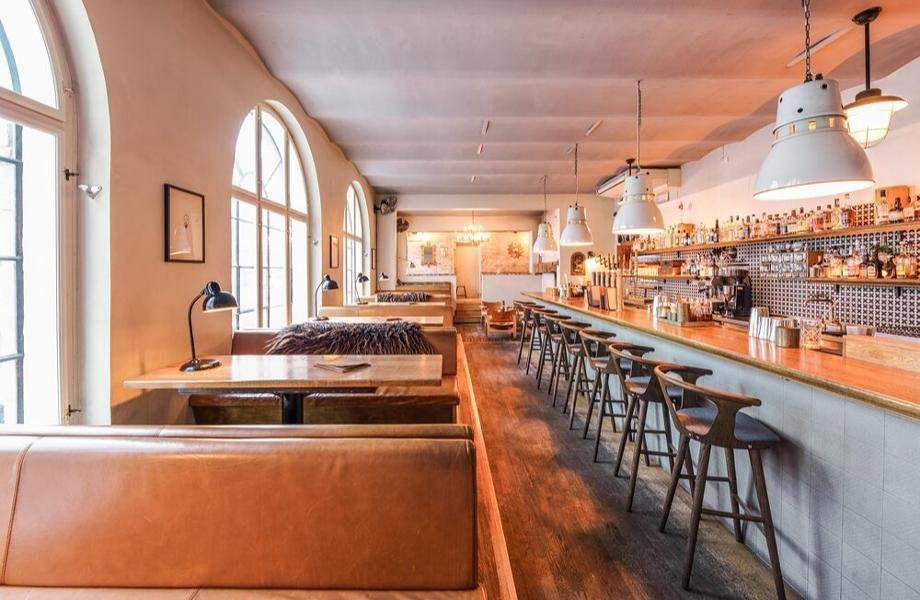

Details
- Cozy
- Intimate
- Trendy
- Romantic Getaway
- Weekend Escape
- Anniversary
- Historic Building
- Wi Fi
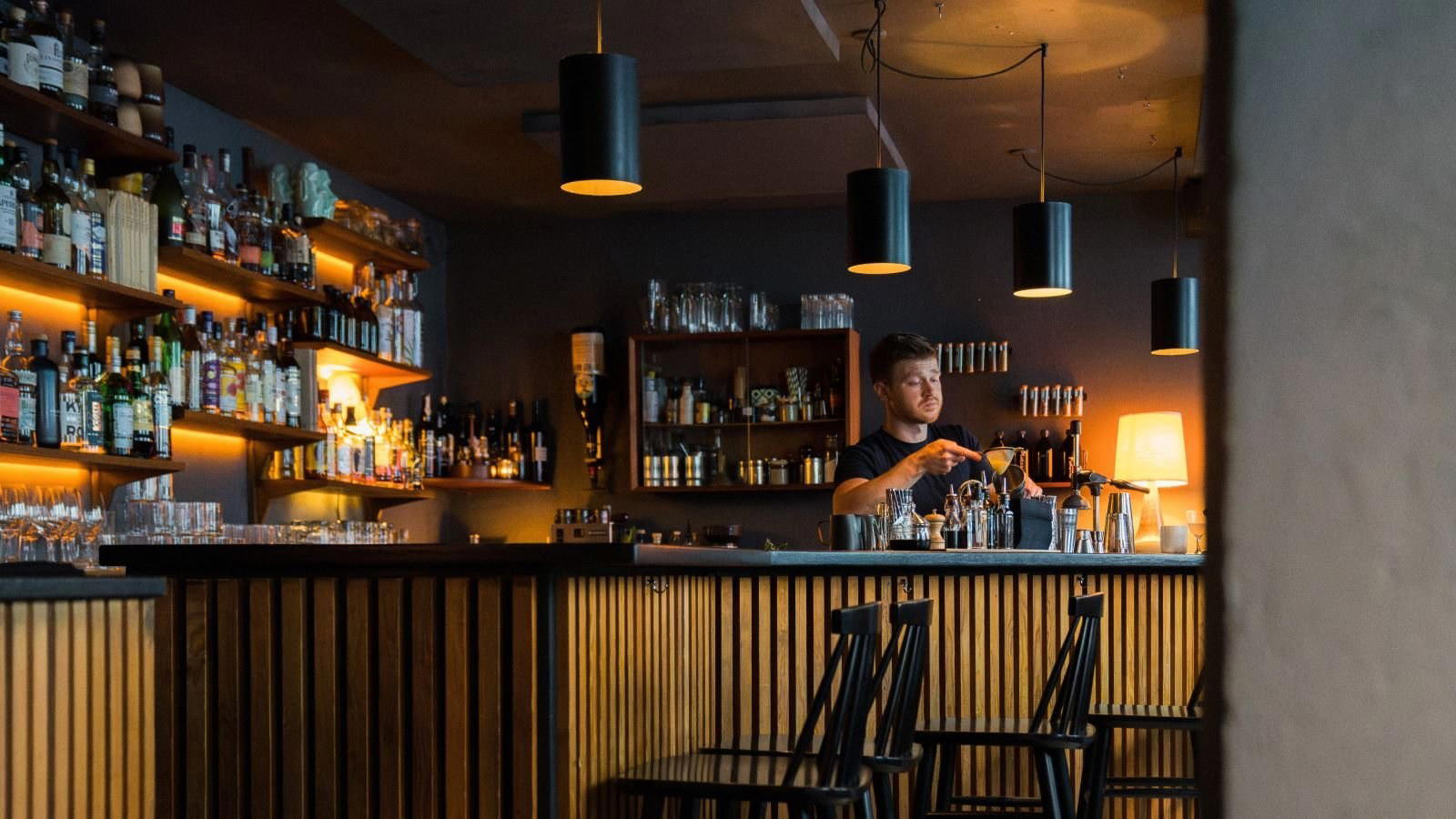
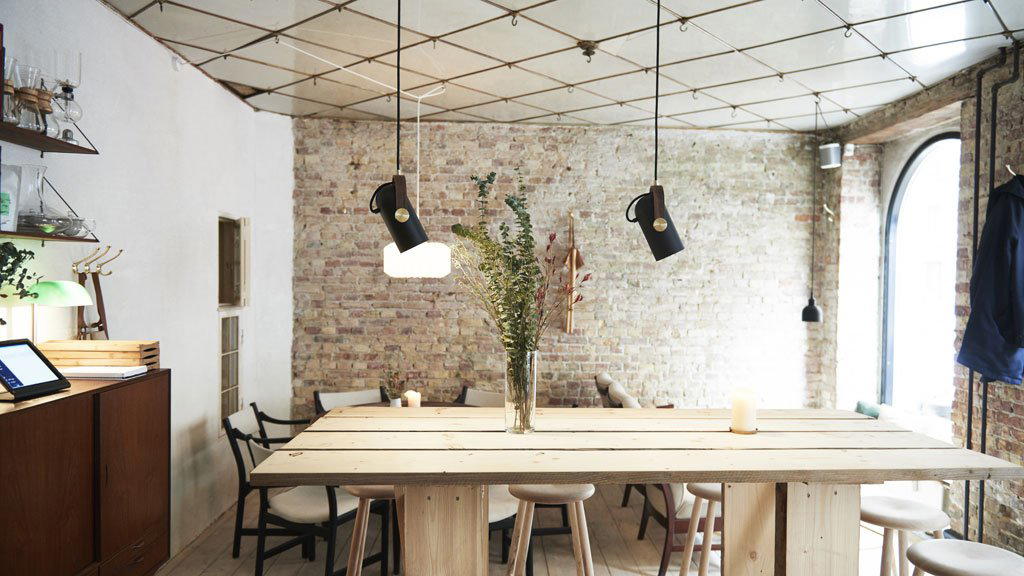
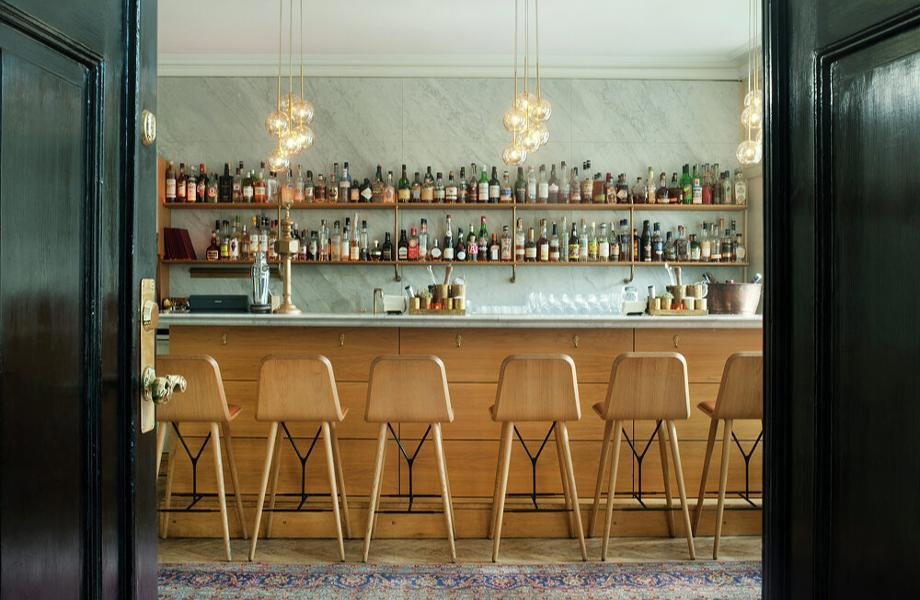
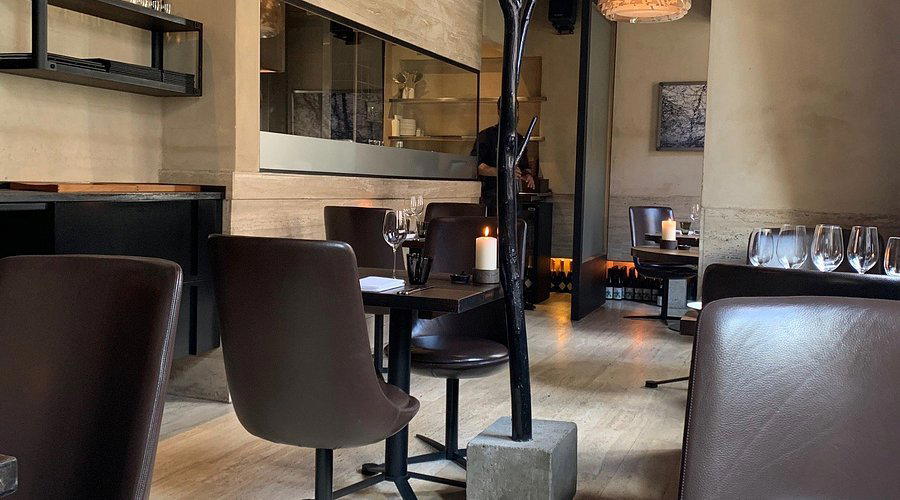
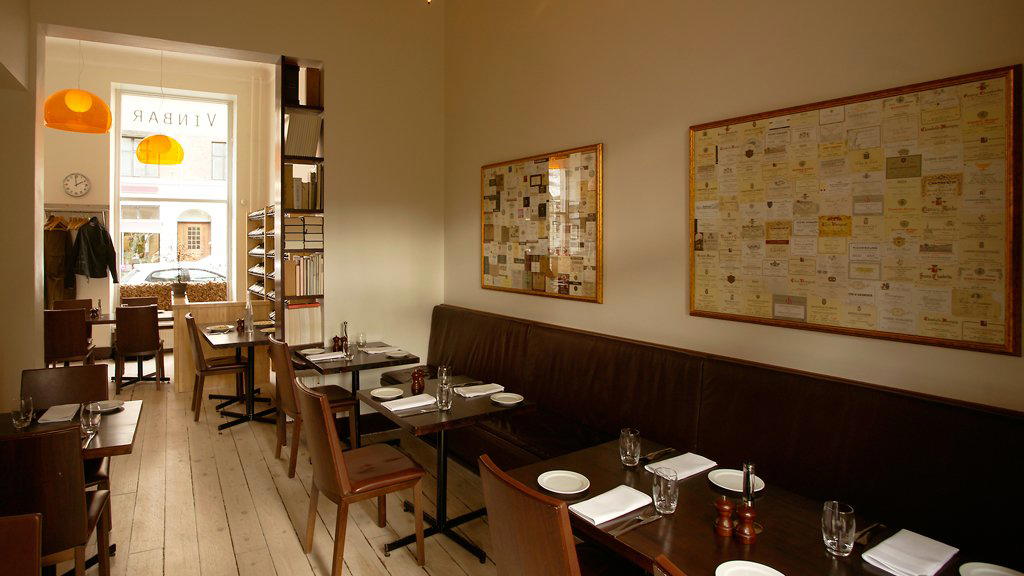
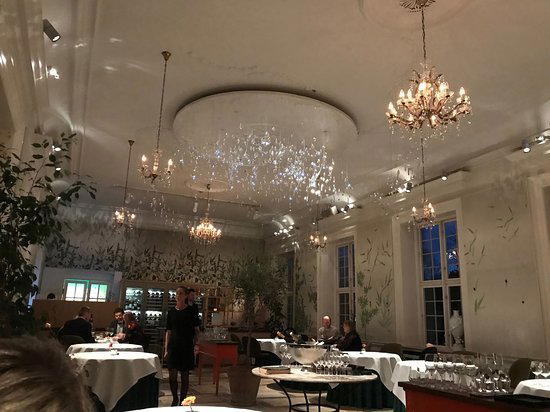
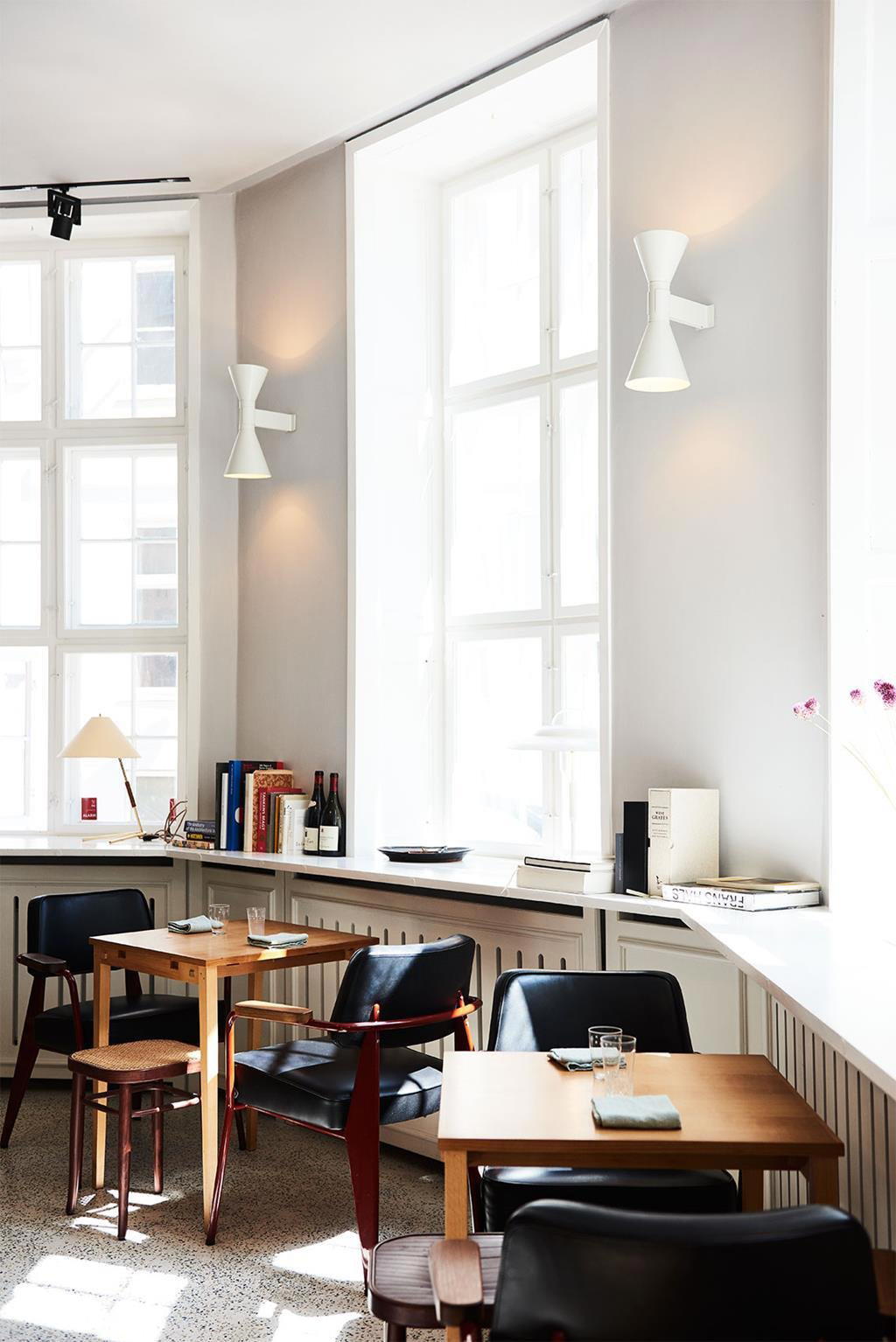
Cozy and intimate hideaway with vintage-inspired decor, handcrafted details, and a lively café atmosphere downstairs.