25hours Hotel Paper Island

On Christiansholm, the manmade island once closed to Copenhageners for centuries, 25hours Hotel Paper Island converts a layered industrial past into a 128-room waterfront base with maritime-themed interiors, village-style common spaces, and three bars and restaurants on-site. Rooms start from around $190 per night, and Schindelhauer bicycles are available for guests to pedal across the city.
Pearl is the En Primeur Club membership app — saves, bookings, and concierge access live there. Same editors, same standards.
- Address
- Papirøen 25, 1436 København
- Phone
- +45 70 77 07 01
- Website
- 25hours-hotels.com
- Directions
- Get directions
 Saves & bookings on Pearl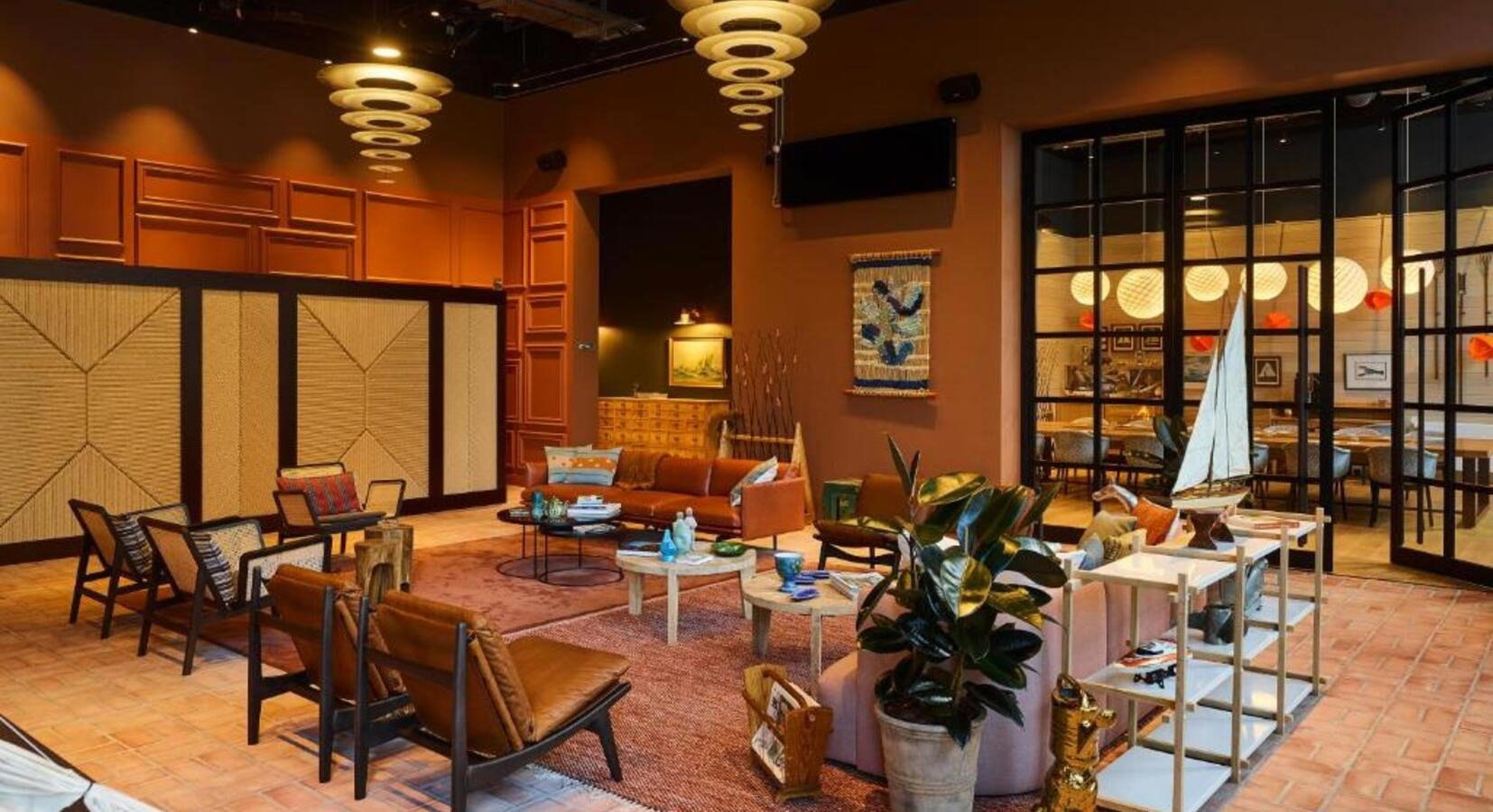
An Island That Kept Its Doors Closed for Centuries
The approach to Christiansholm tells you something important about where Copenhagen's hospitality scene has moved in the past decade. Cross the bridge onto the small manmade island just east of the city center and you arrive somewhere that, for most of its history, was simply off-limits. It served as a shipyard, then a naval base, then an industrial hub for paper factories — each chapter adding another layer of severance from the city around it. The island's reopening to the public, first through art galleries and a street food market that drew significant crowds on weekends, rewrote that relationship. 25hours Hotel Paper Island arrived as the anchor that converted the island from a weekend destination into a place people actually stay.
That sequence matters for understanding what kind of hotel this is. It did not colonize a prestigious address; it helped create one. The difference shapes everything from the architecture to the atmosphere inside.
Architecture Built for a Specific Place
A Copenhagen architecture firm designed the buildings with a clear brief: work with the harbor history, not against it. The result is a cluster of structures with slanting roofs drawn from the geometry of Scandinavian holiday cottages, built in concrete, brick, and timber at a scale that reads more like a small urban settlement than a conventional hotel block. On the waterfront, that village-like arrangement means the common spaces, including three bars and restaurants, open onto each other and onto the quay in a way that encourages circulation rather than containment.
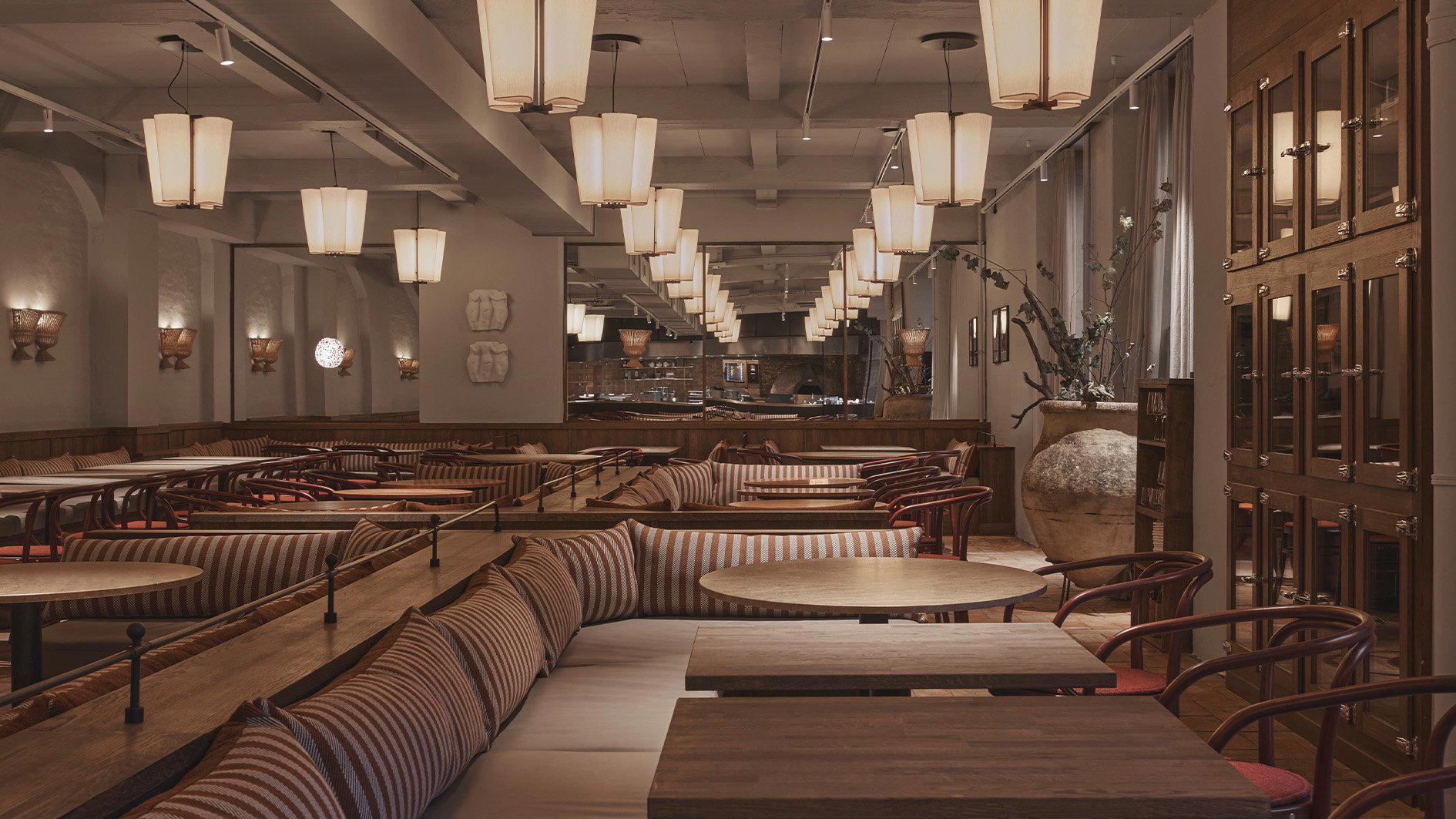
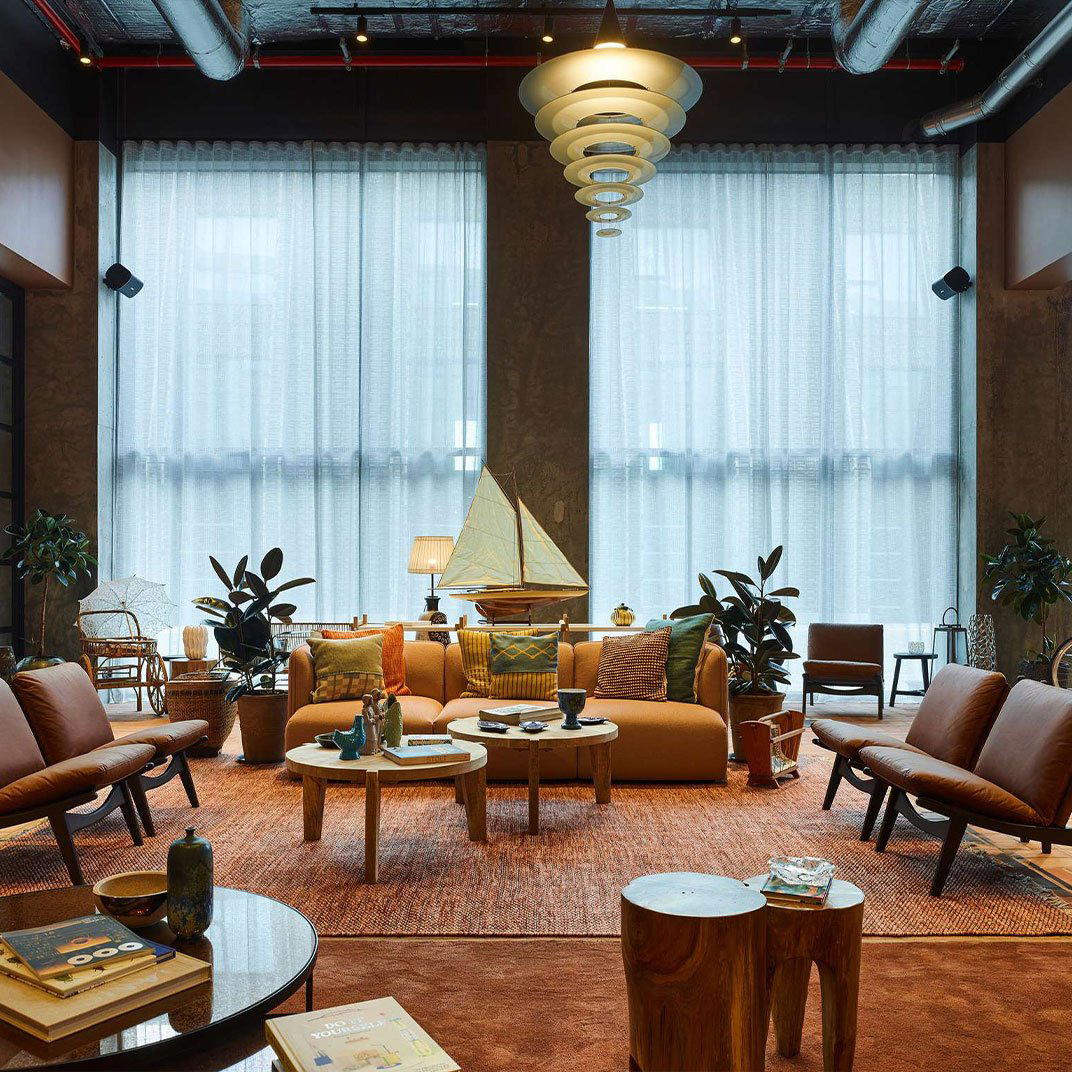
The maritime references inside are specific rather than decorative shorthand. Wooden oars, model sailboats, and nautical antiques appear at reception, which opens directly onto a terrace overlooking the water. Weathered wood furnishings and exposed brick floors carry the same logic through the communal areas. Copenhagen's hotels in the older city center, properties like the 71 Nyhavn Hotel or the Admiral Hotel, work with the grain of existing historic buildings. Paper Island had no such constraint — the architecture is a deliberate construction, which gives it a coherence that purely conversion projects sometimes miss.
The Rooms: Danish Summer House Logic
The 128 rooms extend the same vocabulary inward. Pale wood flooring, a blue and white colour scheme, porthole-style mirrors, and framed maps and seascapes above the beds borrow directly from the Danish sommerhus tradition, the seasonal cabin culture that shapes how Danes relate to coastlines and water. It is a specific cultural reference, not a generic Scandinavian gesture, and it lands differently here than it would at a city-center hotel. The waterfront position makes the framing feel grounded rather than decorative.
Rates start from around $190 per night, which positions Paper Island in the mid-tier of Copenhagen's hotel market, below the ultra-polished design hotels in the central neighbourhoods but well above budget accommodation. For that bracket, the combination of 128 rooms, multiple food and drink outlets, and direct water access represents reasonable value against alternatives at a similar price point. Properties like the Absalon Hotel or the Andersen Boutique Hotel compete on personality and price in roughly the same conversation, though neither offers comparable access to open water.
The Island as Neighbourhood
The editorial argument for staying on Christiansholm rather than in the older districts near Strøget or Nyhavn is not about convenience, it is about a different relationship with the city. The island's recent transformation into a public neighbourhood with galleries and a street food market means the immediate surroundings have actual texture, not just the hotel's own amenities. The quayside terrace puts you at the edge of Copenhagen Harbour, where the scale of the water and the sight lines to the city's low skyline are among the clearest available from any hotel in the city.
The cycling infrastructure reinforces this. Schindelhauer bicycles are included with certain room categories and available to rent with others. A curated cycling map provided by the hotel turns the bridge crossing into an intentional departure point rather than a commute. Copenhagen has invested heavily in cycling infrastructure for decades, and the island's position places guests within a short ride of Christianshavn, the meatpacking district, and the central lakes. For reference, 1 Hotel Copenhagen operates from a different part of the harbour and takes a sustainability-led approach to the same waterfront positioning. The two properties sit in a similar geographical conversation but draw from different design traditions.
For those planning beyond the city, the wider Danish hotel network offers a contrasting register: Dragsholm Slot in Hørve and Falsled Kro in Falsled represent the rural end of premium Danish hospitality, while Allinge Badehotel in Allinge and Dyvig Badehotel in Nordborg work from the badehotel tradition that Paper Island's summer-house interiors quietly nod to. If Paper Island appeals, the thematic thread running through those properties will be familiar.
Internationally, Paper Island belongs to a category of mid-scale design hotels that trade on neighbourhood identity and local architectural language rather than global brand infrastructure. That cohort is distinct from the ultra-luxury end of the market represented by properties like Cheval Blanc Paris or Aman Venice, but it serves a different purpose: grounding guests in a specific place rather than offering portable luxury.
Planning a Stay
The hotel's three bars and restaurants make it self-contained for evenings when leaving the island feels unnecessary, particularly in summer when the terrace overlooking the quay draws both guests and local visitors. Copenhagen's broader restaurant scene, however, is a significant draw in its own right, our full Copenhagen restaurants guide covers the range from Noma-lineage tasting menus to neighbourhood naturals bars. The island's position makes Christianshavn, one of the city's more distinctive dining neighbourhoods, accessible on foot or by bicycle in under ten minutes.
Summer is the most obvious season: the terrace, the cycling, and the street food market on the island all operate at full capacity. That also makes it the most competitive period for rooms. Copenhagen's shoulder seasons, late April through May and September into October, offer considerably more flexibility in availability, and the city's food and culture programming runs without meaningful interruption. The Copenhagen Jazz Festival typically anchors July across multiple venues in the city, and Paper Island's position on the harbour puts guests within the radius of several outdoor stages.
How 25hours Hotel Paper Island Copenhagen Review compares with similar nearby venues.
| Venue | Awards |
|---|---|
| 25hours Hotel Paper Island | Michelin 1 Key |
Recognition history
Dated appearances from independent guides and award organizations, with the underlying list record or original source where available.
Michelin 1 Key
Michelin
Continue exploring
More in Copenhagen
Hotels in Copenhagen
Browse all →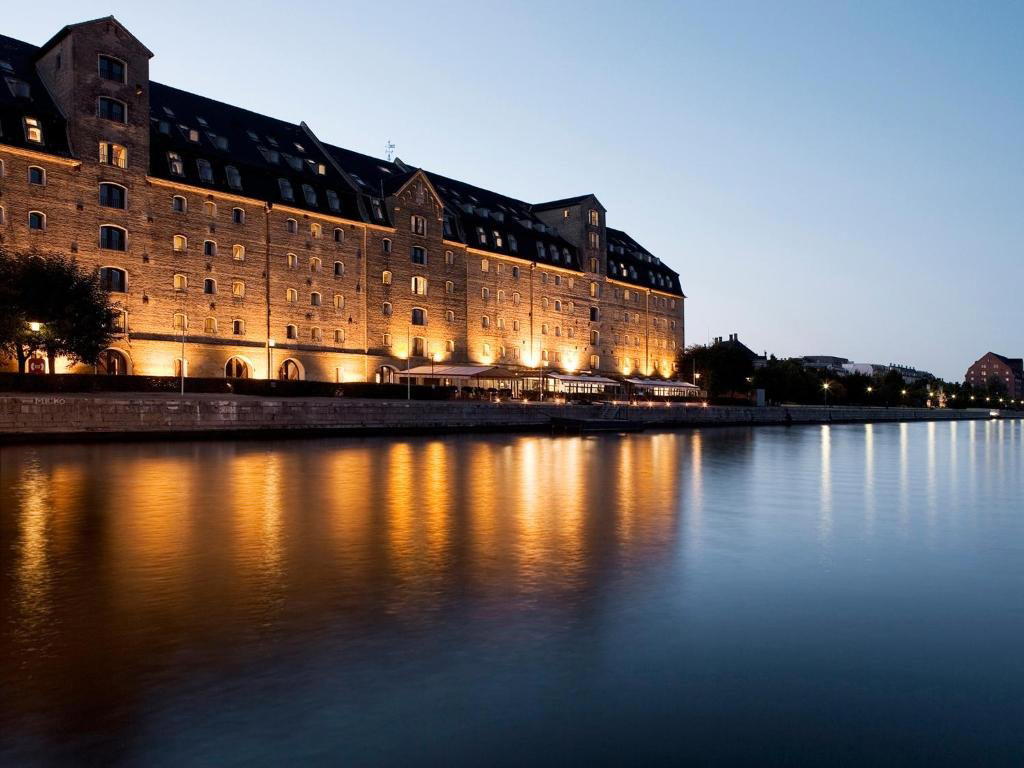
Bars in Copenhagen
Browse all →
Restaurants in Copenhagen
Browse all →

At a Glance
- Modern
- Trendy
- Cozy
- Minimalist
- Romantic Getaway
- Weekend Escape
- Rooftop Pool
- Waterfront
- Garden
- Terrace
- Wi Fi
- Restaurant
- Bar
- Bicycle Rental
- Air Conditioning
- Room Service
- Concierge
- Waterfront
- Garden
- Wi Fi
- Restaurant
- Bar
- Bicycle Rental
- Air Conditioning
- Room Service
- Concierge
Relaxed and welcoming with cozy, nostalgic Scandinavian hygge atmosphere, modern nautical decor, and thoughtful lighting in individually designed spaces.
Know Before You Go
- Getting there
- Papirøen 25, 1436 København