Kokkedal Castle sits in Hørsholm, north of Copenhagen, where Baroque manor architecture and mature estate grounds place it firmly in the tradition of Danish castle hotels that have converted historic aristocratic seats into hospitality destinations. The property occupies a different competitive tier from urban Copenhagen hotels, trading city proximity for architectural scale and landscape setting.
Pearl is the En Primeur Club membership app — saves, bookings, and concierge access live there. Same editors, same standards.
- Address
- Kokkedal Alle 6, 2970 Hørsholm, Denmark
- Phone
- +45 44 22 80 00
- Website
- kokkedalslotcopenhagen.dk
- Directions
- Get directions
 Saves & bookings on Pearl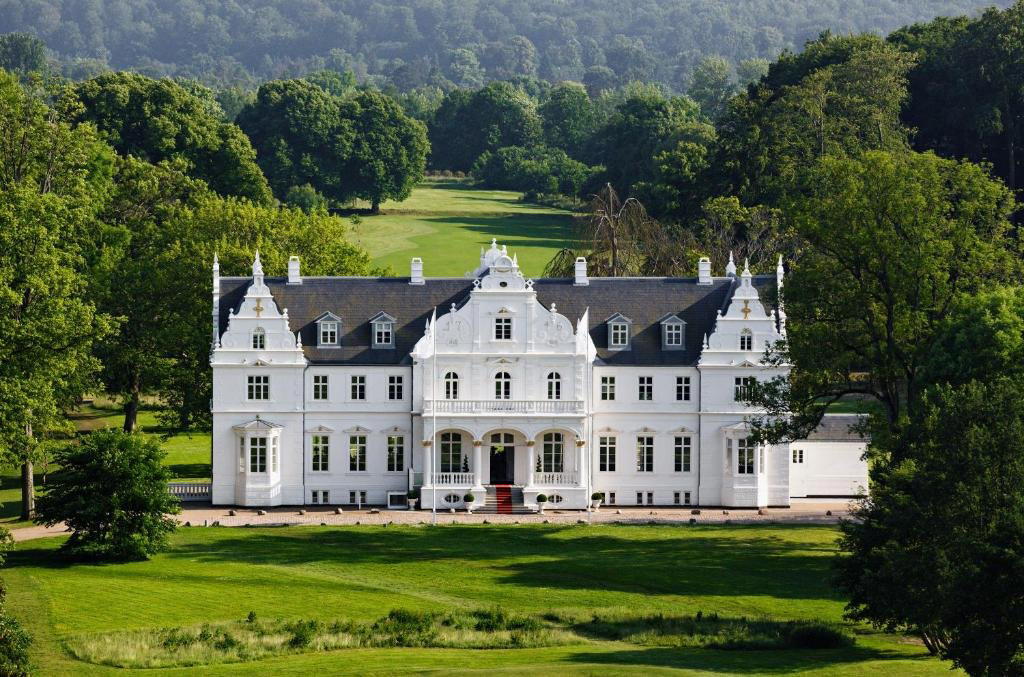
A Baroque Estate North of the Capital
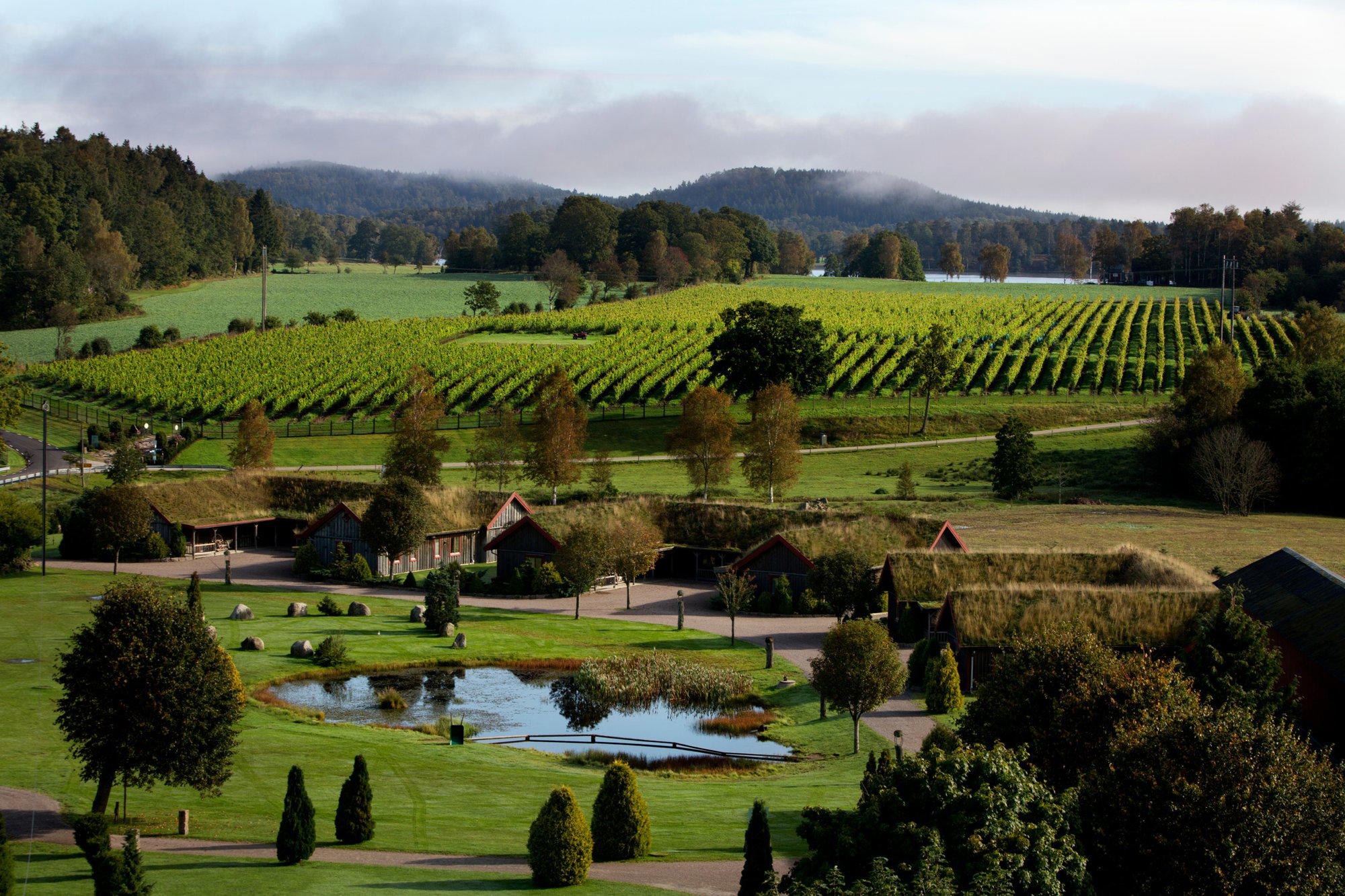
The approach to Kokkedal Castle along Kokkedal Alle already signals what kind of property this is. The tree-lined drive, the formal geometry of a Baroque manor facade, and the scale of the surrounding estate grounds in Hørsholm communicate a tradition of Danish aristocratic architecture that survives in only a handful of working hospitality destinations across the country. Kokkedal belongs to a specific and shrinking category: the converted castle hotel, where the building itself is the primary argument for the stay.
Denmark has a small but meaningful cohort of castle and manor hotels that have navigated the conversion from private estate to public hospitality. Properties like Dragsholm Slot in Hørve and Falsled Kro in Falsled represent different points on that spectrum, from medieval fortress to refined inn, and Kokkedal sits at the Baroque manor end: formal, symmetrical, and rooted in the 17th- and 18th-century aesthetic that shaped the grand estates of North Zealand. For guests oriented around architectural experience rather than urban programming, this geography north of Copenhagen makes sense.
The Architecture as the Experience
Baroque manor design in Denmark was never purely decorative. The formal axial planning, the relationship between the main house and its outbuildings, and the way the estate structured its grounds around productive as well as aesthetic purposes all reflected a particular understanding of how a large property should be organised. Kokkedal preserves that spatial logic. The estate grounds and the building's exterior proportions still read as a coherent whole, which is not guaranteed for properties that have undergone multiple ownership changes and renovation cycles.
The tradition of castle hotels in Scandinavia draws significant travel interest precisely because the architectural offer is irreproducible elsewhere in the accommodation market. No amount of interior design investment in a modern property replicates the experience of sleeping within walls that date back centuries, or dining in rooms whose ceiling heights and window proportions were calculated for a different social world. This is the argument that places Kokkedal in a different conversation from urban Copenhagen luxury hotels like Herman K or Park Lane Copenhagen in Hellerup. Those properties compete on design, location, and service. Kokkedal competes on something harder to manufacture: the physical reality of a Baroque estate.
Globally, the castle hotel category attracts guests who have already stayed extensively across conventional luxury formats. Properties like Castello di Reschio in Lisciano Niccone or Aman Venice operate on a similar logic: the heritage structure is the primary differentiator, and the hospitality layer is built around it rather than in spite of it. Kokkedal makes the same case at a more intimate Scandinavian scale.
North Zealand as a Hospitality Region
Hørsholm sits roughly 25 kilometres north of central Copenhagen, within North Zealand, a region whose combination of coastal inlets, beech forest, and historic estates has made it a consistent destination for Danes seeking short-distance escapes from the capital. The S-train network connects Hørsholm to Copenhagen's central stations, which means the property is accessible without a car, though arriving by road along the estate's own allée is the more atmospheric approach.
North Zealand's hospitality character has historically been defined by manor hotels and seaside badehotels rather than urban design properties. The Allinge Badehotel in Allinge and Dyvig Badehotel in Nordborg represent the coastal end of that tradition. Kokkedal represents the inland manor end, and the two formats attract different travel motivations even when the guests overlap. For those working through our full Hørsholm restaurants guide, the castle context matters: dining in a historic manor dining room carries different expectations than dining in a contemporary urban restaurant, and the surrounding landscape tends to anchor the food offer in regional rather than cosmopolitan reference points.
Where Kokkedal Sits in Its comparable set
Among Danish castle hotels, the competitive distinctions are primarily about era, condition, and hospitality ambition. Dragsholm Slot, operating at the far end of Denmark's accessible culinary circuit, has cultivated a reputation around its restaurant program and its medieval foundations. Kokkedal's Baroque character places it in a different architectural conversation, one that aligns more with the formal estate tradition than with the romantic ruin aesthetic. Internationally, guests comparing Scandinavian castle hotels against other heritage accommodation categories, including properties like Badrutt's Palace Hotel in St. Moritz or Hotel Sacher Wien in Vienna, will find that Kokkedal offers a more restrained, landscape-centred experience where the building and its grounds are doing most of the atmospheric work.
That restraint is partly a function of Danish design culture and partly a function of what the manor house format permits. Unlike grand palace hotels in Paris, such as Cheval Blanc Paris or Hotel Plaza Athénée, which layer theatrical interior design over historic bones, the Danish castle hotel tradition tends toward a more sober presentation. The architecture speaks; the interiors are typically calibrated not to shout over it.
Planning a Visit
For guests travelling from Copenhagen, the estate address on Kokkedal Alle 6, 2970 Hørsholm provides a clear navigational anchor. The estate setting makes an overnight stay the natural way to experience the property, since the relationship between building, grounds, and landscape shifts across different times of day. Advance booking is recommended, particularly for the warmer months.
Comparison Snapshot
Comparable venues nearby, for context on price, style, and recognition.
| Venue | Cuisine | Price | Awards | Notes |
|---|---|---|---|---|
| Kokkedal Castle CopenhagenThis venue — the venue you are viewing | Historic castle with modern Nordic renovations and stable-block extensions | $$$$ | 4-Star | Not listed |
| Hotel Hans | Boutique urban hotel fusing theater, art, speakeasy bar, and garden oasis. | $$$$ | 4-Star | Nørrebro |
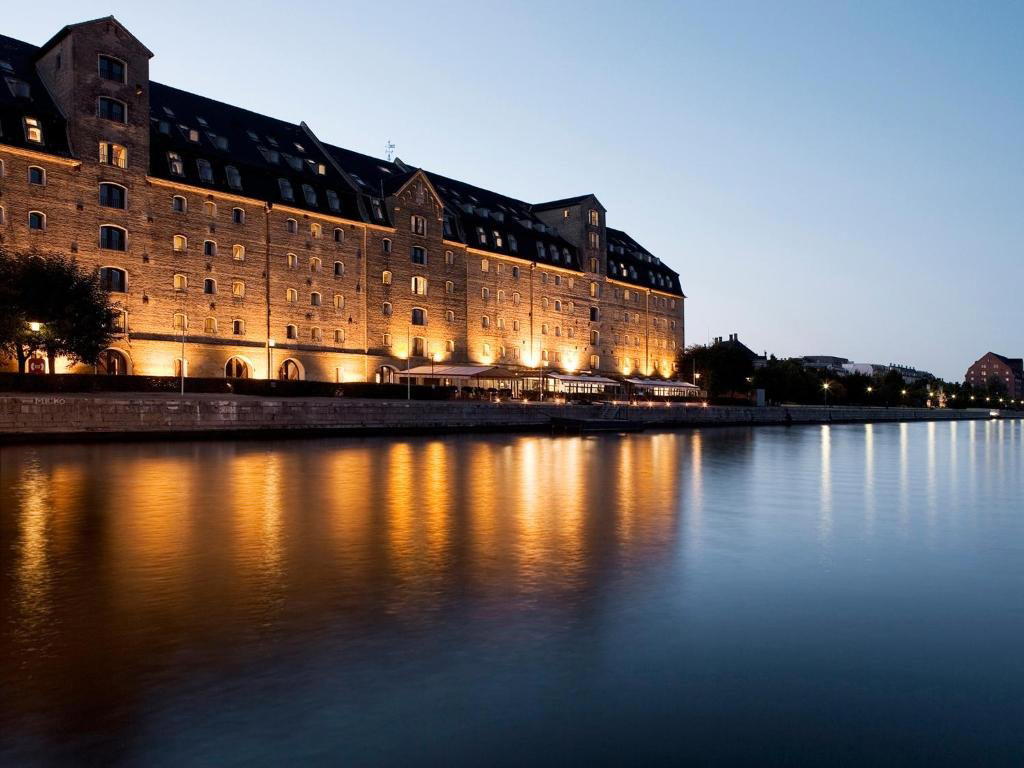
| Admiral Hotel | Historic maritime warehouse converted into a modern hotel | $$$ | 4-Star | Indre By |
| Radisson Collection Royal Hotel, Copenhagen | Modernist design hotel with contemporary luxury positioning; eco-certified with heritage architecture dating to 1960. | $$$$ | 5-Star | Indre By |
| Belle Guldsmeden Aarhus | Eco-luxury boutique hotel with a contemporary Nordic-bohemian identity. | $$$$ | 4-Star | Sydhavnskvarteret |
| Rox Resort | Contemporary Scandinavian interpretation of grand American eastern coast hotels with eclectic, story-driven design philosophy. | $$$$ | 5-Star | Køge |
Continue exploring
More in Hørsholm
Hotels in Hørsholm
Browse all →
Bars in Hørsholm
Browse all →
Restaurants in Hørsholm
Browse all →

At a Glance
- Elegant
- Classic
- Romantic
- Sophisticated
- Honeymoon
- Romantic Getaway
- Anniversary
- Business Trip
- Weekend Escape
- Historic Building
- Garden
- Terrace
- Wi Fi
- Pool
- Spa
- Fitness Center
- Room Service
- Concierge
- Meeting Rooms
- Garden
- Wi Fi
- Pool
- Spa
- Fitness Center
- Room Service
- Concierge
- Meeting Rooms
Elegant and intimate with candle-lit dining in vaulted cellars, rococo-style suites featuring claw-foot bathtubs, and a serene Nordic country atmosphere.