

A Relais & Châteaux coastal retreat on Als Fjord in southern Denmark, Dyvig Badehotel trades on the unhurried rhythms of Danish seaside tradition. Rates from US$157 per night place it in the accessible tier of the country's destination hotel market, while,251 reviews reflects a consistent guest experience rooted in seafood cuisine and fjord-facing calm.
Pearl is the En Primeur Club membership app — saves, bookings, and concierge access live there. Same editors, same standards.
- Address
- Dyvigvej 31, 6430 Nordborg
- Phone
- +45 73 16 43 00
- Website
- dyvigbadehotel.dk
- Directions
- Get directions
 Saves & bookings on Pearl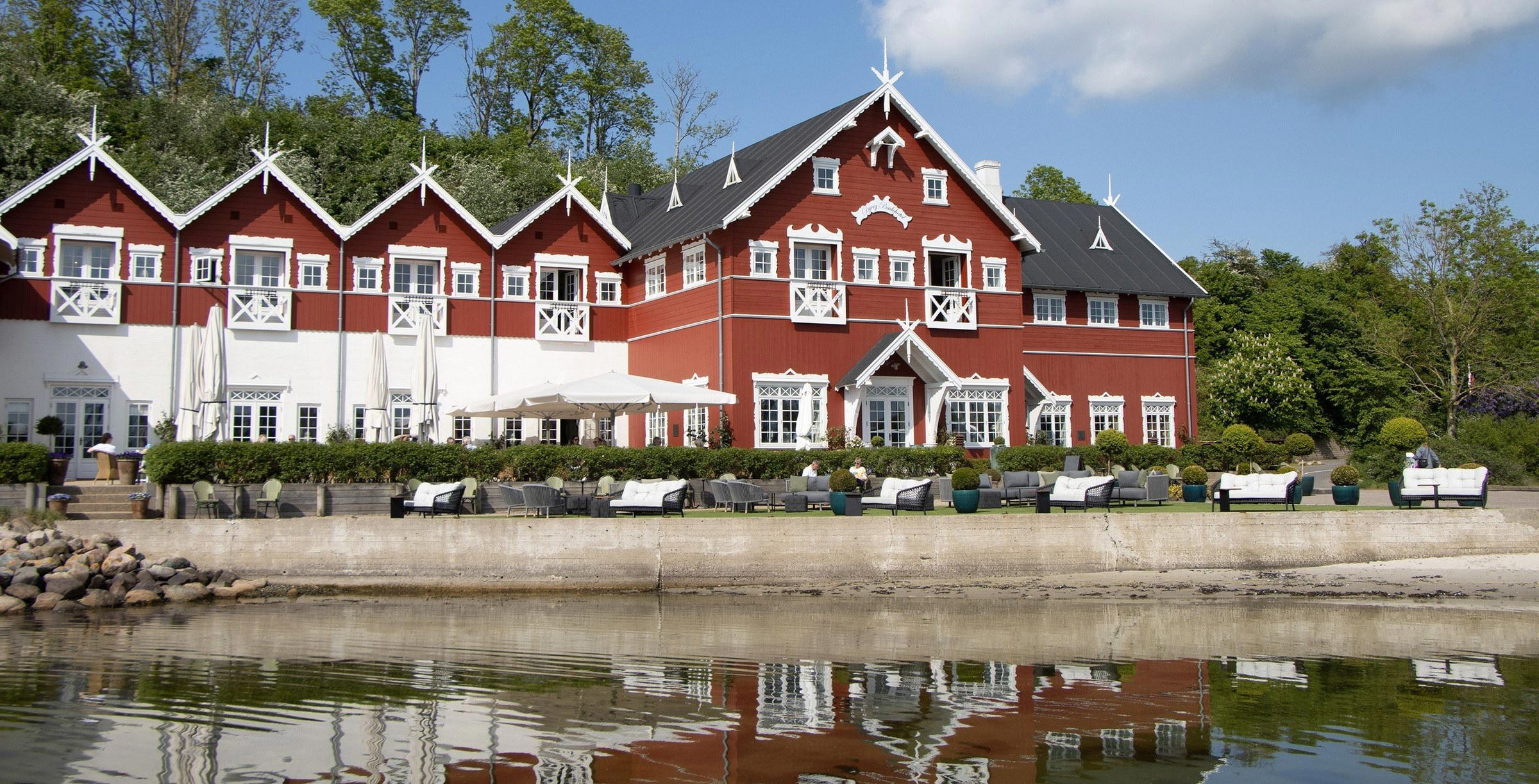
Where the Fjord Does the Work
Denmark's badehotel tradition occupies a particular cultural register that has no clean English translation. These coastal retreat hotels, built in the late nineteenth and early twentieth centuries, were designed around the therapeutic proposition of salt air, cold water, and unhurried time. The format has survived because the underlying logic is sound: proximity to water, modest architecture scaled to the landscape, and food that treats the surrounding coastline as a larder.
Approaching along Dyvigvej, the water arrives before the building does. Als Fjord runs inland from the Baltic coast, and the hotel sits at a point where the channel narrows, making the relationship between structure and water immediate rather than decorative. The design language reads as northern coastal vernacular: pitched rooflines, pale timber, a palette pulled from the surrounding sedge and birch rather than imposed on it. This is not hotel architecture that announces itself. It is the kind of building that recedes into a landscape, which in Scandinavia is generally understood as a compliment.
The Physical Logic of the Building
The badehotel typology imposes a specific set of architectural constraints that shape guest experience more than any interior design choice. Rooms face the water by convention, not by accident. Common spaces are oriented around the fjord view, and the relationship between inside and outside is treated as the central design problem rather than an afterthought. At properties that have maintained this typology faithfully, the result is a kind of enforced attentiveness: the weather, the light, the tide state all become part of daily life in a way that urban hotels actively suppress.
Dyvig's setting on Als also places it within a broader Danish conversation about landscape and hospitality. Southern Jutland has historically been a contested border region, and Als itself carries that layered quality of places that have changed hands and languages. The hotel exists in a quieter register than that history might suggest, but the physical remoteness of the fjord location means guests are genuinely isolated from the infrastructure of Danish tourism concentrated further north. Nordborg is not a transit destination; arrival requires intention, which filters the guest profile toward those who have sought the property specifically rather than stumbled into it.
Seafood as Regional Argument
The cuisine category listed for Dyvig is seafood, and in this context that designation carries editorial weight. The Als Fjord and the surrounding waters of the South Funen Archipelago represent some of Denmark's most productive coastal fishing grounds. Properties that take this geography seriously treat the menu as an extension of the landscape rather than a parallel amenity. New Nordic cooking's insistence on provenance and seasonality, which reshaped how Scandinavian restaurants present themselves globally over the past two decades, has filtered into the badehotel format in interesting ways. At its finest, it produces cooking that reads as obvious rather than clever: the right fish, at the right time of year, prepared with restraint.
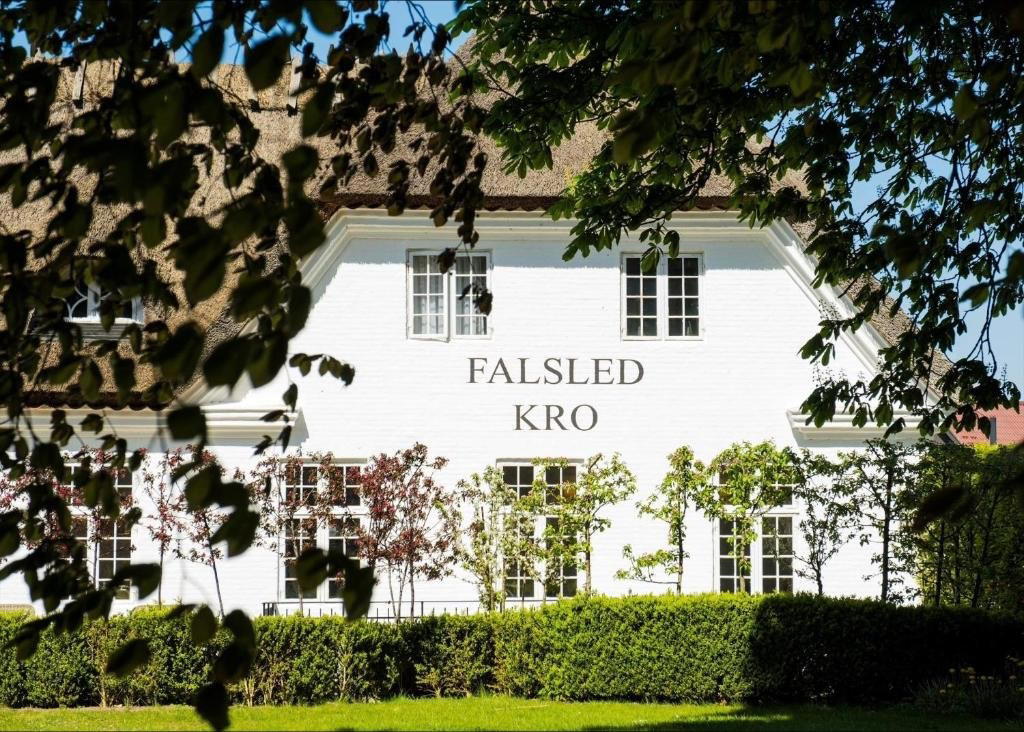
The Relais and Chateaux affiliation is a meaningful signal here. The network's membership criteria weight culinary consistency heavily, and Danish members operate alongside properties including Dragsholm Slot in Hørve and Falsled Kro in Falsled, both of which have built serious reputations around seasonal, landscape-driven cooking. Dyvig's membership positions it within that Danish cohort rather than in the broader Scandinavian luxury hotel market.
How Dyvig Sits in the Danish Coastal Hotel Market
Denmark's premium coastal accommodation market has bifurcated over the past decade. On one side sit the design-led boutique conversions: manor houses, farm complexes, and industrial buildings reprogrammed as small-scale luxury hotels, often with ambitious restaurants attached. On the other sit the badehotel properties, which derive their authority from historical continuity and landscape fidelity rather than from architectural intervention. Dyvig belongs to the latter category, and that positioning is a choice with real consequences for who books it and why.
The comparison set is instructive. Allinge Badehotel in Allinge operates on a similar badehotel premise on the island of Bornholm, trading on coastal access and Nordic simplicity. Kokkedal Castle Copenhagen in Horsholm and Herman K in Copenhagen represent the urban and manor-conversion ends of the Danish premium market respectively. Park Lane Copenhagen in Hellerup occupies the design-hotel tier. Dyvig's fjord location and badehotel identity place it in a genuinely different register from all of these, and guests who choose it are making a specific trade: urban proximity and design novelty for water access and historical format.
For international travellers calibrating against a global luxury baseline, the rates from US$157 per night position Dyvig well below comparable Relais and Chateaux properties in Western Europe. Properties like Cheval Blanc Paris, Le Bristol Paris, or Hotel Plaza Athenee in Paris operate in an entirely different price bracket. Even regionally, Badrutt's Palace Hotel in St. Moritz or Hotel Du Cap-Eden-Roc in Cap d'Antibes represent the upper end of European resort pricing. Dyvig's entry rate reflects the property's deliberate positioning within Danish rather than international luxury pricing norms, which is relevant context for travellers deciding where it sits relative to their broader accommodation portfolio.
Planning a Stay
Nordborg sits on the island of Als in Southern Jutland, accessible by road via the Als bridges from the mainland. The nearest significant rail connection is Sonderborg, from which the property is reachable by car. Direct contact runs through the Relais and Chateaux reservation system at dyvig@relaischateaux.com or by telephone at +45 7316 4300, with full property information at dyvigbadehotel.dk. Summer months along the Als Fjord align with the Danish sailing season and represent peak demand; spring and early autumn offer the same water access with smaller crowds. Our full Nordborg restaurants guide covers the wider dining options in the area for guests planning longer stays.
How Dyvig Badehotel Nordborg compares with similar nearby venues.
| Venue | Awards |
|---|---|
| Dyvig Badehotel | Relais Chateaux Award (2026) |
Recognition history
Dated appearances from independent guides and award organizations, with the underlying list record or original source where available.
Michelin Guide New Hotels New Hotel
Michelin Guide New Hotels
Relais Chateaux Award
Relais Chateaux
Michelin Selected
Michelin
Relais Chateaux Award
Relais Chateaux
Continue exploring
More in Nordborg
Hotels in Nordborg
Browse all →
Restaurants in Nordborg
Browse all →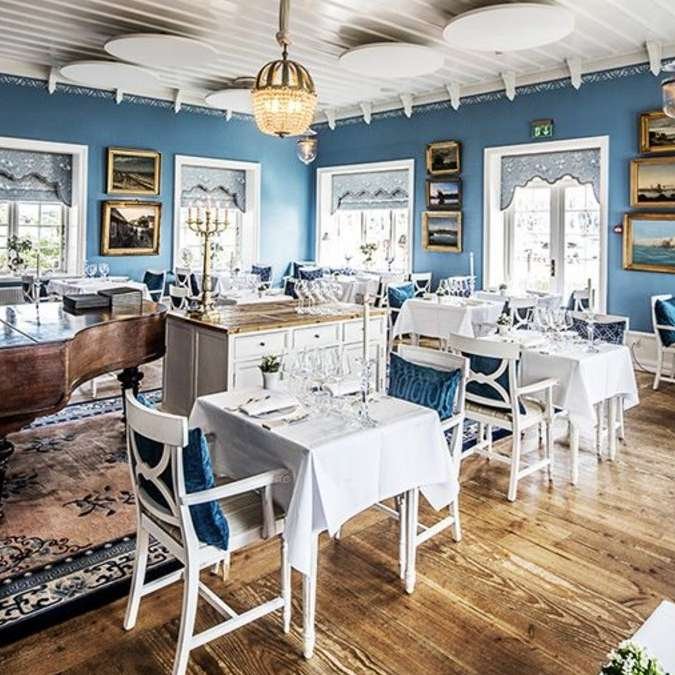
Wineries in Nordborg
Browse all →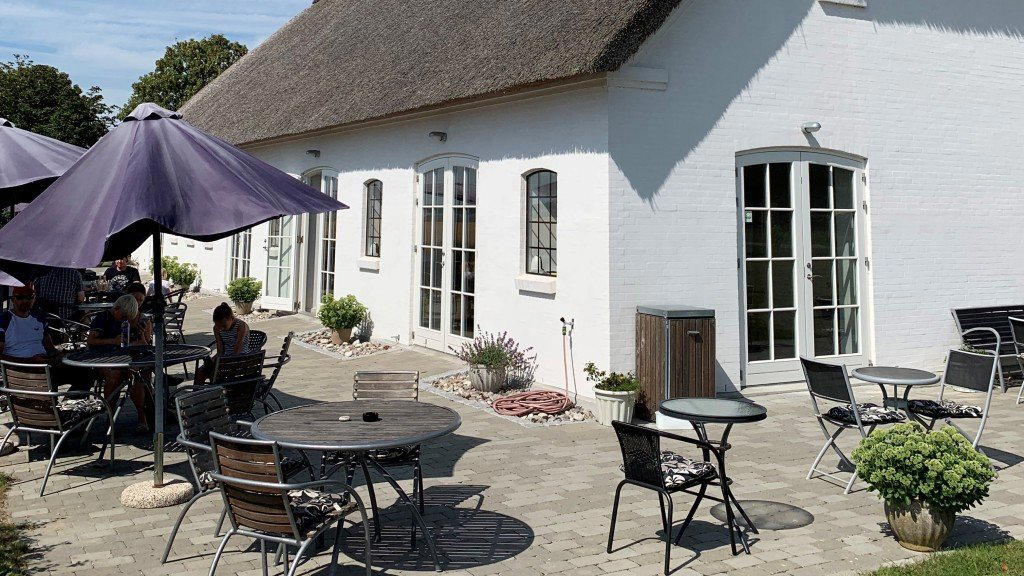

At a Glance
- Romantic
- Cozy
- Elegant
- Scenic
- Intimate
- Sophisticated
- Romantic Getaway
- Honeymoon
- Weekend Escape
- Waterfront
- Terrace
- Historic Building
- Wi Fi
- Sauna
- Room Service
- Restaurant
- Garden
- Elevator
- Waterfront
- Wi Fi
- Sauna
- Room Service
- Restaurant
- Garden
- Elevator
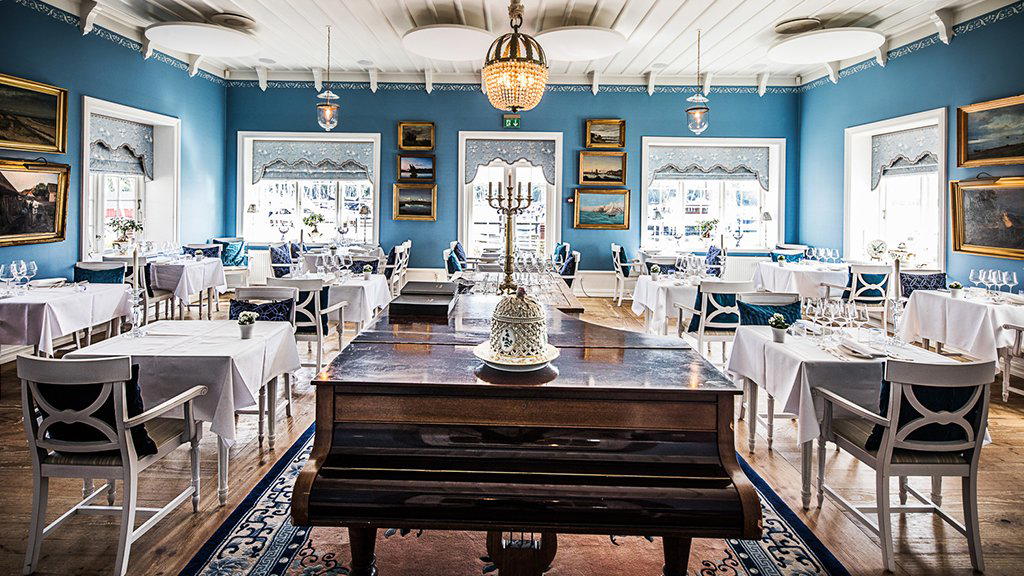
Timeless elegance blending antique furnishings with contemporary Danish design, offering peaceful sanctuaries with sea views, cozy terraces, and a refined, personalized atmosphere.
Know Before You Go
- Getting there
- Dyvigvej 31, 6430 Nordborg