71 Nyhavn Hotel
A warehouse conversion on Copenhagen's most photographed waterfront, 71 Nyhavn Hotel occupies a pair of 19th-century spice warehouses at the quieter eastern end of the canal. The address places guests within walking distance of the Opera House and the city's harbour baths, while the historic fabric of the building sets it apart from the polished new-build hotels that have reshaped Copenhagen's accommodation scene over the past decade.
Pearl is the En Primeur Club membership app — saves, bookings, and concierge access live there. Same editors, same standards.
- Address
- Nyhavn 71, 1051 København, Denmark
- Phone
- +45 33 43 62 00
- Website
- 71nyhavnhotel.dk
- Directions
- Get directions
 Saves & bookings on Pearl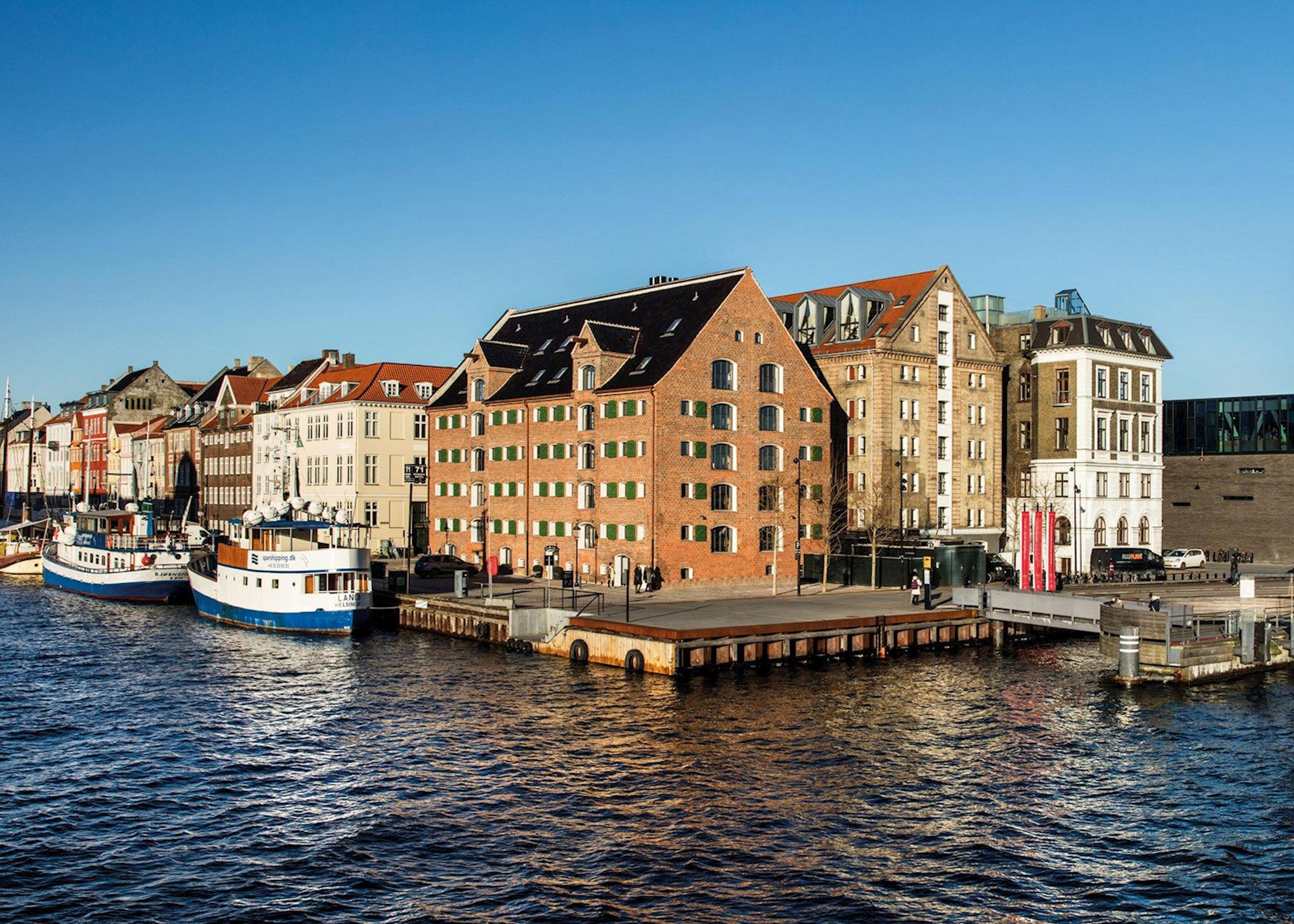
Where the Canal Meets the Overnight Stay
Nyhavn is among the more photographed waterfronts in northern Europe, and that visibility cuts both ways. The canal's painted townhouses draw crowds from morning until late evening, yet by midnight the quayside quiets to a different register entirely: the sound of water against timber, the faint creak of moored vessels, the particular stillness of a city that takes its nights seriously. 71 Nyhavn Hotel occupies the eastern, quieter end of the canal, where the tourist density thins and the architecture shifts from 17th-century merchant houses to converted 19th-century warehouse buildings. That positioning places the hotel in a different experiential bracket from properties closer to the canal's busier southern mouth.
Copenhagen's hotel market has segmented sharply over the past decade. On one end sit the design-forward entrants, properties like 25hours Hotel Paper Island and 1 Hotel Copenhagen, which trade on contemporary aesthetic programs and neighbourhood activation. On the other end, a smaller cohort of historically situated properties holds its position through address specificity and architectural continuity. 71 Nyhavn sits in the latter group: its converted warehouse identity gives it a sense of material depth that newer-build hotels cannot replicate, and its canal-facing rooms frame a view that remains highly sought after in the city.
The Architecture of the Overnight
Warehouse conversions in Copenhagen follow a recognisable grammar: exposed brick, heavy timber beams, windows that were designed for loading rather than looking. The challenge for any hotel occupying such a building is whether the historic shell produces atmosphere or merely constraint. At 71 Nyhavn, the warehouse bones do genuine work. Ceilings that in a purpose-built hotel would be standard height instead carry the proportional weight of former commercial spaces, and the irregularity of the original structure means rooms differ meaningfully from one another rather than running through identical configurations.
Canal-view rooms face the water directly, and the light quality through those windows shifts from the flat grey-white of a Danish winter morning to the long horizontal gold of a summer evening, when Copenhagen's latitude extends usable daylight well past nine o'clock. That seasonal range matters more than it would in a city with less dramatic photographic light, and it gives the property a different character in June than it presents in February. Travellers choosing between 71 Nyhavn and properties like the Admiral Hotel, another converted warehouse option in the harbour district, are effectively choosing between two interpretations of the same architectural tradition applied to different waterfront locations.
Bathroom specification in this category of Copenhagen hotel has become a differentiating factor as the market has grown more competitive. Properties at the upper end of the harbour district tier have moved toward larger, material-led bathroom programs, with stone surfaces and freestanding fixtures that extend the room's design logic into what was historically a purely functional space. For travellers whose assessment of an overnight includes the bathroom as a primary indicator of category position, this is worth investigating directly with the property before booking.
Nyhavn as a Neighbourhood Proposition
Staying on the canal is a specific kind of Copenhagen thesis. It means immediate access to the waterfront promenade, proximity to the Royal Danish Theatre and Kongens Nytorv, and a ten-minute walk to Strøget and the inner city. It also means accepting the tourist-facing character of the immediate surroundings, which runs counter to the experience of staying in Vesterbro or Nørrebro, where the hotel guest is embedded in a residential and creative neighbourhood rather than positioned adjacent to a heritage attraction.
For certain travel profiles, this trade-off is direct: the canal address is the point, not a compromise. Business travellers with meetings in the financial district around Kongens Nytorv, visitors whose primary cultural agenda runs through the Opera House or Amalienborg, and guests whose trips are brief enough that proximity to the postcard view outweighs neighbourhood texture will find the location efficient. Hotels like the Absalon Hotel or Andersen Boutique Hotel serve a traveller whose interest lies in Vesterbro's food and bar scene; 71 Nyhavn serves a different itinerary.
Copenhagen's dining scene, which you can map fully in our full Copenhagen restaurants guide, has extended well beyond the canal district over the past fifteen years. Particularly discussed tables in the city now sit in Vesterbro, Frederiksberg, and Nordhavn, requiring either a short taxi ride or use of the Metro from Kongens Nytorv, which is within easy walking distance of Nyhavn. For guests treating the hotel primarily as a base from which to reach the city's restaurant program, the transit connection matters more than neighbourhood walkability.
Positioning in Copenhagen's Waterfront Hotel Set
The waterfront hotel set in Copenhagen includes properties with substantially different positioning. The Admiral Hotel occupies a converted grain warehouse on the harbour, similarly anchored in industrial-era architecture. Nimb Copenhagen, within Tivoli's perimeter, offers a different kind of address entirely, one with theatrical heritage rather than maritime. Hotel d'Angleterre on Kongens Nytorv and Hotel Sanders represent stronger examples from the traditional luxury tier, with room rates and service programs that place them in a separate competitive set. 71 Nyhavn's value proposition sits between those poles: more character than an international-chain harbour property, less formal luxury than d'Angleterre or Sanders.
71 Nyhavn occupies a distinctly different tier from properties like Cheval Blanc Paris or Aman New York. Its case is built on address and atmosphere rather than service architecture or amenity depth. That is an honest and defensible position for a historically significant canal-side building, but it is worth understanding before booking against a different expectation. Comparable thinking applies to guests who have stayed at Badrutt's Palace Hotel or Bvlgari Hotel Tokyo and are calibrating expectations accordingly.
Denmark Beyond Copenhagen
Guests using Copenhagen as an entry point for broader Danish travel will find 71 Nyhavn well placed for day-trip logistics. The main railway stations are accessible from Kongens Nytorv, connecting to properties like Kokkedal Castle Copenhagen in Horsholm and Park Lane Copenhagen in Hellerup to the north, or further afield to Dragsholm Slot in Hørve and Falsled Kro in Falsled for those extending into the Danish countryside. Island destinations including Allinge Badehotel in Allinge and Dyvig Badehotel in Nordborg require ferry connections but remain practical for a long weekend extension.
Planning Your Stay
Booking directly with the property or through a travel agent is standard for this category of Copenhagen hotel. Summer weekends, particularly during the Copenhagen Jazz Festival in July, represent the highest-demand period, when canal-facing rooms sell out weeks in advance and the quayside shifts from quiet to animated in the evenings. The shoulder months, April through May and September through October, deliver more comfortable room availability and the particular quality of Danish spring and autumn light without the midsummer crowds. Winter stays, while atmospheric in a specific way, should be calibrated against the limited daylight hours that characterise Copenhagen from November through February.
Guests staying one or two nights may find the Central Hotel & Café a more efficient choice if minimalism is the priority. Those whose interest runs toward more unusual accommodation formats might consider the Capsule Hotel Copenhagen in Vesterbro. 71 Nyhavn addresses a different reader: someone for whom the canal address is the opening argument and the warehouse architecture is the supporting case.
A Quick Peer Check
Comparable venues nearby, for context on price, style, and recognition.
| Venue | Cuisine | Price | Notes |
|---|---|---|---|
| 71 Nyhavn HotelThis venue — the venue you are viewing | Historic warehouses with modern Scandinavian comfort | $$$ | Not listed |
| Zoku Copenhagen | Hybrid serviced apartment hotel blending living, working, and social spaces. | $$$ | Amager Vest |
| Copenhagen Jazz Festival | Hotel | $$ | Indre By |
| Central Hotel & Café | Single-room boutique in historic cobbler's workshop | $$ | Vesterbro-Kongens Enghave |
| TheKrane | Repurposed industrial crane into multi-level luxury hideaway | $$$$ | Østerbro |
| Hotel Cph Living | Floating boutique hotel on a converted barge with Danish design and maritime theme. | $$$ | Indre By |
Continue exploring
More in Copenhagen
Hotels in Copenhagen
Browse all →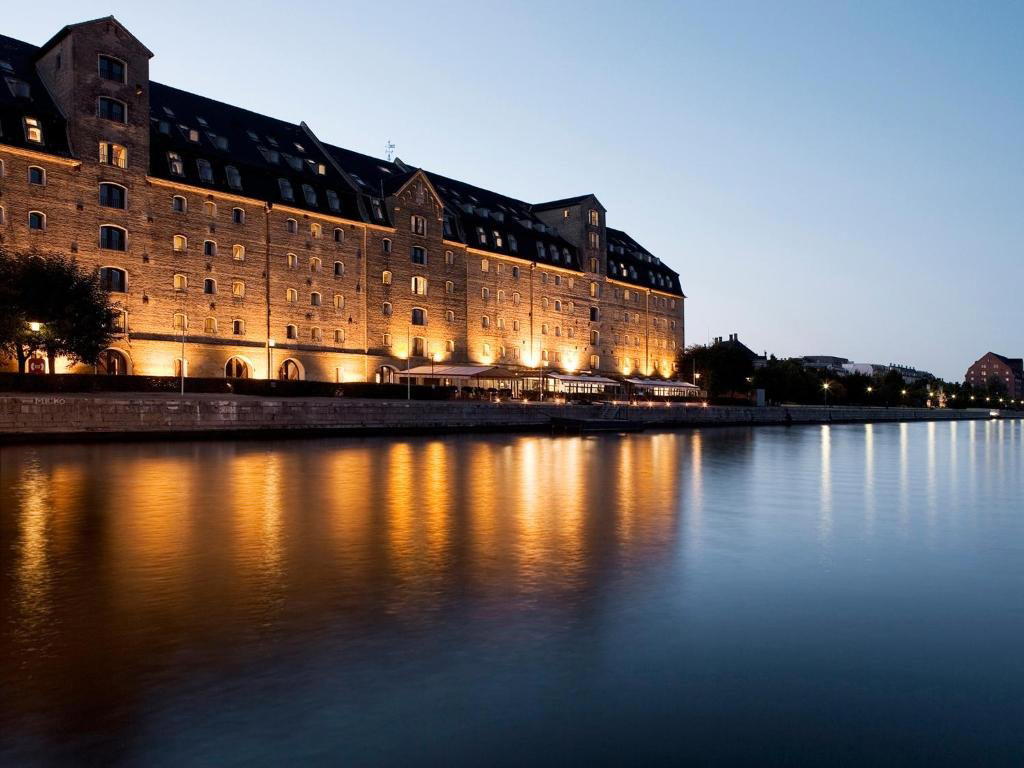
Bars in Copenhagen
Browse all →
Restaurants in Copenhagen
Browse all →

At a Glance
- Classic
- Elegant
- Scenic
- Cozy
- Sophisticated
- Romantic Getaway
- Weekend Escape
- Anniversary
- Waterfront
- Historic Building
- Panoramic View
- Wi Fi
- Room Service
- Concierge
- Elevator
- Waterfront
- Wi Fi
- Room Service
- Concierge
- Elevator
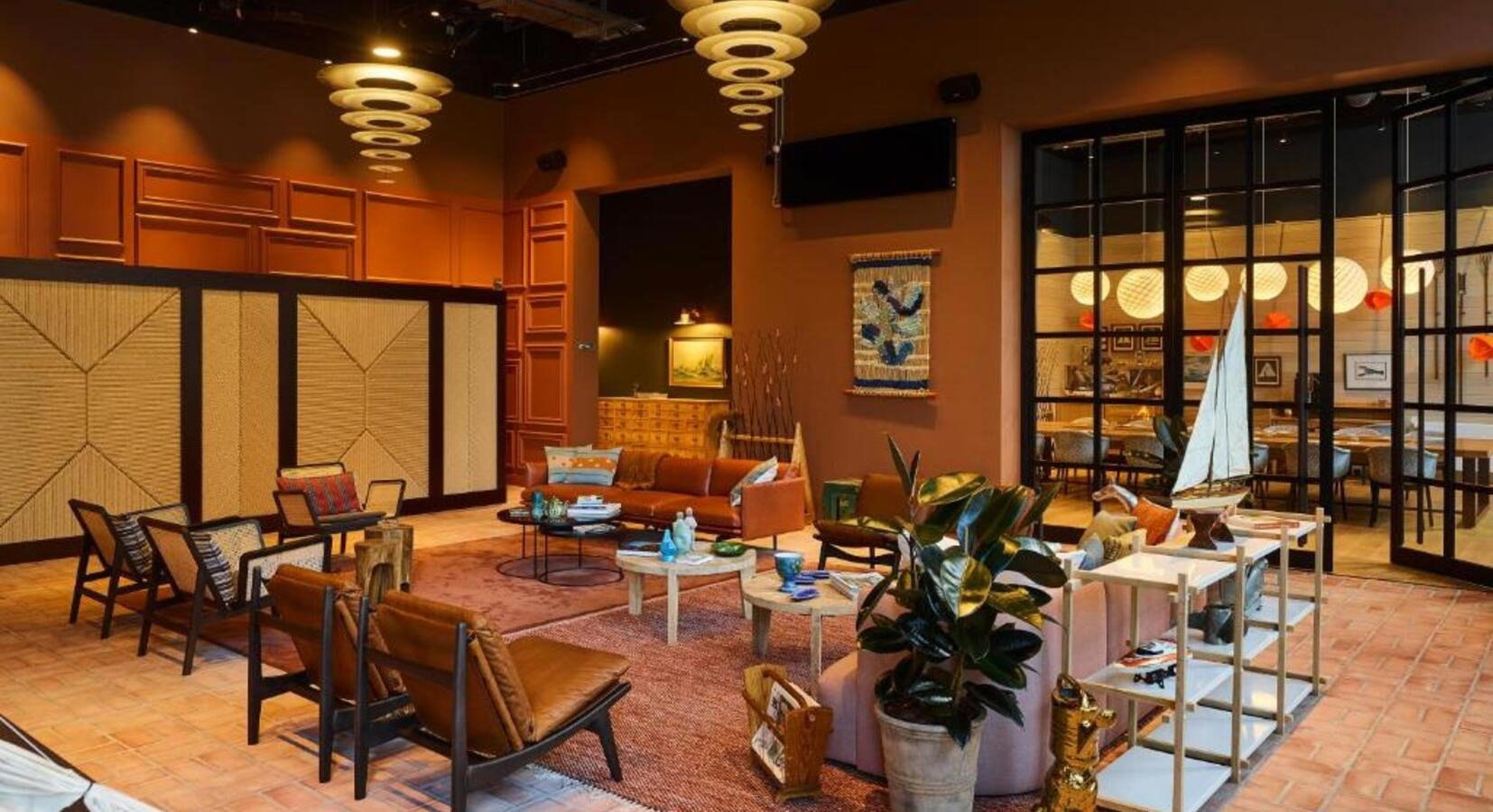
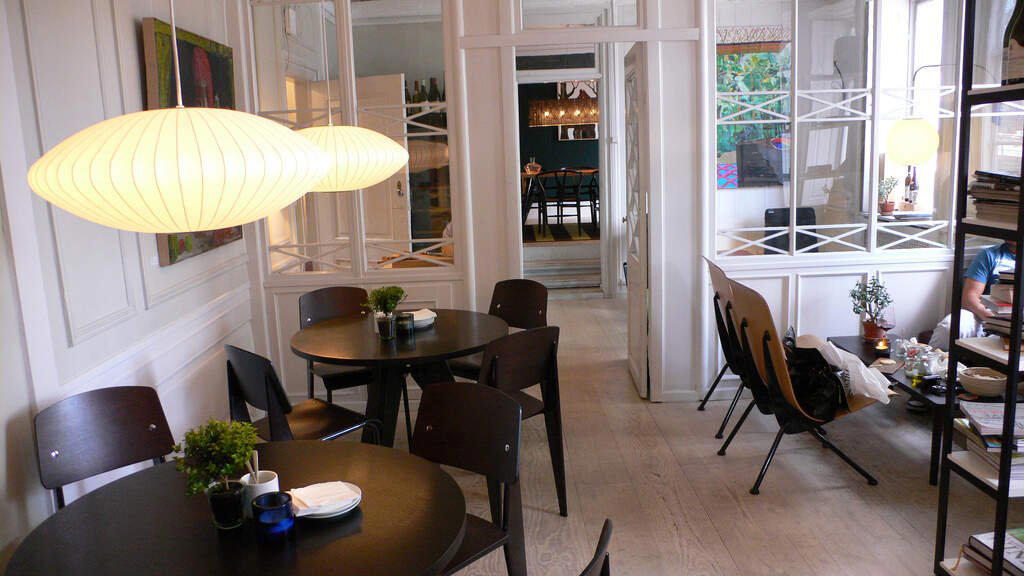
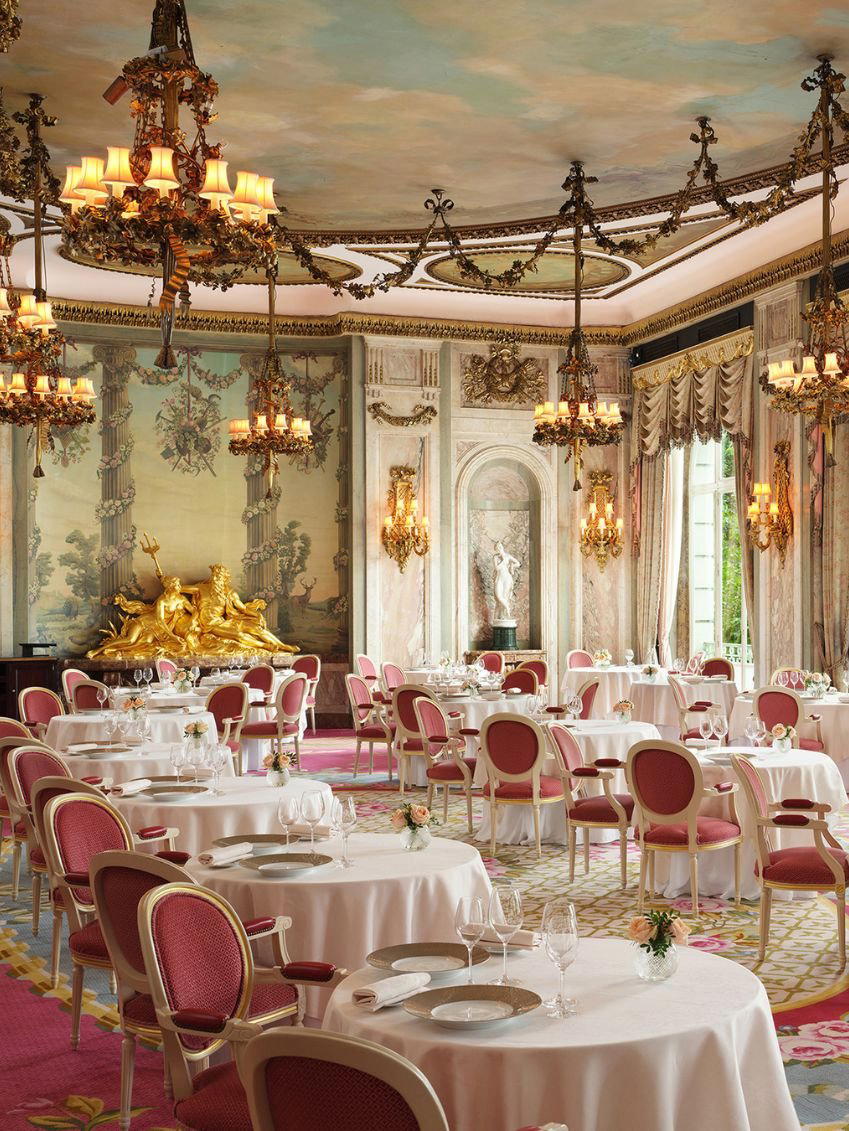
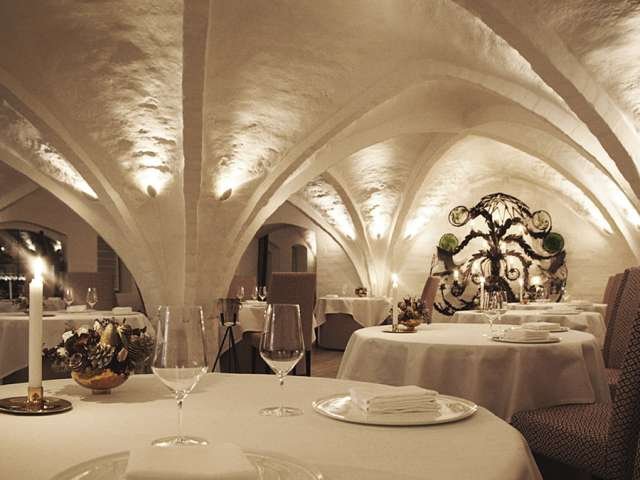
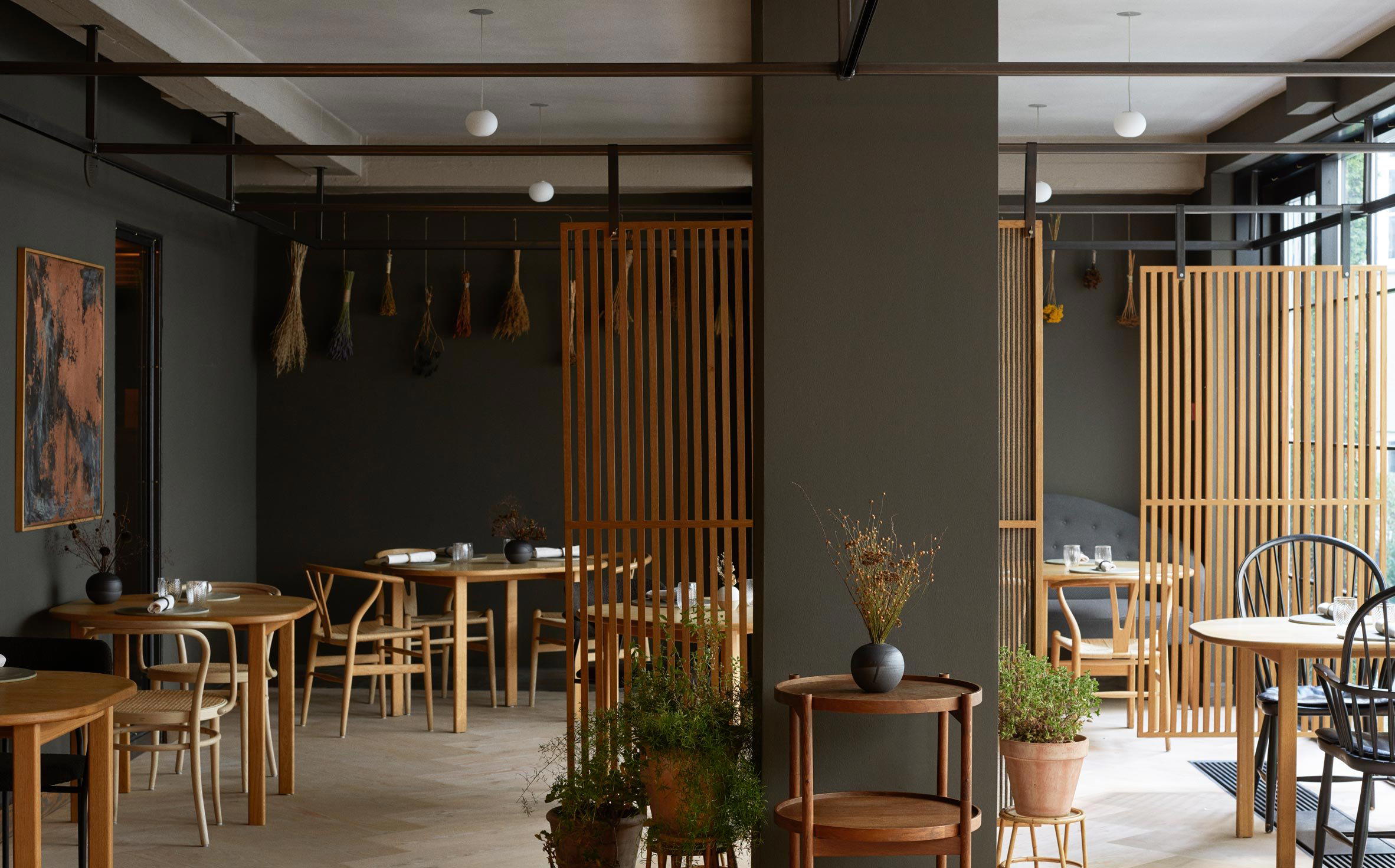
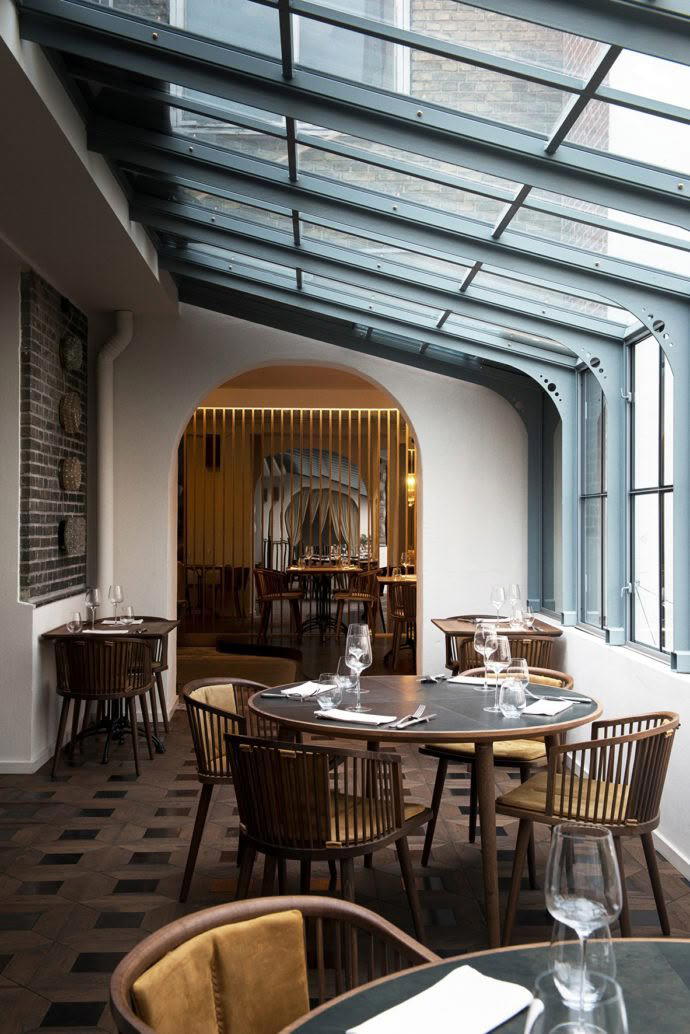
Casually elegant atmosphere blending historic exposed beams and brick with modern Scandinavian furnishings in whites, woods, and leathers under Nordic skylight.