Kong Hans Kælder








2 Michelin Stars · La Liste Top Restaurants · Star Wine List
Our verdict
Kong Hans Kælder holds two Michelin stars and a position on La Liste's 2026 ranking at 87 points, operating from a medieval cellar in central Copenhagen. The kitchen under Chef Mark Lundgaard works in the French fine-dining tradition, with white tablecloths, suited service, tableside trolleys, and a wine list that has held Star Wine List recognition every year since 2020. Service runs Wednesday through Saturday from 6pm.

Pearl is the En Primeur Club membership app, where members save venues, book tables and use the concierge.
A Cellar, a Cloth, a Different Kind of Copenhagen Dining
The debate about what Copenhagen does leading in fine dining almost always gravitates toward the Nordic-forward houses: the fermentation-led tasting menus, the foraged-ingredient progressions, the chefs who made the city a reference point for a generation of cooks globally. That conversation is legitimate and well-documented. But it can obscure the fact that Copenhagen also maintains one of Europe's more serious French classical dining rooms, one that has held two Michelin stars for consecutive years and occupies a medieval cellar on Vingårdstræde that predates every New Nordic trend by several centuries.
Kong Hans Kælder sits in a different competitive register than Geranium, Noma, or Alchemist. Where those rooms have built their identities around rupture, new formats, new references, new definitions of what a restaurant can be, Kong Hans Kælder has maintained a formal French template through decades of trend cycles. White tablecloths, waiters in suits, tableside service, a cheese trolley: the format signals alignment with Paris or Lyon rather than Copenhagen's own recent dining movement. For a reader who comes to the city primarily for the New Nordic canon, this is the counterargument on the same street.
The Tasting Arc: French Classicism in Sequential Form
French fine dining expresses itself most clearly across the arc of a long menu, where the logic of sequence, the movement from delicate to rich, from cold technique to warm preparation, from sea to land, from savory to sweet, carries as much weight as any individual dish. That architecture is what Kong Hans Kælder maintains under Chef Mark Lundgaard, and it is what distinguishes this room from the more modular formats common in contemporary Copenhagen fine dining.
The meal here moves through recognizable French progressions: amuse-bouche that calibrate the palate, cold courses that emphasize precision and restraint, fish preparations that bridge toward the more assertive middle courses, meat that marks the meal's structural center, and a cheese service presented at the table rather than as a peripheral option. That cheese trolley, in particular, is a marker of seriousness in classical European dining; rooms that maintain it as a true course rather than an afterthought are making a statement about the kind of meal they intend to deliver.
The wine program runs parallel to the food's classical orientation. Star Wine List has ranked Kong Hans Kælder in its leading positions every year from 2020 through 2025, including the number-one position in 2020, 2021, 2022, 2023, and 2025. A wine list that sustains that level of recognition across five consecutive years is not operating on a single strong vintage of purchasing decisions; it reflects a cellar with depth, a team with genuine expertise, and a selection that holds up to the scrutiny of specialist evaluation annually. For guests who treat the wine program as equally important as the food menu, this is one of the most consistently credentialed wine lists in Scandinavia.
Format and Room
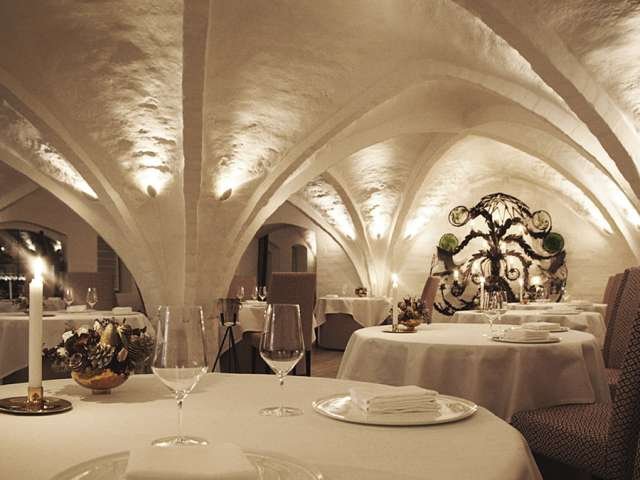
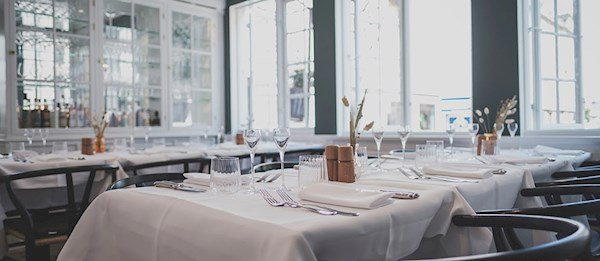
Classical French dining rooms in European capitals tend to separate into two broad categories: those that maintain the full theatrical apparatus of tableside service as a deliberate cultural statement, and those that retain the vocabulary but have quietly softened the formality. Kong Hans Kælder falls into the first group. The suited service, the trolleys, the white linen, the room's stone cellar architecture, all of these elements work together rather than sitting in contradiction. The medieval vaulted space provides a physical context that actually suits the formality of the food; there is no visual dissonance between the room and what is being served in it.
This matters to the tasting progression in a functional sense. Tableside service is not purely ceremonial. When cheese is carved and portioned at the table, when sauces are finished or poured in view of the guest, the pacing of the meal is shaped by those interactions in ways that a kitchen-plated sequence cannot replicate. The guest becomes aware of the meal's construction rather than simply receiving completed dishes. For a long tasting menu built around French classical logic, this awareness of the meal's architecture is part of the experience rather than a stylistic ornament.
Kong Hans Kælder in Copenhagen's Competitive Set
Copenhagen's two-Michelin-star tier includes rooms working in genuinely different traditions. Koan sits at the intersection of New Nordic and Kaiseki. Kadeau builds from Bornholm seasonal sourcing. Alchemist operates as a multi-hour progressive theatrical format. Each of those rooms would be the defining restaurant of its type in most other European cities. Kong Hans Kælder's position within that tier is distinct: it is the room that makes the argument for French classicism not as a nostalgic holdover but as a discipline that requires as much technical rigor and consistency as any of the newer formats.
La Liste's 2026 ranking placed it at 87 points, marginally below the 87.5 points it received in 2025. The consistency of that score across two consecutive La Liste editions, combined with the ascending Opinionated About Dining trajectory, positions Kong Hans Kælder as a stable presence in European classical fine dining rather than a room in transition. For travelers building a Copenhagen itinerary around fine dining, this is the room that completes the picture of what the city offers across different traditions rather than simply adding another Nordic-inflected option to the list.
For context on Denmark's broader fine dining geography, Jordnær in Gentofte and Frederikshøj in Aarhus represent how Michelin-level ambition is distributed beyond Copenhagen's center. Further afield, Henne Kirkeby Kro, Alimentum in Aalborg, ARO in Odense, and Domæne in Herning show the range of serious Danish cooking across regions. For French fine dining in comparable international contexts, La Table Krug in Manama and Ristorante Tosca in Paris offer useful points of comparison. For the full picture of what Copenhagen offers across all categories, see our full Copenhagen restaurants guide, along with guides to hotels, bars, wineries, and experiences.
Know Before You Go
- Address: Vingårdstræde 6, 1070 Copenhagen, Denmark
- Service days: Wednesday to Saturday, 6pm to midnight. Closed Sunday, Monday, and Tuesday.
- Awards: Two Michelin Stars (2024, 2025); La Liste 87pts (2026); Star Wine List top-ranked every year 2020–2025; Opinionated About Dining Classical Europe #69 (2025)
- Annual closures: 13 July to 5 August 2025; 12 to 21 October 2025; 8 to 15 February 2026. Confirm current closure dates before booking.
- Format: French fine dining; white tablecloth service; suited waitstaff; tableside service; cheese trolley
What Dish Is Kong Hans Kælder Famous For?
Kong Hans Kælder does not build its reputation around a single signature dish in the way that some contemporary tasting-menu restaurants do. The kitchen's identity is rooted in French classical sequencing rather than a single showpiece moment, with the Michelin Guide specifically noting the white tablecloth format, tableside service, and the cheese selection as defining characteristics of the room. The cheese course, presented at the table as a genuine course rather than an optional supplement, is the detail that recurs most consistently in assessments of what sets Kong Hans Kælder apart within Copenhagen's fine dining field. For a room with two Michelin stars and an Opinionated About Dining rank of 69th among classical European restaurants in 2025, the answer to what it is known for is ultimately the discipline of the full meal rather than any single plate.
Frequently asked questions
What are the operating hours at Kong Hans Kaelder?
Hours at Kong Hans Kaelder: Hours: Monday Closed Tuesday Closed Wednesday 6 pm–12 am Thursday 6 pm–12 am Friday 6 pm–12 am Saturday 6 pm–12 am Sunday Closed.
Cost and Credentials
A quick peer list to put this venue’s basics in context.
| Venue | Cuisine | Price | Awards | Notes |
|---|---|---|---|---|
| Kong Hans KaelderThis venue (the venue you are viewing) | Classic French Fine Dining | $200–300 | 2 Michelin Stars · La Liste Top Restaurants | Not listed |
| Geranium | Modern New Nordic Pescatarian | $500+ | 3 Michelin Stars · World's 50 Best #1 | New Nordic, Creative |
| Noma | New Nordic Fine Dining | $300–500 | 3 Michelin Stars · World's 50 Best #1 | Creative |
| Alchemist | Avant-Garde Molecular Gastronomy with Social Commentary | $500+ | 2 Michelin Stars · World's 50 Best #5 | Progressive, Creative |
| Koan | Modern Korean-Nordic Fine Dining | $300–500 | 2 Michelin Stars · World's 50 Best #91 | New Nordic, Kaiseki, Creative |
| a|o|c | Modern Scandinavian Fine Dining | $300–500 | 2 Michelin Stars · La Liste Top Restaurants | New Nordic, Mediterranean Small Plates, Creative |
Recognition history
Dated appearances from independent guides and award organizations, with the underlying list record or original source where available.
Michelin 2 Stars
Michelin
La Liste Top Restaurants
La Liste
Star Wine List
Star Wine List
Falstaff Restaurant - 98 Falstaff Points
Falstaff
Opinionated About Dining Classical in Europe Ranked #75
Opinionated About Dining
Full recognition history (20 entries)
Relais Chateaux Award
Relais Chateaux
White Guide Denmark Restaurants - Global Masters Level
White Guide
La Liste Top Restaurants
La Liste
Michelin 2 Stars
Michelin
Opinionated About Dining Classical in Europe Ranked #69
Opinionated About Dining
Star Wine List
Star Wine List
The Best Chef One Knife
The Best Chef
Michelin 2 Stars
Michelin
Opinionated About Dining Classical in Europe Ranked #73
Opinionated About Dining
Opinionated About Dining Classical in Europe Ranked #123
Opinionated About Dining
Star Wine List
Star Wine List
Star Wine List
Star Wine List
World's Best Wine Lists Awards WBWL 3-Star
World's Best Wine Lists Awards
Star Wine List
Star Wine List
Star Wine List
Star Wine List
Continue exploring
More in Copenhagen
Restaurants in Copenhagen
All restaurants in Copenhagen →
Bars in Copenhagen
All bars in Copenhagen →

Kong Hans Kælder
The wine
- Wine program
- Deep wine list
- Extensive wine list
- Sommelier-led
Details
- Romantic
- Elegant
- Intimate
- Historic
- Sophisticated
- Classic
- Date Night
- Celebration
- Special Occasion
- Business Dinner
- Historic Building
- Private Dining
- Wine Cellar
- Extensive Wine List
- Sommelier Led
- Local Sourcing
- Tasting Menu
- Vegetarian Friendly
Current opening hours
- Monday
- Closed
- Tuesday
- Closed
- Wednesday
- 6 PM–12 AM
- Thursday
- 6 PM–12 AM
- Friday
- 6 PM–12 AM
- Saturday
- 6 PM–12 AM
- Sunday
- Closed
Hours can change for holidays and private events. Hours as of .
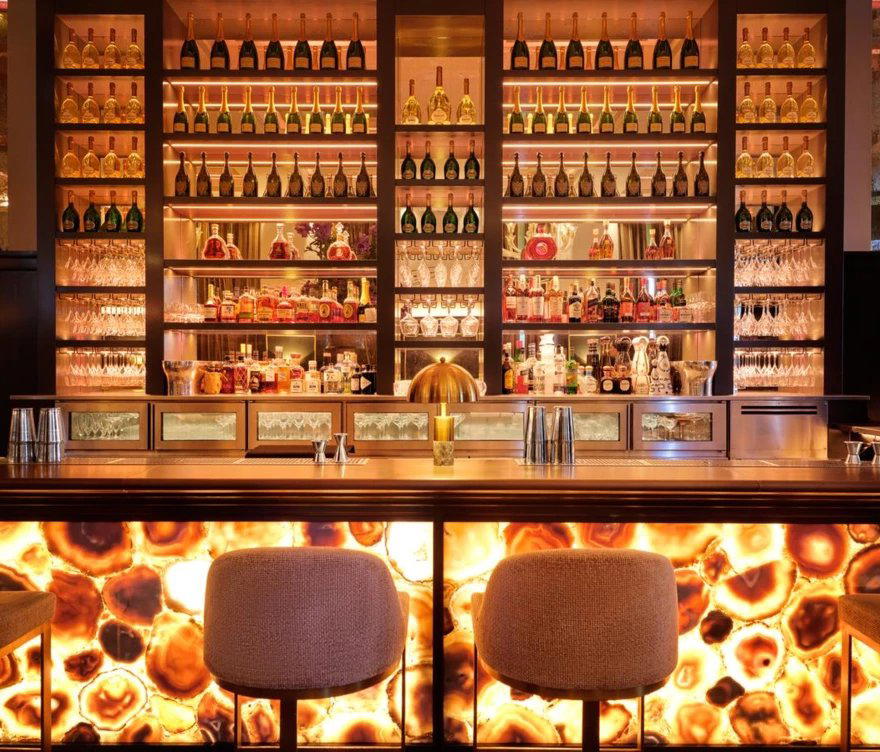
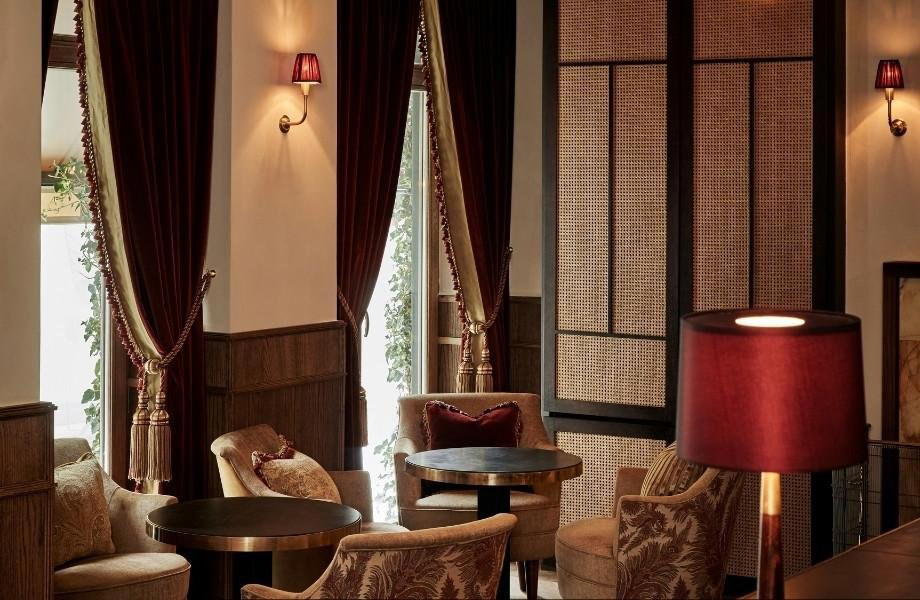
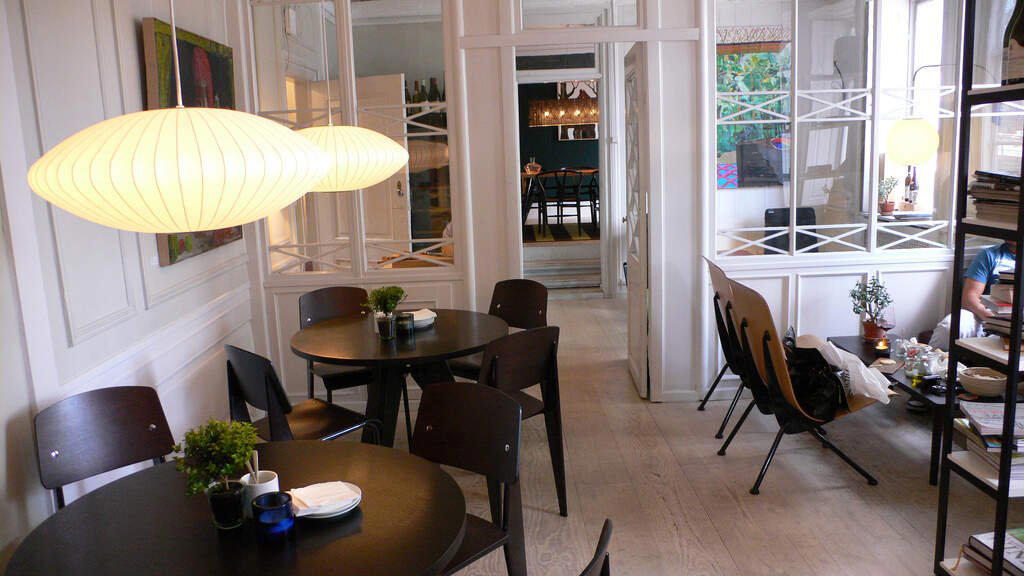
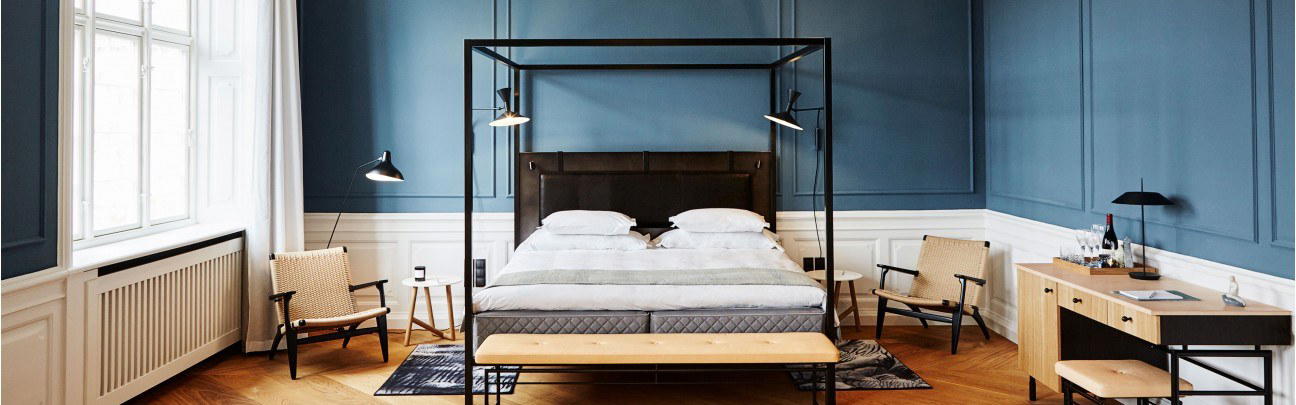
Intimate atmosphere with vaulted ceilings, soft lighting, and a sense of timeless elegance in a medieval cellar.