1 Hotel Copenhagen



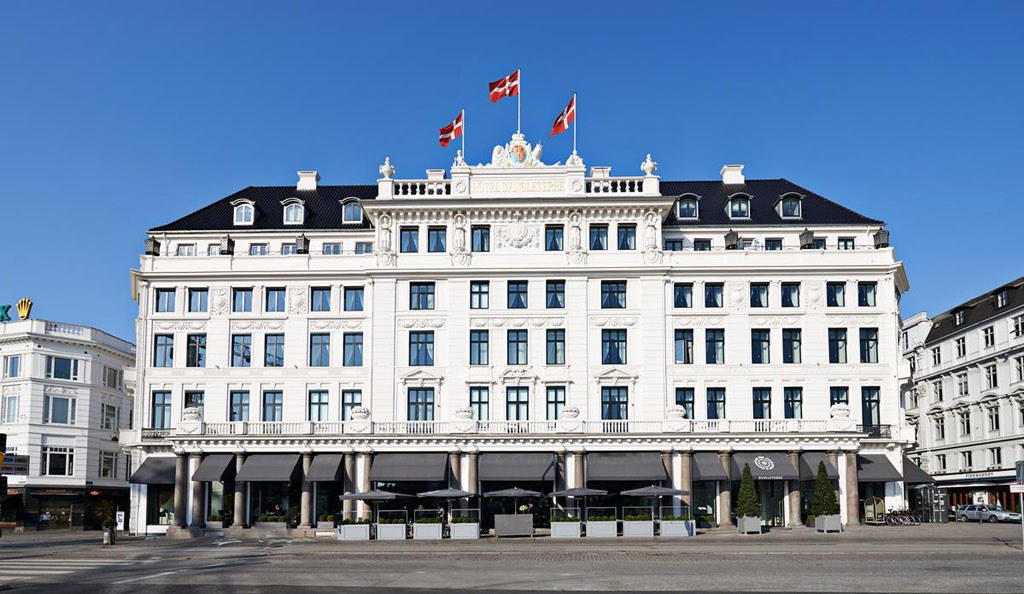
Occupying a 1933 modernist building that once housed a department store and later the Hotel Skt Petri, 1 Hotel Copenhagen brings the American brand's sustainability-led aesthetic to Denmark's capital in a way that aligns naturally with local hygge sensibility. With 282 rooms, a Nordic restaurant called Fjora, the cocktail bar PÆRE, and a Bamford spa arriving in 2026, the property sits at the intersection of environmental discipline and low-key luxury.
Pearl is the En Primeur Club membership app — saves, bookings, and concierge access live there. Same editors, same standards.
- Address
- Krystalgade 22, 1172 København
- Phone
- +45 33 45 91 00
- Website
- 1hotels.com
- Directions
- Get directions
 Saves & bookings on Pearl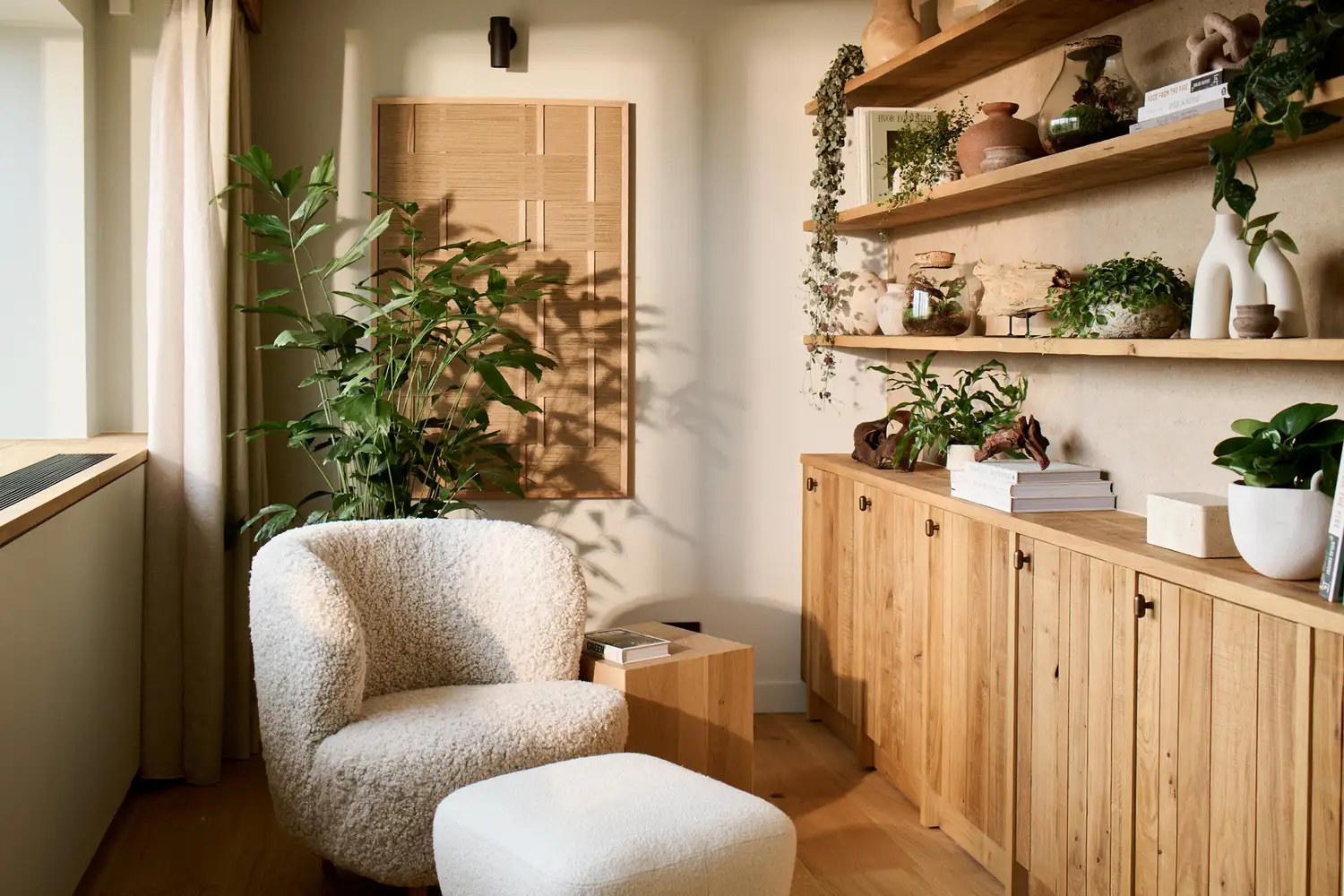
A Building That Has Always Known How to Reinvent Itself
There is a particular kind of hotel arrival that tells you everything before you have reached the front desk. At Krystalgade 22, the structure announces its history through its bones: a near-century-old modernist frame, built in 1933 as the Daells Varehus department store, that has spent its subsequent decades absorbing the city's changing ideas about what urban space should do. It became Hotel Skt Petri, one of Copenhagen's first design-oriented boutique hotels, before a full transformation in 2025 brought it into the 1 Hotels portfolio. What is notable is not just the change of name but the degree of deliberateness behind the overhaul: original materials rethought, waste reduced, and an aesthetic applied that happens to rhyme closely with the city it now occupies.
Copenhagen's luxury hotel tier has bifurcated in recent years between larger internationally branded properties and smaller, more locally inflected design hotels. Places like Hotel Bel-Air or Cheval Blanc Paris operate on the premise that luxury and place-specificity can coexist. 1 Hotel Copenhagen occupies a comparable premise but arrives at it through a sustainability framework that is less a marketing position than an operational discipline. Across the 1 Hotels brand, that has meant low-impact materials, energy-efficient systems, and design languages drawn from natural rather than synthetic sources. In Copenhagen, those principles align with a city that has spent years building a civic identity around environmental seriousness. The fit is not accidental.
The Aesthetic Language of Rooms That Refuse to Perform Decadence
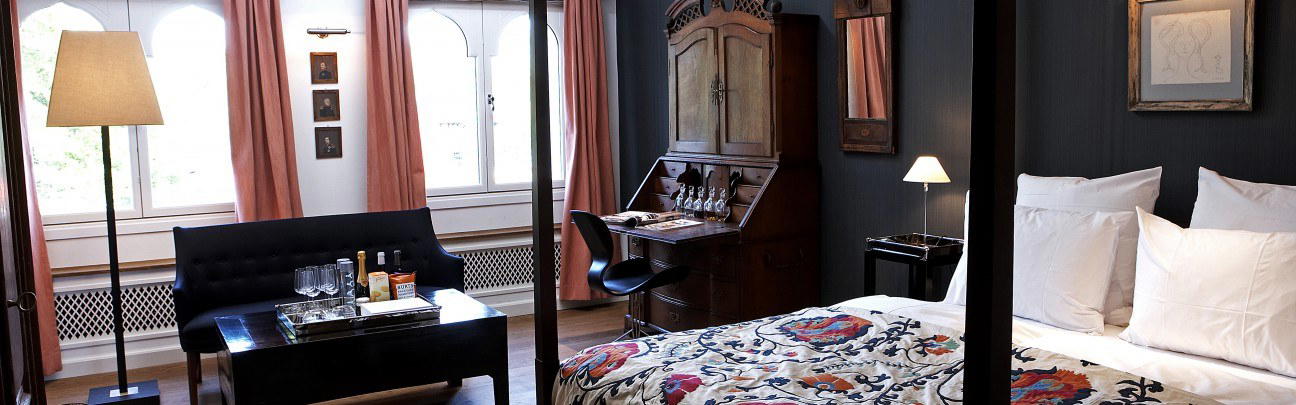
The 282 rooms and suites at 1 Hotel Copenhagen are built around a visual grammar of raw wood and concrete, softened with textiles that invite touch and animated by living plants. That combination, which is central to the 1 Hotels signature style, overlaps closely with what Danes call hygge: an untranslatable concept that approximates warmth, ease, and a deliberate rejection of ostentation. The rooms read as luxurious not through surface gloss but through material quality and considered proportion. They are described as subtly high-tech and low-impact, a pairing that places them in the same conceptual territory as properties like Amangiri, where restraint and environmental attentiveness are the primary expressions of premium positioning.
For those choosing between room categories, the standard rooms carry the same design logic as the suites, scaled down in space rather than stripped of character. The most significant differentiators at this property will be size and, in some cases, the character of the views over the inner city. At a rate from $249, the entry-level rooms represent the more compelling value argument, particularly given that the public spaces, the restaurant, and the forthcoming spa will be available regardless of which category you occupy.
Comparing 1 Hotel Copenhagen to its local peers illuminates the tier it occupies. 25hours Hotel Paper Island and Absalon Hotel compete on creative programming and price accessibility. Admiral Hotel and 71 Nyhavn Hotel trade on historic character and waterfront setting. 1 Hotel Copenhagen's competitive argument is different: it is an international brand with a coherent sustainability and wellness identity deployed at scale in a city that takes both seriously. The 282-room count puts it well above the boutique tier occupied by Andersen Boutique Hotel or Central Hotel and Café, and the brand infrastructure means consistency that smaller independents cannot always match.
The Dining Ritual at Fjora: Local Sourcing as Editorial Stance
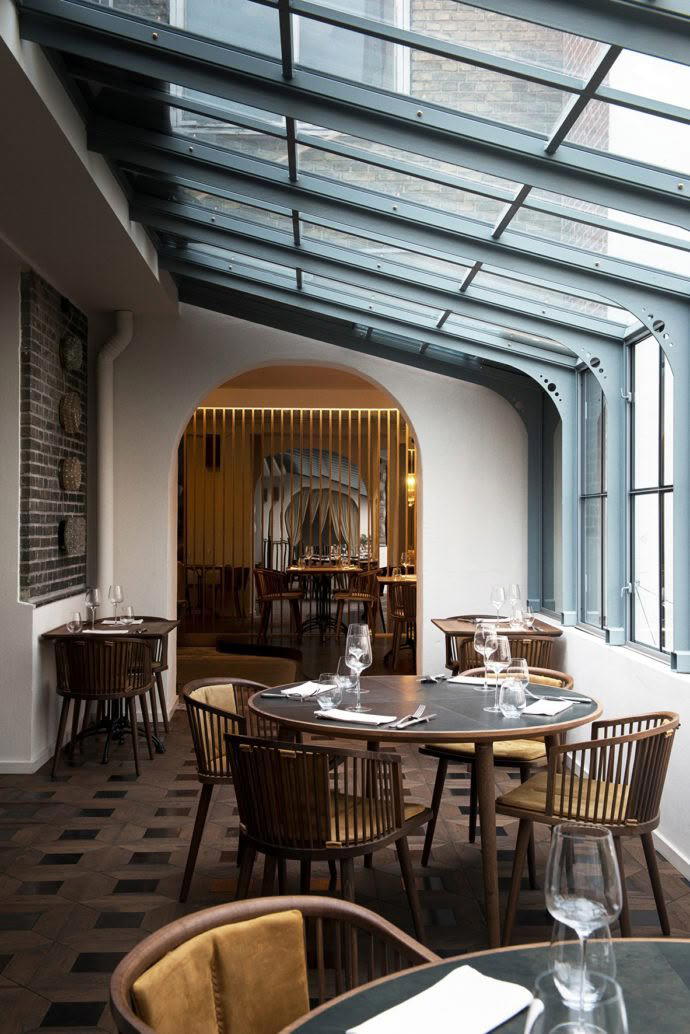
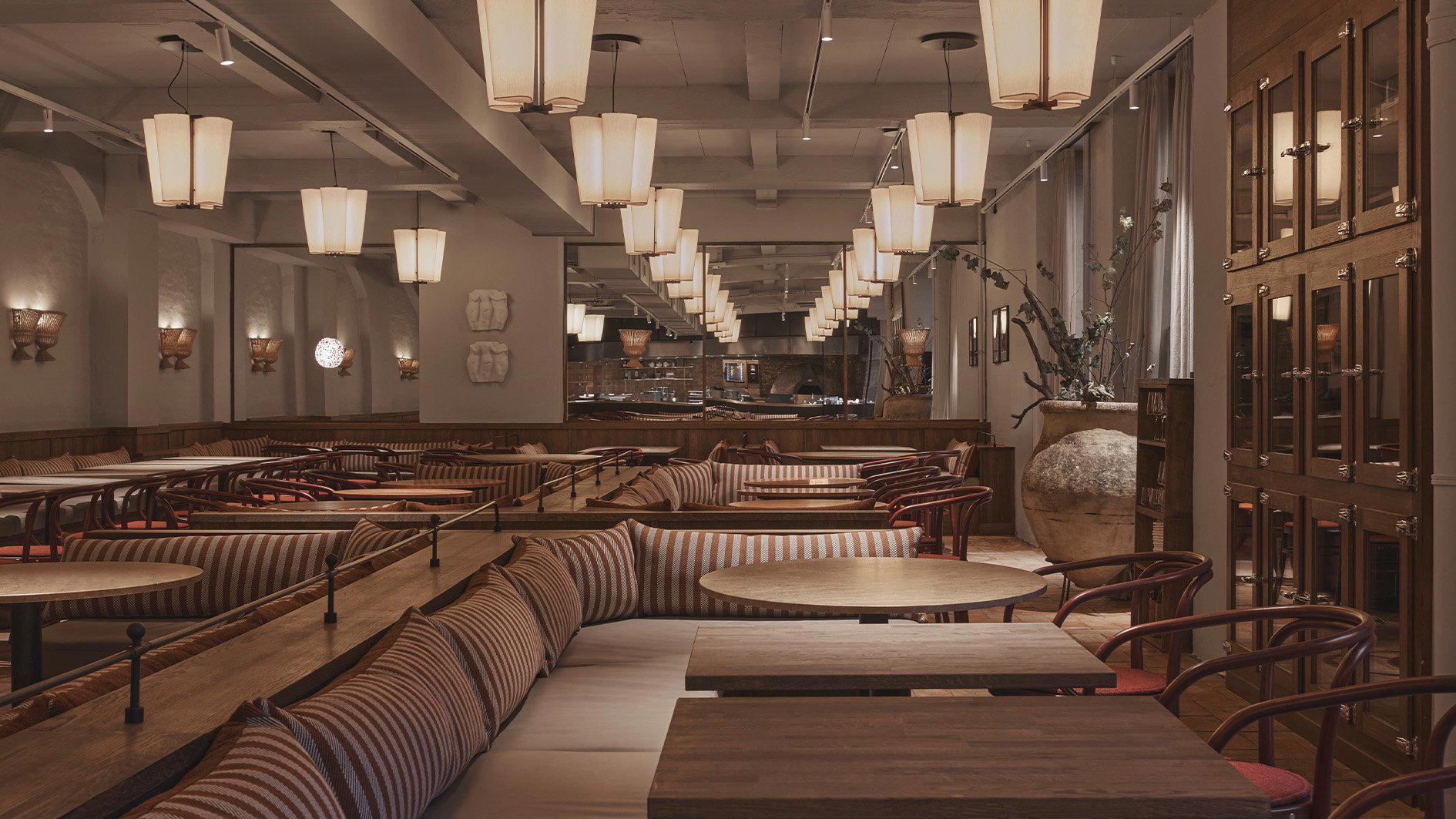
Nordic restaurant culture over the past fifteen years has established a set of expectations around locality and season so thoroughly that they now function as baseline rather than differentiator. What distinguishes one Nordic table from another is the degree of conviction and editorial coherence behind the sourcing decisions. Fjora, the flagship restaurant at 1 Hotel Copenhagen, positions itself within this tradition as a determinedly local operation: Nordic fare assembled from regional producers, presented in a format that reflects the hotel's broader temperament of warm restraint.
The ritual of dining at a hotel restaurant of this type differs from the Noma-adjacent tasting-menu format that Copenhagen is most internationally associated with. At Fjora, the format is intended to function as a daily rhythm rather than a destination event: breakfast through dinner, with the sourcing philosophy consistent across service periods. The pacing is unhurried, the materials grounded, and the context one of belonging to the hotel rather than existing apart from it. For guests spending multiple nights, that integration matters more than a single spectacular meal might.
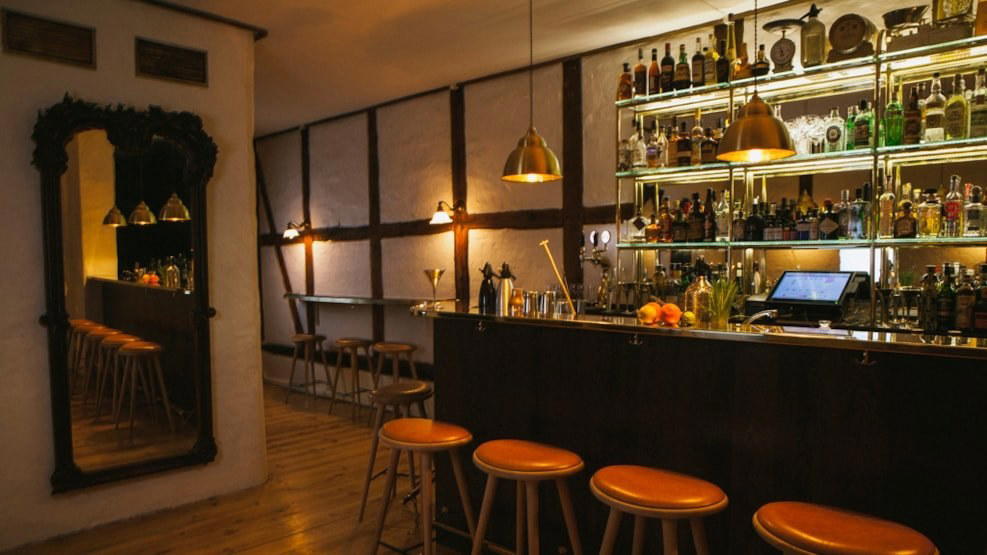
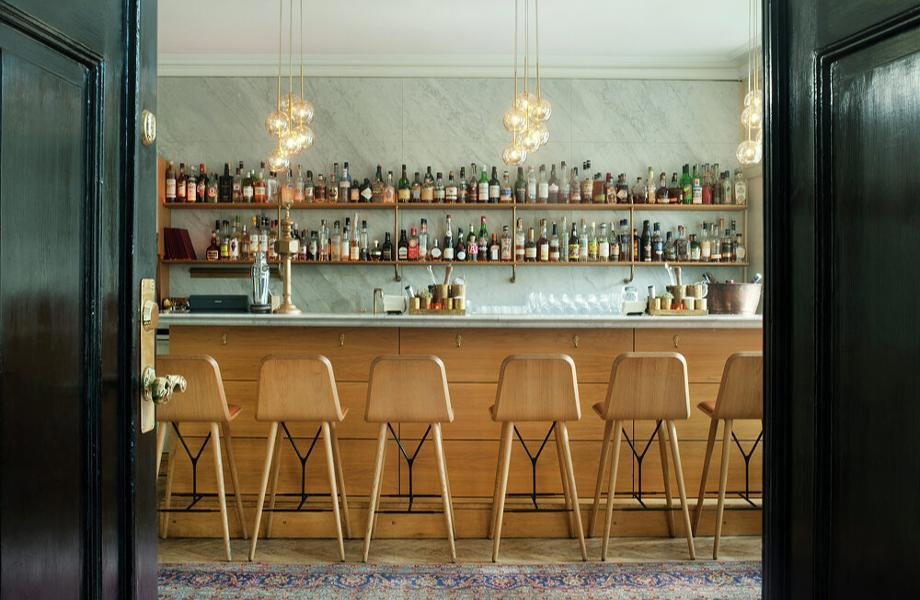
PÆRE, the cocktail bar, operates on a complementary premise: drinks conceived as social instruments, designed to encourage conversation and ease. In a city where bars have increasingly framed their programming around technique and ingredient provenance, PÆRE's stated goal of sparking connection over craft cocktails reads as a deliberate positioning away from the more performative end of the Copenhagen drinks scene. It is, in essence, a bar that prioritises how you feel at the end of an evening over what you can remember about the methodology. For a broader sense of Copenhagen's dining geography, our full Copenhagen restaurants guide covers the city's key neighbourhoods and the scene's current shape.
Wellness, Pets, and the Hotel as Full-Service Urban Base
The 1 Hotels brand has always framed itself as health-conscious alongside its environmental positioning. At the Copenhagen property, the wellness offer is currently delivered through staff-curated running routes, local fitness class recommendations, and neighbourhood itineraries, a lower-infrastructure approach that suits the city's culture of active daily life. A Bamford spa is scheduled to open in 2026, which will bring the wellness provision in line with properties like Badrutt's Palace Hotel in terms of on-site treatment depth. Bamford is known for organic product formulation and considered treatment design; its addition will shift 1 Hotel Copenhagen into a fuller spa-hotel category.
The property is also notably pet-friendly, a detail that carries practical weight for European travellers who travel with animals and find most luxury hotels either prohibitive or restrictive. Combined with the health-oriented programming, this makes the hotel a more rounded urban base than properties that confine their offer to room and restaurant.
For those extending a Copenhagen trip into the wider Danish countryside, the hotel's central location provides direct access to properties that represent a different register entirely: Dragsholm Slot in Hørve, Falsled Kro in Falsled, and Kokkedal Castle Copenhagen in Horsholm each offer countryside or coastal character that contrasts usefully with the urban intensity of the city. Further afield, Allinge Badehotel on Bornholm and Dyvig Badehotel in Nordborg extend the itinerary into island territory.
Planning and Practical Information
1 Hotel Copenhagen at Krystalgade 22 opened in its current form in 2025, which means availability patterns are still establishing themselves. As a 282-room property with international brand infrastructure, it does not carry the acute scarcity pressure of a small Copenhagen boutique, but peak periods, particularly summer and around events like the Copenhagen Jazz Festival, will tighten availability and push rates upward from the $249 entry point. Booking two to three months ahead for summer visits is a reasonable working assumption. The Bamford spa opening in 2026 is likely to increase occupancy at that point; those interested in the full wellness offer should factor that into their timing.
The hotel's Inner City address places it within walking distance of the city's primary cultural and commercial zones. For travellers comparing urban luxury options internationally, the property sits in a comparable positioning tier to The Fifth Avenue Hotel in New York or Bvlgari Hotel Tokyo: internationally branded, design-conscious, and priced at a premium that reflects both address and brand identity. The Capsule Hotel Copenhagen Vesterbro and Copenhagen Jazz Festival options represent the other end of the city's accommodation spectrum, useful context for understanding where 1 Hotel Copenhagen sits in the full range.
Recognition history
Dated appearances from independent guides and award organizations, with the underlying list record or original source where available.
Conde Nast Hot List Hotels
Conde Nast
Travel + Leisure It List Hotels
Travel + Leisure
Michelin 1 Key
Michelin
Continue exploring
More in Copenhagen
Hotels in Copenhagen
Browse all →
Bars in Copenhagen
Browse all →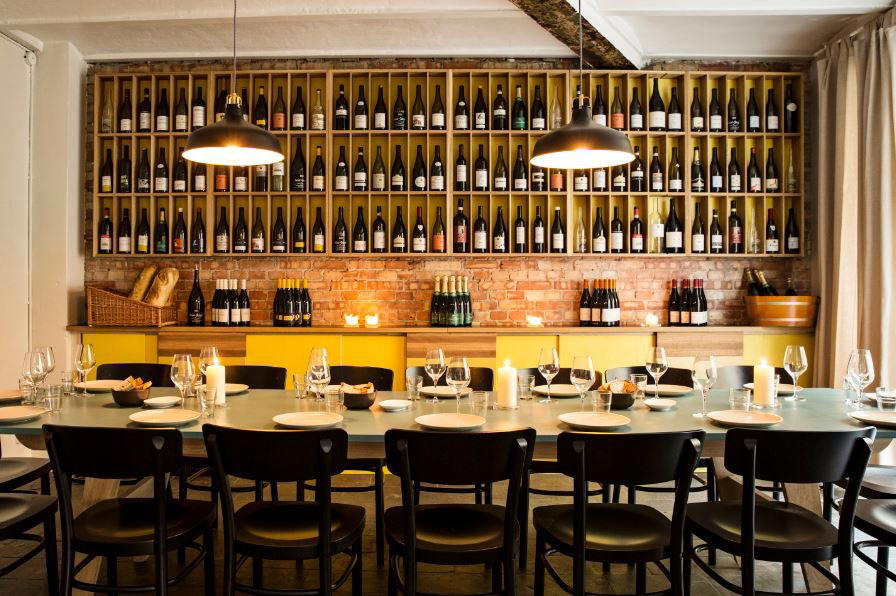
Restaurants in Copenhagen
Browse all →

At a Glance
- Modern
- Minimalist
- Sophisticated
- Elegant
- Romantic Getaway
- Business Trip
- Wellness Retreat
- Garden
- Terrace
- Wi Fi
- Spa
- Fitness Center
- Room Service
- Concierge
- Bicycle Rental
- Skyline
- Garden
- Wi Fi
- Spa
- Fitness Center
- Room Service
- Concierge
- Bicycle Rental
Tranquil and relaxing atmosphere with natural wood accents, greenery, and modern design creating a serene, environmentally conscious retreat.
Know Before You Go
- Getting there
- Krystalgade 22, 1172 København