Copenhagen Jazz Festival
Each July, the Copenhagen Jazz Festival spreads across ten days and more than 1,000 concerts, turning the Danish capital into one of Europe's most concentrated jazz events. Outdoor stages, intimate club sets, and impromptu street performances run simultaneously across the city's neighbourhoods. The festival draws both emerging Scandinavian talent and internationally recognised names, making it a serious fixture on the European live music circuit.
Pearl is the En Primeur Club membership app — saves, bookings, and concierge access live there. Same editors, same standards.
- Address
- Sankt Peders Stræde 28C, 2, 1453 København, Denmark
- Phone
- +45 33 93 20 13
- Website
- jazz.dk
- Directions
- Get directions
 Saves & bookings on Pearl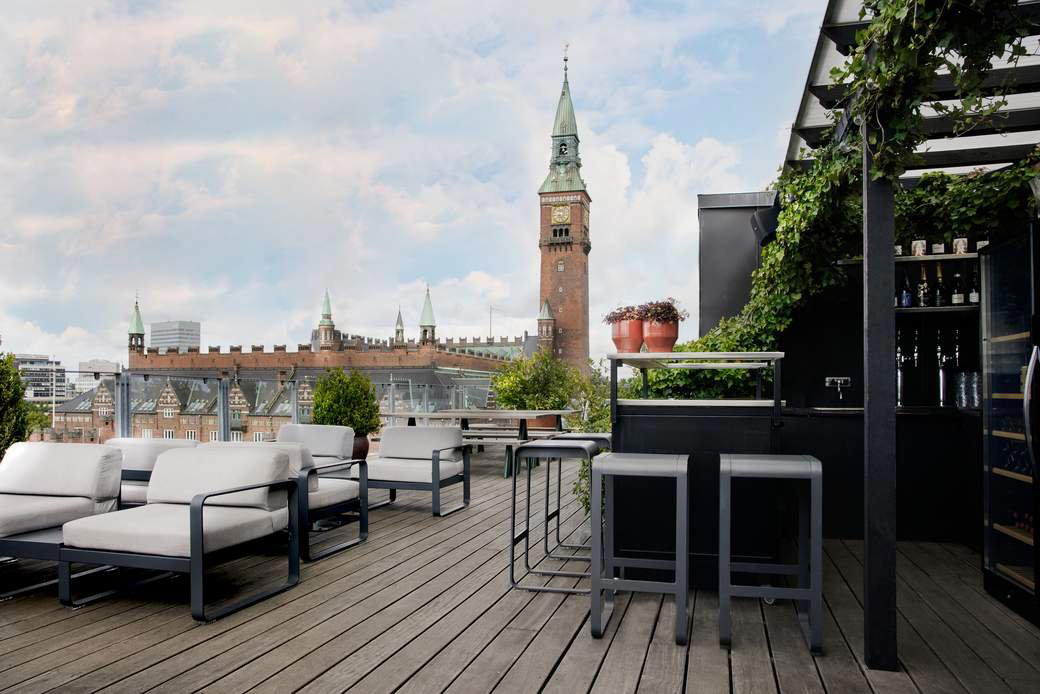
Where Copenhagen Comes Alive in July
Each July, something shifts in Copenhagen. The city, already one of Europe's more architecturally coherent capitals, takes on a different register. Stages appear in courtyards. Bars push their doors open until the sky stays light past ten. The Copenhagen Jazz Festival, which has run annually since 1979, is the mechanism behind that shift: ten days during which live jazz spreads across more than a thousand performances at roughly a hundred venues across the city. The registered address at Sankt Peders Stræde 28C places the festival's administrative heart in the Latin Quarter, a dense, walkable neighbourhood of medieval street plans, university buildings, and independent record shops that sits a few minutes from both Strøget and the canal waterfront. That address is not the festival. The festival is the city.
The Latin Quarter as Nerve Centre
Sankt Peders Stræde is one of those streets that rewards knowing rather than stumbling upon. The Latin Quarter it anchors has a different pace from the tourist-facing stretches of Nyhavn: narrower pavements, more secondhand bookshops, fewer selfie stops. During festival days, this neighbourhood acts as a connective tissue between indoor club performances and outdoor street sets. The proximity to the city's historic core means that a visitor staying at the Andersen Boutique Hotel or the Absalon Hotel in Vesterbro can reach multiple venue clusters on foot without needing to cross the same ground twice. That walkability matters: programming is distributed across neighbourhoods from Nørrebro to the waterfront, and the festival is designed to be grazed rather than itinerarised in advance.
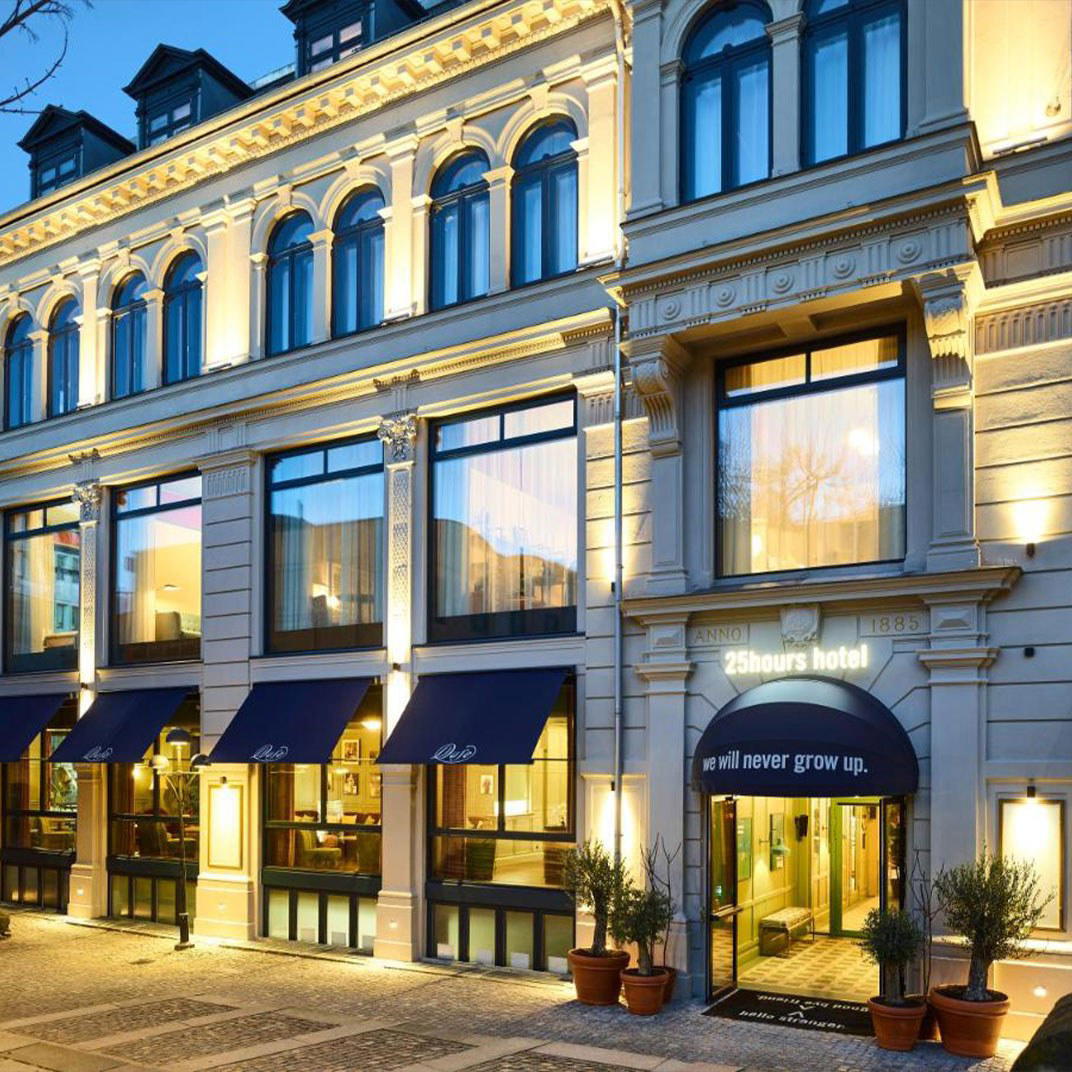
For visitors who want to stay closer to the water, the 71 Nyhavn Hotel and the Admiral Hotel both sit within easy reach of venues that programme jazz sets during the festival period. The 25hours Hotel Paper Island, positioned on Christianshavn side, offers access to a different cluster of smaller, late-running sets. Each of these positions serves a distinct festival geography.
Scale Without Spectacle
Large European music festivals have bifurcated in recent years. One cohort pursues scale: headline slots, sponsorship branding, gated festival grounds with food-truck economics. The other maintains a format closer to the Copenhagen Jazz Festival model: distributed programming, a mix of free and ticketed events, and a curatorial identity built around genre depth rather than crossover appeal. Copenhagen's version sits firmly in the second cohort, and has done so consistently enough to develop a loyal return audience of jazz listeners who travel specifically for the programming density in July.
The distinction matters for the visitor planning their trip. This is not a single-stage weekend event where one ticket resolves all decisions. It is ten days of programming spread across concert halls, jazz clubs, hotel courtyards, harbour stages, and public squares. Particularly-discussed sets happen in venues that seat fewer than a hundred people. The festival's free outdoor programming has historically brought larger crowds to areas like Kongens Nytorv and Nørreport, but the indoor ticketed programme at clubs across the city draws an audience that attends for specific artists and specific rooms rather than for the event as a spectacle.
How the City Holds the Festival
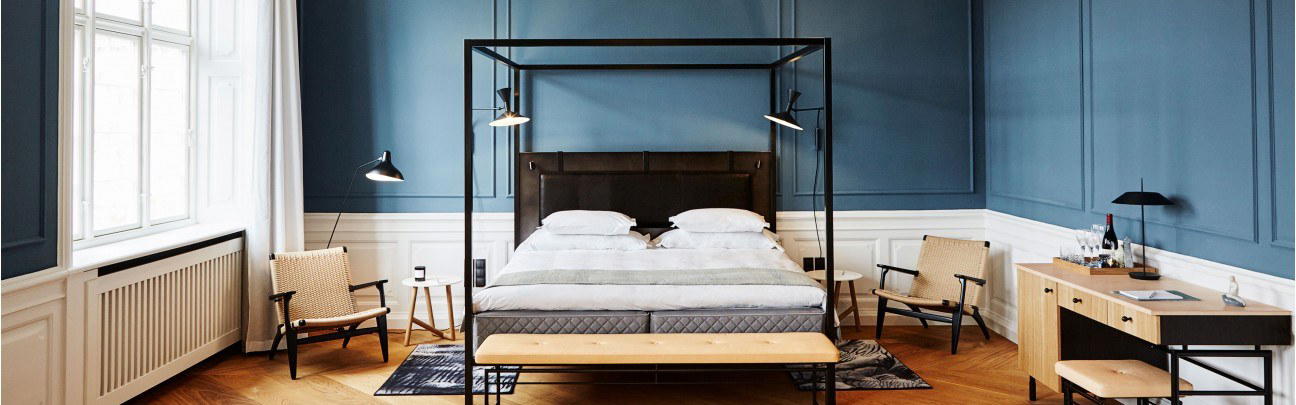
Copenhagen's infrastructure absorbs the festival in a way that few other European cities could match at this scale. The hotel stock has genuine range across price tiers and neighbourhood positions. Visitors who want design-led accommodation at the premium end have options like 1 Hotel Copenhagen and Central Hotel & Café. Visitors prioritising proximity to specific festival venues can match their accommodation accordingly. The Capsule Hotel Copenhagen in Vesterbro represents the compact-stay format for those whose priority is being out of the room rather than in it.
Beyond the city itself, the broader Danish accommodation network offers options for those who want to arrive a few days early or extend after the festival closes. The Kokkedal Castle Copenhagen in Horsholm sits north of the city within commuting range. On the island of Bornholm, the Allinge Badehotel is a reasonable extension for those building a Denmark trip around the festival week. The Dragsholm Slot in Hørve, the Dyvig Badehotel in Nordborg, and Falsled Kro in Falsled extend the radius further for visitors treating the festival as a week within a longer Scandinavian itinerary. For those based further afield, the Park Lane Copenhagen in Hellerup sits just north of the city proper and connects easily by S-train.
Dining and the Festival Calendar
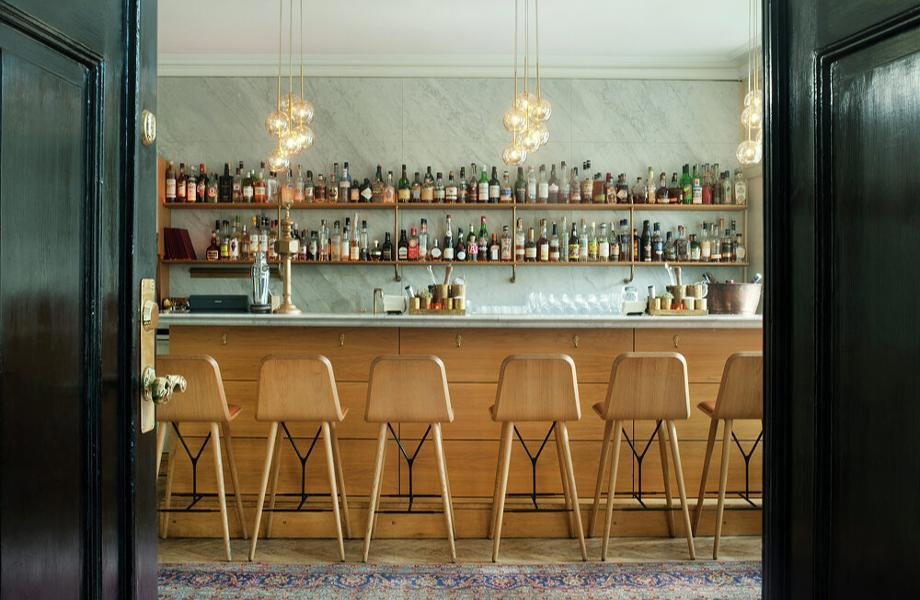
Copenhagen's restaurant scene operates at a different cadence during festival weeks. The city holds multiple Michelin-starred restaurants and a deep mid-market that has absorbed the influence of New Nordic cooking across a broader range of price points. Festival visitors who want to build a serious restaurant itinerary alongside the music programme should note that July bookings at the city's better-regarded tables can fill two to three months ahead of the festival period.
The festival's own food programming, where it exists at outdoor stages, tends toward the casual end, consistent with a city that does not require elaborate event serving. The quality of the surrounding independent café and restaurant stock in the Latin Quarter and Vesterbro means that festival attendees rarely need to plan meals around the event infrastructure itself.
Planning Your Visit
The festival runs across ten days in July, and the distribution of programming means that two to three days of attendance will yield a materially different experience from the full run. Visitors targeting specific headline performances at indoor venues should book those tickets as soon as the programme is announced, typically in spring. Copenhagen's public transport is efficient enough that staying in any central neighbourhood does not significantly disadvantage attendance at venues across the city. Those travelling from beyond Europe with jazz as the primary purpose of the trip may find it useful to reference comparable European festivals for timing: Montreux runs in early July, North Sea Jazz in Rotterdam falls in the same general window, and the Edinburgh Jazz Festival overlaps in late July. Copenhagen sits in that international festival circuit and draws an audience with comparable range.
Aman New York, Cheval Blanc Paris, Bvlgari Hotel Tokyo, Badrutt's Palace Hotel in St. Moritz, Hotel Bel-Air in Los Angeles, Hôtel de Paris Monte-Carlo, Aman Venice, Amangiri in Canyon Point, Castello di Reschio in Lisciano Niccone, and The Fifth Avenue Hotel in New York City represents a peer-level reference for the accommodation standards that Copenhagen's premium hotel tier competes against in the European summer festival circuit.
The Quick Read
Comparable venues nearby, for context on price, style, and recognition.
| Venue | Cuisine | Price | Notes |
|---|---|---|---|
| Copenhagen Jazz FestivalThis venue — the venue you are viewing | Indre By, Hotel | $$ | Not listed |
| Zoku Copenhagen | Not listed | $$$ | Amager Vest, Hybrid serviced apartment hotel blending living, working, and social spaces. |
| Central Hotel & Café | Not listed | $$ | Vesterbro-Kongens Enghave, Single-room boutique in historic cobbler's workshop |
| Ruby Hotel Copenhagen | Not listed | Not listed | Frederiksberg, Urban lifestyle ‘lean luxury’ hotel in a converted office building with lively shared spaces and city views. |
| Ørestad | Not listed | $$ | Amager Vest, Contemporary budget hotel blending city and nature |
| Hotel Cph Living | Not listed | $$$ | Indre By, Floating boutique hotel on a converted barge with Danish design and maritime theme. |
Continue exploring
More in Copenhagen
Hotels in Copenhagen
Browse all →
Bars in Copenhagen
Browse all →
Restaurants in Copenhagen
Browse all →

At a Glance
- Lively
- Intimate
- Energetic
- Weekend Escape
- Celebration
- Rooftop Pool
- Terrace
- Skyline
Atmospheric and intimate with live jazz music on the rooftop terrace.