New World Guangzhou Hotel sits inside a city where hotel dining competes with independent Cantonese rooms, business-district lounges, and banquet culture. With no published public sources for awards, pricing, chef, or booking channels, it is best read through Guangzhou’s broader hospitality habits: meals drive the stay as much as the room, and planning should start with current restaurant availability before travel dates are fixed.

Pearl is the En Primeur Club membership app — saves, bookings, and concierge access live there. Same editors, same standards.
Hotel dining in a city that takes restaurants seriously
Approaching a hotel dining room in Guangzhou is rarely a neutral act. The city has its own rhythm: families moving toward private rooms, business guests weighing the speed of service against the demands of a proper Cantonese meal, and travellers measuring a hotel not only by the room upstairs but by whether dinner can carry the evening without a taxi ride across town. New World Guangzhou Hotel belongs to that context. It is to place the hotel inside Guangzhou’s dining-led hotel culture, where restaurants and bars are part of the value proposition rather than incidental amenities.
Guangzhou differs from many Chinese business cities because Cantonese food is not a tourism accessory here. It is the grammar of the city. Dim sum timing, seafood freshness, roast meats, soup culture, tea service, banquet rooms, and late-evening conversation all shape the way hotels design their food and beverage programmes. In that setting, a hotel dining programme has to do more than provide breakfast and a lobby lounge. It has to make sense beside established local restaurants, shopping-mall dining, clubby private rooms, and the city’s long habit of eating with precision rather than spectacle. For travellers comparing hotel choices, that makes New World Guangzhou Hotel part of a wider question: does the stay need a self-contained dining base, or will the better strategy be to use the hotel as a launch point into the city’s restaurant circuit?
That question matters because Guangzhou’s hotel market is crowded with competing formats. International luxury towers such as Four Seasons Hotel Guangzhou, Conrad Guangzhou, Mandarin Oriental, Guangzhou, and Jumeirah Guangzhou tend to be judged through a blend of room product, skyline position, restaurant ambition, and executive entertaining. Convention and airport properties, including InterContinental Guangzhou Exhibition Center, Langham Place, Guangzhou, and Hilton Guangzhou Baiyun Airport, answer a different need: convenient meals around events, flights, and large-format meetings. Smaller city hotels such as LN Hotel Five sit closer to neighbourhood character. New World Guangzhou Hotel should be assessed against the trip purpose first, then against the dining programme once current details are confirmed.
The Cantonese benchmark shapes the hotel table
Hotel restaurants in Guangzhou operate under a stricter local test than in cities where travellers dominate the dining economy. Cantonese diners notice texture, temperature, timing, and restraint. A polished room cannot compensate for clumsy tea service or a kitchen that treats seafood as decoration. At the same time, hotel dining has an advantage: it can offer private-room formality, multilingual service, climate-controlled comfort, wine and spirit infrastructure, and breakfast-to-late-drinks continuity. Those are not small things in a city where business meals often need privacy, pacing, and a smooth handoff from lobby to table.
The stronger editorial point is about expectation management. In Guangzhou, a hotel dining programme earns attention when it connects Cantonese competence with the practical needs of a stay: morning service that does not waste time, lunch formats that suit meetings, dinner rooms with enough acoustic control for conversation, and bar spaces that can host a second meeting after the meal. If those elements are not published clearly before arrival, guests should verify them directly through the hotel or booking platform rather than relying on old listings.
For a broader dining plan, the hotel should be paired with independent research. The Guangzhou restaurants guide helps travellers understand where hotel restaurants fit against dedicated Cantonese rooms and contemporary dining addresses. The city rewards planning because peak meal periods can be tight, and because some of the strongest meals are not always the rooms with particularly dramatic interiors. The point is not to avoid hotel dining. It is to know when a hotel table is the right table: arrival night, a private business meal, a weather-proof lunch, or a bar-led evening when crossing town would add more friction than pleasure.
Where New World Guangzhou Hotel fits among Guangzhou stays
In a city with several heavily documented international hotels, a thin public data profile changes the way a stay should be evaluated. Rather than leaning on a medal count or chef pedigree, the useful test becomes functional: location once confirmed, restaurant availability, room category, breakfast inclusion, transport pattern, and the quality of current guest-facing information.
Guangzhou’s premium hotel scene has several clear lanes. Zhujiang New Town and Tianhe properties often serve corporate, consular, retail, and dining traffic. Exhibition-area hotels handle fair schedules and large delegations. Airport hotels compress sleep, meetings, and departures into a single logistical frame. Heritage-adjacent or river-oriented addresses can suit leisure travellers who want a softer sense of the city. Without an address in the available record, New World Guangzhou Hotel cannot be placed into one of these lanes with precision. That missing location point is not a footnote; in Guangzhou, district choice changes the daily experience, especially when dinner reservations, cross-river traffic, and fair-period demand collide.
The comparison set is therefore conditional. Travellers who want a documented luxury cluster can compare with Conrad Guangzhou, Four Seasons Hotel Guangzhou, Mandarin Oriental, Guangzhou, and Jumeirah Guangzhou. Travellers anchored to fairs, transit, or large conference schedules should examine InterContinental Guangzhou Exhibition Center, Langham Place, Guangzhou, and Hilton Guangzhou Baiyun Airport. For the broader field, the Guangzhou hotels guide gives the cleaner overview. New World Guangzhou Hotel enters that conversation as a property that needs live verification rather than assumption.
Restaurants, bars, and the shape of an evening
A hotel can start with tea, move into a private dinner, continue through a lounge, and end with a short lift ride rather than a late taxi. This sequence is part of why business travellers give so much weight to in-house food and drink. It reduces variables. It also allows the host to control pace, seating, and privacy.
The hotel’s record does not confirm restaurant names, bar formats, cuisine categories, seating counts, chef leadership, or awards. That means no responsible article should claim a Cantonese flagship, a cocktail programme, a buffet, a chef collaboration, or a signature dish. The absence of these details creates a practical editorial recommendation: treat dining confirmation as part of the booking process, not a later errand. Ask what restaurants are operating on the intended dates, whether private rooms exist, which meal periods are open, whether reservations are required for non-staying guests, and whether bars or lounges have shortened schedules around holidays or private events.
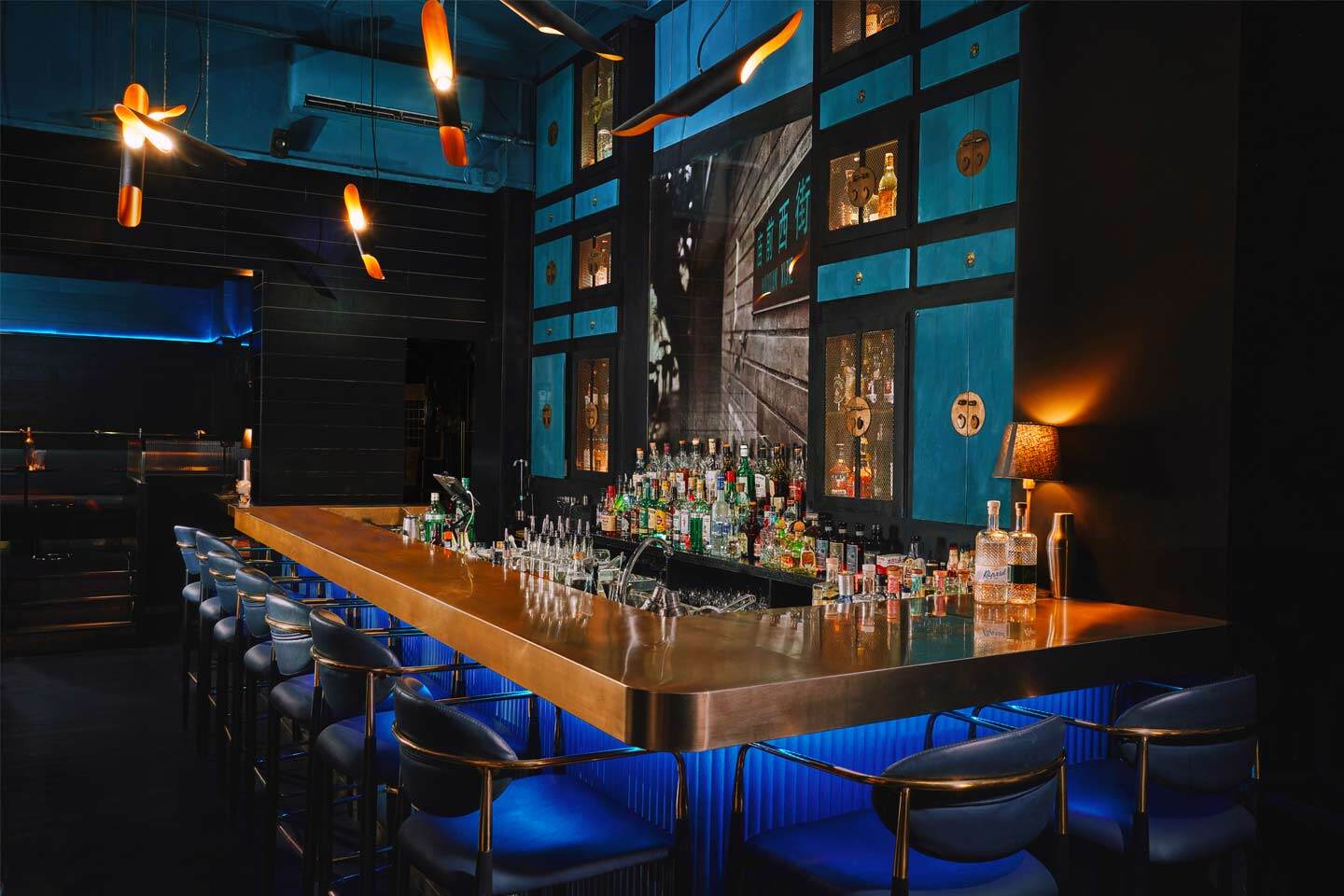
Guangzhou’s bar culture is also relevant. The city does not always announce itself through hotel cocktails in the way Hong Kong or Shanghai can, but there is a growing split between lobby-led hotel drinking, neighbourhood cocktail rooms, wine bars, and late-night casual spaces. Travellers who want the hotel as an evening base should verify the bar situation before arrival. Those who prefer a city-wide drinking plan can use the Guangzhou bars guide. Wine-focused travellers should temper expectations until the property’s cellar, corkage, or sommelier details are confirmed; for regional context, the Guangzhou wineries guide and the Guangzhou experiences guide help frame what sits beyond the hotel table.
Several practical details are unavailable in the current record: address, phone, website, hours, price range, dress code, booking method, and room or restaurant capacity. For a premium traveller, those omissions should change the planning sequence. First, confirm the exact location through the booking channel being used. Guangzhou is large, and district alignment matters more than a brand name when the day includes meetings, fairgrounds, restaurant reservations, or airport transfers. Second, confirm food and beverage operations for the exact dates. Hotel restaurants can be affected by private events, public holidays, maintenance, and seasonal staffing patterns. Third, check cancellation terms, breakfast inclusion, and any package conditions before comparing rates across platforms.
Formality is also conditional. With no dress code or restaurant format listed, the hotel should not be described as formal or casual in absolute terms. In Guangzhou, hotel public spaces usually reward neat, city-appropriate dress, while private dining rooms and business dinners may expect a sharper standard. Travellers attending trade events or corporate meals should pack accordingly. Leisure guests can stay more relaxed during daytime meals, but dinner plans in hotel restaurants are easier when clothing does not limit entry to a smarter room.
Booking should be handled through a verified channel available at the time of travel. This is especially relevant during the Canton Fair and major exhibition periods, when Guangzhou room demand and restaurant demand move together. Price is also unlisted, so comparisons should be made on total stay cost rather than headline nightly rate: breakfast, taxes, transport, cancellation flexibility, and dining convenience can alter the real value.
How it compares beyond Guangzhou
China’s hotel market is not one story. Beijing rewards courtyard scale and cultural proximity, Shanghai often prizes skyline, service tempo, and dining polish, Macau layers resort theatre onto hotel restaurants, and smaller destination stays can be built around landscape or heritage rather than urban convenience. Within that larger national field, Guangzhou’s strength is pragmatic: eating well, moving efficiently, and using the hotel as a base for commerce, family visits, or a focused city break.
For travellers building a wider China itinerary, the comparison is instructive. Mandarin Oriental Qianmen in Beijing speaks to a different urban mood than Guangzhou’s business-dining pace. JW Marriott Hotel Shanghai at Tomorrow Square in Shanghai belongs to another kind of metropolitan hotel conversation. Star Tower at Studio City Macau in Macau sits in a resort-entertainment frame, while Tian Ranju Inn in Tian Tou Zhai points toward a rural lodging logic. Western and coastal comparisons, including Conrad Urumqi in Urumqi, Conrad Xiamen in Xiamen, InterContinental Chongqing Raffles City in Chongqing, The Hanyu Garden Reserve Suzhou in Suzhou, and Qiushui Villa in Hangzhou, show how location and trip purpose shape the meaning of a hotel restaurant.
Internationally, dining-led hotels operate with different pressures. The Fifth Avenue Hotel in New York City competes in a city where standalone restaurants dominate guest choice. Hôtel de Paris Monte-Carlo in Monte Carlo sits in a hospitality culture where hotel dining carries historic social weight. Badrutt's Palace Hotel in St. Moritz belongs to a seasonal resort model where the hotel often becomes the village’s social centre. Guangzhou is more practical than theatrical. The hotel should be judged through that lens: not by borrowed glamour, but by how convincingly it can support meals, meetings, rest, and movement in a city that cares deeply about the table.
Comparable Venues Nearby
Comparable venues nearby, for context on price, style, and recognition.
| Venue | Cuisine | Price | Notes |
|---|---|---|---|
| New World Guangzhou HotelThis venue — the venue you are viewing | Upper-upscale urban business and leisure hotel with generous event spaces and contemporary facilities in a new-planned district. | $$$ | Not listed |
| ME Guangzhou | Lifestyle luxury hotel positioned as a cultural hub within Guangzhou’s emerging second CBD. | $$$$ | Guangzhou International Financial City–Huangpu Bay Business Circle |
| Shangri-La Hotel, Guangzhou | Contemporary luxury with Oriental-inspired decor | $$$$ | Guangzhoushi |
| White Swan Hotel | Luxurious urban resort with heritage charm on Shamian Island | $$$$ | Shamian Island |
| Jumeirah Guangzhou | Contemporary luxury high-rise hotel | $$$$ | Guangzhoushi |
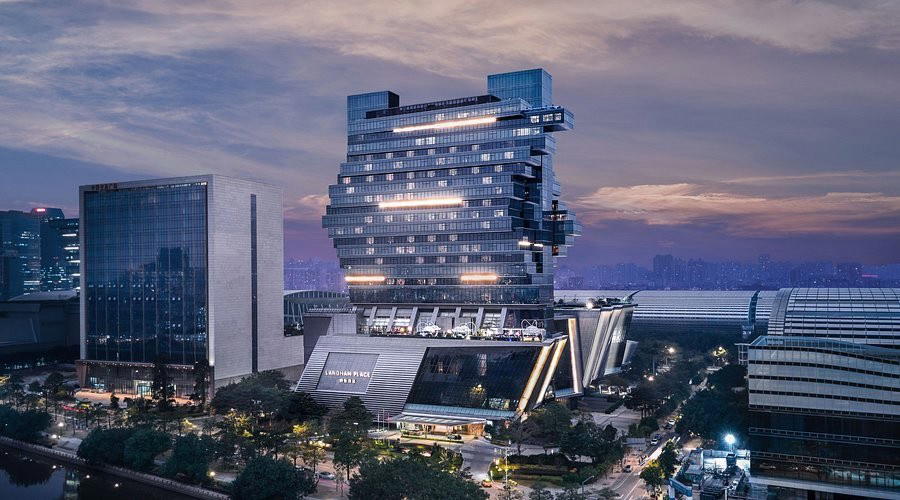
| Langham Place, Guangzhou | Modern luxury eco-certified hotel with cutting-edge design and contemporary architecture; positioned as a sophisticated business and leisure destination near the Canton Fair Complex. | $$$$ | Guangzhoushi |
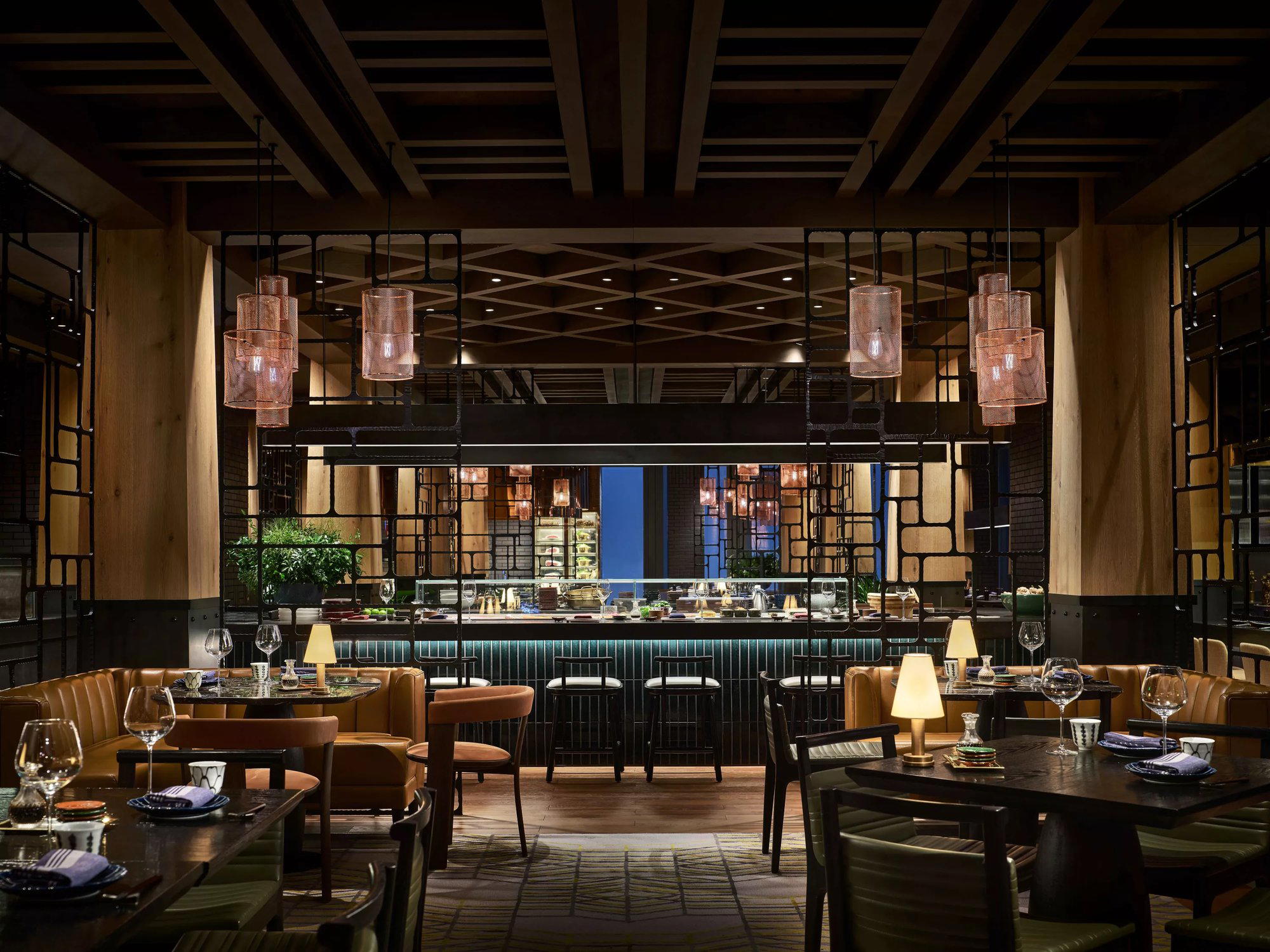
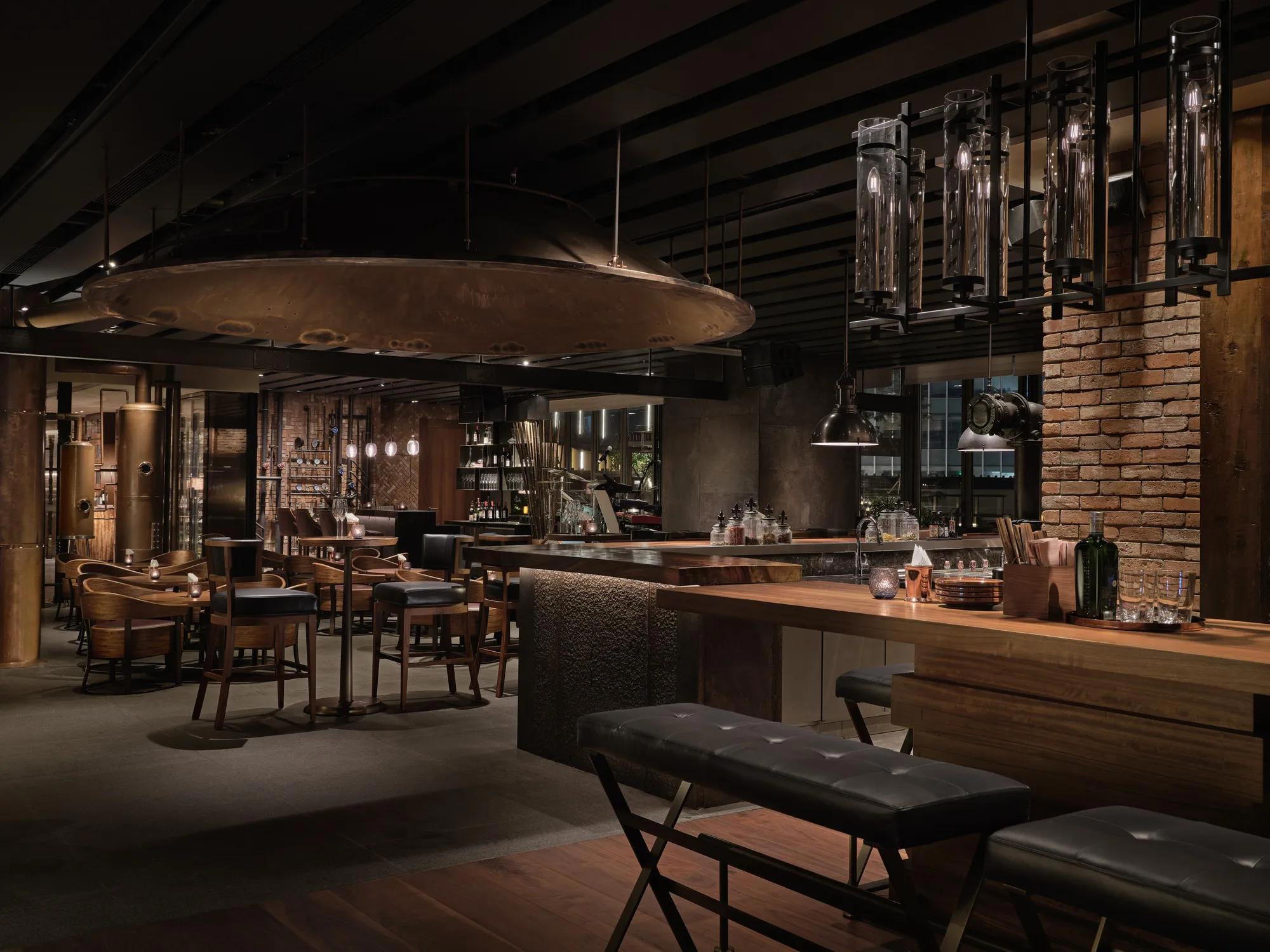
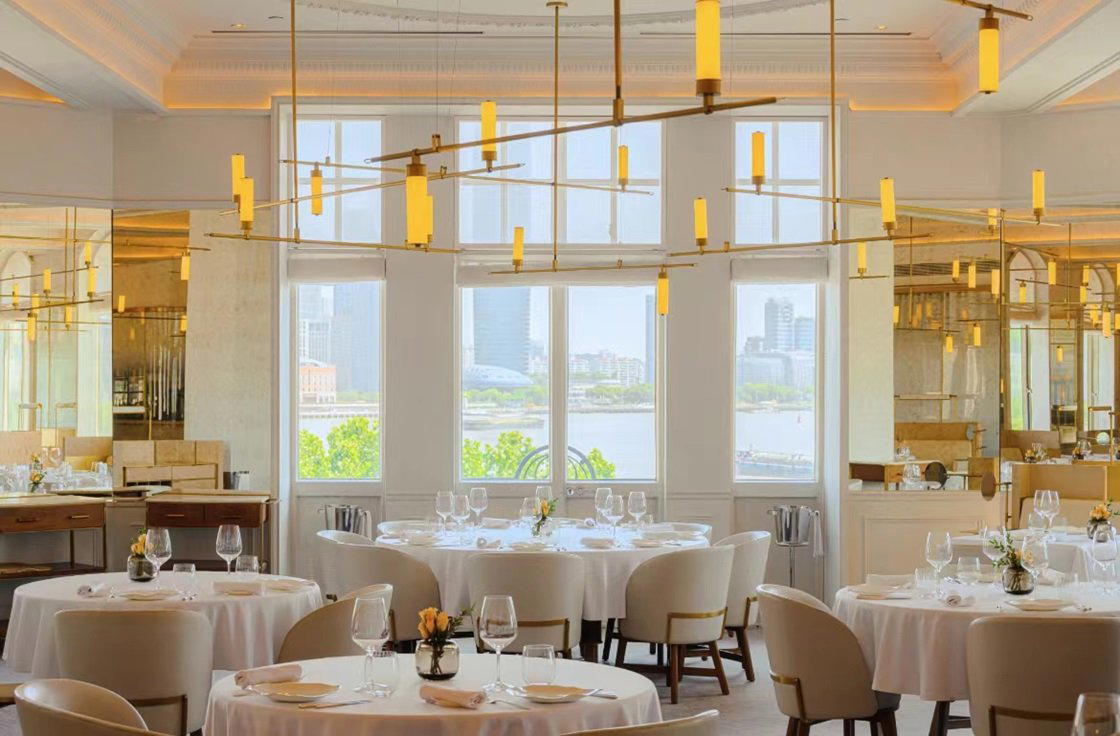
At a Glance
- Modern
- Elegant
- Sophisticated
- Quiet
- Business Trip
- Family Vacation
- Weekend Escape
- Celebration
- Group Retreat
- Garden
- Design Destination
- Panoramic View
- Wi Fi
- Pool
- Fitness Center
- Room Service
- Concierge
- Business Center
- Mountain
- Street Scene
- Wi Fi
- Pool
- Fitness Center
- Room Service
- Concierge
- Business Center
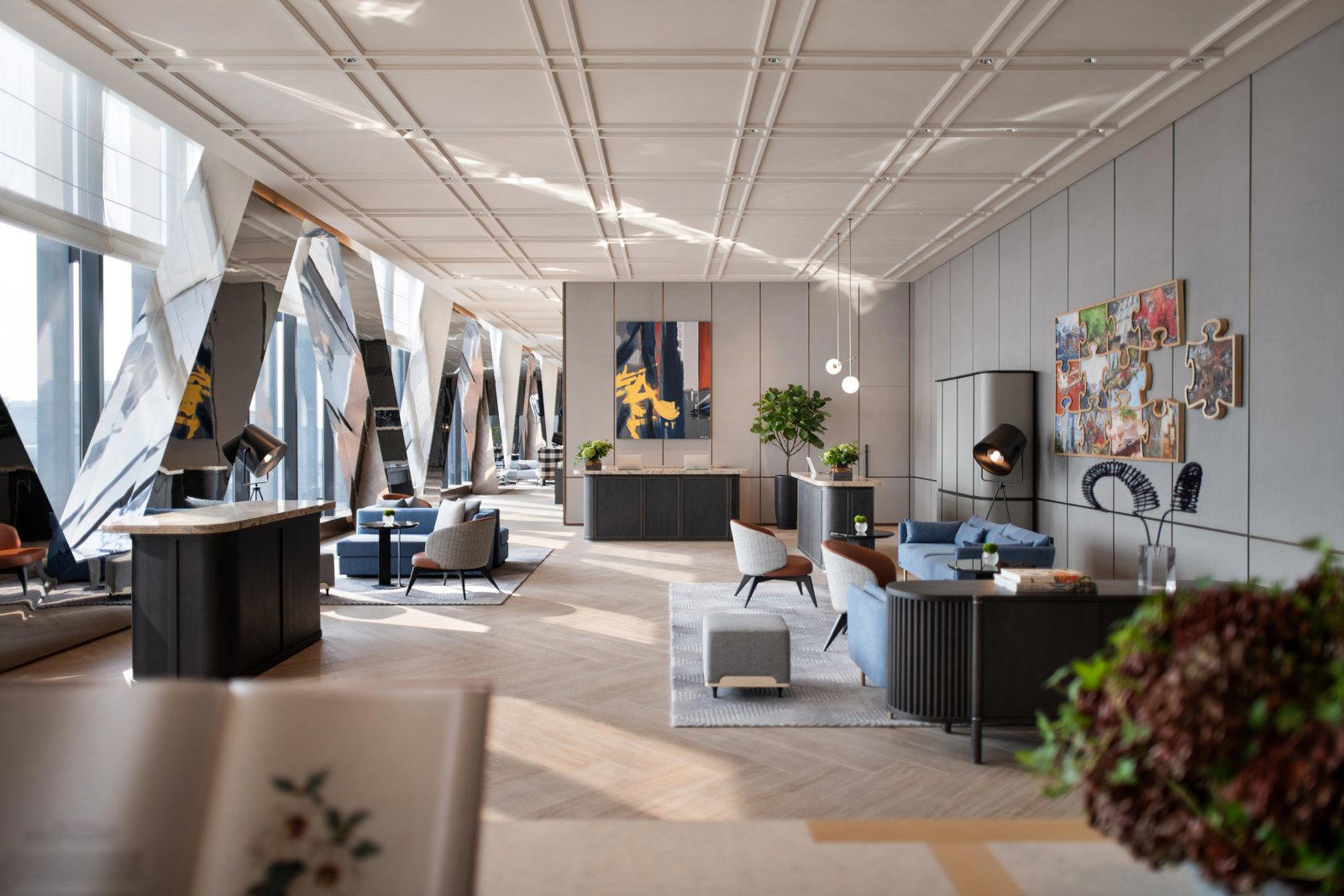
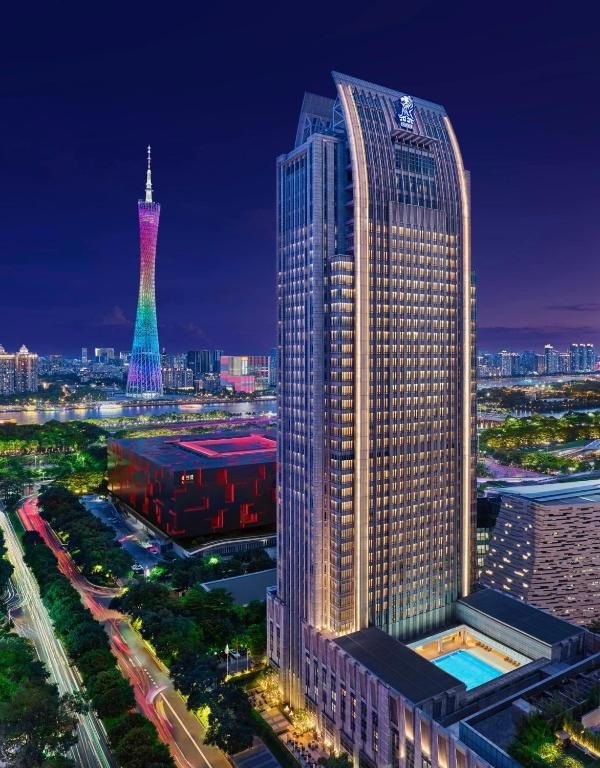
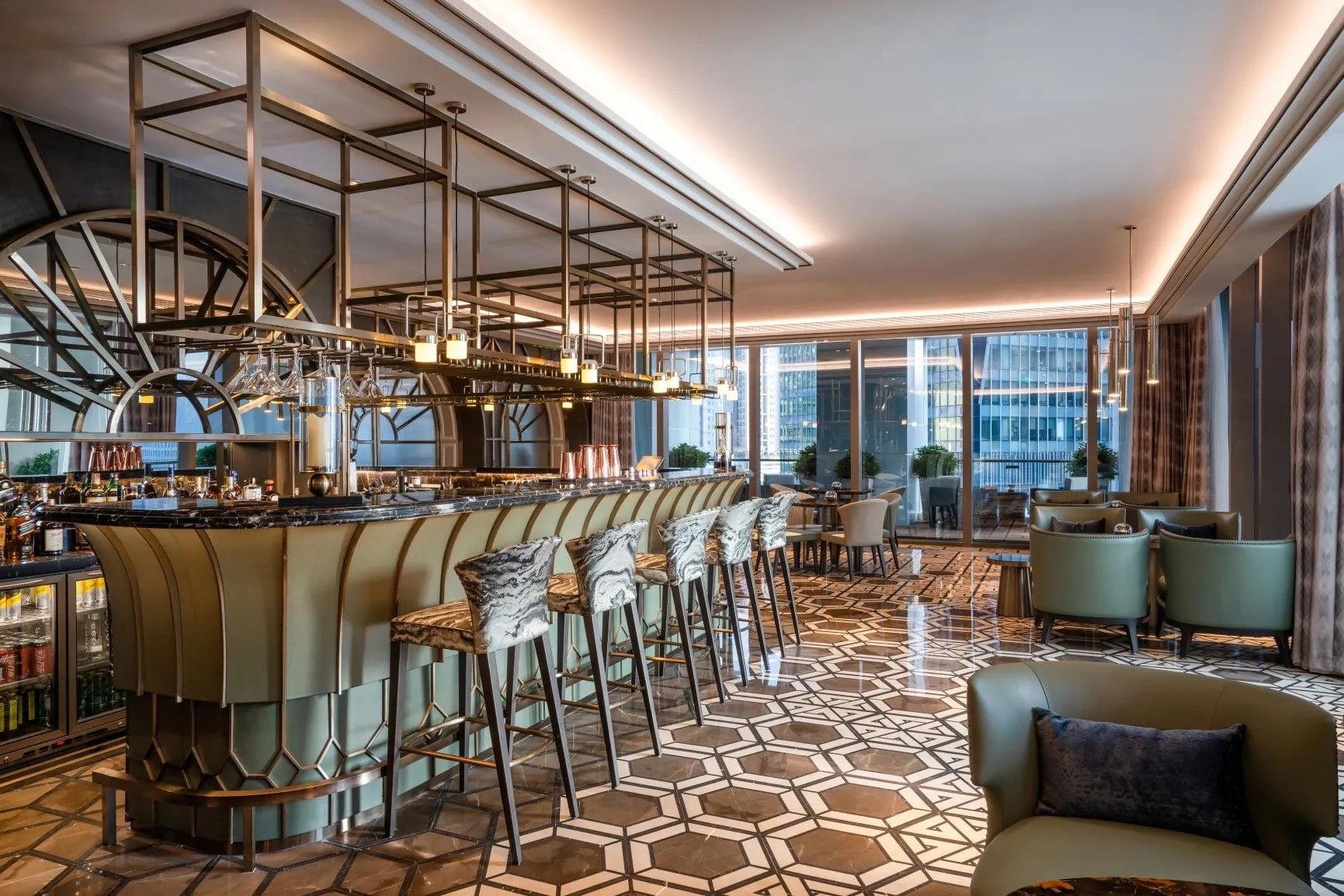
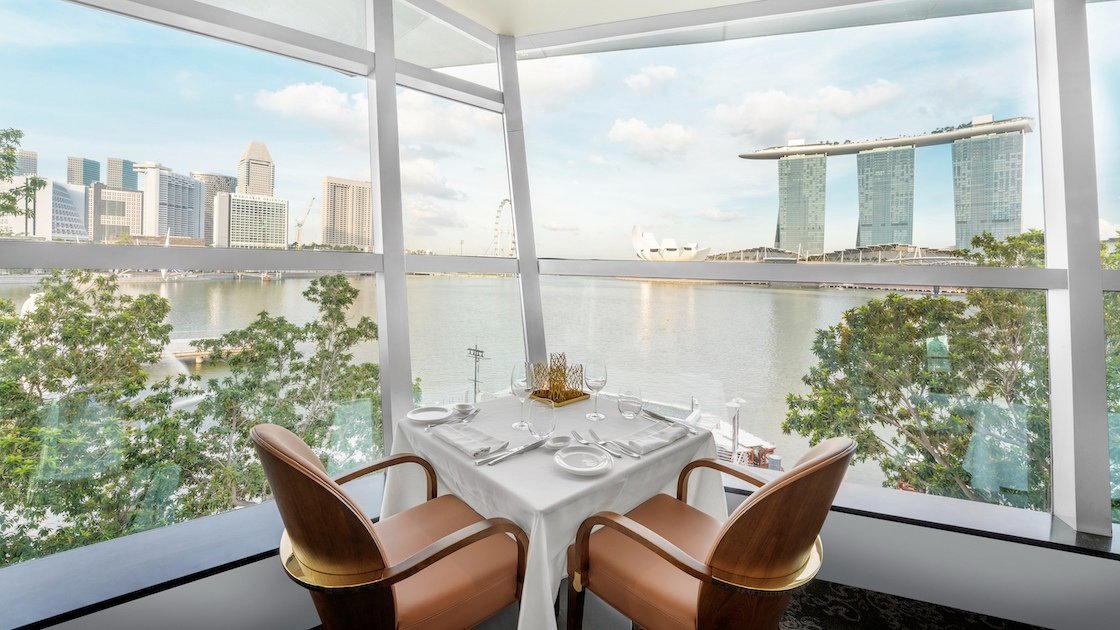
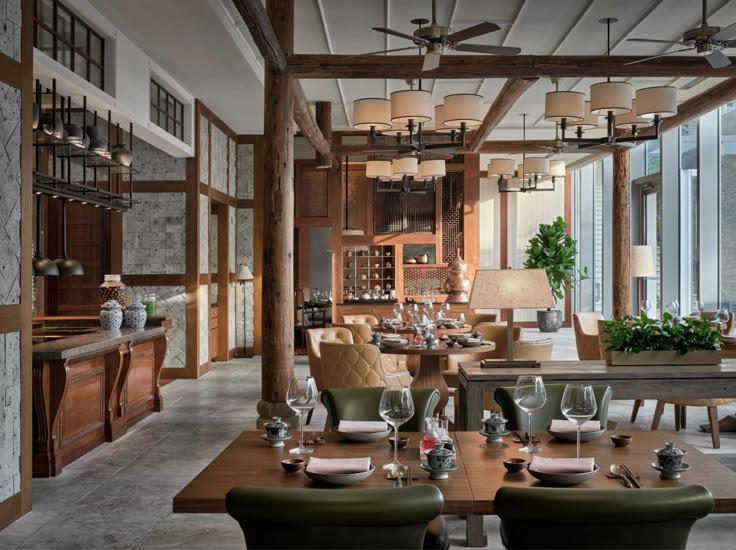
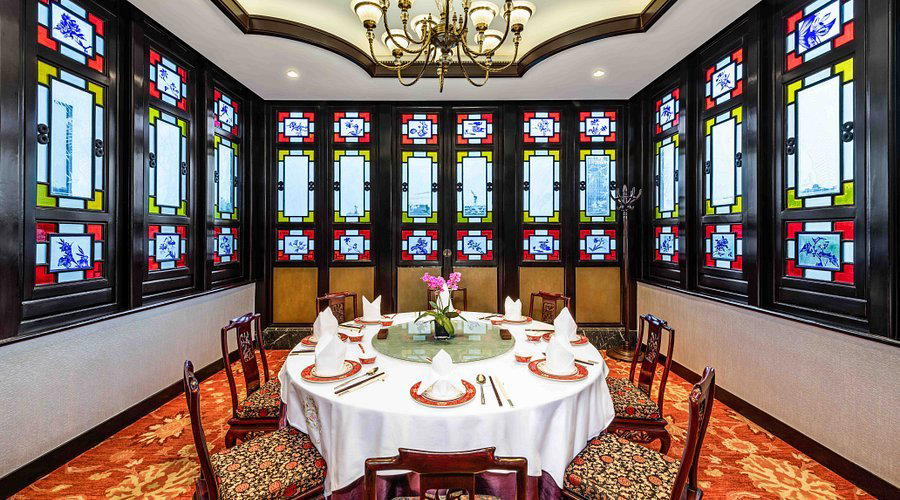
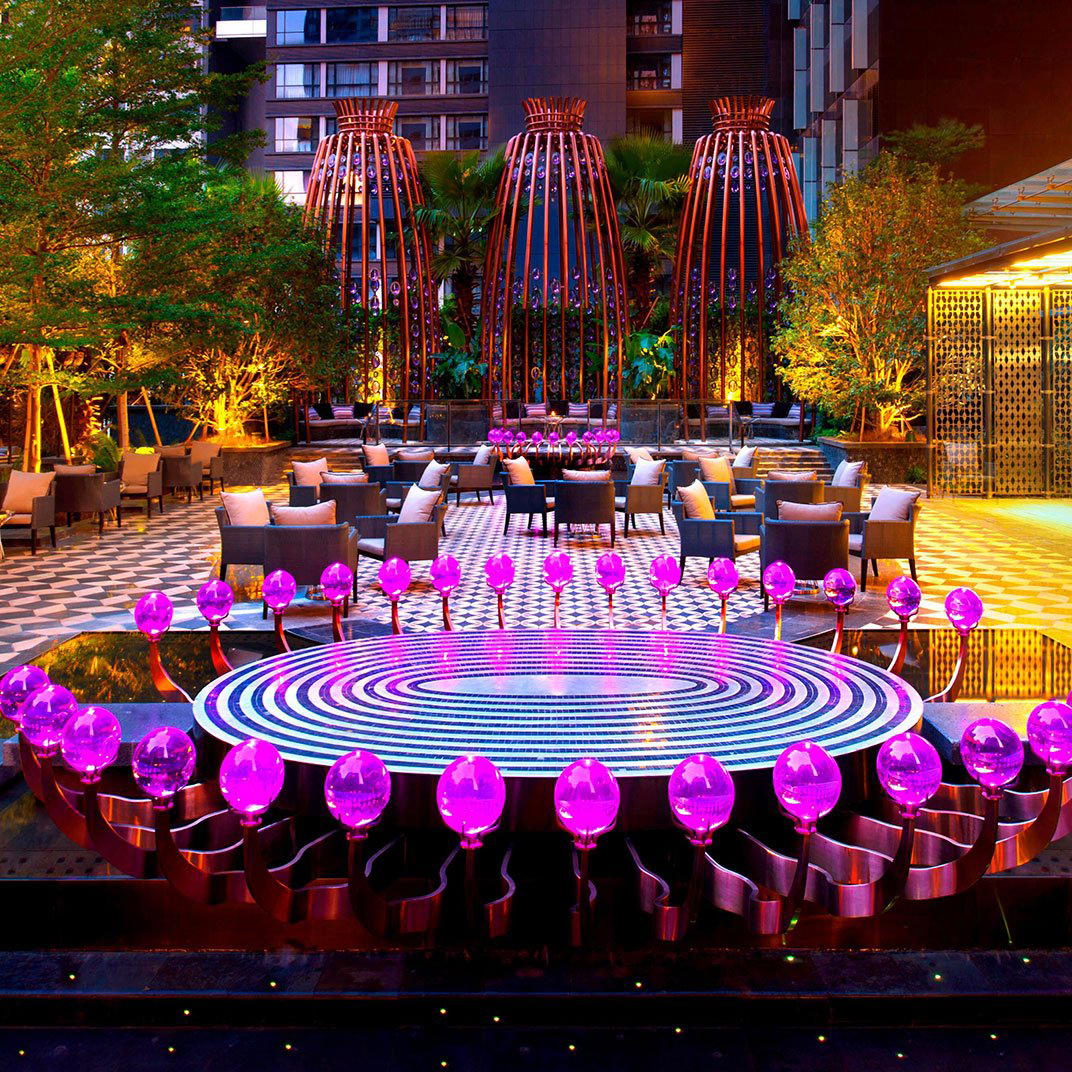
Contemporary and polished with tasteful decor, bright public spaces, and a calm, residential feel; guest reviews highlight a clean, stylish environment with warm, attentive service that feels relaxing rather than busy.