Positioned directly within the Baiyun Airport complex, the Hilton Guangzhou Baiyun Airport sits in a different competitive tier from the city-centre luxury properties like the Rosewood or Mandarin Oriental. Its primary value is operational: zero-transfer airport access in a hub that handles over 40 million passengers annually. For transit travellers or early-departure business guests, that proximity changes the calculus significantly.
Pearl is the En Primeur Club membership app — saves, bookings, and concierge access live there. Same editors, same standards.
- Address
- No. 18, Yunlv Street, Baiyun District, Guangzhou, Guangdong 510470, China
- Website
- hilton.com
 Saves & bookings on Pearl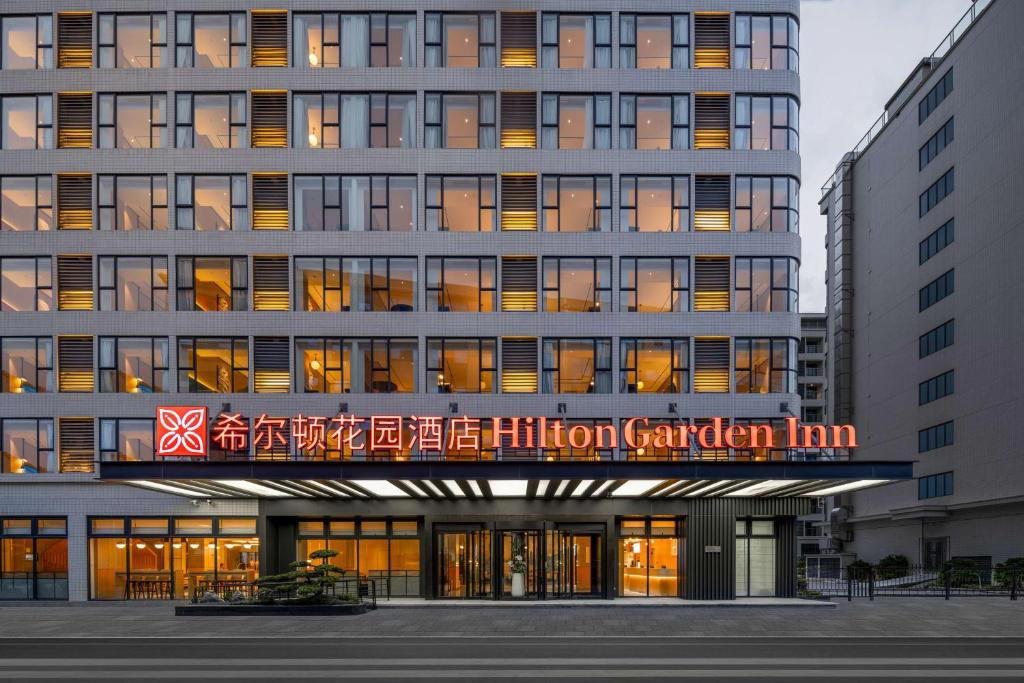
Gateway Hotels and the Guangzhou Airport Proposition
Guangzhou Baiyun International Airport is one of the busiest air hubs in mainland China, consistently processing passenger volumes that rank it alongside Beijing Capital and Shanghai Pudong in national traffic terms. Hotels built into or immediately adjacent to airports of this scale operate under a different logic from urban luxury properties: the room, the bed, and the morning coffee matter less than the clock. The Hilton Guangzhou Baiyun Airport is a five-star hotel with 308 rooms, designed for the traveller whose primary concern is not neighbourhood character or restaurant pedigree but reliable, zero-friction access to the terminal.
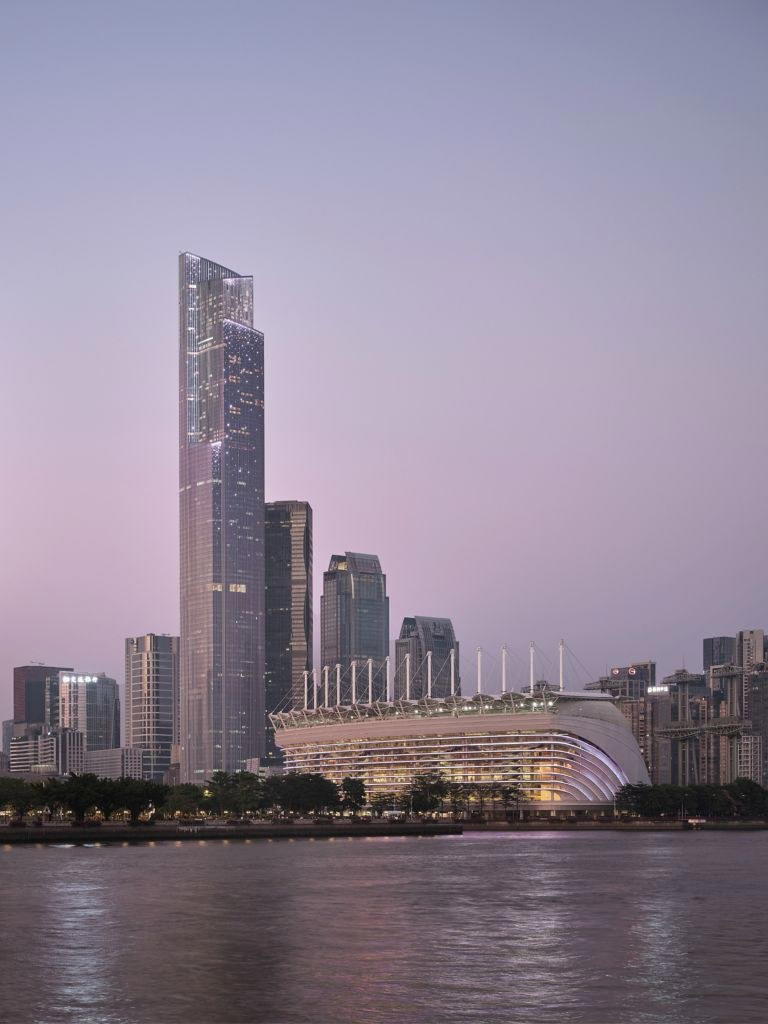
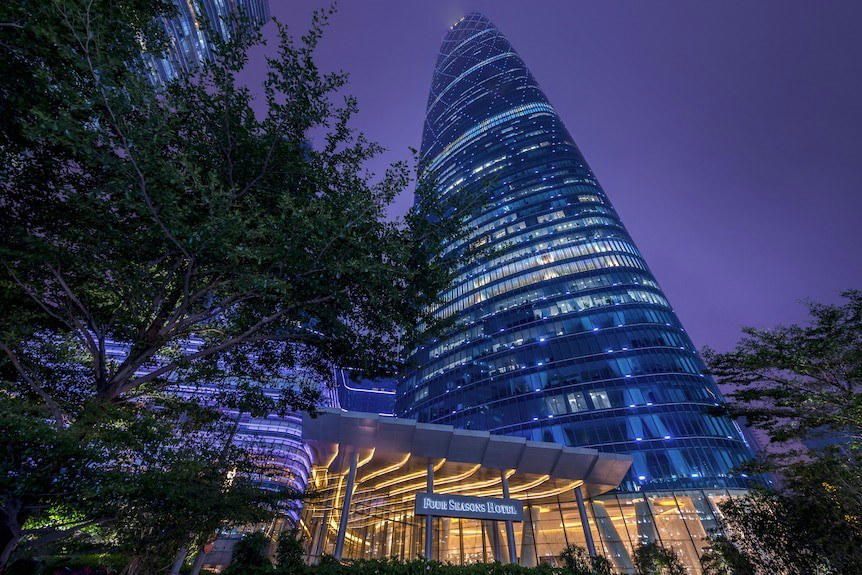
That is not a diminished proposition. In a city where the urban core sits a meaningful distance from Baiyun, the calculus of taking a late flight in or catching a 6 a.m. departure shifts considerably when accommodation is measured in walking minutes rather than taxi queues. Guangzhou's wider hotel market, anchored downtown by properties like the Rosewood Guangzhou, the Four Seasons Hotel Guangzhou, and the Mandarin Oriental, Guangzhou, competes on design, dining, and destination appeal. The Hilton Baiyun Airport competes on something more elemental.
Guangzhou as a Culinary and Cultural Node
Understanding any Guangzhou hotel requires some grounding in what the city actually represents. Guangzhou is the capital of Guangdong province and the geographic and historic heart of Cantonese cuisine, among the more technically demanding and regionally specific cooking traditions in China. Yum cha culture here is not a weekend diversion but a daily social institution: dim sum teahouses open before dawn, and the ritual of ordering har gow, cheung fun, and lo mai gai from bamboo steamers is woven into the city's morning rhythm in ways that visitors from elsewhere in China, let alone abroad, often find disorienting in the leading sense.
For a traveller passing through Baiyun on a longer itinerary that includes other Chinese cities, this cultural density is worth factoring into the stop. Properties like the Park Hyatt Guangzhou, the Langham Place, Guangzhou, and the Jumeirah Guangzhou position themselves to take advantage of that urban access. The airport Hilton serves a different reader: the business traveller on a tight schedule, the transit passenger with a long layover, or the conference delegate flying in for a single-day commitment.
Cantonese food culture does reach into airport environments in Guangzhou, though with predictable compression. The expectation of fresh seafood, precise wok technique, and the restrained sweetness that distinguishes Cantonese seasoning from other regional Chinese cooking is harder to sustain at airport scale, but Guangzhou's standards tend to pull even institutional food slightly higher than comparable airport contexts elsewhere. For any traveller with time, even a brief incursion into the city's older teahouse districts rewards the effort in ways that no hotel restaurant at this tier can replicate.
Where the Hilton Baiyun Airport Sits in the Broader Market
Among Guangzhou's hotel options, the distinction between city-centre luxury and airport-adjacent practicality is sharper than in some other Chinese gateway cities. In contrast to the Conrad Guangzhou or the LN Hotel Five, both of which position around urban access and lifestyle programming, the Baiyun Airport Hilton's value proposition rests almost entirely on its physical proximity to the terminal. That is a narrow but defensible niche, and Hilton's standardised service infrastructure provides the consistency that business travellers specifically rely on across unfamiliar markets.
Hilton as a brand occupies the upper-midscale to upscale segment in international hotel classification, a tier that in China's major cities often means significantly more amenity depth than the global average for the same brand band. China's hospitality investment in airport-adjacent properties has risen substantially over the past decade, tracking the country's rapid aviation expansion. Baiyun specifically completed a major terminal expansion programme that cemented its status as one of the country's highest-capacity hubs, and hotel investment around it reflects that confidence.
For travellers building longer itineraries across China, this property can function as a logical staging point. Guangzhou sits at one end of what is China's most commercially dense corridor, connecting south to Hong Kong and north toward the Yangtze Delta. Other stops on such a route might include properties as different as the JW Marriott Hotel Shanghai at Tomorrow Square or, for a more removed experience, the Amanfayun in Hangzhou and the Amandayan in Lijiang. The Baiyun Hilton anchors the functional end of that spectrum rather than the experiential one.
Internationally, the model has parallels: airport Hiltons in hub cities like Singapore, Dubai, and Hong Kong have all moved toward more polished product in response to the business traveller's rising baseline expectations. The Guangzhou version operates within that same trend, where the standard room is expected to deliver consistent connectivity, climate control, and food-and-beverage access at any hour, rather than architectural distinction or sommelier programmes.
Planning Your Stay
Book directly through Hilton's own channels. For travellers choosing between this and an urban alternative, the decision usually turns on flight timing: an arrival after 10 p.m. or a departure before 7 a.m. makes the airport location arithmetically superior to almost any city-centre option, regardless of the urban property's relative merits. Those with more time in Guangzhou, and a genuine interest in Cantonese food culture or the city's Pearl River waterfront character, will find the downtown alternatives, including the Mandarin Oriental or Rosewood, deliver experiences the Baiyun property is not designed to compete with.
For context on how airport-adjacent properties compare to more destination-oriented choices elsewhere, the gap between a Mandarin Oriental Qianmen in Beijing and an airport Hilton is instructive: the former sits inside the city's historic core with direct cultural programming; the latter abstracts that entirely in favour of operational reliability. Neither is wrong. They answer different questions.
At a Glance
Comparable venues nearby, for context on price, style, and recognition.
| Venue | Price | Notes |
|---|---|---|
| Hilton Guangzhou Baiyun AirportThis venue — the venue you are viewing | $$$ | Not listed |
| White Swan Hotel | $$$$ | Shamian Island, Luxurious urban resort with heritage charm on Shamian Island |
| Conrad Guangzhou | $$$$ | Guangzhoushi, Contemporary luxury urban hotel blending cutting-edge technology with traditional Guangzhou architectural heritage, positioned as a stylish oasis in the CBD. |
| ME Guangzhou | $$$$ | Guangzhou International Financial City–Huangpu Bay Business Circle, Lifestyle luxury hotel positioned as a cultural hub within Guangzhou’s emerging second CBD. |
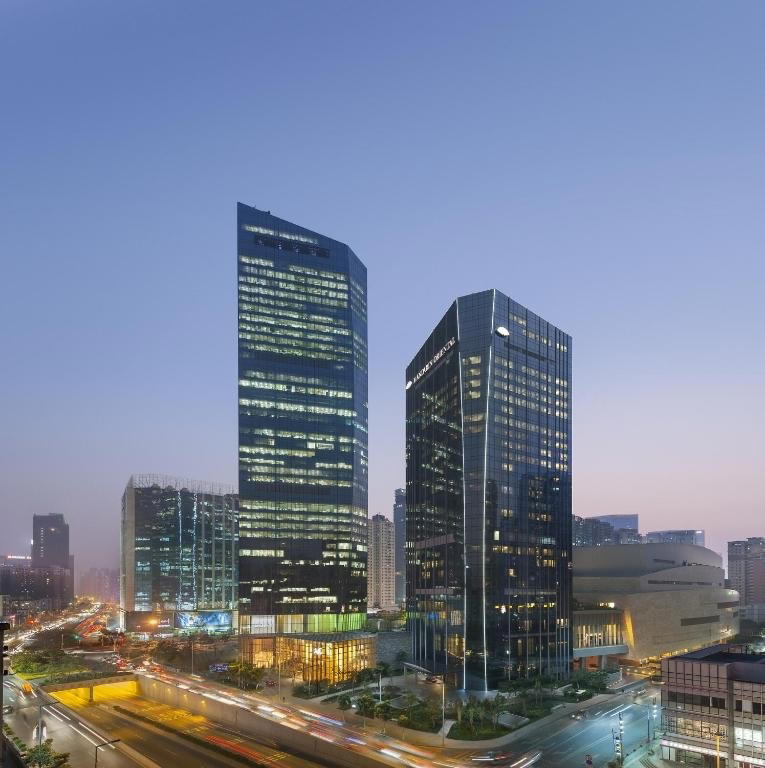
| Mandarin Oriental, Guangzhou | $$$$ | Guangzhoushi, Contemporary luxury with spacious accommodations and integrated shopping access |
| Vaperse Hotel | $$$$ | Zhujiang New Town, condo design style fashion elegant refined and comfortable |

At a Glance
- Modern
- Sophisticated
- Business Trip
- Family Vacation
- Celebration
- Panoramic View
- Destination Spa
- Rooftop Pool
- Butler Service
- Wi Fi
- Pool
- Spa
- Fitness Center
- Room Service
- Concierge
- Business Center
- Restaurant
- Bar
- Sauna
- Mountain
- Wi Fi
- Pool
- Spa
- Fitness Center
- Room Service
- Concierge
- Business Center
- Restaurant
- Bar
- Sauna
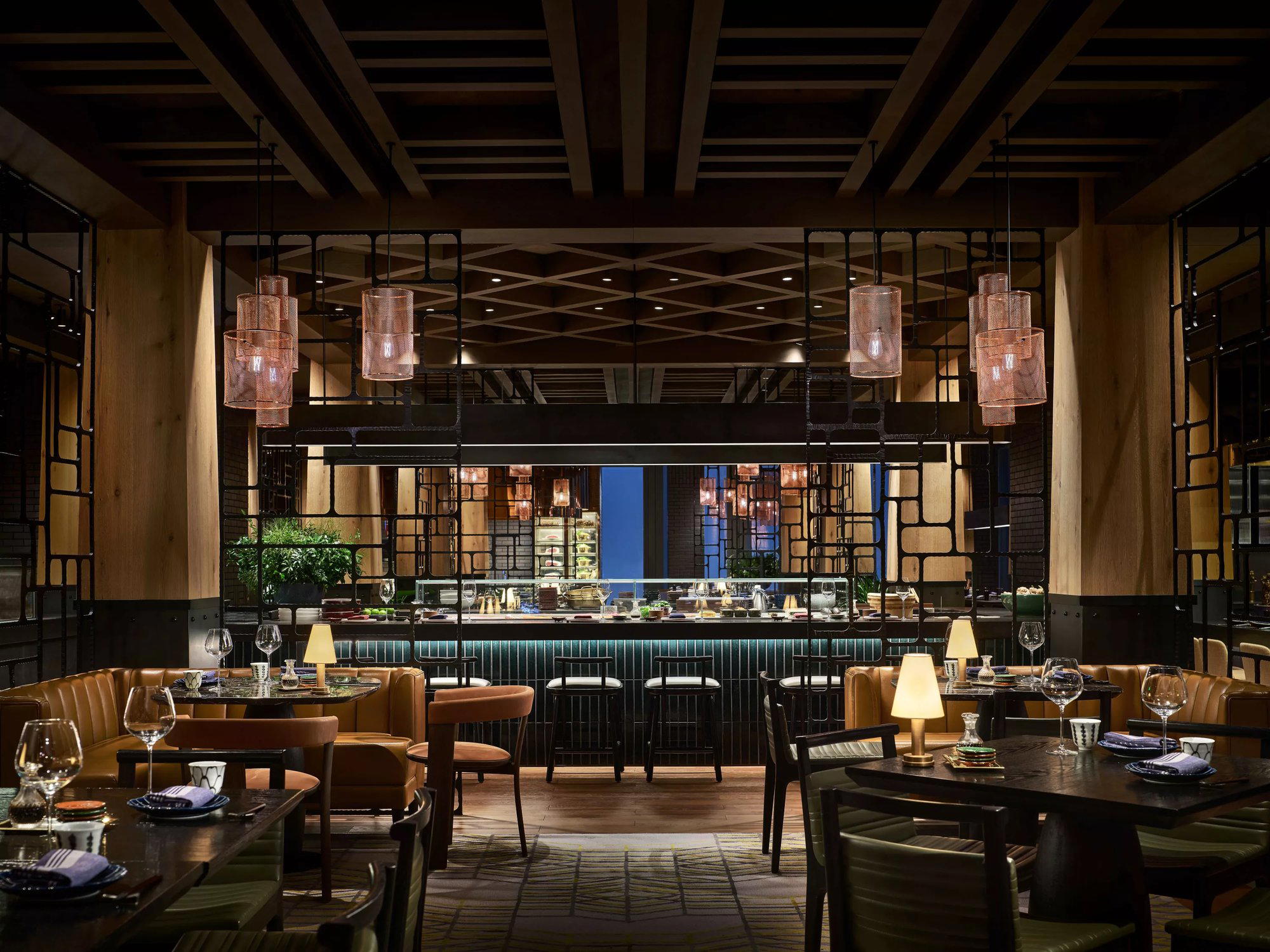
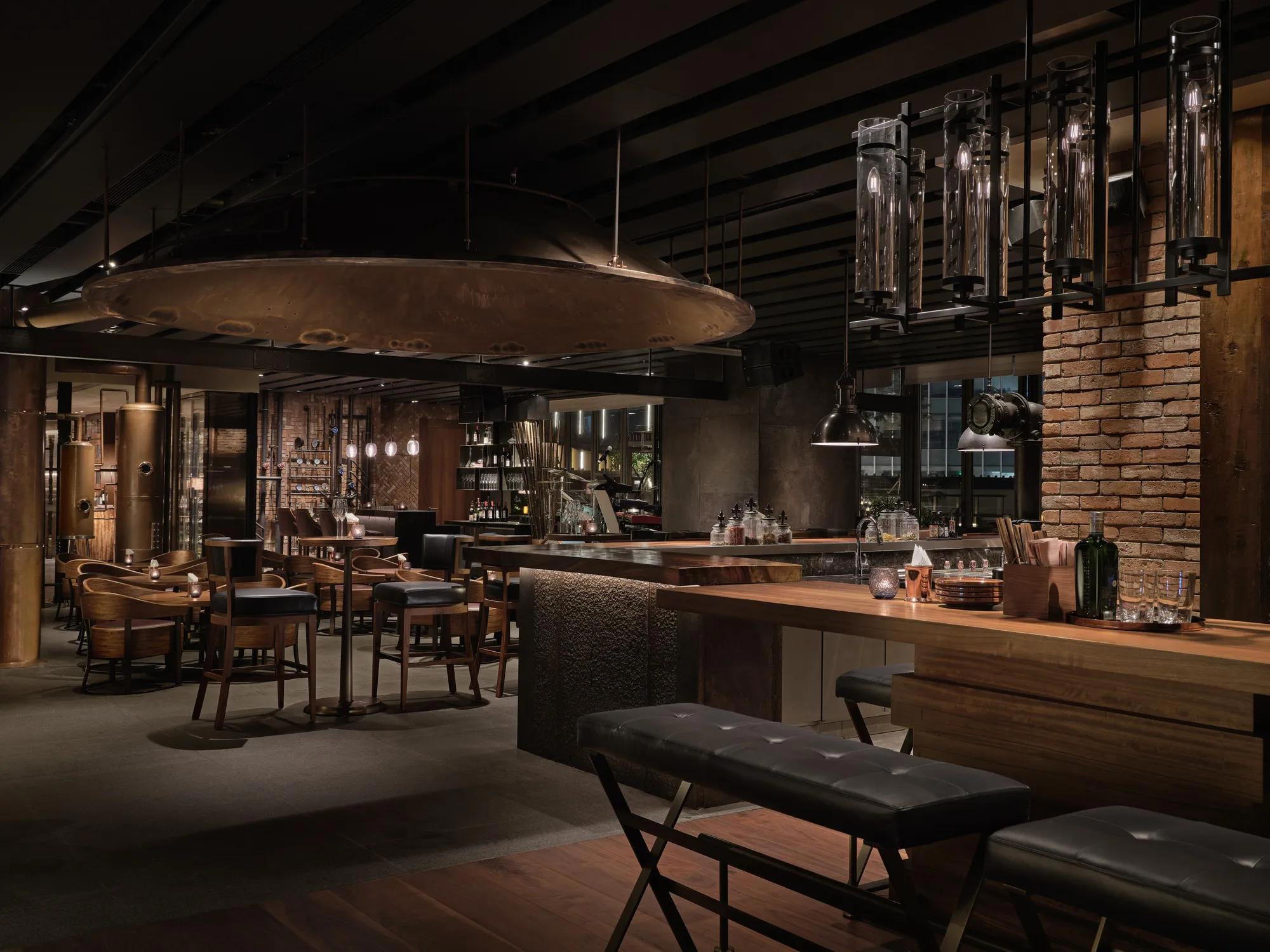
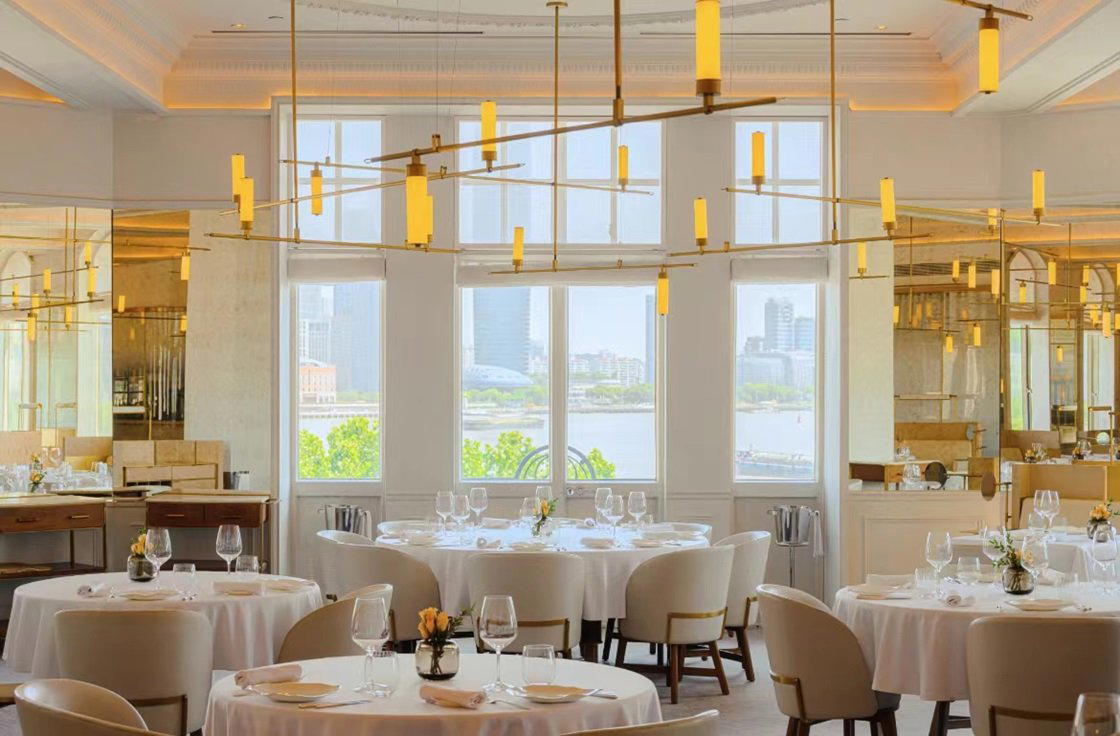
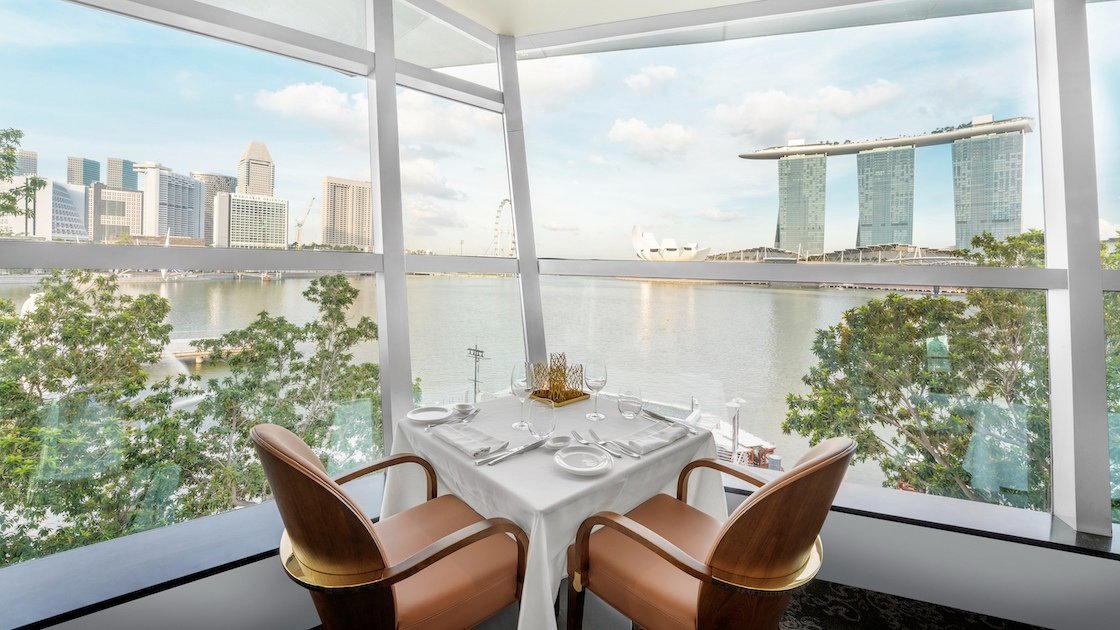
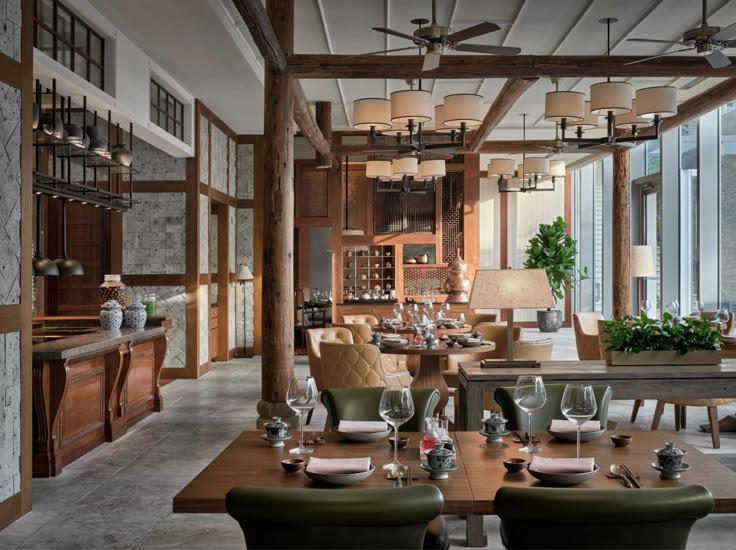
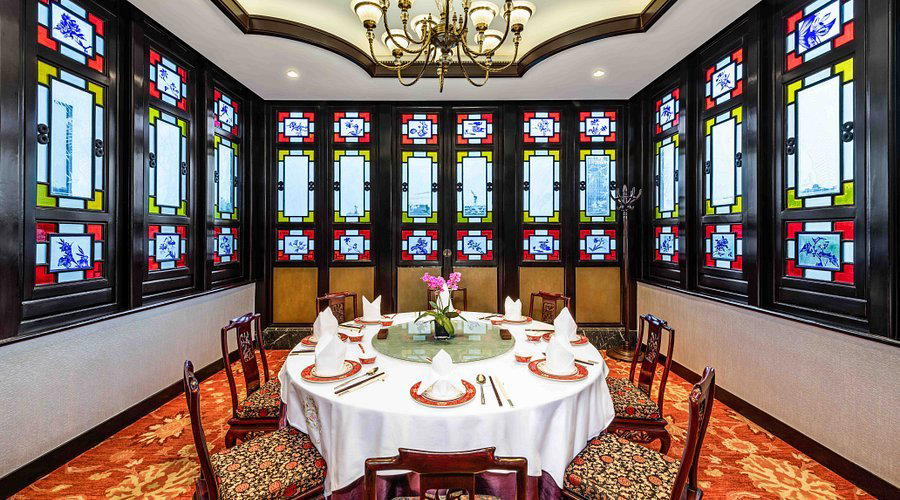
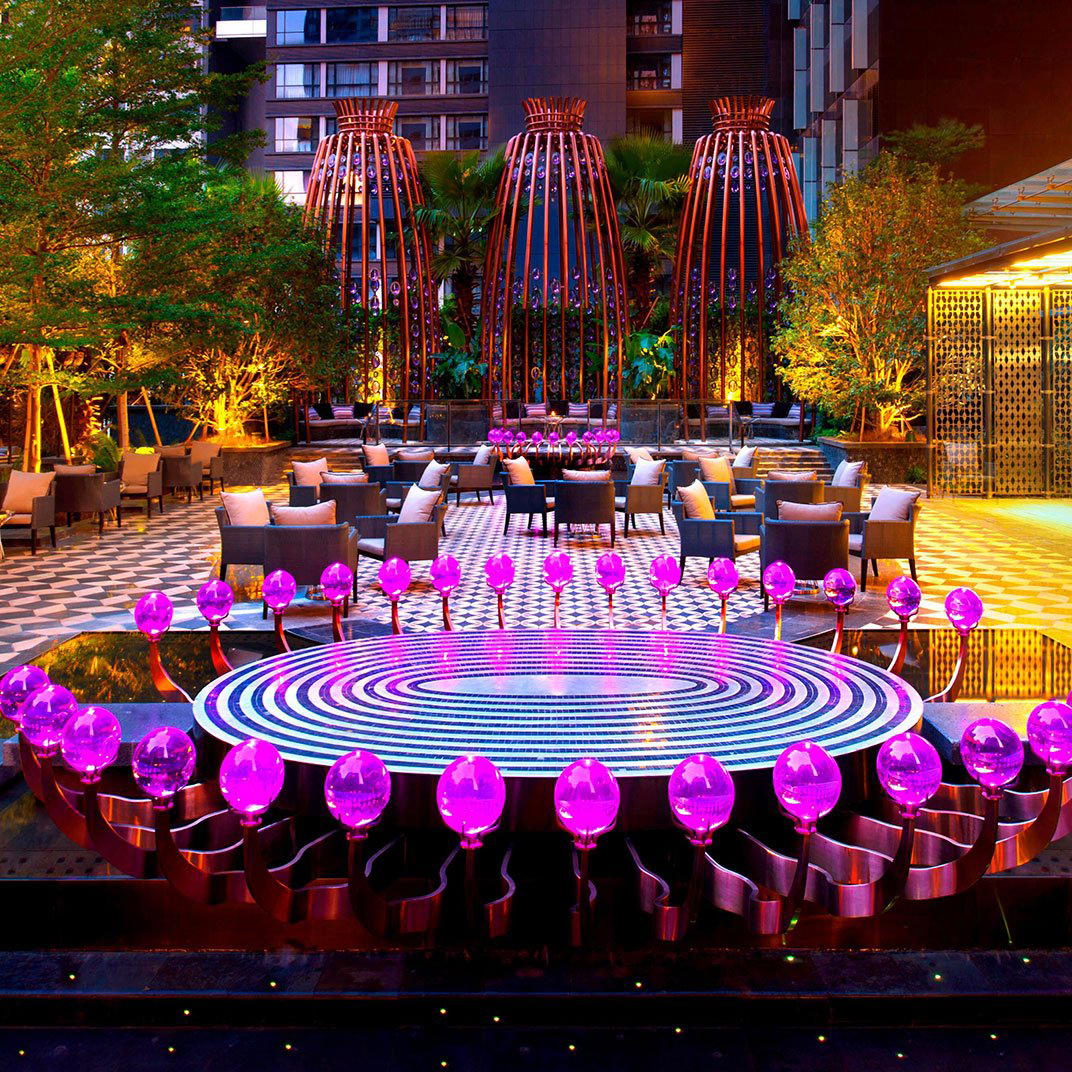
Contemporary and elegant with light colors and rich wood accents, featuring floor-to-ceiling windows that showcase natural light and mountain peak views; designed for both business and leisure travelers seeking upscale comfort.