ME Guangzhou is best read through Guangzhou’s hotel scene rather than through isolated amenities: a design-led urban address in a city where business travel, Cantonese dining, trade-fair rhythms, and Pearl River architecture shape the stay.

Pearl is the En Primeur Club membership app — saves, bookings, and concierge access live there. Same editors, same standards.
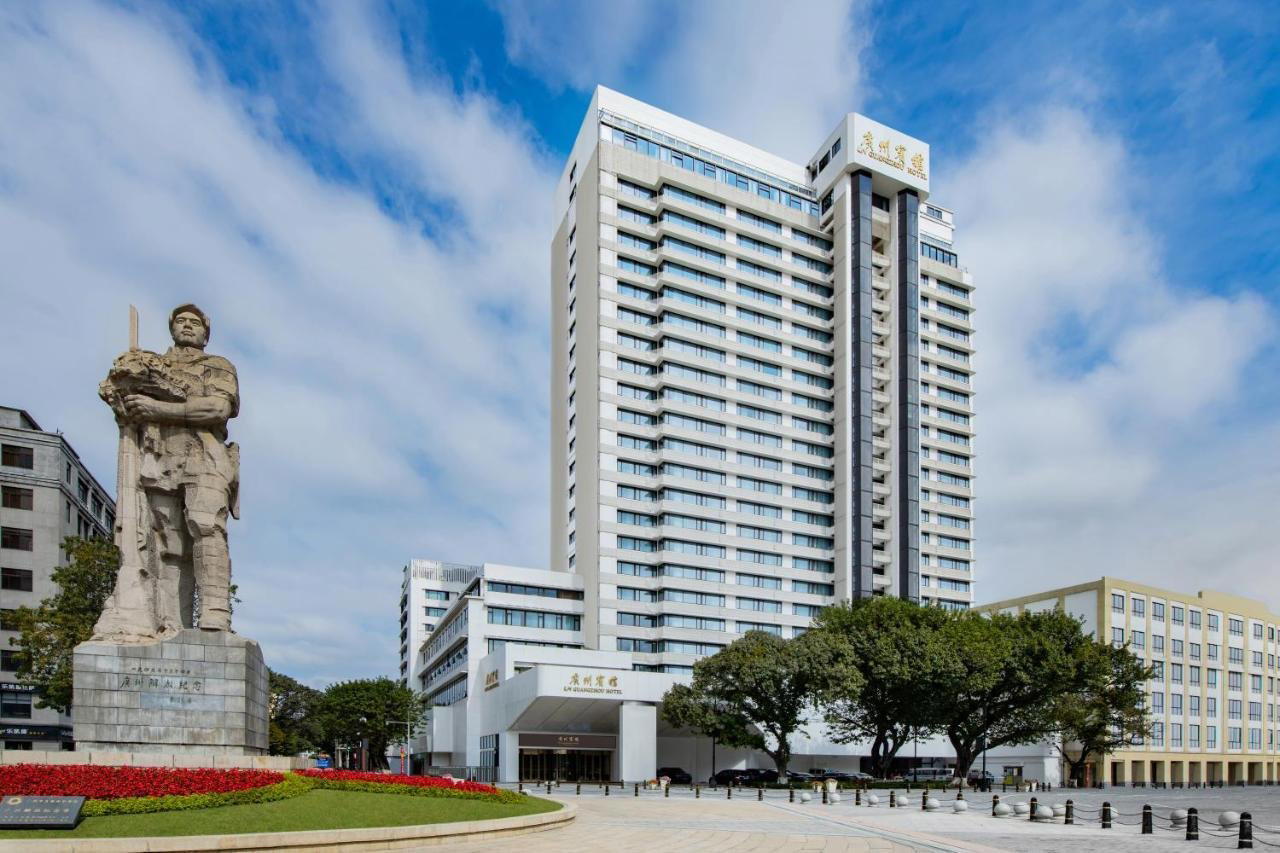
Design-led hotels in a city built for movement
Approaching a contemporary Guangzhou hotel usually means reading the city before reading the lobby: traffic sliding between glass towers, river light bouncing off commercial blocks, and interiors designed to compress the scale of a trading metropolis into a controlled arrival sequence. ME Guangzhou belongs in that conversation. ME Guangzhou is a 5-star hotel in Guangzhou, China, with 120 rooms and a price tier of 4. In Guangzhou, hospitality is shaped by business travel, Cantonese dining culture, and the tempo of the China Import and Export Fair.
Guangzhou does not behave like a resort market. Its hotels compete on access, room efficiency, meeting flow, dining credibility, and how convincingly they translate a dense urban setting into a place to sleep, work, and host. Design matters here, but not as decoration alone. The city rewards spaces that help travelers switch gears quickly: arrival from airport or rail, a Cantonese lunch across town, a late client dinner, then an early departure. In that environment, ME Guangzhou should be judged less by generic luxury language and more by how it fits the newer tier of urban hotels where architecture, lighting, music, and public-space programming carry as much meaning as the bed category.
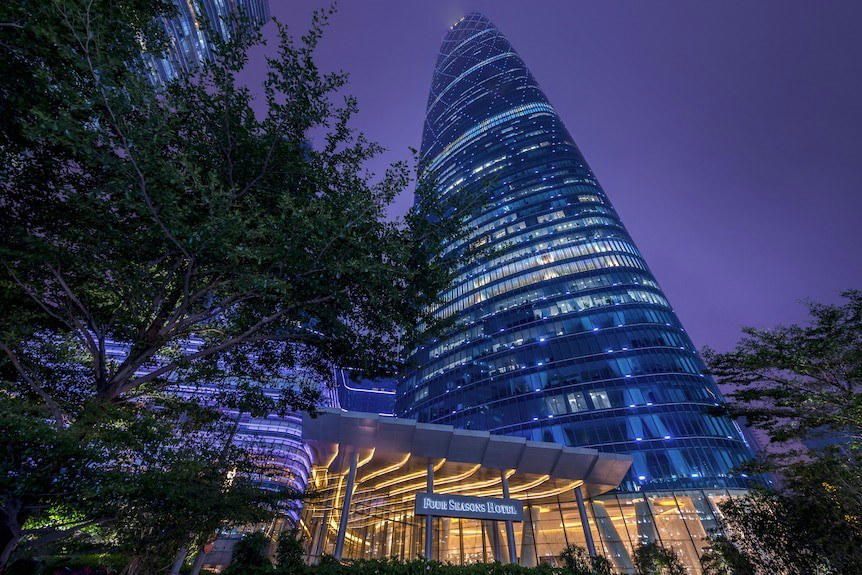
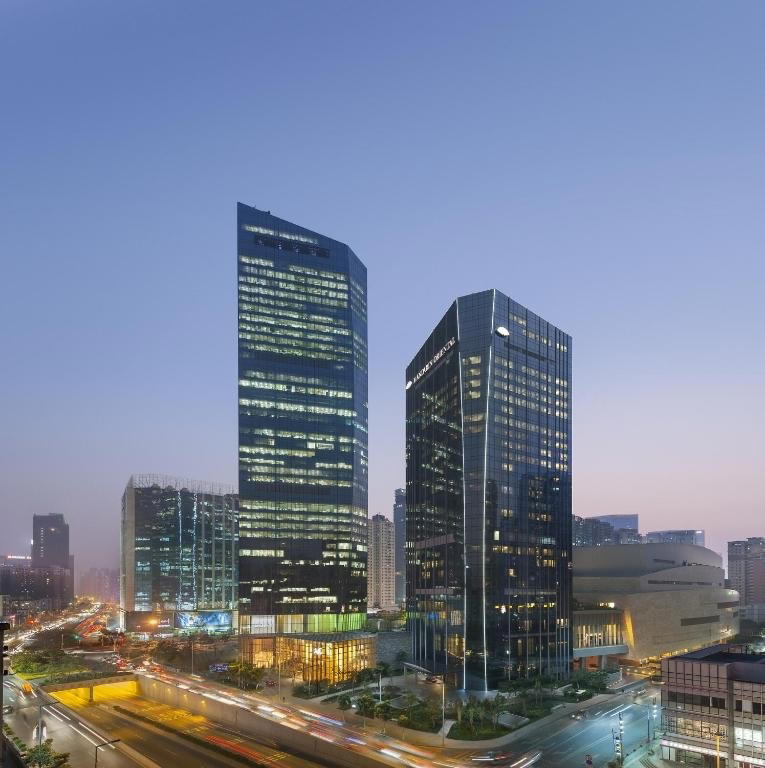
Guangzhou’s hotel comparable set is unusually broad. Tower hotels such as Four Seasons Hotel Guangzhou, Conrad Guangzhou, Jumeirah Guangzhou, and Mandarin Oriental, Guangzhou speak to the city’s appetite for internationally managed comfort with strong business credentials. Convention-facing properties such as InterContinental Guangzhou Exhibition Center and Langham Place, Guangzhou serve a different rhythm, where proximity to major events and practical throughput can outweigh residential mood. Airport-linked stays such as Hilton Guangzhou Baiyun Airport solve transit rather than city immersion, while LN Hotel Five points toward a smaller local-hospitality reading of the city. ME Guangzhou sits against this spread as a design proposition first, at least from the available record.
Why architecture carries more weight in Guangzhou
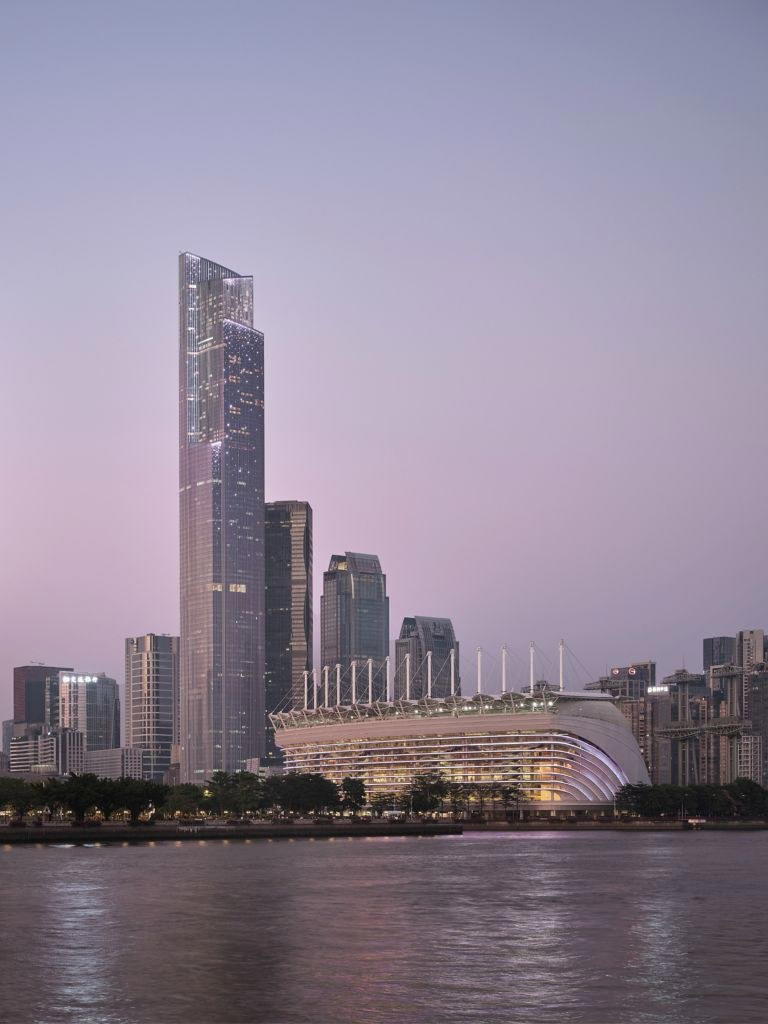
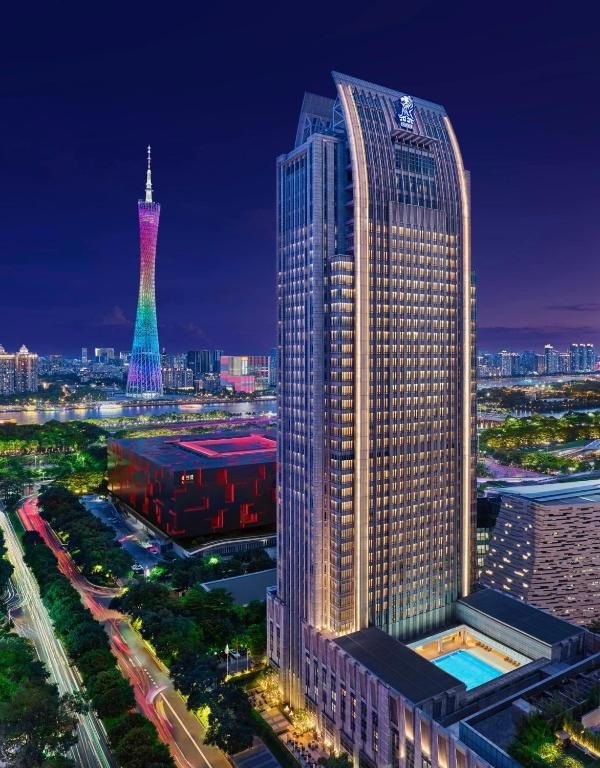
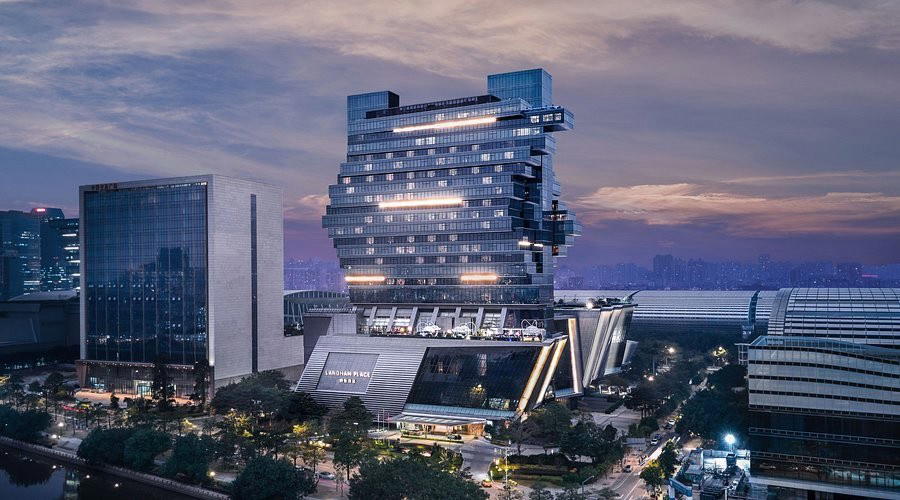
Guangzhou’s modern hotel architecture is tied to the city’s commercial geography. The Pearl River axis, Zhujiang New Town, Pazhou, Tianhe, and the airport corridor each produce different hotel behaviors. A riverfront or tower address tends to emphasize skyline framing and vertical drama. A convention-area hotel privileges lobby circulation, breakfast capacity, taxis, and meeting infrastructure. A smaller city hotel often trades height for neighborhood contact. That absence matters, because location is not a footnote in Guangzhou; it determines the type of stay.
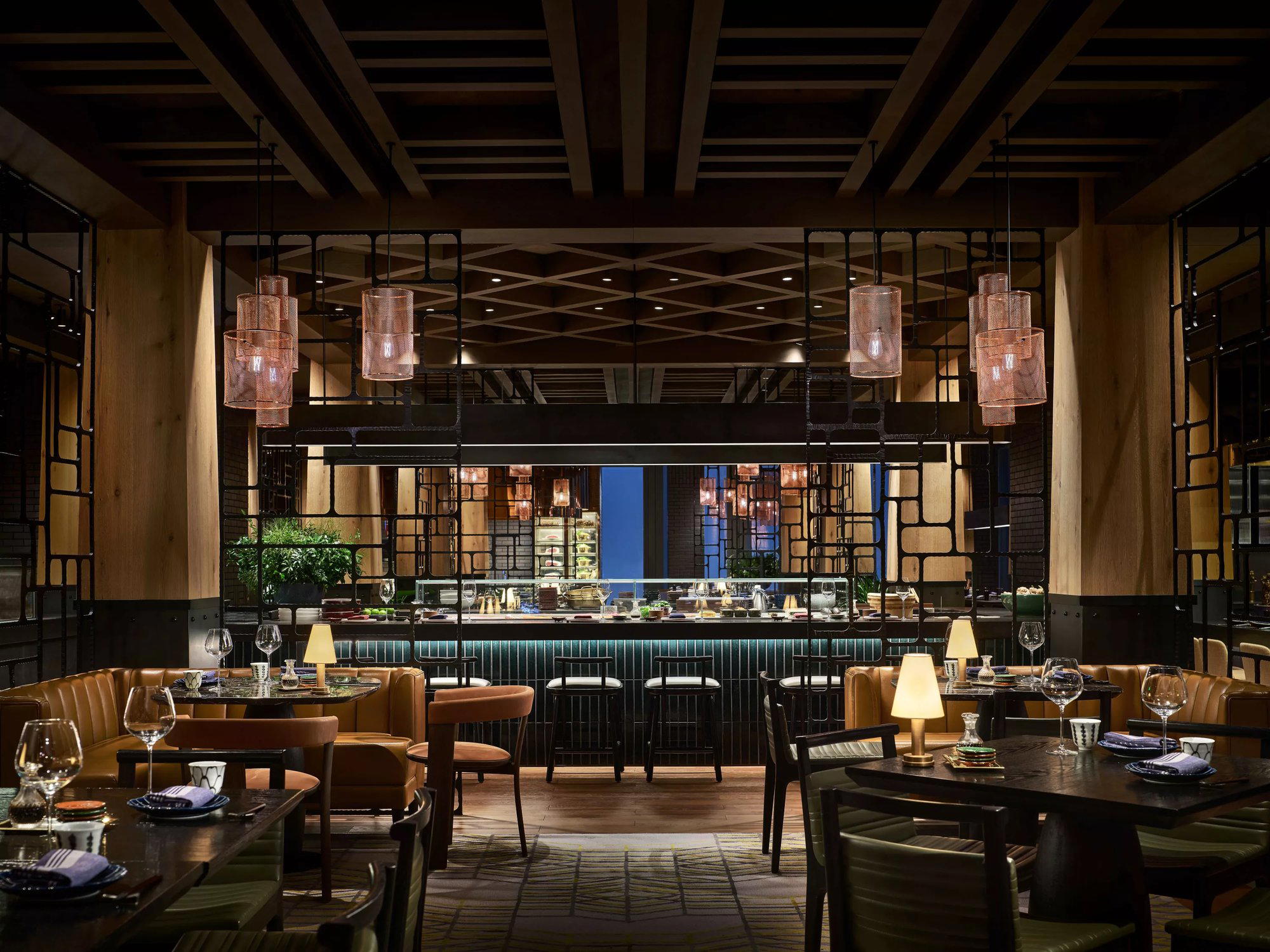
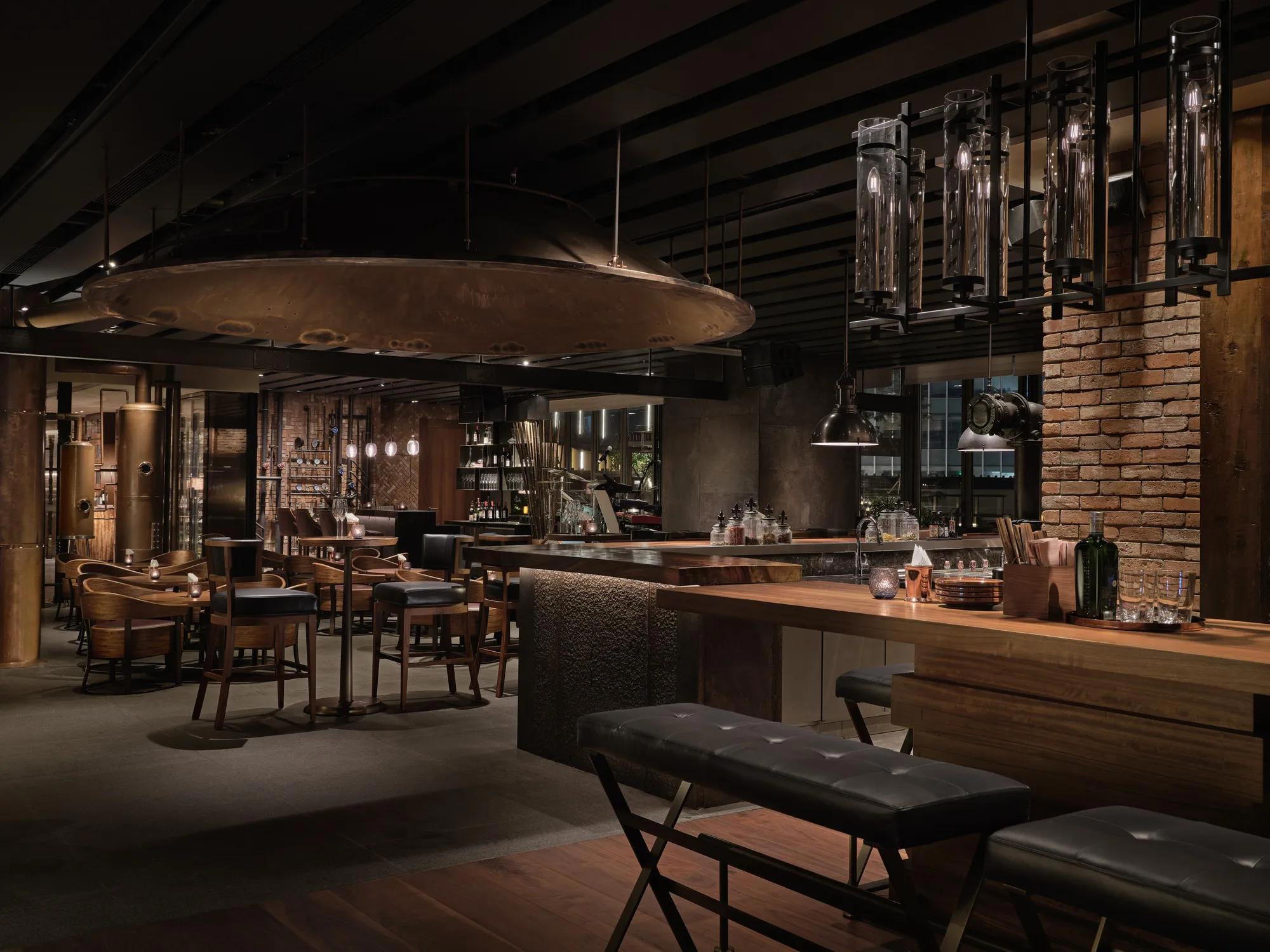
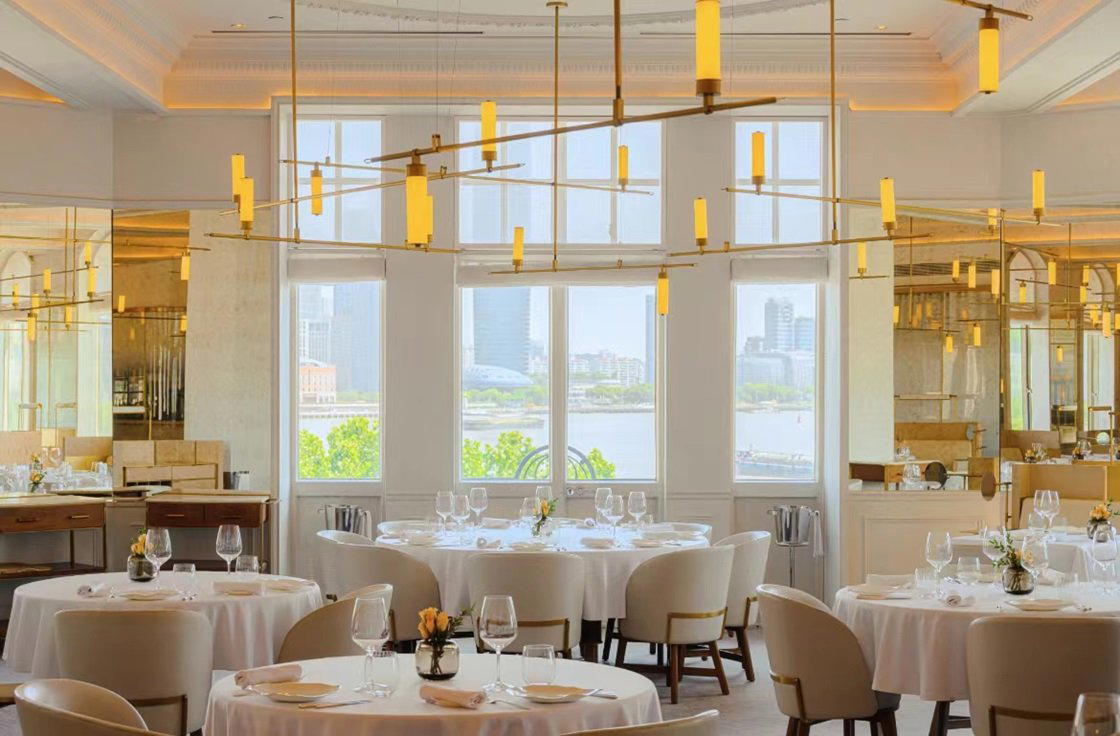
The design-led hotel category has grown partly because travelers now expect a hotel to define the mood of a trip, not just house it. In Guangzhou, that expectation meets a city with a strong visual split: old mercantile lanes, colonial-era fragments on Shamian Island, shopping districts, river bridges, and large-scale office developments. A hotel that uses contemporary design well can make sense of that contrast by giving guests a coherent interior language. A hotel that uses design poorly becomes a showroom. The editorial question for ME Guangzhou is therefore not whether it has fashionable surfaces, but whether its public rooms, guest floors, dining spaces, and arrival sequence form a clear point of view inside a city already full of polished interiors.
That distinction separates serious hospitality design from decorative branding. Serious hotel design tells travelers where they are, or at least how the hotel wants them to experience where they are. Guangzhou offers material for that work: Cantonese social dining, humid subtropical weather, trade history, river movement, and a business culture that values efficiency. Those details should not be invented. What can be said is that a design-led Guangzhou hotel enters a competitive field where aesthetic identity needs to carry operational weight, because the city’s corporate and leisure travelers have many alternatives.
The city context: Cantonese dining shapes the hotel stay
Even when a hotel page is not a restaurant review, Guangzhou’s dining culture cannot be treated as background. Cantonese cuisine is one of the world’s major culinary traditions, and Guangzhou is one of its defining cities. The structure of a stay often revolves around dim sum, seafood, roast meats, congee, claypot rice, tea, and banquet dining. For a hotel, that creates pressure. Guests may not judge the property only by its own restaurants, especially when the city outside offers deep specialist cooking, but they will judge how well the hotel positions them for meals and social occasions.
That limits venue-specific commentary, and it should. A responsible assessment avoids inventing breakfast details, bar programs, room-service signatures, or chef credentials. The better editorial frame is comparative: in Guangzhou, a hotel without a clearly documented dining identity is read in relation to the wider city rather than as a self-contained dining destination. Travelers planning food-led stays should cross-reference the Guangzhou restaurants guide and use the hotel as an architectural and logistical base until verified restaurant information is available.
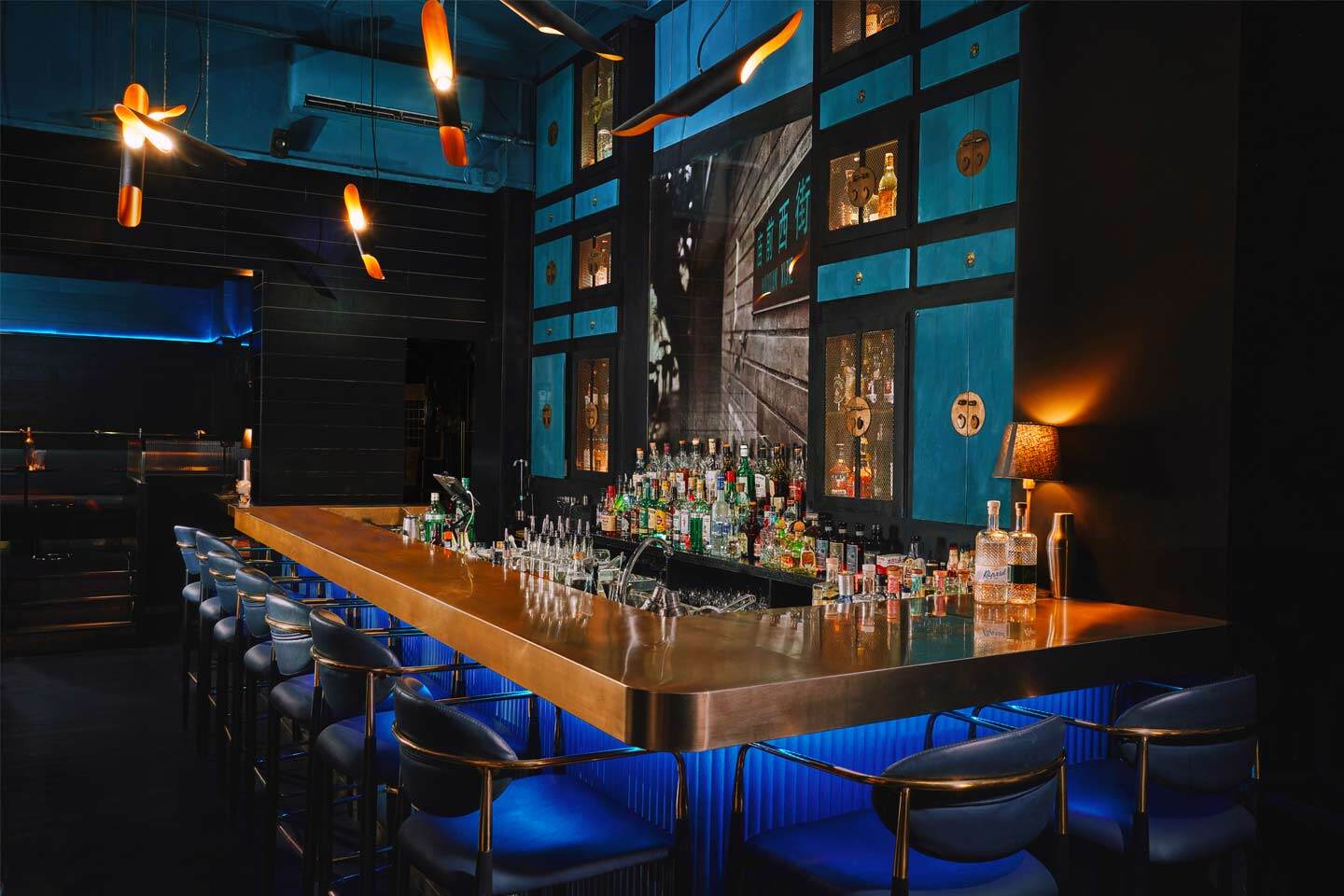
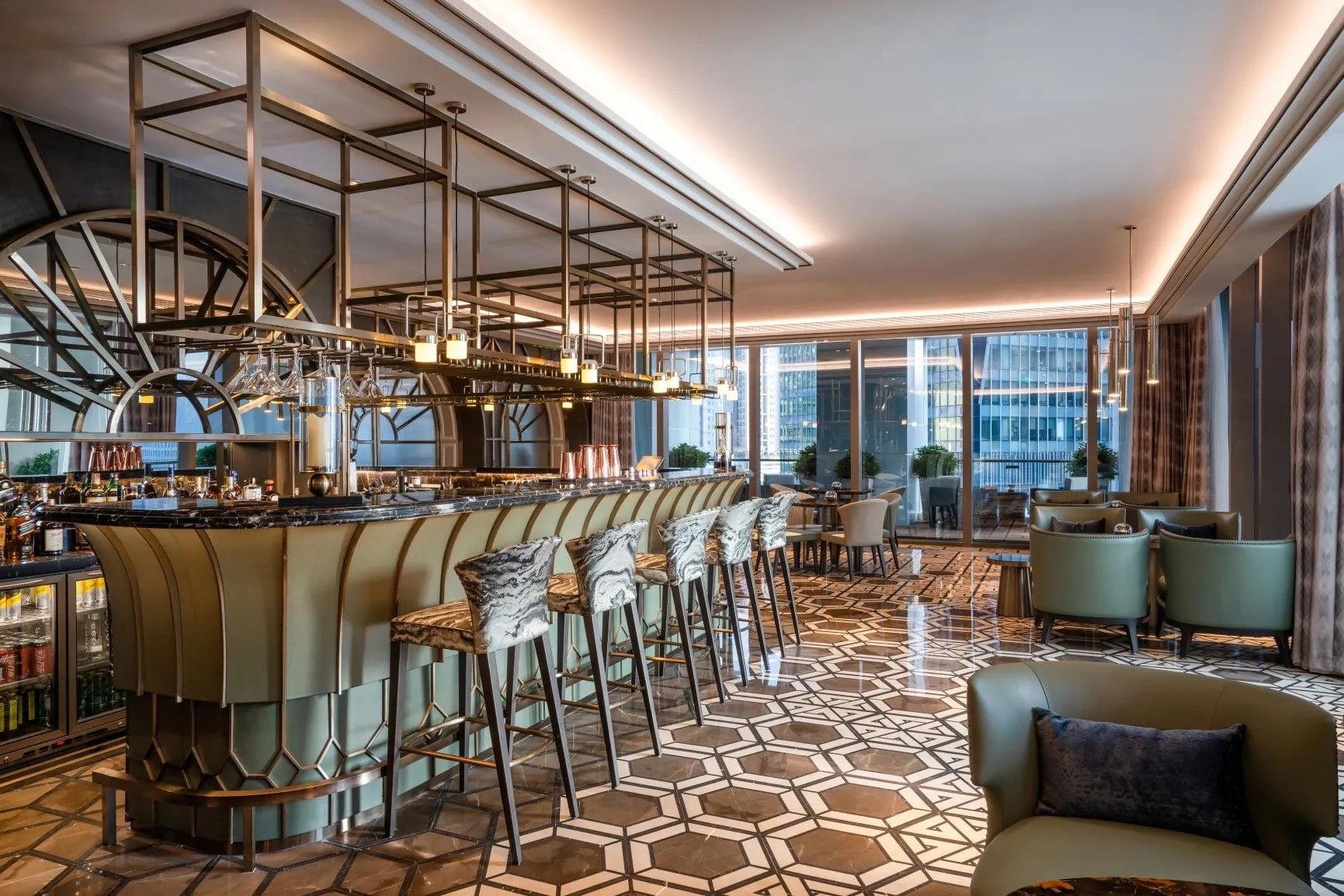
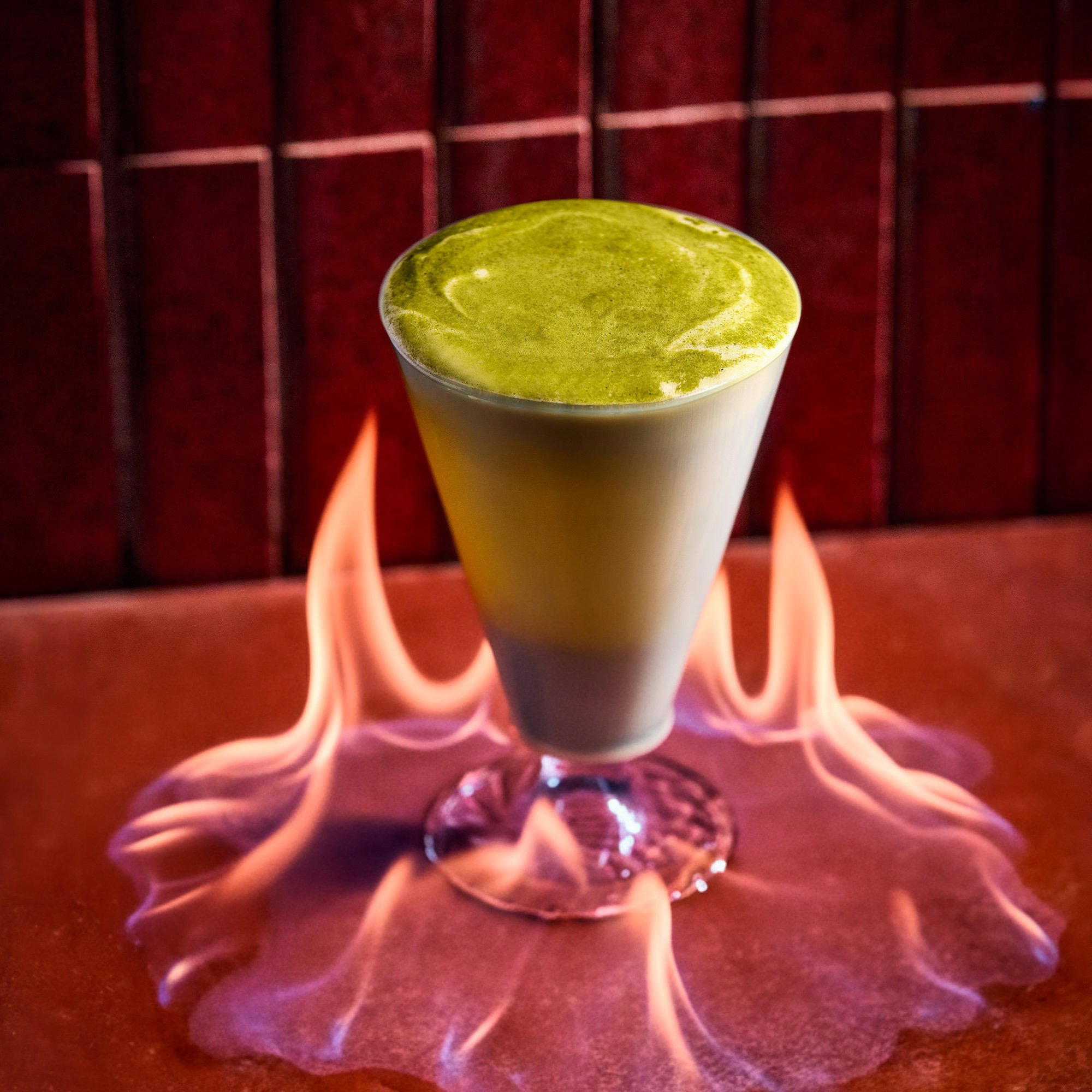
The same applies to drinking culture and evening planning. That makes comparison more useful than speculation. For a broader read on where the city drinks, the Guangzhou bars guide gives better context than unsupported claims about a specific hotel bar. For travelers interested in wine, the Guangzhou wineries guide and the Guangzhou experiences guide help map a stay beyond the hotel.
How ME Guangzhou fits the local hotel field
Guangzhou’s premium hotels tend to divide into several useful categories. The first is the international luxury tower: high-rise rooms, polished service systems, and strong appeal for business travelers who want predictability. The second is the convention and exhibition hotel, which is measured by event access and group flow. The third is the airport hotel, judged by transfer convenience and sleep quality between flights. The fourth is the smaller or more locally textured property, where neighborhood scale and identity carry more weight.
That caution is useful for readers. Many hotel pages overstate certainty, especially in cities with fast-changing inventory and uneven translation of brand standards across markets. Here, the hard facts are limited: the venue name is the hotel, and the city is Guangzhou, China. Those omissions do not make the property irrelevant; they simply shift the analysis toward what can be evaluated safely. In a market dense with established hotels, lack of published data should push travelers to confirm essentials before committing.
For a wider city comparison, the Guangzhou hotels guide is the natural starting point. It lets the hotel be read beside hotels with clearer location and operating identities, rather than as an isolated name. That matters in Guangzhou because the right hotel is often the one aligned with the trip’s geography. Canton Fair schedules, meetings in Tianhe, riverfront dining, airport departures, and heritage walks each produce different lodging logic. A design-led hotel can be compelling, but only if its location and facilities match the itinerary.
The practical planning position is simple: confirm directly before treating any unlisted detail as settled. Travelers should verify location, opening status, rates, cancellation terms, breakfast inclusions, room type, and any dining or bar access through official channels or a trusted travel advisor. In Guangzhou, those checks are not clerical. They affect whether a hotel works for early airport transfers, cross-river dinners, exhibition-center days, or late arrivals by high-speed rail.
Seasonality also changes the calculation. Guangzhou’s trade-fair periods bring compression to hotel availability and rates across the city, especially around Pazhou and central business districts. Humid summer weather also makes transit planning more consequential, since short distances can feel slower when heat, rain, and traffic coincide. In shoulder periods, travelers may have a wider choice across design-led, luxury, and business hotels.
Room selection should be handled with the same discipline. Any claim about a favored room would be invented. The stronger approach is to ask for the room’s size, bed configuration, noise exposure, bathroom arrangement, and view orientation before confirming. In Guangzhou’s high-rise hotel market, differences between room categories can be meaningful, but they vary by building and brand execution. Without official details, no single room type should be presented as the default choice.
China and beyond: useful comparison points
The hotel also belongs in a wider Chinese hotel conversation, where new-build luxury, heritage conversion, and design-led urban hotels often compete for the same traveler on different terms. Beijing has seen a growing appetite for courtyard-scale luxury and historic fabric, represented in EP Club’s coverage by Mandarin Oriental Qianmen in Beijing. Shanghai continues to balance international tower hotels and civic-scale urban addresses, including JW Marriott Hotel Shanghai at Tomorrow Square in Shanghai. Macau operates with spectacle, gaming, and integrated-resort architecture, which places Star Tower at Studio City Macau in Macau in a different hospitality universe from Guangzhou’s business-facing grid.
Secondary and regional comparisons sharpen the picture further. Tian Ranju Inn in Tian Tou Zhai suggests a rural or village-scale mode of lodging, far from Guangzhou’s urban commercial pulse. Conrad Urumqi in Urumqi, Conrad Xiamen in Xiamen, and InterContinental Chongqing Raffles City in Chongqing show how large hotel brands adapt to different Chinese city forms: inland scale, coastal outlook, and megastructure urbanism. The Hanyu Garden Reserve Suzhou in Suzhou and Qiushui Villa in Hangzhou bring garden culture and heritage mood into the comparison, reminding travelers that design can mean restraint and landscape relationship rather than height or gloss.
International analogies are helpful when used carefully. The Fifth Avenue Hotel in New York City belongs to a design-rich urban hotel tradition shaped by neighborhood identity and adaptive architecture. Hôtel de Paris Monte-Carlo in Monte Carlo represents grand-hotel ceremony tied to civic myth and casino culture. Badrutt's Palace Hotel in St. Moritz is tied to Alpine seasonality and social ritual. Guangzhou is not trying to be any of those places. Its hotel culture is more transactional, food-literate, and infrastructure-driven. That is precisely why a design-led property has to prove that its aesthetic choices support the way the city is used.
Editorial verdict
The hotel is a name to treat with interest and caution. Interest, because Guangzhou can use more hotels that think beyond neutral corporate interiors and engage the city through architecture, mood, and public-space identity. In an EP Club context, that means the hotel should be read as a design-led candidate within Guangzhou rather than a fully documented critical recommendation.
The sensible traveler frames it against purpose. For a Cantonese food itinerary, neighborhood access may matter more than brand language. For trade-fair travel, transport and event proximity can dominate the decision. For a design-led city weekend, lobby atmosphere, room character, and public spaces become more important, but those should be verified through current official materials before committing. Guangzhou rewards specificity. The right hotel is rarely the grandest name in isolation; it is the property whose location, room category, dining access, and service rhythm match the trip.
Reputation & Price
Comparable venues nearby, for context on price, style, and recognition.
| Venue | Price | Awards | Notes |
|---|---|---|---|
| ME GuangzhouThis venue — the venue you are viewing | $$$$ | 5-Star | Not listed |
| White Swan Hotel | $$$$ | 5-Star | Shamian Island, Luxurious urban resort with heritage charm on Shamian Island |
| W Guangzhou | $$$$ | 5-Star | Guangzhoushi, Modern luxury lifestyle hotel blending heritage and innovation |
| The Ritz-Carlton, Guangzhou | $$$$ | 5-Star | Guangzhoushi, Modern luxury high-rise with renovated Club Lounge and suites |
| New World Guangzhou Hotel | $$$ | 5-Star | Baiyun New Town, Upper-upscale urban business and leisure hotel with generous event spaces and contemporary facilities in a new-planned district. |
| InterContinental Guangzhou Exhibition Center | $$$$ | 5-Star | Guangzhoushi, Luxury business hotel in exhibition district with riverfront location |
At a Glance
- Modern
- Elegant
- Sophisticated
- Trendy
- Business Trip
- Weekend Escape
- Celebration
- Group Retreat
- Waterfront
- Design Destination
- Panoramic View
- Skyline
- Waterfront
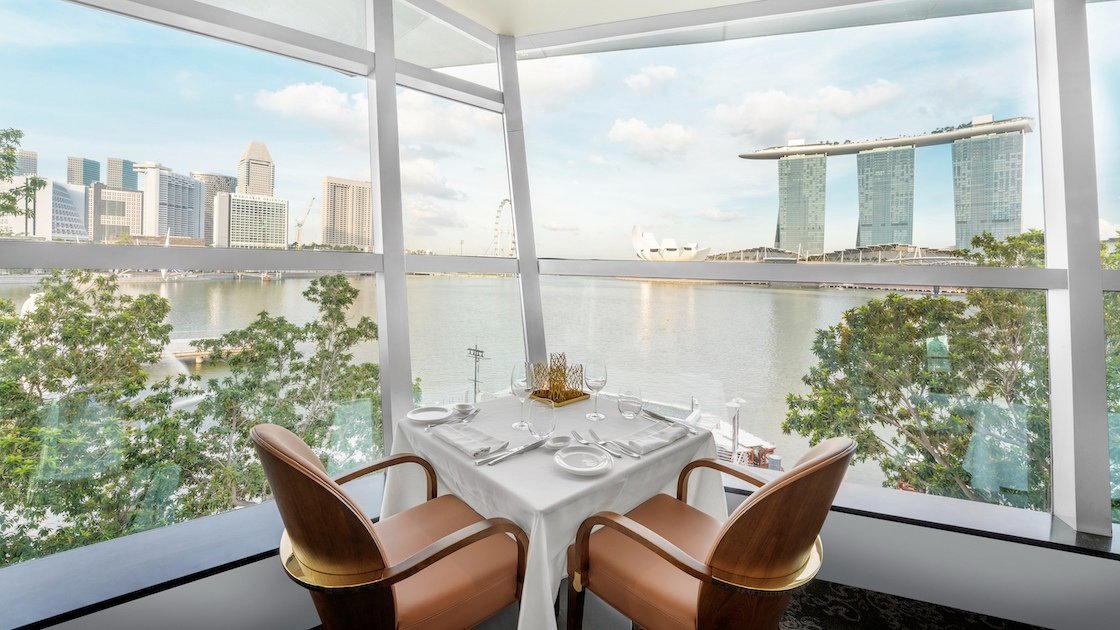
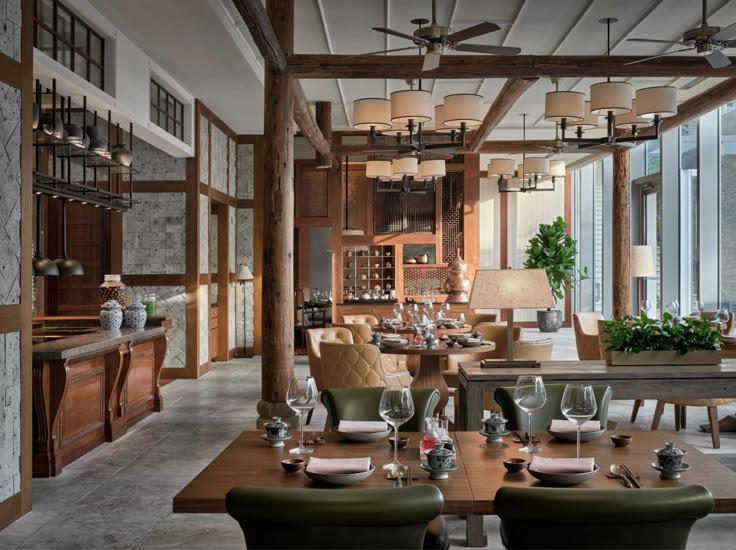
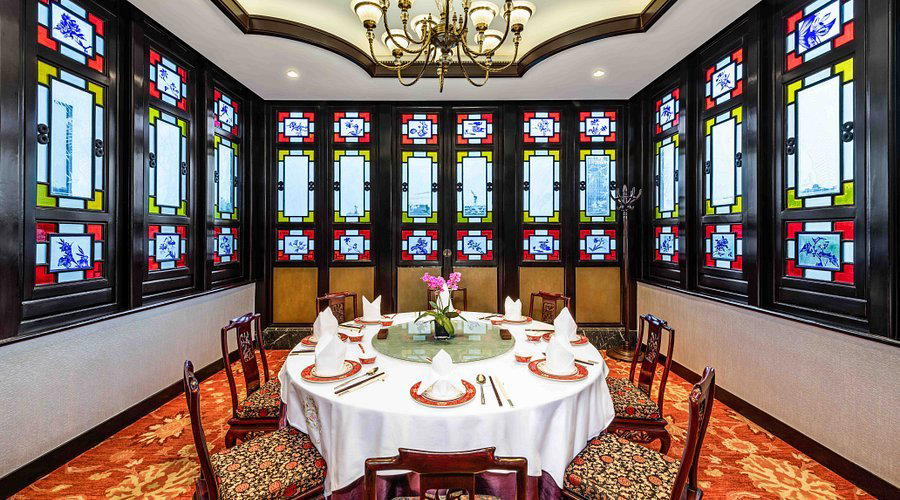
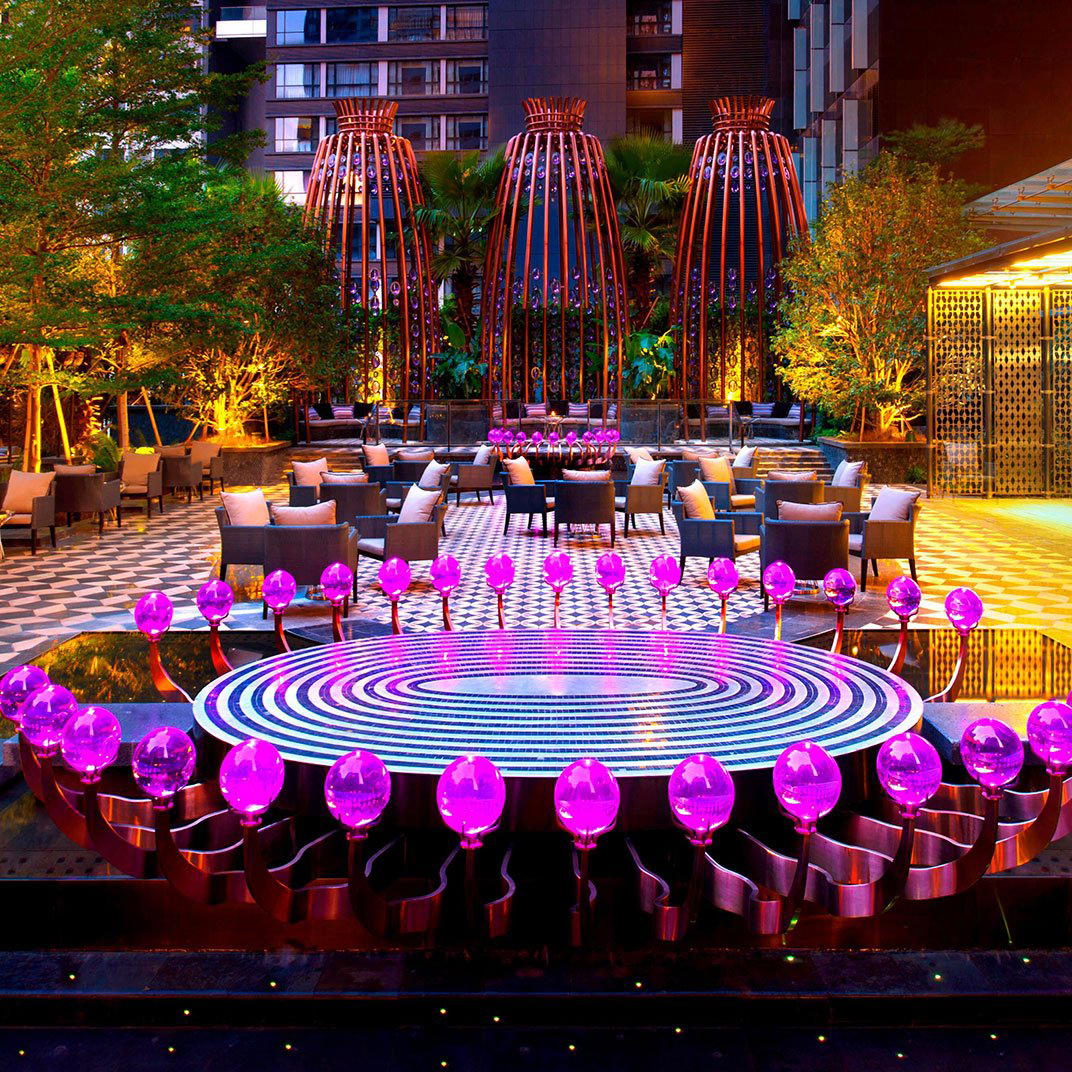
Positioned as a rich, design‑forward urban sanctuary that blends avant‑garde art, fashion and music with a polished, cosmopolitan atmosphere.