
On the Alzaia Naviglio Grande, Maison Borella occupies one of Milan's most architecturally resonant canal-side addresses, where 19th-century industrial fabric has been reinterpreted for contemporary hospitality. The property sits within the Navigli district's working creative corridor, positioning it as a counterpoint to the formal luxury hotels concentrated around the Quadrilatero. For travellers who read a city through its built environment, this is a deliberate choice.
Pearl is the En Primeur Club membership app — saves, bookings, and concierge access live there. Same editors, same standards.
- Address
- Alzaia Naviglio Grande, 8, 20144 Milano MI, Italy
- Phone
- +39 02 5810 9114
- Website
- hotelmaisonborella.com
- Directions
- Get directions
 Saves & bookings on Pearl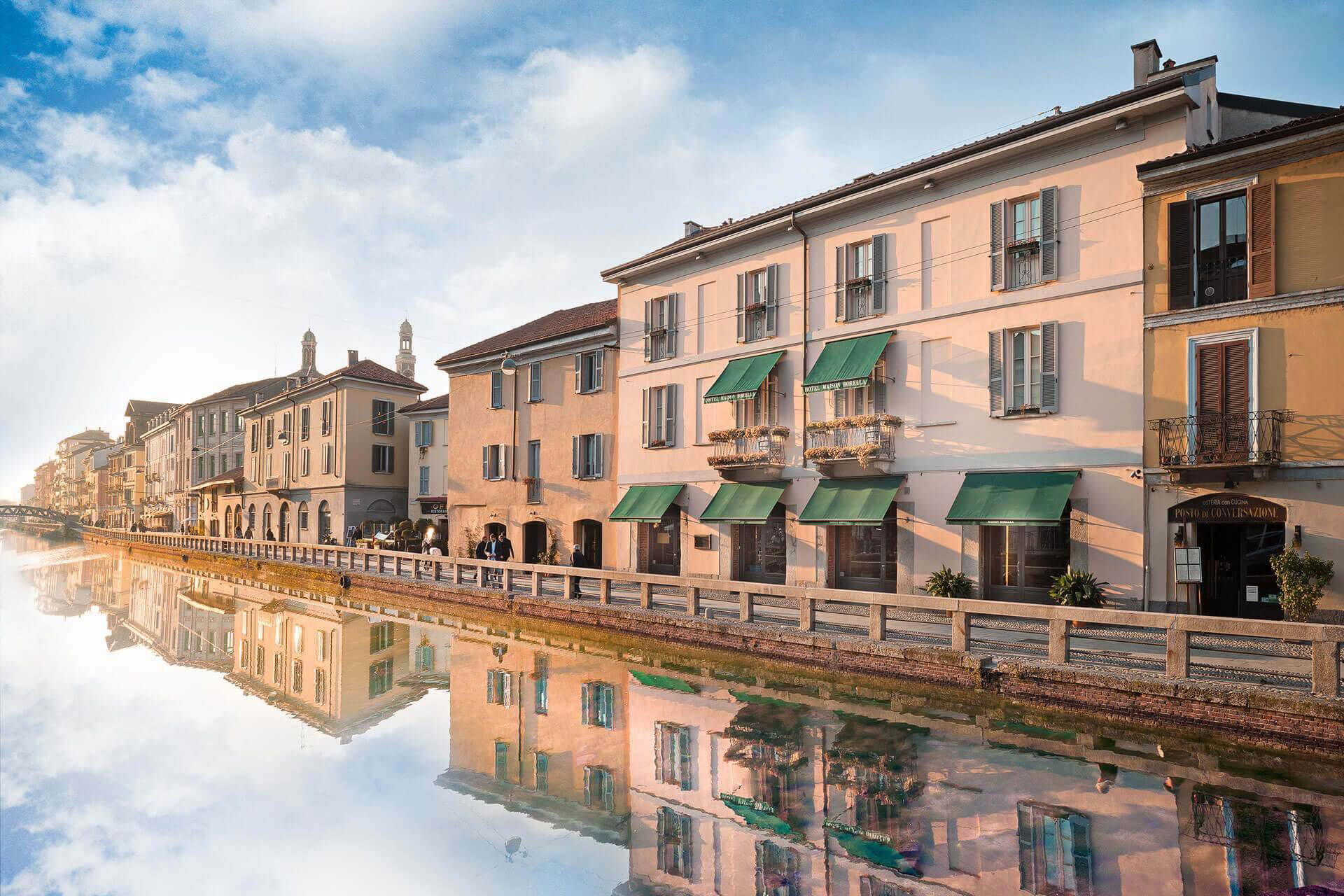
A Canal Address That Earns Its Setting
The Navigli district arrived at its current reputation through decades of organic change. The canal network that once moved marble and building stone into the city's centre became, over the 20th century, a corridor for workshops, then galleries, then bars. Alzaia Naviglio Grande, the main towpath running alongside the larger of the two canals, retains traces of every era: 19th-century warehouse facades sit beside aperitivo bars, and the occasional surviving fondamenta steps lead directly to the water. Maison Borella, at number 8 on that address, occupies a position on this strip that carries architectural weight independent of whatever hospitality operation fills it.
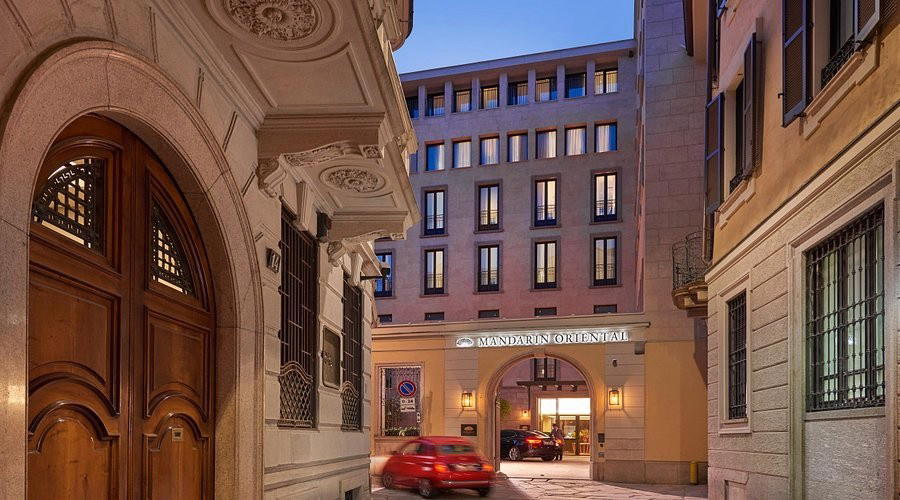
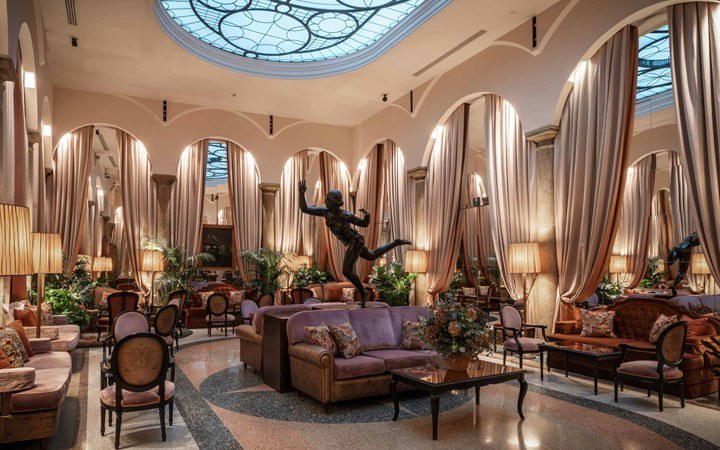
This matters for travellers. Milan's conventional luxury hotel tier, represented by properties such as the Bvlgari Hotel Milan, the Mandarin Oriental Milan, and the Hotel Principe di Savoia, Dorchester Collection, clusters around the Quadrilatero della Moda and the historic centre. These are architecturally significant in their own terms, but they situate the guest within a district that functions largely as a luxury retail and business environment. The Navigli offers a different proposition: a neighbourhood that still behaves like a neighbourhood, where the morning market along the canal and the evening aperitivo crowd occupy the same public space.
The Architecture of the Property
Canal-side hospitality in Northern Italian cities tends toward one of two approaches: full preservation of the industrial shell, which can read as studied or even self-conscious, or wholesale modernisation that strips the building of the texture that made the address interesting in the first place. The more considered properties find a third position, where the original structural logic of the building is legible but the interior is genuinely liveable rather than curated as heritage display. In the Navigli context, where the buildings along the Alzaia were designed for function rather than appearance, this requires particular restraint in material choices and intervention scale.
Maison Borella's address at Alzaia Naviglio Grande 8 places it within a stretch of the canal that retains consistent architectural character. The properties along this section of the towpath tend to present relatively narrow facades to the street, with depth running back from the canal, a typology inherited from the commercial and storage functions the buildings originally served. Working with that footprint rather than against it is a precondition for any credible interior outcome here. Properties that have attempted to impose a grand-hotel spatial logic onto these elongated canal-side structures typically produce something that feels awkward in both directions: too constrained to read as luxury, too altered to read as authentic.
Navigli as a Design District Context
The neighbourhood around Maison Borella operates as one of Milan's design and creative zones, particularly during the Salone del Mobile period each April, when the Fuorisalone installations extend into the Navigli and the surrounding streets fill with the architecture and design community. Staying on the Alzaia during that period means proximity to events that are logistically difficult to access from the city's more formal hotel districts, where taxi and transit pressure becomes significant. Outside of Salone season, the canal-side location provides immediate access to the aperitivo and restaurant circuit that runs along both the Naviglio Grande and the Naviglio Pavese, which joins it a short distance away.
For comparison, properties with a similarly design-led positioning in other Italian contexts include Castello di Reschio in Lisciano Niccone, where the architectural intervention is a wholesale estate restoration, and Passalacqua in Moltrasio, where the building's 18th-century identity is the primary design statement. Both represent a commitment to the physical environment as the central hospitality argument. The hotel makes the same argument at a different scale and in an urban rather than rural register.
Where It Sits in Milan's Broader Hotel Picture
Milan's hotel offering has expanded considerably in the past decade, with new entrants including Portrait Milano and Vico Milano joining the established roster at the premium end. At the design-led and character-property tier, the Navigli location gives the hotel a genuine differentiator: no other address in Milan combines canal-side architecture with direct neighbourhood integration at this level. The 3Rooms 10 Corso Como and the adjacent 10 Corso Como Café in the Porta Nuova area occupy a comparable design-culture niche but within a commercial retail context rather than a residential and workshop one. The Grand Hotel et de Milan represents the historic-palazzo tier, with a different set of architectural references entirely.
Travellers planning itineraries that extend beyond Milan to other Italian properties should note the regional logic. Aman Venice occupies a palazzo position on the Grand Canal that rhymes architecturally with the Navigli premise of a working waterway repurposed for contemporary use, though at a significantly different scale and price tier. Further south, Casa Maria Luigia in Modena, Borgo Santandrea on the Amalfi Coast, and Four Seasons Hotel Firenze each represent the full-conversion approach to historic structures that the Navigli context only partially permits given the scale of the buildings involved.
Planning a Stay
The Alzaia Naviglio Grande is accessible from Milan Centrale and Cadorna by tram and metro, with Porta Genova FS one direct rail connection. The canal-side location means the immediate area is leading navigated on foot or by bicycle, particularly in the evening when the towpath fills with the aperitivo crowd that has made this stretch of Milan one of its most concentrated social zones.
How It Stacks Up
Comparable venues nearby, for context on price, style, and recognition.
| Venue | Cuisine | Price | Awards | Notes |
|---|---|---|---|---|
| Maison BorellaThis venue — the venue you are viewing | Charming 18th-century balustrade house with modern comforts and internal courtyard. | $$$$ | 4-Star | Not listed |
| Crossing Manzoni | Design-infused townhouse guesthouse blending art, antiques, and modern aesthetics. | $$$$ | 4-Star | Duomo |
| Room Mate Giulia | Contemporary boutique blending traditional materials with modern design | $$$$ | 4-Star | Duomo |
| Hyatt Centric Milano Centrale | Contemporary design hotel in renovated high-rise with stylish rooms and lively public spaces. | $$$ | 4-Star | Stazione Centrale - Ponte Seveso |
| Starhotels Anderson | Metropolitan chic design hotel | $$$ | 4-Star | Stazione Centrale - Ponte Seveso |
| STRAF | Boutique design hotel in Art Deco building with contemporary interiors. | $$$$ | 4-Star | Duomo |
Recognition history
Dated appearances from independent guides and award organizations, with the underlying list record or original source where available.
Michelin Selected
Michelin
Continue exploring
More in Milan
Hotels in Milan
Browse all →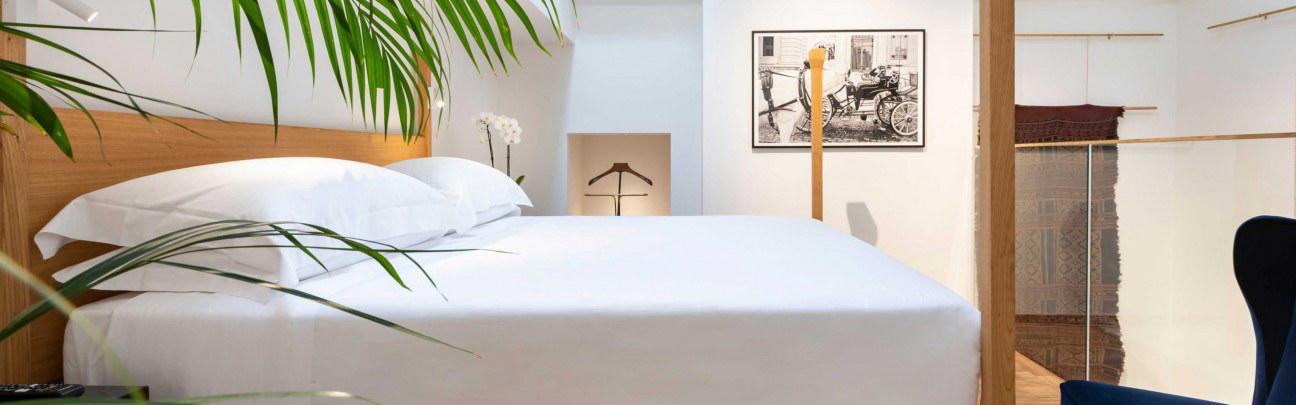
Bars in Milan
Browse all →
Restaurants in Milan
Browse all →

At a Glance
- Elegant
- Cozy
- Romantic
- Intimate
- Sophisticated
- Romantic Getaway
- Weekend Escape
- Waterfront
- Terrace
- Historic Building
- Wi Fi
- Restaurant
- Room Service
- Concierge
- Waterfront
- Street Scene
- Wi Fi
- Restaurant
- Room Service
- Concierge
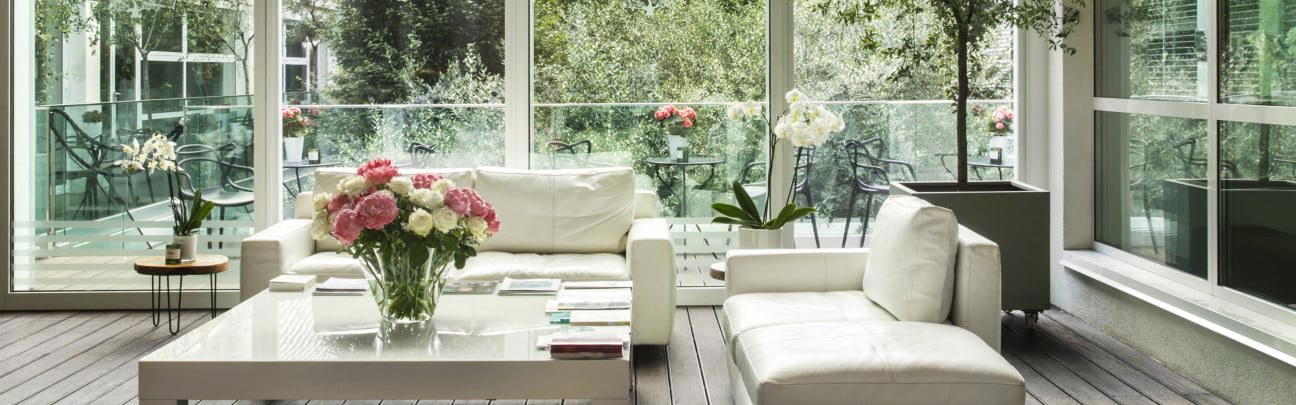
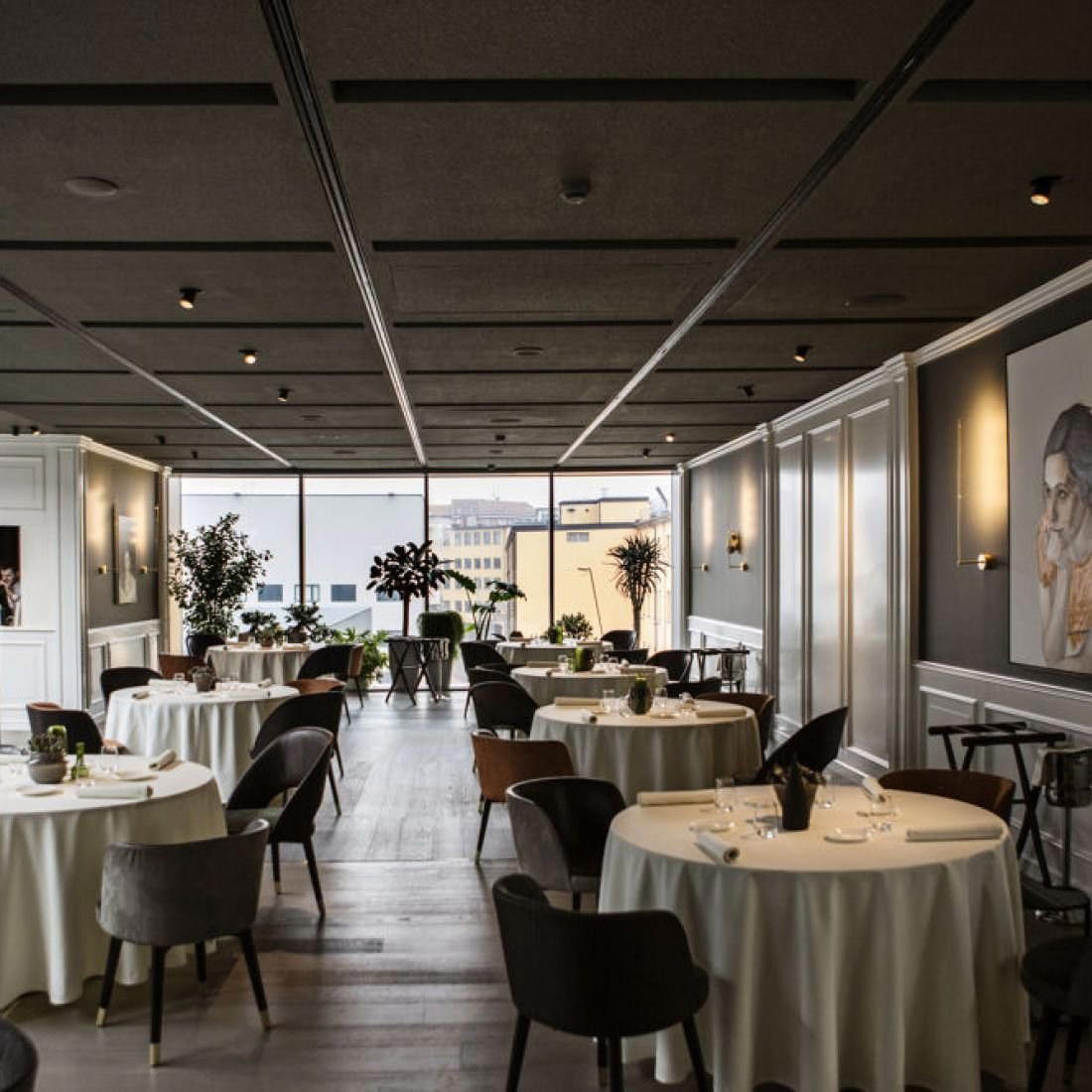
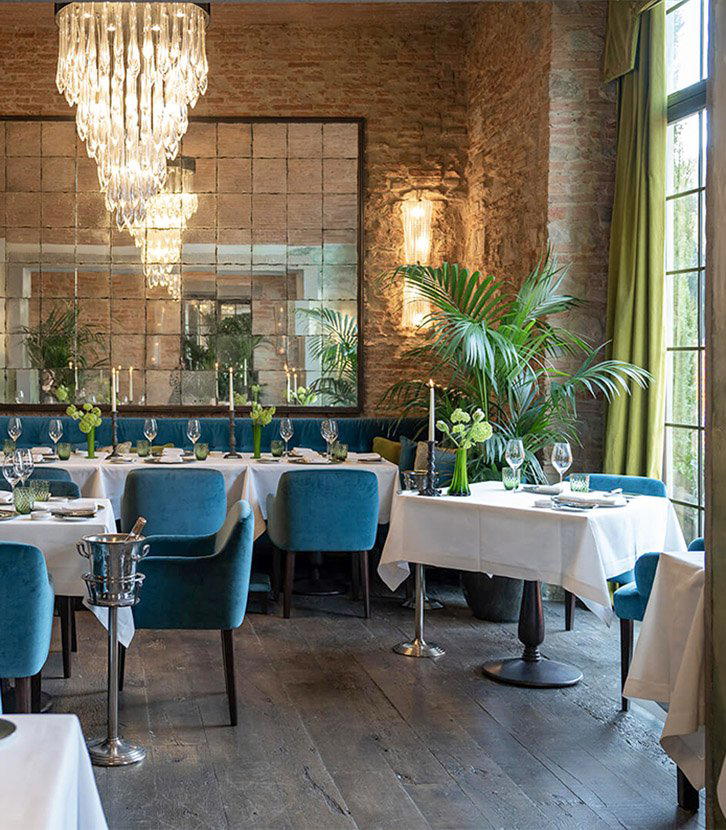
Cozy and elegant with exposed wooden beams, soft lighting in common areas, and a relaxing winter garden atmosphere praised in guest reviews.