
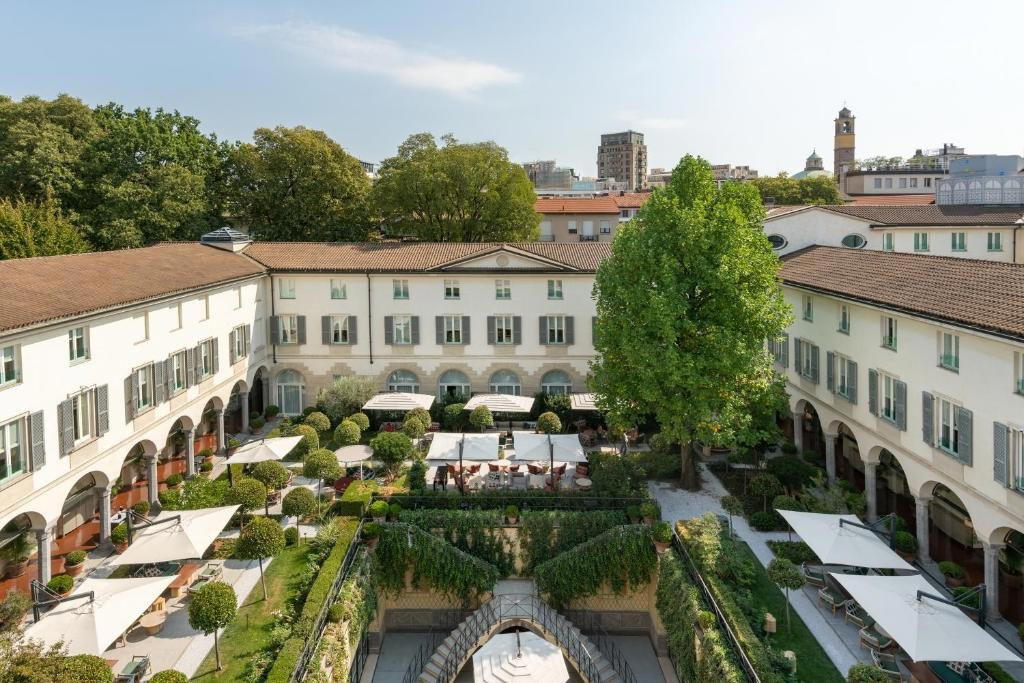
A Michelin Selected boutique property on Via Gerolamo Morone 6, Crossing Manzoni occupies one of Milan's most considered addresses, steps from the Quadrilatero della Moda and the cultural corridor that links La Scala to the Brera. The hotel sits in the smaller, design-led tier of Milan hospitality, where low key counts and neighbourhood integration matter as much as amenity lists.
Pearl is the En Primeur Club membership app — saves, bookings, and concierge access live there. Same editors, same standards.
- Address
- Via Gerolamo Morone, 6, 20121 Milano MI, Italy
- Phone
- +39 02 8689 1160
- Website
- crossingmanzoni.it
- Directions
- Get directions
 Saves & bookings on Pearl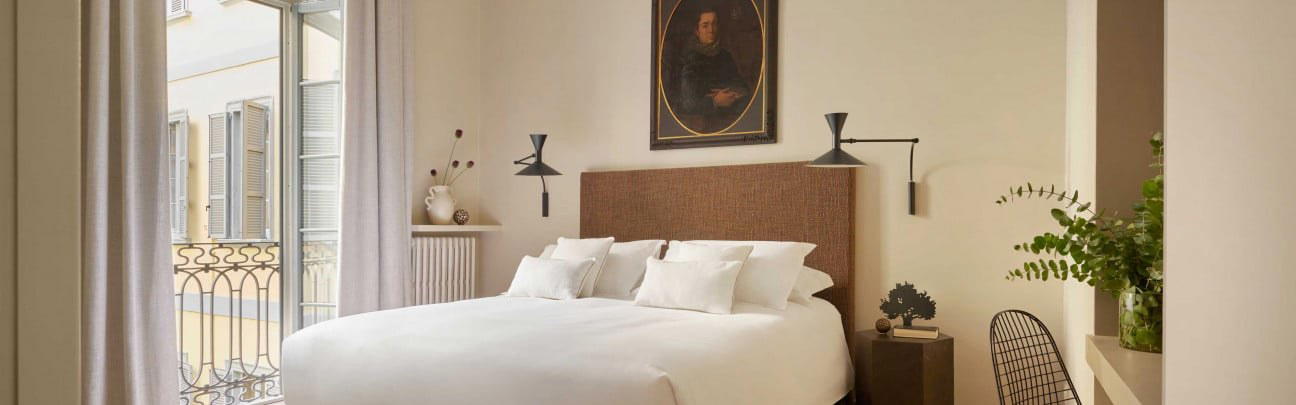
A Quiet Address in a Loud City
Via Gerolamo Morone runs parallel to Via Manzoni, one of Milan's central arteries, close enough to the Quadrilatero della Moda to feel the city's commercial pulse but sufficiently removed to keep the street quiet. The logic of that position matters for understanding what Crossing Manzoni is. Milan's premium hotel tier has, over the past decade, split into two recognisable camps: the grand-scale flagships, large-footprint properties with spa complexes, multiple restaurants, and ballroom infrastructure, and a smaller cohort of intimate, often independently operated hotels that trade on discretion, neighbourhood specificity, and design restraint. Crossing Manzoni belongs firmly to the second group.
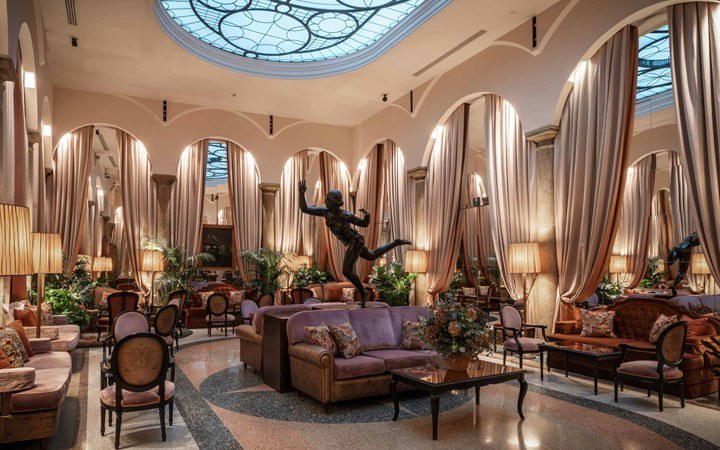
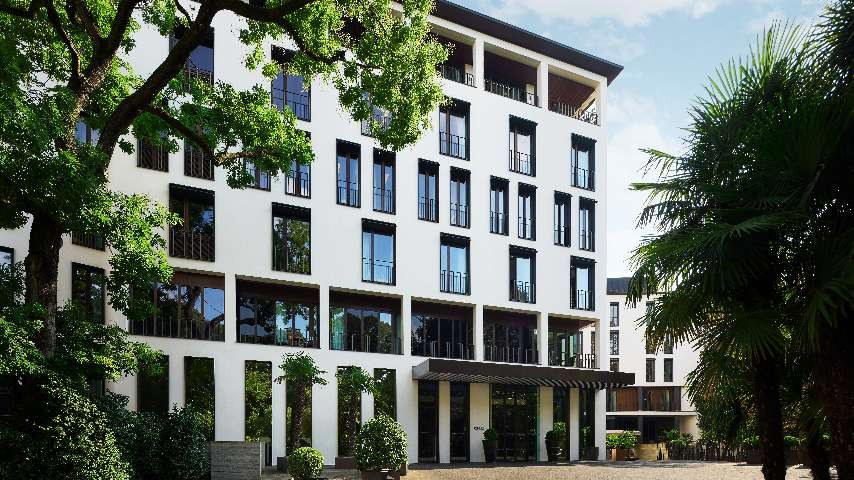
For comparison, the dominant properties in Milan's luxury market, the Bvlgari Hotel Milan, Mandarin Oriental Milan, Hotel Principe di Savoia, Dorchester Collection, and the historic Grand Hotel et de Milan, each operate at a scale and brand weight that makes them landmarks in their own right. Crossing Manzoni does not compete on those terms. Its Michelin Selected recognition for 2025 signals something more precise: that the guide's hospitality editors found the property coherent and characterful enough to recommend.
The Boutique Position and What It Implies
Michelin's hotel selection, separate from its restaurant guide, applies criteria that reward thoughtful design, consistency of experience, and a clear sense of place. A Michelin Selected designation does not indicate scale; it indicates editorial confidence. Among Milan's smaller properties, that kind of third-party validation matters because it separates hotels with genuine character from those that simply occupy a convenient address. Portrait Milano and Vico Milano represent other points in Milan's boutique segment, each with a distinct positioning: Portrait is attached to the Ferragamo family's retail and lifestyle universe; Vico leans toward a local Milanese residential sensibility. The hotel's address on Via Morone, directly adjacent to the Manzoni literary district and a short walk from the Brera, places it in a neighbourhood that carries cultural weight rather than purely commercial traffic.
That neighbourhood calibration is not incidental. Milan's Brera and Montenapoleone corridors attract a specific kind of traveller: one who schedules gallery visits alongside showroom appointments, who treats the city's design week or fashion calendar as a working itinerary rather than a spectacle. A hotel positioned between those two zones, at a scale that does not overwhelm a two-night stay with amenity noise, suits that pattern well.
Design-Led Hospitality and the Sustainability Question
The editorial angle that makes smaller Milan properties worth examining in 2025 is sustainability, not in the greenwashing sense, but in the more demanding sense of whether a hotel's physical and operational choices hold up to scrutiny. Large-format luxury hotels face a structural tension here: their spa complexes, pool infrastructure, and food-and-beverage operations carry resource footprints that boutique properties simply do not generate at the same scale. A low-key-count hotel on a tight urban footprint, by its nature, operates with lower energy and water demands per square metre than a 200-room flagship.
That structural advantage does not automatically translate into active environmental commitment, but it does create conditions where responsible choices are less costly to implement. Milan's city government has been progressively tightening energy efficiency requirements for commercial buildings in the historic centre, and properties that have undergone recent renovation cycles are increasingly expected to meet those standards. For travellers who apply environmental criteria to accommodation choices, a cohort that has grown substantially in the premium segment since 2020, a smaller property with a recent fit-out and a city-centre footprint represents a lower-impact base than a full-scale resort operation.
Italy's boutique hotel sector more broadly has also been slower than northern European markets to formalise sustainability credentials, which means that for now, operational choices matter more than certification labels when assessing a property's actual practices. Its scale and category position it in the tier where those choices are at least structurally tractable.
Planning a Stay: The Practical Frame
Via Gerolamo Morone 6 sits within walking distance of the Montenapoleone metro stop (M3 line), making the hotel accessible from both Linate and Malpensa without requiring a taxi for the final stretch if you arrive light. The Brera Pinacoteca, which holds one of northern Italy's most significant collections of Italian Renaissance painting, is a ten-minute walk north. La Scala is roughly equidistant in the other direction.
Booking is recommended. Those planning around those periods should factor in lead times of several months.
Travellers who want to stay in the same Manzoni-adjacent zone at a different scale point should note that 3 Rooms 10 Corso Como Milano and the 10 Corso Como Café concept represent the northern Brera end of the boutique spectrum, while properties like the Bvlgari Hotel Milan define the ceiling of the city's luxury market. The hotel occupies a different band: more intimate than either extreme, and positioned for a traveller whose priority is neighbourhood texture over amenity breadth.
Italy in Context: Where Crossing Manzoni Sits in the Wider Network
Milan functions as a gateway city for Italian travel itineraries that extend south or east. Properties like Passalacqua in Moltrasio on Lake Como are accessible in under an hour. Further afield, Aman Venice represents the premium end of the Veneto market, while Four Seasons Hotel Firenze anchors central Tuscany. For those building an itinerary that combines city and coastal segments, Borgo Santandrea on the Amalfi Coast and Il San Pietro di Positano represent the southern coastal tier, while Rosewood Castiglion Del Bosco in Montalcino and Castello di Reschio in Lisciano Niccone define the Tuscan estate format.
Booking and Cost Snapshot
Comparable venues nearby, for context on price, style, and recognition.
| Venue | Price | Awards | Notes |
|---|---|---|---|
| Crossing ManzoniThis venue — the venue you are viewing | $$$$ | 4-Star | Not listed |
| STRAF | $$$$ | 4-Star | Duomo, Boutique design hotel in Art Deco building with contemporary interiors. |
| Radisson Collection Hotel, Palazzo Touring Club Milan | $$$$ | 5-Star | Duomo, Luxury historic palazzo with modern renovations preserving Art Nouveau charm. |
| Room Mate Giulia | $$$$ | 4-Star | Duomo, Contemporary boutique blending traditional materials with modern design |
| Maison Borella | $$$$ | 4-Star | Porta Ticinese - Conchetta, Charming 18th-century balustrade house with modern comforts and internal courtyard. |
| Rocco Forte House, Via Manzoni, Milano | $$$$ | 5-Star | Duomo, 19th-century palazzo with private apartments |
Recognition history
Dated appearances from independent guides and award organizations, with the underlying list record or original source where available.
Mr & Mrs Smith Smith Seal of Approval
Mr & Mrs Smith
Michelin Selected
Michelin
Continue exploring
More in Milan
Hotels in Milan
Browse all →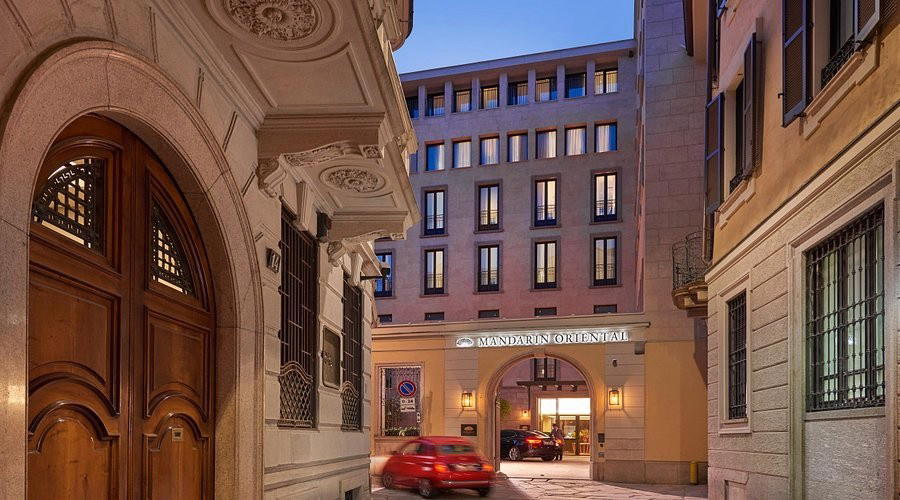
Bars in Milan
Browse all →
Restaurants in Milan
Browse all →
At a Glance
- Sophisticated
- Elegant
- Modern
- Intimate
- Trendy
- Romantic Getaway
- Business Trip
- Weekend Escape
- Design Destination
- Historic Building
- Wi Fi
- Air Conditioning
- Concierge
- Room Service
- Street Scene
- Wi Fi
- Air Conditioning
- Concierge
- Room Service
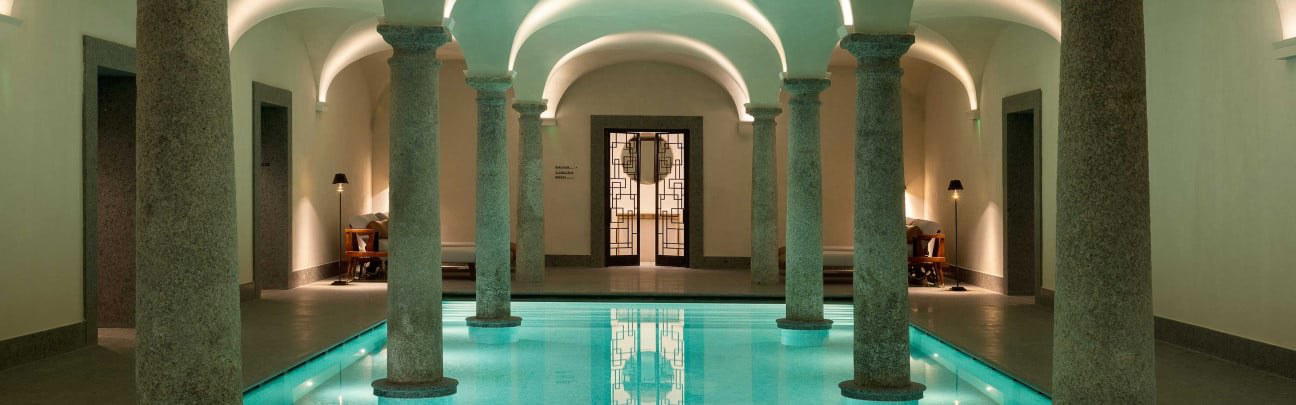
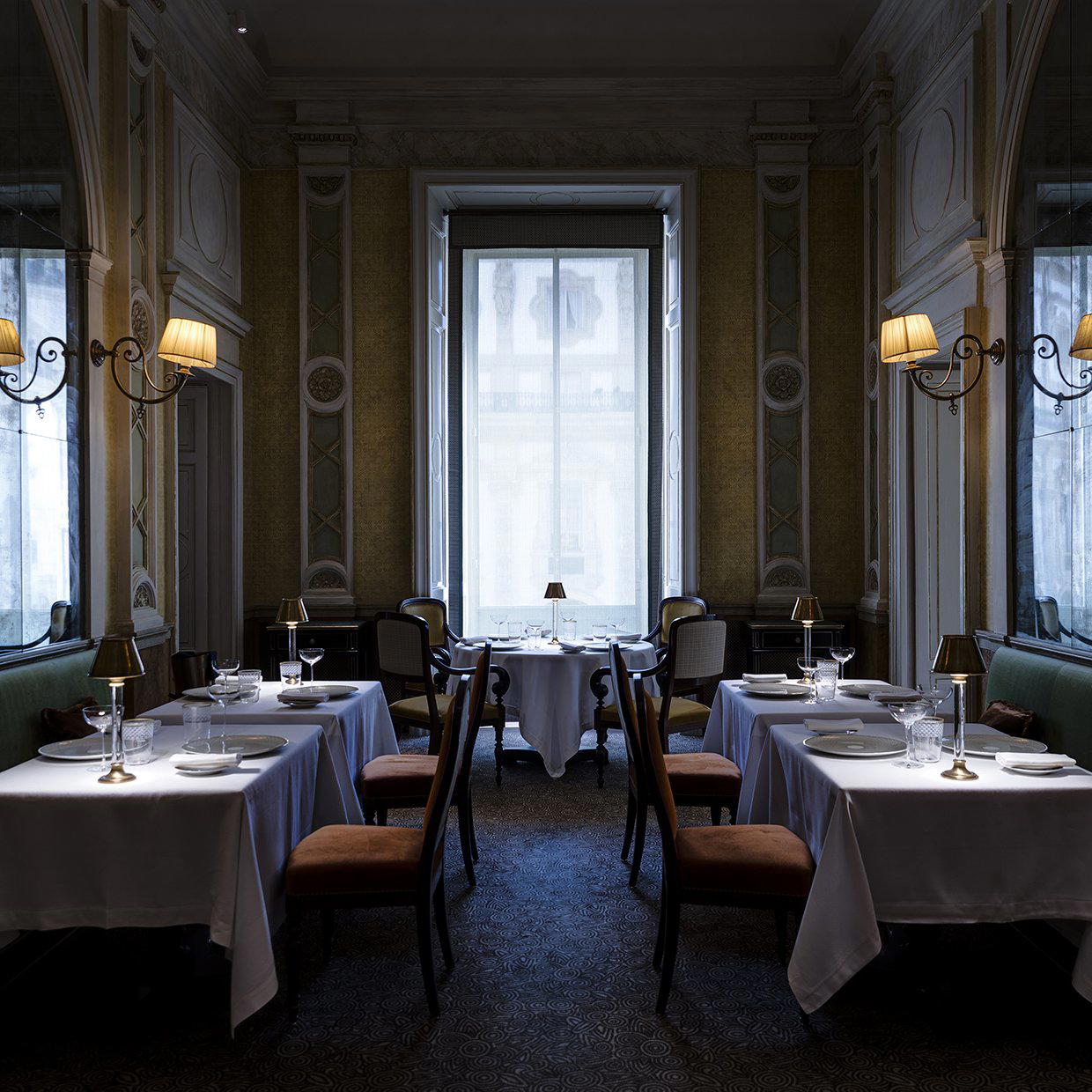
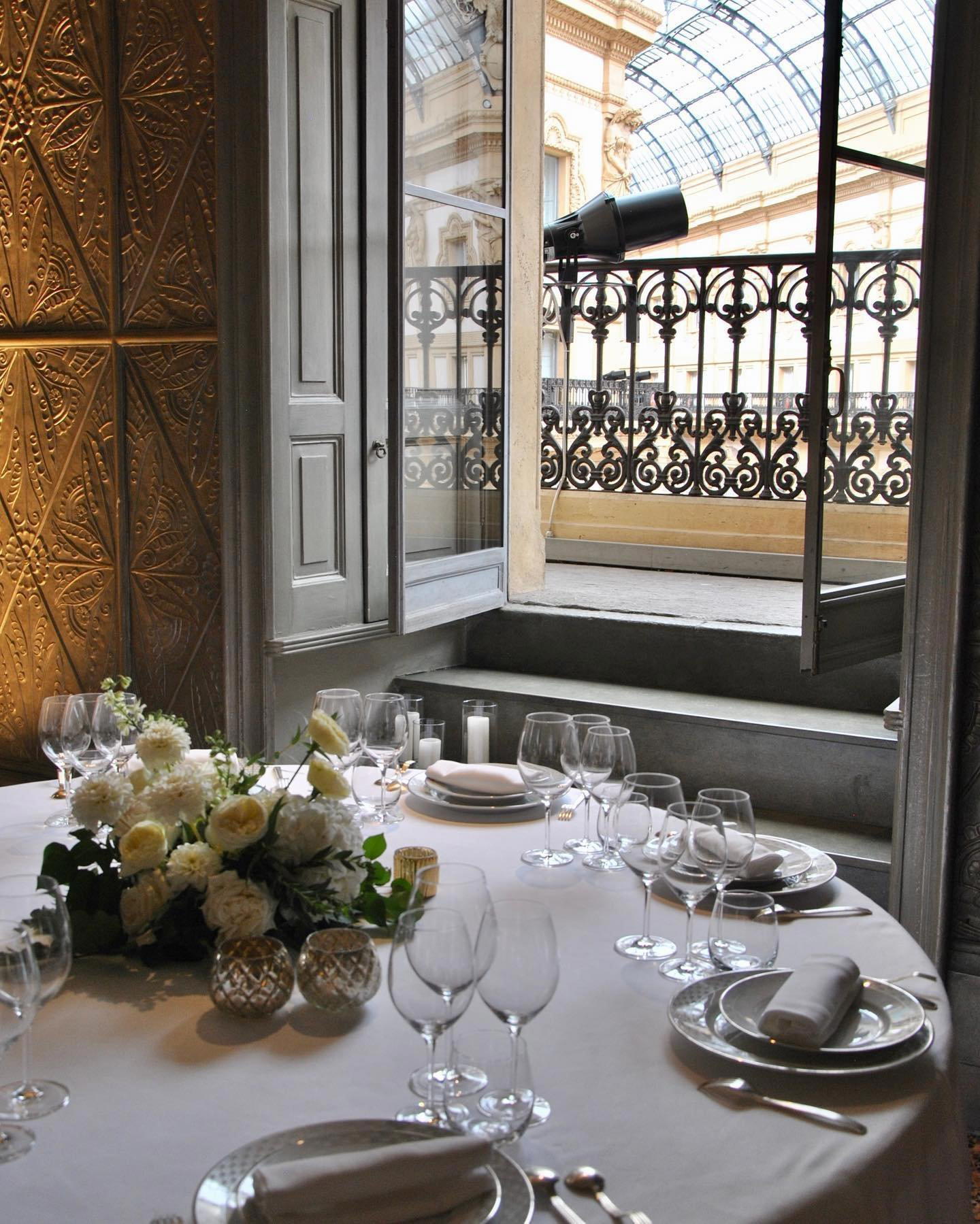
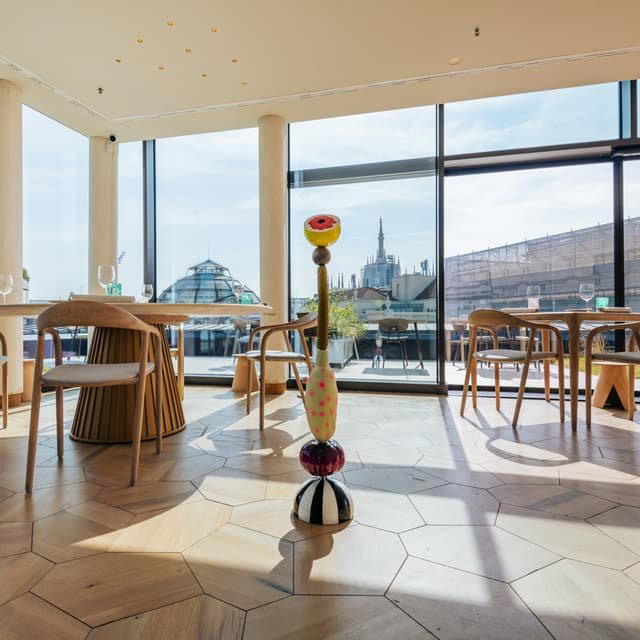
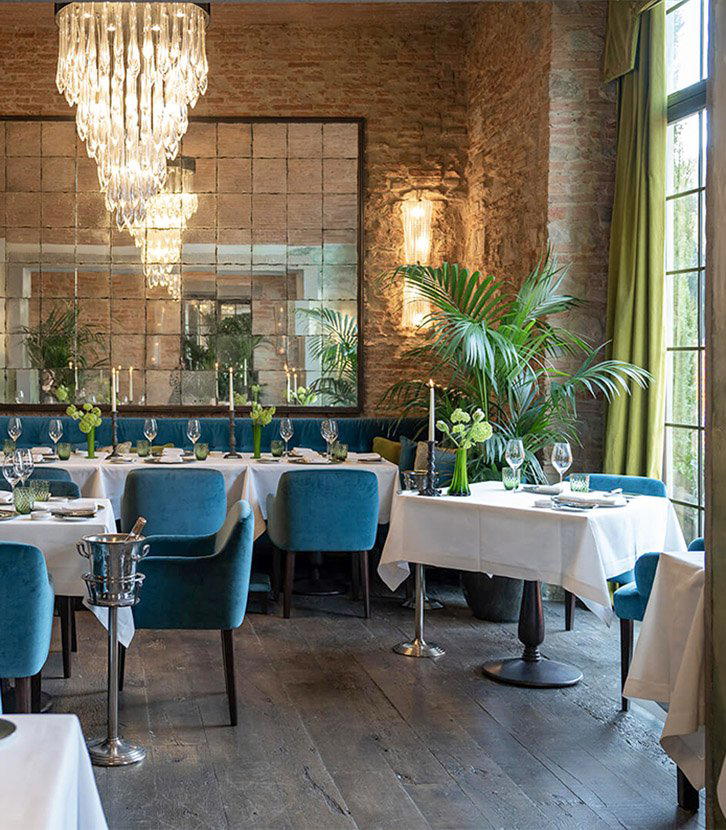
Sophisticated and elegant atmosphere featuring decadent art nouveau flourishes, statement art pieces, dreamy slate-grey tones, and minimalist lounge spaces.