

A 19th-century Milanese palazzo reshaped by fashion designer Vincenzo de Cotiis into one of the city's most architecturally striking hotel addresses. STRAF sits steps from the Duomo on Via San Raffaele, where raw concrete, oxidised metal, and layered stone replace the conventional luxury hotel palette. For travellers who read a hotel's material choices as seriously as its location, this is a considered alternative to Milan's more established grand hotel tier.
Pearl is the En Primeur Club membership app — saves, bookings, and concierge access live there. Same editors, same standards.
- Address
- Via S. Raffaele, 3, 20121 Milano MI, Italy
- Phone
- +39 02 805081
- Website
- straf.it
- Directions
- Get directions
 Saves & bookings on Pearl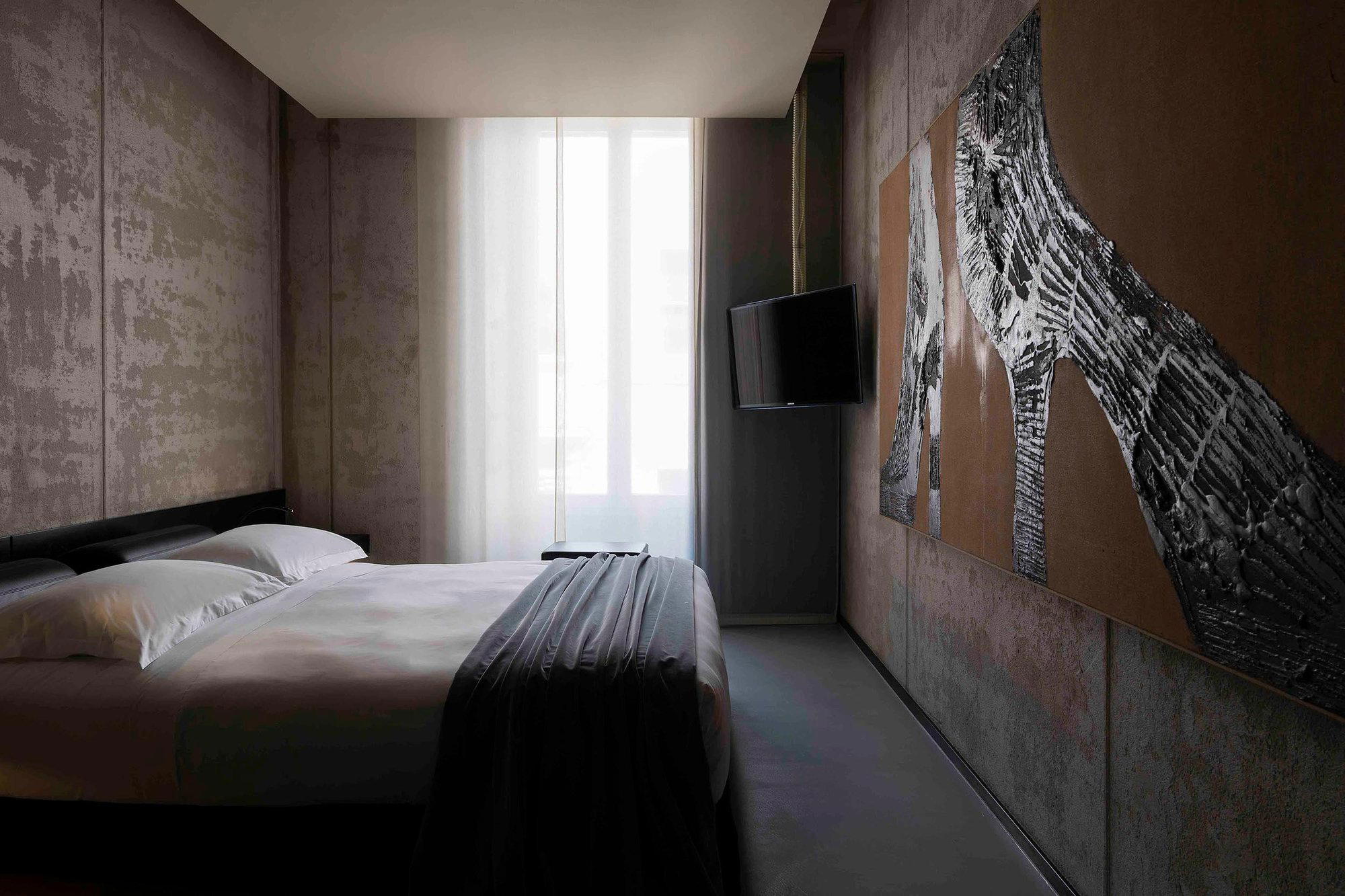
A Different Grammar of Milanese Luxury
The block between the Galleria Vittorio Emanuele II and Via San Raffaele is among the more trafficked stretches of central Milan, and yet the entrance to STRAF asks for no announcement. There is no canopy strung with brass, no doorman in livery, no gilded lobby visible from the street. The building is a 19th-century palazzo whose bones have been deliberately exposed rather than concealed, and that decision, made by Milanese fashion designer and architect Vincenzo de Cotiis, signals what kind of hotel this is before a single room rate is considered.
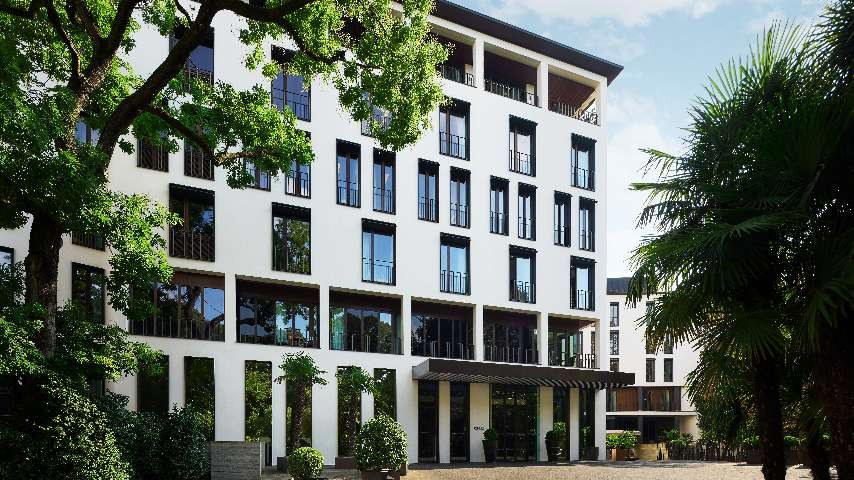
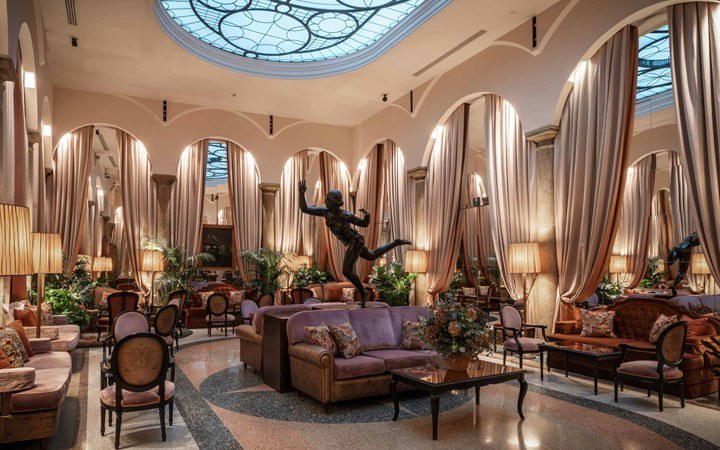
Milan's premium hotel market is crowded near the Duomo. Bvlgari Hotel Milan anchors stronger examples from the jewellery-brand luxury tier; Mandarin Oriental Milan and the Hotel Principe di Savoia, Dorchester Collection operate the classical grand hotel format with considerable polish. The Grand Hotel et de Milan, open since 1863, represents the historical anchor of that tier. STRAF does not compete on the same axis. It belongs to a smaller cohort that has emerged across Italian cities, design-led, deliberately material-forward, working with a vocabulary of raw and reclaimed surfaces where peer hotels reach for marble and velvet. Within that cohort, it remains one of the more resolved examples in the country.
What De Cotiis Built Inside a Palazzo Shell
De Cotiis, whose furniture and object work has been collected internationally, approached the interior not as decoration but as archaeology. The 19th-century structure provided a shell; what went inside subverted the expected sequence of renovation. Concrete was left bare or treated rather than clad. Oxidised metal surfaces appear where another hotel would install warm-toned millwork. Stone elements, where present, tend toward the elemental rather than the polished. The result is a interior that reads less like a hotel renovation and more like a considered art and material argument, which is, of course, the point when the designer is also a collector and maker of objects.
This approach places STRAF in a peer conversation that extends beyond Milan. In Italy, properties like Castello di Reschio in Lisciano Niccone and Corte della Maestà in Civita di Bagnoregio apply a similar material seriousness to historic structures outside the city. In Venice, Aman Venice works with palazzo bones at a different budget ceiling. What distinguishes STRAF is its urban density context: this is not a countryside project where the landscape absorbs the architecture, but a city-centre hotel competing for attention on one of Milan's most visited streets, choosing restraint as its differentiator.
Location as Editorial Statement
Via San Raffaele 3 puts guests at the literal geometric centre of tourist Milan, which can cut either way. The Duomo facade is a few minutes on foot; the Galleria is closer than that; Rinascente, the department store that has become a reliable barometer of Milanese taste, is immediately adjacent. For first-time visitors to Milan, the convenience is obvious. For repeat visitors who know the city's design and fashion quarters well enough to consider staying in Brera or Porta Venezia, the case for STRAF rests on the particular quality of its interiors rather than its proximity to monuments.
Milan's hotel alternatives in the design-led category also include Portrait Milano, which takes a more residential approach, and Vico Milano in a different neighbourhood register. The culturally oriented traveller who already knows 10 Corso Como Café and 3Rooms 10 Corso Como will recognise STRAF's affinity with the Milanese tradition of treating retail, hospitality, and design as a continuous conversation rather than separate industries.
Milan in the Context of Italian Design Hotels
The broader Italian design hotel category has grown substantially since the early 2000s, when properties like STRAF were unusual propositions in the country's luxury accommodation market. Italy's hospitality industry had long been divided between grand palazzo hotels serving international luxury travellers and family-run agriturismi serving a domestic and Northern European audience. The middle register, architecturally serious, independently positioned, relatively small in scale, was underdeveloped. A generation of architect- and designer-led projects filled that gap, and STRAF was among the earlier Milan entries in that wave.
Internationally, the comparison set for this format includes properties like Amangiri in Canyon Point, which applies a similarly elemental material logic to a desert context, and Aman New York, which inserts a spare luxury vocabulary into dense urban fabric. The translation of these instincts into a tight Milanese palazzo, with its constraints of building depth, ceiling height, and listed facade, is a different kind of architectural problem, and one that tends to produce interiors with more compression and intentionality than larger-footprint projects allow.
For Italy-focused travel that extends beyond Milan, the design sensibility evident at STRAF connects logically to Four Seasons Hotel Firenze in Florence, Il Pellicano in Porto Ercole, and Rosewood Castiglion Del Bosco in Montalcino, each working with historic Italian fabric but in different registers of scale and setting. Southern itineraries might connect to Borgo Santandrea on the Amalfi Coast, Il San Pietro di Positano, JK Place Capri, or Borgo Egnazia in Savelletri di Fasano. For those building a northern itinerary, Casa Maria Luigia in Modena and Passalacqua in Moltrasio occupy a similar design-serious, relatively intimate tier. Bulgari Hotel Roma and The Fifth Avenue Hotel in New York City offer instructive comparisons for how different cities handle the same instinct to place design-forward hospitality inside historic urban fabric.
Planning a Stay
STRAF is on Via San Raffaele 3, Milan 20121, placing it within direct walking distance of the Duomo, the Galleria, and the main Rinascente building. Central Milan's hotel pricing at this address tier moves with fashion week and trade fair calendars, with April (Salone del Mobile) and September-October (Fashion Week) representing constrained availability windows; booking well ahead of either event is standard practice for the Duomo quarter.
Recognition Snapshot
Comparable venues nearby, for context on price, style, and recognition.
| Venue | Cuisine | Price | Awards | Notes |
|---|---|---|---|---|
| STRAFThis venue — the venue you are viewing | Boutique design hotel in Art Deco building with contemporary interiors. | $$$$ | 4-Star | Not listed |
| Milano Verticale UNA Esperienze | Contemporary urban hotel reinterpreting Milanese style with eclectic dynamism. | $$$$ | 4-Star | Porta Garibaldi - Porta Nuova |
| Crossing Manzoni | Design-infused townhouse guesthouse blending art, antiques, and modern aesthetics. | $$$$ | 4-Star | Duomo |
| Palazzo Segreti | 18th-century palazzo with modern interiors | $$$$ | 4-Star | Brera |
| Urban Hive Milano | Contemporary boutique hotel with co-working integration, designed for cosmopolitan travelers blending business and leisure. | $$$ | 4-Star | Brera |
| Radisson Collection Hotel, Palazzo Touring Club Milan | Luxury historic palazzo with modern renovations preserving Art Nouveau charm. | $$$$ | 5-Star | Duomo |
Recognition history
Dated appearances from independent guides and award organizations, with the underlying list record or original source where available.
Design Hotels Member
Design Hotels
Michelin Selected
Michelin
Continue exploring
More in Milan
Hotels in Milan
Browse all →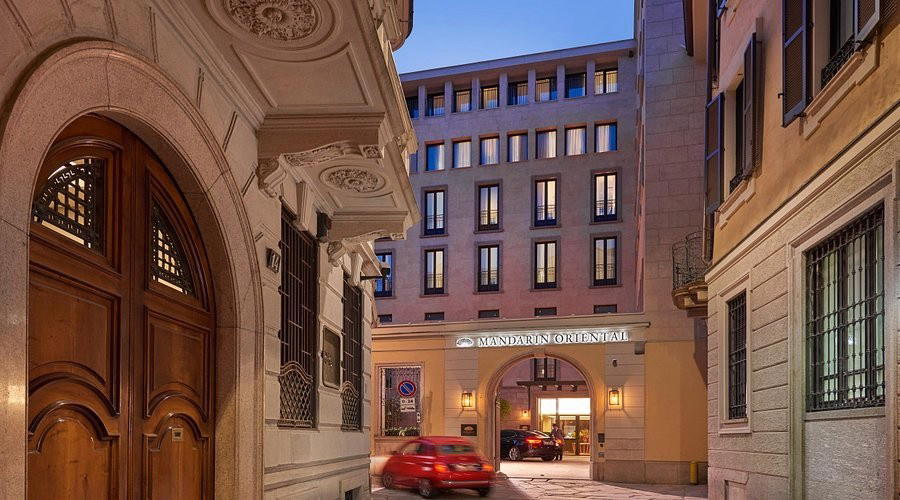
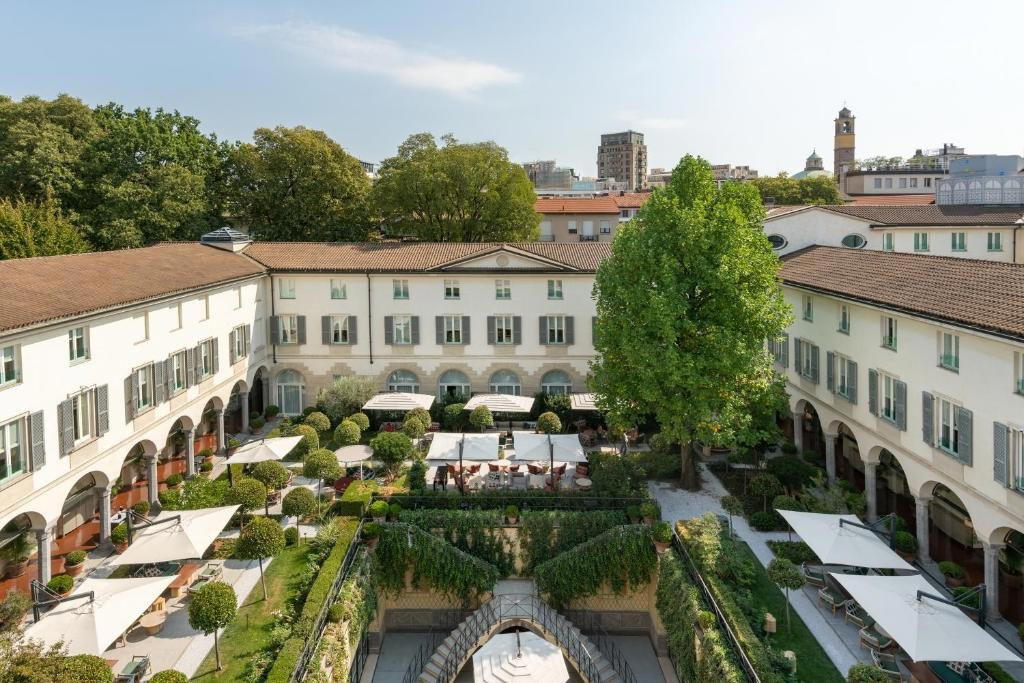
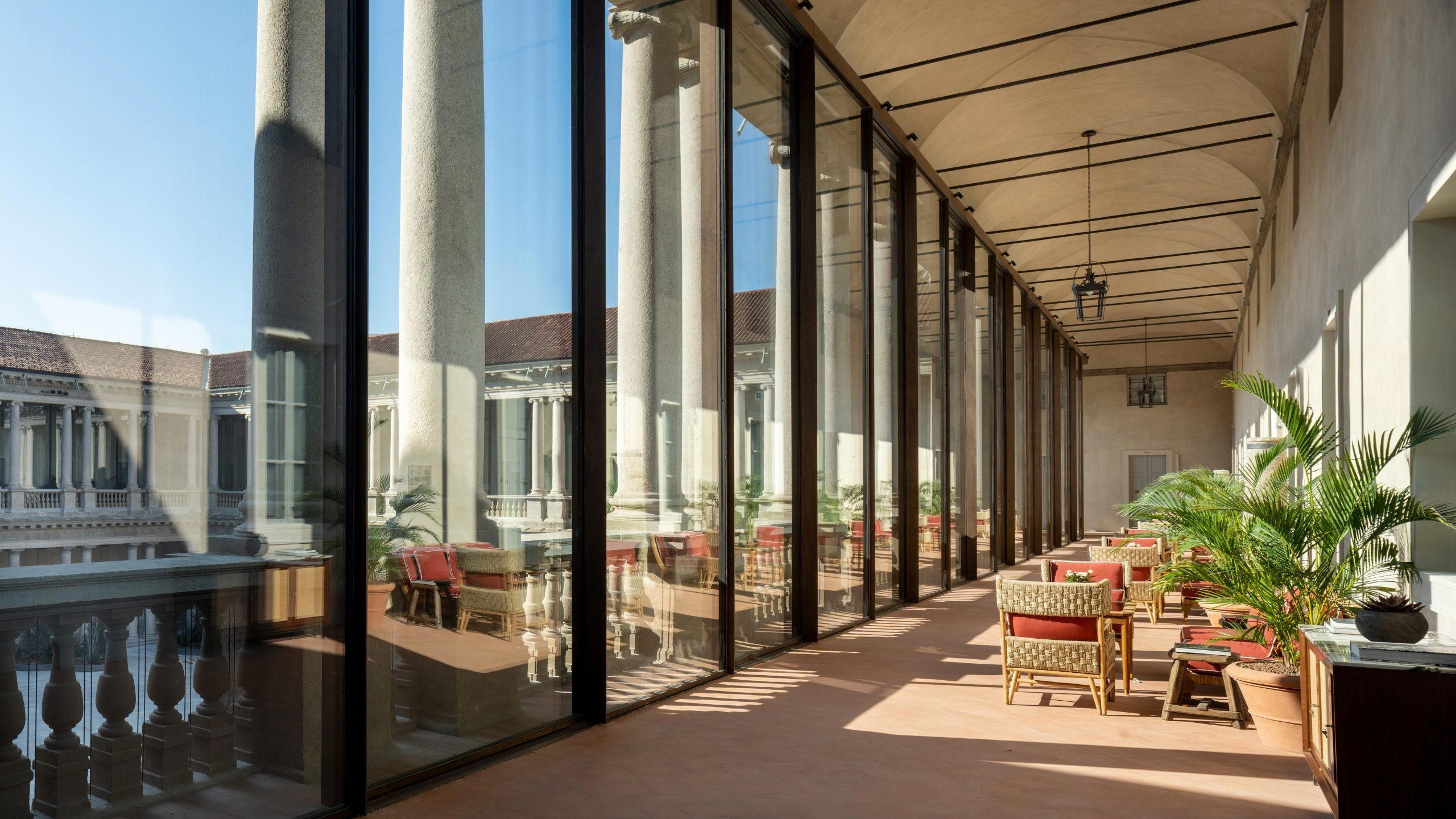
Bars in Milan
Browse all →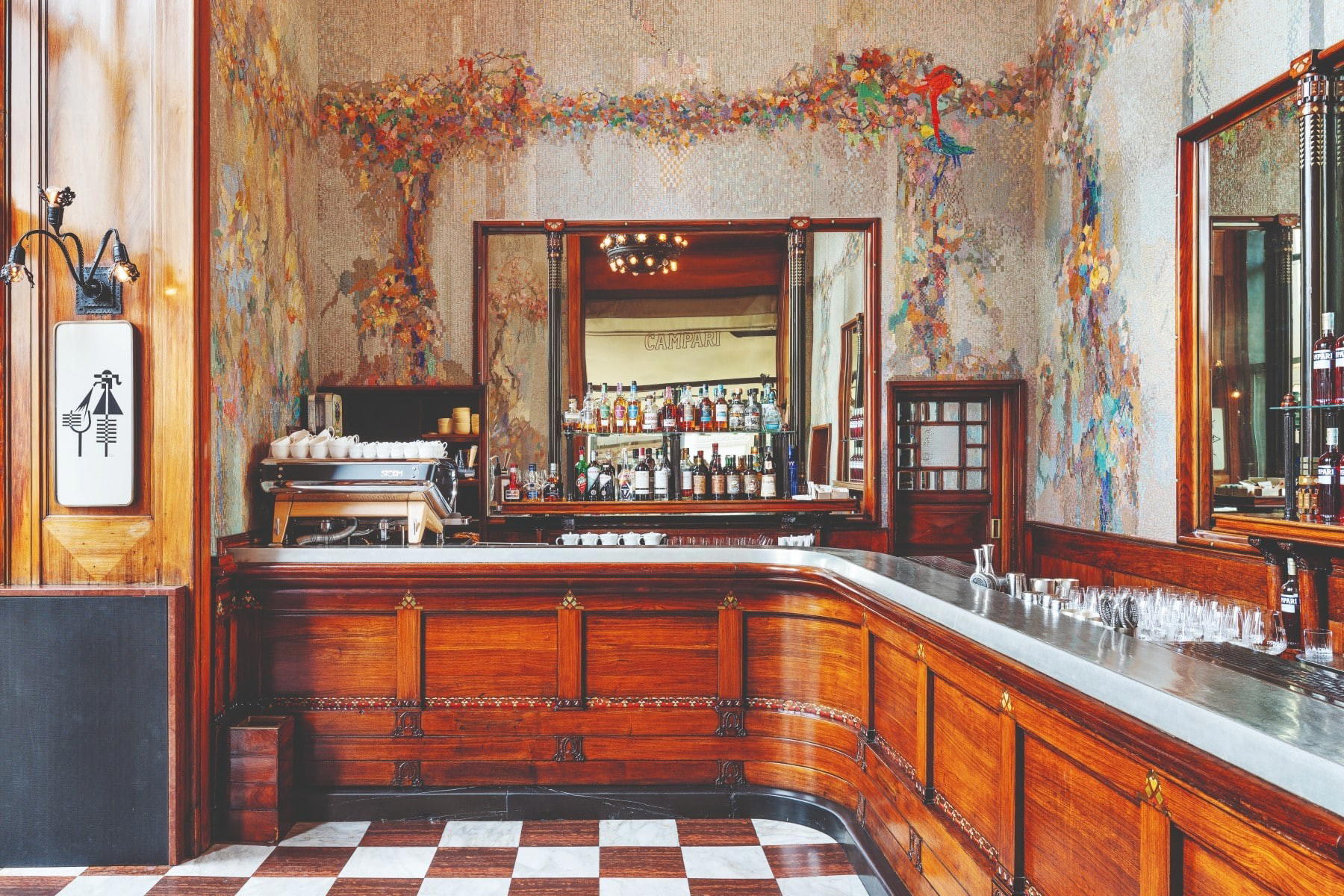
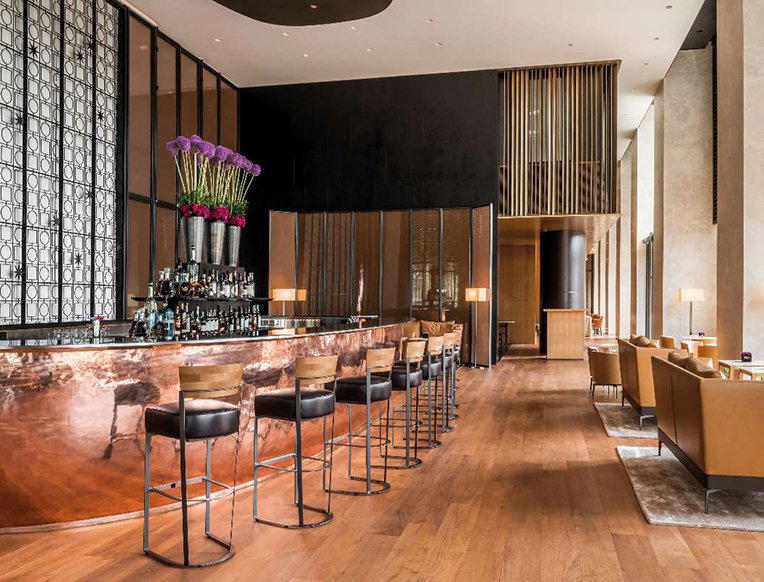
Restaurants in Milan
Browse all →
Wineries in Milan
Browse all →

At a Glance
- Modern
- Minimalist
- Trendy
- Sophisticated
- Romantic Getaway
- Business Trip
- Weekend Escape
- Design Destination
- Terrace
- Wi Fi
- Pool
- Spa
- Fitness Center
- Room Service
- Concierge
- Restaurant
- Street Scene
- Wi Fi
- Pool
- Spa
- Fitness Center
- Room Service
- Concierge
- Restaurant
Minimalist with burnished brass, slate, and concrete; lively bar atmosphere in evenings but quiet rooms.