Few addresses in Milan carry as much cultural weight as Corso Como 10. What began in 1990 as a gallery-bookshop hybrid in the Porta Garibaldi district has evolved into a compound that includes a café at its social core, drawing designers, editors, and off-duty professionals who treat the courtyard as a second office. The café sits within one of northern Italy's most closely watched concept spaces.
Pearl is the En Primeur Club membership app — saves, bookings, and concierge access live there. Same editors, same standards.
- Address
- Corso Como, 10, 20154 Milano MI, Italy
- Phone
- +39 02 2901 3581
- Website
- 10corsocomo.com
- Directions
- Get directions
 Saves & bookings on Pearl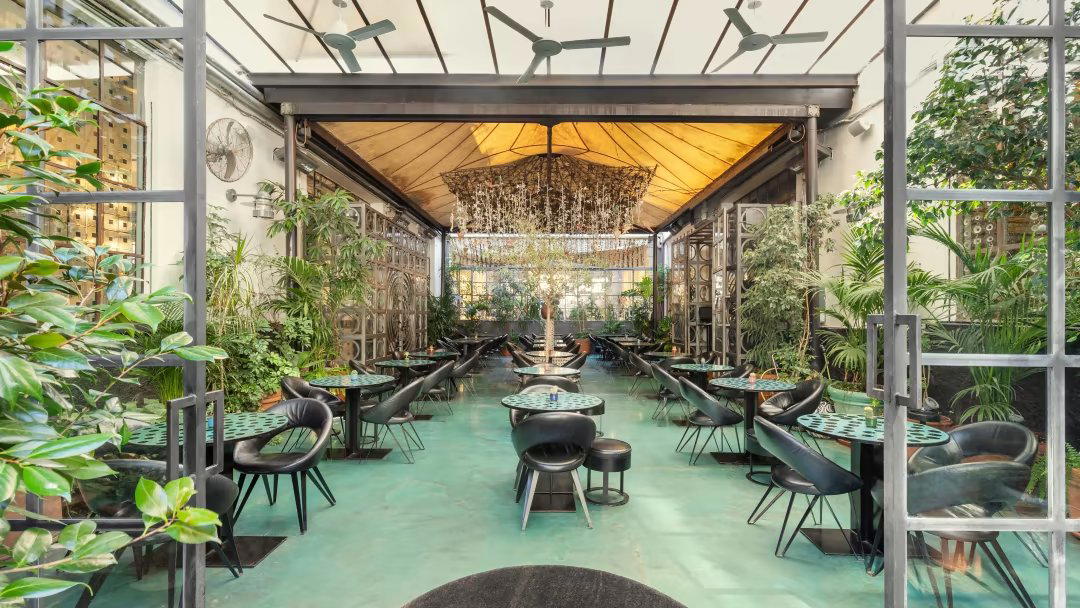
A Courtyard That Outgrew Its Own Category
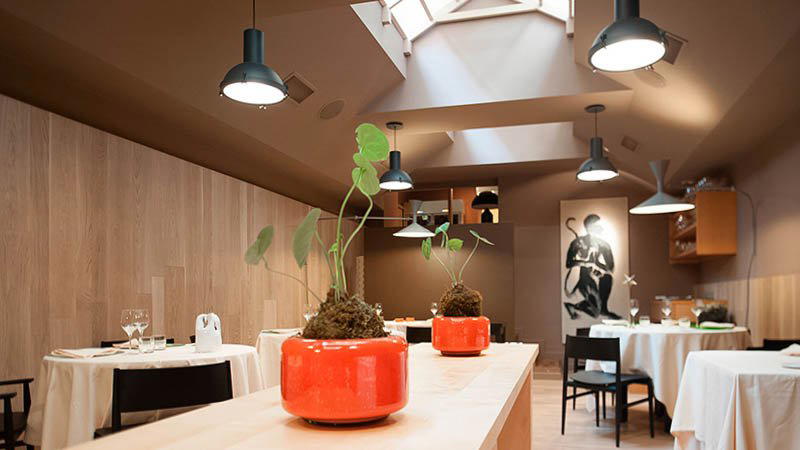
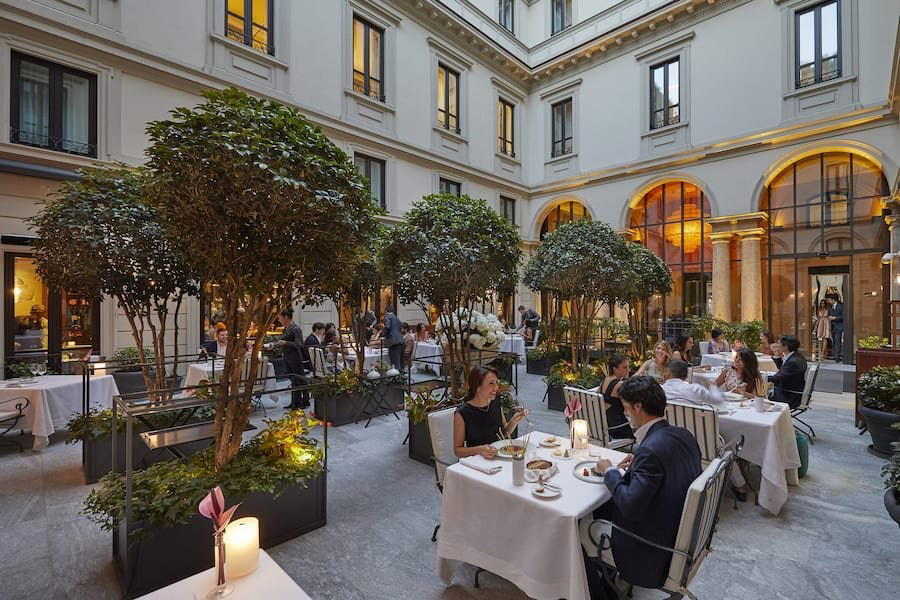
There is a particular kind of Milanese address that functions less as a destination than as a fixed point on the city's social map. 10 Corso Como Café is a 4-star café-hotel in Milan at Corso Como, 10, 20154 Milano MI, Italy. Arriving from Via Tivoli, you pass through a gate onto a courtyard where the density of visual detail, wall murals, curated plantings, the drift of conversation in three languages, signals that you are somewhere that has been thinking about itself for a long time. That instinct is not accidental. The wider 10 Corso Como compound has shaped the area for decades, and the café has reflected the neighbourhood's transformation over time.
Porta Garibaldi in the early 1990s was not the polished district it presents today. The railway infrastructure was there, the bones of what would become a financial and design corridor, but the neighbourhood carried the residue of Milan's industrial past. 10 Corso Como arrived early, when the calculus of opening a concept space with a gallery, bookshop, and café in that location still felt like a bet. The bet proved correct, and the area around it subsequently filled in with the architecture and institutions that now define the northern arc of central Milan.
Three Decades of Reinvention
The evolution of the 10 Corso Como compound tracks closely with the broader question of how cultural-retail hybrid spaces survive over time. Many of the concept stores that followed its model in other European cities did not. The format, art bookshop, gallery, fashion retail, food and drink, accommodation, is administratively complex and requires continuous editorial curation to avoid the entropy that takes hold when a space stops making choices and starts coasting on reputation.
10 Corso Como has not been immune to that tension. The café specifically has gone through periods where its role within the compound shifted: sometimes positioned as a destination in its own right, sometimes functioning more as an amenity for visitors drawn primarily by the retail or gallery programming. What has remained consistent is the physical setting. The courtyard is a genuine asset, shaded, layered in texture, insulated from street noise in a way that few outdoor spaces in central Milan manage. In a city where summer dining outdoors often means sitting adjacent to heavy traffic, that quality has real value.
The accommodation component of the compound adds another layer for guests who spend time there across the day. That layering of uses gives the café a rhythm that purely restaurant-focused spaces in the neighbourhood do not replicate.
Where the Café Sits in Milan's Broader Scene
Milan's café and all-day dining culture has bifurcated over the past decade. At one end, you have the high-throughput espresso bar tradition, where transactions are fast, standing is the default, and loyalty is measured in years of muscle memory. At the other, a tier of destination cafés and courtyard spaces has emerged that operate on a different logic: longer dwell times, a clear design identity, and a price tolerance that reflects the experience rather than the commodity.
The 10 Corso Como café sits firmly in that second category, alongside a cohort of design-led Milanese spaces that treat the room itself as the primary offering. It is not competing with the traditional Milanese bar. Its comparable set is closer to the café operations attached to cultural institutions or high-end retail compounds elsewhere in northern Italy and across European capitals. Within Milan specifically, the comparison points that make sense are similarly positioned spaces in the Brera and Magenta districts, places where the architecture does work that the menu supports, rather than the reverse.
For visitors considering how to structure time in the city, the café sits near Porta Garibaldi and works well as a late-morning or early-afternoon stop, particularly during fashion week and the Salone del Mobile period in April.
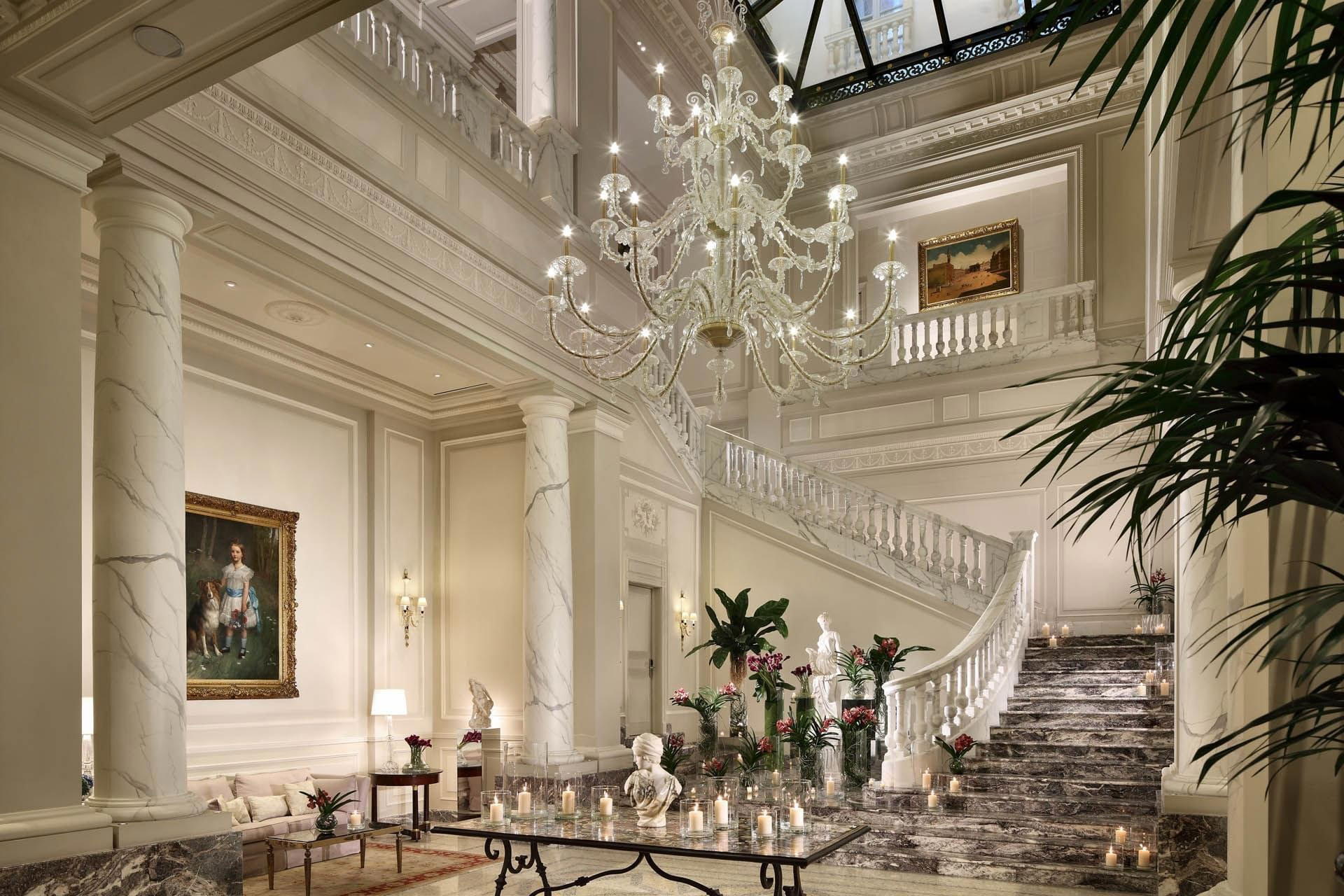
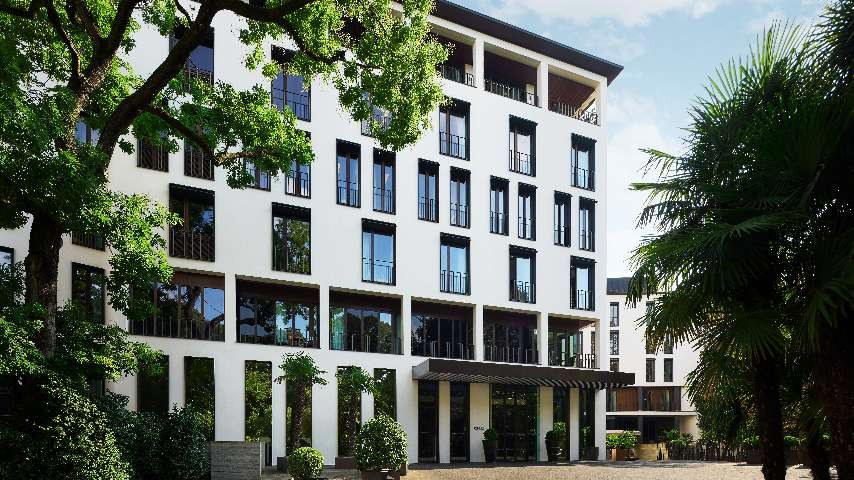
The Grand Hotel et de Milan, the Hotel Principe di Savoia, and the Armani Hotel are established reference points for visitors who want proximity to the centre, and all sit within a reasonable distance of the Porta Garibaldi district. The Vico Milano positions itself at the design-led boutique end of the Milanese market, a category with clear overlap in audience with the 10 Corso Como compound. For a broader view of where to eat and drink across the city, our full Milan restaurants guide covers the range.
For those extending a stay beyond Milan, the broader Italian property set offers useful context on how design-led hospitality operates at different scales: Aman Venice, Four Seasons Hotel Firenze, Passalacqua in Moltrasio, and Casa Maria Luigia in Modena each represent a different register of the same underlying sensibility, spaces where curatorial intent shapes the guest experience as much as the service standards do. Further south, Borgo Egnazia, Il San Pietro di Positano, Borgo Santandrea, JK Place Capri, Castello di Reschio, Rosewood Castiglion Del Bosco, Il Pellicano, Bulgari Hotel Roma, and Corte della Maestà extend that same thread of considered Italian hospitality across different geographies.
Planning a Visit
The address is Corso Como 10 in the 20154 postal district, within walking distance of the Porta Garibaldi train and metro interchange. During peak Milan events, fashion week in February and September, and the Salone del Mobile in April, the courtyard operates under meaningfully higher foot traffic and the ambient energy shifts accordingly. Those periods reward either an early arrival or a deliberate late-afternoon visit once the midday density subsides. Specific hours, current pricing, and any advance booking options are best confirmed directly with the venue, as operational details across the compound have adjusted at various points over its history.
In Context: Similar Options
Comparable venues nearby, for context on price, style, and recognition.
| Venue | Cuisine | Price | Awards | Notes |
|---|---|---|---|---|
| 10 Corso Como CaféThis venue — the venue you are viewing | Contemporary luxury concept hotel merging retail, art, and hospitality within a restored early 20th-century Milanese palazzo. | $$$ | 4-Star | Not listed |
| 3Rooms 10 Corso Como | Design-focused boutique hotel showcasing mid-20th century modernist furniture and contemporary art within a historic Milan complex. | $$$ | 4-Star | Porta Garibaldi - Porta Nuova |
| Urban Hive Milano | Contemporary boutique hotel with co-working integration, designed for cosmopolitan travelers blending business and leisure. | $$$ | 4-Star | Brera |
| Starhotels Anderson | Metropolitan chic design hotel | $$$ | 4-Star | Stazione Centrale - Ponte Seveso |
| Worldhotel Casati 18 | Recently renovated boutique hotel blending historic architecture with modern Italian design | $$$ | 4-Star | Porta Venezia |
| STRAF Hotel - A Member of Design Hotels | Contemporary boutique design hotel merging art, architecture, and unconventional materials within a historic 18th-century palazzo. | $$$ | 4-Star | Duomo |
Continue exploring
More in Milan
Hotels in Milan
Browse all →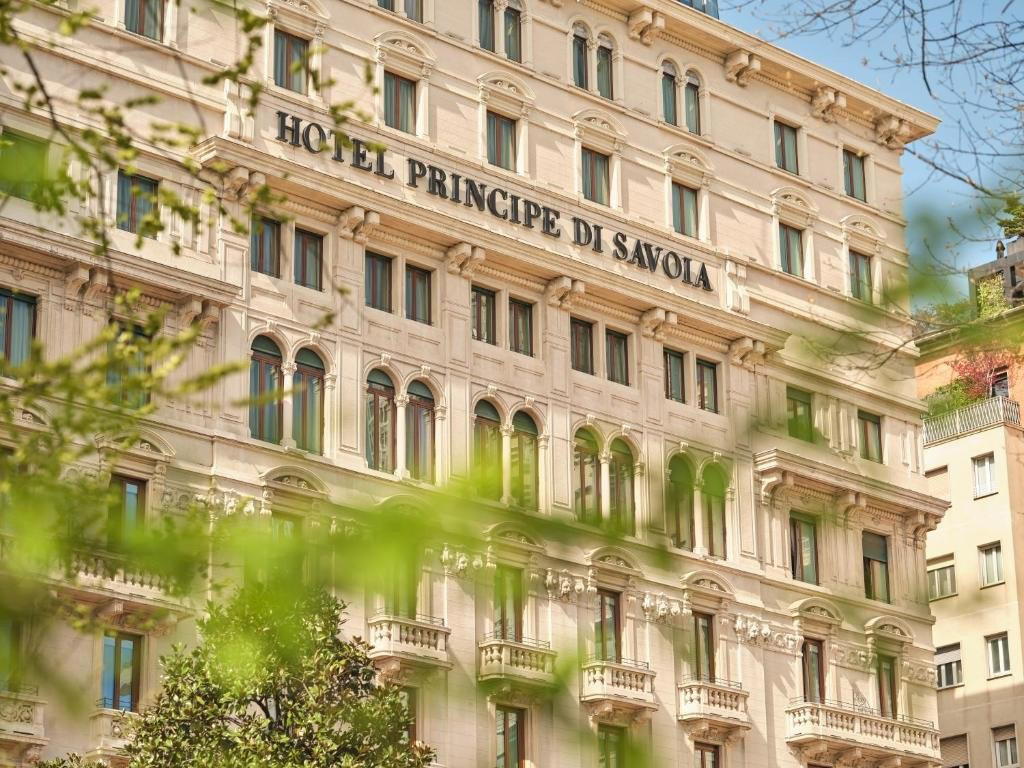
Bars in Milan
Browse all →
Restaurants in Milan
Browse all →
Wineries in Milan
Browse all →
At a Glance
- Elegant
- Sophisticated
- Romantic Getaway
- Weekend Escape
- Garden
- Historic Building
- Design Destination
- Terrace
- Wi Fi
- Restaurant
- Bicycle Rental
- Concierge
- Garden
- Wi Fi
- Restaurant
- Bicycle Rental
- Concierge
Serene and refined with lush garden courtyard setting, blending contemporary art installations with classic Milanese architecture, creating an intimate cultural sanctuary amid urban Milan.