
Michelin Selected
On Via Veneto, Rome's most storied luxury boulevard, the InterContinental Rome Ambasciatori Palace carries Michelin Selected recognition for 2025 and a building history that anchors it firmly in the city's postwar golden age. It occupies a different tier from the smaller design-led properties that have reshaped the Roman hotel conversation in recent years, offering scale and address over intimacy.

Pearl is the En Primeur Club membership app, where members save venues, book tables and use the concierge.

Via Veneto and the Architecture of Roman Prestige
There is a version of Rome that belongs to the postwar imagination, the Rome of Fellini's camera, of American diplomats and Italian film stars, of Vespas and outdoor café tables where the entire city seemed to perform for itself. Via Vittorio Veneto was the physical stage for that moment, and the street has never fully shed that identity. The grand hotels that line it, the Ambasciatori Palace among them, were built at a scale that announced civic confidence: wide facades, ceremonial lobbies, rooms designed to receive people who expected to be received. That architectural and cultural logic still frames the InterContinental Rome Ambasciatori Palace today. At Via Vittorio Veneto 62, the address is itself a kind of credential, one that newer openings elsewhere in the city cannot purchase.
Via Veneto sits at the northern edge of central Rome, just below the Villa Borghese gardens and above the tightly packed streets of the historic center. It occupies a different spatial register from, say, the Pantheon district or the Trastevere side of the river. The avenue is wide, tree-lined, and deliberately formal in a way that most of Rome is not. For travelers oriented around access to the Borghese gallery, the Trevi Fountain corridor, and the upper end of the Spanish Steps, the location works well. Those preferring immersion in the narrow medieval fabric of Trastevere or Campo de' Fiori would be better served by a different part of the city.
A Street That Shaped a Category
Roman luxury hospitality has split across at least two distinct identities in recent years. One cohort, represented by properties like Bulgari Hotel Roma, Hotel Vilòn, and Portrait Roma, prioritizes limited keys, design-led interiors, and a hospitality format that emphasizes discretion over grandeur. The other cohort, which includes the Via Veneto addresses, operates at a larger scale and draws its authority from historical continuity and institutional weight rather than boutique intimacy. The InterContinental Rome Ambasciatori Palace belongs to the latter. Michelin's hotel selection is a narrower filter than it might appear: of the hundreds of properties in Rome, only a fraction earn the designation in a given year.
The distinction matters because it signals a certain floor of consistency. Properties like Hassler Roma and Hotel Eden occupy the upper tier of the Via Veneto axis, with deeper award histories and more prominent critical profiles. The Ambasciatori Palace sits within the same broad street tradition but operates on its own terms, as an InterContinental-branded property within a global hospitality group rather than as an independently positioned address. That distinction shapes expectations around service format, room consistency, and the role of the hotel's loyalty infrastructure, all factors that matter differently depending on what a traveler is optimizing for.
The Grand Hotel Tradition and What It Demands
Italy's grand hotel tradition is older than tourism as an industry. By the late nineteenth century, Rome, Florence, and Venice had established a class of purpose-built palatial hotels aimed at the Grand Tour traveler, and those buildings set the terms for what luxury accommodation meant in the Italian context: height, ornament, public rooms built for social performance, and a level of staff-to-guest formality that the boutique era has largely moved away from. The Ambasciatori Palace draws from that lineage. The building's bones, its proportions, its position on the avenue, its relationship to the street, belong to that tradition even as its contemporary operation reflects the standards and consistency of a global brand. Properties like Four Seasons Hotel Firenze in Florence or the Savoia Excelsior Palace Trieste represent similar cases elsewhere in Italy: historic structures operating under international or collection-brand management, where the architecture carries one kind of authority and the operator supplies another.
For travelers arriving in Rome for the first time and seeking orientation, Via Veneto provides a legible entry point: the neighborhood is walkable to major sites, the hotels are large enough to provide full service amenities, and the street itself retains a formal quality that makes the transition from international travel to Roman life relatively frictionless. More experienced Rome visitors sometimes find the area less interesting precisely because of that polish, the rougher edges and neighborhood-scale texture that characterize Hotel Locarno's Prati-adjacent position or the quieter residential quality around Maalot Roma are largely absent here. The Via Veneto trade-off is legibility for texture, and that is a legitimate choice depending on what the trip requires.
Planning Your Stay
The hotel operates under InterContinental Hotels Group standards, which means booking through the IHG platform or via major travel agents is the most direct route. Loyalty members within the IHG One Rewards program can apply points and status benefits, which places the property within the consideration set for frequent international travelers already embedded in that ecosystem. Rome's peak season runs from April through October, with the highest room-rate pressure in June and July. Traveling in late September or October generally offers better availability, moderate weather, and lighter crowds at the city's major sites. The property's location near the Villa Borghese gardens means that gallery visits, which require advance timed booking regardless of where you're staying, can be integrated into a morning itinerary without significant transit time.
For travelers building a broader Italian itinerary, the Ambasciatori Palace works as a Rome anchor alongside very different property types elsewhere in the country. Aman Venice represents the design-led palazzo approach in Venice; Rosewood Castiglion Del Bosco in Montalcino and Il Pellicano in Porto Ercole anchor Tuscany's luxury rural circuit; Borgo Santandrea on the Amalfi Coast and Il San Pietro di Positano cover the southern coastal tier; and Passalacqua in Moltrasio on Lake Como rounds out the north. Each sits in a different property category and price tier, but together they map the range of serious Italian hotel options currently drawing editorial attention. For the Rome portion of that kind of itinerary, the Ambasciatori Palace provides reliable institutional infrastructure while other stops in the journey deliver more site-specific character. See our full Rome restaurants and hotels guide for broader city context.
Comparable international addresses operating in the same grand-boulevard, major-brand tier, Hôtel de Paris Monte-Carlo in Monte Carlo or Badrutt's Palace Hotel in St. Moritz, share the same fundamental logic: a prestigious address, an architectural inheritance, and a service format built around consistency at scale. The Ambasciatori Palace operates within that tradition, on one of the addresses in Rome that still carries the weight of the city's twentieth-century golden moment.
Just the Basics
Comparable venues nearby, for context on price, style, and recognition.
| Venue | Price | Awards | Notes |
|---|---|---|---|
| InterContinental Rome Ambasciatori PalaceThis venue (the venue you are viewing) | Not listed | Michelin Selected | Not listed |
| rhinoceros | $300–500 | Michelin Selected · Mr & Mrs Smith Seal of Approval | Velabro, Historic palazzo with contemporary design apartments |
| Hotel d'Inghilterra - Starhotels Collezione | Not listed | Michelin Selected · Virtuoso Luxury Hotel Partner | Campo Marzio, Historic palazzo with modern renovations preserving original elegance |
| Hotel Splendide Royal Roma | $300–500 | Michelin Selected · Leading Hotels of World Member | Ludovisi, Restored 19th-century noble palace blending historical grandeur with modern luxury |
| Palazzo Shedir | Not listed | Leading Hotels of World Member | Campo Marzio, Ornate private mansion within 17th-century Palazzo Borghese, restored to ancient splendor with exclusive suites and wellness facilities. |
| The H'All Tailor Suite | Not listed | La Liste Top Hotels | Flaminio, Tailored luxury boutique in historic Rome setting |
Recognition history
Dated appearances from independent guides and award organizations, with the underlying list record or original source where available.
Michelin Selected
Michelin
Continue exploring
More in Rome
Hotels in Rome
All hotels in Rome →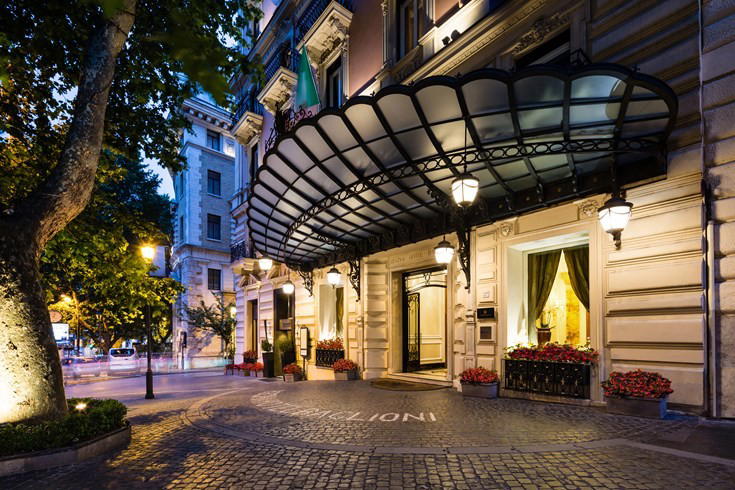
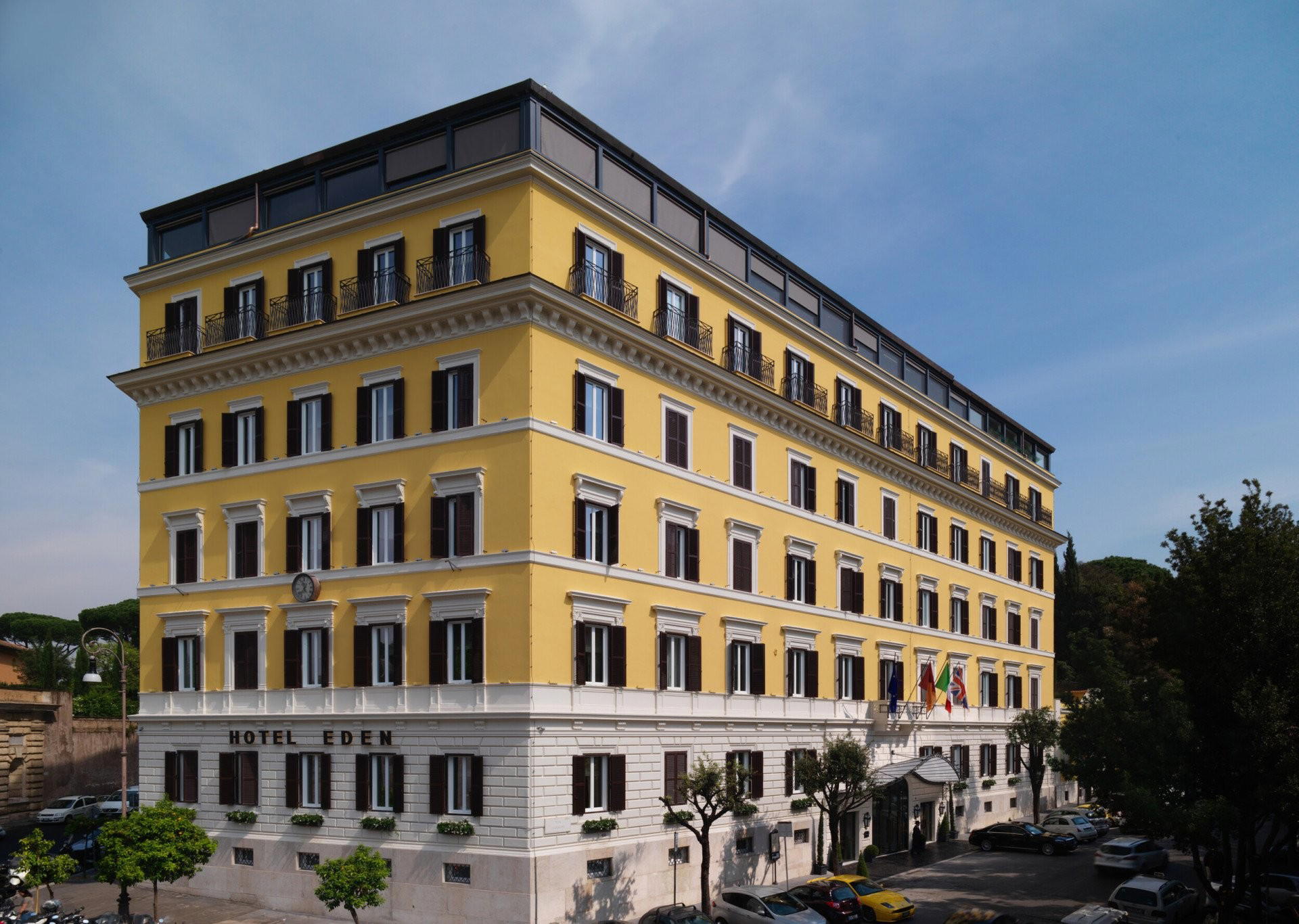
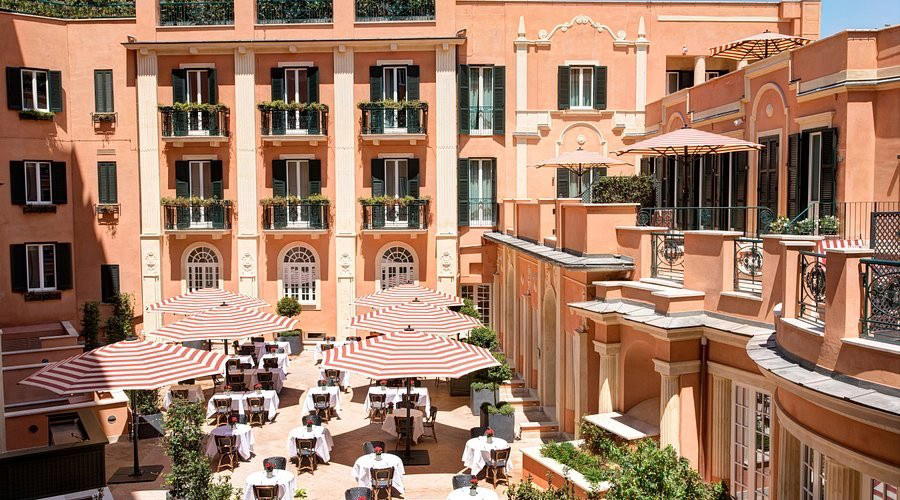
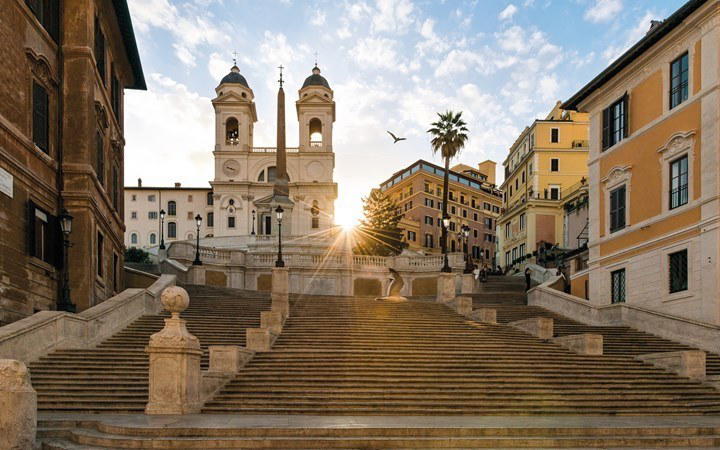
Bars in Rome
All bars in Rome →
Restaurants in Rome
All restaurants in Rome →

Details
- Elegant
- Sophisticated
- Classic
- Ornate
- Romantic Getaway
- Business Trip
- Anniversary
- Historic Building
- Terrace
- Wi Fi
- Fitness Center
- Spa
- Room Service
- Concierge
- Valet Parking
- Street Scene
- Skyline
- Wheelchair Accessible
- Elevator
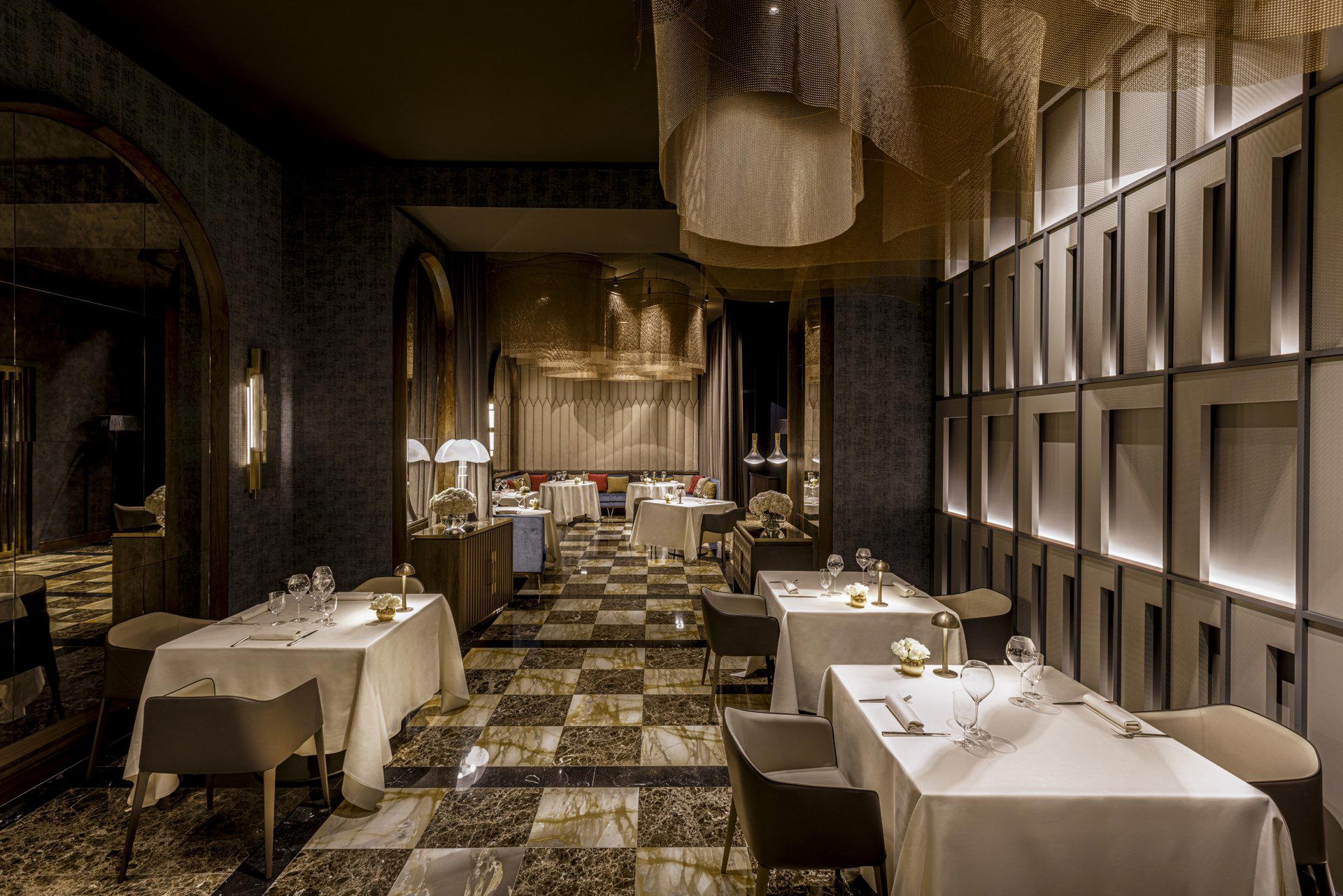
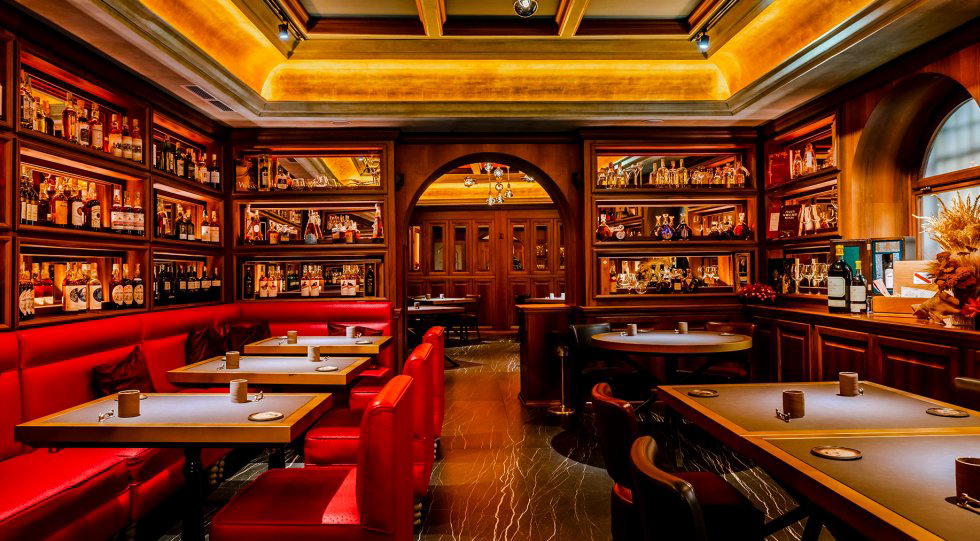
Sophisticated and elegant with neoclassical details, high ceilings, dramatic spaces, warm tones, and natural materials creating discreet luxury.