

1 Michelin Star
Our verdict
A Michelin-starred address in Brianza that takes the pre-industrial foodways of Lombardy as its starting point, Grow Restaurant in Albiate translates the region's hunting, foraging, and freshwater traditions into structured evening tasting menus and lighter daytime formats. Ranked #284 among Europe's top restaurants by Opinionated About Dining in 2025, it operates at the €€€ tier with a wine list devoted exclusively to natural Italian producers.

Pearl is the En Primeur Club membership app — saves, bookings, and concierge access live there. Same editors, same standards.
- Address
- Via S. Valerio, 4, 20847 Albiate MB, Italy
- Phone
- +39 0362 136 0111
- Hours
- Mon ClosedTue–Fri 12:30–1:30 PM, 7:30–10 PMSat 7:30–10 PMSun Closed
- Website
- growrestaurant.it
- Directions
- Get directions
- Booking
- Book on the venue's website
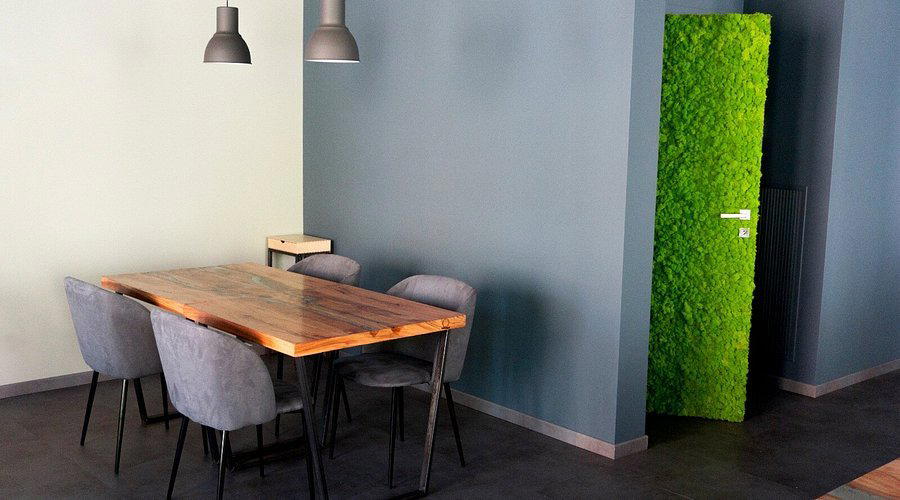
The menu
What to order
- Quail with broth and brioche
- Gnocchi with stracchino and venison bottarga
- Roe deer in beeswax
Brianza on the Plate: The Regional Logic Behind Grow
Northern Lombardy's Brianza district sits between Milan's commercial gravity and the foothills of the pre-Alps, a zone that culinary Italy has historically underestimated. Its food culture was never built around the urban sophistication of Milanese risotto or the aristocratic cellar traditions of the Langhe; it was built around the land itself, the seasonal logic of the smallholder, the hunter, and the gatherer. That tradition — patient, practical, rooted in necessity — is what a small number of Brianza kitchens have started to reframe as the region's actual creative asset. Grow Restaurant in Albiate is among the most focused of those efforts, earning a Michelin star in 2024 and placing at #284 in Opinionated About Dining's European ranking for 2025.
What distinguishes this strand of Lombard cooking from the highly polished creative cuisine of, say, Enrico Bartolini in Milan or the progressive laboratory work at Le Calandre in Rubano is a deliberate orientation toward the past rather than forward projection. The reference points are ancestral: hunting, freshwater fishing, cultivated kitchen gardens, and wild herb gathering. These are not nostalgic gestures but structural ingredients, the grammar of a cuisine that predates the industrialisation of the Italian food supply. At Grow, chef Matteo Vergine uses technique and creativity not to transcend regional identity but to make it legible in a contemporary dining format.
The Setting and What It Signals
Albiate is a small comune in the Province of Monza and Brianza, and arriving at Via S. Valerio places you in the kind of quiet, unhurried northern Italian town that operates entirely outside the tourist infrastructure of the lakes or the cathedral cities. There is no ambient energy here drawn from passing trade or international footfall. The dining room commands the full attention of its guests because nothing outside competes for it. This is a deliberate spatial choice with culinary implications: the room functions as a container for the food's argument, and that argument requires concentration.
The atmosphere sits closer to the intimate, ingredient-focused register of restaurants like Reale in Castel di Sangro, places where provincial settings amplify rather than undermine the ambition of the kitchen, than to the urban polish of Milan's starred dining rooms. In European terms, it belongs to a cohort of destination restaurants that require the guest to travel toward them, and that travel becomes part of the proposition.
Three Menus, One Booking Commitment
In the evening, Grow operates through three tasting menus. The structural decision that separates it from many peers is the requirement to select a menu at the time of booking rather than on arrival. This is a food-waste reduction measure, and it carries practical weight: it aligns the kitchen's daily procurement with confirmed guest choices rather than speculative prep, a discipline that becomes especially meaningful when the ingredients involved are foraged, wild-caught, or grown on small-scale supplier plots. Guests booking through the available channel should expect to commit to their menu selection at that point, with no option to defer the choice to the evening itself.
Lunchtime operates on a lighter and less expensive format, a meaningful alternative for those who want access to the kitchen's sensibility without the full evening investment. The lunch offer positions Grow within the growing tier of starred restaurants that have disaggregated their pricing, making the work accessible at different levels of commitment. A communal table for eight, designed to be shared with other guests, operates alongside the standard service, a format that recalls the pre-restaurant traditions of Brianza itself, where eating with strangers at a shared surface was ordinary life rather than a designed experience.
The Flavour Architecture: Ancestral Brianza in Modern Form
The dishes documented from Grow's service reflect the kitchen's dual allegiance to technique and territorial memory. Quail served with its own broth and a brioche captures a specific register of Lombardy's hunting tradition: the bird is not recontextualised or deconstructed but presented within a flavour logic that acknowledges its provenance. The broth work suggests classical precision; the brioche introduces a richness that roots the dish in northern Italian domestic cooking rather than French bistro tradition.
The gnocchi with stracchino, caramel, and venison bottarga is a more layered construction. Stracchino is a soft, lactic cheese historically associated with Lombardy's transhumance traditions, made from the milk of cows returned from Alpine summer pastures. Its use here alongside venison bottarga, a cured preparation that extends the hunting register into preserved form, and caramel places the dish at the intersection of territory, technique, and time. Bottarga as a concept belongs to coastal Italian kitchens; its application to venison signals a kitchen that reads regional technique comparatively rather than in isolation.
This approach to flavour places Grow in productive tension with the broader northern Italian fine dining scene. The three-Michelin-star kitchens that define the upper tier of that scene, Osteria Francescana in Modena, Dal Pescatore in Runate, Atelier Moessmer Norbert Niederkofler in Brunico, all operate with a strong regional identity, but from positions of sustained international recognition. Grow operates one tier below that by award count and two or three tiers below by price, yet the editorial logic of the cooking is comparable: specific territory, specific technique, specific memory.
Natural Italian Wine and the Sommelier's Role
The wine list at Grow is deliberately bounded: exclusively natural Italian wines, described as concise and personal. In a country where the sommelier function in starred restaurants often extends to navigating Burgundy grand crus or Champagne prestige cuvées, the decision to confine the list to a single national and stylistic category is a form of editorial clarity. It asks the sommelier to work deeper rather than broader, and the framing in published accounts suggests that depth is present: guests report receiving substantive information with each pour.
Italy's natural wine movement has moved well past novelty status in the past decade. The country's diversity of indigenous varieties and its concentration of small-scale growers in regions like Friuli, the Jura-adjacent Alto Piemonte, and coastal Campania gives a natural-only Italian list genuine range. The list's alignment with Grow's territorial cooking philosophy creates internal coherence: the same logic that structures the menu, local, specific, technique-light, memory-oriented, governs the glass.
For comparison across Italian fine dining's wine approaches, Enoteca Pinchiorri in Florence operates one of the country's most encyclopaedic cellars with a Franco-Italian breadth that sits at the opposite end of the spectrum from Grow's focused curation. Both approaches are defensible; they reflect entirely different editorial positions on what a wine list is for.
Where Grow Sits in the European Ranking Context
An OAD ranking of #284 in Europe for 2025 (up from #286 in 2024) combined with a Michelin star places Grow in a specific competitive tier: restaurants with sustained critical recognition at the one-star level that rank meaningfully in the OAD system, which weights consistent guest experience over prestige-by-association. This is the tier where restaurants like Uliassi in Senigallia, Quattro Passi in Marina del Cantone, Piazza Duomo in Alba, and Casa Perbellini 12 Apostoli in Verona operate with strong regional identity and consistent guest feedback.
For readers coming from international starred contexts, Le Bernardin in New York City or Atomix in New York City, for instance, Grow represents a different register entirely: quieter, more geographically specific, without the production values of a major urban stage. What it offers instead is proximity to a culinary argument that can only be made from this particular ground.
Planning Your Visit
Albiate is accessible from Milan, with the Province of Monza and Brianza sitting roughly 25 kilometres north of the city centre. Visitors combining Grow with a broader Lombard trip should note that the evening tasting menu format requires advance booking and menu selection at that point, so last-minute decisions are not well-suited to the format. Lunch offers more flexibility in commitment level. For accommodation and complementary experiences in the area, see our full Albiate hotels guide, our full Albiate bars guide, our full Albiate wineries guide, and our full Albiate experiences guide. For broader dining context across the city and province, our full Albiate restaurants guide maps the full range of options at each price tier.
Frequently asked questions
Is Grow Restaurant suitable for children?
Grow's format is built around three evening tasting menus with a pre-booking menu commitment, a structure that prioritises an unhurried, focused dining experience. The kitchen's reference points — quail broth, venison bottarga, stracchino gnocchi — skew toward adult palates with a regional specificity that may not suit younger guests. Lunchtime offers lighter, less expensive options, which would be the more practical choice for families.
What is the atmosphere like at Grow Restaurant?
Grow occupies a quiet comune in the Province of Monza and Brianza, and the setting reflects that: unhurried, grounded in northern Italian domestic life rather than destination-restaurant theatre. The eight-seat communal table at lunch — shared with strangers by design — signals a kitchen interested in conviviality over formality. In the evening, the tasting menu format and a sommelier who delivers contextual detail on each natural Italian wine give the room a considered, conversation-forward tone.
What awards or recognition does Grow Restaurant have?
Grow Restaurant has received recognition including: Technique, creativity and a focus on and respect for the past are just some of the criteria that guide chef Matteo Vergine. His modern dishes aim to reflect the ancestral flavours of Brianza and Lombardy in bygone days when hunting, freshwa….
What's the must-try dish at Grow Restaurant?
The documented standouts from Grow's kitchen are the quail served with its own broth and brioche, and the gnocchi with stracchino cheese, caramel and venison bottarga. Both dishes illustrate chef Matteo Vergine's method: anchoring modern technique in the hunting, fishing and gathering traditions of historical Brianza. Since menus must be selected at the time of booking, check availability for these when you reserve.
Quick Comparison
| Venue | Cuisine | Price | Awards | Notes |
|---|---|---|---|---|
| Grow RestaurantThis venue — the venue you are viewing | Modern Italian Creative Fine Dining | Not listed | 1 Michelin Star | Not listed |
| Atelier Moessmer Norbert Niederkofler | Italian, Creative | Not listed | Michelin 3 Star | Not listed |
| Dal Pescatore | Italian, Italian Contemporary | Not listed | Michelin 3 Star | Not listed |
| Enoteca Pinchiorri | Contemporary Italian Fine Dining | $200–300 | 3 Michelin Stars · World's 50 Best #32 | Italian - French, Italian Contemporary |
| Enrico Bartolini | Creative | Not listed | Michelin 3 Star | Not listed |
| Osteria Francescana | Avant-Garde Italian Contemporary | $300–500 | 3 Michelin Stars · World's 50 Best #1 | Progressive Italian, Creative |
Recognition history
Dated appearances from independent guides and award organizations, with the underlying list record or original source where available.
Michelin 1 Star
Michelin
Opinionated About Dining Top Restaurants in Europe Recommended
Opinionated About Dining
Full recognition history (6 entries)
Michelin 1 Star
Michelin
Opinionated About Dining Top Restaurants in Europe Ranked #284
Opinionated About Dining
Michelin 1 Star
Michelin
Opinionated About Dining Top Restaurants in Europe Ranked #286
Opinionated About Dining
Continue exploring
More in Albiate
Restaurants in Albiate
Browse all →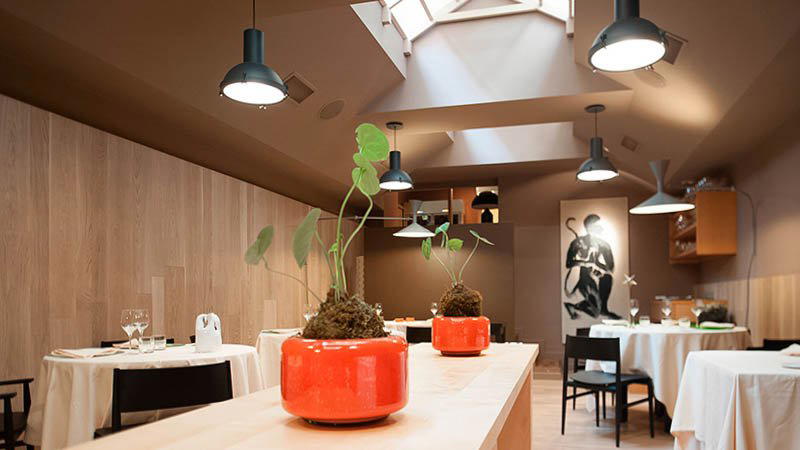
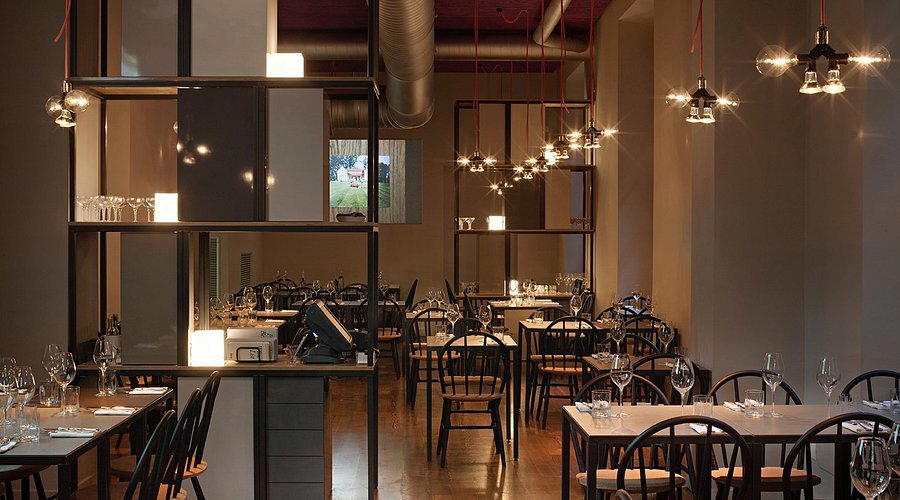
Bars in Albiate
Browse all →
Hotels in Albiate
Browse all →
Details
- Modern
- Elegant
- Intimate
- Cozy
- Sophisticated
- Date Night
- Special Occasion
- Open Kitchen
- Natural Wine
- Sommelier Led
- Farm To Table
- Local Sourcing
- Zero Waste
- Tasting Menu
- Natural Wine
- Vegetarian Friendly
Current opening hours
- Monday
- Closed
- Tuesday
- 12:30–1:30 PM, 7:30–10 PM
- Wednesday
- 12:30–1:30 PM, 7:30–10 PM
- Thursday
- 12:30–1:30 PM, 7:30–10 PM
- Friday
- 12:30–1:30 PM, 7:30–10 PM
- Saturday
- 7:30–10 PM
- Sunday
- Closed
Hours can change for holidays and private events. Last verified .
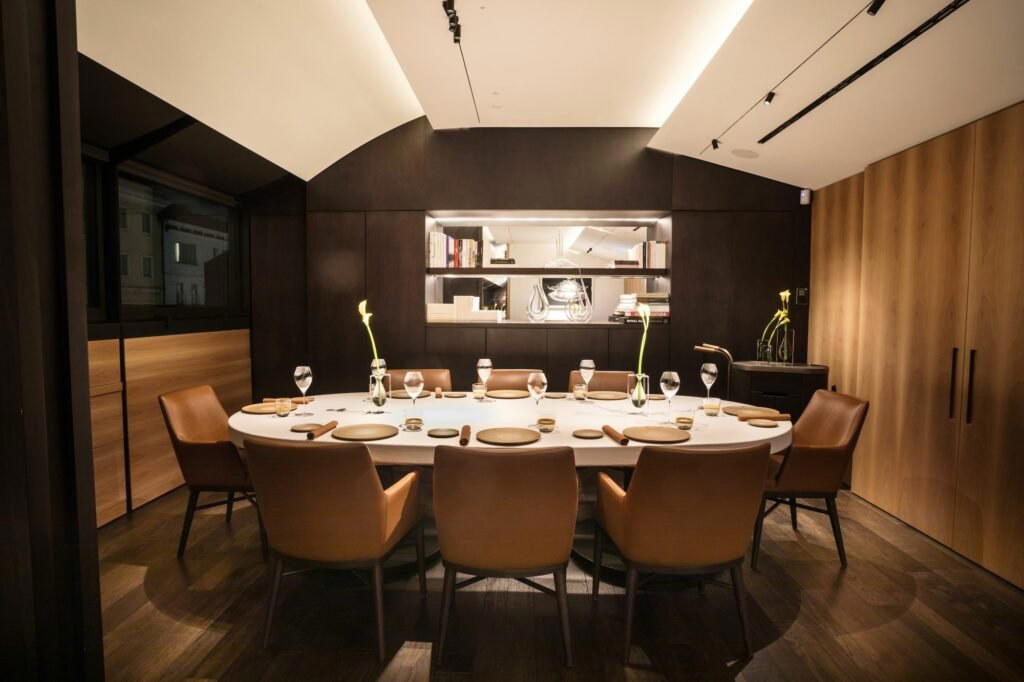
Refined minimalism with nature-inspired tones, warm lighting, and a calm, contemplative atmosphere.