Locanda Barbarossa




1 Michelin Star · La Liste Top Restaurants · Falstaff Restaurant - 96 Falstaff Points
Our verdict
Locanda Barbarossa elevates Ascona fine dining through Chef Mattias Roock's Michelin-starred Mediterranean cuisine, showcasing ingredients from Switzerland's only rice farm at the prestigious Castello del Sole resort. This distinguished restaurant combines classical French techniques with estate-grown produce on both refined tasting menus and à la carte selections.

Pearl is the En Primeur Club membership app, where members save venues, book tables and use the concierge.
The menu
What to order
- Sapori del Nostro Orto
- Risotto
- Tomato essence
Where Lago Maggiore Meets the Dinner Table
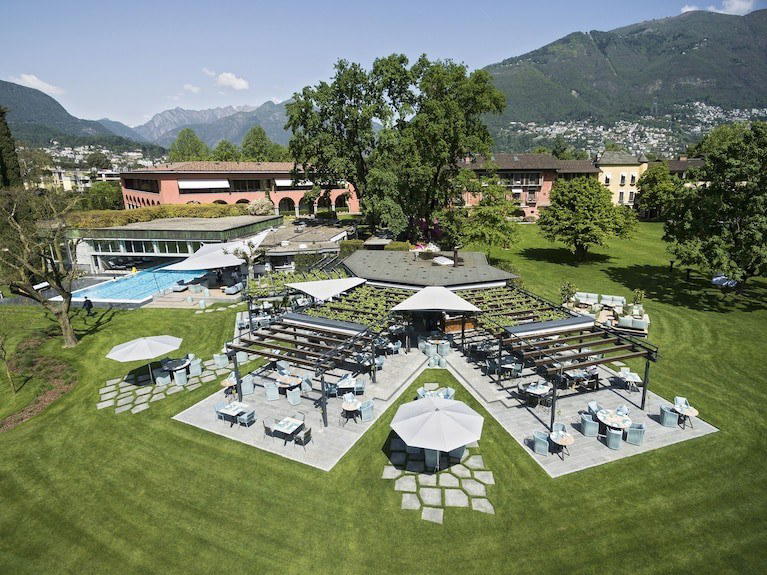
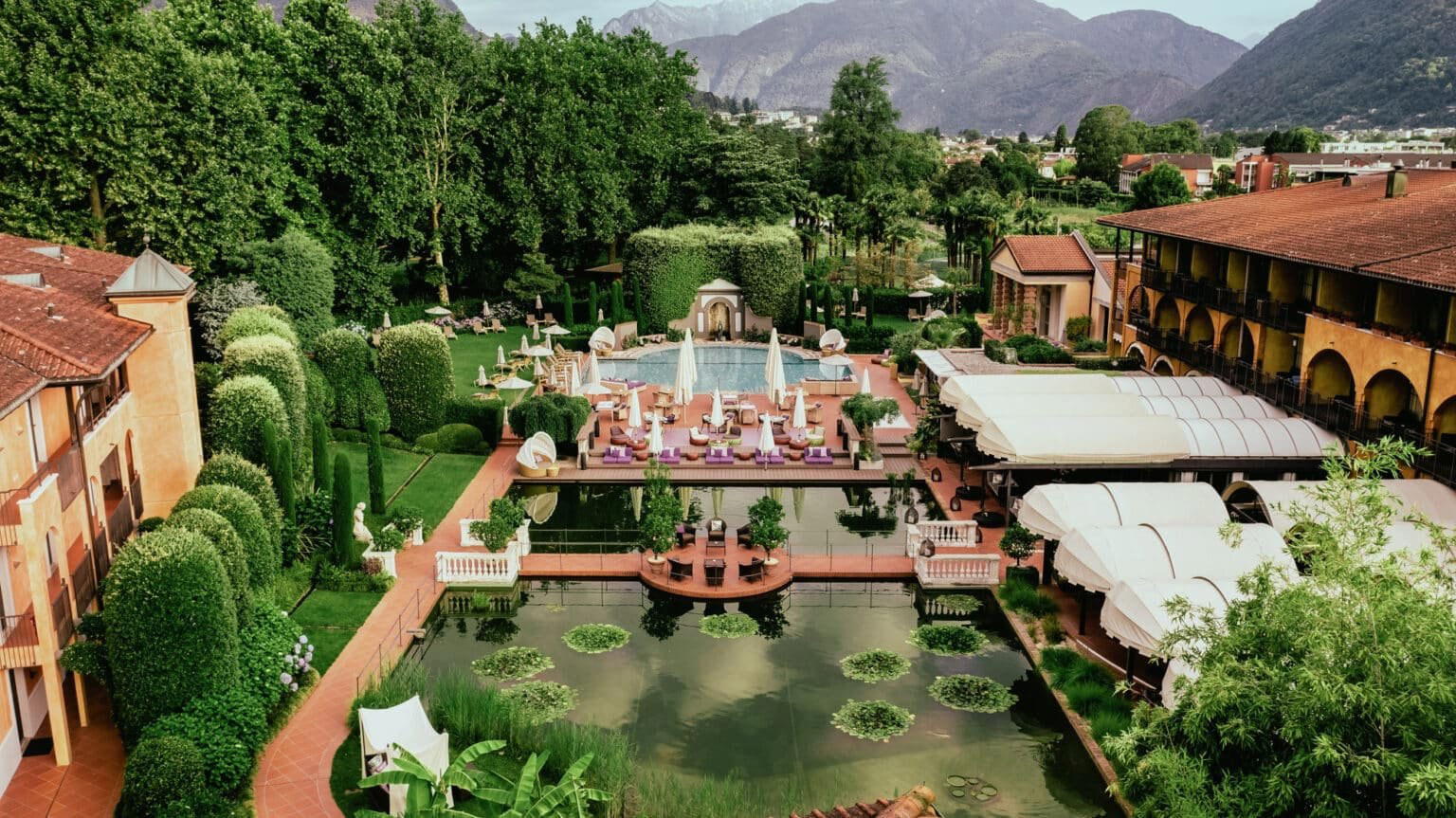
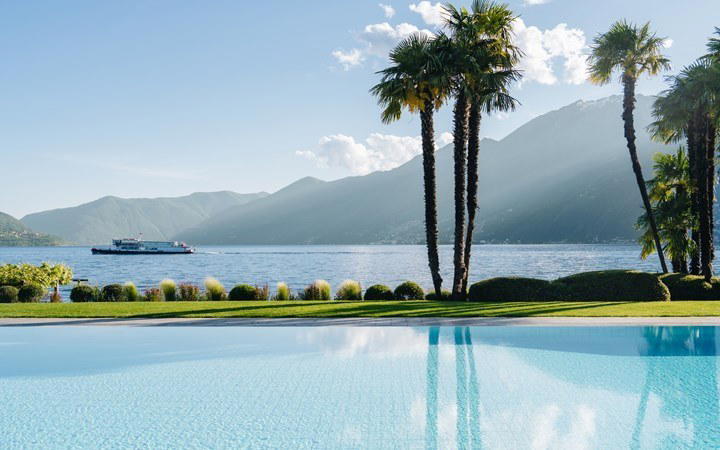
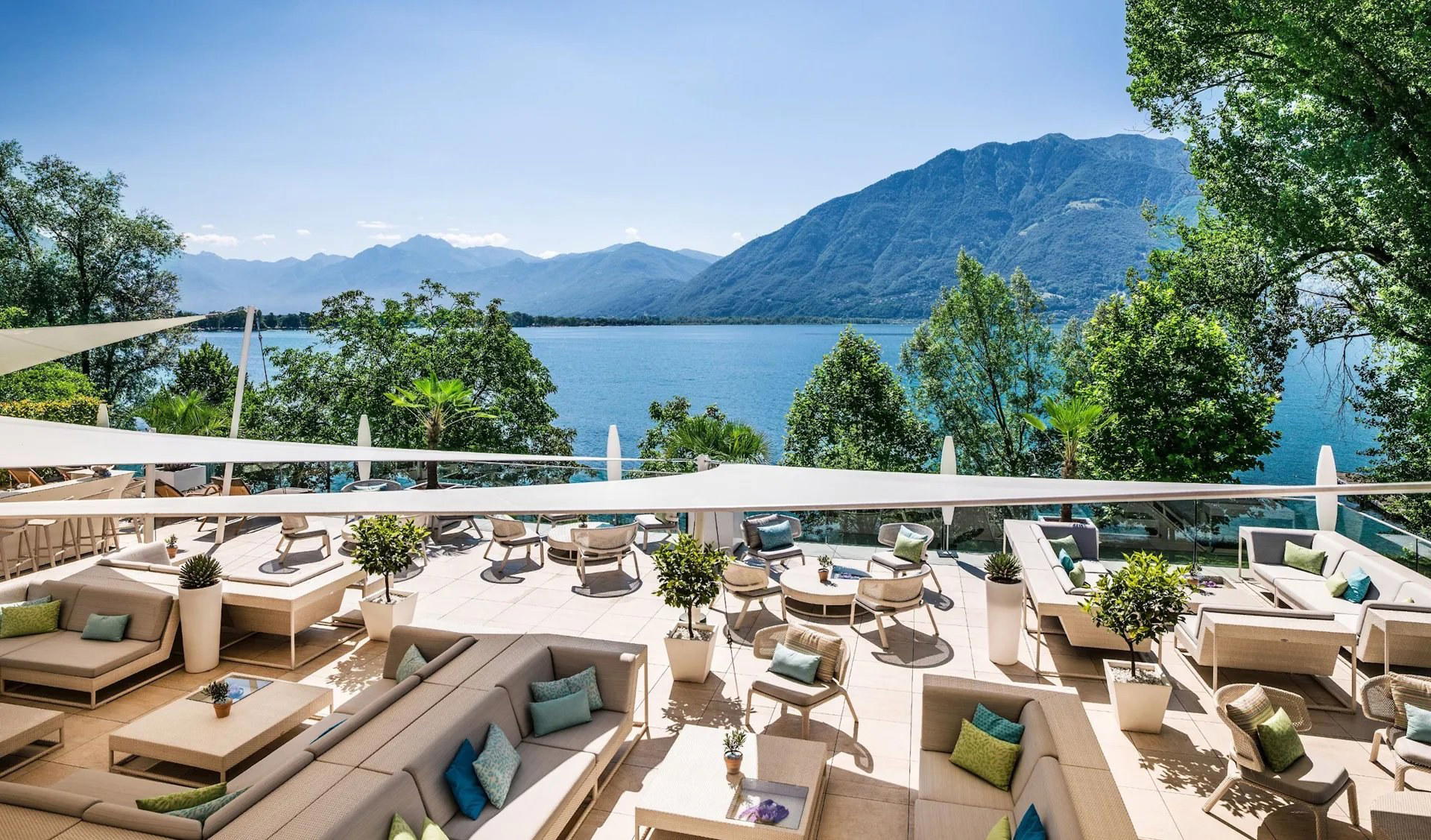
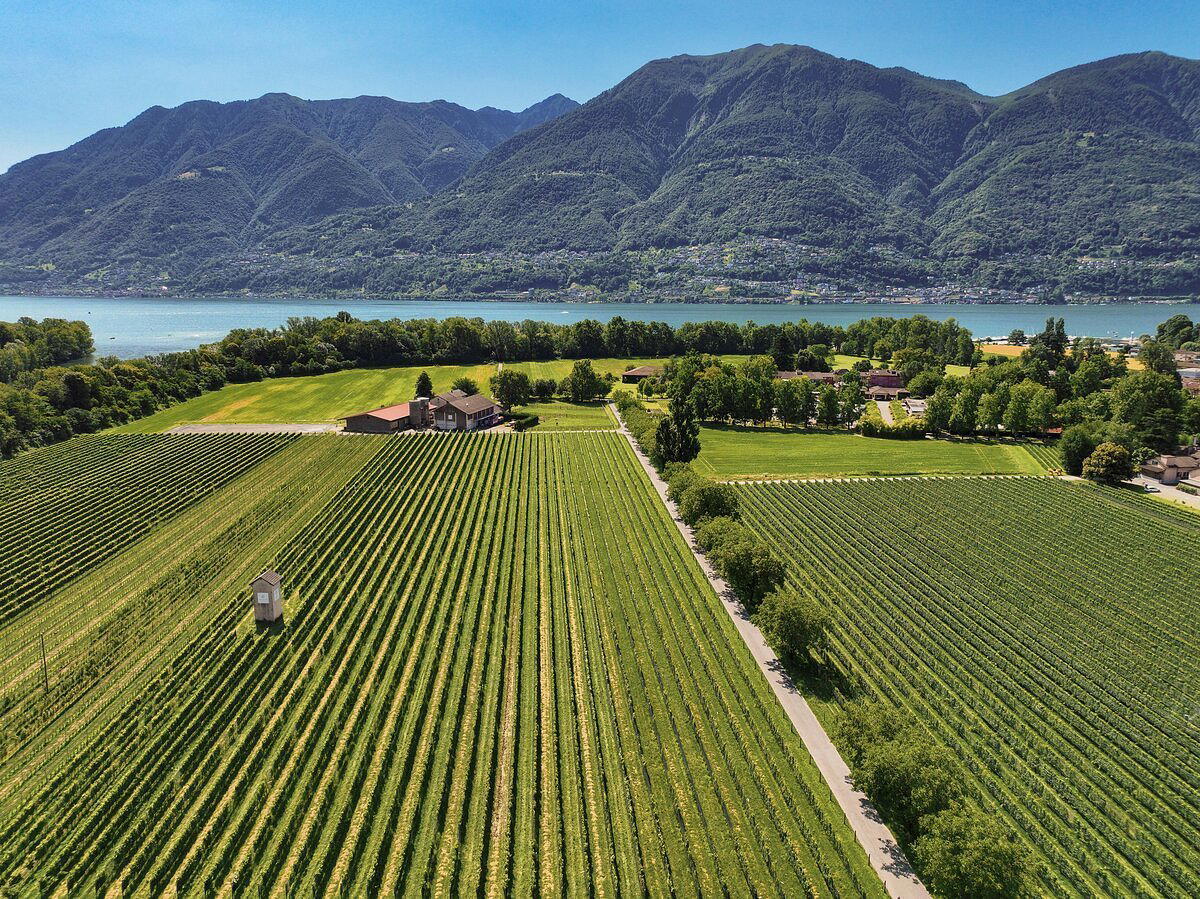
The approach to Castello del Sole along via Muraccio sets a particular tone before you have touched a menu or a glass. The estate sits at the quieter western edge of Ascona, separated from the lake-facing promenade by olive groves and kitchen gardens. Arriving in the long evenings of late spring or early summer, when the terrace at Locanda Barbarossa catches the last horizontal light off the water, you understand why the inspectors at Opinionated About Dining have consistently positioned this address near the best of Ticino’s fine dining tier: the physical setting does a great deal of the work before the kitchen gets involved.
Ticino occupies a genuinely unusual position in Swiss gastronomy. The canton is culturally Italian, climatically Mediterranean, and financially Swiss, which produces a dining register unlike anything in the French-speaking or German-speaking cantons. The wines are native to neither the Rhone nor the Rhine valleys; the produce reflects Alpine altitude alongside lake humidity; and the service tradition leans toward the measured warmth of northern Italian hospitality rather than the formal precision you find at, say, Cheval Blanc by Peter Knogl in Basel or Hotel de Ville Crissier in Crissier. Locanda Barbarossa sits squarely inside that Ticinese identity, and Chef Mattias Roock’s menu reflects it: seasonal produce drawn substantially from the estate’s own land, a classical backbone, and Mediterranean inflections that read as natural rather than decorative.
The Aperitivo Ritual at This Latitude
In Ticino, the aperitivo hour is taken seriously as a transitional ritual rather than a commercial one. The canton inherits the tradition directly from Lombardy and Piedmont, where a small glass of vermouth or local white with a few preserved vegetables or cured meats is the socially mandated bridge between the working day and the table. At Locanda Barbarossa, the estate terrace functions as that threshold space: the grounds are calm enough that pre-dinner drinks genuinely slow the pace before the meal begins, rather than serving as a lobby queue dressed in glassware.
Sommelier Sergio Bassi oversees a wine list that has drawn specific comment from multiple OAD inspection cycles. In a region where the local Merlot del Ticino has spent decades trying to shed an underestimation bias among international critics, a Ticinese wine selection makes an aperitivo moment genuinely instructive as well as pleasurable. The estate setting, combined with produce grown on-site, gives the pre-dinner sequence a coherence that more urban fine-dining addresses rarely achieve.
The Kitchen’s Position in the Ticinese Hierarchy
Locanda Barbarossa has appeared in every edition of Opinionated About Dining’s Classical in Europe list since its recommendation in 2023, climbing from that initial listing to #289 in 2024 and settling at #428 in 2025 as the overall field expanded. La Liste awarded it 88.5 points in 2025 and 87 points in 2026. These figures place it consistently inside the upper bracket of Ticino dining, a tier that contains only a small number of addresses operating at the intersection of classical technique, seasonal sourcing, and estate-level produce quality.
Within Ascona itself, the restaurant operates at the top of the price register alongside La Brezza and Ecco Ascona, while al lago and Hide & Seek occupy the mid-range, and Asia provides a lower-price alternative.
The comparison to 7132 Silver in Vals or Colonnade in Lucerne is also instructive: Swiss fine dining increasingly operates inside hotel properties, and the best of these addresses have learned to use the estate infrastructure as a sourcing advantage rather than merely a backdrop. Locanda Barbarossa’s use of produce from the Castello del Sole land is consistent with that pattern.
Further afield, the Swiss Italian tradition shares more DNA with places like Bocca Fina in Tarasp than with the French-classical lineage that dominates Swiss fine dining at the international level. And while a restaurant like Le Bernardin in New York City represents the opposite pole of classical technique applied with a very specific product focus, the underlying commitment to seasonal sourcing and technique without novelty for its own sake connects the two sensibilities at a philosophical level.
Format and Frequency
The kitchen runs two tasting menus alongside an à la carte option. The tasting menu format is standard at this price tier across Switzerland, but the à la carte availability sets Locanda Barbarossa slightly apart: it allows guests at the Castello del Sole staying over multiple nights to eat here more than once without repeating the same structure. OAD inspectors noted the seasonal produce sourcing and classical execution as consistent across both formats, which suggests the à la carte is not a second-tier offering.
Service runs Monday through Friday from 7 PM to 9 PM only, with Saturday and Sunday adding a lunch service from noon to 1:30 PM, and dinner again from 7 PM. The condensed dinner window is worth registering before planning: this is not a restaurant where you can arrive at 9 PM for a leisurely start.
Planning Your Visit
Locanda Barbarossa sits within Castello del Sole at via Muraccio 142 on the western edge of Ascona, accessible by car or taxi from the village centre. The dinner-only format on weekdays means advance planning is necessary, particularly in summer when the terrace is at its most appealing and the wider region sees peak visitor numbers. Booking through the hotel directly is the most reliable route, as the restaurant has no separate online presence listed in the public record.
For a fuller picture of the town’s eating and drinking options, see our full Ascona restaurants guide, our full Ascona bars guide, our full Ascona hotels guide, our full Ascona wineries guide, and our full Ascona experiences guide.
Frequently asked questions
What should I budget for a meal at Locanda Barbarossa?
Pricing at Locanda Barbarossa is listed as €€€€.
Similar Picks
| Venue | Cuisine | Price | Awards | Notes |
|---|---|---|---|---|
| Locanda BarbarossaThis venue (the venue you are viewing) | Mediterranean Fine Dining with Seasonal Ticino Ingredients | Not listed | 1 Michelin Star · La Liste Top Restaurants | Not listed |
| La Brezza | Modern Mediterranean Fine Dining | $200–300 | 2 Michelin Stars · La Liste Top Restaurants | Mediterranean Cuisine |
| Asia | Asian Fusion with Japanese, Thai, and Chinese | Not listed | Michelin Bib Gourmand | Asian |
| Ecco Ascona | Modern Creative Fine Dining | $200–300 | La Liste Top Restaurants · Falstaff Restaurant - 94 Falstaff Points | Not listed |
| al lago | Modern Italian Mediterranean | Not listed | Michelin Plate | Italian Contemporary |
| Hide & Seek | Modern Mediterranean with Ayurvedic Influences | Not listed | Michelin Plate | International |
Recognition history
Dated appearances from independent guides and award organizations, with the underlying list record or original source where available.
Michelin 1 Star
Michelin
La Liste Top Restaurants
La Liste
Falstaff Restaurant - 96 Falstaff Points
Falstaff
Opinionated About Dining Classical in Europe Ranked #428
Opinionated About Dining
Full recognition history (8 entries)
La Liste Top Restaurants
La Liste
Michelin 1 Star
Michelin
Opinionated About Dining Classical in Europe Ranked #289
Opinionated About Dining
Opinionated About Dining Classical in Europe Recommended
Opinionated About Dining
Continue exploring
More in Ascona
Restaurants in Ascona
All restaurants in Ascona →
Bars in Ascona
All bars in Ascona →

Locanda Barbarossa
The wine
- Wine program
- Deep wine list
- Extensive wine list
- Sommelier-led
Details
- Elegant
- Romantic
- Intimate
- Sophisticated
- Cozy
- Date Night
- Special Occasion
- Celebration
- Terrace
- Hotel Restaurant
- Open Kitchen
- Extensive Wine List
- Sommelier Led
- Farm To Table
- Local Sourcing
- Organic
- Garden
- Tasting Menu
- A La Carte
- Vegetarian Friendly
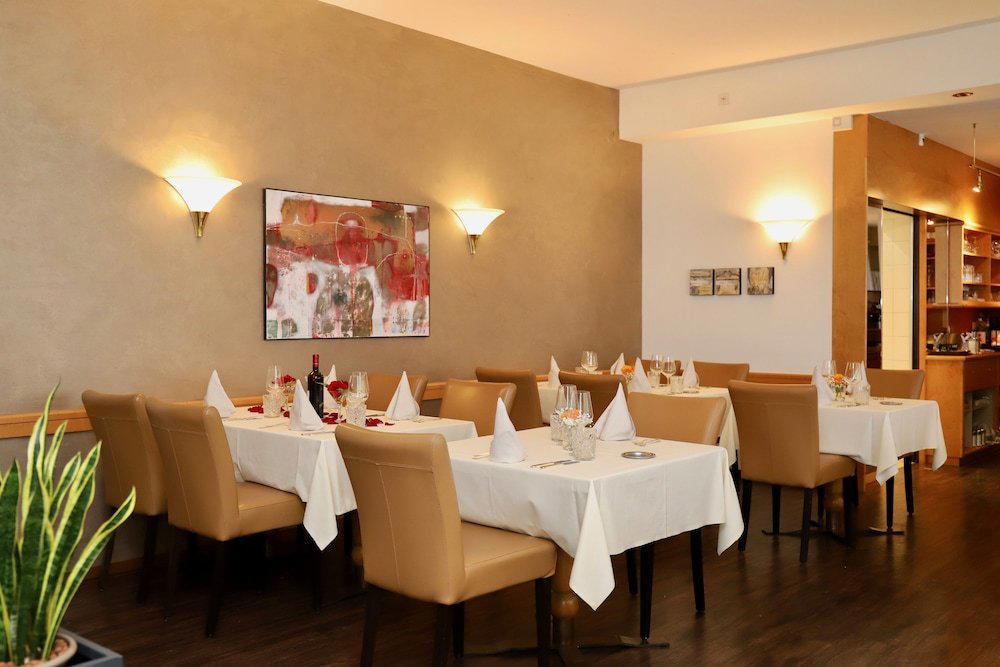
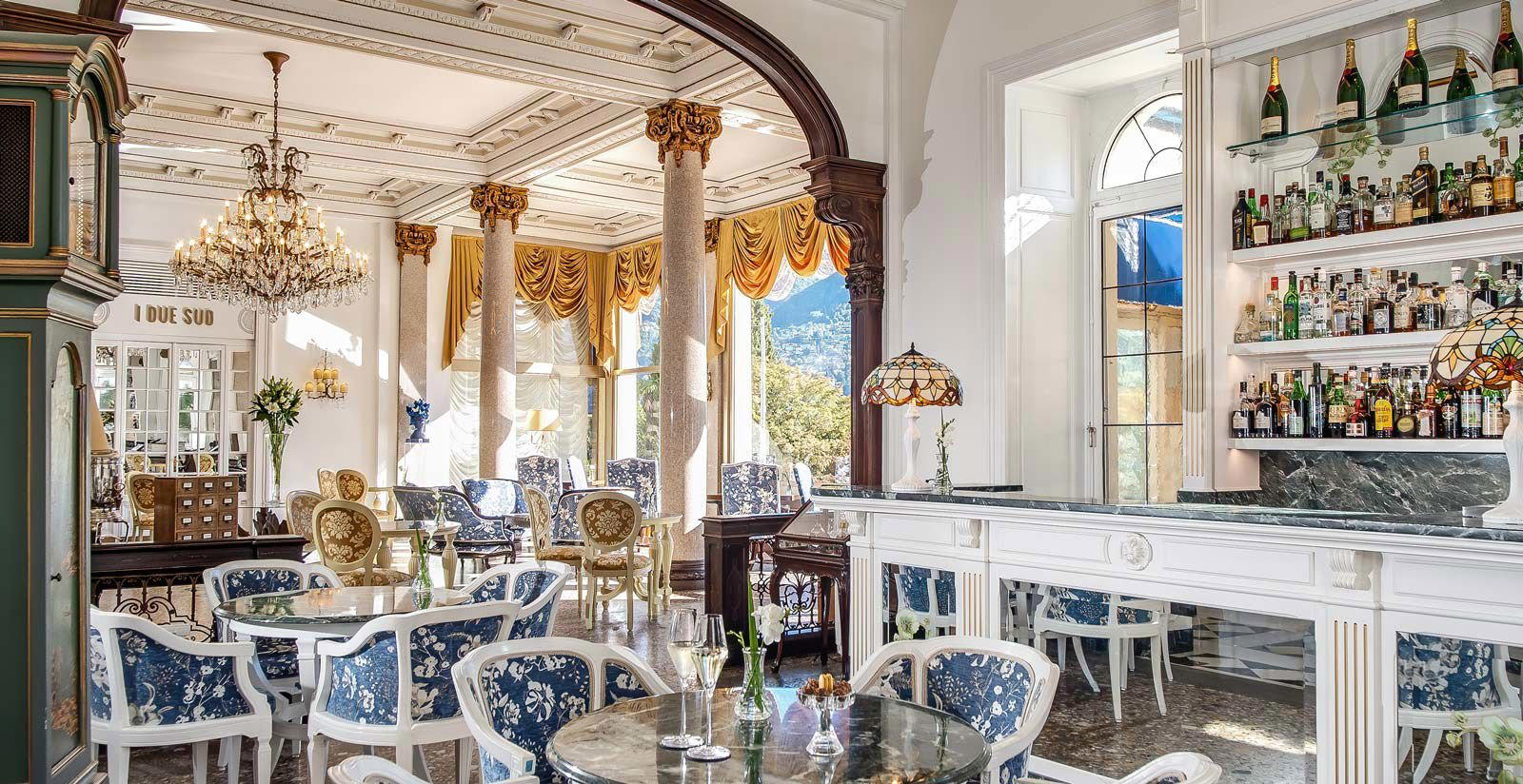
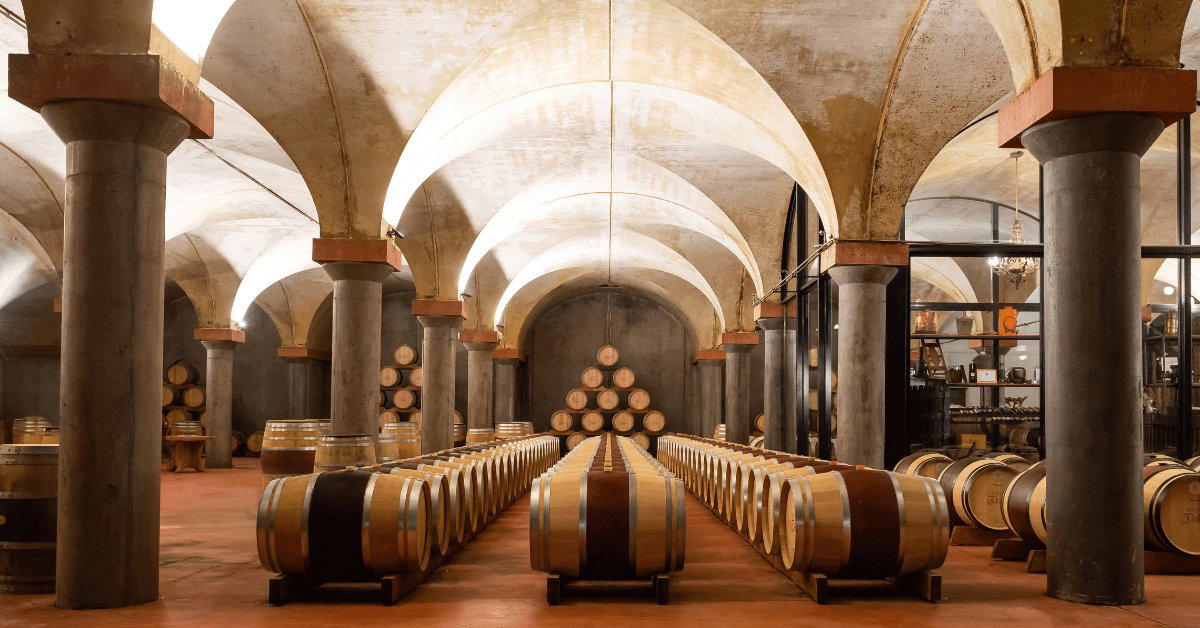
Peaceful and tranquil setting with elegant wooden beams, stone pillars, and a lovely terrace; relaxed yet ornate atmosphere praised for its romantic intimacy.