Iki Retreat by Onko Chishin


Michelin Selected · Design Hotels Member
Iki Retreat by Onko Chishin sits on Iki Island, a compact island prefecture in the Genkai Sea between Kyushu and the Korean peninsula. The property draws on the island's hot spring culture and seafood abundance, positioning itself as a deliberate counterpoint to mainland resort density. Sea views, onsen access, and local produce define the offering.

Pearl is the En Primeur Club membership app — saves, bookings, and concierge access live there. Same editors, same standards.
- Address
- 119-2 Tateishi Nishifure, Katsumotocho, Iki-city, Iki Island 811-5556, Japan
- Phone
- +81 920-43-0770
- Website
- marriott.com
- Directions
- Get directions
An Island That Resists the Itinerary
Iki Island does not reward the traveller in a hurry. Sitting roughly 20 kilometres north of Kyushu in the Genkai Sea, it takes a ferry from Hakata or Karatsu to reach, and that crossing is part of the point. The island's population sits under 30,000, its coastline runs to dramatic sea cliffs and shallow coves in near-equal measure, and its identity is shaped by three things: horses, sake, and the ocean. Properties that work on Iki tend to work because they anchor themselves inside that triad rather than importing a mainland sensibility onto it. Our full Iki Island restaurants guide traces how the island's food and hospitality have developed around these local markers.
Physical Setting and Design Orientation
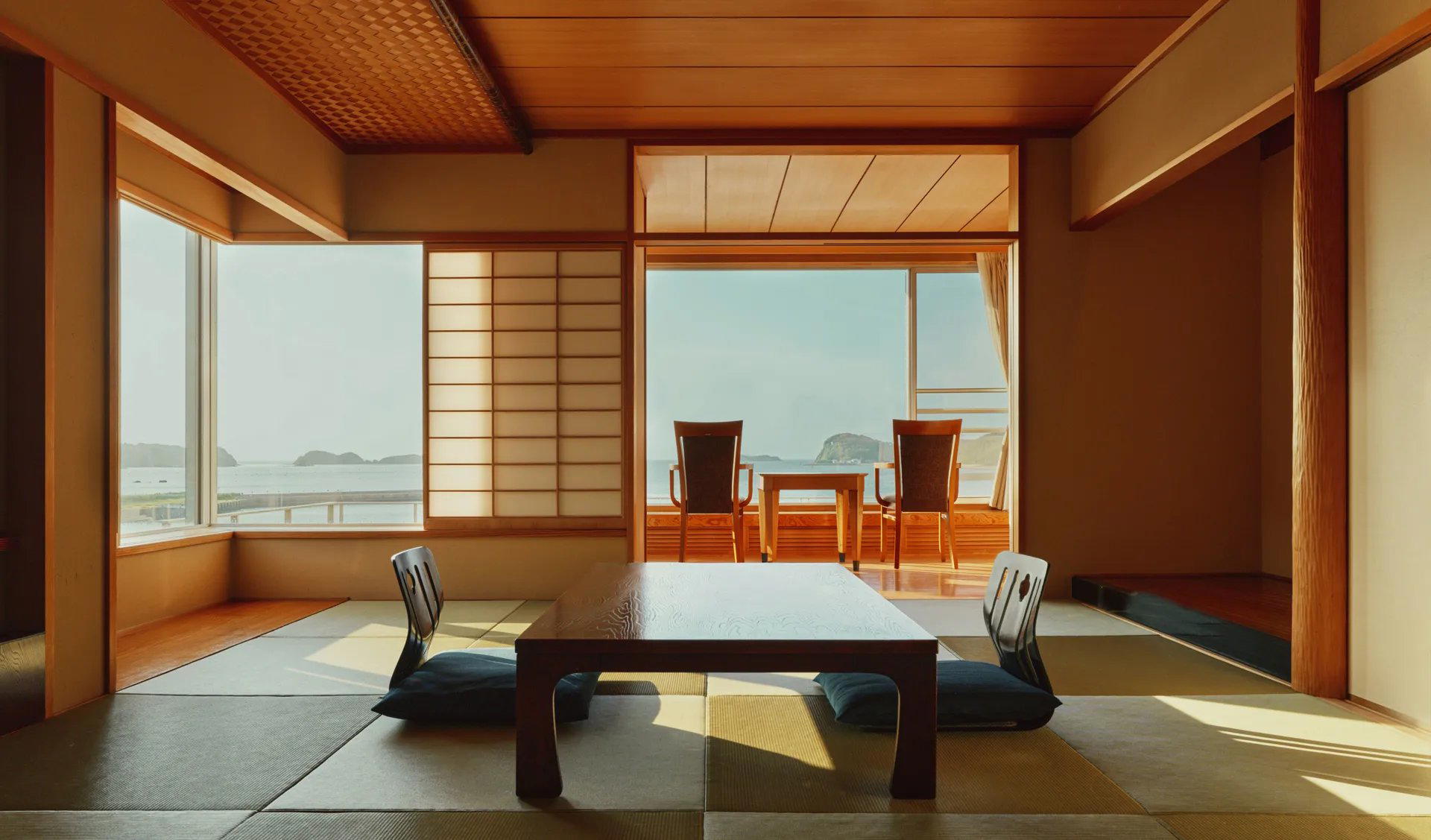
Japan's premium ryokan sector has split across two broad design philosophies in recent decades. One group draws on architectural drama — sharp geometry, imported materials, and rooms that read as deliberate statements. The other group works through restraint and site specificity: local timber, low horizontal lines, and a relationship with the surrounding landscape that makes the architecture feel conditional on its exact location. Iki Retreat by Onko Chishin belongs to the second tradition. Its address in the Katsumotocho area of Iki-city places it within reach of the sea vistas the northern part of the island is known for, and the retreat's identity is built around that orientation toward water and horizon rather than away from it.
The name itself signals the design intent. Onko Chishin is a Japanese phrase associated with the value of understanding the present through the past — learning from what already exists rather than overwriting it. As a conceptual frame for a ryokan on a historically significant island (Iki appears in the Kojiki, Japan's earliest chronicle), it points toward an aesthetic rooted in the existing character of the place rather than imposed on top of it. Properties operating in this register, quietly referential to local material culture, understated in their physical presence, occupy a different competitive tier than the high-drama resort format. For comparison, the architectural spectacle approach is visible at properties like Bvlgari Hotel Tokyo, where the design conversation is explicitly urban and international. Iki Retreat reads differently: smaller in scale, specific to its geography, and legible only in the context of this island.
Hot Spring Culture on a Working Island
Onsen access is central to what Iki Retreat offers, and it is worth understanding where Iki's hot spring culture sits relative to Japan's more famous thermal destinations. Beppu, Kinosaki, and Hakone each carry decades of tourism infrastructure around their springs; they are known quantities with well-developed visitor economies. Iki operates on a smaller register. The island has active geothermal resources, but the onsen culture here is embedded in daily island life rather than packaged as a premium attraction. A retreat that draws on those springs is offering access to something that functions at a local scale, which for travellers who have already worked through the major thermal destinations, represents a different kind of value. Properties like Gora Kadan in Hakone, Nishimuraya Honkan in Kinosaki, and Asaba in Izu represent the established tier of Japanese onsen ryokan. Iki Retreat sits outside that tier, not beneath it, but lateral to it, serving a reader who is seeking less-trafficked thermal culture rather than a confirmed classic.
Seafood as Context, Not Decoration
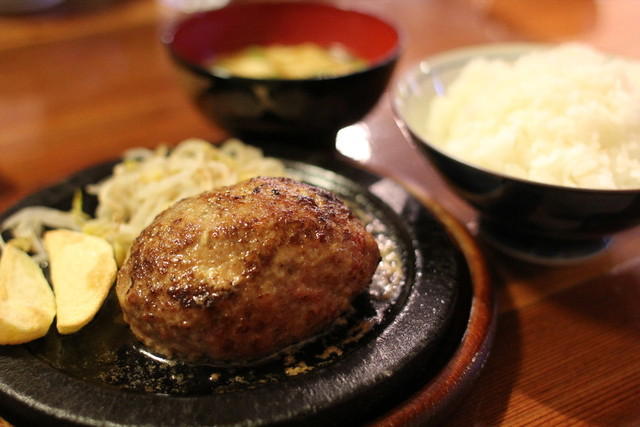
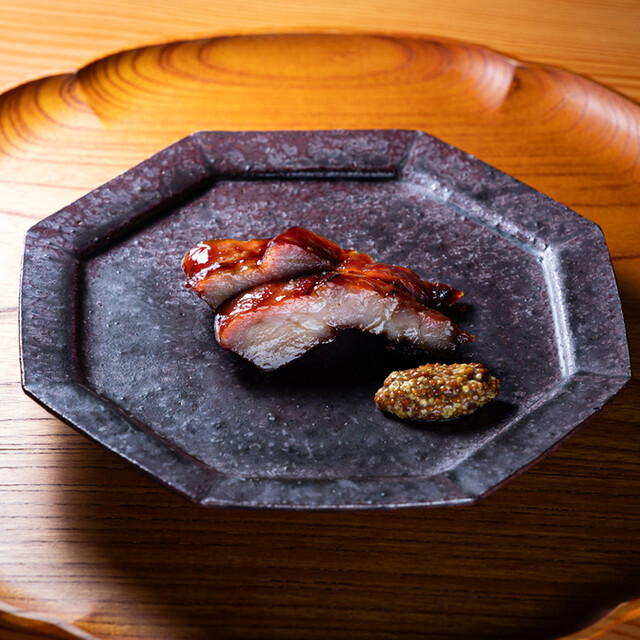
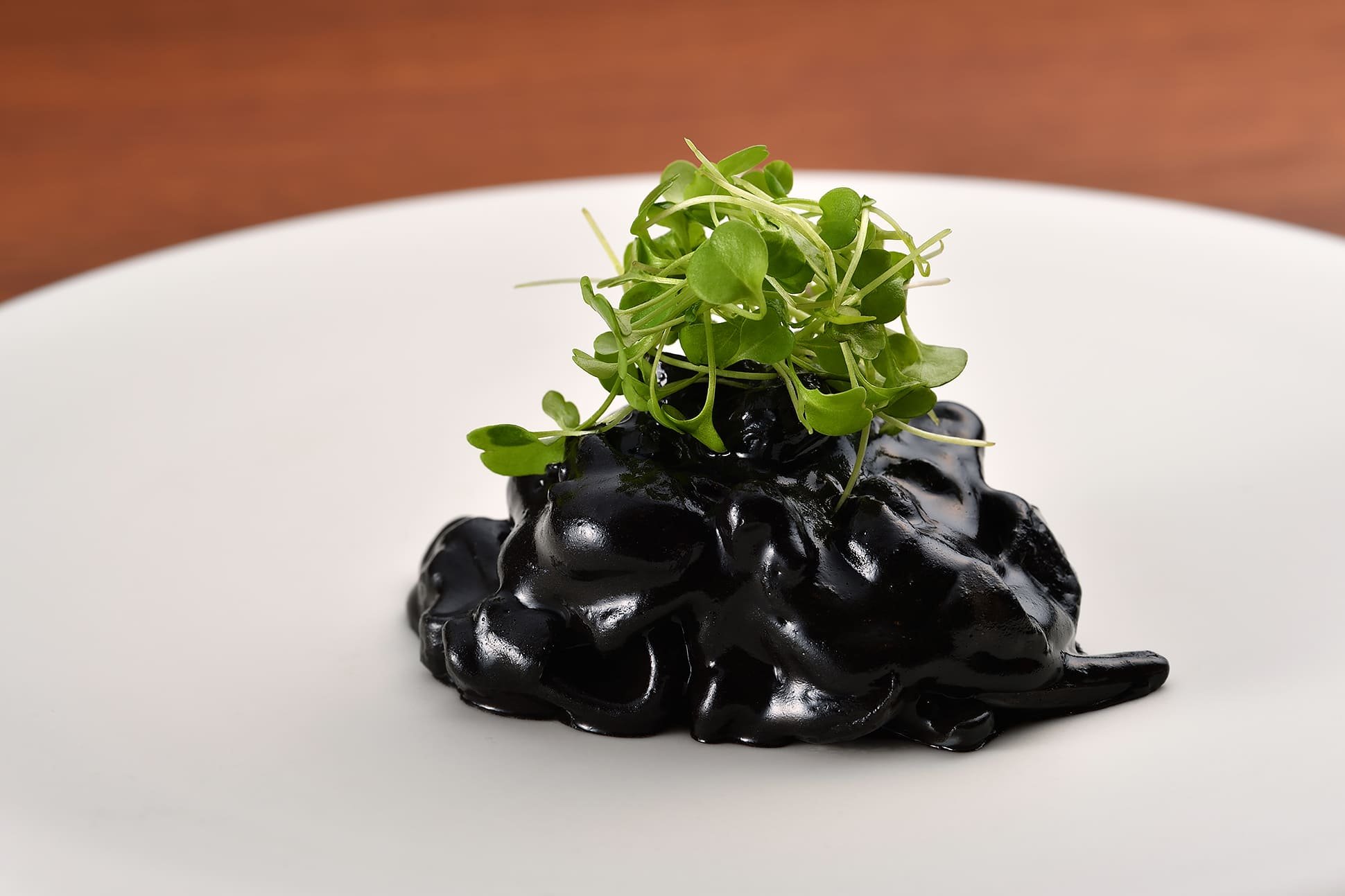
The Genkai Sea is among the more productive fishing grounds in Japan's western waters, and Iki's relationship with its seafood is structural rather than incidental. The island has long supplied high-quality fish and shellfish to the Kyushu mainland and beyond, and local dining is oriented around catch quality and seasonal availability in ways that mainland resort restaurants frequently attempt to simulate. At a property embedded in Iki's food culture, the seafood offer is shaped by what the sea produces rather than what a procurement team sources from a central market. This distinction matters in practice: the proteins arriving at table are likely to have covered a very short distance, and the kitchen's relationship to that supply chain is direct. For context on how Japanese island food cultures develop around proximity to the water, the approaches at Jusandi in Ishigaki and Halekulani Okinawa offer southern-island reference points, while Azumi Setoda in Onomichi shows how Seto Inland Sea hospitality handles the same proximity.
Where This Property Sits in Japan's Ryokan Spectrum
Japan's premium ryokan market is densely populated with credentialed properties: century-old establishments in known hot spring towns, design-forward openings backed by international hotel groups, and a growing tier of small-capacity retreats that trade on remoteness and quiet. Iki Retreat by Onko Chishin operates in the last category. The island's relative inaccessibility, there is no airport service to compare with Hokkaido or Okinawa's connectivity, means the guest arriving here has already made a decision about the kind of travel they want. That self-selection shapes the atmosphere: the property draws people who have chosen Iki over easier alternatives, which tends to produce a quieter, more purposeful guest profile than destination resorts with direct transport links. For reference, the remote-but-connected tier is represented by Zaborin in Hokkaido and ENOWA Yufu in Oita Prefecture; Iki Retreat operates at a comparable register of deliberate remoteness, though without those properties' proximity to major transport hubs. For travellers mapping a Japan itinerary that moves between ryokan styles, HOTEL THE MITSUI KYOTO, Araya Totoan in Kaga, Beniya Kofuyuden in Awara, and Amanemu in Mie each represent a different point on the spectrum from urban-adjacent to deeply rural.
Planning a Stay
Getting to Iki Island requires a ferry crossing from Fukuoka's Hakata Port or from Karatsu in Saga Prefecture, with journey times ranging from roughly 70 minutes (high-speed ferry) to over two hours on the slower car ferry. The crossing schedule is the binding constraint on any Iki itinerary, and it means the property functions leading as a multi-night stay rather than an overnight detour. Spring and autumn offer the most temperate conditions on the island; summer brings heat and humidity but also the fullest fishing season. Winter arrivals can expect a quieter island and colder sea air, with the onsen experience gaining additional weight as a result. Given the logistical commitment involved in reaching Iki, advance booking is advisable, particularly for any travel window that aligns with Japanese public holidays or the Golden Week period in late April and early May, when domestic travel to lesser-known island destinations increases significantly. Contact and booking details are best confirmed through direct inquiry to the property, as availability at small-capacity retreats of this type is not always reflected in third-party platforms. Further practical context on Iki Island's visitor infrastructure, dining, and transport is available in our full Iki Island guide.
How It Stacks Up
Comparable venues nearby, for context on price, style, and recognition.
| Venue | Cuisine | Price | Awards | Notes |
|---|---|---|---|---|
| Iki Retreat by Onko ChishinThis venue — the venue you are viewing | Modern ryokan blending Japanese tradition with minimalist Western elements, rejuvenated in 2020. | $1,000–1,500 | Michelin Selected · Design Hotels Member | Not listed |
| Hanzuiryo (半水盧) | Luxury heritage ryokan with contemporary service standards, positioned as a upper-tier wellness and culinary destination within a protected national park. | Not listed | 1 Michelin Key | Unzen |
| THE LUIGANS Spa & Resort | Mexican-inspired modern resort in a quasi-national park | $200–300 | Michelin Selected · World Luxury Hotel Awards WLHA Regional Winner | Higashi |
| Gora Kadan | Contemporary ryokan blending traditional Japanese architecture with modern luxury, set within a historic Imperial retreat. | Not listed | 3 Michelin Keys · La Liste Top Hotels | Gora, Hakone-machi |
| Hotel Toranomon Hills (ホテル虎ノ門ヒルズ) | Luxury design hotel positioned as a cosmopolitan retreat for business travelers and experienced guests seeking Japanese-Scandinavian aesthetic fusion. | $300–500 | Not listed | Toranomon |
| Hyatt Regency Tokyo (ハイアットリージェンシー東京) | Contemporary urban luxury with Shinjuku-inspired reinvention | $300–500 | Not listed | Nishi-Shinjuku |
Recognition history
Dated appearances from independent guides and award organizations, with the underlying list record or original source where available.
Michelin Selected
Michelin
Design Hotels Member
Design Hotels
Continue exploring
More in Iki Island
Hotels in Iki Island
Browse all →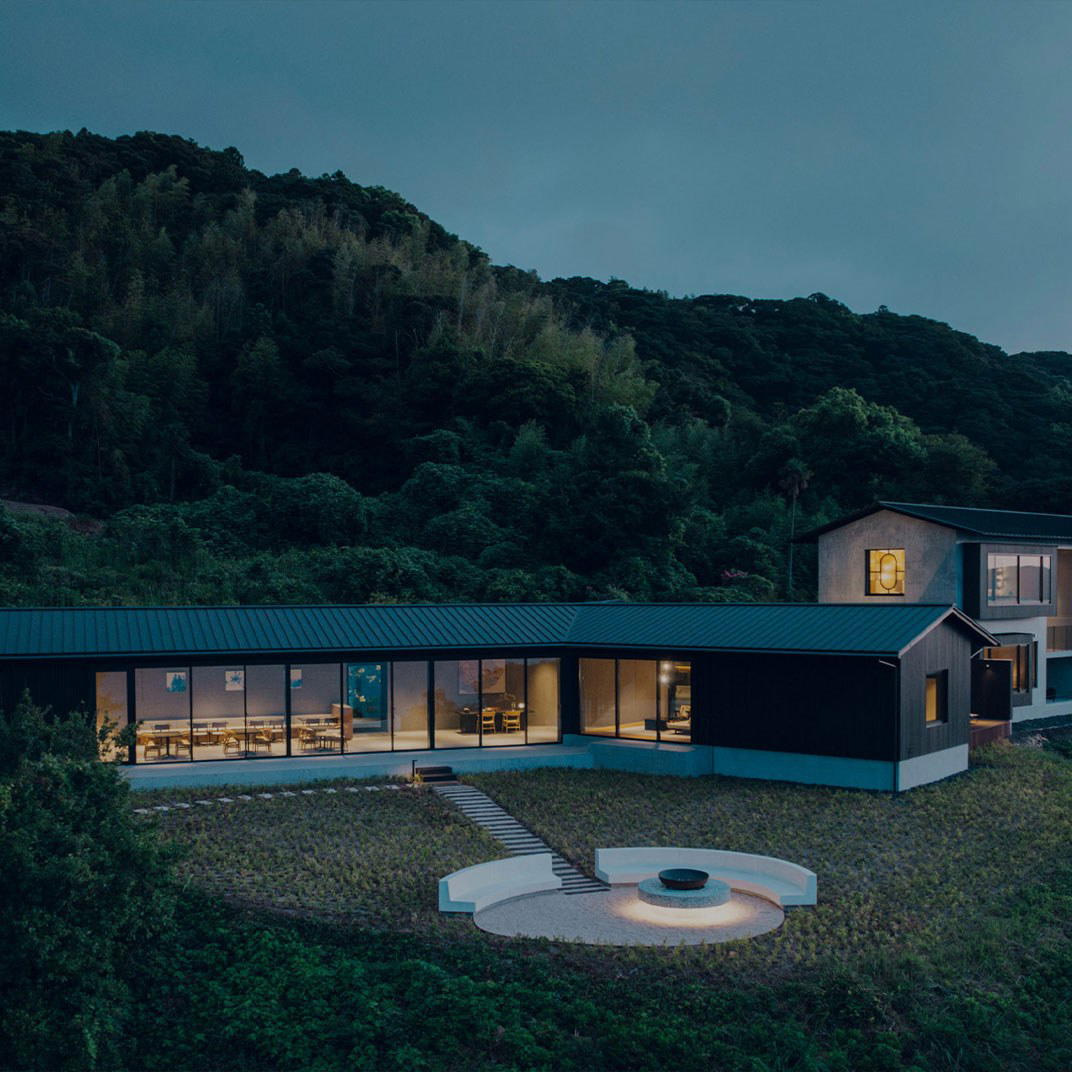
Restaurants in Iki Island
Browse all →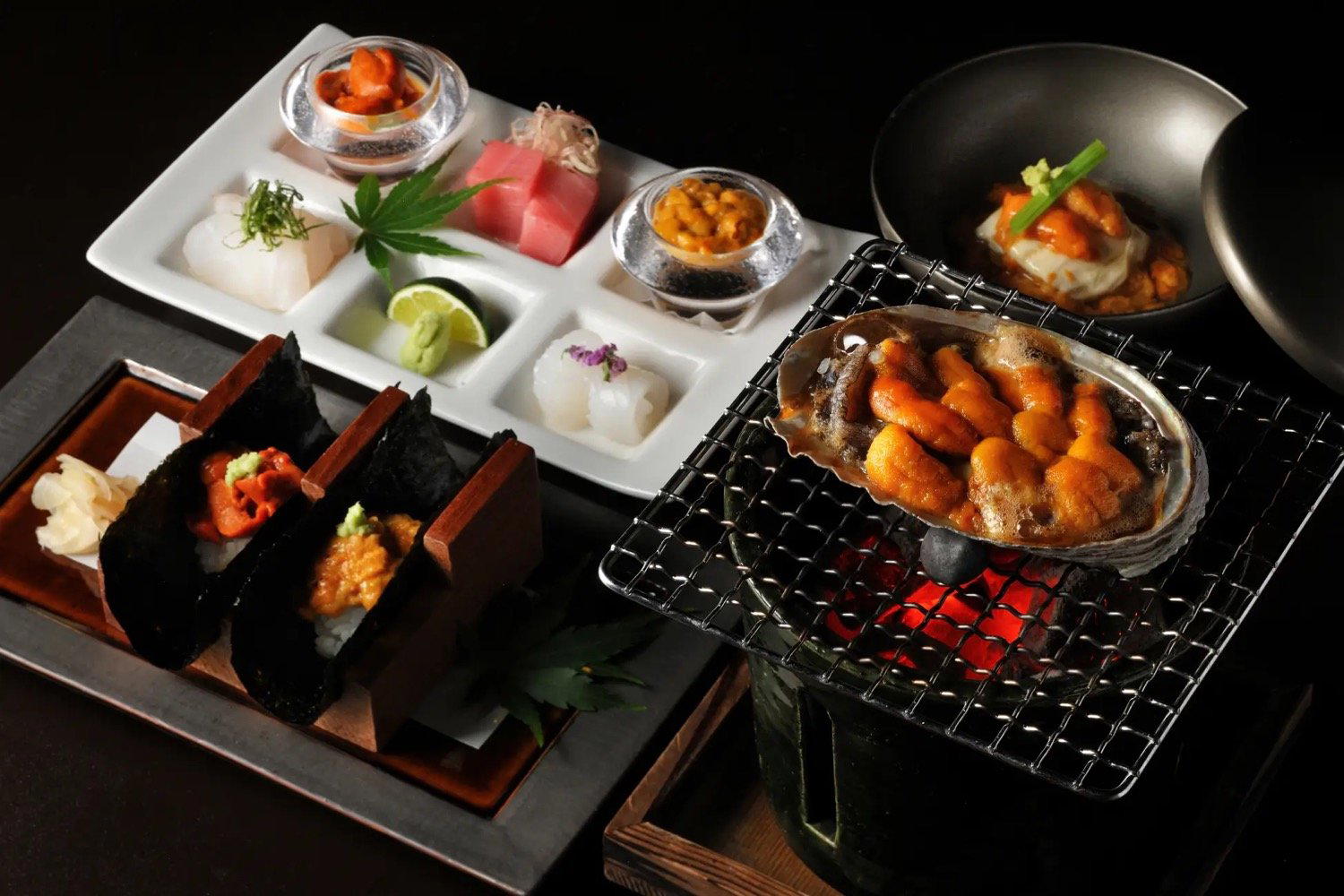
Details
- Quiet
- Elegant
- Scenic
- Intimate
- Sophisticated
- Minimalist
- Romantic Getaway
- Wellness Retreat
- Honeymoon
- Weekend Escape
- Waterfront
- Panoramic View
- Private Villa
- Wi Fi
- Spa
- Pool
- Fitness Center
- Room Service
- Concierge
- Waterfront
- Elevator
Calm and serene with warm natural wood tones, minimalist design, low furnishings, and floor-to-ceiling windows framing spectacular sea sunsets.