
Our verdict
Restaurant Présage places French cooking inside Karatsu’s coastal food culture rather than treating the city as a backdrop. The interest is provenance: Saga produce, Genkai Sea rhythms, and a regional dining scene where French technique can read as translation rather than import.

Pearl is the En Primeur Club membership app, where members save venues, book tables and use the concierge.
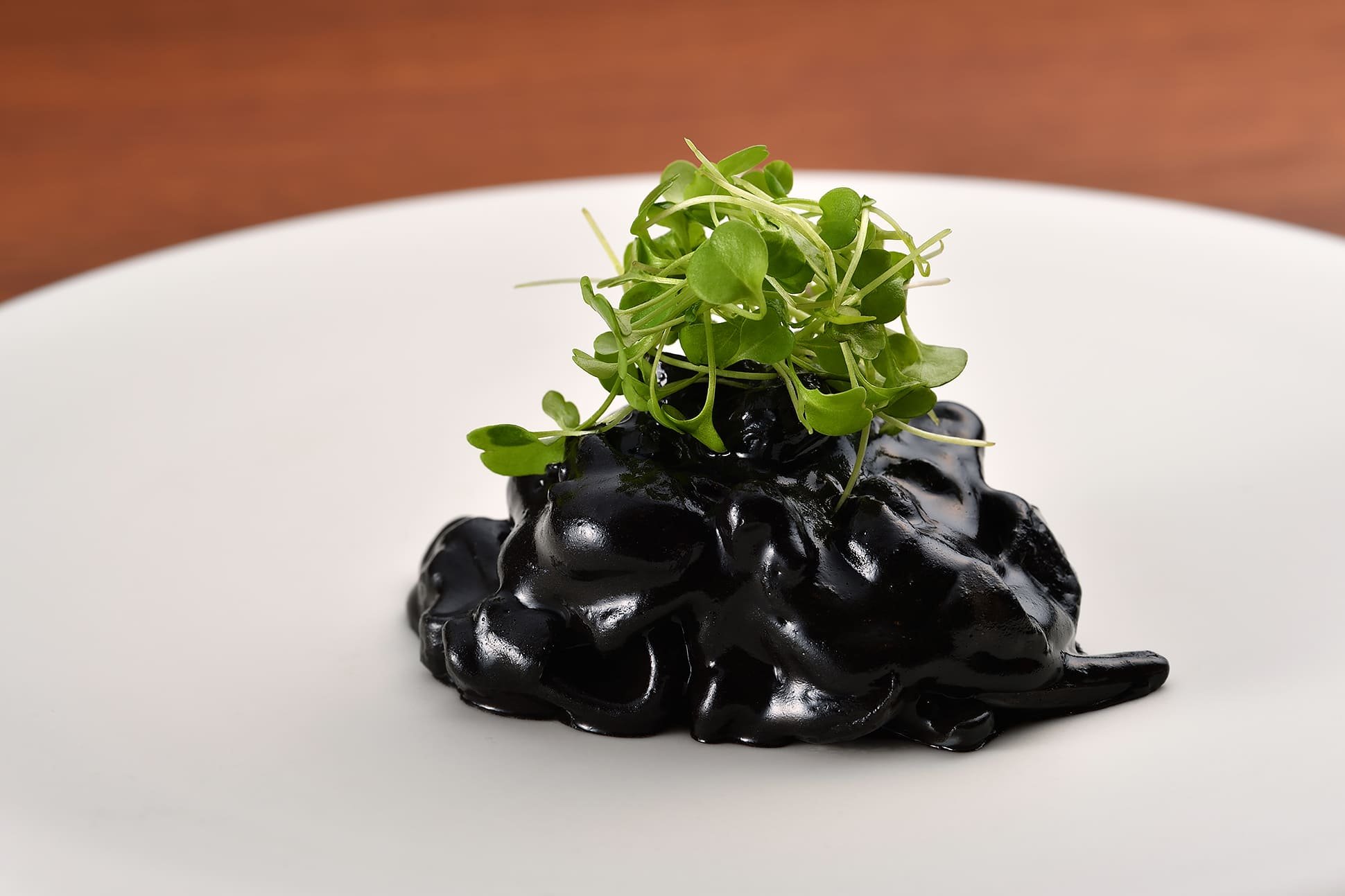
Karatsu does not announce itself with the scale of Tokyo or Osaka. The city works at a lower register: fishing port, castle town, ceramic kilns, morning markets, and a coastline that keeps seafood close to the table. In that setting, a French restaurant has to answer a different question from a grand urban dining room. It is not enough to reproduce metropolitan formality; the cooking needs to make sense beside Saga’s fields, the Genkai Sea, and a local culture that already understands seasonality without turning it into theatre.
Restaurant Présage sits in that conversation. Its category is French food, but the more useful reading is regional French technique applied in a Japanese coastal city with a strong ingredient identity. Karatsu’s dining scene is compact, and that scale changes the stakes. A restaurant working in French idiom here is not competing through spectacle or volume; it is judged by how clearly it handles produce, seafood, restraint, and timing.
French technique in a Saga coastal frame
French cooking in regional Japan often succeeds when it stops trying to imitate Paris and starts behaving like a local grammar. Karatsu gives that approach credible raw material. Saga is associated with agricultural depth, while the nearby coast gives kitchens access to seafood traditions that predate any imported dining format. The point is not fusion as a gimmick. The stronger model is translation: sauces, reductions, heat control, pacing, and plating used to clarify what the region already grows and lands.
This is where Présage’s location matters more than decorative atmosphere. Karatsu is close enough to larger Kyushu food routes to feel connected, yet small enough that provenance can carry weight. In cities with dense luxury dining circuits, French restaurants often lean on cellar scale, imported produce, or long tasting-menu architecture. In Karatsu, the more persuasive route is narrower: show why a French kitchen belongs here, and why the city’s ingredients can hold the room without being overworked.
Rather than leaning on unverified chef mythology, the better editorial reading keeps attention on the plate and the region. Too many restaurant narratives over-credit personal philosophy when the stronger story is structural: coastal access, agricultural proximity, and a dining culture comfortable with seasonality. For a reader assessing whether to prioritize this table, the relevant question is not who authored the concept but whether the format adds another register to Karatsu’s food identity.
Karatsu dining rewards provenance over scale
Karatsu’s restaurant map is unusually useful for travellers who care about place-specific eating. Japanese regional cooking, seafood-led rooms, and French food can all sit within a short city itinerary without turning the trip into a checklist. For a broader read on the local dining field, our full Karatsu restaurants guide gives the clearest starting point, while other Karatsu dining rooms show how varied the city’s small dining circuit can be.
The case for a French meal in Karatsu is strongest when the trip already includes Japanese regional cooking. That contrast sharpens the reading of place. A seafood preparation handled through Japanese minimalism and a seafood preparation handled through French technique ask different things of the same coastline. One may foreground cut, temperature, and restraint; the other may build through fat, acidity, stock, or sauce. Neither has to dominate. The value is in seeing how the region’s ingredients change under different systems of discipline.
Travellers building a fuller Karatsu stay should treat dining as part of a wider itinerary rather than a standalone reservation. The city’s slower pace suits one serious meal a day, with time left for the coast, ceramics, and old-town wandering. For planning beyond restaurants, our full Karatsu hotels guide, our full Karatsu bars guide, our full Karatsu wineries guide, and our full Karatsu experiences guide help place the meal within the city rather than treating it as an isolated stop.
How to read it within Japan's French-food circuit
Japan has a long, serious relationship with French cooking, but regional French restaurants operate with different pressures from those in major cities. In Tokyo or Osaka, the category is thick with counter formats, hotel dining rooms, tasting menus, and chef-led restaurants fighting for attention. In smaller destinations, a French restaurant earns relevance by fitting the local economy of ingredients. That makes Karatsu a useful test case: the French frame is familiar, but the city asks it to stay grounded.
For readers comparing French food across Japan, the wider field stretches from resort settings to rural kitchens and urban hybrids. Unnamed dining rooms across the country show how French cooking changes when geography becomes part of the argument. Other Japan-wide listings underline the broader point: Japan’s restaurant culture is not a single hierarchy but a set of local readings, and Karatsu’s version is best understood through its own coastline, agriculture, and pace.
The editorial reason to put Présage on a Karatsu itinerary is not trophy collecting, even with its Japan Times Destination Restaurants 2026 recognition as the Saga Prefecture French food entry ranked No. 10. It is the chance to see French technique work in a city where land and sea are close enough to set the terms. That makes it better suited to diners interested in provenance than to those chasing noise, brand theatre, or maximal luxury cues. In Karatsu, the quieter argument is often the stronger one: let the region speak, then judge how well the kitchen translates it.
Frequently asked questions
Is Restaurant Présage good for families?
Restaurant Présage is a stronger fit for diners who are comfortable with French food in Karatsu. Families should plan according to the pace and format of the meal.
Is Restaurant Présage better for a quiet night or a lively one?
It reads as a quiet-night choice. A French food restaurant in Karatsu fits a slower dinner rather than a loud, late-night outing.
Is Restaurant Présage award-winning?
Yes. Restaurant Présage is recognized in the Japan Times Destination Restaurants 2026 list as the Saga Prefecture French food entry ranked No. 10.
What kind of cuisine does Restaurant Présage serve?
Restaurant Présage serves French food.
Where exactly is Restaurant Présage?
Karatsu.
Do they take walk-ins at Restaurant Présage?
Advance planning is the safer approach for Restaurant Présage in Karatsu. Confirm booking details directly before visiting.
Comparable Venues Nearby
Comparable venues nearby, for context on price, style, and recognition.
| Venue | Cuisine | Price | Awards | Notes |
|---|---|---|---|---|
| Restaurant PrésageThis venue (the venue you are viewing) | Seasonal French fine dining in Karatsu | $150–200 | Not listed | Not listed |
| Takeya | Traditional Unagi (eel) House in Karatsu | $50–100 | Tabelog 100 #91 | Nakamachi, Karatsu |
| 鮨処 つく田 | Karatsu-mae Edomae Sushi Omakase | $150–200 | Tabelog 100 #89 | Nakamachi |
| Kazu | French Fine Dining | Not listed | Not listed | Nishi Karatsu |
| Aru Tokoro | Traditional Karatsu Kaiseki | $100–150 | Tabelog Bronze #28 | Kagami |
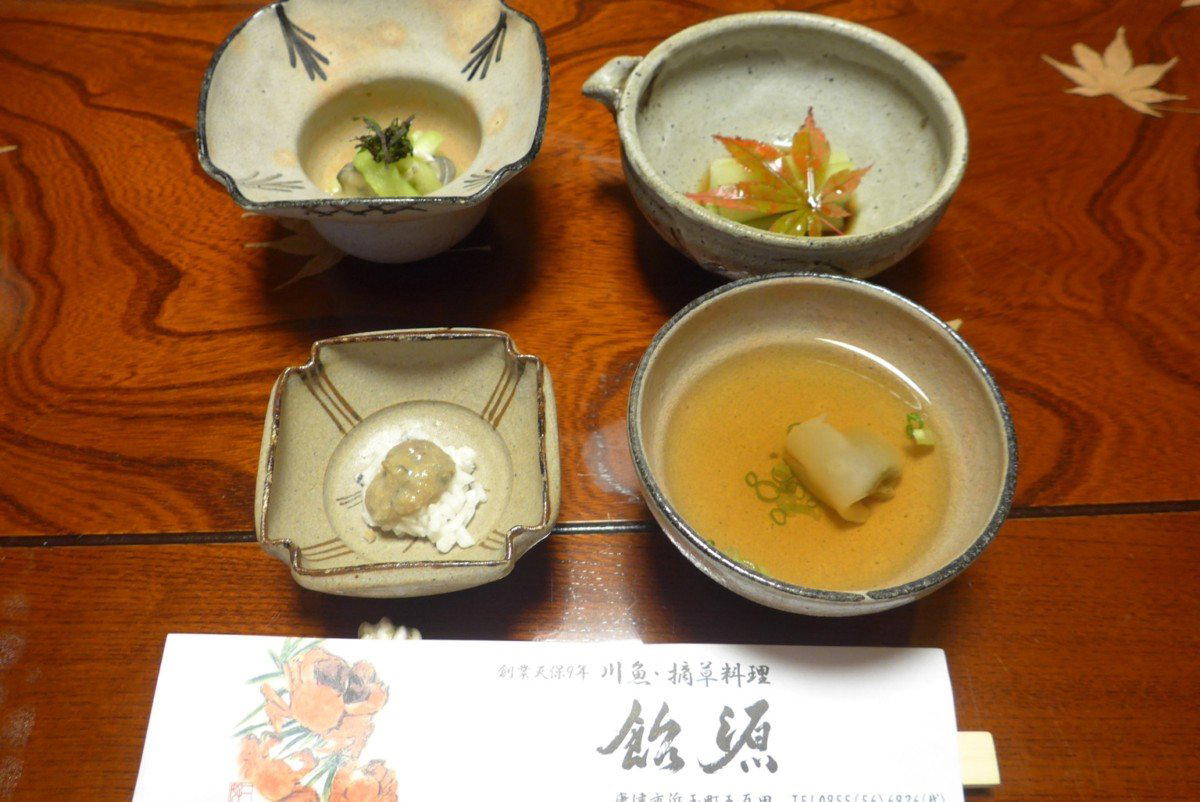
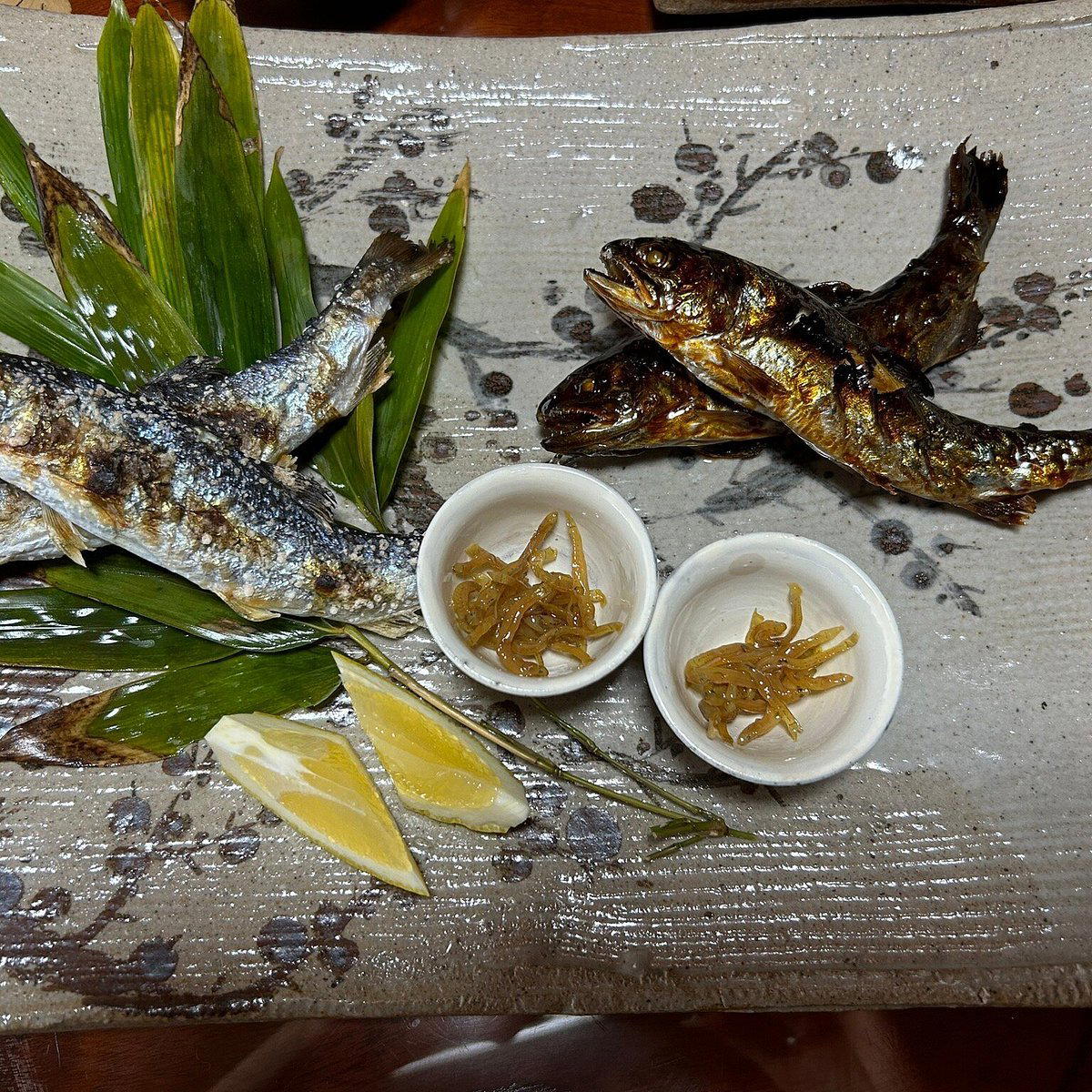
| 飴源 | Traditional Japanese River Cuisine | $50–100 | Tabelog Bronze #17 | central Karatsu |
Recognition history
Dated appearances from independent guides and award organizations, with the underlying list record or original source where available.
The Japan Times Destination Restaurants Destination Restaurants Selection #10
The Japan Times Destination Restaurants
Continue exploring
More in Karatsu
Restaurants in Karatsu
All restaurants in Karatsu →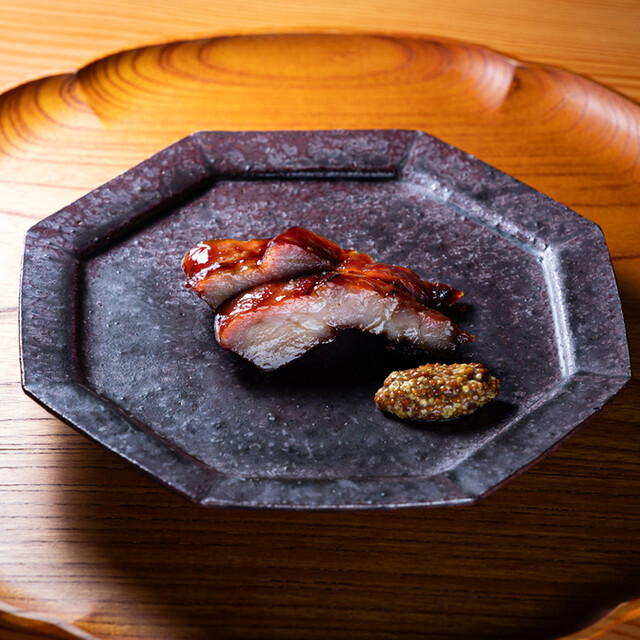
Details
- Elegant
- Intimate
- Modern
- Sophisticated
- Date Night
- Special Occasion
- Celebration
- Business Dinner
- Standalone
- Design Destination
- Extensive Wine List
- Local Sourcing
- Farm To Table
- Sustainable Seafood
- Tasting Menu
- Set Menu
- Wine
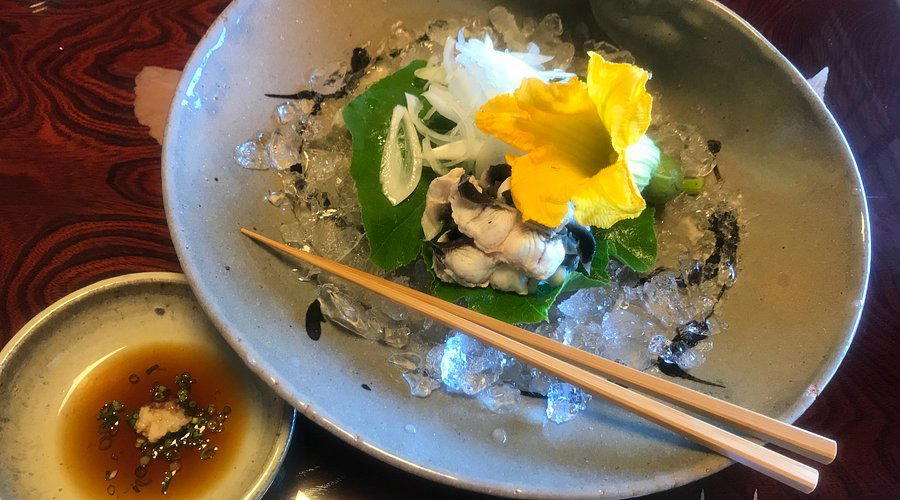
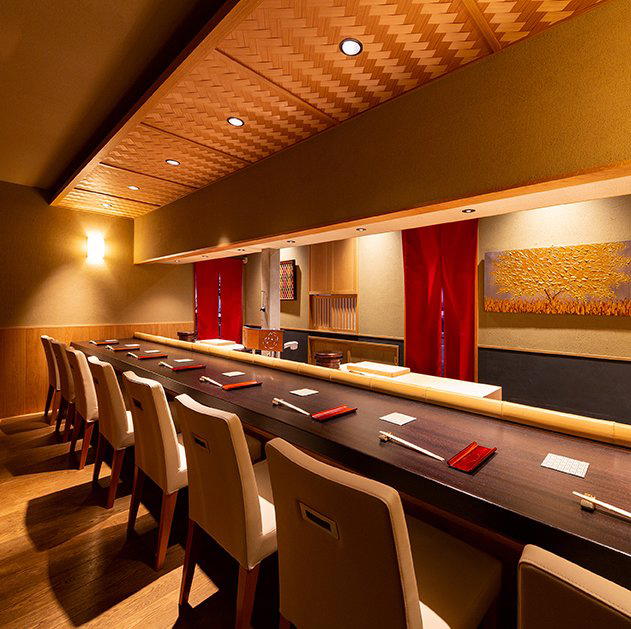
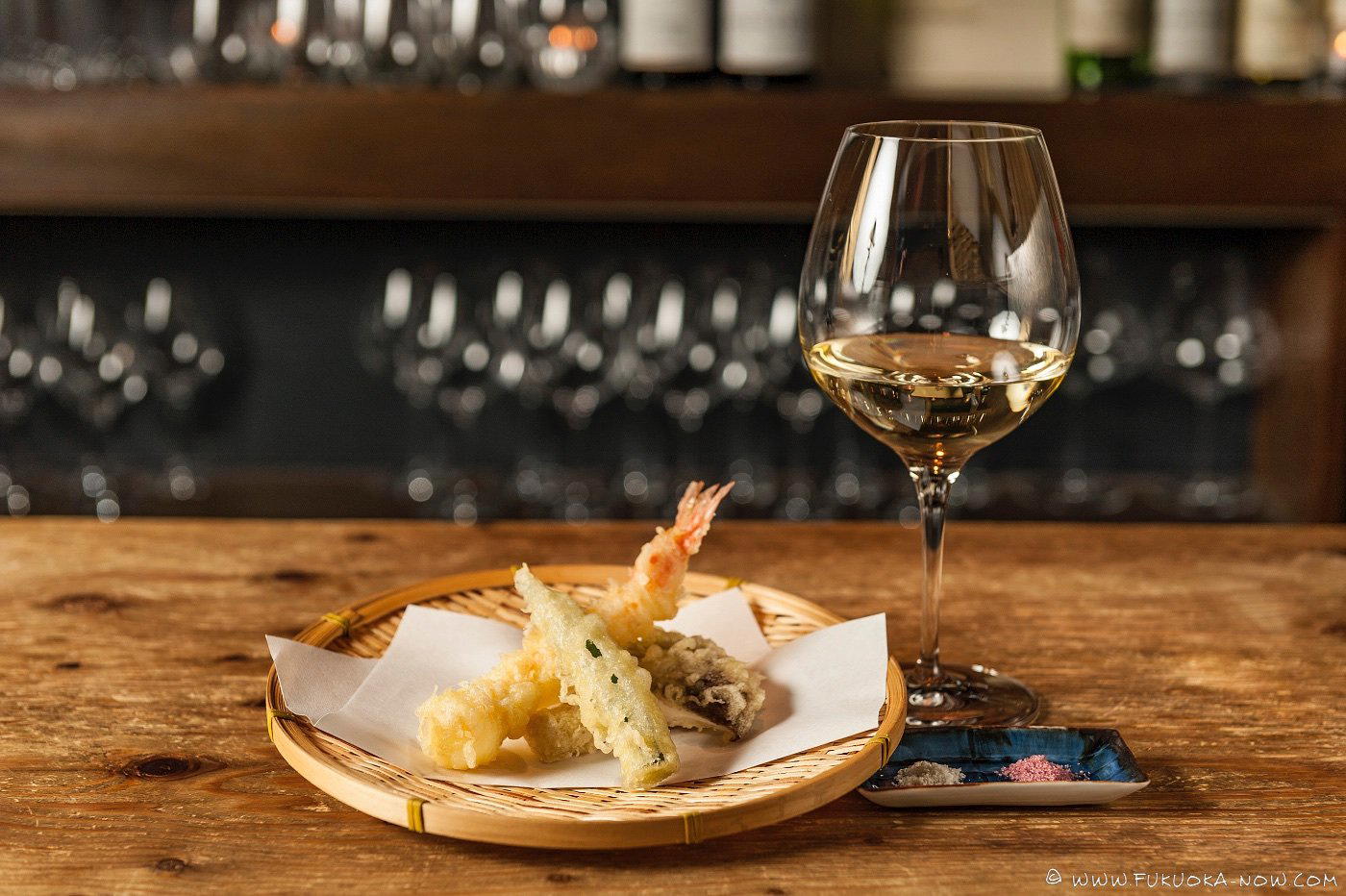
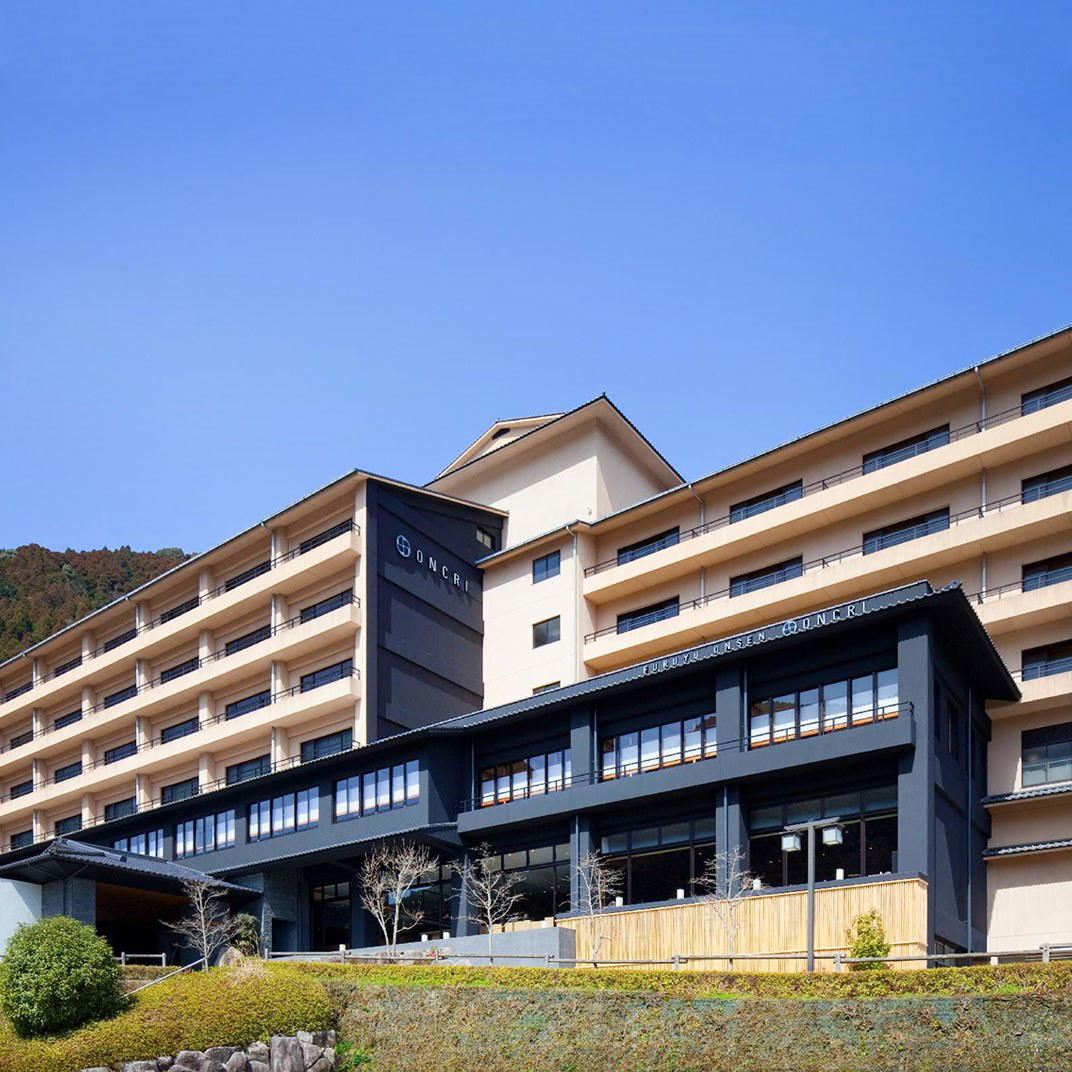
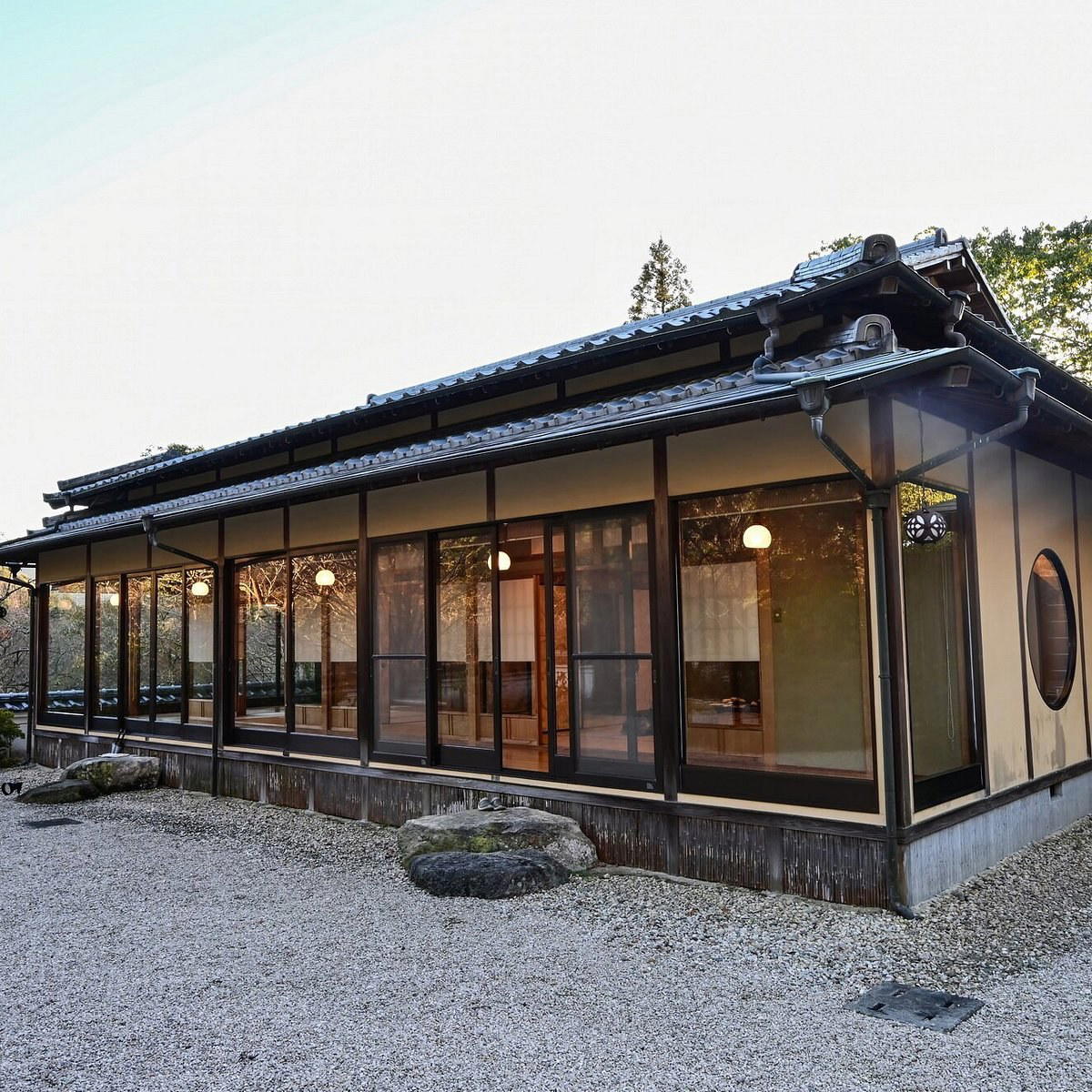
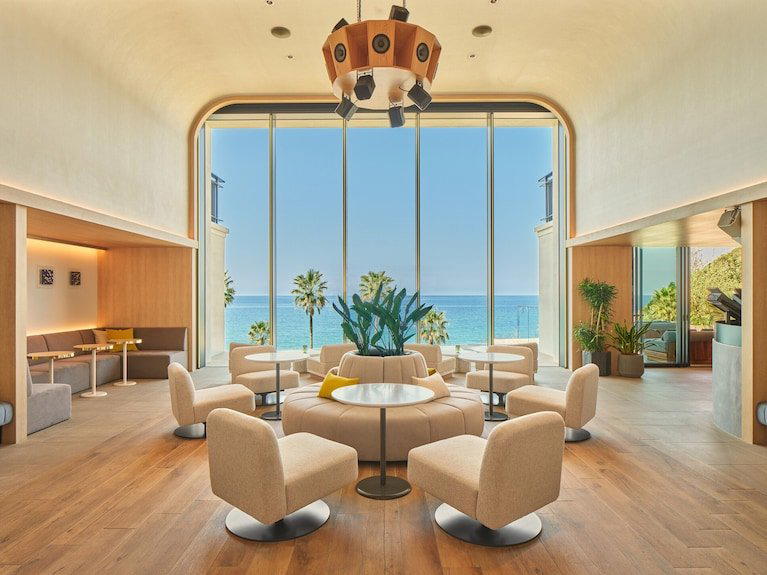
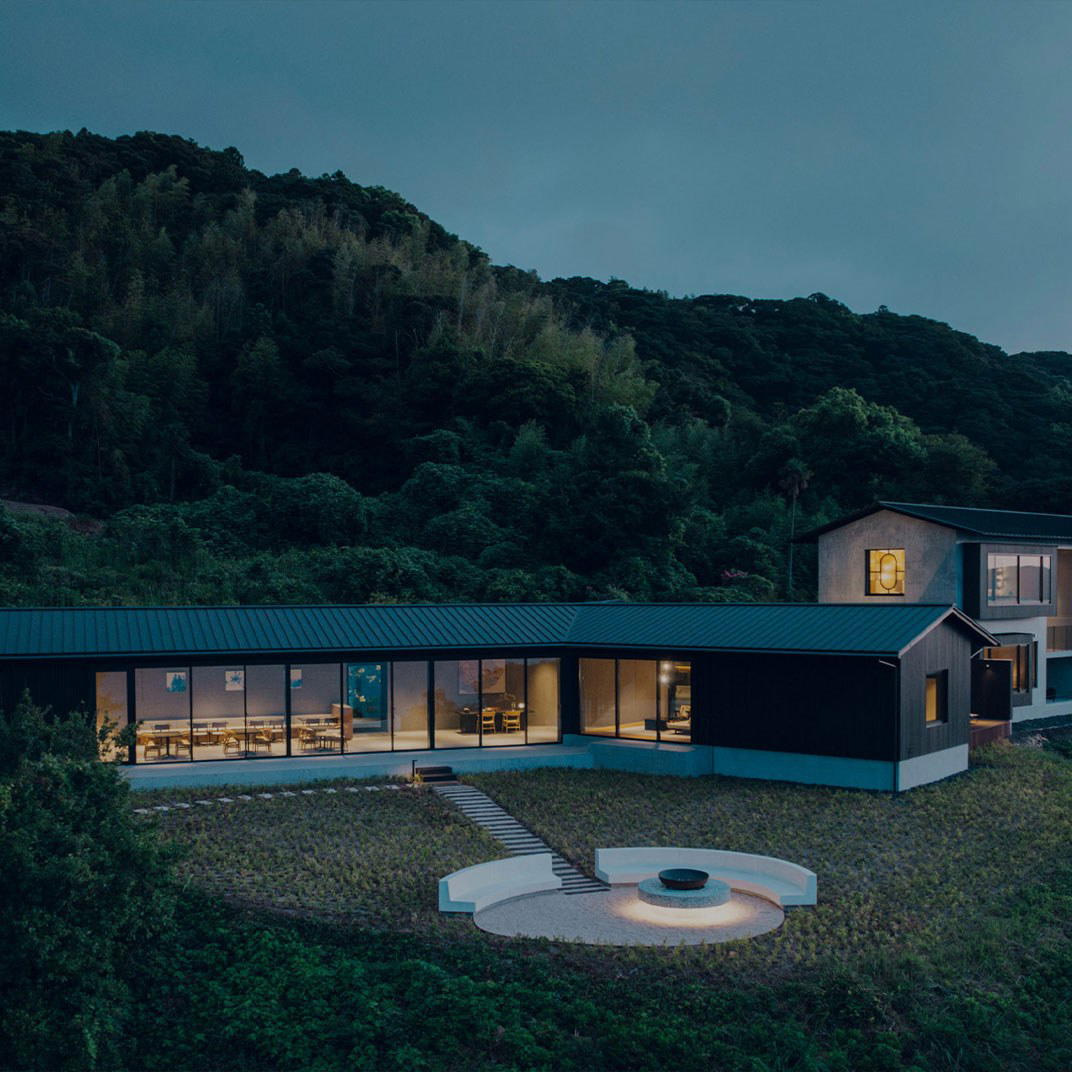
Refined and tranquil French fine-dining atmosphere with a minimalist modern design, focusing attention on seasonal plates that showcase the local sea and mountains of Karatsu.