

A dual award-holder recognised as both Global Winner for Luxury Business Hotel and Country Winner for Luxury Airport Hotel, the Hilton Munich Airport positions itself as the airport hotel category's reference point in Germany. Directly connected to Munich Airport's terminal infrastructure, it serves transit travellers, early-departure executives, and layover guests who need substance rather than just proximity.
Pearl is the En Primeur Club membership app — saves, bookings, and concierge access live there. Same editors, same standards.
- Address
- Terminalstraße Mitte 20, 85356 Oberding, Germany
- Phone
- +49 89 97820
- Website
- hilton.com
- Directions
- Get directions
 Saves & bookings on Pearl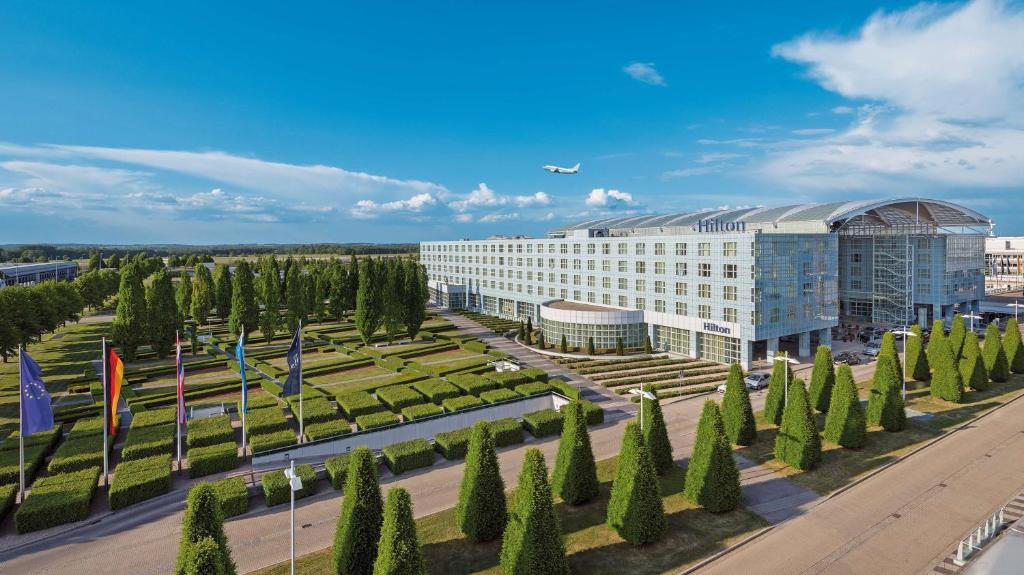
The Airport Hotel as a Category Argument
Airport hotels occupy an awkward tier in most cities: too functional to compete with urban luxury, too expensive to compete with budget transit options. Munich's answer to this tension sits at Terminalstraße Mitte 20, 85356 Oberding, inside Munich Airport and it makes a case that the category can carry genuine hospitality weight. The Hilton Munich Airport holds two distinct award recognitions, Global Winner for Luxury Business Hotel and Country Winner for Luxury Airport Hotel, credentials that place it in a different peer conversation than the standard transit-adjacent property. Those signals matter because airport hotel awards are judged partly on how well a property performs against expectations shaped by location, and partly on whether it competes credibly with urban alternatives in comfort and service delivery.
The broader pattern across European aviation hubs is instructive. Properties at Amsterdam Schiphol, Frankfurt, and Heathrow have spent the past decade investing in the argument that proximity to a terminal does not have to mean concession-grade food and institutional corridors. Munich's entry into that conversation benefits from its connection to one of Europe's more efficiently run hub airports, and from a guest profile that skews toward high-frequency business travellers who make quality judgements based on accumulated stays rather than single visits.
Physical Position and What It Means in Practice
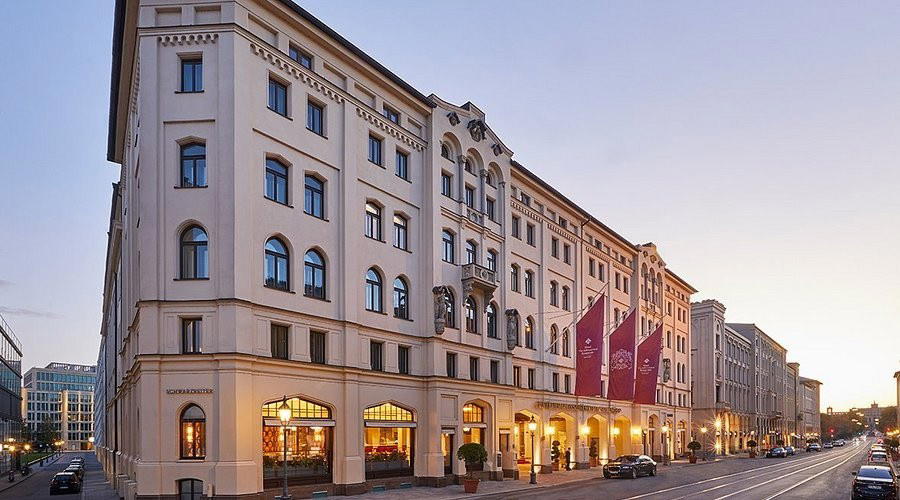
The address, Terminalstraße Mitte 20, 85356 Oberding, places the hotel inside the airport campus rather than adjacent to it, a distinction that matters considerably for guests operating under schedule pressure. Direct terminal access removes the shuttle variable, which at Munich, given the airport's scale and the regularity of early-morning Lufthansa and other Star Alliance departures, is a genuine operational advantage. For guests arriving late or departing before 7am, the logistics of not leaving a building carry real value.
That physical integration also means the hotel operates within the airport's own environmental framework, a detail worth noting given growing scrutiny of the sustainability credentials of large hospitality infrastructure. Airport campuses in Germany have been subject to federal emissions regulations and efficiency standards that apply uniformly across operators within their boundaries, which frames the hotel's environmental baseline differently than a standalone city-centre property choosing its own sustainability programme independently. For business travellers whose corporate travel policies now include environmental criteria, this is relevant context rather than marketing language.
The Business Hotel Category and Where Munich Sits
Germany's luxury business hotel tier is not small. The country maintains a depth of recognised properties across its major cities: Fairmont Hotel Vier Jahreszeiten in Hamburg, Excelsior Hotel Ernst in Cologne, Breidenbacher Hof in Düsseldorf, and Hotel de Rome in Berlin all operate within the upper business travel bracket. In Munich itself, the urban luxury tier includes properties such as the Mandarin Oriental Munich, Rocco Forte Charles Hotel, Rosewood Munich, and Bayerischer Hof, each competing on location, design, and food-and-beverage programming in ways that an airport property structurally cannot replicate.
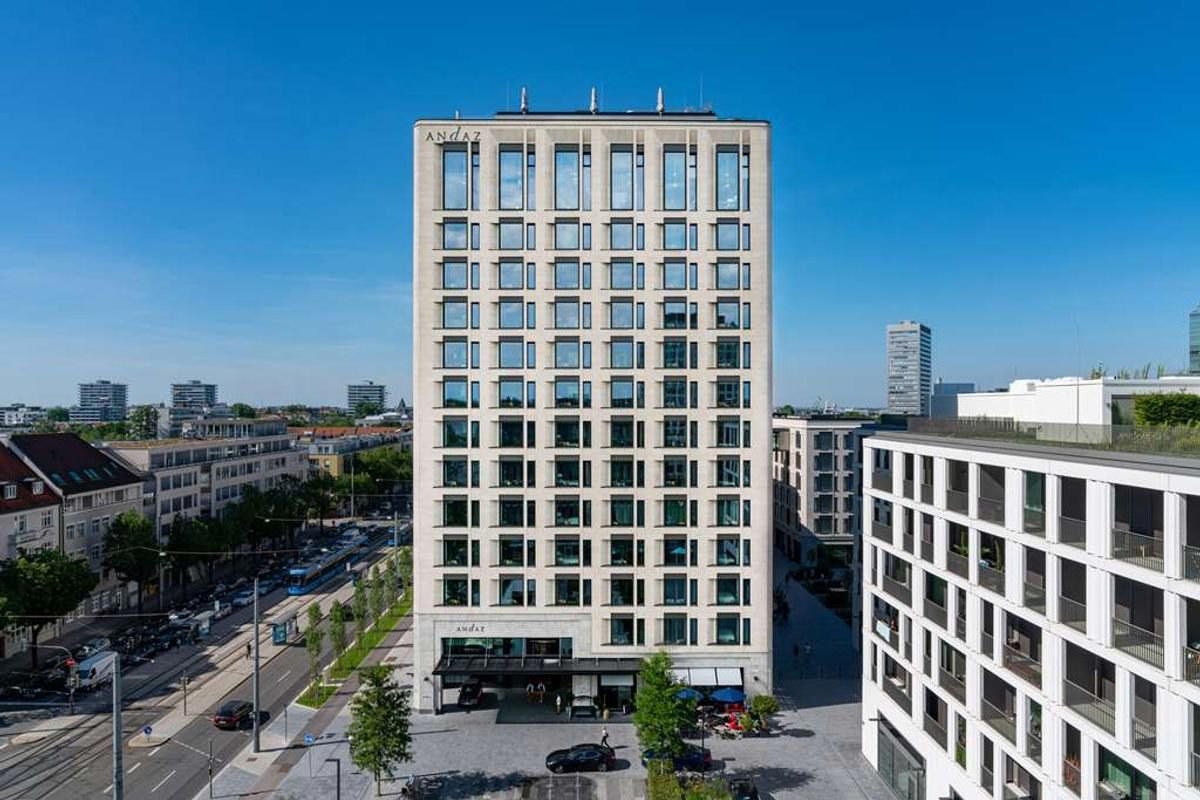
The Hilton Munich Airport does not attempt to compete on those axes. Its Global Winner recognition for Luxury Business Hotel positions it within a category defined by service reliability, room quality relative to price, and consistency across the full stay arc, check-in at 11pm, breakfast at 5am, meeting facilities between. That is a different competitive brief than the one answered by Andaz Munich Schwabinger Tor or Cortiina Hotel, both of which serve guests with time to engage with the city. Understanding which brief applies to your trip determines whether the airport property is the correct answer or whether a city-centre option with an early taxi makes more sense.
Germany's Luxury Airport Hotel Benchmark
Winning the Country Winner designation for Luxury Airport Hotel in Germany is a specific claim. Germany's airport infrastructure spans major hubs at Frankfurt, Munich, Berlin Brandenburg, Düsseldorf, and Hamburg, each with on-campus or adjacent hotel options at various price points. Being recognised as the country's leading luxury airport property within that field signals a consistent performance standard that extends beyond basic transit accommodation. It also implies that the property is being evaluated against international benchmarks, given how the award category is structured.
For travellers connecting through Munich who face a multi-hour layover or an overnight gap between flights, this context is directly relevant. The alternative, attempting to reach the city centre, which by S-Bahn takes roughly 40 minutes to Marienplatz, only makes practical sense for layovers exceeding six or seven hours, and only for travellers not managing significant luggage. The hotel's position at the terminal changes that calculation entirely.
Sustainability as Infrastructure, Not Programme
The editorial angle worth dwelling on here is the difference between sustainability as a bolt-on programme, solar panels announced with a press release, recycled amenity bottles photographed for a brand deck, and sustainability as infrastructure. Airport hotel properties operating within regulated campus environments, as this one does within the Munich Airport complex, are subject to energy management standards, waste processing systems, and water usage frameworks that apply at the campus level rather than being optional choices for individual tenants or operators. That structural baseline means the environmental conversation starts from a different position than it does for a freestanding urban hotel.
This does not make every operational decision virtuous by default, but it does mean that the often-opaque question of what a large hotel's environmental commitments actually amount to in practice has a more measurable answer here than at properties claiming sustainability through voluntary programmes alone. For corporate travel managers working under ESG reporting requirements, that distinction carries weight. For individual travellers, it is one data point among many rather than a reason by itself to choose or avoid a property.
Planning Your Stay
The hotel's address within the airport campus means no shuttle logistics are required for terminal access, an important detail for early-morning departures from an airport that handles substantial long-haul traffic on Lufthansa and partner carriers. Guests exploring Munich's broader hotel scene should note that the city's urban centre offers a different range of options: design-led properties like BEYOND by Geisel and Do & Co Hotel Munich, and further afield, alpine and lake alternatives including Althoff Seehotel Überfahrt in Rottach-Egern, Schloss Elmau in Elmau, Das Kranzbach in Kranzbach, and Gut Steinbach in Reit im Winkl. Our full Munich restaurants and hotels guide maps the broader scene across neighbourhoods and price tiers. For those whose itinerary extends beyond Germany, comparable airport and business hotel benchmarks exist at properties including The Fifth Avenue Hotel in New York City and Aman New York, as well as European alternatives such as Aman Venice and BUDERSAND Hotel in Hörnum. Other German properties worth considering depending on your broader itinerary include Hotel Bareiss in Baiersbronn, Der Öschberghof in Donaueschingen, Bülow Palais in Dresden, and Esplanade Saarbrücken. Booking should be made directly or through standard channels; given Munich Airport's role as a major European hub with high business travel frequency, availability around trade fair periods, particularly during Oktoberfest and the Munich IAA and Bauma cycles, compresses significantly and rates adjust accordingly.
Pricing, Compared
Comparable venues nearby, for context on price, style, and recognition.
| Venue | Price | Awards | Notes |
|---|---|---|---|
| Hilton Munich AirportThis venue — the venue you are viewing | $$$ | 4-Star | Not listed |
| Platzl Hotel - Superior | $$$ | 4-Star | Altstadt-Lehel, Traditional Bavarian elegance with modern comforts |
| BOLD Hotel München Zentrum | $ | 4-Star | Theresienwiese, Contemporary budget design hotel blending Scandinavian minimalism with urban industrial aesthetics |
| AMERON München Motorworld | $$$ | 4-Star | Freimann, Contemporary automotive-themed boutique hotel housed within a repurposed historic industrial complex, designed for informed travelers with automotive passion. |
| Design-Hotel JAMS | $$$ | 4-Star | Au, Award-winning design-driven boutique hotel with retro aesthetics and music-inspired vibe. |
| WunderLocke | $$$ | 4-Star | Obersendling, Apartment hotel in repurposed industrial building with co-working and event spaces |
Recognition history
Dated appearances from independent guides and award organizations, with the underlying list record or original source where available.
Michelin Selected
Michelin
World Luxury Hotel Awards WLHA Country Winner
World Luxury Hotel Awards
World Luxury Hotel Awards WLHA Global Winner
World Luxury Hotel Awards

At a Glance
- Modern
- Elegant
- Sophisticated
- Business Trip
- Weekend Escape
- Wi Fi
- Pool
- Spa
- Fitness Center
- Room Service
- Concierge
- Business Center
- EV Charging
- Wi Fi
- Pool
- Spa
- Fitness Center
- Room Service
- Concierge
- Business Center
- EV Charging
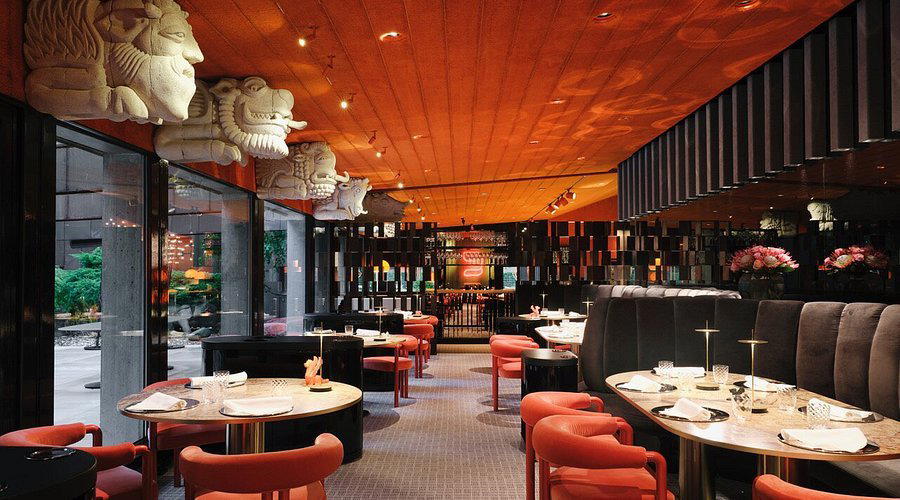
Tranquil and relaxing with soundproofed rooms, spa serenity, and modern elegant design.