Muyongdam
Muyongdam occupies a distinct position in Jeju Si's emerging bar scene, where craft cocktail programs rooted in local ingredients are carving out space between the island's resort bars and its traditional drinking culture. The address on Heungun-gil places it within reach of the city's older residential quarters, offering a different register from the tourist-facing hospitality closer to the coast.

Pearl is the En Primeur Club membership app, where members save venues, book tables and use the concierge.
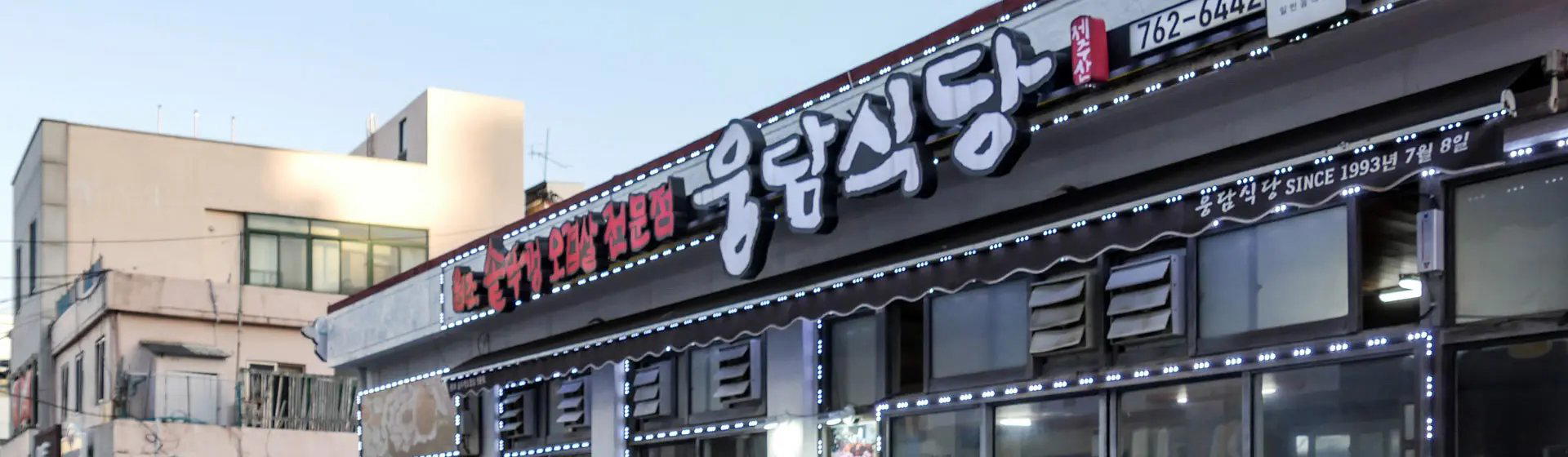
Jeju's Cocktail Scene and Where Muyongdam Sits Within It
South Korea's cocktail culture has reorganised itself considerably over the past five years. Seoul led the first wave, with programs at places like Alice Cheongdam in Seoul signalling that Korean bartenders were building technically serious, globally competitive work. What followed was a dispersal: credible bar programs appearing in Busan, as seen at Climat in Busan, and in smaller cities where the overhead economics allow for more experimental formats. Jeju Si sits at an interesting intersection in that story. The island draws significant domestic and international tourism, which creates a market for drinks programs that go beyond hotel lobbies, but it also carries a strong local identity rooted in haenyeo culture, volcanic-soil agriculture, and ingredients that have no equivalent on the mainland.
Muyongdam, addressed at 91 Heungun-gil in the Yongdam 2-dong district, operates in that context. The neighbourhood sits away from the main tourist corridors near Jeju International Airport and the waterfront promenade, which positions it within a more residential and locally oriented pocket of the city. For a bar program, that geography tends to attract a different kind of clientele than the resort belt: people who have sought the place out rather than stumbled in.
The Physical Environment Before the First Drink
Approaching a bar in a residential Jeju neighbourhood involves a particular kind of recalibration. The city's urban texture in areas like Yongdam 2-dong mixes low-rise commercial buildings, older residential structures, and the occasional repurposed space that signals a new operation has moved in. Heungun-gil carries that mixed character, and finding Muyongdam requires a degree of intentionality that, in bar terms, is often a useful filter. The venues that survive in non-tourist districts on an island with pronounced seasonality tend to earn their regulars on the strength of what they serve rather than the convenience of their location.
The bar format in Korean cities has increasingly split between high-volume venues oriented toward social drinking and smaller, counter-led programs where the bartender's work is visible and the drink is the main event. Muyongdam's Heungun-gil location aligns it structurally with the latter format, where atmosphere is constructed through the specifics of the craft rather than ambient noise or volume of covers. Comparable spatial logic appears at bars across the Korean peninsula, from Anjuga in Ansan Si to Seuwichi in Heungdeok, where smaller footprints concentrate the experience rather than diffuse it.
The Cocktail Programme: Jeju Ingredients as a Structural Argument
The most coherent bar programs in island or regional destinations tend to make the same argument: that local provenance is not just a marketing frame but a technical constraint that produces better drinks. Jeju offers a particularly strong set of raw materials for that argument. Hallabong citrus, green tea from Osulloc, citrus-forward Jeju tangerines, local spirits derived from the island's grain and fruit agriculture, and the mineral-forward water profile that comes from a volcanic island with specific filtration characteristics through basalt, these are not generic Asian bar ingredients. They are specific to place in a way that gives a Jeju cocktail program a defensible identity.
Global reference points for this kind of regionally anchored, ingredient-first cocktail philosophy are well-established. Kumiko in Chicago built its reputation around Japanese ingredients and kaiseki-influenced precision. Jewel of the South in New Orleans draws from the deep archive of Gulf Coast drinking culture. Bar Leather Apron in Honolulu operates with a similar island-specificity, turning Pacific provenance into a coherent program rather than a loose theme. What connects these programs is discipline: the ingredients define the menu, rather than the menu accommodating whatever is available.
A Jeju-based bar operating with that same logic has access to ingredients that mainland Korean bars cannot replicate with the same authenticity. The citrus harvest, the local agricultural calendar, and the island's specific spirits production create natural menu periodicity, a structural reason for the program to shift with the seasons that goes beyond trend-chasing.
How Muyongdam Compares Within Korea's Bar Hierarchy
Korea's bar awards and recognition infrastructure has grown alongside its cocktail culture, with Asia's 50 Best Bars increasingly drawing from cities beyond Hong Kong, Tokyo, and Singapore. Seoul's programs have begun appearing on those lists, and the secondary cities are building the kind of track records that tend to precede wider recognition. Muyongdam operates in a city outside the primary circuits of awards tourism. Regency Club in Incheon operates in similar structural conditions, building a local reputation that precedes wider visibility.
The comparison set for Muyongdam is most usefully drawn from bars in Korean cities that are not Seoul: operations that serve a mix of dedicated local clientele and visitors who have done enough research to find them. Within that group, the ones that develop lasting reputations tend to do so through a consistent technical program, a clear point of view on local ingredients, and a format that rewards return visits. The international reference points for bars that operate this way in mid-size or secondary cities include Julep in Houston, Superbueno in New York City, and The Parlour in Frankfurt on the Main, bars that built sustained credibility in markets where the competition for serious-drinking attention was less saturated than in the primary cities.
Planning a Visit
Muyongdam is located at 91 Heungun-gil in Yongdam 2-dong, Jeju Si, a district that sits north of the city center and is accessible by taxi from the airport in under fifteen minutes. Jeju Si's public transport coverage in residential neighbourhoods is adequate but less convenient than in the main tourist zones, so a taxi or rideshare is the practical choice for a first visit, particularly in the evening. For current hours or booking information, visit in person. Jeju's visitor patterns are strongly seasonal, with the summer months and Chuseok holiday period generating higher foot traffic across the island's hospitality; visiting outside peak domestic holiday windows generally produces a more relaxed experience at independently operated venues.
For a fuller picture of what Jeju Si offers across the restaurant and bar spectrum, see our full Jeju Si restaurants guide.
How It Stacks Up
| Venue | Price | Awards |
|---|---|---|
| MuyongdamThis venue (the venue you are viewing) | $30–50 | Not listed |
| Alice Cheongdam | $20–30 | World's 50 Best #13 · Top 500 Bars Best Bars #156 |
| Bar Cham | $10–20 | World's 50 Best #33 · Top 500 Bars Best Bars #147 |
| Southside Parlor | Not listed | World's 50 Best |
| Zest | Not listed | World's 50 Best |
| Bar D. Still | $10–20 | World's 50 Best #44 |
Continue exploring
More in Jeju
Bars in Jeju
All bars in Jeju →
Details
- Intimate
- Cozy
- Rustic
- Casual Hangout
- Solo
- After Work
- Standalone
- Counter Only
- Seated Bar
- Sake
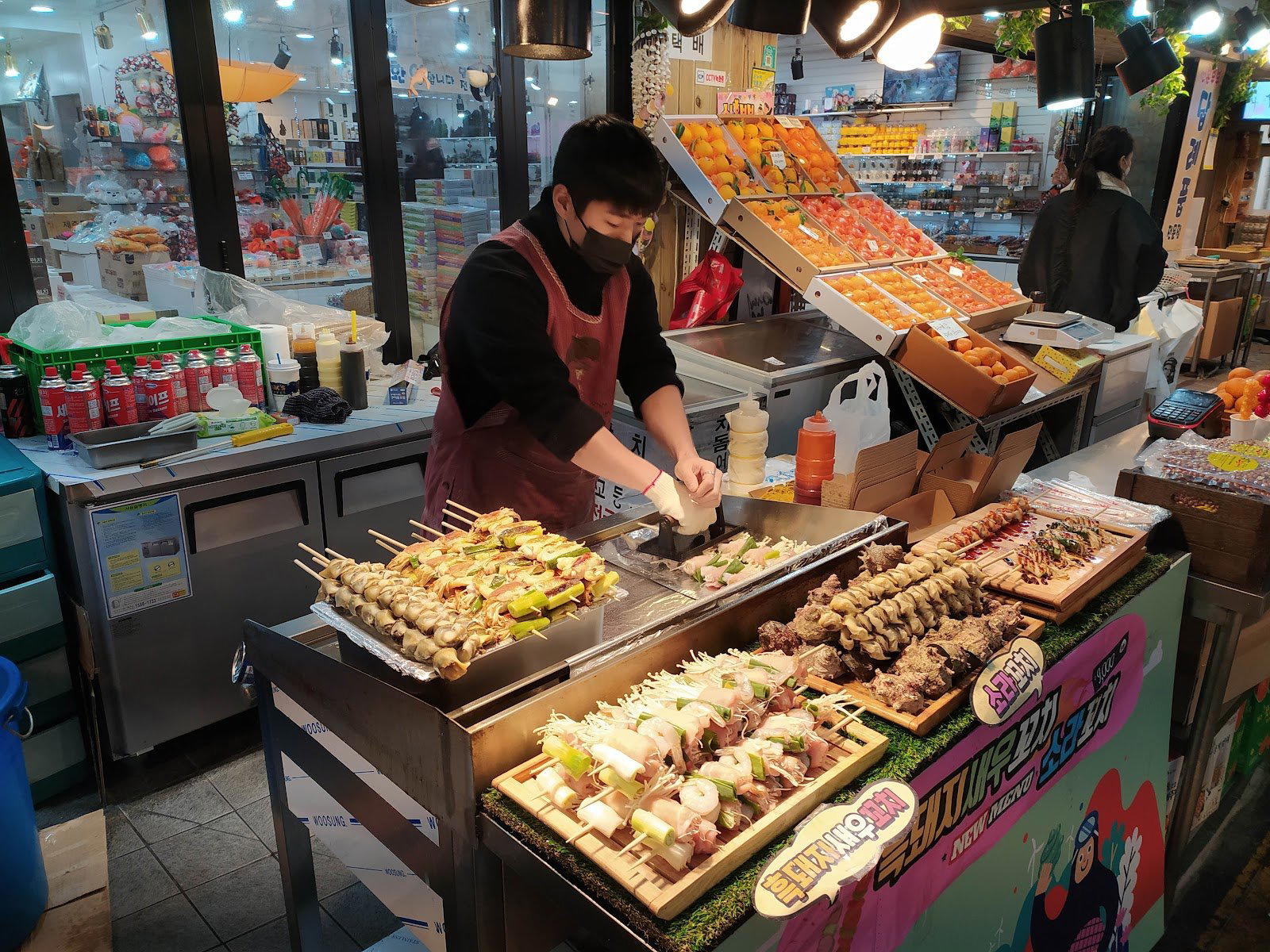
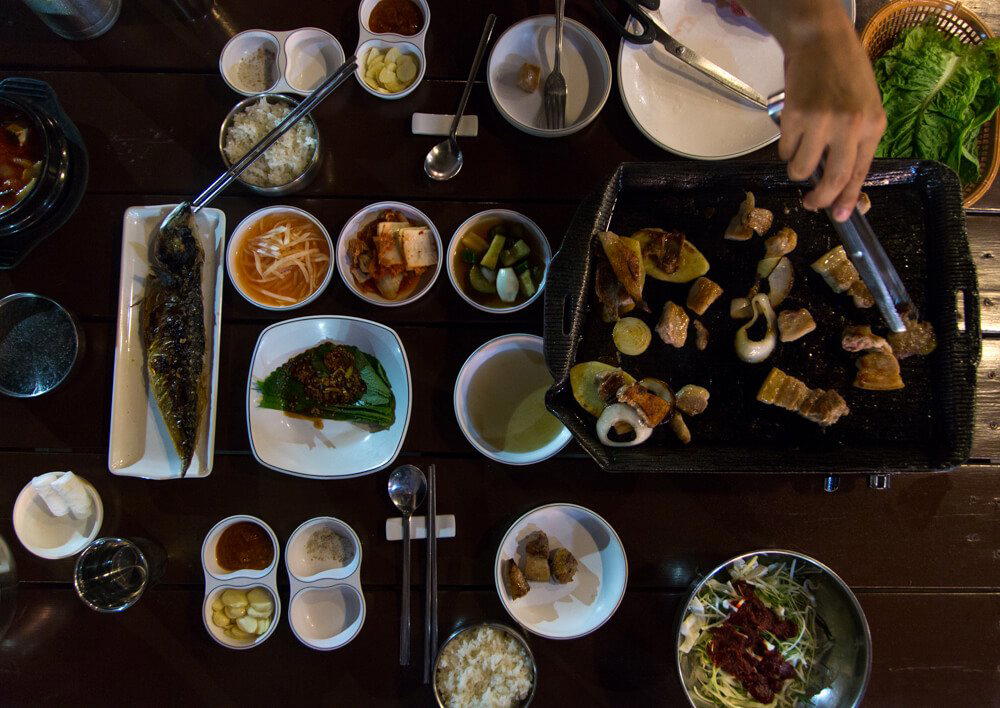
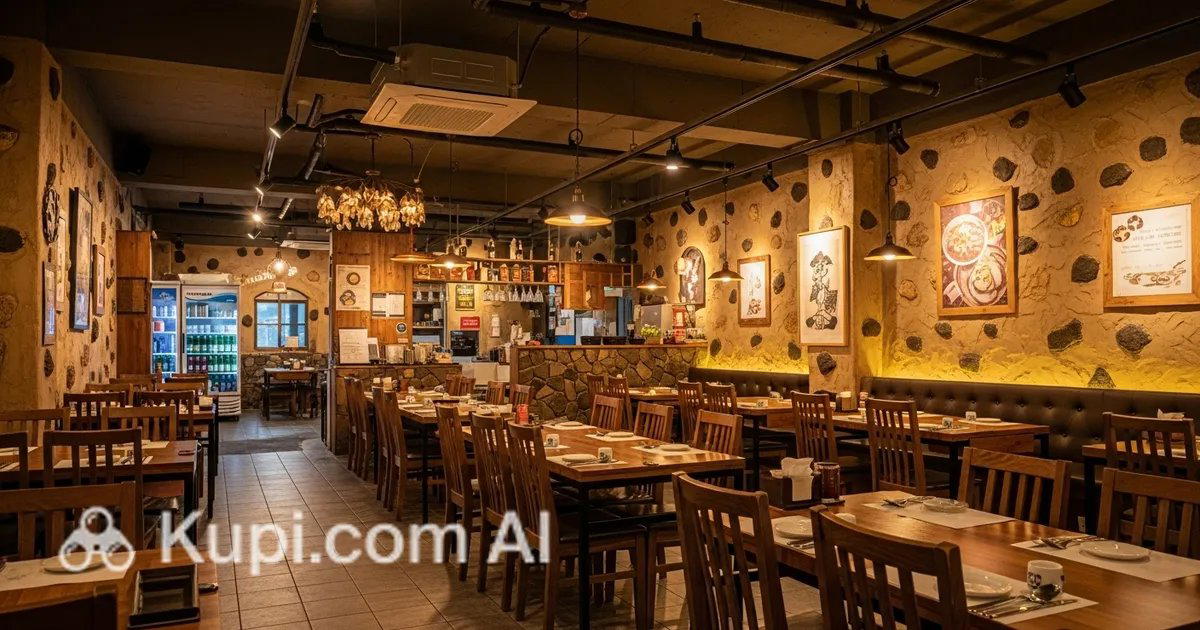
Cozy and intimate with warm lighting from open-flame grilling; minimal seating creates an up-close view of skilled chefs preparing food directly in front of guests.