Pasta Studio Jeju
Pasta Studio Jeju sits in Seogwipo's Seogwi-dong district, where Italian pasta technique meets the particular rhythms of Jeju Island's food culture. Against a local scene dominated by black pork BBQ houses and haemul ramyeon spots, it occupies a distinct niche, a European format in a city built around Korean coastal traditions. For travellers moving through the island's southern corridor, it represents a deliberate change of register.
Pearl is the En Primeur Club membership app — saves, bookings, and concierge access live there. Same editors, same standards.
- Address
- 510 Seogwi-dong, í¹ë³ìì¹ë, Seogwipo-si, Jeju-do, South Korea
- Phone
- +82647331205
- Website
- naver.me
- Directions
- Get directions
 Saves & bookings on Pearl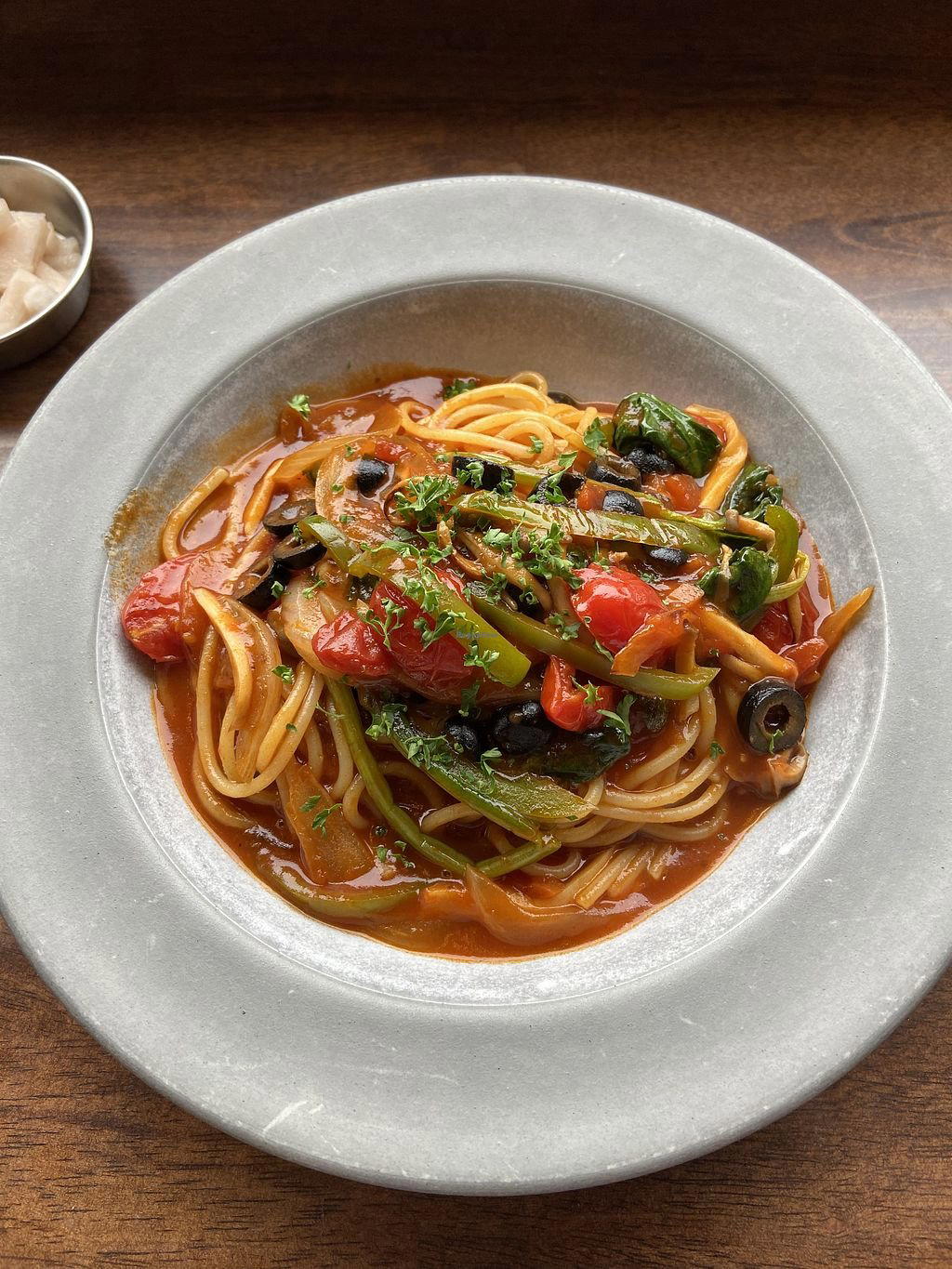
Seogwipo's Culinary Register and Where Pasta Fits
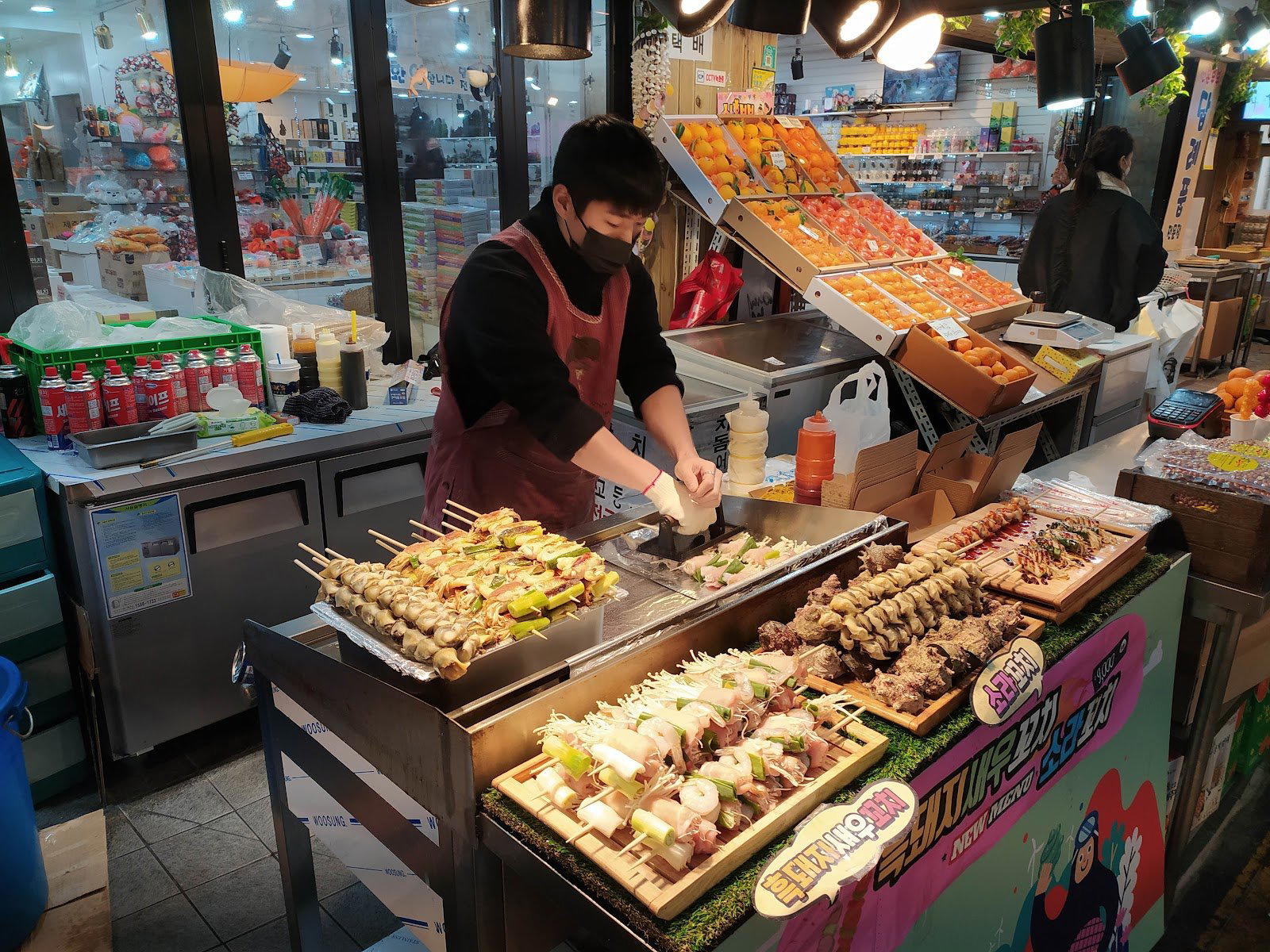
Pasta Studio Jeju is a restaurant in Seogwipo-si, Jeju-do, serving Italian Pasta with Jeju Fusion and priced at about $15 per person. The southern port anchors its dining identity in the sea and the farm: Black Pork BBQ counters, haemul ramyeon rooms like Jejugot Seogwipo Haemul Ramyeon, and market-adjacent grill houses such as Jeju Korea Black Pork BBQ Nammaene at Seogwipo Maeil Olle Market define the mainstream offer. Against that backdrop, a pasta studio operating in Seogwi-dong is not a neutral proposition. It asks the visitor to switch modes, to step out of the island's dominant pork-and-seafood syntax and into something structurally different.
That contrast is, in many ways, the point. Korean cities with strong regional food identities, Jeju included, have seen a quiet proliferation of European-format restaurants that do not try to compete with local tradition but instead offer a deliberate counterpoint to it. Seogwipo's dining scene, like those of smaller Korean cities that sit adjacent to major tourist corridors, has the density to support both registers. The question for any pasta-focused venue in this environment is whether it executes with enough precision to justify the departure from what the island does naturally.
Seogwi-dong as a Setting
Seogwi-dong, the address district attached to Pasta Studio Jeju at 510 Seogwi-dong, sits within Seogwipo's urban core. This is not the coastal cliff-edge drama of Cheonjiyeon or the volcanic ridge country of the island's interior. It is a residential and commercial neighbourhood that functions as the practical spine of the city, mixing local retail with cafes, small restaurants, and the kind of mid-block spaces that tend to house independent food operations. Venues here serve a mixed audience: island residents eating regularly rather than ceremonially, and travellers on multi-day stays who have already done the Olle trail lunch and the black pork dinner and are looking for a different meal.
That audience profile matters for what a pasta studio can do here. Proximity to the Maeil Olle Market corridor and the broader Seogwipo commercial strip means foot traffic without the full tourist-resort pressure of areas closer to the coast. It is the kind of location where a technically focused restaurant can build a local following alongside visitor trade, which is how smaller specialist venues in Korean regional cities tend to sustain themselves outside peak season.
Pasta in Korea's Broader Fine-Casual Shift
Across South Korea, Italian-adjacent formats have matured considerably over the past decade. Seoul venues like Mingles have demonstrated that Korean fine dining can absorb European technique without wholesale adoption of European frameworks, and that local ingredients can anchor menus in ways that feel neither forced nor derivative. In Busan, the evolution of chef-driven independent venues such as Mori shows that this pattern extends well beyond the capital. Regional cities are now capable of sustaining serious food operations that draw on international culinary languages without losing their geographic specificity.
Pasta, as a category, occupies a particular position in this evolution. It is technique-intensive enough to signal kitchen seriousness, accessible enough to draw a broad audience, and ingredient-flexible enough to accommodate local produce. A pasta studio format, where the pasta itself is the organizational focus rather than a supporting element, represents the more committed end of this spectrum. It implies a level of process investment, fresh dough, controlled hydration, careful sauce development, that separates it from the generalist Italian restaurants that appeared in Korean cities through the 2000s and 2010s.
What the format name signals, and what a venue in Seogwipo's Seogwi-dong district would need to deliver to hold its position against the sheer quality of the island's indigenous food offer, is a consistent technical standard that justifies the conceptual distance from Jeju's core dining tradition.
Planning a Visit
Seogwipo is most efficiently reached from Jeju City by intercity bus along the 5·16 road or the coastal route, with journey times typically in the 40-to-50-minute range depending on the service. Travellers moving between Jeju's north and south commonly use Seogwipo as a base for the island's southern attractions, which means restaurant demand in Seogwi-dong can spike around weekend travel patterns and national holiday periods. For a specialist venue with limited seats, arriving without a confirmed booking during peak periods carries real risk. Pasta Studio Jeju is recommended for reservations and is closed Monday, Saturday, and Sunday, with service Tuesday from 5 to 8 PM and Wednesday through Friday from 11 AM to 2:30 PM and 5 to 8 PM.
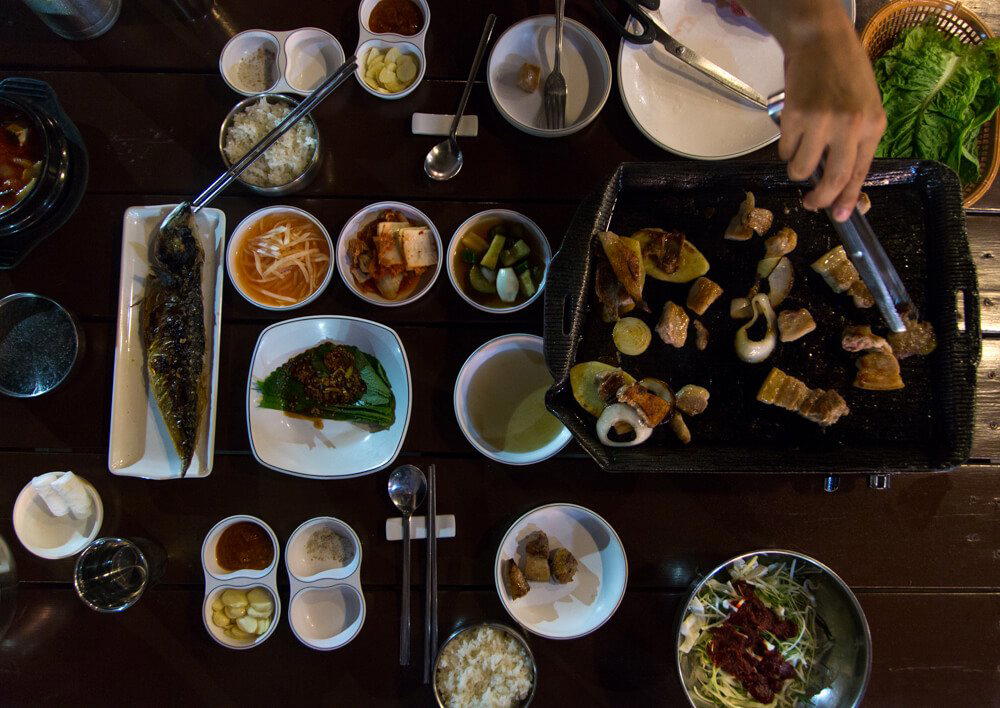
Jeju's food culture rewards lateral movement. A day that starts at Gudumi Pork BBQ for lunch and pivots to a pasta dinner is not an inconsistency; it reflects the way the island's dining scene has diversified without abandoning its foundations. Similarly, Jeju Island Grill and Hinode in Seogwipo represent different registers within the same city. Beyond Jeju, travellers building a wider Korean food itinerary might reference Badang Lounge in Jeju City, or move to Gyeongju for entirely different registers at places like Hwangnam Bread and Busan Steamed Bun and Gyeongju Wonjo Kongguk.
At a Glance
Comparable venues nearby, for context on price, style, and recognition.
| Venue | Cuisine | Price |
|---|---|---|
| Pasta Studio JejuThis venue — the venue you are viewing | Not listed | $$ |
| Gudumi Pork BBQ | Bomok-dong, Jeju White Pork BBQ | $$ |
| 삼보식당 | 서귀동, 제주 해산물 전문 | $$ |
| Jeju Korea black pork BBQ Nammaene Seogwipo Maeil Olle Market | Seogwipo, Jeju Black Pork BBQ | $$ |
| Jeju Island Grill | Taepyeong-ro, Korean BBQ Grill | $$ |
| 국수바다 | 중문, 제주 고기국수 전문 | $ |
At a Glance
- Cozy
- Modern
- Intimate
- Minimalist
- Casual Hangout
- Date Night
- Family
- Open Kitchen
- Beer Program
- Local Sourcing
Current opening hours
- Monday
- Closed
- Tuesday
- 5–8 PM
- Wednesday
- 11 AM–2:30 PM, 5–8 PM
- Thursday
- 11 AM–2:30 PM, 5–8 PM
- Friday
- 11 AM–2:30 PM, 5–8 PM
- Saturday
- Closed
- Sunday
- Closed
Hours can change for holidays and private events. Last verified .
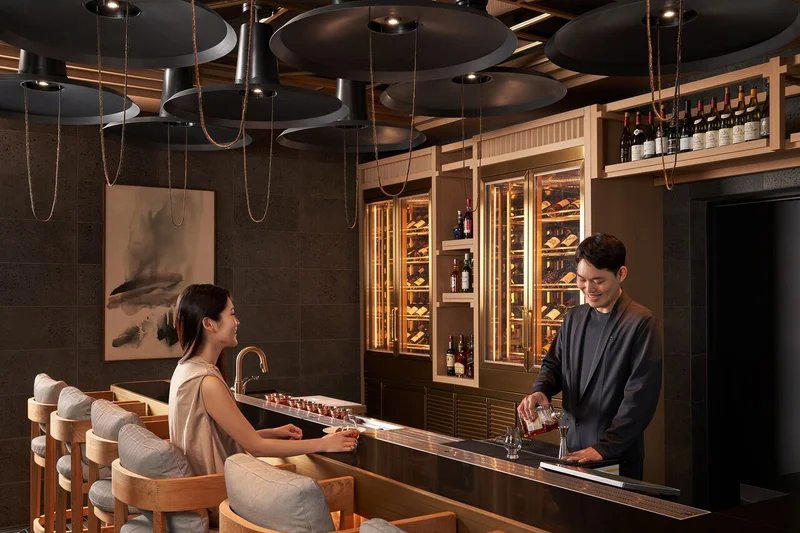
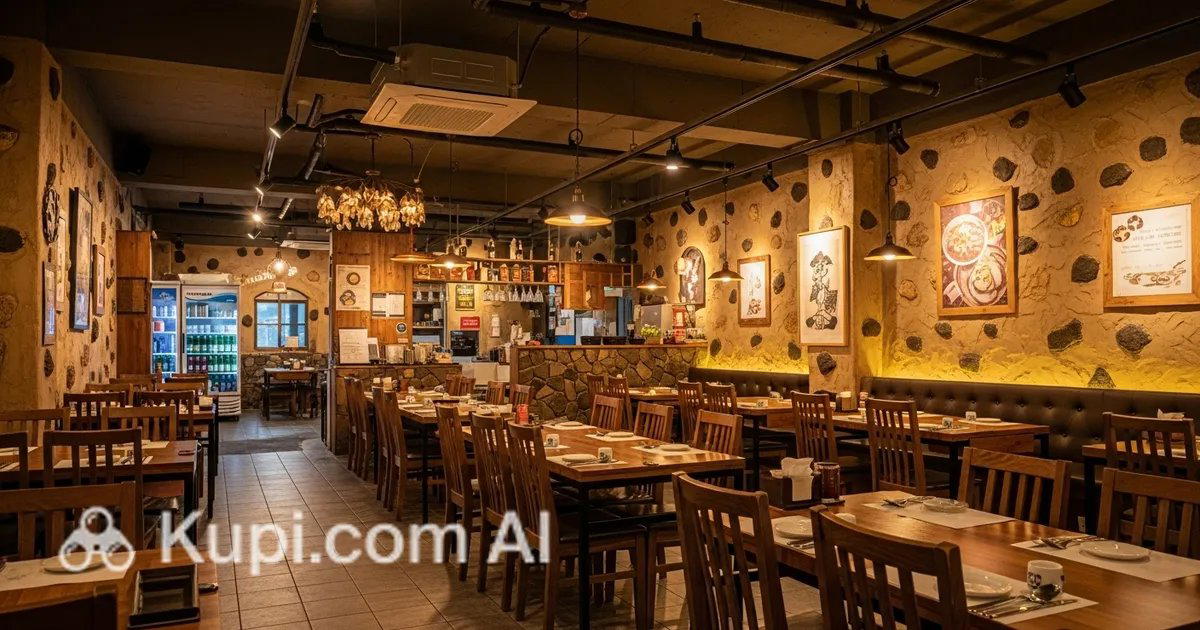
Cozy wooden minimalist interior with warm, welcoming atmosphere.