
Michelin Selected
A Michelin Selected ryokan in Miyazu, Monjuso Shorotei sits at the edge of Amanohashidate, one of Japan's three canonical scenic views. The property places guests within the pine-forested sandbar landscape that has defined this stretch of the Sea of Japan coast for centuries, combining traditional inn architecture with close proximity to the waterway.

Pearl is the En Primeur Club membership app — saves, bookings, and concierge access live there. Same editors, same standards.
- Address
- 466 Monju, Miyazu, Japan
- Phone
- +81 772-22-2151
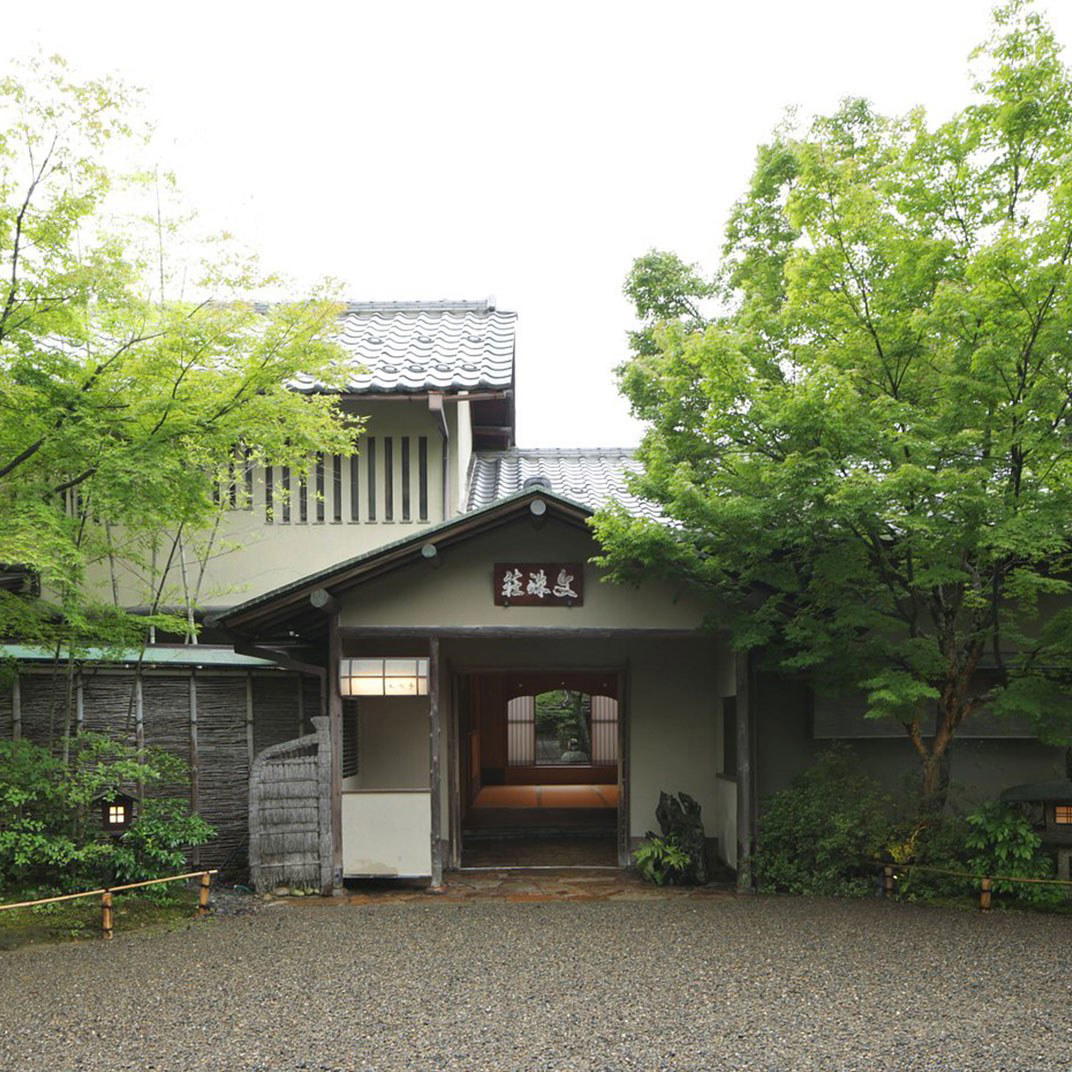
Where Architecture Meets a Classified Landscape
There is a particular discipline to building near Amanohashidate. Japan's three officially designated scenic views — Matsushima, Miyajima, and Amanohashidate — carry the weight of centuries of ink painting, haiku, and deliberate pilgrimage. Any structure placed in their orbit carries an obligation: either it submits to the landscape or it competes with it, and the former requires considerably more architectural confidence. Monjuso Shorotei, at 466 Monju in Miyazu, sits close enough to the pine-covered sandbar that the view becomes structural rather than incidental. The address alone positions the property inside a tradition of contemplative lodging that predates the modern hotel category by several hundred years.
The Monju district at the southern approach to Amanohashidate has long housed the inns that served pilgrims visiting the nearby Chionji temple. That layering of function, shelter, ceremony, landscape observation, is encoded in the architecture of the better ryokan in this area, where interior sightlines, the placement of engawa (veranda corridors), and the geometry of garden arrangements are calibrated against what is visible beyond the property's boundary. This is not decorative positioning. It is a design convention with deep regional roots.
MICHELIN Selected does not carry star classification, but its inclusion in the hotels guide signals a property that merits considered attention within its category and geography.
The Ryokan Form in a Scenic Context
The classic ryokan format, tatami rooms, seasonal kaiseki dining, communal or private bath facilities, yukata as house dress, has produced a range of properties in Japan that differ sharply in ambition and execution. At one end sit the large resort-format inns operating on volume. At the other are smaller properties where the spatial programme is tightly managed and the experience is calibrated around the specific geography they occupy. Monjuso Shorotei belongs to the latter orientation, with its location in the Monju district reinforcing a type of inn that takes its character primarily from the place rather than from imported luxury conventions.
The architectural logic of ryokan built in scenic zones like Amanohashidate tends to prioritise horizontal views over vertical scale. Buildings stay low. Gardens act as threshold spaces between the interior and whatever lies beyond the fence line. The pine trees of the sandbar visible across the water are not backdrop; in the framing logic of these properties, they are closer to a fourth wall. Comparable properties in similarly classified scenic zones, Nishimuraya Honkan in Kinosaki-cho along the San'in coast, for instance, or Asaba in Izu near the Shuzenji gardens, demonstrate how the leading ryokan in scenic zones embed landscape as a design element rather than an amenity.
Among Michelin-recognised properties across the Kyoto-Kansai-Japan Sea corridor, the design approach at Monjuso Shorotei connects to a broader pattern: properties that draw on regional building traditions and site-specific orientation tend to age better than those built around a fixed interior style. Genmyoan, also in Miyazu and similarly recognised, offers a point of direct local comparison. For the Miyazu area specifically, these two properties define the upper tier of what is available, both geographically proximate to Amanohashidate and both identified by Michelin's hotels programme.
Positioning in Japan's Premium Ryokan Tier
Japan's premium inn market has deepened considerably over the past decade. Properties like Zaborin in Kutchan, Gora Kadan in Hakone, and Amanemu in Mie have each established a design-forward, small-footprint approach to the ryokan format that now operates as a distinct competitive tier, recognised across international travel publishing and awards systems. Monjuso Shorotei's Michelin Selected status places it within this recognised stratum, though its specific positioning within Miyazu reflects a more regional, place-specific logic than the nationally marketed properties just mentioned.
For travellers building an itinerary across Japan's less visited Sea of Japan coast, the property functions as a base for the Amanohashidate area rather than an isolated destination. The nearest Shinkansen access is via Kyoto, with a limited express train running to Amanohashidate station in approximately two hours, making it a viable extension from Kyoto without requiring a full change of pace. The Miyazu area rewards a two-night minimum: one day to walk or cycle the sandbar itself, another to cover the less-visited northern end of the Kyoto Tango Peninsula. Seasonal timing matters here. Autumn brings atmospheric mist over the water in the mornings; spring brings the crowds associated with cherry blossom season across Japan, and Amanohashidate draws significant domestic tourism during that window.
Against the roster of internationally positioned luxury properties in Japan, Bvlgari Hotel Tokyo in Tokyo, HOTEL THE MITSUI KYOTO in Kyoto, Monjuso Shorotei occupies a different category entirely. It is not operating in the international luxury hotel register; it is operating in the register of Japanese scenic inn, where the measure is how completely a property allows the surrounding landscape to determine the experience. Those looking for urban amenities, international food and beverage programming, or global brand infrastructure will find those at properties like Fufu Nikko or Fufu Kawaguchiko. Monjuso Shorotei's offer is more particular: it is a Michelin-acknowledged inn in one of Japan's three canonical scenic zones, and the architecture, spatial sequence, and seasonal programme are built around that specific fact.
For a fuller orientation to what Miyazu offers, see our full Miyazu restaurants guide.
Planning a Stay
Advance planning of four to eight weeks is reasonable for most dates; the summer Obon period and the spring cherry blossom window in late March to early April book considerably further ahead. Guests arriving by train disembark at Amanohashidate Station, from which the Monju district is accessible on foot or by short taxi. Those arriving by car from the San'in Kinki Expressway will find the coastal approach along Miyazu Bay provides the clearest sense of the geography before arriving at the property.
Other properties in comparable scenic or heritage contexts across Japan that serve as useful reference points include Kamenoi Besso in Yufu, Sekitei in Hatsukaichi-shi, Satoyama-Jujo in Niigata, and Nasu Mukunone in Nasu.
Comparable Spots, Quickly
| Venue | Price | Awards |
|---|---|---|
| Monjuso ShoroteiThis venue — the venue you are viewing | $300–500 | Michelin Selected |
| Bvlgari Hotel Tokyo | Not listed | 3 Michelin Keys · World's 50 Best #24 |
| Aman Kyoto | Not listed | 2 Michelin Keys · World's 50 Best #74 |
| Aman Tokyo | Not listed | 2 Michelin Keys · World's 50 Best #11 |
| Palace Hotel Tokyo | Not listed | 3 Michelin Keys · World's 50 Best #73 |
| Amanemu | Not listed | 3 Michelin Keys · La Liste Top Hotels |
Recognition history
Dated appearances from independent guides and award organizations, with the underlying list record or original source where available.
Michelin Selected
Michelin
Continue exploring
More in Miyazu
Hotels in Miyazu
Browse all →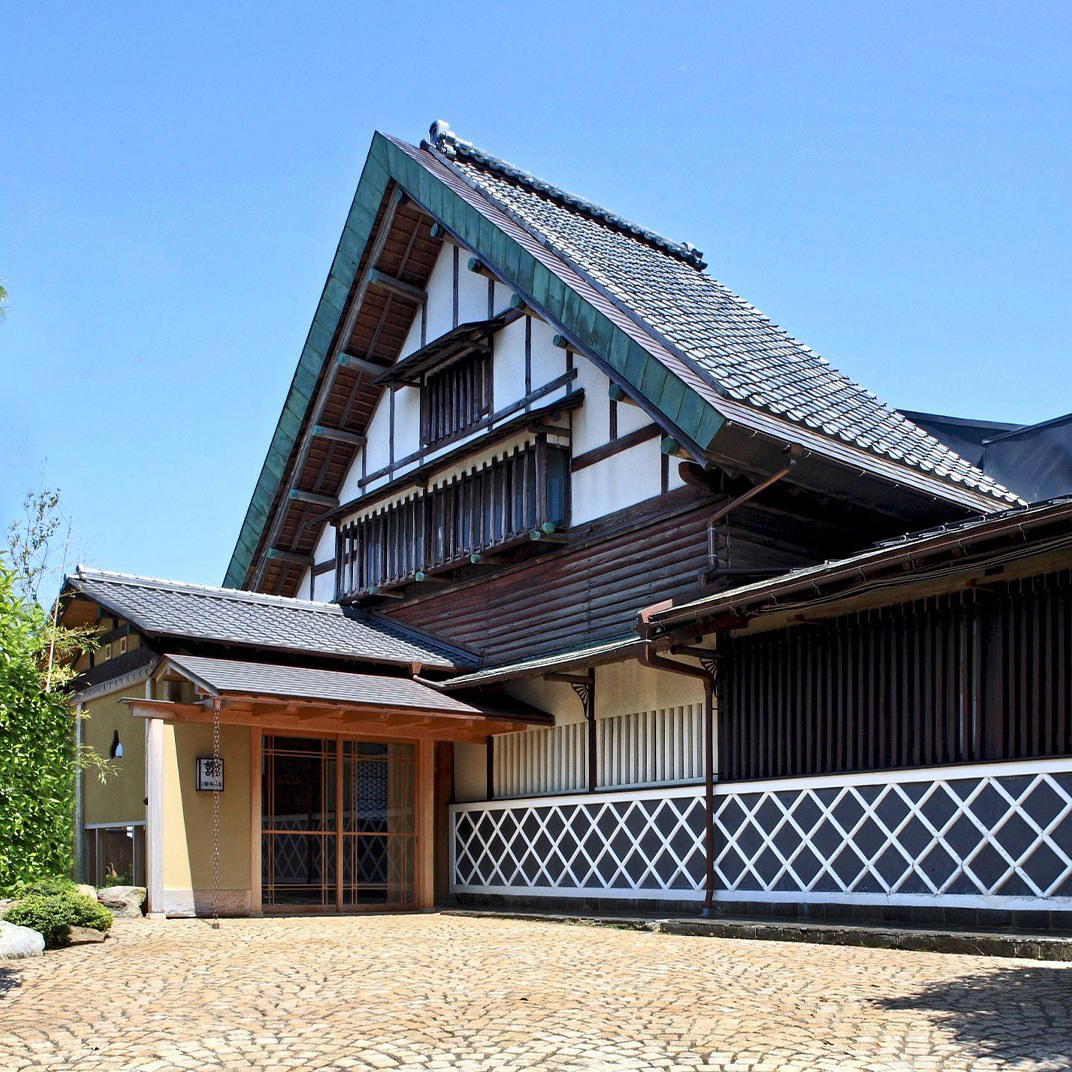
Details
- Romantic
- Elegant
- Scenic
- Quiet
- Sophisticated
- Honeymoon
- Romantic Getaway
- Anniversary
- Weekend Escape
- Waterfront
- Panoramic View
- Wi Fi
- Massage
- Room Service
- Concierge
- Bicycle Rental
- Beach Access
- Waterfront
- Garden
Evocative sukiya wood-framed architecture with tatami rooms, low chabudai tables, spacious lobby featuring fireplace, bar, and terrace overlooking lush gardens and natural surroundings.