



Four Seasons Hotel Beijing sits in the Yansha precinct of Chaoyang, positioning it squarely within Beijing's most active business and diplomatic corridor. The 313-room property earned 90 points on the La Liste Top Hotels 2026 index and draws both corporate and leisure travellers with two signature restaurants, a full spa, and room design that layers contemporary furnishings over traditional Chinese motifs.
 Discover on Pearl
Pearl is the En Primeur Club membership app — saves, bookings, and concierge access live there. Same editors, same standards.
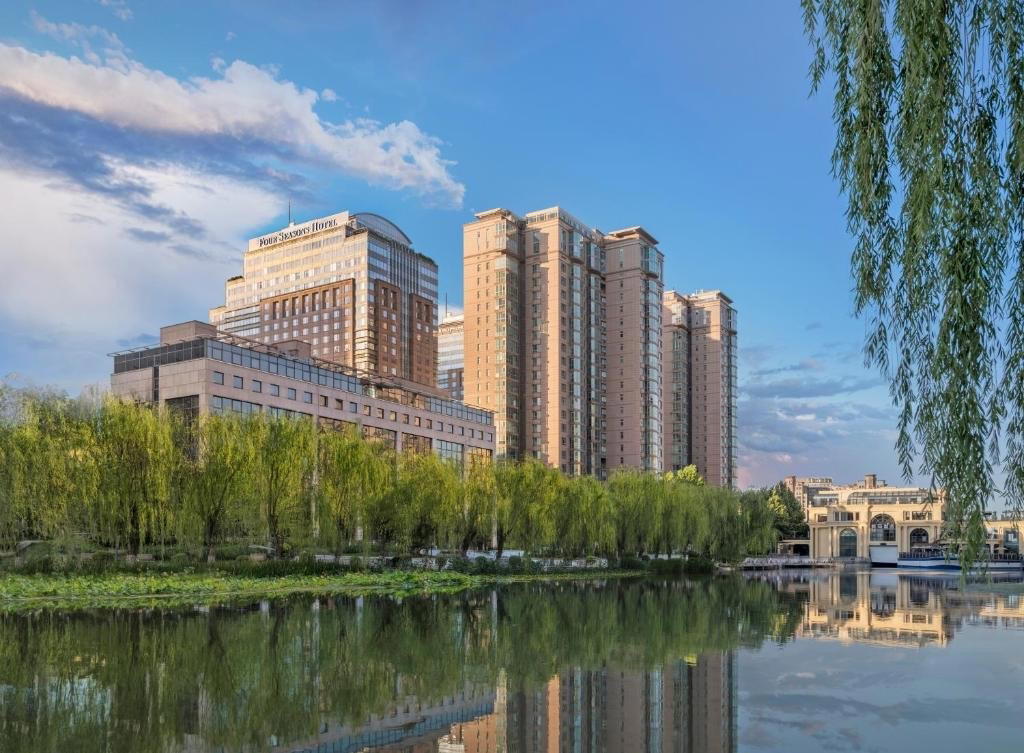
Chaoyang's Business Corridor and Where This Hotel Sits Within It
The northeastern stretch of Chaoyang has consolidated into Beijing's de facto address for international business and high-end hospitality. The Yansha area, where 48 Liang Ma Qiao Lu sits, places guests a short distance from the Third Embassy Precinct and within the Central Business District — a geography that shapes everything from who stays here to what the property is designed to deliver. This is not a hotel pitched at temple-hopping tourists; the streets outside are quieter than those near Wangfujing or Sanlitun, and getting to Tiananmen Square or the Forbidden City requires a deliberate trip. What the location trades in sightseeing convenience, it returns in operational ease for anyone whose Beijing agenda runs through embassies, corporate headquarters, or the city's northern entertainment belt.
Within that competitive set — which includes China World Summit Wing, Beijing, Conrad Beijing, and Fairmont Beijing Hotel , the Four Seasons positions itself through service consistency and a physical plant built around the atrium-and-gallery format that the brand has used effectively in Asian capitals. The La Liste Leading Hotels 2026 score of 90 points places it in credible company on an index that weights guest experience data alongside editorial assessment.
The Atrium, the Gallery, and What the Building Communicates on Arrival
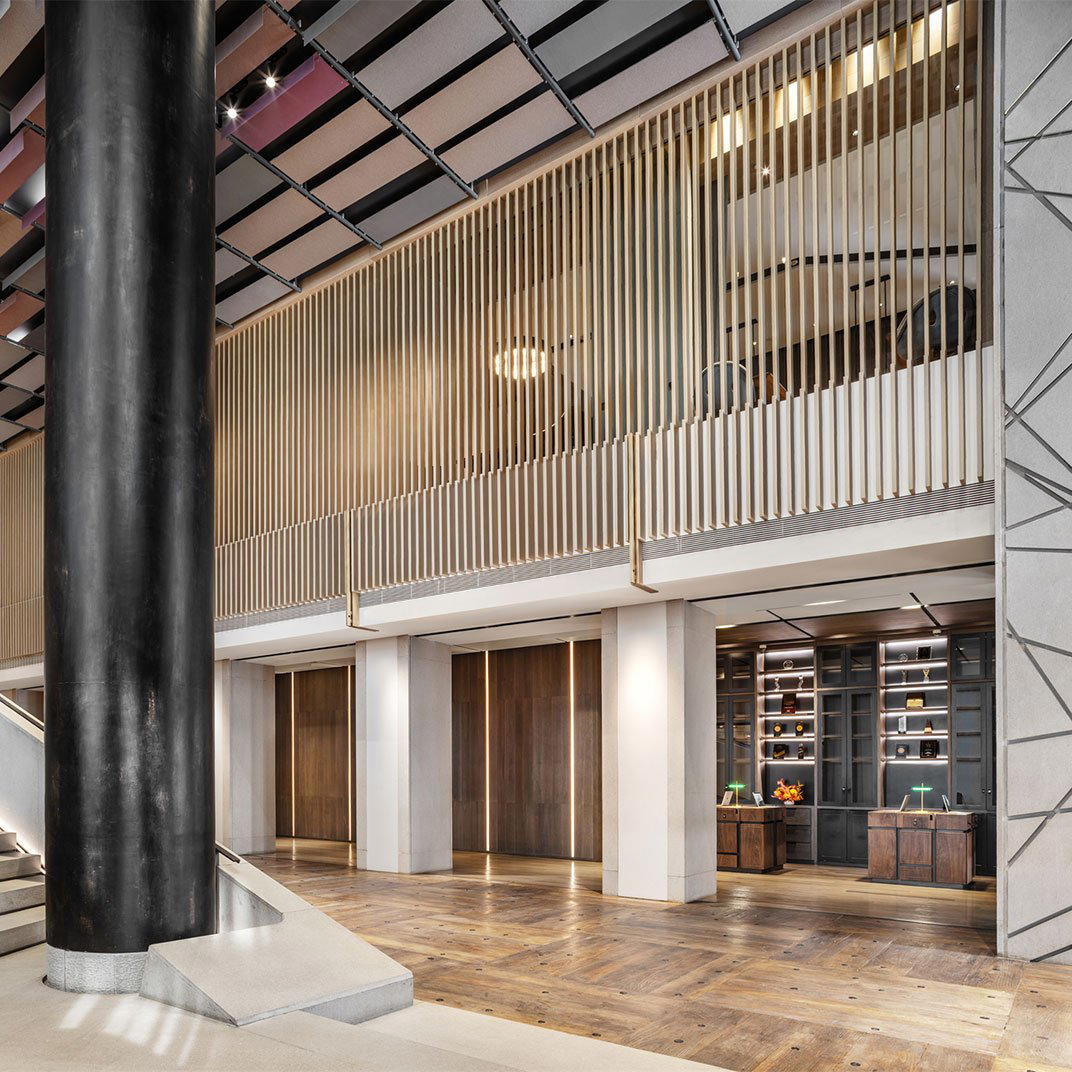
Entering through the lobby, the first spatial fact is the sky-lit atrium. The architecture organises the hotel's public areas around vertical light, which in a city where winter skies run grey for weeks at a time is a considered design choice. The second floor runs a gallery of boutiques selling Chinese handicrafts and contemporary art , less a shopping arcade than a curatorial gesture, signalling to arriving guests that the building treats Chinese material culture as a subject worth presenting rather than merely decorating around.
Traditional motifs appear throughout the guest floors without tipping into pastiche: ceramic vases and bowls on bedroom and bathroom shelves, books on Chinese handicrafts among the room amenities, and framed calligraphy collage prints on the walls. The rooms themselves run spacious by any international standard , dark wooden entry foyers, carved wooden double doors leading to oversized closets and bathrooms, and a colour palette of taupe, velvety maroon, and deep blue that reads as contemporary rather than period. A signature plush bed faces a 40-inch LED television; the desk is glass-topped and accompanied by an executive leather chair; a wide armchair and ottoman sit at the windows. These are rooms calibrated for extended stays, not one-night transits.
The Dining Program: Where Sourcing and Format Define the Offer
The editorial angle that runs through the Four Seasons Beijing's food and beverage program is the hotel's use of provenance and format as signifiers of quality. Beijing's luxury hotel dining has, over the past decade, split between properties that outsource their restaurant identity to celebrity chef brands and those that build signature restaurants with an in-house identity tied to specific sourcing decisions. Two signature restaurants anchor the dining offer here, operating within a framework that , consistent with how Four Seasons has approached its Asian properties , emphasises ingredient origin as a primary quality signal.
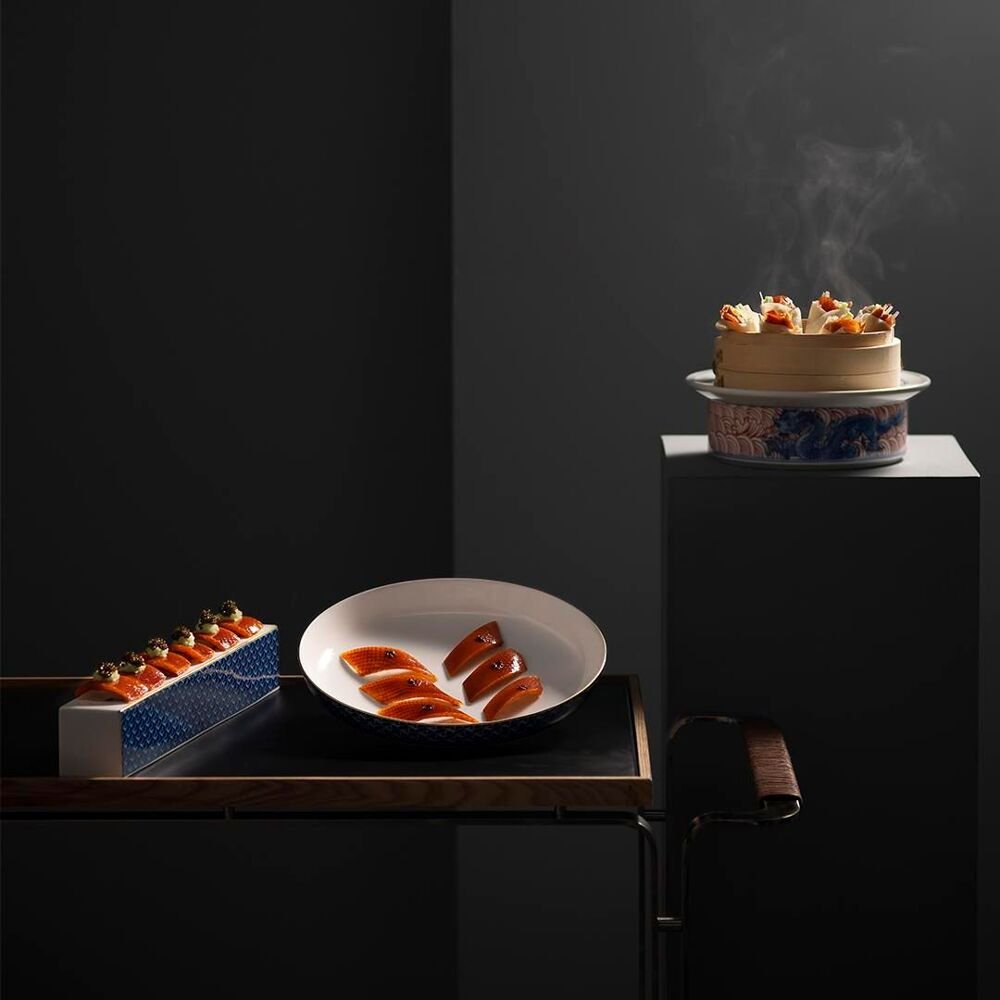
The afternoon tea service, held in the lobby's living room-style lounge from 2:30 to 5:30 p.m., illustrates this approach in compressed form. Three formats are offered , English, Parisian, and Golden Dragon , with the latter presenting Chinese-inflected preparations on a silver three-tiered stand that includes truffles and caviar. The sourcing specificity of the Golden Dragon tier, presenting luxury Chinese ingredients alongside European formats, is a deliberate framing: it positions the hotel's food identity at the intersection of international luxury protocols and high-end Chinese pantry traditions rather than simply importing a Western afternoon tea format wholesale.
For room service, the pea soup is the most frequently noted dish by inspectors: hot, thick, poured tableside, built around chunks of crabmeat and finished with chili oil. That preparation sits in a culinary register that treats Chinese flavour profiles , the heat of chili oil, the sweetness of crab , as the foundation, not the garnish. It is a small but telling signal of where the kitchen's sourcing and technique priorities lie.
Spa, Pool, and the Logic of the Amenity Stack
The pool deck is on the upper floors, with floor-to-ceiling glass overlooking Chaoyang's roofscape. The indoor format is pragmatic for Beijing's climate , the city runs cold from November through March , and the large whirlpool and cushioned loungers give the space a residential rather than resort-hotel character. The spa operates from the sixth floor, sharing locker facilities between spa guests and hotel guests, with a bubbling whirlpool tub, three-tiered sauna, steam room, full-size lockers, and vanity areas. The shared arrangement is worth noting: guests expecting a fully segregated spa floor will find the setup more integrated than at some competitor properties such as Bvlgari Hotel Beijing, where the spa program is more extensively separated from general hotel amenities.
The business services and Executive Club Lounge reflect the property's primary guest profile. Family and fitness facilities round out the stack for leisure travellers, but the sequencing of amenities in the hotel's own communications puts business infrastructure first , an honest signal about what the building is optimised for.
The Bar Question and the Cocktail Trade-Off
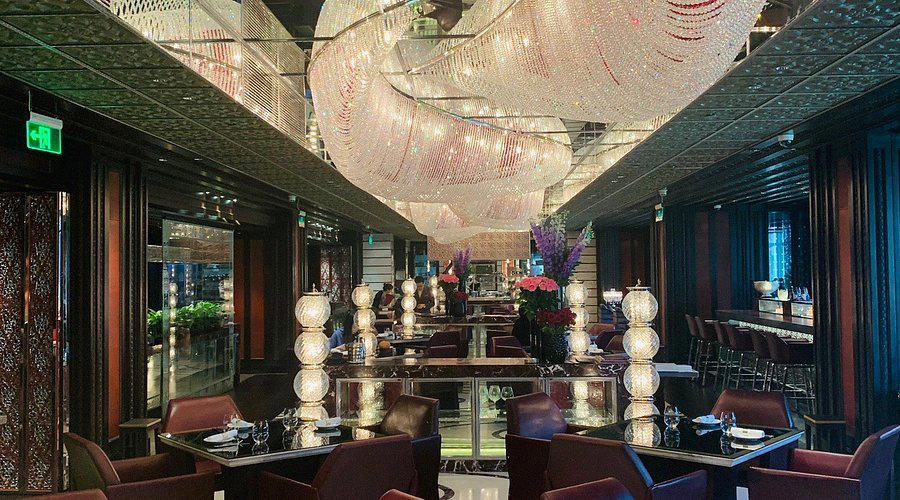
One trade-off is worth naming directly. The hotel bar shares space with the two-story all-day dining lounge in the lobby, which means guests looking for a dedicated cocktail environment will need to look outside the property. In a city where Sanlitun has developed a concentrated bar district within range, and where properties like Eclat Beijing offer more design-led lounge spaces, this is a real gap for travellers who weight evening bar culture highly in their hotel choice. The atmosphere the lobby lounge creates , living-room warmth, high ceilings, afternoon tea service transitioning to evening , works for the property's corporate-and-leisure profile, but it is a different register from the intimate, technically-focused cocktail programs that have emerged in Beijing's independent bar scene.
Beijing's Hotel Set: How the Four Seasons Sits in the Wider Market
Beijing's luxury hotel market now spans a wide range of formats and identities. Properties with deep historical embedding , Aman Summer Palace, positioned at the Summer Palace grounds, or Mandarin Oriental Qianmen, with its hutong-adjacent address , offer a different relationship to the city's historical fabric than a Chaoyang business-district address can. Further out, Brickyard Retreat at Mutianyu Great Wall represents a separate category entirely, trading urban access for proximity to one of Beijing's defining landscape experiences.
The Four Seasons sits in the tier that trades historical proximity and boutique intimacy for operational scale, service consistency, and business-district access , a trade a significant portion of Beijing's inbound travellers are actively seeking. Its 313 rooms and 66 suites, the atrium format, the gallery of boutiques on the second floor, and the full-service amenity stack (pool, spa, event spaces described as the city's finest) are all legible as choices made for that specific guest. For those travelling elsewhere in China, the EP Club platform covers properties including Amanfayun in Hangzhou, Amandayan in Lijiang, and 1 Hotel Haitang Bay, Sanya, while international comparisons within the Four Seasons peer group can be found at properties like Aman New York and Aman Venice.
For the full context of dining and hospitality options across the city, see our full Beijing restaurants guide. Additional China properties worth considering depending on itinerary include Andaz Shenzhen Bay, Xiamen Yunding Resort, and Altira Macau.
Planning a Stay: Practical Notes
The hotel is at 48 Liang Ma Qiao Lu, Chaoyang District , a five-minute walk from the Youyi Shopping City supermarket, which matters for longer-stay guests. The surrounding streets are quiet by Beijing standards, which works in favour of anyone prioritising sleep over proximity to nightlife. Afternoon tea runs daily from 2:30 to 5:30 p.m. in the lobby lounge. Booking is handled through the Four Seasons Hotels and Resorts central reservations system. The La Liste 2026 score of 90 points provides an external benchmark for where the property sits in the global hotel ranking.
Cuisine and Awards Snapshot
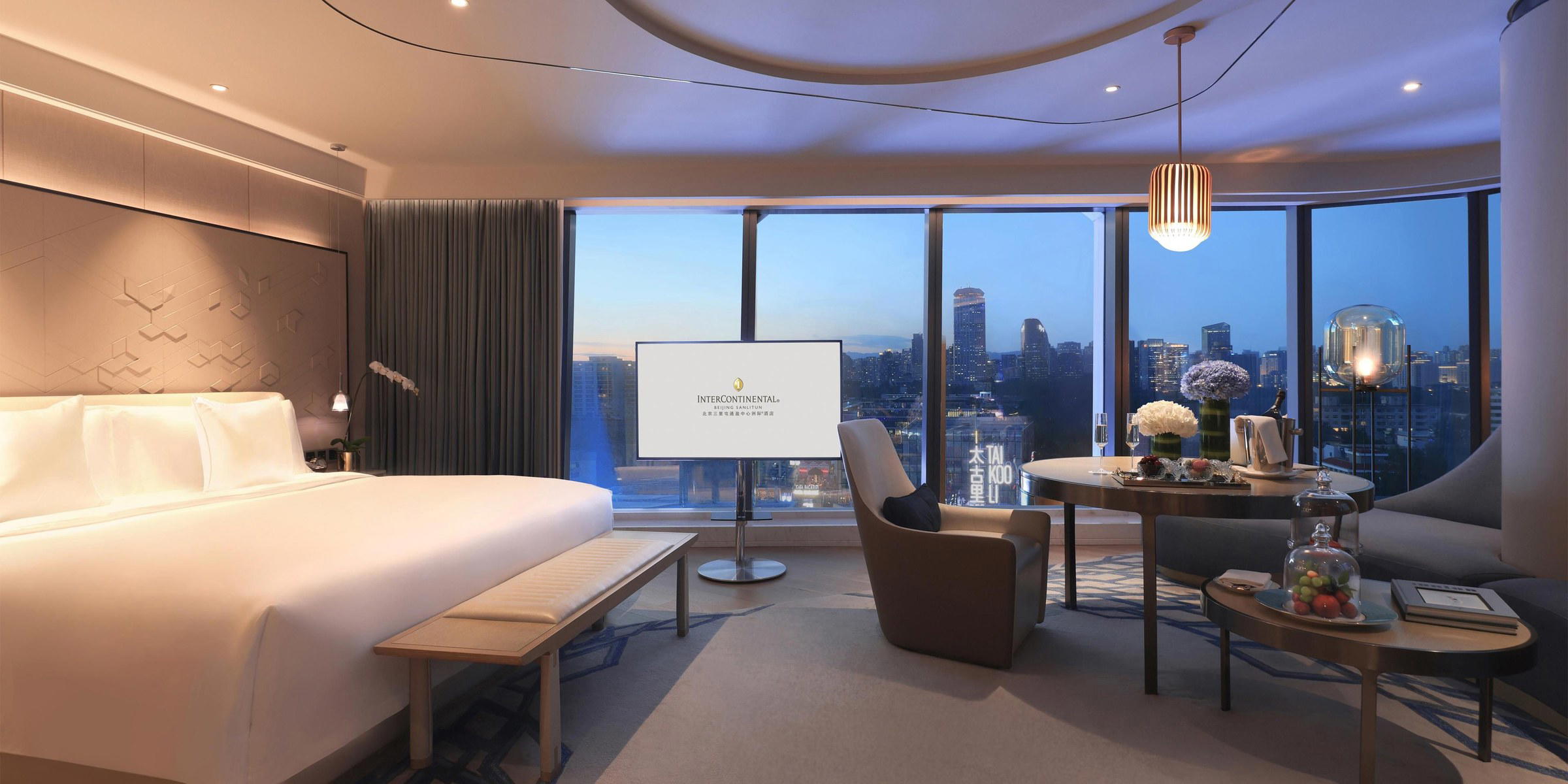
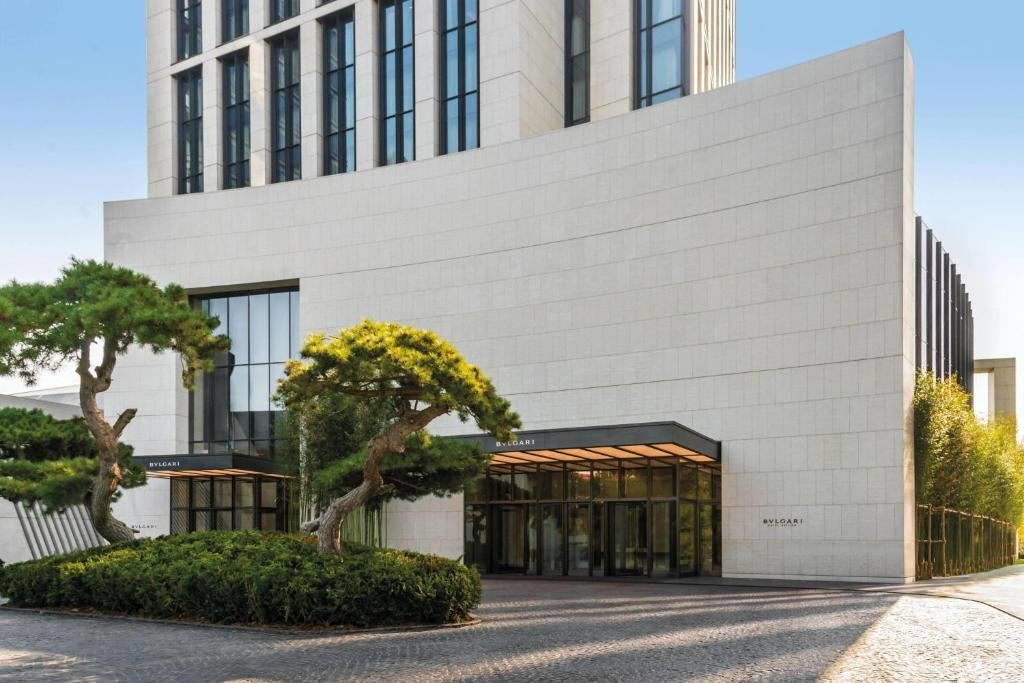
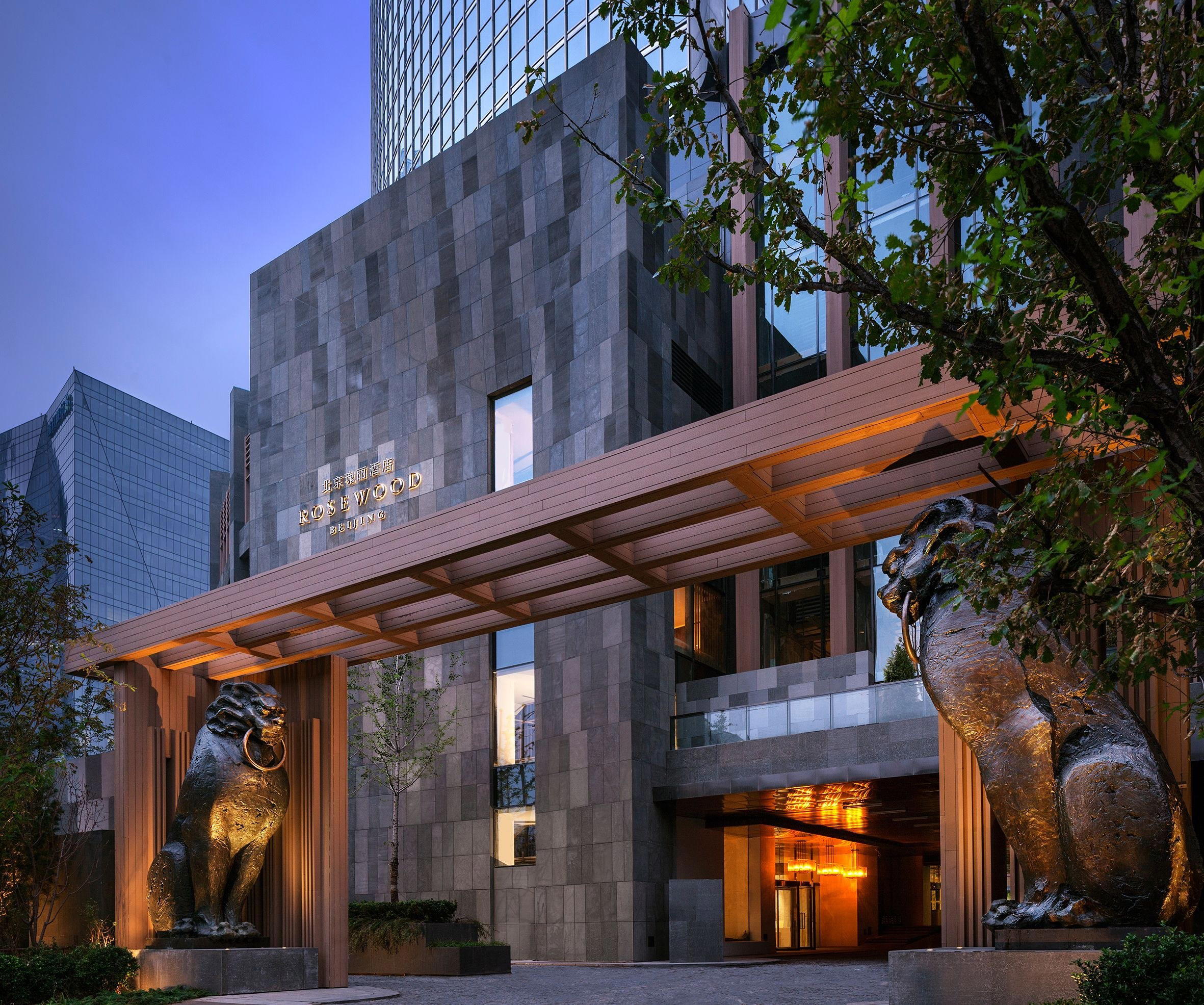
Comparable venues for orientation, based on our database fields.
At a Glance
- Elegant
- Sophisticated
- Romantic
- Scenic
- Honeymoon
- Romantic Getaway
- Business Trip
- Wellness Retreat
- Anniversary
- Celebration
- Destination Spa
- Rooftop Pool
- Panoramic View
- Garden
- Terrace
- Private Dining
- Wifi
- Pool
- Spa
- Fitness Center
- Room Service
- Concierge
- Business Center
- Valet Parking
- Restaurants
- Bar
- Sauna
- Steam Room
- Whirlpool
- Skyline
- Garden
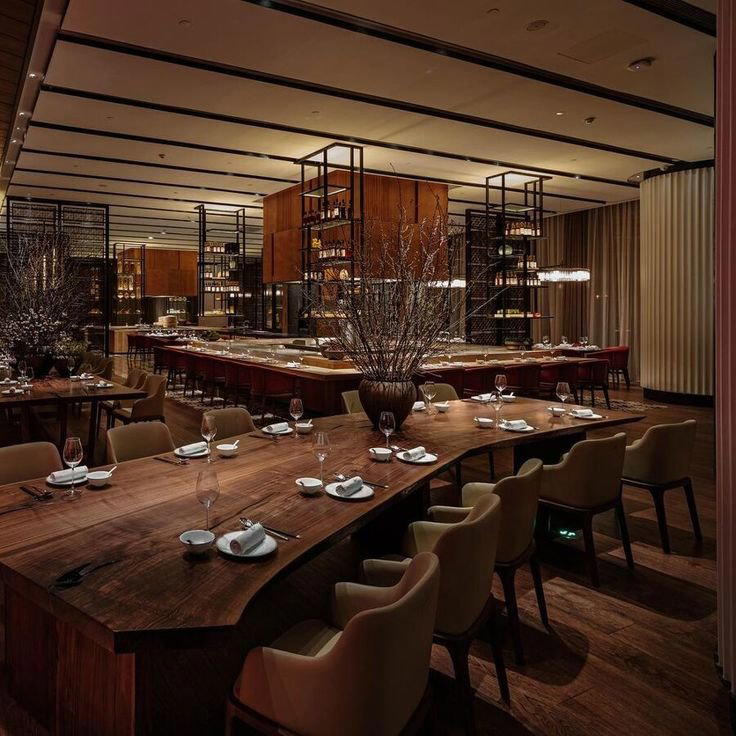
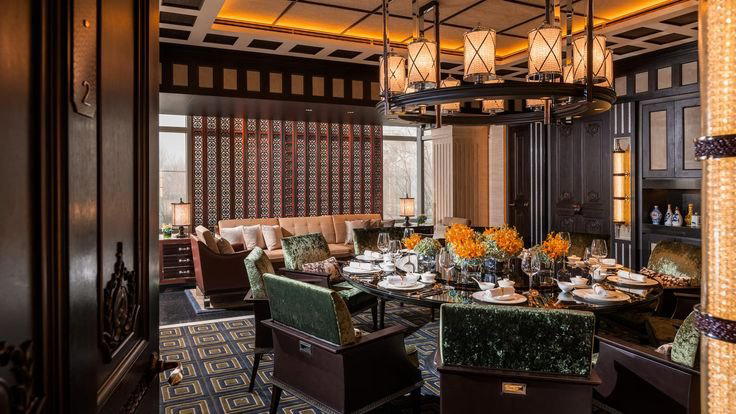
Elegant and serene with soft warm hues, classic mahogany furnishings, and traditional Chinese design elements throughout; naturally lit spaces with floor-to-ceiling windows offering panoramic cityscape views; sophisticated yet welcoming atmosphere.